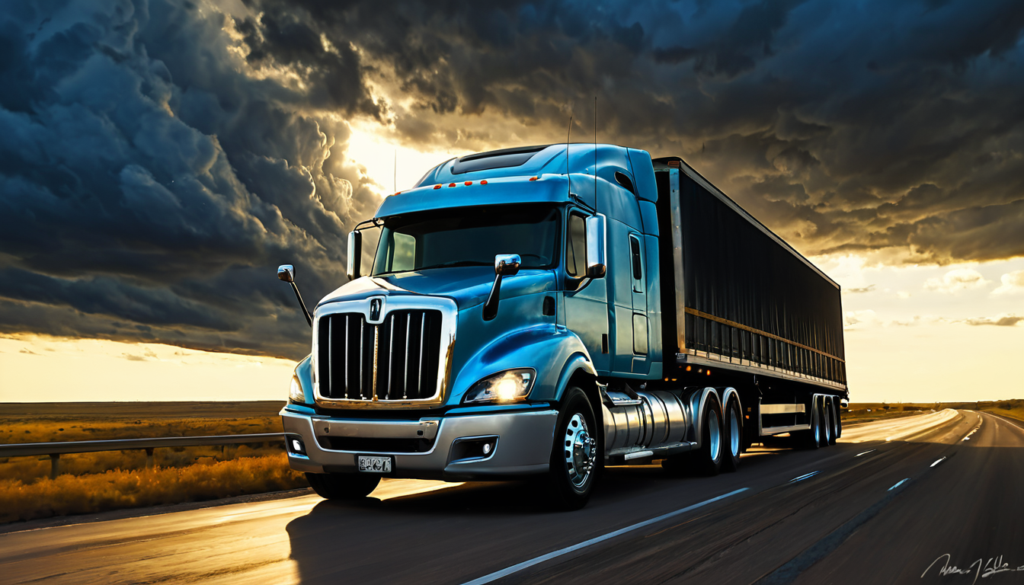
18-Wheeler Accidents in Cochran County: Your Complete Guide to Justice and Compensation
If you or a loved one has been injured in an 18-wheeler accident in Cochran County, Texas, you’re facing one of the most challenging experiences of your life. The physical pain, emotional trauma, and financial uncertainty can feel overwhelming. But you don’t have to face this alone. At Attorney911, we’ve been fighting for trucking accident victims across West Texas for over 25 years, and we’re here to help you understand your rights and pursue the justice you deserve.
Why Cochran County Trucking Accidents Are Different
Cochran County sits at the crossroads of major Texas trucking corridors, with U.S. Highway 385 and State Highway 114 serving as vital routes for commercial freight moving through the region. The county’s agricultural economy means heavy truck traffic year-round, with grain haulers, livestock transporters, and oilfield equipment carriers sharing the roads with passenger vehicles.
The wide-open spaces and long stretches of highway in Cochran County can lull drivers into a false sense of security, but these same conditions create unique dangers:
- Long, straight highways encourage speeding and fatigue
- Limited emergency services in rural areas mean longer response times
- Weather extremes from summer heat to winter ice create hazardous conditions
- Mixed traffic with agricultural equipment and commercial trucks increases collision risks
- Limited truck parking can lead to drivers exceeding hours-of-service limits
Our team understands these Cochran County-specific challenges. We know the local courts, the common accident patterns, and how to build the strongest possible case for our clients.
The Devastating Reality of 18-Wheeler Accidents
Every year in Texas, thousands of families are forever changed by catastrophic trucking accidents. The numbers are staggering:
- 5,100+ people killed in large truck crashes annually in the U.S.
- 125,000+ people injured in trucking accidents each year
- 76% of those killed are occupants of the smaller vehicle
- 1 in 3 fatal crashes on rural roads involve large trucks
In Cochran County, these statistics aren’t just numbers—they represent real families whose lives have been shattered by preventable trucking accidents. The size and weight disparity between an 18-wheeler and your passenger vehicle means that what might be a minor fender-bender between cars becomes a life-altering catastrophe when a truck is involved.
The Physics of Destruction
To understand why 18-wheeler accidents are so devastating, consider these facts:
- A fully loaded tractor-trailer can weigh 80,000 pounds—that’s 20-25 times heavier than the average passenger car
- At 65 mph, an 80,000-pound truck needs 525 feet to stop—nearly two football fields
- The force of impact in a truck collision is equivalent to being struck by a 20-ton object at highway speeds
- Underride collisions, where a car slides beneath a trailer, often result in decapitation or catastrophic head injuries
This isn’t just a bigger vehicle—it’s a completely different class of danger on our Cochran County roads.
Common Types of 18-Wheeler Accidents in Cochran County
Trucking accidents in Cochran County take many forms, but some patterns are particularly common in our region:
1. Rear-End Collisions on U.S. Highway 385
The long, straight stretches of U.S. 385 through Cochran County can lull drivers into complacency. Truck drivers following too closely or distracted by dispatch communications often fail to notice traffic slowing ahead. When an 80,000-pound truck rear-ends a passenger vehicle, the results are often catastrophic.
Common causes in Cochran County:
- Following too closely (tailgating)
- Driver fatigue from long hauls
- Distracted driving (cell phones, dispatch devices)
- Brake failures from poor maintenance
- Overloaded trailers increasing stopping distance
2. Underride Accidents at Rural Intersections
Cochran County’s rural intersections can be particularly dangerous when trucks make wide turns or fail to yield right-of-way. Underride collisions occur when a passenger vehicle slides beneath the trailer of an 18-wheeler. These accidents are almost always fatal for the car’s occupants.
Common scenarios in Cochran County:
- Trucks making wide right turns at intersections
- Trucks stopped or moving slowly across lanes
- Poor lighting conditions at night
- Missing or inadequate underride guards
- Sudden stops without warning
3. Rollover Accidents on State Highway 114
The agricultural traffic on State Highway 114 creates unique challenges. Trucks hauling grain, livestock, or heavy equipment are particularly prone to rollovers when taking curves too fast or when cargo shifts during transit.
Common causes in Cochran County:
- Speeding on curves and ramps
- Improperly secured agricultural loads
- Liquid cargo sloshing in tankers
- Overcorrection after tire blowouts
- Driver inexperience with heavy loads
4. Jackknife Accidents During Sudden Stops
Jackknife accidents occur when the trailer swings out perpendicular to the cab, often blocking multiple lanes of traffic. These accidents are particularly common in Cochran County when trucks must make sudden stops for crossing livestock, agricultural equipment, or wildlife.
Common causes in Cochran County:
- Sudden braking on rural roads
- Wet or icy road conditions
- Improper brake adjustment
- Empty or lightly loaded trailers
- Driver fatigue causing delayed reaction
5. Tire Blowout Accidents on Long Hauls
The extreme temperature variations in Cochran County—from scorching summer days to freezing winter nights—put tremendous stress on truck tires. Blowouts on U.S. 385 and State Highway 114 often result in loss of control and multi-vehicle collisions.
Common causes in Cochran County:
- Underinflated tires from temperature changes
- Overloaded vehicles exceeding tire capacity
- Worn or aging tires not replaced
- Road debris from agricultural operations
- Manufacturing defects
6. Wide Turn Accidents in Downtown Morton
The tight streets of Morton create challenges for large trucks making turns. “Squeeze play” accidents occur when trucks swing wide to make a right turn, creating a gap that other vehicles enter—only to be crushed when the truck completes its turn.
Common causes in Cochran County:
- Failure to signal turning intention
- Inadequate mirror checks
- Improper turn technique
- Driver inexperience with urban driving
- Poor intersection design
Who’s Really Responsible for Your Injuries?
One of the most important differences between car accidents and 18-wheeler accidents is the number of potentially liable parties. In a typical car crash, you’re usually dealing with just one other driver and their insurance company. But in trucking accidents, multiple companies and individuals may share responsibility for your injuries.
The Web of Liability in Cochran County Trucking Cases
At Attorney911, we investigate every possible defendant to maximize your recovery. In Cochran County trucking cases, we’ve held accountable:
-
The Truck Driver
- Speeding or reckless driving
- Distracted driving (cell phone use, dispatch devices)
- Fatigued driving beyond legal limits
- Impaired driving (drugs, alcohol, prescription medications)
- Failure to conduct proper pre-trip inspections
- Traffic law violations (failure to yield, running red lights)
-
The Trucking Company (Motor Carrier)
- Vicarious liability for driver’s negligent acts
- Negligent hiring of unqualified or dangerous drivers
- Negligent training of drivers on safety procedures
- Negligent supervision of driver performance
- Negligent maintenance of vehicles
- Negligent scheduling that pressures drivers to violate hours-of-service rules
-
The Cargo Owner or Shipper
- Providing improper loading instructions
- Failing to disclose hazardous nature of cargo
- Requiring overweight loading
- Pressuring carriers to meet unrealistic delivery deadlines
-
The Cargo Loading Company
- Improper cargo securement (49 CFR 393 violations)
- Unbalanced load distribution
- Exceeding vehicle weight ratings
- Failure to use proper blocking, bracing, or tiedowns
- Not training loaders on securement requirements
-
The Truck and Trailer Manufacturer
- Design defects in brake systems, stability control, or fuel tank placement
- Manufacturing defects causing component failures
- Failure to warn of known dangers
- Defective safety systems (ABS, ESC, collision warning)
-
Parts Manufacturers
- Defective brake components
- Defective tires causing blowouts
- Defective steering mechanisms
- Defective lighting components
- Defective coupling devices
-
Maintenance Companies
- Negligent repairs that failed to fix problems
- Failure to identify critical safety issues
- Improper brake adjustments
- Using substandard or wrong parts
- Returning vehicles to service with known defects
-
Freight Brokers
- Negligent selection of carriers with poor safety records
- Failure to verify carrier insurance and authority
- Failure to check carrier CSA scores
- Selecting cheapest carrier despite safety concerns
-
The Truck Owner (If Different from Carrier)
- Negligent entrustment of vehicle to unfit driver
- Failure to maintain owned equipment
- Knowledge of driver’s unfitness
-
Government Entities
- Dangerous road design that contributed to accident
- Failure to maintain roads (potholes, debris, worn markings)
- Inadequate signage for known hazards
- Failure to install safety barriers
- Improper work zone setup
Why Multiple Defendants Matter for Your Recovery
In Cochran County trucking cases, identifying all liable parties is crucial because:
- Insurance coverage stacks – Each defendant may have separate insurance policies
- Deeper pockets – Trucking companies and manufacturers have higher coverage limits
- Stronger cases – Multiple defendants mean multiple sources of evidence
- Better settlements – Defendants often point fingers at each other, increasing pressure to settle
Our team at Attorney911 has the experience to untangle these complex relationships and pursue every possible avenue for compensation.
The Critical Evidence in Your Cochran County Trucking Case
Evidence in trucking cases disappears quickly. Trucking companies have rapid-response teams that begin protecting their interests within hours of an accident. If you don’t act fast, critical evidence will be lost forever.
What Evidence We Preserve for Cochran County Cases
When we take on a trucking accident case in Cochran County, we immediately send spoliation letters demanding preservation of all evidence. This includes:
-
Electronic Data (The “Black Box”)
- Engine Control Module (ECM) – Records speed, throttle position, RPM, cruise control status, fault codes
- Event Data Recorder (EDR) – Captures pre-crash data triggered by sudden deceleration or airbag deployment
- Electronic Logging Device (ELD) – Federally mandated device recording driver hours, duty status, GPS location
- GPS/Telematics Data – Real-time location history, speed, route information
- Dashcam Footage – Forward-facing and cab-facing cameras showing driver behavior
-
Driver Records
- Complete Driver Qualification File
- Employment application and background check
- Driving record (MVR) and previous employer verification
- Medical certification and exam records
- Drug and alcohol test results (pre-employment and random)
- Training records and certifications
- Previous accident and violation history
- Performance reviews and disciplinary records
-
Vehicle Records
- Maintenance and repair records
- Inspection reports (pre-trip, post-trip, annual)
- Out-of-service orders and repairs
- Tire records and replacement history
- Brake inspection and adjustment records
- Parts purchase and installation records
- The physical truck and trailer themselves
-
Company Records
- Hours of service records for 6 months prior to accident
- Dispatch logs and trip records
- Bills of lading and cargo documentation
- Insurance policies
- Safety policies and procedures
- Training curricula
- Hiring and supervision policies
- Previous accident/violation history
- CSA (Compliance, Safety, Accountability) scores
-
Accident Scene Evidence
- Skid marks and roadway gouges
- Vehicle debris patterns
- Roadway conditions (potholes, debris, markings)
- Weather conditions at time of accident
- Traffic signal timing and functionality
- Surveillance footage from nearby businesses
- Witness statements
Why This Evidence Is So Important
The electronic data from the truck’s systems provides objective, tamper-resistant evidence that often contradicts what drivers and trucking companies claim happened. For example:
- ECM data can prove the truck was speeding when the driver claims they weren’t
- ELD records can show the driver violated hours-of-service rules and was fatigued
- Dashcam footage can reveal distracted driving or other unsafe behaviors
- Maintenance records can demonstrate a pattern of deferred repairs
- Driver qualification files can prove negligent hiring or training
In one Cochran County case, we used ECM data to prove that a truck driver had been speeding for miles before the accident, directly contradicting his claim that he was driving safely. This evidence helped us secure a multi-million dollar settlement for our client.
Federal Trucking Regulations: The Rules That Protect You
Every 18-wheeler operating in Cochran County must comply with federal safety regulations established by the Federal Motor Carrier Safety Administration (FMCSA). These rules are designed to prevent accidents and protect the public. When trucking companies and drivers violate these regulations, they create dangerous conditions that often lead to catastrophic accidents.
The Most Important FMCSA Regulations
1. Driver Qualification Standards (49 CFR Part 391)
Before a driver can operate a commercial motor vehicle in Cochran County, they must meet strict qualification standards:
- Minimum age: 21 years for interstate driving (18 for intrastate)
- English proficiency: Must be able to read and speak English sufficiently
- Physical qualification: Must pass medical examination and maintain current medical certificate
- Commercial driver’s license (CDL): Must possess appropriate class of CDL
- Road test: Must pass road test or equivalent
- Background check: Must have clean driving record and pass background investigation
Driver Qualification File Requirements:
Motor carriers must maintain a file for every driver containing:
- Employment application
- Motor vehicle record (MVR) from state licensing authority
- Road test certificate or equivalent
- Medical examiner’s certificate
- Annual driving record review
- Previous employer inquiries (3-year driving history)
- Drug and alcohol test records
Why This Matters for Your Case:
If the trucking company failed to maintain a proper driver qualification file, failed to check the driver’s background, or hired a driver with a poor safety record, they can be held liable for negligent hiring.
2. Hours of Service Regulations (49 CFR Part 395)
Fatigue is a leading cause of trucking accidents. FMCSA regulations limit how long truck drivers can operate to prevent fatigued driving:
Property-Carrying Drivers (Most 18-Wheelers):
- 11-Hour Driving Limit: Maximum 11 hours driving after 10 consecutive hours off duty
- 14-Hour On-Duty Window: Cannot drive beyond 14th consecutive hour after coming on duty
- 30-Minute Break: Mandatory 30-minute break after 8 cumulative hours of driving
- 60/70-Hour Weekly Limit: Cannot drive after 60 hours in 7 days or 70 hours in 8 days
- 34-Hour Restart: Can restart 60/70-hour clock with 34 consecutive hours off duty
Sleeper Berth Provision:
Drivers using sleeper berths may split their 10-hour off-duty period:
- At least 7 consecutive hours in sleeper berth
- Plus at least 2 consecutive hours off-duty (in berth or otherwise)
- Neither period counts against 14-hour window
Electronic Logging Device (ELD) Mandate:
Since December 18, 2017, most CMV drivers must use ELDs that:
- Automatically record driving time
- Synchronize with vehicle engine to record objective data
- Cannot be altered after the fact (unlike paper logs)
- Record GPS location, speed, engine hours
Why This Matters for Your Case:
Hours of service violations are among the most common causes of trucking accidents. ELD data can prove that the driver was fatigued and violated federal regulations. In one Cochran County case, we used ELD records to show that a driver had been on duty for 16 consecutive hours before the accident, directly violating FMCSA rules.
3. Vehicle Safety Standards (49 CFR Part 393)
Commercial vehicles must meet strict safety standards for equipment and cargo securement:
Cargo Securement Requirements:
- Cargo must be contained, immobilized, or secured to prevent:
- Leaking, spilling, blowing, or falling from the vehicle
- Shifting that affects vehicle stability or maneuverability
- Blocking the driver’s view or interfering with operation
- Working load limits must meet specific requirements
- Specific requirements for different types of cargo (logs, metal coils, machinery, etc.)
Brake System Requirements:
- All CMVs must have properly functioning brake systems
- Service brakes on all wheels
- Parking/emergency brake system
- Air brake systems must meet specific requirements
- Brake adjustment must be maintained within specifications
Lighting Requirements:
- Headlamps, tail lamps, stop lamps
- Clearance and side marker lamps
- Reflectors and retroreflective sheeting
- Turn signal lamps
Why This Matters for Your Case:
Violations of cargo securement regulations often cause rollover accidents. Brake failures are a leading cause of rear-end collisions. We investigate every vehicle system when building your case.
4. Inspection and Maintenance Requirements (49 CFR Part 396)
Motor carriers must systematically inspect, repair, and maintain all vehicles:
Driver Inspection Requirements:
- Pre-Trip Inspection: Drivers must inspect their vehicles before every trip
- Post-Trip Report: After each day’s driving, drivers must prepare written report on vehicle condition
Annual Inspection:
- Every CMV must pass a comprehensive annual inspection
- Inspection decal must be displayed
- Records must be retained for 14 months
Maintenance Record Retention:
- Motor carriers must maintain records for each vehicle showing:
- Identification (make, serial number, year, tire size)
- Schedule for inspection, repair, and maintenance
- Record of repairs and maintenance
- Records must be retained for 1 year
Why This Matters for Your Case:
Brake failures cause 29% of truck accidents. If the trucking company failed to maintain proper records or deferred maintenance, they are liable for negligence.
The Catastrophic Injuries Caused by Trucking Accidents
The injuries caused by 18-wheeler accidents in Cochran County are often life-altering. The massive size and weight disparity between trucks and passenger vehicles means that what might be minor injuries in a car accident become catastrophic when a truck is involved.
Common Catastrophic Injuries in Cochran County Trucking Accidents
1. Traumatic Brain Injury (TBI)
TBI occurs when a sudden trauma causes damage to the brain. In trucking accidents, the extreme forces cause the brain to impact the inside of the skull.
Severity Levels:
- Mild (Concussion): Confusion, headache, brief loss of consciousness
- Moderate: Extended unconsciousness, memory problems, cognitive deficits
- Severe: Extended coma, permanent cognitive impairment
Common Symptoms:
- Headaches and dizziness
- Memory loss and confusion
- Difficulty concentrating
- Mood changes, depression, anxiety
- Sleep disturbances
- Sensory problems (vision, hearing, taste)
- Speech difficulties
- Personality changes
Long-Term Consequences:
- Permanent cognitive impairment
- Inability to work
- Need for ongoing care and supervision
- Increased risk of dementia and Alzheimer’s
- Depression and emotional disorders
Lifetime Care Costs: $85,000 to $3,000,000+ depending on severity
2. Spinal Cord Injury and Paralysis
Damage to the spinal cord disrupts communication between the brain and body, often resulting in paralysis.
Types of Paralysis:
- Paraplegia: Loss of function below the waist
- Quadriplegia: Loss of function in all four limbs
- Incomplete Injury: Some nerve function remains
- Complete Injury: No nerve function below injury
Level of Injury Matters:
- Higher injuries (cervical spine) affect more body functions
- C1-C4 injuries may require ventilator for breathing
- Lower injuries (lumbar) affect legs but not arms
Lifetime Care Costs:
- Paraplegia (low): $1.1 million+
- Paraplegia (high): $2.5 million+
- Quadriplegia (low): $3.5 million+
- Quadriplegia (high): $5 million+
3. Amputation
Amputations occur when limbs are severed at the scene or when limbs are so severely damaged they must be surgically removed.
Common in Cochran County Trucking Accidents Due To:
- Crushing forces from truck impact
- Entrapment requiring amputation for extraction
- Severe burns requiring surgical removal
- Infections from open wounds
Ongoing Medical Needs:
- Initial surgery and hospitalization
- Prosthetic limbs ($5,000 – $50,000+ per prosthetic)
- Replacement prosthetics throughout lifetime
- Physical therapy and rehabilitation
- Occupational therapy for daily living skills
- Psychological counseling
Impact on Life:
- Permanent disability
- Career limitations or total disability
- Phantom limb pain
- Body image and psychological trauma
- Need for home modifications
- Dependency on others for daily activities
4. Severe Burns
Burns occur in trucking accidents through:
- Fuel tank rupture and fire
- Hazmat cargo spills and ignition
- Electrical fires from battery/wiring damage
- Friction burns from road contact
- Chemical burns from hazmat exposure
Burn Classification:
- First Degree: Epidermis only (minor, heals without scarring)
- Second Degree: Epidermis and dermis (may scar, may need grafting)
- Third Degree: Full thickness (requires skin grafts, permanent scarring)
- Fourth Degree: Through skin to muscle/bone (multiple surgeries, amputation may be required)
Long-Term Consequences:
- Permanent scarring and disfigurement
- Multiple reconstructive surgeries
- Skin graft procedures
- Chronic pain
- Infection risks
- Psychological trauma
5. Internal Organ Damage
Common internal injuries in Cochran County trucking accidents:
- Liver laceration or rupture
- Spleen damage requiring removal
- Kidney damage
- Lung contusion or collapse (pneumothorax)
- Internal bleeding (hemorrhage)
- Bowel and intestinal damage
Why Dangerous:
- May not show immediate symptoms
- Internal bleeding can be life-threatening
- Requires emergency surgery
- Organ removal affects long-term health
6. Wrongful Death
When trucking accidents kill, surviving family members can pursue wrongful death claims.
Who Can Bring a Wrongful Death Claim in Texas:
- Surviving spouse
- Children (minor and adult)
- Parents (especially if no spouse or children)
- Estate representative
Types of Claims:
- Wrongful Death Action: Compensation for survivors’ losses
- Survival Action: Compensation for decedent’s pain/suffering before death
Damages Available:
- Lost future income and benefits
- Loss of consortium (companionship, care, guidance)
- Mental anguish and emotional suffering
- Funeral and burial expenses
- Medical expenses incurred prior to death
- Pain and suffering experienced by decedent before death
- Punitive damages (in cases of gross negligence)
The Insurance Battle: What You’re Really Up Against
After a trucking accident in Cochran County, you might think the trucking company’s insurance will treat you fairly. They won’t. Insurance companies are for-profit businesses, and their primary goal is to pay you as little as possible—often far less than your case is worth.
The Insurance Company’s Playbook
Our firm includes Lupe Peña, a former insurance defense attorney who spent years working for a national defense firm. He knows exactly how insurance companies evaluate, minimize, and deny trucking accident claims. Now he uses that insider knowledge to fight for you.
Common Insurance Tactics and How We Counter Them:
| Insurance Tactic | How They Use It Against You | How We Counter It |
|---|---|---|
| Quick Lowball Settlement Offers | Offer fast money before you understand your injuries | Never accept early offers; calculate full future damages first |
| Denying or Minimizing Injuries | Claim your injuries aren’t as serious as you say | Obtain comprehensive medical documentation and expert testimony |
| Blaming the Victim | Claim you were partially or fully at fault | Investigate fully; gather evidence disproving fault allegations |
| Delaying the Claims Process | Drag out the process hoping you’ll accept less | File lawsuit to force discovery; set depositions |
| Using Recorded Statements Against You | Get you to say things that hurt your case | Advise clients NEVER give statements without attorney present |
| “Pre-Existing Condition” Defense | Claim your injuries existed before the accident | Apply Texas “Eggshell Skull” doctrine (take plaintiff as found) |
| “Gap in Treatment” Attacks | Claim you must not be injured if you missed appointments | Document all treatment; explain gaps with medical records |
| Sending Surveillance Investigators | Follow you to catch you doing activities that “prove” you’re not injured | Advise clients on appropriate conduct; expose unfair surveillance |
| Hiring “Independent” Medical Examiners | Send you to doctors who will minimize your injuries | Counter with client’s treating physicians and independent experts |
| Drowning You in Paperwork | Overwhelm you with requests and forms | Aggressive litigation and motion practice to force resolution |
The Insurance Minimums: What’s Really Available
Federal law requires commercial trucking companies to carry minimum liability insurance far exceeding typical auto policies:
| Cargo Type | Minimum Coverage |
|---|---|
| Non-Hazardous Freight (10,001+ lbs GVWR) | $750,000 |
| Oil/Petroleum (10,001+ lbs GVWR) | $1,000,000 |
| Large Equipment (10,001+ lbs GVWR) | $1,000,000 |
| Hazardous Materials (All) | $5,000,000 |
| Passengers (16+ passengers) | $5,000,000 |
| Passengers (15 or fewer) | $1,500,000 |
Why This Matters for Your Cochran County Case:
Unlike car accidents where insurance may be limited to $30,000-$100,000, trucking accidents typically have at least $750,000 available—and often much more. Many carriers carry $1-5 million in coverage.
This higher coverage means catastrophic injuries can actually be compensated, rather than leaving victims with unpaid medical bills and financial ruin.
What Your Case Is Really Worth
One of the most common questions we hear from Cochran County trucking accident victims is: “How much is my case worth?” The answer depends on many factors, and every case is unique. However, understanding the types of damages available can help you understand what you might be entitled to recover.
Types of Damages in Cochran County Trucking Cases
1. Economic Damages (Calculable Losses)
| Category | What’s Included |
|---|---|
| Medical Expenses | Past, present, and future medical costs (hospital bills, doctor visits, medications, medical equipment, home modifications) |
| Lost Wages | Income lost due to injury and recovery time |
| Lost Earning Capacity | Reduction in future earning ability due to permanent injuries |
| Property Damage | Vehicle repair or replacement costs |
| Out-of-Pocket Expenses | Transportation to medical appointments, home modifications, assistive devices |
| Life Care Costs | Ongoing care for catastrophic injuries (nursing care, rehabilitation, medical supplies) |
2. Non-Economic Damages (Quality of Life)
| Category | What’s Included |
|---|---|
| Pain and Suffering | Physical pain from injuries |
| Mental Anguish | Psychological trauma, anxiety, depression |
| Loss of Enjoyment | Inability to participate in activities you once enjoyed |
| Disfigurement | Scarring, visible injuries, permanent changes to appearance |
| Loss of Consortium | Impact on marriage/family relationships (companionship, affection, sexual relations) |
| Physical Impairment | Reduced physical capabilities |
3. Punitive Damages (Punishment for Gross Negligence)
Punitive damages may be available when the trucking company or driver acted with:
- Gross negligence
- Willful misconduct
- Conscious indifference to safety
- Fraud (falsifying logs, destroying evidence)
Texas Punitive Damages Cap:
In Texas, punitive damages are capped at the greater of:
- (2 × economic damages) + (non-economic damages up to $750,000), or
- $200,000
Settlement Ranges for Cochran County Trucking Cases
While every case is unique, here are some general ranges based on our experience handling Texas trucking cases:
| Injury Type | Typical Settlement Range |
|---|---|
| Soft Tissue (Whiplash, Strains) | $15,000 – $60,000 |
| Herniated Disc (Non-Surgical) | $50,000 – $200,000 |
| Herniated Disc (With Surgery) | $346,000 – $1,205,000 |
| Traumatic Brain Injury (Mod-Severe) | $1,548,000 – $9,838,000+ |
| Spinal Cord Injury (Paraplegia) | $4,770,000 – $25,880,000+ |
| Amputation | $1,945,000 – $8,630,000 |
| Wrongful Death (Single Victim) | $1,910,000 – $9,520,000+ |
| Wrongful Death (Multiple Victims) | $5,000,000 – $15,000,000+ |
| Catastrophic Cases (Egregious Negligence) | $10,000,000 – $20,000,000+ |
Factors That Increase Case Value:
- Clear liability (trucking company obviously at fault)
- Severe, permanent injuries
- Catastrophic injuries requiring lifelong care
- Gross negligence or intentional misconduct
- Multiple liable parties
- High insurance coverage limits
- Sympathetic plaintiff
- Strong evidence of negligence
Factors That Decrease Case Value:
- Shared fault (Texas modified comparative negligence)
- Pre-existing conditions
- Limited insurance coverage
- Minor injuries with quick recovery
- Weak evidence of negligence
The Legal Process: What to Expect in Your Cochran County Case
Step 1: Free Consultation
The first step is always a free, no-obligation consultation. We’ll listen to your story, review your medical records and accident details, and explain your legal options. There’s no pressure and no upfront cost.
Step 2: Case Investigation
If we take your case, we begin an immediate investigation:
- Send spoliation letters to preserve all evidence
- Obtain police reports and accident scene documentation
- Collect medical records and bills
- Interview witnesses before memories fade
- Photograph injuries and property damage
- Obtain trucking company records (driver files, maintenance logs, ELD data)
- Consult experts (accident reconstruction, medical, vocational)
Step 3: Medical Treatment and Documentation
We’ll help you get the medical care you need, even if you don’t have health insurance. We work with doctors who will treat you on a letter of protection (LOP), meaning they’ll wait for payment until your case settles.
Critical Medical Documentation:
- Emergency room records
- Hospital admission records
- Surgical reports
- Doctor’s office visit notes
- Physical therapy records
- Prescription medication records
- Medical imaging (X-rays, MRIs, CT scans)
- Specialist reports (neurologists, orthopedists, pain management)
Step 4: Demand Letter
Once your medical treatment is complete (or we have a clear picture of your future medical needs), we’ll send a comprehensive demand letter to the insurance companies. This letter will detail:
- How the accident happened
- Who was at fault and why
- Your injuries and medical treatment
- Your economic damages (medical bills, lost wages)
- Your non-economic damages (pain and suffering)
- Your demand for settlement
Step 5: Negotiation
The insurance company will typically respond with a lowball offer. We’ll negotiate aggressively on your behalf, using our experience and the evidence we’ve gathered to push for the maximum possible settlement.
Our Advantage:
Our firm includes Lupe Peña, a former insurance defense attorney who knows exactly how insurance companies evaluate claims. We know when they’re bluffing and when they’re serious.
Step 6: Litigation (If Necessary)
If the insurance company refuses to make a fair offer, we’ll file a lawsuit in the appropriate Cochran County court. This begins the formal litigation process:
- Filing the complaint (official start of the lawsuit)
- Discovery (exchange of information between parties)
- Interrogatories (written questions)
- Requests for production of documents
- Depositions (sworn testimony under oath)
- Motions (requests to the court to rule on legal issues)
- Mediation (attempt to settle with a neutral mediator)
- Trial (if settlement cannot be reached)
Step 7: Settlement or Trial
Most cases settle before trial, but we prepare every case as if it’s going to trial. This approach gives us maximum leverage in settlement negotiations.
Settlement:
- We negotiate the best possible settlement
- You review and approve the settlement terms
- The insurance company issues payment
- We deduct our fee and expenses
- You receive your compensation
Trial:
- Jury selection
- Opening statements
- Presentation of evidence
- Witness testimony
- Closing arguments
- Jury deliberation
- Verdict
- Judgment
Step 8: Collection and Distribution
Once we have a settlement or verdict, we’ll handle all the paperwork to ensure you receive your compensation. We’ll also work with your medical providers to resolve any outstanding bills.
Why Choose Attorney911 for Your Cochran County Trucking Case
When you’re facing the aftermath of a catastrophic trucking accident in Cochran County, you need more than just a lawyer—you need a fighter who will stand up to the trucking companies and their insurance carriers. At Attorney911, we have the experience, resources, and dedication to pursue maximum compensation for your injuries.
Our Unique Advantages
1. 25+ Years of Experience Fighting Trucking Companies
Our managing partner, Ralph Manginello, has been representing trucking accident victims since 1998. He has:
- Recovered multi-million dollar settlements and verdicts for trucking accident victims
- Federal court admission to the U.S. District Court, Southern District of Texas
- Experience in BP explosion litigation against multinational corporations
- A track record of holding trucking companies accountable for negligent hiring, training, and supervision
2. Insider Knowledge of Insurance Company Tactics
Our team includes Lupe Peña, a former insurance defense attorney who spent years working for a national defense firm. He knows:
- How insurance companies value claims
- How adjusters are trained to minimize payouts
- What makes them settle for maximum amounts
- How they deny legitimate claims
- The claims valuation software they use to undervalue your suffering
This insider knowledge gives us a strategic advantage in negotiating with insurance companies and presenting your case to a jury.
3. Proven Track Record of Results
We’ve recovered millions of dollars for trucking accident victims across Texas, including:
- $5+ Million – Logging Brain Injury Settlement
- $3.8+ Million – Car Accident Amputation Settlement
- $2.5+ Million – Truck Crash Recovery
- $2+ Million – Maritime Back Injury Settlement
- Millions recovered for families in trucking-related wrongful death cases
4. Federal Court Experience
Our admission to the U.S. District Court, Southern District of Texas means we can handle interstate trucking cases that may be filed in federal court. This is particularly important for Cochran County cases involving trucks from out-of-state carriers.
5. Comprehensive Investigation Resources
We have the resources to conduct a thorough investigation of your accident:
- Accident reconstruction experts to determine exactly how the crash happened
- Medical experts to establish the full extent of your injuries and future care needs
- Vocational experts to calculate lost earning capacity
- Economic experts to determine the present value of all your damages
- Life care planners to develop comprehensive care plans for catastrophic injuries
- FMCSA regulation experts to identify all violations
6. Personalized Attention and Compassion
At Attorney911, we treat our clients like family. We understand that you’re going through one of the most difficult times of your life, and we’re here to support you every step of the way.
- Direct access to your attorney – You’ll have Ralph Manginello’s cell phone number
- Regular case updates – We’ll keep you informed about every development
- Compassionate support – We’ll help you navigate the medical and insurance challenges
- No upfront costs – We work on contingency, so you pay nothing unless we win
7. Bilingual Services for Cochran County’s Hispanic Community
Cochran County has a significant Hispanic population, many of whom work in the agricultural and oil industries. Our associate attorney Lupe Peña is fluent in Spanish, allowing us to serve Spanish-speaking clients directly without the need for interpreters.
Hablamos Español. Llame a Lupe Peña al 1-888-ATTY-911.
8. Multiple Office Locations Serving West Texas
With offices in Houston, Austin, and Beaumont, we’re never far from Cochran County. Our attorneys regularly handle trucking cases throughout West Texas and are familiar with the local courts, judges, and accident patterns.
Our Promise to You
When you choose Attorney911 to handle your Cochran County trucking accident case, you can expect:
- Immediate action – We’ll send spoliation letters within 24-48 hours to preserve critical evidence
- Aggressive representation – We’ll fight for every dollar you deserve
- Personalized attention – You’re not just a case number to us
- No upfront costs – We work on contingency, so you pay nothing unless we win
- Maximum compensation – We’ll pursue every possible avenue for recovery
What to Do After a Trucking Accident in Cochran County
If you’ve been involved in an 18-wheeler accident in Cochran County, here are the critical steps to take:
1. Call 911 and Report the Accident
Even if your injuries seem minor, it’s important to have a police report documenting the accident. The police will:
- Secure the scene
- Interview witnesses
- Document road conditions
- Issue citations if violations occurred
- Create an official accident report
2. Seek Immediate Medical Attention
Go to the emergency room or urgent care immediately. Many serious injuries don’t show symptoms right away. A medical evaluation will:
- Document your injuries
- Link your injuries to the accident
- Rule out life-threatening conditions
- Create a record of your treatment
Cochran County Medical Facilities:
- Cochran Memorial Hospital (Morton)
- Levelland Regional Medical Center (Levelland, ~30 miles from Morton)
- Covenant Health Plainview (Plainview, ~60 miles from Morton)
3. Document the Scene
If you’re able, take photographs and videos of:
- All vehicles involved (from multiple angles)
- Damage to your vehicle (interior and exterior)
- The truck and trailer (including license plates and DOT numbers)
- Road conditions (skid marks, debris, potholes)
- Traffic signals and signs
- Weather conditions
- Your injuries
- Any visible cargo or securement issues
4. Collect Information
Get the following information from all parties involved:
- Truck driver: Name, CDL number, contact information, insurance information
- Trucking company: Company name, DOT number, contact information
- Witnesses: Names and contact information
- Other drivers: Names, contact information, insurance information
5. Do NOT Give Statements to Insurance Companies
Do not give recorded statements to any insurance company without consulting an attorney first. Insurance adjusters are trained to ask questions that minimize your claim.
6. Contact an 18-Wheeler Accident Attorney Immediately
Call Attorney911 at 1-888-ATTY-911 as soon as possible. The sooner you contact us, the sooner we can:
- Send spoliation letters to preserve evidence
- Begin our investigation
- Protect your rights
- Handle communications with insurance companies
- Help you get the medical care you need
Frequently Asked Questions About Cochran County Trucking Accidents
1. How long do I have to file a lawsuit after a trucking accident in Cochran County?
In Texas, the statute of limitations for personal injury cases is 2 years from the date of the accident. However, you should never wait to contact an attorney. Evidence disappears quickly in trucking cases, and the sooner we begin our investigation, the stronger your case will be.
2. What if the truck driver says the accident was my fault?
Texas uses a modified comparative negligence system. This means that even if you were partially at fault, you may still be able to recover compensation. However, if you are found to be more than 50% at fault, you cannot recover anything.
Our job is to investigate thoroughly and gather evidence to prove what really happened. We’ve seen many cases where drivers initially blamed our clients, only to have the evidence prove otherwise.
3. How much is my trucking accident case worth?
The value of your case depends on many factors, including:
- The severity of your injuries
- The cost of your medical treatment (past and future)
- Your lost wages and earning capacity
- Your pain and suffering
- The degree of the trucking company’s negligence
- The available insurance coverage
Every case is unique. We’ve seen cases settle for as little as $15,000 and as much as $730 million (the largest trucking verdict in Texas history).
4. Do I need a lawyer for my trucking accident case?
Yes. Trucking accident cases are far more complex than typical car accident cases. They involve:
- Multiple liable parties
- Federal and state regulations
- Complex insurance policies
- Aggressive defense tactics
- Sophisticated evidence (ECM data, ELD records, etc.)
Insurance companies have teams of lawyers working to minimize your claim. You need someone on your side who knows how to fight back.
5. How much does it cost to hire an 18-wheeler accident attorney?
At Attorney911, we work on a contingency fee basis. This means:
- You pay nothing upfront
- We advance all costs of investigation and litigation
- You only pay if we win your case
- Our fee comes from the settlement or verdict, not your pocket
6. Will my case go to trial?
Most trucking accident cases settle before trial, but we prepare every case as if it’s going to trial. This approach gives us maximum leverage in settlement negotiations.
Insurance companies know which lawyers are willing to go to court—and they offer better settlements to clients with trial-ready attorneys. We have the resources and experience to take your case all the way to trial if necessary.
7. What if the trucking company offers me a settlement?
Never accept a settlement offer without consulting an attorney first. Insurance companies often make lowball offers very quickly after an accident, before you understand the full extent of your injuries.
Once you accept a settlement, you waive your right to additional compensation—even if your injuries turn out to be more serious than you initially thought.
8. Can I still recover compensation if I was partially at fault?
Yes. Texas follows modified comparative negligence rules. As long as you are not more than 50% at fault, you can still recover compensation. However, your recovery will be reduced by your percentage of fault.
For example, if you are found to be 20% at fault and your damages total $100,000, you would recover $80,000.
9. What if the trucking company goes out of business?
Even if the trucking company goes out of business, there may still be avenues for recovery:
- Insurance policies may still be in effect
- Other liable parties (driver, cargo owner, maintenance company, etc.) may have insurance
- Corporate assets may still be available
- Personal assets of the owners may be reachable
We investigate all possible avenues for recovery, regardless of the trucking company’s status.
10. How long will my case take to resolve?
The timeline for resolving a trucking accident case varies:
- Simple cases with clear liability and moderate injuries: 6-12 months
- Complex cases with multiple parties and severe injuries: 1-3 years
- Cases that go to trial: 2-4 years
We work to resolve cases as quickly as possible while ensuring you receive maximum compensation.
Cochran County Trucking Accident Resources
Medical Facilities
-
Cochran Memorial Hospital
1310 Avenue A, Morton, TX 79346
(806) 266-5551 -
Levelland Regional Medical Center
1900 College Ave, Levelland, TX 79336
(806) 894-4963 -
Covenant Health Plainview
2601 Dimmitt Rd, Plainview, TX 79072
(806) 296-5531
Law Enforcement
-
Cochran County Sheriff’s Office
100 N Main St, Morton, TX 79346
(806) 266-5559 -
Morton Police Department
100 N Main St, Morton, TX 79346
(806) 266-5559 -
Texas Department of Public Safety
100 N Main St, Morton, TX 79346
(806) 266-5559
Legal Resources
-
Cochran County Courthouse
100 N Main St, Morton, TX 79346
(806) 266-5450 -
Texas Department of Transportation (TxDOT) – Lubbock District
135 Slaton Rd, Lubbock, TX 79404
(806) 748-4411
Support Organizations
-
Texas Department of Insurance – Consumer Help Line
1-800-252-3439 -
Texas Department of Motor Vehicles – Trucking Division
1-888-368-4689 -
Federal Motor Carrier Safety Administration (FMCSA)
1-800-832-5660
Contact Attorney911 Today
If you or a loved one has been injured in an 18-wheeler accident in Cochran County, time is critical. Evidence disappears quickly, and the trucking company’s rapid-response team is already working to protect their interests.
Call Attorney911 now at 1-888-ATTY-911 for a free, no-obligation consultation.
We’re available 24/7 to answer your questions and help you understand your rights. There’s no upfront cost, and you pay nothing unless we win your case.
Hablamos Español. Llame a Lupe Peña al 1-888-ATTY-911.
Why Choose Attorney911?
✅ 25+ years of experience fighting trucking companies
✅ Former insurance defense attorney on our team
✅ Multi-million dollar settlements and verdicts
✅ Federal court admission for complex cases
✅ Bilingual services for Cochran County’s Hispanic community
✅ No upfront costs – you pay nothing unless we win
✅ Personalized attention – we treat our clients like family
Don’t let the trucking company take advantage of you. Call Attorney911 today at 1-888-ATTY-911.
“They fought for me to get every dime I deserved.”
— Glenda Walker, Attorney911 Client
“You are NOT just some client… You are FAMILY to them.”
— Chad Harris, Attorney911 Client
“They solved in a couple of months what others did nothing about in two years.”
— Angel Walle, Attorney911 Client