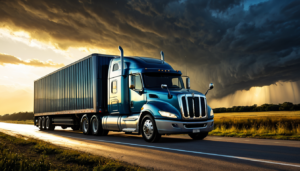
18-Wheeler Accidents in Simonton, TX: Your Complete Legal Guide
Every year, thousands of families in Fort Bend County face life-changing moments when an 80,000-pound truck collides with their vehicle on Simonton’s highways. If you or someone you love has been injured in a trucking accident in Simonton, Texas, you need to understand your rights and the unique challenges of holding trucking companies accountable in our community.
At Attorney911, we’ve been fighting for truck accident victims across Texas for over 25 years. Our managing partner, Ralph Manginello, has secured multi-million dollar verdicts and settlements for families devastated by 18-wheeler crashes. We know Simonton’s trucking corridors, from the busy distribution centers along FM 1093 to the rural stretches of FM 1489 where fatigued drivers often make critical mistakes. This local knowledge, combined with our deep understanding of federal trucking regulations, gives us a powerful advantage in building your case.
Why Simonton Trucking Accidents Are Different
Simonton sits at the crossroads of major freight routes serving the Houston metropolitan area. Our location creates unique risks:
- I-10 Corridor Traffic: Trucks traveling between Houston and San Antonio pass through our area, often carrying time-sensitive cargo that pressures drivers to violate hours-of-service regulations.
- Port of Houston Freight: Container trucks from the Port of Houston frequently travel through Simonton on their way to distribution centers and rail hubs.
- Rural Road Dangers: FM 1489 and FM 1093 see heavy truck traffic but lack the safety features of major highways, creating dangerous conditions for local drivers.
- Distribution Hubs: The growing number of warehouses and distribution centers in western Fort Bend County means more trucks on our roads, increasing accident risks.
These factors make Simonton trucking accidents particularly complex. The trucking companies involved often have sophisticated legal teams working to minimize their liability. You need attorneys who understand both the federal regulations governing interstate trucking and the local factors that contribute to accidents in our community.
Common Causes of 18-Wheeler Accidents in Simonton
Understanding what caused your accident is crucial to building a strong case. In Simonton and surrounding areas, we frequently see:
Driver Fatigue (Hours of Service Violations)
Truck drivers are limited by federal regulations to:
- 11 hours of driving after 10 consecutive hours off duty
- No driving beyond the 14th consecutive hour on duty
- 30-minute break required after 8 hours of driving
- 60/70-hour weekly limits
Simonton-Specific Factors:
- Drivers pushing to make deliveries from the Port of Houston within tight deadlines
- Local distribution centers that pressure drivers to meet unrealistic schedules
- Rural stretches of FM 1489 where drivers may feel “safe” to push their limits
How We Prove Fatigue:
- Electronic Logging Device (ELD) data showing driving hours
- Dispatch records demonstrating schedule pressure
- Cell phone records showing late-night communication
- Fuel receipts and toll records tracking movement
- Witness statements about driver behavior before the crash
Distracted Driving
Federal regulations (49 CFR § 392.82) prohibit commercial drivers from:
- Using hand-held mobile phones while driving
- Texting while driving
- Reaching for devices in a way that requires leaving the seated position
Simonton Risks:
- Long stretches of FM 1093 where drivers may become complacent
- GPS navigation in unfamiliar rural areas
- Dispatch communications about delivery changes
Evidence We Gather:
- Cell phone records showing usage at time of crash
- Dashcam footage from the truck or nearby vehicles
- Witness statements about driver behavior
- GPS data showing erratic movement
Improper Maintenance and Equipment Failure
Federal regulations (49 CFR Part 396) require systematic inspection, repair, and maintenance of all commercial motor vehicles.
Common Failures in Simonton Accidents:
- Brake failures on the gradual grades of FM 1489
- Tire blowouts from heat and long-distance travel
- Lighting failures on rural roads without streetlights
- Coupling device failures on local delivery trucks
Maintenance Records We Subpoena:
- Daily vehicle inspection reports (DVIRs)
- Annual inspection records
- Repair and maintenance logs
- Parts purchase and installation records
- Out-of-service orders and corrective actions
Cargo Securement Violations
Federal cargo securement rules (49 CFR Part 393) require that cargo be contained, immobilized, or secured to prevent:
- Shifting that affects vehicle stability
- Spilling or falling onto roadways
- Creating hazards for other vehicles
Simonton-Specific Cargo Risks:
- Agricultural products from local farms
- Construction materials for growing subdivisions
- Hazardous materials from nearby industrial facilities
- Containerized cargo from Port of Houston transfers
Securement Evidence We Examine:
- Loading dock records and bills of lading
- Cargo securement equipment used
- Loading company procedures and training
- Post-accident cargo condition
Impaired Driving
Federal regulations (49 CFR § 392.4 and § 392.5) prohibit:
- Operating with a blood alcohol concentration of .04 or higher
- Using alcohol within 4 hours of driving
- Using Schedule I controlled substances
- Using any substance that impairs driving ability
Testing Evidence We Obtain:
- Post-accident drug and alcohol test results
- Pre-employment drug test records
- Random drug testing history
- Reasonable suspicion testing documentation
Types of Trucking Accidents We Handle in Simonton
Rear-End Collisions
These are especially dangerous in Simonton because:
- Trucks require up to 525 feet to stop at highway speeds
- Many local roads lack proper shoulders for emergency stopping
- Following distances are often inadequate on congested routes
Common Causes:
- Distracted driving (cell phones, GPS, dispatch communications)
- Following too closely in stop-and-go traffic
- Brake failures from poor maintenance
- Driver fatigue causing delayed reaction times
Injuries We Commonly See:
- Whiplash and neck injuries
- Traumatic brain injuries (TBI)
- Spinal cord damage
- Internal organ injuries
- Wrongful death
Jackknife Accidents
Jackknifing occurs when the trailer swings out perpendicular to the cab, often blocking multiple lanes.
Simonton Risk Factors:
- Sudden braking on wet roads (common in our frequent rain)
- Empty or lightly loaded trailers (more prone to swing)
- Improper braking technique on rural roads
- Cargo shift that destabilizes the vehicle
Evidence We Analyze:
- Skid mark patterns showing trailer angle
- Brake application data from the ECM
- Cargo securement records
- Road condition reports
Underride Collisions
These catastrophic accidents occur when a smaller vehicle slides underneath the trailer of a truck.
Simonton-Specific Risks:
- Rural roads with poor lighting at intersections
- Wide turns at local intersections
- Sudden stops by trucks at railroad crossings
- Missing or inadequate underride guards
Federal Requirements:
- Rear impact guards must prevent underride at 30 mph (49 CFR § 393.86)
- No federal requirement for side underride guards (though advocacy is ongoing)
Evidence We Pursue:
- Guard installation and certification records
- Maintenance records for guard components
- Post-crash guard deformation analysis
- Lighting and reflector condition
Rollover Accidents
Rollovers are particularly dangerous in Simonton due to:
- High center of gravity in fully loaded trucks
- Rural roads with sharp curves
- Wind gusts that can destabilize high-profile trailers
- Improperly secured cargo that shifts during turns
Common Causes:
- Speeding on curves (especially on FM 1489)
- Overcorrection after running off road
- Improperly loaded cargo
- Tire blowouts
- Brake failure on downgrades
Evidence We Examine:
- ECM data showing speed through curves
- Cargo securement documentation
- Road geometry and banking analysis
- Witness statements about driver behavior
Blind Spot Accidents (No-Zone Accidents)
Trucks have four major blind spots where drivers cannot see smaller vehicles:
- Directly in front of the cab (20 feet)
- Directly behind the trailer (30 feet)
- Left side of the cab (extending backward)
- Right side of the cab (much larger than left side)
Simonton Risk Areas:
- Lane changes on multi-lane roads like FM 1093
- Right turns at intersections where trucks swing wide
- Merging onto highways from local roads
Evidence We Gather:
- Mirror adjustment records
- Witness statements about lane changes
- Dashcam footage
- GPS data showing vehicle positions
Who Can Be Held Liable in Your Simonton Trucking Accident?
Unlike car accidents where typically only one driver is at fault, trucking accidents often involve multiple liable parties. In Simonton cases, we investigate:
The Truck Driver
Drivers can be personally liable for:
- Speeding or reckless driving
- Distracted driving (cell phone use, texting)
- Fatigued driving (HOS violations)
- Impaired driving (drugs, alcohol)
- Failure to conduct proper pre-trip inspections
- Violation of traffic laws
Evidence We Pursue:
- Driving record and history
- Employment application and background check
- Drug and alcohol test results
- Training records
- Cell phone records
- Previous accident history
The Trucking Company (Motor Carrier)
Trucking companies are often the primary defendants because they have the deepest pockets and the most responsibility for safety.
Vicarious Liability:
Under the doctrine of respondeat superior, employers are liable for employees’ negligent acts within the scope of employment.
Direct Negligence Claims:
- Negligent Hiring: Failing to properly screen drivers
- Negligent Training: Inadequate safety training
- Negligent Supervision: Failing to monitor driver performance
- Negligent Maintenance: Poor vehicle upkeep
- Negligent Scheduling: Pressuring drivers to violate HOS
Evidence We Subpoena:
- Driver Qualification Files
- Safety policies and procedures
- Training records and curricula
- Maintenance records
- Dispatch records showing schedule pressure
- CSA (Compliance, Safety, Accountability) scores
Cargo Owners and Shippers
The companies that own the cargo and arrange for its shipment may be liable for:
- Providing improper loading instructions
- Failing to disclose hazardous nature of cargo
- Requiring overweight loading
- Pressuring carriers to expedite beyond safe limits
Evidence We Obtain:
- Shipping contracts and bills of lading
- Loading instructions provided
- Weight certification records
- Communication records showing pressure
Loading Companies
Third-party companies that physically load cargo may be liable for:
- Improper cargo securement
- Unbalanced load distribution
- Exceeding vehicle weight ratings
- Failure to use proper blocking and bracing
Evidence We Examine:
- Loading procedures and training
- Securement equipment used
- Weight distribution documentation
- Post-loading inspection records
Truck and Parts Manufacturers
Manufacturers may be liable for defective products under product liability law:
- Defective brake systems
- Defective tires
- Defective steering components
- Defective lighting systems
- Defective coupling devices
Evidence We Pursue:
- Recall notices and technical service bulletins
- Similar defect complaints
- Design specifications and testing records
- Component failure analysis
Maintenance Companies
Third-party maintenance providers may be liable for:
- Negligent repairs that failed to fix problems
- Failure to identify critical safety issues
- Improper brake adjustments
- Using substandard or wrong parts
- Returning vehicles to service with known defects
Evidence We Obtain:
- Work orders and repair records
- Mechanic qualifications and training
- Parts used in repairs
- Inspection reports and recommendations
Freight Brokers
Freight brokers who arrange transportation but don’t own trucks may be liable for:
- Negligent selection of carriers with poor safety records
- Failure to verify carrier insurance and authority
- Failure to check carrier CSA scores
Evidence We Subpoena:
- Broker-carrier agreements
- Carrier selection criteria
- Carrier safety records at time of selection
Government Entities
In limited circumstances, government entities may be liable for:
- Dangerous road design that contributed to the accident
- Failure to maintain roads (potholes, debris)
- Inadequate signage for known hazards
- Failure to install safety barriers
Special Considerations:
- Sovereign immunity limits government liability
- Strict notice requirements and short deadlines
- Must prove actual notice of dangerous condition
The 48-Hour Evidence Preservation Protocol
In trucking accident cases, evidence disappears FAST. Trucking companies have rapid-response teams that begin protecting their interests within hours of an accident. If you don’t act quickly, critical evidence will be lost forever.
Why 48 Hours Matters
| Evidence Type | Destruction Risk |
|---|---|
| ECM/Black Box Data | Overwrites in 30 days or with new driving events |
| ELD Data | May be retained only 6 months |
| Dashcam Footage | Often deleted within 7-14 days |
| Surveillance Video | Business cameras typically overwrite in 7-30 days |
| Witness Memory | Fades significantly within weeks |
| Physical Evidence | Vehicle may be repaired, sold, or scrapped |
| Drug/Alcohol Tests | Must be conducted within specific windows |
Our Spoliation Letter Protocol
Within 24-48 hours of being retained, we send formal legal notices to:
- The trucking company
- Their insurance carrier
- All potentially liable parties
What Our Spoliation Letters Demand:
Electronic Data:
- Engine Control Module (ECM) data
- Event Data Recorder (EDR) data
- Electronic Logging Device (ELD) records
- GPS and telematics data
- Dashcam and forward-facing camera footage
- Dispatch communications and messaging
- Cell phone records and text messages
- Qualcomm or fleet management system data
Driver Records:
- Complete Driver Qualification File
- Employment application and resume
- Background check and driving record
- Previous employer verification
- Medical certification and exam records
- Drug and alcohol test results
- Training records and certifications
- Previous accident and violation history
- Performance reviews and disciplinary records
Vehicle Records:
- Maintenance and repair records
- Inspection reports (pre-trip, post-trip, annual)
- Out-of-service orders and repairs
- Tire records and replacement history
- Brake inspection and adjustment records
- Parts purchase and installation records
Company Records:
- Hours of service records for 6 months prior
- Dispatch logs and trip records
- Bills of lading and cargo documentation
- Insurance policies
- Safety policies and procedures
- Training curricula
- Hiring and supervision policies
Physical Evidence:
- The truck and trailer themselves
- Failed or damaged components
- Cargo and securement devices
- Tire remnants if blowout involved
ECM/Black Box Data: Your Case’s Secret Weapon
Commercial trucks have sophisticated electronic systems that continuously record operational data – similar to an airplane’s black box but for trucks.
What ECM/Black Box Data Reveals:
- Speed before and during the crash
- Brake application timing and pressure
- Throttle position
- Engine RPM
- Cruise control status
- GPS location
- Fault codes indicating mechanical issues
Why This Data Wins Cases:
This objective data often contradicts what drivers claim happened. For example, if a driver claims they were traveling at 55 mph in a 65 mph zone but ECM data shows 75 mph, that speeding violation becomes undeniable evidence of negligence.
Catastrophic Injuries from Simonton Trucking Accidents
The physics of 18-wheeler accidents make catastrophic injuries the norm, not the exception, in Simonton cases.
Why Trucking Accidents Cause Such Severe Injuries
Size and Weight Disparity:
- Fully loaded 18-wheeler: Up to 80,000 lbs
- Average passenger car: 3,500-4,000 lbs
- The truck is 20-25 TIMES heavier than your car
Impact Force:
- Force = Mass × Acceleration
- An 80,000 lb truck at 65 mph carries approximately 80 times the kinetic energy of a car
- This energy transfers to the smaller vehicle in a crash
Stopping Distance:
- 18-wheeler at 65 mph needs ~525 feet to stop (nearly two football fields)
- Car at 65 mph needs ~300 feet to stop
- This 40% longer stopping distance means trucks cannot avoid obstacles as quickly
Common Catastrophic Injuries in Simonton Cases
Traumatic Brain Injury (TBI)
What It Is:
TBI occurs when a sudden trauma causes damage to the brain. In trucking accidents, the extreme forces cause the brain to impact the inside of the skull.
Severity Levels:
| Level | Symptoms | Prognosis |
|---|---|---|
| Mild (Concussion) | Confusion, headache, brief loss of consciousness | Usually recovers, but may have lasting effects |
| Moderate | Extended unconsciousness, memory problems, cognitive deficits | Significant recovery possible with rehabilitation |
| Severe | Extended coma, permanent cognitive impairment | Lifelong disability, may require 24/7 care |
Common Symptoms:
- Headaches and dizziness
- Memory loss and confusion
- Difficulty concentrating
- Mood changes (depression, anxiety, irritability)
- Sleep disturbances
- Sensory problems (vision, hearing, taste)
- Speech difficulties
- Personality changes
Long-Term Consequences:
- Permanent cognitive impairment
- Inability to work
- Need for ongoing care and supervision
- Increased risk of dementia and Alzheimer’s
- Depression and emotional disorders
Lifetime Care Costs: $85,000 to $3,000,000+ depending on severity
Spinal Cord Injury and Paralysis
What It Is:
Damage to the spinal cord that disrupts communication between the brain and body, often resulting in paralysis.
Types of Paralysis:
| Type | Definition | Impact |
|---|---|---|
| Paraplegia | Loss of function below the waist | Cannot walk, may affect bladder/bowel control |
| Quadriplegia | Loss of function in all four limbs | Cannot walk or use arms, may need breathing assistance |
| Incomplete Injury | Some nerve function remains | Variable – may have some sensation or movement |
| Complete Injury | No nerve function below injury | Total loss of sensation and movement |
Level of Injury Matters:
- Higher injuries (cervical spine) affect more body functions
- C1-C4 injuries may require ventilator for breathing
- C5-C8 injuries affect arm and hand function
- Thoracic injuries affect trunk stability
- Lumbar injuries affect leg function
Lifetime Care Costs:
- Paraplegia (low): $1.1 million+
- Paraplegia (high): $2.5 million+
- Quadriplegia (low): $3.5 million+
- Quadriplegia (high): $5 million+
These figures represent direct medical costs only – not lost wages, pain and suffering, or loss of quality of life.
Amputation
Types of Amputation:
- Traumatic Amputation: Limb severed at the scene due to crash forces
- Surgical Amputation: Limb so severely damaged it must be surgically removed
Common in Trucking Accidents Due To:
- Crushing forces from truck impact
- Entrapment requiring amputation for extraction
- Severe burns requiring surgical removal
- Infections from open wounds
Ongoing Medical Needs:
- Initial surgery and hospitalization
- Prosthetic limbs ($5,000 – $50,000+ per prosthetic)
- Replacement prosthetics throughout lifetime (every 3-5 years)
- Physical therapy and rehabilitation
- Occupational therapy for daily living skills
- Psychological counseling
Impact on Life:
- Permanent disability
- Career limitations or total disability
- Phantom limb pain (pain in the missing limb)
- Body image and psychological trauma
- Need for home modifications
- Dependency on others for daily activities
Severe Burns
How Burns Occur in Trucking Accidents:
- Fuel tank rupture and fire
- Hazmat cargo spills and ignition
- Electrical fires from battery/wiring damage
- Friction burns from road contact
- Chemical burns from hazmat exposure
Burn Classification:
| Degree | Depth | Treatment |
|---|---|---|
| First | Epidermis only | Minor, heals without scarring |
| Second | Epidermis and dermis | May scar, may need grafting |
| Third | Full thickness | Requires skin grafts, permanent scarring |
| Fourth | Through skin to muscle/bone | Multiple surgeries, amputation may be required |
Long-Term Consequences:
- Permanent scarring and disfigurement
- Multiple reconstructive surgeries
- Skin graft procedures
- Chronic pain
- Infection risks
- Psychological trauma
- Need for compression garments and specialized care
Internal Organ Damage
Common Internal Injuries:
- Liver laceration or rupture
- Spleen damage requiring removal
- Kidney damage
- Lung contusion or collapse (pneumothorax)
- Internal bleeding (hemorrhage)
- Bowel and intestinal damage
Why Dangerous:
- May not show immediate symptoms
- Internal bleeding can be life-threatening
- Requires emergency surgery
- Organ removal affects long-term health
Wrongful Death
When a trucking accident kills a loved one, surviving family members can pursue wrongful death claims.
Who Can Bring a Wrongful Death Claim in Texas:
- Surviving spouse
- Children (minor and adult)
- Parents (especially if no spouse or children)
- Estate representative
Types of Claims:
- Wrongful Death Action: Compensation for survivors’ losses
- Survival Action: Compensation for decedent’s pain/suffering before death
Damages Available:
- Lost future income and benefits
- Loss of consortium (companionship, care, guidance)
- Mental anguish and emotional suffering
- Funeral and burial expenses
- Medical expenses before death
- Pain and suffering experienced by decedent before death
- Punitive damages (if gross negligence)
Texas Statute of Limitations: 2 years from date of death to file lawsuit
Commercial Truck Insurance and Damages in Simonton Cases
Federal law requires commercial trucking companies to carry minimum liability insurance far exceeding typical auto policies.
FMCSA Minimum Insurance Requirements
| Cargo Type | Minimum Coverage |
|---|---|
| Non-Hazardous Freight (10,001+ lbs GVWR) | $750,000 |
| Oil/Petroleum (10,001+ lbs GVWR) | $1,000,000 |
| Large Equipment (10,001+ lbs GVWR) | $1,000,000 |
| Hazardous Materials (All) | $5,000,000 |
| Passengers (16+ passengers) | $5,000,000 |
| Passengers (15 or fewer) | $1,500,000 |
Why This Matters for Your Simonton Case:
Unlike car accidents where insurance may be limited to $30,000-$100,000, trucking accidents typically have at least $750,000 available – and often much more. Many carriers carry $1-5 million in coverage. This higher coverage means catastrophic injuries can actually be compensated, rather than leaving victims with unpaid medical bills.
Types of Damages Recoverable in Simonton Trucking Cases
Economic Damages (Calculable Losses)
| Category | What’s Included |
|---|---|
| Medical Expenses | Past, present, and future medical costs |
| Lost Wages | Income lost due to injury and recovery |
| Lost Earning Capacity | Reduction in future earning ability |
| Property Damage | Vehicle repair or replacement |
| Out-of-Pocket Expenses | Transportation to medical appointments, home modifications, assistive devices |
| Life Care Costs | Ongoing care for catastrophic injuries (nursing, therapy, medical equipment) |
Non-Economic Damages (Quality of Life)
| Category | What’s Included |
|---|---|
| Pain and Suffering | Physical pain from injuries |
| Mental Anguish | Psychological trauma, anxiety, depression |
| Loss of Enjoyment | Inability to participate in activities you previously enjoyed |
| Disfigurement | Scarring, visible injuries that affect appearance |
| Loss of Consortium | Impact on marriage/family relationships (companionship, affection, intimacy) |
| Physical Impairment | Reduced physical capabilities that affect daily life |
Punitive Damages (Punishment for Gross Negligence)
Punitive damages may be available when the trucking company or driver acted with:
- Gross negligence
- Willful misconduct
- Conscious indifference to safety
- Fraud (falsifying logs, destroying evidence)
Texas Punitive Damage Cap:
Greater of (2x economic damages + non-economic damages capped at $750,000) OR $200,000
Nuclear Verdicts: What’s Possible in Simonton Cases
Recent major trucking verdicts demonstrate what juries are willing to award when trucking companies act with gross negligence:
| Amount | Year | Location | Case Details |
|---|---|---|---|
| $462 Million | 2024 | St. Louis, MO | Wabash National – two fatalities from underride collision |
| $160 Million | 2024 | Alabama | Daimler – quadriplegic injury from rollover due to defective design |
| $141.5 Million | 2024 | Florida | Defunct carrier crash caused by hours-of-service violations |
| $90 Million | — | Houston, TX | Truck driver burned in explosion from improper hazmat handling |
| $37.5 Million | 2024 | Texas | Trucking company with pattern of hours-of-service violations |
| $35.5 Million | — | Texas | Family injured when truck driver fell asleep at the wheel |
| $35 Million | 2025 | Fort Worth, TX | Largest trucking verdict in Tarrant County history |
Historic Landmark Verdicts:
- $1 Billion (2021, Florida): 18-year-old killed in underride collision; $100M compensatory + $900M punitive for gross negligence in hiring
- $411 Million (2020, Florida): 45-vehicle pileup; motorcyclist severely injured
Why These Verdicts Matter for Your Simonton Case:
These cases show what’s possible when trucking companies are held fully accountable. Insurance companies know juries are willing to award massive damages – which strengthens our position in settlement negotiations.
The Simonton Trucking Accident Legal Process
Step 1: Immediate Action (0-48 Hours)
What We Do:
- Send spoliation letters to preserve all evidence
- Obtain police accident report
- Photograph your injuries and vehicle damage
- Identify all potentially liable parties
- Begin gathering witness statements
What You Should Do:
- Seek medical attention immediately
- Follow all doctor’s orders
- Document everything (photos, notes, medical visits)
- Avoid discussing your case on social media
- Do not give statements to insurance adjusters
Step 2: Investigation (Days 1-30)
Our Investigation Includes:
- Obtaining ECM/Black Box data downloads
- Requesting complete Driver Qualification File
- Subpoenaing ELD records and hours-of-service data
- Obtaining maintenance and inspection records
- Gathering cell phone records
- Collecting dispatch records and delivery schedules
- Interviewing witnesses
- Photographing the accident scene and vehicles
- Hiring accident reconstruction experts
- Analyzing FMCSA violation history
Step 3: Medical Treatment and Documentation
While You Recover, We:
- Help coordinate medical care
- Ensure proper documentation of all injuries
- Track all medical expenses
- Document impact on daily life
- Prepare for future medical needs
What You Should Do:
- Attend all medical appointments
- Follow all treatment recommendations
- Keep detailed records of symptoms and limitations
- Document how injuries affect your daily activities
Step 4: Demand and Negotiation
Our Process:
- Calculate full value of your damages (economic and non-economic)
- Prepare comprehensive demand package
- Submit demand to insurance companies
- Negotiate aggressively for fair settlement
- Reject lowball offers
- Prepare for litigation if necessary
Step 5: Litigation (If Necessary)
If We Can’t Reach a Fair Settlement:
- File lawsuit before statute of limitations expires
- Conduct discovery (depositions, document requests)
- Depose truck driver, safety manager, maintenance personnel
- File motions to compel production of evidence
- Prepare case for trial
- Continue settlement negotiations from position of strength
Step 6: Resolution
Possible Outcomes:
- Settlement agreement
- Mediation
- Arbitration
- Trial verdict
- Appeal (if necessary)
Why Choose Attorney911 for Your Simonton Trucking Case?
25+ Years of Trucking Litigation Experience
Ralph Manginello has been fighting trucking companies since 1998. Our firm has handled cases against:
- Walmart trucking operations
- Coca-Cola distribution vehicles
- Amazon delivery trucks
- FedEx trucks
- UPS trucks
- Numerous commercial trucking companies
Federal Court Experience
Our admission to the U.S. District Court, Southern District of Texas, is critical for interstate trucking cases that often involve federal regulations and can be filed in federal court.
Insurance Defense Insider Knowledge
Our team includes Lupe Peña, a former insurance defense attorney who spent years working for a national defense firm. He knows exactly how insurance companies evaluate, minimize, and deny trucking accident claims. Now he uses that knowledge to fight FOR accident victims, not against them.
Multi-Million Dollar Results
We’ve recovered millions for trucking accident victims across Texas, including:
- $5+ Million – Logging brain injury settlement
- $3.8+ Million – Car accident amputation settlement
- $2.5+ Million – Truck crash recovery
- $2+ Million – Maritime back injury settlement
- Millions recovered for families in wrongful death cases
Local Knowledge of Simonton and Fort Bend County
We know:
- The dangerous intersections where trucking accidents frequently occur
- The local courts and judges who handle these cases
- The trucking corridors that serve our community
- The distribution centers and weigh stations where drivers may violate regulations
- The local trauma centers where victims are treated
Comprehensive Approach to Evidence
We leave no stone unturned in building your case:
- Immediate spoliation letters to preserve evidence
- ECM/Black Box data analysis
- ELD compliance review
- Driver Qualification File examination
- Maintenance record inspection
- Accident reconstruction
- Expert witness testimony
Aggressive Negotiation and Trial Preparation
We prepare every case as if it’s going to trial. Insurance companies know which lawyers are willing to go to court – and they offer better settlements to clients with trial-ready attorneys.
Compassionate Client Service
We understand the trauma of trucking accidents. Our clients consistently praise our:
- Personal attention
- Regular communication
- Compassionate approach
- Willingness to fight for maximum compensation
“They fought for me to get every dime I deserved.” — Glenda Walker, Attorney911 Client
“You are NOT just some client… You are FAMILY to them.” — Chad Harris, Attorney911 Client
“They solved in a couple of months what others did nothing about in two years.” — Angel Walle, Attorney911 Client
What to Do If You’ve Been in a Simonton Trucking Accident
Immediate Steps (At the Scene)
If you’re able, take these steps immediately after the accident:
- Call 911 – Report the accident and request medical assistance
- Seek medical attention – Even if injuries seem minor, get checked out
- Document the scene – Take photos and videos of:
- All vehicles involved
- Damage to your vehicle (inside and out)
- The truck and trailer
- Road conditions
- Traffic signs and signals
- Skid marks
- Your injuries
- Get information – Collect:
- Truck driver’s name, CDL number, and contact information
- Trucking company name and DOT number
- License plate numbers
- Insurance information
- Witness names and contact information
- Do NOT admit fault – Don’t apologize or say anything that could be interpreted as accepting blame
- Call Attorney911 – Contact us immediately at 1-888-ATTY-911
Next Steps (First 48 Hours)
- Follow up with medical care – Attend all recommended follow-up appointments
- Document everything – Keep records of:
- Medical visits
- Symptoms
- How injuries affect daily life
- Time missed from work
- Expenses related to the accident
- Avoid social media – Don’t post about your accident or injuries
- Do not give statements – Don’t speak to insurance adjusters without legal representation
- Contact Attorney911 – We’ll send spoliation letters to preserve evidence
Long-Term Steps
- Continue medical treatment – Follow all doctor’s orders
- Stay in communication – Keep your attorney updated on your condition
- Be patient – Trucking cases often take time to resolve
- Focus on recovery – Let us handle the legal battle
Frequently Asked Questions About Simonton Trucking Accidents
What should I do immediately after a trucking accident in Simonton?
If you’ve been in a trucking accident in Simonton, take these steps immediately if you’re able:
- Call 911 and report the accident
- Seek medical attention, even if injuries seem minor
- Document the scene with photos and video if possible
- Get the trucking company name, DOT number, and driver information
- Collect witness contact information
- Do NOT give recorded statements to any insurance company
- Call an 18-wheeler accident attorney immediately
Should I go to the hospital after a truck accident even if I feel okay?
YES. Adrenaline masks pain after traumatic accidents. Internal injuries, TBI, and spinal injuries may not show symptoms for hours or days. Simonton-area hospitals like Houston Methodist West Hospital and Memorial Hermann Katy Hospital can identify injuries that will become critical evidence in your case. Delaying treatment also gives insurance companies ammunition to deny your claim.
What information should I collect at the truck accident scene in Simonton?
Document everything possible:
- Truck and trailer license plates
- DOT number (on truck door)
- Trucking company name and logo
- Driver’s name, CDL number, and contact info
- Photos of all vehicle damage
- Photos of the accident scene, road conditions, skid marks
- Photos of your injuries
- Witness names and phone numbers
- Responding officer’s name and badge number
- Weather and road conditions
Should I talk to the trucking company’s insurance adjuster?
NO. Do not give any recorded statements. Insurance adjusters work for the trucking company, not you. Anything you say will be used to minimize your claim. Our firm includes a former insurance defense attorney who knows exactly how these adjusters are trained to protect the trucking company’s interests.
How quickly should I contact an 18-wheeler accident attorney in Simonton?
IMMEDIATELY – within 24-48 hours if possible. Critical evidence in trucking cases (black box data, ELD records, dashcam footage) can be destroyed or overwritten quickly. We send spoliation letters within hours of being retained to preserve this evidence before it’s lost forever.
What is a spoliation letter and why is it important?
A spoliation letter is a legal notice demanding that the trucking company preserve all evidence related to the accident. This includes ECM/black box data, ELD logs, maintenance records, driver files, and more. Sending this letter immediately puts the trucking company on notice that destroying evidence will result in serious legal consequences.
Who can I sue after an 18-wheeler accident in Simonton?
Multiple parties may be liable in trucking accidents:
- The truck driver
- The trucking company/motor carrier
- The cargo owner or shipper
- The company that loaded the cargo
- Truck or parts manufacturers
- Maintenance companies
- Freight brokers
- The truck owner (if different from carrier)
- Government entities (for road defects)
We investigate every possible defendant to maximize your recovery.
Is the trucking company responsible even if the driver caused the accident?
Usually YES. Under the doctrine of respondeat superior, employers are responsible for employees’ negligent acts within the scope of employment. Additionally, trucking companies can be directly liable for:
- Negligent hiring (hiring unqualified drivers)
- Negligent training (inadequate safety training)
- Negligent supervision (failing to monitor driver behavior)
- Negligent maintenance (poor vehicle upkeep)
What if the truck driver says the accident was my fault?
Texas uses a modified comparative negligence system. Even if you were partially at fault, you may still recover compensation. Our job is to investigate thoroughly, gather evidence (especially ECM and ELD data), and prove what really happened. Drivers often lie to protect their jobs – the data tells the true story.
What is an owner-operator and does that affect my case?
An owner-operator is a driver who owns their own truck and contracts with trucking companies. This can complicate liability, but both the owner-operator and the contracting company may be liable. We investigate all relationships and insurance policies to ensure you can recover from the responsible parties.
How do I find out if the trucking company has a bad safety record?
FMCSA maintains public safety data at safer.fmcsa.dot.gov. We obtain the carrier’s:
- CSA (Compliance, Safety, Accountability) scores
- Inspection history and out-of-service rates
- Crash history
- Safety rating
A poor safety record can prove the company knew it was putting dangerous drivers on the road.
What is a truck’s “black box” and how does it help my case?
Commercial trucks have Electronic Control Modules (ECM) and Event Data Recorders (EDR) that record operational data – similar to airplane black boxes but for trucks. This data can show:
- Speed before and during the crash
- Brake application timing
- Throttle position
- Whether cruise control was engaged
- GPS location
This objective data often contradicts what drivers claim happened.
What is an ELD and why is it important?
Electronic Logging Devices (ELDs) are federally mandated devices that record driver hours of service. ELD data proves whether the driver violated federal rest requirements and was driving while fatigued. Hours of service violations are among the most common causes of trucking accidents.
How long does the trucking company keep black box and ELD data?
ECM data can be overwritten within 30 days or with new driving events. FMCSA only requires 6 months retention for ELD data. This is why we send spoliation letters immediately – once we notify them of litigation, they must preserve everything.
What records should my attorney get from the trucking company?
We pursue:
- ECM/Black box data
- ELD records
- Driver Qualification File
- Maintenance records
- Inspection reports
- Dispatch logs
- Drug and alcohol test results
- Training records
- Cell phone records
- Insurance policies
- The physical truck and trailer
Can the trucking company destroy evidence?
Once they’re on notice of potential litigation, destroying evidence is spoliation – a serious legal violation. Courts can:
- Instruct juries to assume destroyed evidence was unfavorable
- Impose monetary sanctions
- Enter default judgment in extreme cases
- Award punitive damages
What are hours of service regulations and how do violations cause accidents?
FMCSA regulations limit how long truck drivers can operate:
- Maximum 11 hours driving after 10 hours off duty
- Cannot drive beyond 14th consecutive hour on duty
- 30-minute break required after 8 hours driving
- 60/70-hour weekly limits
Fatigued driving causes approximately 31% of fatal truck crashes. Drivers who violate these rules are too tired to react safely.
What FMCSA regulations are most commonly violated in accidents?
The top violations we find:
- Hours of service violations (driving too long)
- False log entries (lying about driving time)
- Brake system deficiencies
- Cargo securement failures
- Drug and alcohol violations
- Unqualified drivers (no valid CDL or medical certificate)
- Failure to inspect vehicles
What is a Driver Qualification File and why does it matter?
FMCSA requires trucking companies to maintain a file for every driver containing:
- Employment application
- Driving record check
- Previous employer verification
- Medical certification
- Drug test results
- Training documentation
Missing or incomplete files prove negligent hiring.
How do pre-trip inspections relate to my accident case?
Drivers must inspect their trucks before every trip. If they failed to conduct inspections or ignored known defects (bad brakes, worn tires, lighting problems), both the driver and company may be liable for negligence.
What injuries are common in 18-wheeler accidents in Simonton?
Due to the massive size and weight disparity, trucking accidents often cause catastrophic injuries:
- Traumatic brain injury (TBI)
- Spinal cord injuries and paralysis
- Amputations
- Severe burns
- Internal organ damage
- Multiple fractures
- Wrongful death
How much are 18-wheeler accident cases worth in Simonton?
Case values depend on many factors:
- Severity of injuries
- Medical expenses (past and future)
- Lost income and earning capacity
- Pain and suffering
- Degree of defendant’s negligence
- Insurance coverage available
Trucking companies carry higher insurance ($750,000 minimum, often $1-5 million), allowing for larger recoveries than typical car accidents. We’ve seen verdicts ranging from hundreds of thousands to hundreds of millions.
What if my loved one was killed in a trucking accident in Simonton?
Texas allows wrongful death claims by surviving family members. You may recover:
- Lost future income
- Loss of companionship and guidance
- Mental anguish
- Funeral expenses
- Punitive damages if gross negligence
Time limits apply – contact us immediately to protect your rights.
How long do I have to file an 18-wheeler accident lawsuit in Simonton?
The statute of limitations in Texas is 2 years from the date of the accident. However, you should never wait. Evidence disappears quickly in trucking cases. The sooner you contact us, the stronger your case will be.
How long do trucking accident cases take to resolve?
Timelines vary:
- Simple cases with clear liability: 6-12 months
- Complex cases with multiple parties: 1-3 years
- Cases that go to trial: 2-4 years
We work to resolve cases as quickly as possible while maximizing your recovery.
Will my trucking accident case go to trial?
Most cases settle before trial, but we prepare every case as if it’s going to trial. Insurance companies know which lawyers are willing to go to court – and they offer better settlements to clients with trial-ready attorneys. We have the resources and experience to take your case all the way if necessary.
Do I need to pay anything upfront to hire your firm?
NO. We work on contingency – you pay nothing unless we win your case. We advance all costs of investigation and litigation. You never receive a bill from us. When we win, our fee comes from the recovery, not your pocket.
How much insurance do trucking companies carry?
Federal law requires minimum liability coverage:
- $750,000 for non-hazardous freight
- $1,000,000 for oil, large equipment
- $5,000,000 for hazardous materials
Many carriers carry $1-5 million or more. This higher coverage means catastrophic injuries can actually be compensated.
What if multiple insurance policies apply to my accident?
Trucking cases often involve multiple policies:
- Motor carrier’s liability policy
- Trailer interchange coverage
- Cargo insurance
- Owner-operator’s policy
- Excess/umbrella coverage
We identify all available coverage to maximize your recovery.
Will the trucking company’s insurance try to settle quickly?
Often yes – and that’s a red flag. Quick settlement offers are designed to pay you far less than your case is worth before you understand the full extent of your injuries. Never accept any settlement without consulting an experienced trucking accident attorney first.
What damages can I recover in a Simonton trucking accident case?
You may recover:
- Medical expenses (past and future)
- Lost wages
- Lost earning capacity
- Pain and suffering
- Mental anguish
- Physical impairment
- Disfigurement
- Loss of consortium
- Property damage
- Punitive damages (in cases of gross negligence)
What is the average settlement for a trucking accident in Simonton?
There is no “average” settlement – every case is unique. Factors include:
- Severity of injuries
- Degree of negligence
- Insurance coverage available
- Strength of evidence
- Skill of your attorney
We’ve recovered millions for trucking accident victims, including:
- $5+ Million – Logging brain injury settlement
- $3.8+ Million – Car accident amputation settlement
- $2.5+ Million – Truck crash recovery
What if I was partially at fault for the accident?
Texas follows a modified comparative negligence rule. You can recover damages as long as you were not more than 50% at fault. Your recovery will be reduced by your percentage of fault. For example, if you were 20% at fault, you would recover 80% of your damages.
How do you prove the truck driver was fatigued?
We gather multiple types of evidence:
- ELD data showing hours of service violations
- Dispatch records demonstrating schedule pressure
- Cell phone records showing late-night communication
- Fuel receipts and toll records tracking movement
- Witness statements about driver behavior
- Video footage from dashcams or security cameras
What if the truck’s brakes failed?
Brake failures are a common cause of trucking accidents. We investigate:
- Maintenance records showing inspection history
- Repair records for brake components
- Out-of-service orders related to brakes
- Driver inspection reports
- Post-crash brake system analysis
If the trucking company failed to maintain the brakes properly, they can be held liable.
What if the truck’s cargo was improperly secured?
Cargo securement violations cause rollovers, jackknifes, and spills. We examine:
- Loading dock records
- Bills of lading
- Cargo securement equipment used
- Loading company procedures
- Post-accident cargo condition
Federal regulations (49 CFR Part 393) specify exact securement requirements.
What if the truck driver was distracted?
Distracted driving is a major cause of trucking accidents. We gather:
- Cell phone records showing usage at time of crash
- Dashcam footage
- Witness statements
- GPS data showing erratic movement
- Dispatch communications
Federal regulations prohibit hand-held phone use and texting while driving.
What if the trucking company goes bankrupt?
Even if the trucking company goes bankrupt, their insurance policy should still provide coverage. We also investigate other potentially liable parties to ensure you can still recover compensation.
How are future medical expenses calculated?
We work with medical experts to:
- Document your current medical needs
- Project future treatment requirements
- Calculate costs of future care
- Determine need for assistive devices
- Assess long-term care needs
These projections become part of your damage claim.
What is loss of consortium?
Loss of consortium refers to the impact of your injuries on your marriage/family relationships. This can include:
- Loss of companionship
- Loss of affection
- Loss of intimacy
- Loss of household services
- Impact on children
Your spouse may be able to recover damages for these losses.
When are punitive damages available?
Punitive damages may be available when the trucking company or driver acted with:
- Gross negligence
- Willful misconduct
- Conscious indifference to safety
- Fraud (falsifying logs, destroying evidence)
How do you prove gross negligence?
We look for evidence of:
- Repeated safety violations
- Falsified records
- Destruction of evidence
- Pattern of similar accidents
- Corporate culture that prioritizes profit over safety
- Pressure on drivers to violate regulations
What if the trucking company falsified records?
Falsifying records (especially hours-of-service logs) is a serious violation. We prove falsification through:
- Comparing ELD data to paper logs
- Analyzing GPS tracking data
- Reviewing dispatch records
- Examining fuel receipts and toll records
- Interviewing witnesses
How do you prove the trucking company pressured drivers to violate regulations?
We gather evidence of:
- Dispatch records showing unrealistic schedules
- Internal communications about delivery deadlines
- Driver complaints about pressure
- Pattern of hours-of-service violations
- Company policies that encourage violations
What experts do you use in trucking cases?
We work with:
- Accident reconstruction experts
- Medical experts
- Vocational experts
- Economic experts
- Life care planners
- FMCSA regulation experts
- Trucking industry experts
- Human factors experts
How do accident reconstruction experts help?
Accident reconstruction experts:
- Analyze skid marks and vehicle damage
- Reconstruct the sequence of events
- Determine speeds and braking distances
- Identify contributing factors
- Provide expert testimony
What is a life care planner?
A life care planner:
- Documents current medical needs
- Projects future medical requirements
- Calculates costs of future care
- Determines need for assistive devices
- Assesses long-term care needs
How do economic experts help?
Economic experts:
- Calculate lost wages
- Project lost earning capacity
- Determine present value of future losses
- Analyze economic impact of injuries
What is the FMCSA and how does it help my case?
The Federal Motor Carrier Safety Administration (FMCSA) regulates all commercial motor vehicles. Their regulations (49 CFR Parts 390-399) establish safety standards for:
- Driver qualifications
- Hours of service
- Vehicle maintenance
- Cargo securement
- Drug and alcohol testing
Violations of these regulations prove negligence in your case.
Can I access the trucking company’s safety record?
Yes. FMCSA maintains public safety data at safer.fmcsa.dot.gov. We obtain:
- CSA (Compliance, Safety, Accountability) scores
- Inspection history
- Out-of-service rates
- Crash history
- Safety rating
What if the trucking company is based in another state?
Interstate trucking is governed by federal regulations. We can handle cases against trucking companies based anywhere in the United States. Our federal court experience allows us to pursue these cases effectively.
What if the accident happened in another state?
We handle trucking accident cases nationwide. Federal regulations apply to interstate trucking regardless of where the accident occurred. We’ll work with local counsel if necessary to ensure proper jurisdiction.
What if I was a passenger in the truck?
Even if you were a passenger in the truck, you may have a claim against:
- The truck driver
- The trucking company
- Other liable parties
We investigate all potential claims.
What if I was a pedestrian or cyclist hit by a truck?
Pedestrians and cyclists have the same rights as vehicle occupants. We investigate:
- Driver distraction or impairment
- Failure to yield right-of-way
- Improper turns
- Speeding
- Failure to maintain proper lookout
What if the truck was a government vehicle?
Accidents involving government trucks (like postal service or municipal vehicles) have special rules. We handle:
- Sovereign immunity issues
- Notice requirements
- Special deadlines
What if the truck was carrying hazardous materials?
Hazmat trucking accidents require special expertise. We handle:
- Chemical exposure injuries
- Environmental contamination
- Special regulations for hazmat carriers
- Higher insurance requirements
What if the truck was oversized or overweight?
Oversized/overweight loads require special permits. We investigate:
- Permit compliance
- Route restrictions
- Escort requirements
- Securement of oversized loads
What if the truck was involved in a chain-reaction accident?
Chain-reaction accidents often involve multiple liable parties. We:
- Determine the sequence of events
- Identify all liable parties
- Allocate fault appropriately
- Pursue claims against all responsible parties
What if the truck driver was an independent contractor?
Even if the driver was an independent contractor, the trucking company may still be liable for:
- Negligent selection of contractor
- Negligent supervision
- Vicarious liability in some cases
What if the trucking company is no longer in business?
Even if the trucking company is defunct, their insurance policy should still provide coverage. We also investigate other potentially liable parties.
How do you determine who is at fault?
We gather multiple types of evidence:
- Police accident report
- Witness statements
- ECM/Black Box data
- ELD records
- Dashcam footage
- GPS data
- Cell phone records
- Maintenance records
- Driver history
- Company safety records
What if the police report says I was at fault?
Police reports are not the final word on fault. We conduct our own investigation and often find evidence that contradicts the police report. Insurance companies and juries make their own determinations of fault.
What if the truck driver received a ticket?
While tickets can be evidence of fault, they don’t automatically prove liability. We conduct a thorough investigation regardless of whether citations were issued.
What if there were no witnesses?
Even without witnesses, we can prove your case through:
- Physical evidence
- ECM/Black Box data
- ELD records
- Dashcam footage
- GPS data
- Accident reconstruction
- Vehicle damage analysis
What if the trucking company claims I was speeding?
We gather evidence to refute these claims:
- ECM data showing your speed
- GPS data
- Witness statements
- Accident reconstruction
- Traffic camera footage
What if the trucking company claims I was distracted?
We gather evidence to refute these claims:
- Cell phone records
- Witness statements
- GPS data showing your movement
- Accident reconstruction
What if the trucking company claims I swerved into their lane?
We gather evidence to refute these claims:
- ECM data showing truck movement
- GPS data
- Witness statements
- Accident reconstruction
- Vehicle damage analysis
What if the trucking company claims the accident was unavoidable?
We gather evidence to show negligence:
- ECM data showing speed and braking
- ELD data showing fatigue
- Maintenance records showing defects
- Driver history showing violations
- Company safety records
What if the trucking company offers me a quick settlement?
Quick settlement offers are designed to pay you far less than your case is worth. Never accept any settlement without consulting an experienced trucking accident attorney first.
How do you negotiate with insurance companies?
We:
- Calculate the full value of your damages
- Prepare comprehensive demand packages
- Negotiate aggressively
- Reject lowball offers
- Prepare for litigation if necessary
What if the insurance company denies my claim?
If the insurance company denies your claim, we:
- Appeal the decision
- File a lawsuit
- Pursue all available legal remedies
What if the insurance company says I don’t have a case?
Insurance companies often say this to discourage claims. We evaluate your case based on:
- Liability evidence
- Injury documentation
- Available insurance coverage
- Legal principles
How do you calculate the value of my case?
We consider:
- Medical expenses (past and future)
- Lost wages
- Lost earning capacity
- Pain and suffering
- Mental anguish
- Physical impairment
- Disfigurement
- Loss of consortium
- Property damage
- Punitive damages (if applicable)
What is the difference between economic and non-economic damages?
- Economic damages are calculable losses like medical bills and lost wages
- Non-economic damages are quality-of-life impacts like pain and suffering
How is pain and suffering calculated?
Pain and suffering is calculated based on:
- Severity of injuries
- Duration of pain
- Impact on daily life
- Emotional distress
- Loss of enjoyment of life
There is no fixed formula – it’s determined by negotiation or jury verdict.
What is a multiplier method?
Some attorneys use a multiplier method to estimate pain and suffering:
- Medical expenses × 1.5 to 5
- The multiplier depends on injury severity
This is just an estimation tool – the actual value is determined by negotiation or jury verdict.
What is a per diem method?
Some attorneys use a per diem method:
- Daily rate × number of days affected
- The daily rate is often based on your daily earnings
This is just an estimation tool – the actual value is determined by negotiation or jury verdict.
How do you prove pain and suffering?
We document pain and suffering through:
- Medical records
- Your testimony
- Family/friend testimony
- Pain journals
- Psychological evaluations
- Impact on daily activities
What is loss of earning capacity?
Loss of earning capacity is the reduction in your ability to earn income in the future due to your injuries. We calculate this with the help of vocational and economic experts.
How do you calculate future medical expenses?
We work with medical experts to:
- Document current medical needs
- Project future treatment requirements
- Calculate costs of future care
- Determine need for assistive devices
- Assess long-term care needs
What is a life care plan?
A life care plan is a comprehensive document that:
- Documents current medical needs
- Projects future medical requirements
- Calculates costs of future care
- Determines need for assistive devices
- Assesses long-term care needs
What if I can’t work because of my injuries?
You may be entitled to:
- Lost wages for time missed from work
- Lost earning capacity for future income reduction
- Vocational rehabilitation costs
What if I need retraining for a new job?
If you can’t return to your previous job, you may be entitled to:
- Vocational rehabilitation costs
- Retraining expenses
- Lost earning capacity
What if I need home modifications?
If your injuries require home modifications, you may be entitled to:
- Cost of modifications
- Cost of assistive devices
- Cost of in-home care
What if I need a wheelchair or other assistive devices?
You may be entitled to:
- Cost of assistive devices
- Replacement costs
- Maintenance costs
What if I need ongoing medical care?
You may be entitled to:
- Cost of ongoing medical care
- Cost of medications
- Cost of medical equipment
- Cost of in-home care
What if my injuries are permanent?
If your injuries are permanent, you may be entitled to:
- Increased pain and suffering damages
- Increased lost earning capacity
- Increased future medical expenses
- Life care plan costs
What if I can’t enjoy activities I used to?
You may be entitled to damages for loss of enjoyment of life. This includes:
- Inability to participate in hobbies
- Inability to participate in sports
- Inability to travel
- Inability to enjoy family activities
What if my marriage is affected by my injuries?
Your spouse may be entitled to damages for loss of consortium, including:
- Loss of companionship
- Loss of affection
- Loss of intimacy
- Loss of household services
What if I have scars or disfigurement?
You may be entitled to damages for disfigurement, including:
- Visible scars
- Loss of limbs
- Burn injuries
- Other visible injuries
What if I have emotional distress?
You may be entitled to damages for mental anguish, including:
- Anxiety
- Depression
- PTSD
- Sleep disturbances
- Emotional trauma
What if the trucking company acted with gross negligence?
If the trucking company acted with gross negligence, you may be entitled to punitive damages. These are designed to punish the company and deter future misconduct.
How much are punitive damages in Texas?
Texas caps punitive damages at the greater of:
- (2 × economic damages) + (non-economic damages up to $750,000)
- $200,000
How do you prove gross negligence?
We prove gross negligence by showing:
- Repeated safety violations
- Falsified records
- Destruction of evidence
- Pattern of similar accidents
- Corporate culture that prioritizes profit over safety
- Pressure on drivers to violate regulations
What if the trucking company destroyed evidence?
Destroying evidence after receiving notice of litigation is spoliation. Courts can:
- Instruct juries to assume destroyed evidence was unfavorable
- Impose monetary sanctions
- Enter default judgment in extreme cases
- Award punitive damages
What if the trucking company falsified records?
Falsifying records (especially hours-of-service logs) is a serious violation. We prove falsification through:
- Comparing ELD data to paper logs
- Analyzing GPS tracking data
- Reviewing dispatch records
- Examining fuel receipts and toll records
- Interviewing witnesses
What if the trucking company pressured drivers to violate regulations?
We gather evidence of:
- Dispatch records showing unrealistic schedules
- Internal communications about delivery deadlines
- Driver complaints about pressure
- Pattern of hours-of-service violations
- Company policies that encourage violations
What if the trucking company has a history of violations?
A history of violations can prove:
- Knowledge of safety problems
- Failure to correct known issues
- Corporate culture of negligence
- Pattern of misconduct
What if the truck driver has a history of violations?
A driver’s history of violations can prove:
- Negligent hiring
- Negligent retention
- Knowledge of driver’s unfitness
What if the trucking company failed to train the driver?
Inadequate training can prove negligence. We examine:
- Training records
- Training curricula
- Industry standards
- Driver performance
What if the trucking company failed to supervise the driver?
Inadequate supervision can prove negligence. We examine:
- Supervision policies
- Monitoring procedures
- Driver performance records
- Disciplinary records
What if the trucking company failed to maintain the truck?
Poor maintenance can prove negligence. We examine:
- Maintenance records
- Inspection reports
- Repair records
- Out-of-service orders
What if the trucking company overloaded the truck?
Overloading can prove negligence. We examine:
- Bills of lading
- Weight tickets
- Loading records
- Cargo securement
What if the trucking company violated hours of service regulations?
Hours of service violations can prove negligence. We examine:
- ELD records
- Dispatch records
- Driver logs
- GPS data
What if the truck driver was distracted?
Distracted driving can prove negligence. We examine:
- Cell phone records
- Dashcam footage
- Witness statements
- GPS data
What if the truck driver was impaired?
Impaired driving can prove negligence. We examine:
- Drug and alcohol test results
- Witness statements
- Driver behavior
- Dispatch communications
What if the truck driver was speeding?
Speeding can prove negligence. We examine:
- ECM data
- GPS data
- Witness statements
- Accident reconstruction
What if the truck driver failed to yield?
Failure to yield can prove negligence. We examine:
- Witness statements
- Traffic camera footage
- Accident reconstruction
- Vehicle damage
What if the truck driver ran a red light?
Running a red light can prove negligence. We examine:
- Witness statements
- Traffic camera footage
- Accident reconstruction
- Vehicle damage
What if the truck driver made an improper turn?
Improper turns can prove negligence. We examine:
- Witness statements
- Dashcam footage
- Accident reconstruction
- Vehicle damage
What if the truck driver was following too closely?
Following too closely can prove negligence. We examine:
- ECM data
- GPS data
- Witness statements
- Accident reconstruction
What if the truck’s brakes failed?
Brake failures can prove negligence. We examine:
- Maintenance records
- Inspection reports
- Repair records
- Post-crash analysis
What if the truck’s tires blew out?
Tire blowouts can prove negligence. We examine:
- Tire records
- Maintenance records
- Inspection reports
- Post-crash analysis
What if the truck’s lights weren’t working?
Lighting failures can prove negligence. We examine:
- Maintenance records
- Inspection reports
- Witness statements
- Post-crash analysis
What if the truck’s cargo shifted?
Cargo shift can prove negligence. We examine:
- Loading records
- Cargo securement
- Bills of lading
- Post-crash analysis
What if the truck’s cargo spilled?
Cargo spills can prove negligence. We examine:
- Loading records
- Cargo securement
- Bills of lading
- Post-crash analysis
What if the truck was carrying hazardous materials?
Hazmat accidents require special expertise. We examine:
- Shipping papers
- Placards
- Training records
- Emergency response
What if the truck was oversized?
Oversized loads require special permits. We examine:
- Permit records
- Route restrictions
- Escort requirements
- Securement
What if the truck was overweight?
Overweight loads can prove negligence. We examine:
- Weight tickets
- Bills of lading
- Loading records
What if the accident happened in a construction zone?
Construction zone accidents may involve:
- Government liability
- Contractor liability
- Signage issues
- Traffic control issues
What if the accident happened at an intersection?
Intersection accidents may involve:
- Failure to yield
- Running red lights
- Improper turns
- Traffic control issues
What if the accident happened on the highway?
Highway accidents may involve:
- Speeding
- Following too closely
- Lane changes
- Fatigue
What if the accident happened on a rural road?
Rural road accidents may involve:
- Poor lighting
- Lack of signage
- Speeding
- Animal crossings
What if the accident happened at night?
Nighttime accidents may involve:
- Poor visibility
- Driver fatigue
- Impaired driving
- Lighting issues
What if the accident happened in bad weather?
Weather-related accidents may involve:
- Failure to adjust speed
- Poor maintenance
- Improper equipment
- Driver inexperience
What if the truck was a delivery vehicle?
Delivery vehicle accidents may involve:
- Time pressure
- Frequent stops
- Urban driving challenges
- Cargo loading issues
What if the truck was a tanker?
Tanker accidents may involve:
- Liquid cargo shift
- Rollover risks
- Hazmat concerns
- Special securement requirements
What if the truck was a flatbed?
Flatbed accidents may involve:
- Cargo securement issues
- Load shift risks
- Special loading requirements
- Oversized load concerns
What if the truck was a refrigerated trailer?
Refrigerated trailer accidents may involve:
- Cargo temperature issues
- Special maintenance requirements
- Reefer unit failures
What if the truck was a car carrier?
Car carrier accidents may involve:
- Vehicle securement issues
- Height clearance issues
- Special loading requirements
What if the truck was a garbage truck?
Garbage truck accidents may involve:
- Frequent stops
- Blind spots
- Equipment failures
- Urban driving challenges
What if the truck was a dump truck?
Dump truck accidents may involve:
- Cargo securement issues
- Load shift risks
- Special loading requirements
- Equipment failures
What if the truck was a cement mixer?
Cement mixer accidents may involve:
- Special equipment requirements
- Load shift risks
- Equipment failures
- Urban driving challenges
What if the truck was a tow truck?
Tow truck accidents may involve:
- Improper loading
- Equipment failures
- Roadside hazards
- Special equipment requirements
What if the truck was a school bus?
School bus accidents may involve:
- Special safety requirements
- Passenger injuries
- Driver training issues
- Equipment failures
What if the truck was a tour bus?
Tour bus accidents may involve:
- Passenger injuries
- Driver fatigue
- Equipment failures
- Special safety requirements
What if the truck was a limousine?
Limousine accidents may involve:
- Passenger injuries
- Driver training issues
- Equipment failures
- Special safety requirements
What if I was a passenger in the truck?
Even if you were a passenger in the truck, you may have a claim against:
- The truck driver
- The trucking company
- Other liable parties
What if I was a pedestrian hit by a truck?
Pedestrians hit by trucks often suffer catastrophic injuries. We investigate:
- Driver distraction or impairment
- Failure to yield right-of-way
- Improper turns
- Speeding
- Failure to maintain proper lookout
What if I was a cyclist hit by a truck?
Cyclists hit by trucks often suffer catastrophic injuries. We investigate:
- Driver distraction or impairment
- Failure to yield right-of-way
- Improper turns
- Speeding
- Failure to maintain proper lookout
What if the truck was a government vehicle?
Accidents involving government trucks have special rules. We handle:
- Sovereign immunity issues
- Notice requirements
- Special deadlines
What if the truck was a military vehicle?
Accidents involving military vehicles have special rules. We handle:
- Sovereign immunity issues
- Military claims processes
- Special deadlines
What if the truck was a postal vehicle?
Accidents involving postal vehicles have special rules. We handle:
- Sovereign immunity issues
- Federal claims processes
- Special deadlines
What if the truck was an ambulance?
Accidents involving ambulances have special considerations. We investigate:
- Emergency vehicle privileges
- Driver training
- Equipment maintenance
- Patient safety
What if the truck was a fire truck?
Accidents involving fire trucks have special considerations. We investigate:
- Emergency vehicle privileges
- Driver training
- Equipment maintenance
- Public safety issues
What if the truck was a police vehicle?
Accidents involving police vehicles have special considerations. We investigate:
- Emergency vehicle privileges
- Driver training
- Equipment maintenance
- Public safety issues
What if the accident involved multiple trucks?
Multi-truck accidents often involve complex liability issues. We:
- Determine the sequence of events
- Identify all liable parties
- Allocate fault appropriately
- Pursue claims against all responsible parties
What if the accident involved a truck and a train?
Truck-train accidents often involve:
- Railroad crossing issues
- Signage problems
- Driver error
- Railroad liability
What if the accident involved a truck and a motorcycle?
Truck-motorcycle accidents often result in catastrophic injuries. We investigate:
- Driver distraction
- Failure to yield
- Improper lane changes
- Speeding
- Failure to maintain proper lookout
What if the accident involved a truck and a bicycle?
Truck-bicycle accidents often result in catastrophic injuries. We investigate:
- Driver distraction
- Failure to yield
- Improper turns
- Speeding
- Failure to maintain proper lookout
What if the accident involved a truck and a pedestrian?
Truck-pedestrian accidents often result in catastrophic injuries. We investigate:
- Driver distraction
- Failure to yield
- Improper turns
- Speeding
- Failure to maintain proper lookout
What if the accident involved a truck and an animal?
Truck-animal accidents may involve:
- Driver distraction
- Speeding
- Failure to maintain proper lookout
- Road design issues
What if the accident involved a truck and a fixed object?
Truck-fixed object accidents may involve:
- Driver distraction
- Speeding
- Fatigue
- Equipment failures
- Road design issues
What if the accident was a rollover?
Rollover accidents often result in catastrophic injuries. We investigate:
- Speeding
- Cargo shift
- Equipment failures
- Road design issues
- Driver error
What if the accident was a jackknife?
Jackknife accidents often result in multi-vehicle collisions. We investigate:
- Sudden braking
- Speeding
- Cargo shift
- Equipment failures
- Road conditions
What if the accident was an underride collision?
Underride collisions are often fatal. We investigate:
- Missing or inadequate underride guards
- Poor lighting
- Sudden stops
- Improper turns
- Driver distraction
What if the accident was a rear-end collision?
Rear-end collisions with trucks are especially dangerous. We investigate:
- Following too closely
- Driver distraction
- Fatigue
- Equipment failures
- Speeding
What if the accident was a head-on collision?
Head-on collisions with trucks are often fatal. We investigate:
- Driver fatigue
- Driver distraction
- Impaired driving
- Wrong-way driving
- Equipment failures
What if the accident was a sideswipe?
Sideswipe accidents with trucks can cause loss of control. We investigate:
- Improper lane changes
- Driver distraction
- Blind spots
- Speeding
- Equipment failures
What if the accident was a wide turn accident?
Wide turn accidents often involve:
- Improper turns
- Blind spots
- Failure to signal
- Driver distraction
- Equipment failures
What if the accident was caused by a tire blowout?
Tire blowout accidents may involve:
- Poor maintenance
- Overloading
- Road debris
- Manufacturing defects
- Driver error
What if the accident was caused by brake failure?
Brake failure accidents may involve:
- Poor maintenance
- Manufacturing defects
- Overheating
- Driver error
What if the accident was caused by cargo shift?
Cargo shift accidents may involve:
- Improper loading
- Inadequate securement
- Overloading
- Driver error
What if the accident was caused by a detached trailer?
Detached trailer accidents may involve:
- Improper coupling
- Poor maintenance
- Overloading
- Driver error
What if the accident was caused by a lost wheel?
Lost wheel accidents may involve:
- Poor maintenance
- Improper installation
- Manufacturing defects
- Driver error
What if the accident was caused by a runaway truck?
Runaway truck accidents may involve:
- Brake failure
- Driver error
- Equipment failures
- Road design issues
What if the accident happened in a construction zone?
Construction zone accidents may involve:
- Government liability
- Contractor liability
- Signage issues
- Traffic control issues
What if the accident happened at a railroad crossing?
Railroad crossing accidents may involve:
- Railroad liability
- Signage issues
- Equipment failures
- Driver error
What if the accident happened at an intersection?
Intersection accidents may involve:
- Failure to yield
- Running red lights
- Improper turns
- Traffic control issues
What if the accident happened on a bridge?
Bridge accidents may involve:
- Road design issues
- Maintenance issues
- Signage issues
- Driver error
What if the accident happened in a tunnel?
Tunnel accidents may involve:
- Road design issues
- Lighting issues
- Ventilation issues
- Driver error
What if the accident happened on a mountain road?
Mountain road accidents may involve:
- Road design issues
- Weather conditions
- Equipment failures
- Driver error
What if the accident happened in a parking lot?
Parking lot accidents may involve:
- Driver distraction
- Failure to yield
- Improper backing
- Speeding
What if the accident happened at a truck stop?
Truck stop accidents may involve:
- Driver fatigue
- Equipment failures
- Parking issues
- Driver error
What if the accident happened at a weigh station?
Weigh station accidents may involve:
- Government liability
- Equipment failures
- Traffic control issues
- Driver error
What if the accident happened at a loading dock?
Loading dock accidents may involve:
- Employer liability
- Equipment failures
- Cargo securement issues
- Driver error
What if the accident happened during loading/unloading?
Loading/unloading accidents may involve:
- Employer liability
- Equipment failures
- Cargo securement issues
- Worker safety issues
What if the accident happened during a U-turn?
U-turn accidents may involve:
- Driver error
- Failure to yield
- Improper turns
- Driver distraction
What if the accident happened during a lane change?
Lane change accidents may involve:
- Driver distraction
- Blind spots
- Failure to signal
- Speeding
What if the accident happened during a merge?
Merge accidents may involve:
- Failure to yield
- Driver distraction
- Speeding
- Improper merging
What if the accident happened during a pass?
Passing accidents may involve:
- Driver error
- Speeding
- Improper passing
- Driver distraction
What if the truck was making a delivery?
Delivery accidents may involve:
- Time pressure
- Frequent stops
- Urban driving challenges
- Cargo loading issues
What if the truck was making a pickup?
Pickup accidents may involve:
- Time pressure
- Frequent stops
- Urban driving challenges
- Cargo loading issues
What if the truck was returning empty?
Empty truck accidents may involve:
- Increased rollover risk
- Driver fatigue
- Speeding
- Equipment failures
What if the truck was in a convoy?
Convoy accidents may involve:
- Following too closely
- Chain reactions
- Speeding
- Driver distraction
What if the truck was part of a fleet?
Fleet accidents may involve:
- Corporate liability
- Maintenance issues
- Training issues
- Supervision issues
What if the truck was leased?
Leased truck accidents may involve:
- Owner liability
- Lessee liability
- Maintenance responsibility
- Insurance issues
What if the truck was rented?
Rented truck accidents may involve:
- Rental company liability
- Driver liability
- Maintenance responsibility
- Insurance issues
What if the truck was borrowed?
Borrowed truck accidents may involve:
- Owner liability
- Borrower liability
- Maintenance responsibility
- Insurance issues
What if the truck was stolen?
Stolen truck accidents may involve:
- Owner liability
- Insurance issues
- Criminal liability
What if the truck driver was an independent contractor?
Independent contractor accidents may involve:
- Contractor liability
- Company liability
- Vicarious liability issues
- Insurance issues
What if the truck driver was an employee?
Employee accidents may involve:
- Employer liability
- Vicarious liability
- Worker’s compensation issues
What if the truck driver was a temp worker?
Temp worker accidents may involve:
- Temp agency liability
- Company liability
- Worker’s compensation issues
What if the truck driver was a trainee?
Trainee accidents may involve:
- Employer liability
- Training issues
- Supervision issues
What if the truck driver was a student?
Student driver accidents may involve:
- School liability
- Instructor liability
- Training issues
What if the truck driver was a volunteer?
Volunteer driver accidents may involve:
- Organization liability
- Volunteer liability
- Insurance issues
What if the truck driver was a family member?
Family member accidents may involve:
- Family liability
- Insurance issues
- Permissive use issues
What if the truck driver was a friend?
Friend accidents may involve:
- Owner liability
- Driver liability
- Permissive use issues
What if the truck driver was a stranger?
Stranger accidents may involve:
- Owner liability
- Insurance issues
- Criminal liability
What if the truck was uninsured?
Uninsured truck accidents may involve:
- Your own UM/UIM coverage
- Other liable parties
- Special legal remedies
What if the truck was underinsured?
Underinsured truck accidents may involve:
- Your own UIM coverage
- Other liable parties
- Special legal remedies
What if the trucking company is bankrupt?
Bankrupt trucking company accidents may involve:
- Insurance coverage
- Other liable parties
- Special legal remedies
What if the trucking company is out of business?
Defunct trucking company accidents may involve:
- Insurance coverage
- Other liable parties
- Special legal remedies
What if the trucking company is based in another country?
Foreign trucking company accidents may involve:
- International law issues
- Special jurisdiction rules
- Insurance coverage issues
What if the accident happened in another country?
International accidents may involve:
- International law issues
- Special jurisdiction rules
- Insurance coverage issues
Contact Attorney911 for Your Simonton Trucking Accident Case
If you or a loved one has been injured in an 18-wheeler accident in Simonton, Texas, don’t wait – contact Attorney911 immediately. Our team is ready to fight for your rights and maximize your compensation.
Call us 24/7 at 1-888-ATTY-911 (1-888-288-9911)
Or visit our website: https://attorney911.com
We offer:
- Free consultations
- No fee unless we win
- 24/7 availability
- Immediate evidence preservation
- Aggressive representation
Don’t let the trucking company take advantage of you. Call Attorney911 today and let us fight for the compensation you deserve.
“They fought for me to get every dime I deserved.” — Glenda Walker, Attorney911 Client
“You are NOT just some client… You are FAMILY to them.” — Chad Harris, Attorney911 Client
“They solved in a couple of months what others did nothing about in two years.” — Angel Walle, Attorney911 Client