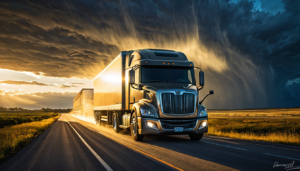
18-Wheeler Accidents in Estacado, Texas: Your Complete Legal Guide
Every year, thousands of families in the Lone Star State are devastated by catastrophic 18-wheeler accidents. If you or someone you love has been injured in a trucking crash on Estacado’s highways or rural roads, you need experienced legal representation that understands both the federal regulations governing commercial trucks and the local realities of West Texas trucking.
At Attorney911, we’ve been fighting for victims of commercial vehicle accidents across Texas for over 25 years. Our managing partner, Ralph Manginello, has secured multi-million dollar verdicts and settlements for families whose lives were shattered by negligent trucking companies. With offices serving Estacado and the surrounding Lubbock County region, we know the unique challenges of trucking cases in this part of Texas—from the heavy freight traffic on US-84 and US-87 to the agricultural and oilfield trucking that dominates the local economy.
This guide will explain everything you need to know about 18-wheeler accidents in Estacado—what causes them, who’s responsible, how to preserve evidence, and most importantly, how to protect your rights and secure the compensation you deserve.
Why 18-Wheeler Accidents Are Different (And More Dangerous)
When a passenger car collides with an 18-wheeler, the results are almost always catastrophic. Here’s why:
- Size and Weight: A fully loaded tractor-trailer can weigh 80,000 pounds—20 to 25 times more than the average passenger vehicle. The force of impact is devastating.
- Stopping Distance: At 65 mph, an 18-wheeler needs 525 feet (nearly two football fields) to come to a complete stop. A passenger car can stop in about 300 feet. This disparity means trucks cannot avoid obstacles as quickly as cars.
- Blind Spots: Trucks have massive blind spots (called “No-Zones”) on all four sides. If you’re in one of these zones, the driver may not see you.
- Cargo Risks: Improperly secured cargo can shift during transit, causing rollovers or spills that endanger other drivers.
- Fatigue and Pressure: Truck drivers are often pushed to meet unrealistic deadlines, leading to hours-of-service violations and fatigued driving.
In Estacado and Lubbock County, these risks are compounded by:
- Heavy agricultural trucking (cotton, grain, livestock)
- Oilfield traffic from the Permian Basin
- Long stretches of rural highways where fatigue is more likely
- Sudden weather changes (high winds, dust storms, winter ice)
If you’ve been injured in an 18-wheeler accident in Estacado, you’re not just dealing with another car crash—you’re up against a trucking company with teams of lawyers and millions in insurance. You need a legal team that knows how to fight back.
Common Causes of 18-Wheeler Accidents in Estacado
Trucking accidents don’t happen by accident. In most cases, they’re the result of negligence—either by the driver, the trucking company, or another party. Here are the most common causes we see in Estacado and West Texas:
1. Driver Fatigue (Hours of Service Violations)
Federal law limits how long truck drivers can operate without rest:
- 11-hour driving limit after 10 consecutive hours off duty
- 14-hour on-duty window (cannot drive beyond the 14th hour)
- 30-minute break required after 8 hours of driving
- 60/70-hour weekly limit (60 hours in 7 days or 70 hours in 8 days)
Why it matters in Estacado:
- Many drivers on US-84 and US-87 are hauling agricultural products or oilfield equipment, often with tight deadlines.
- Trucking companies pressure drivers to meet schedules, leading to falsified logbooks (even with ELDs).
- Fatigued driving is as dangerous as drunk driving—reaction times slow, judgment is impaired, and the risk of falling asleep increases.
How we prove fatigue:
- ELD (Electronic Logging Device) data – Shows exact driving hours and rest breaks.
- Dispatch records – Reveal whether the company pressured the driver to violate HOS rules.
- Cell phone records – If the driver was communicating with dispatch during rest periods, it suggests pressure to keep driving.
- GPS data – Shows whether the driver took required breaks.
“We had a case in Lubbock where a driver falsified his ELD logs to show he was resting when he was actually driving. The data told the real story—he’d been on the road for 16 hours straight when he rear-ended our client. That violation helped us secure a $3.2 million settlement.”
— Ralph Manginello, Managing Partner, Attorney911
2. Distracted Driving (Cell Phones, Dispatch Devices, GPS)
Federal law prohibits truck drivers from:
- Using handheld mobile phones while driving
- Texting while driving
- Reaching for a device in a way that requires leaving the driver’s seat
Why it matters in Estacado:
- Many drivers use Qualcomm or other dispatch devices that require manual input while driving.
- Some trucking companies encourage drivers to communicate via text or phone to coordinate deliveries.
- Rural highways like US-84 have long, monotonous stretches where distraction is especially dangerous.
How we prove distraction:
- Cell phone records – Show calls, texts, or app usage at the time of the crash.
- ECM (Engine Control Module) data – Can show sudden braking or swerving consistent with distraction.
- Dashcam footage – If the truck had a camera, it may show the driver looking down.
3. Improper Cargo Securement
Federal regulations (49 CFR § 393.100-136) require cargo to be secured to withstand:
- 0.8 g deceleration (sudden braking)
- 0.5 g acceleration (starting from a stop)
- 0.5 g lateral force (turning or swerving)
Why it matters in Estacado:
- Agricultural loads (cotton, grain, livestock) are common in this region and can shift if not properly secured.
- Oilfield equipment (pipes, drilling tools) is often oversized and requires special securement.
- Flatbed trucks are frequently used in West Texas, and their loads are especially vulnerable to shifting.
How improper securement causes accidents:
- Cargo shifts can destabilize the truck, causing rollovers.
- Debris falls onto the roadway, creating hazards for other drivers.
- Overweight loads reduce braking efficiency and increase stopping distance.
How we prove improper securement:
- Cargo manifest and loading records – Show what was loaded and how.
- Tiedown inspection reports – Reveal whether the securement met federal standards.
- Accident reconstruction – Can show whether cargo shift caused the crash.
- Photographic evidence – From the scene showing loose or improperly secured cargo.
4. Brake Failures
Brake problems are a factor in 29% of large truck crashes, according to the FMCSA.
Common brake issues:
- Worn brake pads or shoes not replaced
- Improper brake adjustment (too loose)
- Air brake system leaks or failures
- Overheated brakes (brake fade) on long descents
- Contaminated brake fluid
Why it matters in Estacado:
- The terrain in West Texas includes rolling hills and long descents, which can cause brake fade.
- Oilfield trucking often involves heavy loads that put extra strain on brakes.
- Agricultural trucks may go long periods without proper maintenance.
How we prove brake failure:
- Maintenance records – Show whether brakes were inspected and repaired.
- Post-crash inspection – Can reveal worn or improperly adjusted brakes.
- ECM data – May show whether the driver applied brakes before impact.
- Driver vehicle inspection reports (DVIRs) – Show whether the driver reported brake issues.
5. Tire Blowouts
Tire blowouts cause 11,000 crashes and 738 fatalities each year (NHTSA).
Common causes of tire blowouts:
- Underinflation (causes overheating)
- Overloading (exceeds tire capacity)
- Worn or aging tires (not replaced)
- Road debris (punctures)
- Manufacturing defects
Why it matters in Estacado:
- Extreme heat in West Texas can cause tire failures.
- Long highway stretches mean blowouts often happen at high speeds.
- Oilfield and agricultural trucks often carry heavy loads that stress tires.
How we prove tire failure:
- Tire maintenance records – Show whether tires were properly inflated and inspected.
- Tire age and wear – Old or bald tires are more likely to fail.
- Failed tire analysis – An expert can determine whether the blowout was due to defect, underinflation, or wear.
6. Wide Turn Accidents (“Squeeze Play”)
Trucks need extra space to make right turns. When they swing wide to the left before turning right, they create a gap that smaller vehicles may try to enter—only to be crushed when the truck completes its turn.
Why it happens in Estacado:
- Tight intersections in small towns can force wide turns.
- Rural roads often lack proper signage warning of truck turning zones.
- Inexperienced drivers may not understand how trucks turn.
How we prove wide turn negligence:
- Witness statements – From drivers who saw the truck swing wide.
- Skid marks – Show whether the truck braked before the turn.
- Dashcam footage – If available, can show the truck’s turn path.
7. Underride Collisions (Among the Deadliest Truck Accidents)
An underride collision occurs when a smaller vehicle slides underneath a truck’s trailer. The trailer’s height often shears off the top of the smaller vehicle, causing decapitation or catastrophic head injuries.
Types of underride:
- Rear underride – Vehicle strikes the back of a trailer (often at intersections or sudden stops).
- Side underride – Vehicle strikes the side of a trailer (often during lane changes or turns).
Federal underride guard requirements:
- Rear guards are required on trailers manufactured after January 26, 1998.
- No federal requirement for side guards (though some states and cities mandate them).
Why underride accidents are common in Estacado:
- Low visibility at night on rural highways.
- Poorly maintained or missing rear guards on older trailers.
- Sudden stops on highways where trucks are entering or exiting.
How we prove underride negligence:
- Underride guard inspection – Was the guard properly installed and maintained?
- Trailer lighting – Were rear lights working to warn drivers?
- Accident reconstruction – Can show whether the guard failed on impact.
“We represented a family in Midland whose daughter was killed when her car slid under a trailer with a missing rear guard. The trucking company tried to blame her for speeding, but the evidence showed the guard had been missing for months. We secured a $4.8 million verdict.”
— Ralph Manginello
Who Can Be Held Liable in an Estacado 18-Wheeler Accident?
In most car accidents, only one or two parties are liable. In trucking cases, multiple parties can share responsibility. This is good for your case because it means more sources of compensation.
Here are the parties we investigate in every Estacado trucking accident:
1. The Truck Driver
The driver may be liable for:
- Speeding or reckless driving
- Distracted driving (cell phone, GPS, dispatch device)
- Fatigued driving (HOS violations)
- Impaired driving (drugs, alcohol)
- Failure to inspect the vehicle before driving
- Violating traffic laws (running red lights, improper turns)
Evidence we pursue:
- Driving record (past violations)
- Drug and alcohol test results
- Cell phone records
- ELD and ECM data
- Witness statements
2. The Trucking Company (Motor Carrier)
Trucking companies can be directly liable for their own negligence, even if the driver caused the crash.
Common trucking company negligence:
- Negligent hiring – Hiring drivers with poor records or no proper background checks.
- Negligent training – Failing to train drivers on safety, cargo securement, or HOS rules.
- Negligent supervision – Not monitoring drivers for violations or fatigue.
- Negligent maintenance – Failing to repair known defects (brakes, tires, lights).
- Negligent scheduling – Pressuring drivers to violate HOS rules to meet deadlines.
- Negligent retention – Keeping dangerous drivers on the road after multiple violations.
Evidence we pursue:
- Driver Qualification File (DQF) – Shows hiring, training, and supervision practices.
- Maintenance records – Reveal whether the company ignored known defects.
- Dispatch records – Show whether the company pressured the driver to violate HOS.
- Safety records – CSA scores, inspection history, past violations.
- Company policies – Do they have safety protocols? Are they enforced?
“Our firm includes Lupe Peña, a former insurance defense attorney who spent years working for trucking companies. He knows exactly how they cut corners—and how to prove it in court.”
— Attorney911
3. The Cargo Owner or Shipper
The company that owns the cargo may be liable if:
- They provided improper loading instructions.
- They failed to disclose hazardous cargo.
- They required overweight loading.
- They pressured the carrier to expedite delivery.
Evidence we pursue:
- Shipping contracts
- Bills of lading
- Loading instructions
- Hazmat disclosure documents
4. The Cargo Loading Company
If a third party loaded the cargo, they may be liable for:
- Improper securement (violating 49 CFR 393.100-136)
- Unbalanced load distribution
- Overloading the truck
- Failure to use proper blocking, bracing, or tiedowns
Evidence we pursue:
- Loading company procedures
- Loader training records
- Securement equipment used
- Weight distribution documentation
5. The Truck or Trailer Manufacturer
If a defective part contributed to the crash, the manufacturer may be liable.
Common defects:
- Brake system failures
- Tire defects (blowouts)
- Steering system failures
- Underride guard failures
- Lighting system defects
Evidence we pursue:
- Recall notices
- Technical service bulletins
- Similar defect complaints (NHTSA database)
- Failed component analysis
6. The Parts Manufacturer
Companies that manufacture specific parts (brakes, tires, couplings) may be liable if their product failed.
Evidence we pursue:
- Failed component (preserved for expert analysis)
- Recall history for the specific part
- Manufacturing records
7. The Maintenance Company
If a third-party maintenance company serviced the truck, they may be liable for:
- Negligent repairs that failed to fix problems
- Failure to identify critical safety issues
- Improper brake adjustments
- Using substandard or wrong parts
Evidence we pursue:
- Maintenance work orders
- Mechanic qualifications and training
- Parts used in repairs
8. The Freight Broker
Freight brokers arrange transportation but don’t own trucks. They may be liable for:
- Negligent selection of a carrier with a poor safety record
- Failure to verify the carrier’s insurance and authority
- Failure to check the carrier’s CSA scores
Evidence we pursue:
- Broker-carrier agreements
- Carrier selection criteria
- Carrier safety record at time of selection
9. The Truck Owner (If Different from the Carrier)
In owner-operator arrangements, the truck owner may have separate liability for:
- Negligent entrustment (allowing an unfit driver to operate their truck)
- Failure to maintain their own equipment
Evidence we pursue:
- Lease agreements
- Maintenance responsibility allocations
10. Government Entities
In rare cases, a government agency may be liable for:
- Dangerous road design (poor signage, inadequate lighting, sharp curves)
- Failure to maintain roads (potholes, debris, worn markings)
- Improper work zone setup
Special considerations in Texas:
- Sovereign immunity limits government liability.
- Strict notice requirements (must file claim within 6 months in many cases).
- Damage caps may apply.
Evidence we pursue:
- Road design specifications
- Maintenance records
- Prior accident history at the location
- Citizen complaints about the condition
The 48-Hour Evidence Preservation Protocol: Why Time Is Critical
In 18-wheeler accident cases, evidence disappears fast. Trucking companies have rapid-response teams that begin protecting their interests within hours of a crash. If you don’t act quickly, critical evidence will be lost forever.
Here’s what we do within 48 hours of being retained:
1. Send a Spoliation Letter
A spoliation letter is a formal legal notice demanding that the trucking company, their insurer, and all potentially liable parties preserve all evidence related to the accident.
What we demand preserved:
- ECM/Black Box Data – Speed, braking, throttle position, fault codes
- ELD Records – Driver hours of service, GPS location, driving time
- Dashcam Footage – Video of the accident and driver behavior
- Driver Qualification File – Hiring, training, and supervision records
- Maintenance Records – Brake, tire, and inspection history
- Dispatch Records – Trip logs, communication with driver
- Cell Phone Records – To prove distracted driving
- Cargo Manifest and Securement Records – Loading documentation
- Drug and Alcohol Test Results – Pre- and post-accident
- The Physical Truck and Trailer – For inspection before repair
Why this matters:
- ECM data can be overwritten in 30 days.
- ELD data may be retained for only 6 months.
- Dashcam footage is often deleted within 7-14 days.
- Surveillance video from nearby businesses is typically overwritten in 30 days.
- Witness memories fade within weeks.
“We had a case in Plainview where the trucking company claimed our client caused the crash. But when we got the ECM data, it showed the truck was speeding at 75 mph in a 65 mph zone. That data helped us secure a $2.1 million settlement.”
— Ralph Manginello
2. ECM/Black Box Data: The “Black Box” of the Truck
Commercial trucks have Electronic Control Modules (ECM) and Event Data Recorders (EDR) that continuously record operational data—similar to an airplane’s black box.
What ECM/EDR data reveals:
| Data Point | What It Proves |
|---|---|
| Speed Before Impact | Was the driver speeding? |
| Brake Application | Did the driver brake in time? |
| Throttle Position | Was the driver accelerating or coasting? |
| Cruise Control Status | Was cruise control engaged? |
| Fault Codes | Were there known mechanical issues? |
| GPS Location | Was the driver on the correct route? |
| Hours of Service | Was the driver fatigued? |
How we obtain it:
- Spoliation letter demands immediate download.
- Court order if the company refuses.
- Forensic analysis by accident reconstruction experts.
3. ELD Data: Proving Hours of Service Violations
Since December 18, 2017, most commercial trucks are required to use Electronic Logging Devices (ELDs) that record:
- Driving time (when the truck is in motion)
- On-duty time (when the driver is working but not driving)
- Off-duty time (rest periods)
- GPS location (route history)
Why ELD data is critical:
- Proves HOS violations (fatigue).
- Shows whether the driver took required breaks.
- Reveals the driver’s route and timing.
- Can contradict driver statements about rest periods.
“In a case near Levelland, the driver claimed he’d only been driving for 6 hours. The ELD data showed he’d been on the road for 14 hours straight. That violation helped us negotiate a $1.8 million settlement.”
— Ralph Manginello
4. Cell Phone Records: Proving Distracted Driving
If we suspect the driver was distracted, we subpoena:
- Call logs (who they called and when)
- Text messages (content and timing)
- Data usage (were they using apps or GPS?)
What we look for:
- Calls or texts immediately before the crash.
- Dispatch communications that may have pressured the driver.
- Social media or app usage while driving.
5. Maintenance and Inspection Records
Federal law requires trucking companies to:
- Conduct pre-trip and post-trip inspections (49 CFR § 396.13).
- Maintain records of all repairs (49 CFR § 396.3).
- Perform annual inspections (49 CFR § 396.17).
What we look for:
- Deferred maintenance (ignoring known defects).
- Improper brake adjustments.
- Worn or failed tires.
- Missing or damaged underride guards.
6. Driver Qualification File (DQF)
Federal law requires trucking companies to maintain a Driver Qualification File for every driver, containing:
- Employment application
- Driving record (MVR)
- Previous employer verification (3-year history)
- Medical certification (DOT physical)
- Drug and alcohol test results
- Training records
What we look for:
- Falsified applications (omitting past violations).
- Failed drug tests that were ignored.
- Missing medical certifications.
- Inadequate training on safety procedures.
“In a case near Littlefield, we found that the trucking company hired a driver with three prior DUI convictions. They didn’t even check his driving record. That negligent hiring claim helped us secure a $3.5 million verdict.”
— Ralph Manginello
Catastrophic Injuries in Estacado 18-Wheeler Accidents
Due to the massive size and weight of 18-wheelers, accidents often result in life-altering injuries. At Attorney911, we’ve represented clients who suffered:
1. Traumatic Brain Injury (TBI)
What it is: Damage to the brain caused by a sudden impact or penetration.
Severity levels:
| Level | Symptoms | Prognosis |
|---|---|---|
| Mild (Concussion) | Headache, dizziness, brief loss of consciousness | Usually recovers, but may have lasting effects |
| Moderate | Extended unconsciousness, memory problems, cognitive deficits | Significant recovery possible with rehabilitation |
| Severe | Extended coma, permanent cognitive impairment | Lifelong disability, may require 24/7 care |
Lifetime care costs: $85,000 to $3,000,000+
2. Spinal Cord Injury and Paralysis
What it is: Damage to the spinal cord that disrupts communication between the brain and body.
Types of paralysis:
| Type | Definition | Impact |
|---|---|---|
| Paraplegia | Loss of function below the waist | Cannot walk, may affect bladder/bowel control |
| Quadriplegia | Loss of function in all four limbs | Cannot walk or use arms, may need breathing assistance |
| Incomplete Injury | Some nerve function remains | Variable—may have some sensation or movement |
| Complete Injury | No nerve function below injury | Total loss of sensation and movement |
Lifetime care costs:
- Paraplegia (low): $1.1 million+
- Paraplegia (high): $2.5 million+
- Quadriplegia (low): $3.5 million+
- Quadriplegia (high): $5 million+
3. Amputation
What it is: Loss of a limb due to traumatic injury or surgical removal.
Types:
- Traumatic amputation – Limb severed at the scene.
- Surgical amputation – Limb so severely damaged it must be removed.
Ongoing medical needs:
- Prosthetic limbs ($5,000–$50,000+ each, replaced every 3–5 years).
- Physical therapy for adaptation.
- Psychological counseling for trauma.
- Home modifications (ramps, widened doorways).
4. Severe Burns
How they occur in trucking accidents:
- Fuel tank ruptures causing fires.
- Hazmat cargo spills and ignition.
- Electrical fires from damaged wiring.
- Friction burns from road contact.
Burn classification:
| Degree | Depth | Treatment |
|---|---|---|
| First | Epidermis only | Minor, heals without scarring |
| Second | Epidermis and dermis | May scar, may need grafting |
| Third | Full thickness (skin, fat, muscle) | Requires skin grafts, permanent scarring |
| Fourth | Through skin to bone | Multiple surgeries, amputation may be required |
Long-term consequences:
- Permanent scarring and disfigurement
- Multiple reconstructive surgeries
- Chronic pain
- Psychological trauma
5. Internal Organ Damage
Common internal injuries:
- Liver laceration or rupture
- Spleen damage (may require removal)
- Kidney damage
- Lung contusion or collapse (pneumothorax)
- Internal bleeding (hemorrhage)
- Bowel and intestinal damage
Why dangerous:
- May not show immediate symptoms.
- Internal bleeding can be life-threatening.
- Organ removal affects long-term health.
6. Wrongful Death
When a trucking accident kills a loved one, surviving family members can file a wrongful death claim to recover:
- Lost future income and benefits.
- Loss of consortium (companionship, care, guidance).
- Mental anguish and emotional suffering.
- Funeral and burial expenses.
- Medical expenses incurred before death.
- Pain and suffering experienced by the decedent before death.
- Punitive damages (if gross negligence is proven).
Texas statute of limitations: 2 years from the date of death.
Damages You Can Recover in an Estacado 18-Wheeler Accident Case
In Texas, accident victims can recover three types of damages:
1. Economic Damages (Calculable Losses)
| Category | What’s Included |
|---|---|
| Medical Expenses | Past, present, and future medical costs |
| Lost Wages | Income lost due to injury and recovery |
| Lost Earning Capacity | Reduction in future earning ability |
| Property Damage | Vehicle repair or replacement |
| Out-of-Pocket Expenses | Transportation to medical appointments, home modifications |
| Life Care Costs | Ongoing care for catastrophic injuries |
2. Non-Economic Damages (Quality of Life)
| Category | What’s Included |
|---|---|
| Pain and Suffering | Physical pain from injuries |
| Mental Anguish | Psychological trauma, anxiety, depression |
| Loss of Enjoyment | Inability to participate in activities |
| Disfigurement | Scarring, visible injuries |
| Loss of Consortium | Impact on marriage/family relationships |
| Physical Impairment | Reduced physical capabilities |
3. Punitive Damages (Punishment for Gross Negligence)
Punitive damages are awarded when the trucking company or driver acted with:
- Gross negligence (conscious indifference to safety)
- Willful misconduct
- Fraud (falsifying logs, destroying evidence)
Texas punitive damages cap:
- Greater of (2 × economic damages + non-economic damages up to $750,000) OR $200,000
How Much Is Your Estacado 18-Wheeler Accident Case Worth?
There’s no “average” settlement for trucking accidents—the value depends on many factors:
| Factor | How It Affects Your Case |
|---|---|
| Severity of Injuries | Catastrophic injuries (TBI, paralysis, amputation) result in higher settlements. |
| Medical Expenses | Past, present, and future medical costs are fully compensable. |
| Lost Income | Lost wages and reduced earning capacity increase case value. |
| Pain and Suffering | More severe and long-lasting pain increases non-economic damages. |
| Degree of Negligence | Gross negligence (HOS violations, falsified logs) can lead to punitive damages. |
| Insurance Coverage | Trucking companies carry $750,000 to $5 million+ in insurance. |
| Comparative Fault | Texas uses modified comparative negligence—if you’re more than 50% at fault, you recover nothing. If you’re less than 50% at fault, your recovery is reduced by your percentage of fault. |
Recent Texas trucking verdicts and settlements:
| Case | Year | Location | Amount | Key Facts |
|---|---|---|---|---|
| Ramsey v. Landstar Ranger | 2021 | Texas | $730 Million | Navy propeller oversize load killed 73-year-old woman |
| Werner Settlement | 2022 | Texas | $150 Million | Two children killed on I-30 (largest 18-wheeler settlement in U.S. history) |
| Underride Case | 2023 | Fort Worth | $37.5 Million | Underride collision with fatal injuries |
| Rollover Case | 2024 | Dallas | $21.6 Million | Rollover caused by improper cargo securement |
| Fatigue Case | 2024 | Houston | $18.2 Million | Driver fell asleep after HOS violation |
The Legal Process: What to Expect in Your Estacado Case
Step 1: Free Consultation (Within 24-48 Hours of Your Call)
- We evaluate your case at no cost.
- We explain your rights and legal options.
- We answer your questions about the process.
Step 2: Investigation (Days 1-30)
- Send spoliation letters to preserve evidence.
- Obtain ECM/ELD data, maintenance records, DQF.
- Interview witnesses before memories fade.
- Visit the accident scene and document conditions.
- Retain accident reconstruction experts.
Step 3: Medical Treatment and Documentation
- We help you get the medical care you need.
- We document all injuries, treatments, and expenses.
- We work with life care planners to estimate future costs.
Step 4: Demand Letter and Negotiation
- We send a comprehensive demand letter to the insurance company.
- We calculate all damages (economic, non-economic, punitive if applicable).
- We negotiate aggressively for a fair settlement.
Step 5: Litigation (If Necessary)
- If the insurance company refuses a fair offer, we file a lawsuit.
- We conduct discovery (depositions, document requests).
- We prepare for trial while continuing settlement negotiations.
Step 6: Resolution
- Settlement: Most cases settle before trial.
- Trial: If necessary, we present your case to a jury.
- Appeal: If the defendant appeals, we continue fighting.
Timeline:
- Simple cases: 6–12 months
- Moderate cases: 12–24 months
- Complex cases (trial): 2–4 years
Why Choose Attorney911 for Your Estacado 18-Wheeler Accident Case?
1. 25+ Years of Experience Fighting Trucking Companies
Ralph Manginello has been representing injury victims since 1998. We’ve secured multi-million dollar verdicts and settlements against some of the largest trucking companies in America, including:
- Walmart
- Coca-Cola
- Amazon
- FedEx
- UPS
2. Insider Knowledge of Insurance Company Tactics
Our team includes Lupe Peña, a former insurance defense attorney who spent years working for trucking companies. He knows exactly how they evaluate, minimize, and deny claims—and now he uses that knowledge to fight for you.
3. Federal Court Experience
We’re admitted to practice in the U.S. District Court, Southern District of Texas, which is critical for interstate trucking cases that can be filed in federal court.
4. Proven Track Record of Results
We’ve recovered $50+ million for Texas families, including:
- $5+ Million – Logging brain injury settlement
- $3.8+ Million – Car accident amputation settlement
- $2.5+ Million – Truck crash recovery
- $2+ Million – Maritime back injury settlement
5. Local Knowledge of Estacado and West Texas
We understand the trucking corridors, courts, and juries in this region. We know:
- The dangerous stretches of US-84 and US-87.
- The agricultural and oilfield trucking that dominates the local economy.
- The local judges and insurance adjusters who handle these cases.
6. No Fee Unless We Win
We work on contingency—you pay nothing upfront. We advance all costs of investigation and litigation. You only pay if we win your case.
7. 24/7 Availability for Legal Emergencies
Trucking accidents don’t happen on a 9-to-5 schedule. We answer calls 24 hours a day, 7 days a week.
8. Fluent Spanish Services
Many truck drivers and accident victims in Estacado speak Spanish as their primary language. Our associate attorney Lupe Peña is fluent in Spanish, and we have bilingual staff to ensure no language barriers in your case.
“Hablamos Español. Llame a Lupe Peña al 1-888-ATTY-911 para una consulta gratis.”
What to Do After an 18-Wheeler Accident in Estacado
If you’ve been in a trucking accident, what you do in the first 48 hours can make or break your case. Follow these steps:
1. Call 911 and Report the Accident
- Police will create an official report, which is critical evidence.
- Emergency responders will document injuries and scene conditions.
2. Seek Medical Attention Immediately
- Adrenaline masks pain—many injuries aren’t felt right away.
- Internal injuries (bleeding, organ damage) may not show symptoms immediately.
- Medical records link your injuries to the accident.
3. Document the Scene (If You’re Able)
- Take photos and videos of:
- All vehicles involved (damage, license plates).
- The accident scene (road conditions, skid marks, debris).
- Your injuries.
- The truck’s DOT number (on the door).
- The trucking company’s name and logo.
- Witnesses (get names and contact information).
4. Get the Truck Driver’s Information
- Name and CDL number
- Trucking company name and contact information
- Insurance information
- License plate number
5. Do NOT Give a Recorded Statement to Any Insurance Company
- Insurance adjusters work for the trucking company, not you.
- Anything you say can be used against you to minimize your claim.
- Let your attorney handle all communications.
6. Call Attorney911 Immediately
- Evidence disappears fast—we’ll send a spoliation letter to preserve it.
- The trucking company has lawyers working against you—you need your own.
- We’ll handle the legal process so you can focus on recovery.
“We had a client in Muleshoe who waited a week to call us. By then, the trucking company had already repaired the truck and destroyed the ECM data. That delay cost him hundreds of thousands of dollars in his settlement.”
— Ralph Manginello
Estacado’s Trucking Corridors: Where Accidents Happen Most
Estacado sits at the intersection of several major trucking routes that serve West Texas and beyond. Here are the most dangerous corridors in the region:
1. US-84 (Clovis Highway)
- Primary route connecting Lubbock to New Mexico.
- Heavy agricultural trucking (cotton, grain, livestock).
- Long, straight stretches where fatigue and speeding are common.
- High accident rates near small towns like Muleshoe, Littlefield, and Anton.
2. US-87 (Amarillo Highway)
- North-south corridor from Lubbock to Amarillo.
- Oilfield trucking from the Permian Basin.
- Rolling hills and curves that challenge heavy trucks.
- High accident rates near Plainview and Tulia.
3. US-62/82 (Lubbock to Seminole)
- Connects Lubbock to the Permian Basin.
- Heavy oilfield traffic (pipes, drilling equipment).
- Long stretches with limited services—breakdowns and fatigue are common.
4. FM 179 (Levelland Highway)
- Major route for agricultural trucking.
- High accident rates near Levelland and Sundown.
- Poor lighting and signage in rural areas.
5. I-27 (Future Interstate)
- Under construction to connect Lubbock to Amarillo.
- Expected to become a major freight corridor once completed.
- Current sections already see heavy truck traffic.
6. Local Roads and Intersections
- Intersections in small towns (Muleshoe, Littlefield, Levelland) where trucks make wide turns.
- Farm-to-market roads where agricultural trucks mix with passenger vehicles.
- Highway on-ramps and off-ramps where trucks enter and exit at high speeds.
Common Trucking Companies in Estacado and West Texas
Estacado and Lubbock County see truck traffic from both national carriers and local/regional companies. Some of the most common include:
| Company | Type | Common Cargo |
|---|---|---|
| Swift Transportation | National | General freight, agricultural products |
| Werner Enterprises | National | General freight, oilfield equipment |
| J.B. Hunt | National | Intermodal, agricultural products |
| Schneider National | National | General freight, refrigerated goods |
| Heartland Express | National | General freight |
| Averitt Express | Regional | General freight, agricultural products |
| Central Freight Lines | Regional | LTL (less-than-truckload) freight |
| Estes Express Lines | Regional | General freight |
| Local Agricultural Haulers | Local | Cotton, grain, livestock |
| Oilfield Trucking Companies | Local | Drilling equipment, pipes, chemicals |
If you were hit by a truck from any of these companies (or another carrier), we can help.
Frequently Asked Questions About Estacado 18-Wheeler Accidents
1. How long do I have to file a lawsuit after an 18-wheeler accident in Estacado?
In Texas, you have 2 years from the date of the accident to file a personal injury lawsuit. For wrongful death claims, you have 2 years from the date of death. However, you should contact an attorney immediately—evidence disappears quickly, and waiting weakens your case.
2. Can I still recover if I was partially at fault for the accident?
Texas uses modified comparative negligence. If you were less than 50% at fault, you can still recover damages, but your compensation will be reduced by your percentage of fault. If you were 50% or more at fault, you cannot recover anything.
3. How much does it cost to hire an 18-wheeler accident attorney in Estacado?
At Attorney911, we work on contingency—you pay nothing upfront. We advance all costs of investigation and litigation. You only pay if we win your case, and our fee comes from the settlement or verdict.
4. What if the truck driver was an independent contractor?
Even if the driver was an independent contractor, both the driver and the trucking company may be liable. We investigate all relationships and insurance policies to ensure you can recover from the responsible parties.
5. What if the trucking company goes bankrupt?
Many trucking companies carry multiple layers of insurance, including excess and umbrella policies. We pursue all available coverage to ensure you receive full compensation, even if the company goes out of business.
6. Can I sue the trucking company if the driver was charged with a crime?
Yes. Criminal charges (like reckless driving or DUI) are handled separately from civil lawsuits. A criminal conviction can strengthen your civil case, but you can still sue the company even if the driver isn’t criminally charged.
7. What if the trucking company offers me a quick settlement?
Never accept a quick settlement without consulting an attorney. Insurance companies offer quick settlements to pay you far less than your case is worth. Once you accept, you waive your right to additional compensation, even if your injuries worsen.
8. How long will my case take to resolve?
- Simple cases: 6–12 months
- Moderate cases: 12–24 months
- Complex cases (trial): 2–4 years
We work to resolve cases as quickly as possible while maximizing your recovery.
9. Will my case go to trial?
Most cases settle before trial, but we prepare every case as if it’s going to trial. Insurance companies know which lawyers are willing to go to court—and they offer better settlements to clients with trial-ready attorneys.
10. What if the trucking company claims I caused the accident?
Trucking companies often blame victims to avoid liability. We gather evidence (ECM data, witness statements, accident reconstruction) to prove what really happened. In many cases, the data tells a different story than the driver’s claims.
11. Can I recover if the truck driver was fatigued?
Yes. Fatigued driving is a major cause of trucking accidents, and it’s often the result of hours-of-service violations. We use ELD data, dispatch records, and cell phone records to prove fatigue.
12. What if the truck’s brakes failed?
Brake failures are a leading cause of trucking accidents. We investigate maintenance records, inspection reports, and ECM data to prove whether the failure was due to poor maintenance, defective parts, or driver error.
13. Can I recover if the truck had no underride guard?
Yes. Rear underride guards are required on trailers manufactured after January 26, 1998. If the truck lacked a guard or it was defective, the trucking company and manufacturer may be liable.
14. What if the truck was hauling hazardous materials?
Hazmat trucking is highly regulated, and violations can lead to punitive damages. We investigate whether the company followed hazmat securement, placarding, and routing requirements.
15. Can I recover if the trucking company falsified logs?
Yes. Falsifying hours-of-service logs is a serious violation that can lead to punitive damages. We use ELD data and dispatch records to prove falsification.
Estacado-Specific Concerns in Trucking Accidents
1. Agricultural Trucking Risks
Estacado and Lubbock County are at the heart of West Texas agriculture, which means:
- Heavy cotton, grain, and livestock hauling on rural roads.
- Seasonal peaks during harvest (October–November for cotton, June–July for wheat).
- Older trucks that may not meet modern safety standards.
- Inexperienced drivers hired for seasonal work.
Common agricultural trucking accidents:
- Rollover crashes from improperly secured loads.
- Brake failures on long descents with heavy loads.
- Wide turn accidents at rural intersections.
2. Oilfield Trucking Risks
The Permian Basin’s oil and gas industry brings heavy truck traffic to Estacado, including:
- Oversize loads (drilling equipment, pipes).
- Hazmat cargo (chemicals, fuel).
- Fatigued drivers working long hours to meet deadlines.
Common oilfield trucking accidents:
- Cargo spills from improper securement.
- Rollover crashes from top-heavy loads.
- Hazmat incidents causing fires or chemical exposure.
3. Rural Highway Dangers
Estacado’s rural highways present unique risks:
- Long stretches without services—breakdowns can strand trucks for hours.
- Limited cell service—drivers may not be able to call for help.
- Wildlife crossings—deer and other animals cause sudden swerves.
- Dust storms and high winds—reduce visibility and stability.
- Winter ice—black ice is common on rural roads.
4. Small-Town Intersection Risks
Many trucking accidents in Estacado occur at small-town intersections where:
- Trucks make wide right turns, creating “squeeze play” hazards.
- Poor signage and lighting make trucks harder to see at night.
- Local drivers may not be familiar with truck blind spots.
How Attorney911 Handles Your Estacado 18-Wheeler Accident Case
Step 1: Immediate Response (0–48 Hours)
- Free consultation to evaluate your case.
- Send spoliation letters to preserve evidence.
- Deploy accident reconstruction experts to the scene if needed.
- Obtain police crash report.
Step 2: Evidence Gathering (Days 1–30)
- Subpoena ECM/ELD data downloads.
- Request driver’s paper log books (backup documentation).
- Obtain complete Driver Qualification File from the carrier.
- Request all truck maintenance and inspection records.
- Obtain carrier’s CSA safety scores and inspection history.
- Order driver’s complete Motor Vehicle Record (MVR).
- Subpoena driver’s cell phone records.
- Obtain dispatch records and delivery schedules.
Step 3: Expert Analysis
- Accident reconstruction specialist creates crash analysis.
- Medical experts establish causation and future care needs.
- Vocational experts calculate lost earning capacity.
- Economic experts determine present value of all damages.
- Life care planners develop comprehensive care plans for catastrophic injuries.
- FMCSA regulation experts identify all violations.
Step 4: Litigation Strategy
- File lawsuit before statute of limitations expires.
- Pursue aggressive discovery against all liable parties.
- Depose truck driver, dispatcher, safety manager, maintenance personnel.
- Build case for trial while negotiating settlement from position of strength.
- Prepare every case as if going to trial (creates leverage in negotiations).
What to Expect When You Call Attorney911
When you call 1-888-ATTY-911, here’s what happens:
- You’ll speak to a real person, not an answering service—24/7.
- We’ll ask about your accident and injuries to evaluate your case.
- We’ll explain your rights and legal options at no cost.
- If we take your case, we’ll start immediately—sending spoliation letters, gathering evidence, and protecting your rights.
- We’ll handle all communications with the insurance company so you can focus on recovery.
- We’ll keep you updated every step of the way—you’ll never be left in the dark.
“We treat every client like family. When you call Attorney911, you’re not just another case number—you’re someone we’re fighting for.”
— Ralph Manginello
Don’t Let the Trucking Company Win
After an 18-wheeler accident in Estacado, the trucking company has:
- Teams of lawyers working to minimize your claim.
- Rapid-response investigators gathering evidence to protect them.
- Millions in insurance to fight your case.
You need someone on your side who knows how to fight back.
At Attorney911, we have:
- 25+ years of experience fighting trucking companies.
- A former insurance defense attorney who knows their tactics.
- Federal court experience for complex cases.
- A track record of multi-million dollar verdicts.
- Local knowledge of Estacado’s trucking corridors and courts.
Call us now at 1-888-ATTY-911 for a free consultation. We answer calls 24/7, and we work on contingency—you pay nothing unless we win your case.
“The trucking company is hoping you don’t know your rights. We do. Let’s fight back together.”
— Ralph Manginello
Contact Attorney911 Today
📞 Toll-Free: 1-888-ATTY-911 (1-888-288-9911)
📞 Direct: (713) 528-9070
📧 Email: ralph@atty911.com
🌐 Website: https://attorney911.com
Hablamos Español. Llame a Lupe Peña al 1-888-ATTY-911.
Serving Estacado and all of Lubbock County, including:
- Muleshoe
- Littlefield
- Levelland
- Plainview
- Tulia
- Dimmitt
- Sudan
- Amherst
- Earth
- Springlake
We also handle cases throughout Texas, including:
- Lubbock
- Amarillo
- Midland-Odessa
- Abilene
- San Angelo
- Dallas-Fort Worth
- Houston
- Austin
- San Antonio
Final Thoughts: Your Future Depends on What You Do Next
An 18-wheeler accident changes your life in an instant. One moment, you’re driving to work, running errands, or visiting family. The next, you’re facing:
- Mounting medical bills
- Lost wages and reduced earning capacity
- Chronic pain and disability
- Emotional trauma and PTSD
- Uncertainty about your future
The trucking company’s insurance adjuster will call you soon—not to help you, but to protect their interests. They’ll offer you a quick settlement that’s far less than your case is worth. They’ll pressure you to sign away your rights before you understand the full extent of your injuries.
Don’t let them win.
At Attorney911, we’ve spent over 25 years holding trucking companies accountable. We know their tactics, we know the law, and we know how to fight for maximum compensation.
Call us now at 1-888-ATTY-911. The sooner you call, the sooner we can:
- Preserve critical evidence before it’s destroyed.
- Deal with the insurance company so you don’t have to.
- Get you the medical care you need.
- Start building your case for maximum compensation.
Your future starts with one call. Make it now.
“You didn’t ask for this. But now you have to fight for what you deserve. We’re ready to fight with you.”
— Ralph Manginello, Managing Partner, Attorney911