18-Wheeler Accident Lawyers in Grand Prairie, Texas | Attorney911
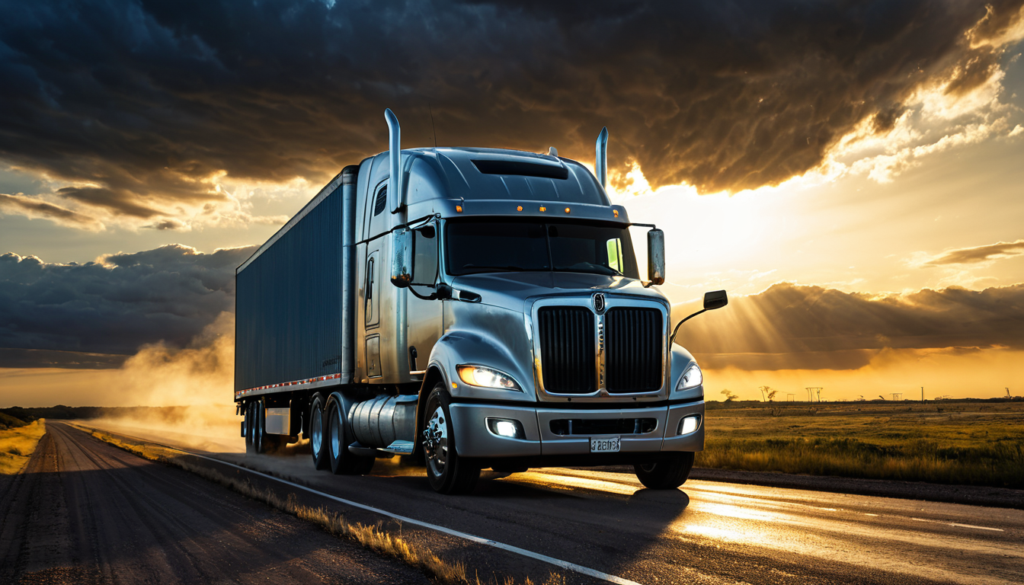
If you or a loved one has been injured in an 18-wheeler accident in Grand Prairie, Texas, you’re facing one of the most devastating experiences of your life. The massive size and weight of commercial trucks create catastrophic forces in collisions, often resulting in life-altering injuries or wrongful death. At Attorney911, we understand the unique challenges of trucking accident cases in the Grand Prairie area, and we’re here to fight for the justice and compensation you deserve.
Why 18-Wheeler Accidents in Grand Prairie Are Different
Grand Prairie sits at the crossroads of major Texas trucking corridors, with I-20, I-30, and SH-360 serving as critical freight routes connecting Dallas-Fort Worth to the rest of the state and nation. The city’s strategic location makes it a hub for logistics and distribution centers, meaning our roads see heavy commercial traffic daily. This high volume of truck traffic creates unique risks for local drivers:
- Higher accident rates on Grand Prairie’s major highways
- Complex liability issues involving multiple trucking companies and cargo owners
- Federal regulations that apply to interstate trucking operations
- Aggressive insurance tactics from commercial carriers protecting their interests
When an 80,000-pound truck collides with a passenger vehicle, the results are often catastrophic. The physics of these collisions mean that even at moderate speeds, the force of impact can cause devastating injuries that change lives forever.
Common Causes of 18-Wheeler Accidents in Grand Prairie
Our experience handling trucking accident cases throughout Grand Prairie and the Dallas-Fort Worth metroplex has revealed several recurring causes of these devastating crashes:
Driver Fatigue and Hours of Service Violations
The trucking industry’s relentless pressure to deliver goods on tight schedules leads many drivers to violate federal hours of service regulations. On Grand Prairie’s highways, we frequently see drivers who have:
- Exceeded the 11-hour driving limit
- Driven beyond the 14-hour on-duty window
- Skipped required 30-minute breaks
- Falsified their electronic logging device (ELD) records
These violations create dangerous levels of fatigue that impair reaction times and decision-making. The FMCSA estimates that fatigued driving contributes to 13% of all large truck crashes nationwide, and our experience in Grand Prairie confirms this statistic.
Distracted Driving
With the proliferation of smartphones and in-cab communication systems, distracted driving has become a major problem in the trucking industry. On Grand Prairie’s busy highways, we’ve seen accidents caused by:
- Texting or using smartphones while driving
- Adjusting GPS or navigation systems
- Eating or drinking behind the wheel
- Using dispatch communication devices
- Watching videos or using entertainment systems
The FMCSA prohibits hand-held phone use by commercial drivers, but enforcement remains challenging. When a distracted truck driver causes an accident, we use cell phone records and ELD data to prove the violation.
Improper Maintenance and Equipment Failures
Grand Prairie’s proximity to major distribution centers means our roads see a constant flow of commercial vehicles. Unfortunately, some trucking companies cut corners on maintenance to save costs. Common maintenance-related causes we investigate include:
- Brake failures – accounting for 29% of truck accidents
- Tire blowouts – especially dangerous on I-20 and I-30
- Steering system failures
- Lighting and visibility issues
- Coupling device failures
Federal regulations require systematic inspection, repair, and maintenance of all commercial vehicles. When we find that a trucking company failed to maintain their fleet properly, we hold them accountable for the resulting accidents.
Improper Loading and Cargo Securement
Grand Prairie’s distribution centers and warehouses handle massive volumes of cargo daily. When cargo is improperly loaded or secured, it can shift during transit, causing:
- Rollover accidents on highway curves and ramps
- Cargo spills that create road hazards
- Loss of vehicle control due to weight distribution issues
- Underride accidents when cargo extends beyond the trailer
The FMCSA has specific cargo securement regulations (49 CFR § 393.100-136) that trucking companies must follow. We investigate loading practices and securement methods to identify violations that contributed to your accident.
Speeding and Aggressive Driving
The pressure to meet delivery deadlines leads some truck drivers to engage in dangerous driving behaviors on Grand Prairie’s highways. We frequently see:
- Excessive speed for conditions
- Tailgating and following too closely
- Improper lane changes
- Failure to yield right-of-way
- Aggressive passing maneuvers
On I-20 and I-30, where speed limits reach 70-75 mph, even small increases in speed dramatically increase stopping distances and collision forces.
Wide Turn Accidents (“Squeeze Play” Collisions)
Grand Prairie’s urban areas and commercial districts create numerous situations where trucks must make wide turns. These maneuvers are particularly dangerous at intersections where:
- Trucks swing wide to the left before making a right turn
- Drivers fail to check blind spots
- Inadequate signage or road markings exist
- Passenger vehicles attempt to pass on the right
These “squeeze play” accidents often result in crushing injuries or fatalities when vehicles become trapped between the truck and the curb.
Catastrophic Injuries from Grand Prairie Trucking Accidents
The size and weight disparity between 18-wheelers and passenger vehicles means that trucking accidents often result in catastrophic injuries. At Attorney911, we’ve represented Grand Prairie residents who have suffered:
Traumatic Brain Injury (TBI)
TBI is one of the most common and devastating injuries in trucking accidents. The extreme forces involved can cause:
- Concussions (mild TBI)
- Contusions (brain bruising)
- Diffuse axonal injuries (shearing of brain fibers)
- Penetrating injuries (from debris or skull fractures)
TBI can result in permanent cognitive impairment, memory loss, personality changes, and the need for lifelong care. The lifetime cost of caring for a severe TBI victim can exceed $3 million.
Spinal Cord Injuries and Paralysis
Spinal cord injuries are among the most life-changing consequences of trucking accidents. We’ve represented clients who suffered:
- Quadriplegia (loss of function in all four limbs)
- Paraplegia (loss of function in the lower body)
- Incomplete injuries (partial loss of function)
These injuries often require extensive medical treatment, home modifications, and 24/7 care. The lifetime cost for a spinal cord injury can range from $1.1 million to $5 million depending on the severity.
Amputations
The crushing forces in trucking accidents can result in traumatic amputations or require surgical amputation of limbs. These injuries create:
- Permanent disability
- Need for prosthetic devices ($5,000-$50,000 each)
- Extensive rehabilitation
- Psychological trauma
- Loss of earning capacity
Severe Burns
Trucking accidents often result in fires or explosions, especially when fuel tanks are ruptured. Burn injuries can cause:
- Permanent scarring and disfigurement
- Multiple reconstructive surgeries
- Chronic pain
- Psychological trauma
- Increased risk of infections
Internal Organ Damage
The blunt force trauma from trucking collisions can cause severe internal injuries including:
- Liver lacerations
- Spleen ruptures
- Kidney damage
- Lung contusions
- Internal bleeding
These injuries often require emergency surgery and can be life-threatening if not treated immediately.
Wrongful Death
When trucking accidents prove fatal, surviving family members may pursue wrongful death claims. These cases seek compensation for:
- Lost future income and benefits
- Loss of companionship and guidance
- Funeral and burial expenses
- Medical expenses incurred before death
- Pain and suffering of the deceased
- Punitive damages in cases of gross negligence
Why Choose Attorney911 for Your Grand Prairie 18-Wheeler Accident Case?
When you’re facing the aftermath of a catastrophic trucking accident, you need more than just a lawyer – you need a team with the experience, resources, and determination to take on the trucking industry. At Attorney911, we offer:
25+ Years of Trucking Litigation Experience
Our managing partner, Ralph Manginello, has been fighting for trucking accident victims since 1998. With over a quarter-century of experience, he understands the tactics that trucking companies use to avoid responsibility and knows how to counter them effectively.
Federal Court Experience
Ralph Manginello is admitted to practice in the U.S. District Court for the Southern District of Texas. This federal court admission is crucial for interstate trucking cases, which often involve federal regulations and can be filed in federal court.
Insider Knowledge of Insurance Company Tactics
Our team includes attorneys who previously worked for insurance defense firms. They know exactly how trucking insurers evaluate claims, train their adjusters, and try to minimize payouts. This insider knowledge gives us a significant advantage in negotiations and litigation.
Multi-Million Dollar Results
We’ve recovered $50+ million for our clients, including multi-million dollar settlements and verdicts in trucking accident cases. Our track record demonstrates our ability to secure maximum compensation for catastrophic injuries.
Comprehensive Investigation Resources
Trucking accident cases require specialized investigation. We have:
- Accident reconstruction experts
- Trucking industry consultants
- Medical experts to document injuries
- Vocational experts to assess lost earning capacity
- Life care planners for catastrophic injuries
Local Knowledge of Grand Prairie’s Trucking Corridors
We understand Grand Prairie’s unique trucking environment, including:
- The high-risk areas on I-20, I-30, and SH-360
- Local distribution centers and their accident patterns
- Grand Prairie’s court system and judges
- The types of trucking operations common in the area
Bilingual Services
Grand Prairie has a diverse population, and we’re committed to serving all members of our community. Our associate attorney Lupe Peña is fluent in Spanish, and we have bilingual staff members who can assist Spanish-speaking clients.
The Attorney911 Difference: How We Build Your Case
When you choose Attorney911 to handle your Grand Prairie 18-wheeler accident case, we immediately implement our comprehensive case-building strategy:
Phase 1: Immediate Evidence Preservation
Within hours of being retained, we:
- Send spoliation letters to all potentially liable parties
- Demand preservation of ECM/black box data
- Secure ELD records before they can be overwritten
- Obtain dashcam footage before it’s deleted
- Preserve the truck and trailer for inspection
- Collect physical evidence from the accident scene
Critical Timing: ECM data can be overwritten in 30 days or with new driving events. ELD records may only be retained for 6 months. Dashcam footage is often deleted within 7-14 days.
Phase 2: Comprehensive Investigation
We leave no stone unturned in investigating your accident:
- Accident Reconstruction: Our experts analyze skid marks, vehicle damage, and road conditions to determine exactly how the accident occurred.
- Electronic Data Analysis: We obtain and analyze ECM, ELD, and GPS data to prove speed, braking, and hours of service violations.
- Driver Qualification File Review: We examine the driver’s employment application, training records, and violation history to identify negligent hiring.
- Maintenance Records Review: We investigate whether the truck was properly maintained and whether known defects were ignored.
- Cargo Loading Analysis: We determine whether improper loading or securement contributed to the accident.
- Cell Phone Records: We obtain records to prove distracted driving.
- Witness Interviews: We locate and interview witnesses before their memories fade.
Phase 3: Identifying All Liable Parties
Unlike car accidents that typically involve only one at-fault driver, trucking accidents often have multiple liable parties. We investigate and pursue claims against:
- The Truck Driver – for negligent operation
- The Trucking Company – for vicarious liability and direct negligence
- The Cargo Owner – for improper loading instructions
- The Loading Company – for improper cargo securement
- The Truck Manufacturer – for design or manufacturing defects
- Parts Manufacturers – for defective components
- Maintenance Companies – for negligent repairs
- Freight Brokers – for negligent carrier selection
- The Truck Owner – for negligent entrustment (if different from carrier)
- Government Entities – for dangerous road conditions
Phase 4: Building Maximum Damages
We work with medical and financial experts to document the full extent of your damages:
- Medical Expenses: Past, present, and future medical costs
- Lost Wages: Income lost due to injury and recovery
- Lost Earning Capacity: Reduction in future earning ability
- Pain and Suffering: Physical pain from injuries
- Mental Anguish: Psychological trauma
- Loss of Enjoyment: Inability to participate in activities
- Disfigurement: Scarring and visible injuries
- Loss of Consortium: Impact on family relationships
- Punitive Damages: When gross negligence is proven
Phase 5: Aggressive Negotiation and Litigation
We prepare every case as if it’s going to trial, which gives us maximum leverage in negotiations:
- We file lawsuits when necessary to force discovery
- We take depositions of drivers, safety managers, and corporate representatives
- We use our insider knowledge to counter insurance company tactics
- We’re prepared to take your case to trial if a fair settlement can’t be reached
Grand Prairie Trucking Accident Case Results
While every case is unique, our experience in Grand Prairie and throughout Texas demonstrates our ability to secure substantial compensation for trucking accident victims:
- $5+ Million – Logging brain injury settlement
- $3.8+ Million – Car accident amputation settlement
- $2.5+ Million – Truck crash recovery
- $2+ Million – Maritime back injury settlement
- Millions recovered for families in wrongful death trucking cases
These results reflect our commitment to fighting for maximum compensation for our clients. While past results don’t guarantee future outcomes, they demonstrate our ability to handle complex trucking cases successfully.
What to Do After an 18-Wheeler Accident in Grand Prairie
If you’ve been involved in a trucking accident in Grand Prairie, taking the right steps immediately can protect your health and your legal rights:
At the Scene:
- Call 911 – Report the accident and request medical assistance
- Seek Medical Attention – Even if you feel okay, get checked out immediately
- Document the Scene – Take photos and videos of:
- All vehicle damage
- The accident scene and road conditions
- Skid marks and debris
- Your injuries
- Street signs and traffic signals
- Collect Information – Get:
- The truck driver’s name, CDL number, and contact information
- The trucking company’s name and DOT number
- Insurance information for all parties
- Contact information for witnesses
- Avoid Admissions – Don’t apologize or admit fault
- Don’t Give Statements – Politely decline to give recorded statements to insurance adjusters
After Leaving the Scene:
- Follow Up with Medical Treatment – Attend all follow-up appointments and follow your doctor’s orders
- Document Everything – Keep records of:
- Medical visits and treatments
- Medications prescribed
- Time missed from work
- How your injuries affect your daily life
- Don’t Post on Social Media – Insurance companies will use your posts against you
- Don’t Accept Early Settlement Offers – First offers are always lowball offers
- Contact Attorney911 Immediately – The sooner we get involved, the better we can protect your rights
The Grand Prairie Trucking Accident Claims Process
When you choose Attorney911 to handle your case, we guide you through every step of the legal process:
- Free Initial Consultation – We evaluate your case and explain your legal options
- Case Acceptance – We agree to represent you on a contingency fee basis
- Immediate Investigation – We begin preserving evidence and building your case
- Medical Treatment Coordination – We help you get the care you need
- Demand Letter – We send a comprehensive demand to the insurance companies
- Negotiation – We negotiate aggressively for a fair settlement
- Litigation (if necessary) – We file a lawsuit and prepare for trial
- Resolution – We secure the maximum compensation possible, either through settlement or verdict
Frequently Asked Questions About Grand Prairie 18-Wheeler Accidents
How long do I have to file a trucking accident lawsuit in Grand Prairie?
In Texas, the statute of limitations for personal injury claims is 2 years from the date of the accident. However, you should never wait this long to take action. Evidence disappears quickly in trucking cases, and the sooner we can begin our investigation, the stronger your case will be.
How much is my Grand Prairie trucking accident case worth?
The value of your case depends on many factors, including:
- The severity of your injuries
- Your medical expenses (past and future)
- Your lost wages and earning capacity
- The degree of the trucking company’s negligence
- The available insurance coverage
- The impact on your quality of life
Trucking companies carry much higher insurance limits than typical auto policies, with minimum coverage of $750,000 for non-hazardous freight. Many carriers have $1-5 million or more in coverage. This higher coverage means that catastrophic injuries can actually be compensated fairly.
Will my case go to trial?
Most trucking accident cases settle before trial, but we prepare every case as if it’s going to trial. This preparation gives us maximum leverage in negotiations. Insurance companies know which attorneys are willing to go to court, and they offer better settlements to clients with trial-ready attorneys.
What if the truck driver says I caused the accident?
Texas uses a modified comparative negligence system. Even if you were partially at fault, you may still recover compensation as long as you were 50% or less at fault. Your recovery will be reduced by your percentage of fault. Our job is to investigate thoroughly and prove what really happened.
Can I sue the trucking company even if the driver was an independent contractor?
Yes. Even if the driver was an independent contractor, the trucking company may still be liable under several legal theories:
- Negligent hiring – if the company failed to properly vet the driver
- Negligent training – if the company provided inadequate training
- Negligent supervision – if the company failed to monitor the driver’s performance
- Vicarious liability – in some cases, depending on the relationship
What is black box data and why is it important?
Commercial trucks have electronic systems that record operational data, often called “black boxes.” This data can show:
- The truck’s speed before and during the accident
- When and how hard the brakes were applied
- Throttle position and engine RPM
- Whether cruise control was engaged
- GPS location and route history
- Hours of service compliance
This objective data often contradicts what drivers claim happened and can be crucial evidence in proving liability.
How long does a trucking accident case take to resolve?
Timelines vary depending on the complexity of the case:
- Simple cases with clear liability: 6-12 months
- Moderate cases with disputed liability: 12-24 months
- Complex cases with catastrophic injuries: 2-4 years
We work to resolve cases as quickly as possible while ensuring you receive maximum compensation.
Do I need to pay anything upfront to hire Attorney911?
No. We work on a contingency fee basis, which means you pay nothing unless we win your case. We advance all costs of investigation and litigation, and our fee comes from the recovery, not your pocket.
What if the trucking company goes bankrupt?
Trucking companies are required to carry insurance, and we pursue claims against their insurance policies. If the company goes bankrupt, we may also pursue claims against other liable parties, such as the cargo owner, loading company, or maintenance provider.
Can I still recover compensation if I was partially at fault?
Yes, as long as you were 50% or less at fault. Texas follows a modified comparative negligence rule, which means your recovery will be reduced by your percentage of fault. For example, if you were 20% at fault and your damages total $1 million, you would recover $800,000.
Common Trucking Accident Locations in Grand Prairie
Grand Prairie’s location at the heart of the Dallas-Fort Worth metroplex means our roads see heavy commercial traffic. Some of the most dangerous areas for trucking accidents include:
I-20 Corridor
I-20 is one of the busiest trucking routes in Texas, connecting Grand Prairie to Fort Worth, Dallas, and beyond. Dangerous areas include:
- I-20 at SH-360 interchange – Heavy congestion and merging traffic
- I-20 at Belt Line Road – High-volume interchange with frequent lane changes
- I-20 at Great Southwest Parkway – Area with numerous distribution centers
- I-20 between Carrier Parkway and Belt Line Road – Long straight stretches that encourage speeding
I-30 Corridor
I-30 connects Grand Prairie to Dallas and serves as a major east-west freight route. High-risk areas include:
- I-30 at SH-360 interchange – Complex interchange with heavy truck traffic
- I-30 at Belt Line Road – Busy interchange with frequent lane changes
- I-30 at Great Southwest Parkway – Area with numerous warehouses and distribution centers
- I-30 between Carrier Parkway and Loop 12 – High-speed area with frequent truck traffic
SH-360 Corridor
SH-360 is a critical north-south route that connects I-20 and I-30, serving as a bypass for truck traffic. Dangerous areas include:
- SH-360 at I-20 interchange – Heavy congestion and merging traffic
- SH-360 at I-30 interchange – Complex interchange with frequent lane changes
- SH-360 at Carrier Parkway – Area with numerous distribution centers
- SH-360 between I-20 and I-30 – Long straight stretches that encourage speeding
Local Roads with High Truck Traffic
Several local roads in Grand Prairie see heavy truck traffic due to the city’s numerous distribution centers and warehouses:
- Great Southwest Parkway – Home to multiple distribution centers
- Carrier Parkway – Major industrial corridor
- Belt Line Road – Connects major highways and serves commercial areas
- E. Pioneer Parkway – Serves industrial areas and connects to I-30
- Lake Ridge Parkway – Connects to industrial areas south of I-20
Intersections with High Accident Rates
Several Grand Prairie intersections have high rates of trucking accidents due to their design, traffic volume, or visibility issues:
- I-20 and SH-360 – Complex interchange with heavy truck traffic
- I-30 and SH-360 – Busy interchange with frequent lane changes
- I-20 and Belt Line Road – High-volume interchange with merging traffic
- I-30 and Belt Line Road – Area with numerous distribution centers
- SH-360 and Carrier Parkway – Intersection serving industrial areas
- Great Southwest Parkway and Carrier Parkway – Area with heavy truck traffic
The Grand Prairie Legal Landscape for Trucking Accidents
Grand Prairie is part of Tarrant County, which has its own unique legal landscape for trucking accident cases:
Tarrant County Courts
Trucking accident cases in Grand Prairie are typically filed in:
- Tarrant County District Courts – for cases with damages exceeding $250,000
- Tarrant County Courts at Law – for cases with damages between $200,000 and $250,000
- Grand Prairie Municipal Court – for minor cases with damages under $10,000
Jury Pool Considerations
Tarrant County juries are known for being:
- Fair but conservative – They expect strong evidence of liability and damages
- Pro-business but safety-conscious – They understand the importance of trucking to the economy but won’t tolerate negligence
- Experienced with trucking cases – Due to the area’s high truck traffic, many jurors have personal experience with commercial vehicles
Local Trucking Industry
Grand Prairie’s economy includes numerous trucking-related businesses:
- Distribution centers for major retailers
- Warehousing operations
- Logistics companies
- Trucking terminals
- Maintenance facilities
This local industry presence means that many jurors may have friends or family members who work in trucking, which can affect their perspective on cases.
Weather Considerations
Grand Prairie’s weather can contribute to trucking accidents:
- Summer heat – Can cause tire blowouts and brake failures
- Sudden thunderstorms – Create slick roads and reduced visibility
- Fog – Common in low-lying areas and can reduce visibility
- Ice storms – While rare, can create extremely hazardous conditions
Why Trucking Companies Fear Attorney911
Trucking companies know that when we get involved in a case, they’re facing a formidable opponent. Here’s why they take our cases seriously:
We Know Their Tactics
Our team includes attorneys who previously worked for insurance defense firms. We know exactly how trucking companies and their insurers:
- Train adjusters to minimize claims
- Use recorded statements against victims
- Delay claims to pressure victims into accepting low offers
- Blame victims for accidents
- Destroy or hide evidence
We Move Faster Than They Do
While trucking companies have rapid-response teams that mobilize within hours of an accident, we move just as fast:
- We send spoliation letters within 24-48 hours
- We deploy accident reconstruction experts immediately
- We obtain critical evidence before it can be destroyed
- We file lawsuits quickly to force discovery
We Have the Resources to Fight
Trucking cases require significant resources. We have:
- The financial backing to advance all case costs
- A network of top expert witnesses
- The staff to handle complex litigation
- The experience to take cases to trial
We’ve Beaten Them Before
Our track record speaks for itself:
- $5+ million recovered in catastrophic injury cases
- Multi-million dollar settlements against major trucking companies
- Successful verdicts in complex trucking litigation
- Numerous six-figure settlements for serious injury victims
Client Testimonials
Don’t just take our word for it. Here’s what our clients say about working with Attorney911:
“They fought for me to get every dime I deserved.”
— Glenda Walker, Attorney911 Client
“You are NOT just some client… You are FAMILY to them.”
— Chad Harris, Attorney911 Client
“They solved in a couple of months what others did nothing about in two years.”
— Angel Walle, Attorney911 Client
“I had another attorney but he dropped my case although Manginello law firm were able to help me out.”
— Greg Garcia, Attorney911 Client
“Consistent communication and not one time did I call and not get a clear answer… Ralph reached out personally.”
— Dame Haskett, Attorney911 Client
Contact Attorney911 Today
If you or a loved one has been injured in an 18-wheeler accident in Grand Prairie, Texas, don’t wait to get the help you need. Every hour that passes means critical evidence is disappearing, and the trucking company’s rapid-response team is already working to protect their interests.
Call Attorney911 now at 1-888-ATTY-911 for a free, no-obligation consultation. We’re available 24/7 to take your call and begin protecting your rights immediately.
Remember: We work on a contingency fee basis, which means you pay nothing unless we win your case. There’s no risk in calling us, but there’s significant risk in waiting.
“The trucking company has lawyers. So should you. Call 1-888-ATTY-911.”
Grand Prairie deserves local advocates who understand our roads, our community, and the unique challenges of trucking accident cases in our area. At Attorney911, we’re committed to fighting for the rights of trucking accident victims throughout Grand Prairie and the entire Dallas-Fort Worth metroplex. Let us put our experience, resources, and determination to work for you.