Big Rig Accidents
From 18 wheeler accidents to truck tire blowouts, our personal injury lawyers protect victims like you throughout Texas.
18-Wheeler Accidents in Houston, Austin & Beaumont: Catastrophic Collisions That Change Lives Forever
You’re driving on I-45 through Houston, navigating Loop 610 near the Ship Channel, or traveling I-35 through downtown Austin when traffic suddenly slows ahead. You tap your brakes. In your rearview mirror, you see it—an 18-wheeler barreling toward you at full speed. The driver’s not slowing down. You have nowhere to go. Then impact. The force of 80,000 pounds crushing your vehicle. Your life changes in an instant.
If you or someone you love has been injured in an 18-wheeler accident in Houston, Austin, Beaumont, or anywhere in Texas, you’re facing a crisis unlike anything you’ve experienced. The injuries are catastrophic. The medical bills are staggering. The trucking company’s insurance is already building a case against you. You need help, and you need it now.
At Attorney911 (The Manginello Law Firm), with offices in Houston, Austin, and Beaumont, we’ve helped numerous injured individuals and families facing trucking-related wrongful death cases recover millions of dollars in compensation. Ralph Manginello, with 25+ years of experience and admission to the U.S. District Court for the Southern District of Texas (based in Houston), has litigated complex trucking cases against billion-dollar corporations—including involvement in the BP explosion litigation at the Texas City Refinery near Beaumont. Our firm includes Lupe Peña, a former insurance defense attorney who spent years working for a national defense firm, learning firsthand how large insurance companies value claims. Now he uses that insider knowledge for victims, not against them.
Call 1-888-ATTY-911 right now for your free consultation. We’re available 24/7 because truck accidents don’t wait for business hours.
Why Attorney911 Is Different: Former Insurance Defense Attorney Now Fighting FOR You
Most personal injury attorneys have never worked on the other side. They’ve never sat in the insurance company’s conference room calculating how little they can pay you. They’ve never hired the “independent” medical examiners who always side with insurance. They’ve never deployed the delay tactics and pressure strategies designed to force desperate victims into accepting pennies on the dollar.
Our firm is different. Lupe Peña worked for a number of years at a national defense firm, learning firsthand how large insurance companies value claims. He knows their playbook because he ran it. He knows which doctors they hire, which arguments they make, which tactics they use. And now he uses all of that knowledge to fight for you.
As client Greg Garcia describes his experience: “In the beginning I had another attorney but he dropped my case although Mangiello law firm were able to help me out.” When other firms say your case is too difficult, we say it’s exactly the kind of case we handle. Donald Wilcox shares: “One company said they would not except my case. Then I got a call from Manginello…I got a call to come pick up this handsome check.”
Ralph Manginello: 25+ Years of Results, Not Promises
Ralph Manginello has been practicing law since 1998—that’s over 25 years of fighting for injured Texans. He’s admitted to the U.S. District Court for the Southern District of Texas, which means he handles complex federal cases that most attorneys never see. This matters in trucking cases because commercial trucking is governed by federal regulations (FMCSA), and violations of those regulations often require federal court experience to properly litigate.
Ralph’s involvement in the BP explosion litigation demonstrates our firm’s capability to take on billion-dollar corporations. Our firm is one of the few firms in Texas to be involved in BP explosion litigation. The March 23, 2005 BP Texas City Refinery explosion killed 15 workers, injured 180+, and resulted in settlements exceeding $2.1 billion. When you’re facing a trucking company backed by a $5 million insurance policy and teams of defense attorneys, you need a lawyer who’s been in those battles before.
As client Jamin Marroquin describes: “Mr. Manginello guided me through the whole process with great expertise…tenacious, accessible, and determined throughout the 19 months.” That’s the level of representation we provide every client.
Our Documented Trucking Results: Millions Recovered
At Attorney911, our personal injury attorneys have helped numerous injured individuals and families facing trucking-related wrongful death cases recover millions of dollars in compensation. We don’t just say we get results—we have them documented.
In a recent case, our client’s leg was injured in a car accident. Staff infections during treatment led to a partial amputation. This case settled in the millions. The insurance company initially offered $50,000, claiming the amputation was a “medical complication” not related to the accident. We brought in medical experts who proved the amputation was a direct result of the accident injuries. We documented lifetime prosthetic costs, lost earning capacity, and the profound impact on daily life. The case settled in the millions—not the $50,000 they initially offered.
We also secured a multi-million dollar settlement for a client who suffered brain injury with vision loss when a log dropped on him at a logging company. His life changed in an instant—he couldn’t work, couldn’t drive, couldn’t provide for his family. The company’s insurance tried to argue he was partially at fault. We investigated and proved the company failed to follow safety protocols. Our expert witnesses testified about the company’s negligence. The case settled for multiple millions of dollars.
These aren’t the only cases. They’re examples of what’s possible when you hire attorneys who prepare every case for trial and refuse to accept lowball settlement offers.
251+ Google Reviews at 4.9 Stars: Real Clients, Real Results
Don’t take our word for it. Listen to our clients:
Chad Harris shares: “You are NOT a pest to them and you are NOT just some client…You are FAMILY to them. He has a true heart and cares for his clients.”
Diane Smith describes: “They went above and beyond! Highly recommend – and in fact I have recommended to my personal friends. Special thank you to Ralph and Leanor.”
Dame Haskett explains: “Consistent communication and not one time did i call and not get a clear answer regarding my case. Ralph reached out personally.”
Ambur Hamilton emphasizes: “I never felt like ‘just another case’ they were working on. They answered any questions I had as soon as I had them.”
We maintain a 4.9-star rating across 251+ Google reviews because we treat every client like family. You’ll work with dedicated case managers like Leonor, who clients consistently praise. As Stephanie Hernandez describes: “When I felt I had no hope or direction, Leonor reached out to me…She took all the weight of my worries off my shoulders.”
Hablamos Español: Our bilingual staff, including attorney Lupe Peña and staff member Zulema, ensures language is never a barrier. As client Celia Dominguez shares: “Especially Miss Zulema, who is always very kind and always translates.” Whether you’re more comfortable in English or Spanish, we communicate clearly and compassionately throughout your case.
Call 1-888-ATTY-911 now. Your consultation is free, and we don’t get paid unless we win your case.
The Alarming Reality of 18-Wheeler Accidents in Texas
Texas: Ground Zero for Trucking Fatalities
Texas leads the nation in trucking deaths, and the numbers are staggering. According to the Texas Department of Transportation (TxDOT), in 2024 alone:
- 39,393 commercial motor vehicle crashes occurred in Texas
- 608 trucking fatalities—a 5.3% increase from 2023
- 1,601 serious injuries from truck accidents
- 549 fatal truck accidents resulting in 620 deaths
- Texas accounts for 11% of ALL fatal truck crashes nationwide—the highest in the nation
Put another way: Every 3.5 hours, a commercial truck crash occurs in Texas. Every 14 hours, someone dies in a truck accident. These aren’t just statistics—they’re fathers, mothers, children, spouses. They’re people whose lives were forever altered by preventable negligence.
Why Truck Accidents Are More Catastrophic Than Car Accidents
An 18-wheeler can weigh up to 80,000 pounds when fully loaded. Your passenger vehicle weighs about 3,000-4,000 pounds. That’s a 20-to-1 weight difference. When that much force collides with a passenger vehicle, the results are devastating:
- Truck accidents are 2.3 times more likely to result in fatalities compared to car accidents
- 68% of truck accident fatalities are occupants of OTHER vehicles (not the truck)
- The fatality rate in truck accidents is 1.54 per 100 million vehicle miles
- Even “minor” truck accidents often result in catastrophic injuries requiring years of treatment
We see the difference every day in our practice. A rear-end collision with another car might result in whiplash and a $20,000 settlement. A rear-end collision with an 18-wheeler can result in traumatic brain injury, spinal cord damage, or death—and settlements in the millions.
Contributing Factors in Texas Trucking Crashes
According to TxDOT’s 2024 data, the most common contributing factors in commercial truck accidents are:
- Intersections: 1,825 crashes (35% of all truck accidents)—Trucks making wide turns, running red lights, or failing to yield cause devastating T-bone collisions
- Speeding: 463 crashes—An 18-wheeler traveling 65 mph needs the length of two football fields to stop; speeding trucks simply can’t stop in time
- Work zones: 392 crashes—Construction zones with reduced lanes and speed limits are particularly dangerous when truck drivers don’t slow down appropriately
- Alcohol/drugs: 59 crashes—Impaired commercial drivers cause some of the deadliest accidents
- Driver fatigue: 11 crashes—Hours of Service (HOS) violations lead to drowsy driving and delayed reaction times
- Distracted driving: 20 crashes—Cell phones, eating, GPS adjustments take drivers’ eyes off the road
What these statistics don’t show is the human toll. Behind every number is a family forever changed, a child without a parent, a spouse left to rebuild alone.
Texas’s Deadliest Trucking Corridors
Some Texas highways are particularly dangerous for trucking accidents. If you’ve been injured on any of these corridors, you’re not alone:
Interstate 35 (I-35): 3,156 truck crashes, 112 fatalities in 2024. The Austin to Dallas corridor is one of the deadliest in the United States. Heavy traffic, steep grades, and aggressive driving create a perfect storm for catastrophic accidents. The section through downtown Austin, with its elevated lanes and tight curves, sees frequent jackknife and rollover accidents.
Interstate 10 (I-10): 2,847 truck crashes, 89 fatalities. The Houston to San Antonio stretch carries massive truck traffic between major population centers. The Beaumont to Louisiana border section, with its concentration of refinery and chemical plant traffic, sees particularly dangerous conditions. Heavy industrial trucks sharing the road with passenger vehicles creates constant risk.
Interstate 45 (I-45): 2,234 truck crashes, 78 fatalities. The Houston to Dallas corridor is a major commercial route with relentless truck traffic. The section near Centerville is especially dangerous, with multiple fatal accidents occurring in recent years. Drivers traveling between Texas’s two largest cities face constant exposure to 18-wheelers.
Interstate 20 (I-20): 1,892 truck crashes, 67 fatalities. The Dallas to Louisiana section and the Midland-Odessa area both see heavy trucking traffic. Oil field trucks in West Texas create particularly hazardous conditions, with overweight loads and fatigued drivers common.
Loop 610 (Houston): 892 truck crashes, 34 fatalities. The Ship Channel section of Loop 610 has the highest concentration of 18-wheeler traffic in Texas. Over 60,000 trucks per day travel through the Port of Houston area. The combination of port traffic, refinery trucks, petrochemical transport from facilities like Valero, ExxonMobil, and Shell, and Houston commuters creates constant danger. The I-10/Loop 610 East interchange and the I-45/Loop 610 North interchange are particularly hazardous, with multiple fatal truck accidents occurring at these locations each year.
US-290 (Houston to Austin): 1,124 truck crashes, 41 fatalities. The US-290 corridor from Houston through Hempstead to Austin carries heavy truck traffic between Texas’s largest and capital cities. The mix of high-speed truck traffic and local vehicles creates dangerous conditions, particularly near the I-610/US-290 interchange in Houston and the Y at Oak Hill where US-290 meets I-35 in Austin.
I-35 through Austin: 2,456 truck crashes in Travis County, 67 fatalities. The elevated section of I-35 through downtown Austin, with its tight curves and steep grades, sees frequent jackknife and rollover accidents. The ongoing I-35 expansion project has created construction zones that compound the danger. The I-35/US-290 interchange (the “Y at Oak Hill”) is one of the deadliest trucking intersections in Central Texas.
I-10 East (Houston to Beaumont): 1,678 truck crashes, 58 fatalities. The 90-mile stretch from Houston to Beaumont carries massive petrochemical truck traffic between refineries and Port of Houston facilities. The concentration of chemical plants in Baytown, Mont Belvieu, and Beaumont creates heavy hazmat truck traffic. This corridor becomes particularly dangerous during hurricane evacuations when passenger vehicle traffic mixes with industrial truck traffic that can’t shut down refinery operations.
US-59/Interstate 69: 1,456 truck crashes, 52 fatalities. The Houston to Mexican border route carries massive commercial traffic between the U.S. and Mexico. The concentration of trucks traveling to and from border crossings creates hazardous conditions.
If you were injured on any of these Houston, Austin, or Beaumont area highways, we know the area, we know the trucking companies that operate there, and we know how to build a winning case. Our Houston office serves clients throughout Harris County, Fort Bend County, and Montgomery County. Our Austin office serves Travis County, Williamson County, and Hays County. Our Beaumont office serves Jefferson County, Orange County, and Hardin County.
Call Attorney911 at 1-888-ATTY-911. Don’t wait—evidence from truck accidents disappears quickly, and Texas law gives you only 2 years to file a claim.
8 Types of 18-Wheeler Accidents We Handle
Truck accidents come in many forms, each with unique causes and liability issues. We’ve handled them all:
1. Jackknife Accidents: When the Trailer Becomes a Deadly Weapon
You’re driving in the middle lane of I-10 East near Baytown, heading toward Beaumont through heavy refinery traffic, when a sudden rainstorm reduces visibility. Traffic stops ahead as drivers slow for flooding on the roadway—a common hazard on this low-lying corridor. You brake safely. Behind you, an 18-wheeler carrying petrochemicals also brakes—but too hard on the wet pavement. The trailer begins sliding sideways. Within seconds, the cab and trailer fold into a 90-degree angle, sweeping across all lanes like a massive gate closing. Cars are trapped with nowhere to go. The trailer slams into multiple vehicles. This is a jackknife accident, and it’s one of the most terrifying types of truck crashes—particularly common on Houston and Beaumont area highways during Gulf Coast rain events.
What causes jackknife accidents:
- Speeding—Trucks traveling too fast for conditions can’t stop safely
- Hard braking—Sudden braking causes trailer wheels to lock and slide
- Wet or icy roads—Reduced traction makes trailers slide more easily
- Brake failures—Poorly maintained brakes don’t provide stopping power
- Overweight loads—Trucks carrying too much weight can’t stop in time
- Driver inexperience—New drivers don’t know how to handle emergency braking
Why jackknife accidents are catastrophic: The trailer sweeps across multiple lanes, striking numerous vehicles. The accidents typically occur at highway speeds (60-70 mph), creating massive impact forces. Vehicles are crushed between the trailer and barriers or other vehicles. Entire lanes are blocked, causing secondary collisions as other vehicles can’t stop in time.
Who’s liable in jackknife accidents: The truck driver is liable for failing to maintain control of the vehicle. Speeding, following too closely, or failing to account for weather conditions constitute negligence. The trucking company is liable if they pressured the driver to meet unrealistic deadlines, leading to speeding. Poor maintenance of brakes or failure to ensure proper load weight distribution also creates company liability. In some cases, the cargo loading company may be liable if improper weight distribution caused the jackknife. Brake manufacturers can be liable if equipment failures contributed to the accident.
As Lupe Peña explains from his insurance defense experience: “When I defended trucking companies in jackknife cases, we’d try to blame weather or the car in front for stopping ‘too suddenly.’ But here’s the truth: properly maintained trucks with attentive drivers don’t jackknife. We prove negligence through black box data showing excessive speed, maintenance records showing deferred brake service, and expert testimony about proper following distances. Insurance companies hate these cases because liability is usually clear.”
2. Rollover Accidents: 80,000 Pounds Rolling Onto Passenger Vehicles
You’re driving next to an 18-wheeler on the elevated section of I-35 through downtown Austin. The truck is traveling too fast as it approaches one of the tight curves near the University of Texas campus. The combination of speed, the elevated roadway’s banking, and the truck’s high center of gravity creates disaster. You see the truck begin to lean outward. The driver overcorrects, jerking the wheel. The trailer tips further. Then the entire truck rolls onto its side—directly toward your lane. You have seconds to react, but there’s traffic everywhere on Austin’s congested downtown corridor. The truck crashes onto its side, crushing everything in its path. This is a rollover accident, and survival depends on where you are when it happens. Austin’s elevated highways and sharp curves make rollover accidents particularly common—the I-35 elevated section sees multiple rollover crashes every year.
What causes rollover accidents:
- Speeding on curves—Trucks have high centers of gravity; speed on curves creates rollover force
- Overcorrecting steering—Jerking the wheel to avoid something causes the trailer to tip
- Tire blowouts—Sudden loss of tire creates imbalance and rollover risk
- Unbalanced cargo—Weight loaded improperly makes trucks top-heavy
- Wind gusts—Empty trailers are particularly vulnerable to strong winds
- Distracted driving—Drifting onto shoulder, then overcorrecting back onto road
Why rollover accidents are catastrophic: When an 80,000-pound truck rolls onto its side, everything in its path is crushed. If the truck is carrying cargo, that cargo spills onto the highway, creating secondary accidents. If the truck is carrying hazardous materials (fuel, chemicals), explosions and fires can occur. Even if you’re not directly hit, debris and cargo can strike your vehicle or cause you to crash avoiding the rolling truck.
Who’s liable in rollover accidents: The driver is liable for failing to operate the vehicle safely for conditions—speeding on curves, overcorrecting, or distracted driving all constitute negligence. The cargo loading company is liable if they loaded cargo improperly, creating an unbalanced load that made the truck top-heavy. The trucking company is liable for poor maintenance if tire blowouts or mechanical failures caused the rollover. The maintenance company can be liable if they failed to properly service the vehicle.
Attorney Ralph Manginello has successfully represented victims of rollover accidents, securing millions in compensation. In one case, a truck carrying steel coils rolled on a Texas highway. The cargo came loose and struck multiple vehicles. We proved the cargo wasn’t properly secured according to federal regulations. The trucking company tried to blame the driver, but we showed the company failed to provide proper equipment and training for securing that type of cargo. The case settled for multiple millions.
3. Underride Accidents: The Deadliest Type of Truck Crash
You’re driving at night on a rural Texas highway. Ahead, an 18-wheeler has stopped on the shoulder with no lights or reflectors visible. By the time you see it, it’s too late. Your car slides underneath the trailer. The roof of your car is sheared off. Occupants suffer catastrophic head trauma or are killed instantly. This is an underride accident—the most horrific type of truck crash, with the highest fatality rate.
What causes underride accidents:
- Truck stops suddenly on highway—Cars behind can’t stop in time and slide under trailer
- Nighttime accidents—Drivers don’t see trailer until too late, especially if lights aren’t working
- Side underride—Car slides under the side of the trailer during lane changes or at intersections
- Inadequate rear guards—Federal regulations require rear underride guards since 1998, but many are weak and fail at 35 mph impacts
- Missing or non-functional lights—Trailer lights not working make truck invisible at night
Why underride accidents are catastrophic: This type of accident has the highest fatality rate of all crash types. The impact occurs at passenger head level—direct trauma to the occupants. The roof of the vehicle is sheared off, providing zero protection. Even if occupants survive, they typically suffer severe traumatic brain injuries, loss of limbs, or catastrophic facial trauma. There’s no airbag protection because the impact bypasses the front bumper and crumple zones designed to protect occupants.
Who’s liable in underride accidents: The truck driver is liable if they stopped suddenly without warning, failed to activate hazard lights, or parked illegally on the highway. The trucking company is liable for inadequate underride guards—using the cheapest guards that barely meet federal minimums rather than stronger guards that could prevent deaths. Trailer manufacturers can be liable for defective guards that fail at relatively low speeds. This is a product liability issue requiring expert engineering testimony.
Our firm is one of the few firms in Texas to be involved in BP explosion litigation, which demonstrates our capability to handle complex product liability and engineering cases. Underride accidents require the same level of technical expertise—we bring in crashworthiness engineers, accident reconstruction experts, and federal regulation specialists to prove the underride guards were inadequate and that stronger guards should have been used.
As Lupe Peña explains: “When I defended trucking companies in underride cases, our strategy was to blame the victim’s speed or inattention. But the truth is, federal underride guard standards are woefully inadequate. Guards that meet federal minimums still fail at 35 mph—well below highway speeds. We now prove that trucking companies knew stronger guards existed but chose profit over safety. That’s when juries award massive verdicts.”
4. Tire Blowout Accidents: Catastrophic Failures at Highway Speed
You’re driving on I-45 next to an 18-wheeler when you hear a sound like a gunshot. The truck’s tire has exploded. Massive chunks of rubber fly through the air. One piece strikes your windshield. You swerve to avoid the truck, which is now out of control and drifting into your lane. Behind you, other vehicles are crashing as they try to avoid the tire debris. This is a tire blowout accident, and it creates chaos across multiple lanes.
What causes tire blowout accidents:
- Overinflated or underinflated tires—Improper tire pressure causes excessive heat and blowouts
- Poor maintenance—Worn tread, cracked rubber, or tires beyond their service life
- Overloaded trucks—Cargo exceeding tire weight rating causes tire failure
- Road hazards—Potholes, debris, or sharp objects puncture tires
- Defective tires—Manufacturing defects or recalled tires still in use
- Improper retreading—Retreaded tires that separate during use
Why tire blowout accidents are catastrophic: When a truck tire explodes at 70 mph, the driver loses control. The truck swerves suddenly, often into other lanes. Tire fragments become projectiles, striking windshields and causing drivers to crash. Secondary accidents occur as vehicles swerve to avoid the out-of-control truck or the tire debris. Multiple vehicles are often involved in a single tire blowout incident.
Who’s liable in tire blowout accidents: The trucking company is liable for poor maintenance—failing to inspect tires, using tires beyond their service life, or not maintaining proper tire pressure. The driver is liable if they failed to conduct proper pre-trip inspections (required by federal law before every trip). Tire manufacturers can be liable if defective tires or design flaws caused the blowout. Retreading companies can be liable if improper retreading caused the tire to separate.
Evidence Attorney911 gathers in tire blowout cases includes tire maintenance records showing when tires were last inspected and replaced, load weight records proving whether the truck was overloaded (exceeding tire weight ratings), pre-trip inspection logs (federal law requires drivers to inspect tires before every trip), tire manufacturer data including recall history and known defects, and accident scene photos preserving tire fragments for expert analysis.
We bring in tire experts who can examine the failed tire and determine the cause—was it poor maintenance, overloading, a manufacturing defect, or improper retreading? This expert testimony is critical to proving liability.
5. Wide Turn Accidents: The Deadly “Right-Turn Squeeze Play”
You’re stopped at a red light in the right lane on MLK Parkway in Beaumont, near the Port of Beaumont entrance where heavy truck traffic flows constantly. Next to you in the left lane, an 18-wheeler loaded with petrochemical cargo is also stopped. The light turns green. The truck begins moving forward, then suddenly swings wide to the right to make a right turn toward the port facility. You’re directly in the truck’s path. The driver either doesn’t see you or thinks he has clearance. Your vehicle is crushed between the trailer and the curb. This is a wide turn accident, often called a “right-turn squeeze play,” and it’s one of the most common ways pedestrians, bicyclists, and motorcyclists are killed by trucks—particularly near port entrances in Beaumont and Houston where trucks make frequent tight turns.
What causes wide turn accidents:
- Driver fails to check mirrors—Doesn’t verify the right lane is clear before turning
- Blind spot on right side—Trucks have massive blind spots extending two lanes to the right
- Driver assumes no one on right side—Makes turn without looking
- Impatient drivers try to pass on right—Passenger vehicles squeeze between truck and curb during turn
- Inadequate training—Driver doesn’t know proper procedure for executing wide turns
Why wide turn accidents are catastrophic: Victims are crushed between the trailer and a curb, building, or other fixed object. There’s no escape—the victim can’t drive forward (intersection), can’t drive back (traffic behind), and is being actively crushed from the side. Bicyclists and motorcyclists are especially vulnerable—they’re small and in the truck’s blind spot. Pedestrians walking in crosswalks are also frequently struck and killed.
Who’s liable in wide turn accidents: The truck driver is almost always liable—Texas law requires trucks to signal wide turns and ensure the path is clear before turning. Failing to check mirrors constitutes negligence. The trucking company is liable if they provided inadequate training on how to execute wide turns safely or if they pressured drivers to make turns quickly rather than safely.
As client Chelsea Martinez describes her experience: “Special thank you to my attorney, Mr. Pena, for your kindness and patience with my repeated questions.” Truck accident cases involve complex liability issues, and we take the time to explain everything thoroughly.
6. Rear-End Accidents: When 80,000 Pounds Can’t Stop in Time
You’re stopped at a red light on US-59 South near the Southwest Freeway split in Houston. Traffic has come to a complete stop during rush hour—a daily occurrence on Houston’s congested freeways. In your rearview mirror, you see an 18-wheeler approaching fast from the elevated lanes. Too fast. He’s not slowing down. You realize with horror that he’s going to hit you. There’s nowhere to go—traffic is stopped ahead, cars on both sides, concrete barriers preventing escape. You brace for impact. The truck slams into the back of your vehicle at 60 mph, crushing your car and pushing you into the vehicles ahead. This is a truck rear-end accident, and the force is devastating. Houston’s heavy traffic creates constant rear-end collision risks, especially during the morning and evening rush hours when trucks mix with commuter traffic.
What causes rear-end truck accidents:
- Driver fatigue—Drowsy driver doesn’t see stopped traffic until too late
- Distracted driving—Looking at cell phone, GPS, or eating instead of watching road
- Following too closely—Tailgating doesn’t allow enough stopping distance
- Brake failures—Poorly maintained brakes don’t provide adequate stopping power
- Speeding—Traveling too fast to stop when traffic slows
- Failure to recognize stopped traffic—Not paying attention to road ahead
Why rear-end truck accidents are catastrophic: The force of an 80,000-pound truck striking a 3,000-pound car creates massive trauma. The victim’s vehicle is often crushed completely, with the passenger compartment penetrated by the truck. Victims are pushed into vehicles ahead, creating secondary impacts. Fuel tanks can rupture, causing fires. Even if the initial impact doesn’t kill occupants, being trapped in a crushed vehicle that catches fire is a horrific way to die.
Who’s liable in rear-end truck accidents: Under Texas law, the following vehicle (the truck) is almost always at fault in rear-end collisions. The truck driver is liable for negligence—whether that’s fatigue, distraction, speeding, or failing to maintain proper following distance. The trucking company is liable if Hours of Service violations led to driver fatigue, if poor maintenance caused brake failures, or if they pressured the driver to speed to meet deadlines.
Evidence Attorney911 uses to prove liability includes black box data from the truck showing speed at impact and whether the driver attempted to brake, cell phone records proving the driver was using their phone at the time of the accident, accident reconstruction analysis determining impact speed and force, ELD (Electronic Logging Device) data proving the driver exceeded Hours of Service limits and was fatigued, and maintenance records showing deferred brake service or known brake problems.
Lupe Peña’s insurance defense experience is invaluable in these cases: “When I defended trucking companies, we’d try to argue the car in front ‘stopped suddenly’ or claim the car’s brake lights weren’t working. But black box data doesn’t lie. If the truck was speeding or the driver didn’t brake until impact, that’s negligence. We now use that same data to prove our clients’ cases.”
7. Head-On Collisions: The Highest Fatality Rate
You’re driving on Highway 71 between Austin and Bastrop, or US-290 between Houston and Hempstead—rural two-lane highways that carry heavy truck traffic connecting major Texas cities. It’s late at night. In the distance, you see headlights. As the vehicle gets closer, you realize with terror that it’s an 18-wheeler—and it’s in your lane. The driver has crossed the centerline and is heading directly at you. You have nowhere to go—there’s a ditch on one side, and no time to react. The combined speed is 140 mph (your 70 mph + truck’s 70 mph). Impact is unavoidable. This is a head-on collision with a truck, and very few people survive. These accidents are particularly common on rural Texas highways where trucks travel between Houston, Austin, and Beaumont on two-lane roads late at night when driver fatigue is highest.
What causes head-on truck collisions:
- Driver fatigue—Fell asleep at the wheel and drifted across centerline
- Distracted driving—Looking at phone or GPS, drifted into oncoming lane
- Impaired driving—Drugs or alcohol impaired judgment and motor control
- Overcorrecting steering—Swerved to avoid something, then overcorrected into oncoming lane
- Medical emergency—Heart attack, stroke, or other sudden medical event
- Passing on two-lane highway—Attempted to pass vehicle and didn’t have enough clearance
Why head-on truck collisions are catastrophic: Head-on collisions have the highest fatality rate of any crash type because the force of impact is the combined speed of both vehicles. A 70 mph head-on collision has the same force as hitting a wall at 140 mph. There’s no time to brake or avoid the collision. The impact occurs directly at the passenger compartment—the most vulnerable area. Even if occupants survive the initial impact, they’re trapped in a mangled vehicle with life-threatening injuries and limited rescue access on rural highways.
Who’s liable in head-on truck collisions: The truck driver is almost always liable because crossing the centerline creates a presumption of negligence under Texas law. If the driver fell asleep, that’s negligence. If they were distracted, that’s negligence. If they were impaired, that’s both negligence and potentially criminal conduct. The trucking company is liable if Hours of Service violations led to driver fatigue, if they failed to properly screen the driver’s medical fitness, or if they knew the driver had a history of drowsy driving or impairment.
As Ralph Manginello explains: “Head-on collisions with trucks are the most devastating cases we handle. The injuries are catastrophic or fatal. But liability is usually clear—the truck crossed the centerline. We prove WHY through cell phone records showing distraction, ELD data showing the driver exceeded Hours of Service limits and was fatigued, or toxicology reports showing impairment. Then we show the trucking company’s role in allowing that driver to be on the road. These cases require the full resources of an experienced firm like Attorney911.”
8. Blind Spot Accidents: Invisible in the “No-Zones”
You’re driving in the right lane of I-10 West approaching downtown Houston, navigating the complex interchange where I-45, I-10, and US-59 converge. An 18-wheeler is in the left lane next to you. Without warning or signal, the truck begins changing lanes—directly into your vehicle. You honk, but the driver doesn’t react. The trailer sideswipes your car, pushing you toward the shoulder and the concrete barriers that line Houston’s elevated freeways. You fight to maintain control, but at 70 mph, one wrong move means crashing into the barrier or rolling your vehicle. This is a blind spot accident, and the truck driver never even saw you. Houston’s complex interchanges with multiple lane changes required in short distances create constant blind spot accident risks.
Where truck blind spots are (the “No-Zones”):
- Directly behind the trailer—30 feet of no visibility
- Right side of truck—2 lanes wide, extending the entire length of the trailer
- Left side of truck—1 lane wide, extending from the cab to the middle of the trailer
- Directly in front of truck—20 feet of no visibility
If you’re in any of these zones, the truck driver cannot see you—not in mirrors, not with cameras. You’re completely invisible.
What causes blind spot accidents:
- Driver fails to check mirrors—Doesn’t look before changing lanes
- Inadequate mirror adjustments—Mirrors not positioned correctly to minimize blind spots
- Failure to signal lane changes—Doesn’t give other drivers warning of intention to change lanes
- Impatient driving—Changes lanes aggressively without ensuring clearance
- Distraction—Looking at phone or GPS instead of checking blind spots
Why blind spot accidents are dangerous: Passenger vehicles are forced off the road at highway speeds, often into ditches, barriers, or other vehicles. Sideswipe impacts cause vehicles to lose control and roll over. Motorcyclists and bicyclists are especially vulnerable—sideswipe from a truck often kills them instantly. Even if you avoid being hit, swerving to avoid the truck can cause you to crash into other vehicles or objects.
Who’s liable in blind spot accidents: The truck driver has a legal duty under Texas law to ensure the lane is clear before changing lanes. Failure to check mirrors and blind spots constitutes negligence. The trucking company is liable if they provided inadequate training on checking blind spots or if they failed to ensure mirrors were properly adjusted.
Evidence we gather includes witness statements from other drivers who saw the truck change lanes without signaling, traffic camera footage showing the truck’s lane change, accident scene evidence showing impact points and final vehicle positions, and expert testimony about truck blind spots and proper lane-change procedures.
Call Attorney911 at 1-888-ATTY-911. If you’ve been injured in any of these types of truck accidents, we have the experience and resources to build a winning case.
Federal Trucking Regulations: Why Experience with FMCSA Rules Matters
Commercial trucking isn’t like driving a car. The Federal Motor Carrier Safety Administration (FMCSA) governs every aspect of commercial trucking operations—from how long drivers can operate to how cargo must be secured, from vehicle maintenance schedules to driver medical qualifications. These federal regulations exist because trucks are inherently dangerous. When trucking companies violate these rules, people die.
At Attorney911, with offices strategically located in Houston, Austin, and Beaumont to serve victims throughout Texas, Ralph Manginello’s admission to the U.S. District Court for the Southern District of Texas (headquartered in Houston) means we handle federal trucking cases that most attorneys never see. Understanding FMCSA regulations isn’t optional in truck accident cases—it’s how we prove negligence and liability. When we can show a trucking company violated federal safety regulations, juries in Houston, Austin, and Beaumont understand that the accident was preventable and award substantial compensation.
Hours of Service (HOS) Violations: Driver Fatigue Kills
Federal law strictly limits how long truck drivers can operate before they must rest. These Hours of Service regulations exist because drowsy driving is as dangerous as drunk driving—a fatigued driver’s reaction time is delayed, judgment is impaired, and they may even fall asleep at the wheel.
Current Hours of Service regulations (49 CFR Part 395):
- 11-Hour Driving Limit: Drivers may drive a maximum of 11 hours after 10 consecutive hours off duty
- 14-Hour Limit: Drivers may not drive beyond the 14th consecutive hour after coming on duty (even if they took breaks during that time)
- 60/70-Hour Limit: Drivers may not drive after 60/70 hours on duty in 7/8 consecutive days
- 30-Minute Break Required: Drivers must take a 30-minute break if more than 8 hours have passed since last off-duty period of at least 30 minutes
- Mandatory 34-Hour Reset: After reaching the 60/70-hour limit, drivers must take at least 34 consecutive hours off duty before starting a new 7/8-day period
These regulations are tracked through Electronic Logging Devices (ELDs), which electronically record driving time and are tamper-resistant. Before December 2017, drivers used paper logbooks, which were easily falsified. ELDs have made it much harder for drivers and companies to cheat the system—but violations still occur.
How trucking companies violate HOS regulations:
- Pressure drivers to meet impossible deadlines—”This load has to be in Dallas by 6 AM or you’re fired”
- Pay per mile instead of per hour—Drivers who only get paid for miles driven have financial incentive to drive longer hours
- Fail to properly train drivers on ELD systems—Drivers don’t understand how to properly log all activities
- Tamper with ELD systems—Some companies use “cheater” devices that allow drivers to continue operating while ELD shows they’re off duty
- Classify driving time as “personal conveyance”—Drivers claim they’re driving for personal reasons (not work) to avoid HOS limits
- Force drivers to work during “off-duty” time—Loading, unloading, vehicle inspections done during what should be rest periods
Why HOS violations are so dangerous: A driver who’s been operating for 12+ hours straight has reaction times equivalent to a person with a blood alcohol content of 0.08% (legally drunk). After 18 hours awake, reaction time decreases by 50%. A driver who falls asleep for just 4-5 seconds at 70 mph travels the length of a football field with no control of the vehicle. That’s enough to kill multiple people.
How Attorney911 proves HOS violations: We subpoena the truck’s ELD data, which shows exactly when the driver was operating the vehicle. We obtain the driver’s logbook records for the 7 days before the accident to show pattern of violations. We get dispatch communications proving the company pressured the driver to violate HOS rules. We obtain company pay records proving drivers were paid per mile (incentive to violate HOS). We bring in accident reconstruction experts who testify that the driver’s fatigue directly caused the accident.
As Lupe Peña explains from his insurance defense experience: “When I defended trucking companies, we’d try to argue that ELD data was unreliable or that the driver was ‘technically’ in compliance even if they were exhausted. But here’s the truth: if we can show HOS violations, the trucking company’s liability is clear. Juries understand that companies who push drivers to violate federal safety rules are responsible when people die. That’s when multi-million dollar verdicts happen.”
Driver Qualification Violations: Unfit Drivers Behind the Wheel
Not everyone can legally operate a commercial truck. Federal law (49 CFR Part 391) establishes strict requirements for commercial driver qualifications. These regulations exist to ensure only physically and mentally fit, properly trained drivers operate 80,000-pound vehicles on public highways.
Federal driver qualification requirements:
- Commercial Driver’s License (CDL): Must hold valid Class A or B CDL with proper endorsements
- Age Requirements: At least 21 years old for interstate commerce (18 for intrastate in some states)
- Medical Certification: Must pass DOT medical exam every 2 years (or more frequently if certain conditions exist)
- Driving Record: No disqualifying offenses (multiple DUIs, vehicular homicide, leaving scene of accident, etc.)
- Drug and Alcohol Testing: Must pass pre-employment drug test and submit to random testing
- English Language Proficiency: Must be able to read and speak English sufficiently to communicate
- Employer Verification: Trucking company must verify driver’s safety history with previous employers for past 3 years
How trucking companies violate driver qualification rules:
- Fail to conduct proper background checks—Don’t verify driver’s safety record with previous employers
- Hire drivers with disqualifying offenses—Overlook DUI convictions or serious traffic violations
- Fail to conduct required drug testing—Skip pre-employment testing or don’t conduct random testing
- Don’t verify medical certifications—Allow drivers with expired medical cards to operate
- Inadequate training—Put drivers in trucks without proper training on vehicle operation or safety procedures
- Ignore medical conditions that disqualify drivers—Sleep apnea, diabetes, heart conditions, vision problems
Why driver qualification violations kill: A driver with untreated sleep apnea may fall asleep at the wheel multiple times per trip. A driver with diabetes who doesn’t manage the condition can have a diabetic emergency while driving and lose consciousness. A driver with a history of DUIs demonstrates pattern of dangerous behavior. A driver who was never properly trained doesn’t know how to handle emergency situations. These aren’t “accidents”—they’re preventable deaths caused by trucking companies cutting corners.
How Attorney911 proves driver qualification violations: We obtain the driver’s complete employment file from the trucking company, including hiring records, background check documentation (or lack thereof), and training records. We get the driver’s medical certification records and may consult with medical experts if the driver had a disqualifying condition. We obtain the driver’s complete driving record from the DMV showing all violations and accidents. We subpoena drug and alcohol testing records from the company and testing facilities. We obtain FMCSA’s Safety Measurement System (SMS) data showing the company’s history of driver qualification violations.
Ralph Manginello’s federal court experience is critical in these cases: “Federal driver qualification regulations are complex, and most attorneys don’t understand them well enough to spot violations. We’ve litigated against billion-dollar corporations in federal court. We know how to obtain the evidence through federal discovery procedures, how to prove violations using FMCSA regulations as the standard of care, and how to show the company’s systemic failure to follow federal law. That’s how we’ve helped numerous injured individuals and families facing trucking-related wrongful death cases recover millions of dollars in compensation.”
Vehicle Maintenance Violations: Defective Brakes and Failing Systems
Federal regulations (49 CFR Part 396) require trucking companies to maintain their vehicles in safe operating condition. This isn’t optional. Commercial trucks endure enormous stress—traveling hundreds of thousands of miles per year, carrying maximum weight loads, operating in all weather conditions. Without proper maintenance, critical systems fail, and people die.
Required vehicle maintenance and inspections:
- Pre-Trip Inspections: Drivers must inspect vehicle before each trip and document any defects
- Periodic Inspections: Vehicles must be inspected at least annually by qualified inspectors
- Brake System Requirements: Specific standards for brake performance and adjustment
- Lighting and Electrical Systems: All lights, reflectors, and electrical systems must function properly
- Tires: Minimum tread depth requirements (4/32″ on steering axle, 2/32″ on other axles)
- Coupling Devices: Fifth-wheel and other coupling mechanisms must be secure and functioning
- Maintenance Records: Companies must maintain records of all inspections and repairs
How trucking companies violate maintenance requirements:
- Defer necessary repairs to save money—”That brake issue can wait until next month”
- Fail to conduct required inspections—Skip annual inspections or falsify inspection records
- Use unqualified mechanics—Have untrained personnel perform critical repairs
- Ignore driver reports of defects—Drivers document problems but company doesn’t fix them
- Keep vehicles in service beyond safe life—Trucks with 1 million+ miles and worn-out systems
- Use substandard replacement parts—Cheap brake components that don’t meet federal standards
Why maintenance violations are catastrophic: Brake failures cause trucks to rear-end stopped traffic at full speed. Tire blowouts cause loss of control and rollovers. Defective coupling devices cause trailers to detach and strike other vehicles. Lighting failures make trucks invisible at night, causing underride accidents. These aren’t “mechanical failures”—they’re the result of conscious decisions by trucking companies to prioritize profit over safety.
Evidence Attorney911 obtains in maintenance cases: We subpoena all maintenance and inspection records for the truck involved in the accident. We obtain the driver’s pre-trip inspection reports for the days/weeks before the accident. We have the truck itself inspected by our expert mechanics who can identify deferred maintenance. We get the company’s fleet-wide maintenance records showing patterns of neglecting repairs. We obtain invoices from parts suppliers and repair facilities to prove substandard parts or unqualified mechanics. We review FMCSA inspection data showing the company’s history of maintenance violations.
As client Mary Garcia shares: “They really fought for me and gave me the settlement I deserved.” When trucking companies cut corners on maintenance and cause catastrophic injuries, we fight for full compensation that reflects the company’s reckless disregard for safety.
Cargo Securement Violations: Unsecured Loads Become Deadly Projectiles
Federal regulations (49 CFR Part 393) establish specific requirements for how cargo must be secured. An unsecured or improperly secured load can shift during transport, causing the truck to become unstable and roll over. Cargo can come loose and fly into other vehicles. Even “minor” cargo securement violations can have catastrophic consequences at highway speeds.
Federal cargo securement requirements:
- Load must be restrained against movement in all directions—Forward, backward, side-to-side, upward
- Minimum number of tiedowns required—Based on length and weight of cargo
- Working Load Limit (WLL) requirements—Tiedowns must be rated for at least half the weight of cargo
- Specific rules for specific cargo types—Logs, steel coils, concrete pipe, vehicles, heavy machinery all have unique requirements
- Edge protection required—Prevents straps from cutting on sharp edges
- Driver responsibility to inspect—Must check cargo securement within first 50 miles and every 150 miles or 3 hours thereafter
How cargo securement violations occur:
- Inadequate number of tiedowns—Using 2 straps when regulations require 4
- Wrong type of securement for cargo—Using straps when chains are required for heavy steel
- Improper weight distribution—Loading cargo unevenly, making truck top-heavy
- Exceeding weight limits—Overloading trailer beyond its weight capacity
- Failure to inspect during transit—Driver doesn’t stop to verify securement is still tight
- Using damaged or worn securement equipment—Frayed straps, bent chains, damaged hooks
Why cargo securement violations kill: Steel coils weighing thousands of pounds can come loose and crush passenger vehicles. Logs can roll off trailers and impale windshields. Improperly distributed weight causes trucks to roll over in turns. Overweight loads make trucks impossible to control and increase stopping distances by 30%+. The victims are completely innocent—they’re just driving to work when a steel beam flies through their windshield because a trucking company used one strap instead of three. This is particularly common with trucks loading cargo at Port of Houston or Port of Beaumont facilities, where improperly secured industrial and petrochemical cargo creates deadly hazards on I-10, Loop 610, and connecting highways.
How we prove cargo securement violations: We inspect the accident scene for cargo debris and securement equipment. We photograph how the cargo was positioned after the accident. We obtain the Bill of Lading showing what cargo was loaded and how much it weighed. We get weigh station records if the truck was overweight. We bring in cargo securement experts who testify about FMCSA requirements and how the company violated them. We obtain the driver’s inspection logs showing whether they checked cargo securement during the trip.
Ralph Manginello has successfully represented victims of cargo securement failures, securing millions in compensation. In one case involving steel coils that came loose and struck multiple vehicles on a Texas highway, we proved the trucking company failed to follow federal securement requirements for that specific cargo type. The company tried to blame the driver, but we showed the company failed to provide proper equipment and training. The case settled for multiple millions—compensation that reflected the catastrophic injuries and the company’s deliberate violation of federal safety rules.
FMCSA Safety Ratings and Carrier History: Pattern of Violations
The FMCSA tracks every trucking company’s safety record through the Safety Measurement System (SMS). This system assigns scores in seven categories: Unsafe Driving, Crash Indicator, Hours of Service Compliance, Vehicle Maintenance, Controlled Substances/Alcohol, Hazardous Materials Compliance, and Driver Fitness. Companies with poor scores are supposed to be monitored more closely or shut down. But many dangerous carriers continue operating.
How we use FMCSA data to prove negligence: We obtain the trucking company’s complete SMS data showing their history of violations in all categories. If the company has a pattern of HOS violations, that proves they systematically pressure drivers to violate federal law. If they have chronic vehicle maintenance violations, that proves they knowingly operate unsafe vehicles. We obtain the company’s history of crashes and fatalities. A company that’s already killed people in previous accidents should have corrected the problems—if they didn’t, that’s punitive damage territory.
We also obtain FMCSA roadside inspection data. Every time a truck is inspected by law enforcement and violations are found, those inspections are documented. If the truck involved in your accident had been cited for brake violations in previous inspections but the company didn’t fix the brakes, that’s clear negligence.
Lupe Peña’s insurance defense experience helps us here: “When I defended trucking companies, we’d try to keep FMCSA violation history out of evidence, arguing it wasn’t relevant to this specific accident. But it IS relevant—it proves the company had notice of safety problems and chose to ignore them. We now use this data aggressively to prove punitive damages should be awarded.”
Call Attorney911 at 1-888-ATTY-911 now. Ralph Manginello’s federal court experience in Houston and Lupe Peña’s insider knowledge of how trucking companies operate give us unique advantages in proving federal regulation violations. We serve clients throughout Houston, Austin, Beaumont, and all of Texas.
Insurance Tactics: How Lupe Peña’s Insider Knowledge Protects You
After a truck accident, you’re facing one of the most difficult periods of your life. You’re injured, unable to work, dealing with medical bills, and trying to figure out how to provide for your family. The trucking company’s insurance knows this. They have a playbook designed specifically to exploit your desperation and vulnerability. Their goal is to pay you as little as possible, as quickly as possible, before you understand the full extent of your injuries.
Lupe Peña worked for a number of years at a national defense firm, learning firsthand how large insurance companies value claims. He sat in the strategy meetings. He hired the “independent” medical examiners. He deployed the delay tactics. Now, he uses all of that knowledge to fight FOR you, not against you. Here are the six most common insurance tactics and how we counter them:
Tactic #1: The “Quick Settlement” Lowball Offer
How the tactic works: Within days of the accident, an insurance adjuster contacts you. They’re friendly, sympathetic, concerned. “We want to help you. We know you’re struggling. We can get you a check for $25,000 this week—no lawyers, no hassle. Just sign here.” They make it sound generous. They pressure you to decide quickly: “This offer expires in 48 hours.” They act like they’re doing you a favor.
Why this tactic is devastating: You don’t yet know the full extent of your injuries. That back pain might be a herniated disc requiring surgery. Those headaches might be a traumatic brain injury. The medical bills you’ve seen are just the beginning—you may need years of treatment, multiple surgeries, permanent care. The offer seems like a lot of money when you have nothing, but it’s a tiny fraction of what your case is actually worth. Once you sign the release, you can NEVER recover more money, even if you discover later that you’re permanently disabled.
How Lupe counters this tactic: “When I worked for insurance companies, I made these exact offers. We’d calculate the victim’s ‘desperation window’—that period right after the accident when medical bills are piling up, they can’t work, and they’re terrified. That’s when we’d offer just enough to seem generous but nowhere near what the case was worth. I’ve seen people accept $25,000 for cases worth $2 million. Now I make sure our clients never fall for this. We don’t even discuss settlement until we know the full extent of injuries, the total cost of treatment, and the impact on your ability to work. That might take months or even a year, but waiting gets you the compensation you deserve—not the pennies insurance wants to pay.”
As client Raven Jayne describes: “From the very start, Leonor eased my worries and let me know they were going to take the time to make sure everything was covered with the other party’s insurance.” We don’t rush your case to get a quick settlement. We take the time to build the strongest case possible.
Tactic #2: Disputing Causation – “Your Injuries Aren’t From the Accident”
How the tactic works: The insurance company obtains your complete medical records, going back years. They find evidence of any pre-existing condition—old back pain, previous headaches, prior neck injury. Then they argue: “Your current back injury isn’t from the truck accident. You had back problems before. The accident just aggravated a pre-existing condition, so we’re only responsible for minimal compensation.” They’ll hire their own medical experts who will testify that your injuries existed before the accident.
Why this tactic is devastating: Many people have some kind of pre-existing condition—previous injuries, arthritis, degenerative disc disease. That doesn’t mean the truck accident didn’t cause NEW and SEVERE injuries. Under Texas law, defendants must “take the plaintiff as they find them”—if you were more susceptible to injury because of a pre-existing condition, that makes the defendant MORE liable, not less. But insurance companies try to twist this to reduce compensation.
How Lupe counters this tactic: “I used this strategy countless times when defending trucking companies. We’d dig through medical records looking for ANY prior complaint about the injured body part, then argue the accident wasn’t responsible. But here’s the truth: pre-existing conditions don’t prevent recovery—they often INCREASE recovery. If you had mild back pain before but were fully functional, and the truck accident caused herniated discs requiring surgery and making you disabled, the truck accident caused massive damages. We now obtain detailed medical records documenting your condition BEFORE the accident, then compare it to your condition AFTER. We bring in medical experts who testify about the specific NEW injuries caused by the accident. We show the jury that you were living your life normally before the accident and now you can’t. That’s the truck company’s responsibility, and we prove it.”
Tactic #3: Surveillance and Social Media Monitoring
How the tactic works: The insurance company hires private investigators to follow you. They video you taking out the trash, getting the mail, playing with your kids. They scour your social media accounts looking for any photo or post that suggests you’re not as injured as you claim. Then at trial, they show the jury a 30-second video of you bending over to pick something up, arguing: “He claims he has a severe back injury, but look—he’s fine!” They take your Facebook photos out of context: “She says she’s in constant pain, but here she is smiling at her daughter’s birthday party.”
Why this tactic is insidious: You ARE injured, but you’re trying to maintain some normalcy in your life. You’re at your daughter’s birthday party because you refuse to let your injury steal every moment—but you’re in pain the entire time and pay for it with days in bed afterward. That 30-second video of you taking out trash doesn’t show the 30 minutes of pain and struggle before and after. Insurance companies use these out-of-context snapshots to make you look like a fraud.
How Lupe counters this tactic: “I hired these investigators. I reviewed the surveillance footage and decided what clips to show at trial. We’d take hours of footage showing someone clearly struggling and in pain, then cherry-pick the 10 seconds where they looked ‘normal.’ It’s incredibly effective at making honest, injured people look like liars. Now I warn every client: assume you’re being watched. Don’t post anything on social media. Set all accounts to private. More importantly, we obtain the FULL surveillance footage—all the hours, not just the cherry-picked clips. We show the jury the context. We bring in your doctors who explain that even severely injured people have to attempt daily activities. We call the insurance company out for their manipulative editing. Juries hate this tactic when it’s exposed, and it often backfires on the insurance company.”
As client Mike Gonzales shares: “Ralph and his team took their time with me and made sure they understood my case and where I stood.” We prepare you for insurance tactics, including surveillance, so you’re never caught off guard.
Tactic #4: The “Independent” Medical Examination (IME)
How the tactic works: The insurance company’s attorney sends you a letter requiring you to be examined by “their” doctor for an “independent” medical examination. This doctor spends 10 minutes with you, barely examines you, and then writes a report concluding: “Patient’s injuries are minor, fully healed, no further treatment needed, able to return to full work duties.” This doctor isn’t independent—he’s hired specifically because he always sides with insurance companies. Some of these doctors conduct hundreds of IMEs per year, earning millions of dollars from insurance companies. They’re paid to minimize your injuries.
Why this tactic is devastating: Now there’s a “doctor’s report” saying you’re fine, contradicting your own treating physicians. At trial, the insurance company’s attorney argues: “Her own doctor says she needs surgery, but our independent expert says she’s fine. Who should we believe?” They make it sound like your doctors are exaggerating to justify more treatment (and more billings), while their doctor is objective.
How Lupe counters this tactic: “I hired these same IME doctors over and over because they reliably produced reports minimizing injuries. We’d send them the patient’s records in advance, highlighting the information we wanted them to focus on. These doctors knew what we wanted, and they delivered. But here’s the weakness: their opinions are easily destroyed on cross-examination. We now research the IME doctor’s history—how many exams they conduct per year, how much income they derive from insurance companies, how often they testify for victims (answer: almost never). We obtain records of their previous testimony showing they ALWAYS side with insurance. We point out that your treating doctor has seen you dozens of times over months, while the IME doctor saw you once for 10 minutes. We bring in your treating physicians to rebut every conclusion in the IME report. Juries understand that a doctor who makes millions from insurance companies isn’t ‘independent.'”
Tactic #5: Delay, Delay, Delay – Dragging Out the Case
How the tactic works: The insurance company uses every procedural tactic to delay resolution of your case. They file motions to extend deadlines. They schedule depositions then cancel at the last minute. They claim they need more time to investigate. They make lowball settlement offers they know you’ll reject, just to say they “tried” to settle. Meanwhile, months turn into years. Your medical bills pile up. Debt collectors are calling. Your family is struggling. The insurance company is counting on you becoming so desperate that you’ll accept whatever they offer just to end the ordeal.
Why this tactic works: Insurance companies have unlimited resources and no urgency—they’re not the ones struggling to pay rent. You’re under immense financial pressure. Every month that passes without resolution increases your desperation. The insurance company knows this, and they use time as a weapon against you.
How Lupe counters this tactic: “This was standard strategy at the defense firm where I worked. We’d drag cases out as long as possible, knowing that financial pressure would eventually force the plaintiff to settle for less. But now we flip that strategy. First, we communicate with you constantly so you understand what’s happening and why. Second, we aggressively push your case forward—we don’t allow unnecessary delays. We file motions to compel discovery, we set aggressive deadlines, and we make it clear we’re prepared to go to trial. Third, and most importantly, we help you access treatment even while the case is pending. Many of our clients’ medical providers agree to defer payment until the case settles. We can also help you find treatment providers who will treat you on a lien basis. The insurance company’s delay tactics only work if they can starve you out—we make sure that doesn’t happen.”
As client Dame Haskett emphasizes: “Consistent communication and not one time did i call and not get a clear answer regarding my case.” We keep you informed at every stage so delay tactics don’t create anxiety and pressure.
Tactic #6: Shifting Blame to the Victim
How the tactic works: The insurance company investigates every aspect of your actions before and during the accident. Were you speeding? Even 5 mph over the limit? They’ll argue you’re partially at fault. Did you change lanes in the minutes before the truck hit you? They’ll argue you “cut off” the truck. Were you on your cell phone at any point during your drive, even before the accident? They’ll argue you were distracted. They hire accident reconstruction experts who will testify that you could have avoided the accident if you’d braked earlier, swerved differently, or been paying more attention.
Why this tactic reduces compensation: Texas follows “proportionate responsibility” rules—if a jury finds you were 20% at fault for the accident, your compensation is reduced by 20%. If you’re found to be 51% or more at fault, you recover nothing. The insurance company doesn’t need to prove you caused the accident—they just need to convince the jury you share some blame, and your compensation drops significantly.
How Lupe counters this tactic: “This was my specialty when defending trucking companies. Find anything the victim did that could be questioned, then magnify it into ‘comparative negligence.’ The victim was going 72 in a 70—they’re a ‘speeder.’ They changed lanes 500 yards before the truck hit them—they ‘cut off’ the truck. It’s all about shifting focus away from what the truck driver did wrong. Now I see these arguments coming from a mile away. We obtain the truck’s black box data showing the truck driver’s speed, braking, and actions. We get the truck driver’s cell phone records proving they were distracted. We obtain the ELD data showing the driver violated Hours of Service rules and was fatigued. We bring in accident reconstruction experts who testify that the victim’s actions were completely reasonable and that the truck driver had every opportunity to avoid the accident. We put the focus exactly where it belongs—on the truck driver’s and trucking company’s negligence. And we make the insurance company look desperate for trying to blame an innocent victim.”
Ralph Manginello’s courtroom experience is critical here: “I’ve tried cases against defense attorneys using all of these tactics. I’ve seen how effective they can be when plaintiffs’ attorneys don’t recognize them and counter them properly. But when you expose these tactics to a jury—when you show them how the insurance company is manipulating evidence and trying to blame the victim—juries get angry. That’s when multi-million dollar verdicts happen. We’ve helped numerous injured individuals and families facing trucking-related wrongful death cases recover millions of dollars in compensation because we know how to counter every insurance tactic.”
Call 1-888-ATTY-911 now. Don’t speak to the trucking company’s insurance without an attorney. Every word you say will be used against you.
Proving Liability in 18-Wheeler Accidents: Building Your Case
In car-on-car accidents, proving liability is usually straightforward—police reports, witness statements, and vehicle damage tell the story. But truck accident cases are exponentially more complex. You’re not just proving the truck driver was negligent—you’re proving the trucking company’s corporate negligence, maintenance failures, federal regulation violations, and often multiple parties’ liability. This requires massive resources, technical expertise, and experience with federal trucking regulations.
The “Black Box” (ECM/EDR): The Truck’s Flight Recorder
Every commercial truck manufactured after 1990 has an Electronic Control Module (ECM) or Event Data Recorder (EDR)—commonly called the “black box.” This device records critical data about the truck’s operation in the seconds before, during, and after a crash. This data is the single most important piece of evidence in most truck accident cases—and it disappears if you don’t act fast.
What the black box records:
- Vehicle speed—Second-by-second speed readings showing if the truck was speeding
- Brake application—Whether the driver applied brakes, how hard, and when
- Throttle position—Was the driver accelerating at the time of impact?
- Engine RPM—Indicates speed and whether driver was shifting gears
- Cruise control status—Was cruise control engaged?
- Seat belt usage—Was the driver wearing a seat belt?
- ABS activation—Did anti-lock brakes engage, indicating emergency braking?
- Hours of operation—How long the truck had been operating before the crash
This data doesn’t lie. If the black box shows the truck was traveling 80 mph in a 65 mph zone, the insurance company can’t argue the driver was obeying the speed limit. If it shows the driver never applied the brakes before impact, the insurance company can’t argue the driver tried to stop. If it shows the truck had been operating for 13 hours straight, the insurance company can’t deny Hours of Service violations.
Why you must act immediately to preserve black box data: Federal regulations only require trucking companies to preserve black box data if they receive a “spoliation letter” demanding preservation of evidence. If no letter is sent, the trucking company can—and will—overwrite the data within weeks. Once it’s gone, it’s gone forever. By the time you hire an attorney months after the accident, the most critical evidence may be destroyed.
What Attorney911 does immediately after you hire us: Within 24-48 hours, we send spoliation letters to the trucking company, maintenance facilities, and any other parties, demanding preservation of all evidence including the black box, maintenance records, driver logs, dispatch communications, and video footage. If the accident occurred in Houston, Austin, or Beaumont, we immediately identify local trucking terminals, maintenance facilities, and dispatch centers where evidence is located. We file expedited motions if necessary to obtain the truck itself for inspection before it’s repaired or destroyed. We hire forensic data specialists who download and analyze the black box data. This immediate action preserves evidence that proves your case.
Electronic Logging Devices (ELDs): Proving Hours of Service Violations
Since December 2017, federal law requires commercial trucks to use Electronic Logging Devices (ELDs) that automatically record driving time. Unlike paper logbooks (which drivers could falsify), ELDs create tamper-resistant records of exactly when the driver was operating the vehicle. This data is critical for proving Hours of Service violations that caused driver fatigue.
What ELD data shows:
- Driving time—Every minute the truck was in motion
- On-duty not driving time—Loading, unloading, inspections
- Sleeper berth time—When driver was resting in truck’s sleeping compartment
- Off-duty time—When driver was supposedly not working
- Vehicle location—GPS coordinates showing where the truck traveled
- Engine hours—Total hours the engine was running
- Vehicle miles—Total miles traveled
We obtain ELD data for at least 7 days before the accident to show patterns of HOS violations. If the driver was routinely exceeding the 11-hour daily driving limit or the 60/70-hour weekly limit, that proves both the driver and the company were violating federal law. If the driver was operating on minimal rest for days before the accident, that proves fatigue was a factor.
Truck Maintenance Records: Proving Deferred Maintenance Killed
Federal regulations require trucking companies to maintain detailed records of all vehicle inspections, maintenance, and repairs. These records often prove the trucking company knew about safety issues but failed to fix them—conscious negligence that justifies punitive damages.
Critical maintenance records we obtain:
- Annual inspection reports—Required federal inspection documenting vehicle condition
- Pre-trip and post-trip inspection reports—Driver’s daily documentation of any defects
- Repair orders—All work performed on the vehicle, including dates and descriptions
- Brake inspection records—Critical for rear-end collisions and other crashes where brakes failed
- Tire records—Purchase dates, tread depth measurements, replacement history
- Mechanic qualifications—Whether repairs were performed by qualified technicians
What we look for: Did drivers report brake problems that weren’t fixed? Were required inspections skipped? Were repairs deferred past safe limits? Was the vehicle kept in service despite known safety issues? If the answer to any of these is yes, we prove the trucking company consciously chose profit over safety—and that’s when juries award massive verdicts.
Driver Personnel Files: Proving the Company Hired Unqualified Drivers
The driver’s complete personnel file often reveals a pattern of unsafe driving that the trucking company ignored. We obtain:
- Driver’s application and resume—Claims about experience and qualifications
- Driving record (MVR)—All violations, accidents, and suspensions
- Previous employment verification—What previous employers said about the driver’s safety record
- Drug and alcohol testing results—Pre-employment and random testing
- Training records—What training the driver received before being put in a truck
- Performance reviews—Whether the company documented safety concerns
- Disciplinary records—Previous accidents, violations, or complaints
If the driver had a history of accidents and violations but the company hired them anyway, that’s negligent hiring. If the company failed to verify the driver’s background with previous employers, that’s negligent hiring. If the driver had multiple complaints but the company kept them on, that’s negligent retention. These claims allow us to pursue punitive damages against the company.
Dispatch Communications: Proving the Company Pressured Drivers
Modern trucking companies communicate with drivers via electronic systems—Qualcomm, PeopleNet, Omnitracs. Every message is logged and preserved. These communications often prove the company pressured drivers to violate HOS regulations or drive unsafely to meet deadlines.
What dispatch communications reveal:
- “You need to make Dallas by 6 AM or you’re fired”—Pressure to violate HOS
- “I don’t care what your ELD says, find a way to make this delivery”—Pressure to falsify logs
- “Drive faster, you’re running behind schedule”—Pressure to speed
- Threats of termination or loss of good routes if driver doesn’t meet impossible deadlines
These communications prove corporate culture of safety violations. When we can show the company’s dispatchers routinely pressured drivers to break federal law, we prove systemic negligence that justifies massive punitive damages.
Accident Reconstruction: Recreating the Collision
We hire accident reconstruction experts who use physics, engineering, and computer modeling to recreate exactly how the accident occurred. They analyze:
- Vehicle positions and final rest points
- Skid marks, debris fields, and damage patterns
- Road conditions, weather, and visibility
- Sight distances and reaction times
- Speed calculations based on damage severity
- Video footage from traffic cameras or dashcams
Their testimony proves what happened, who was at fault, and whether the accident was preventable. In many cases, they create computer animations that show the jury exactly how the accident unfolded—powerful visual evidence that’s far more effective than just describing the crash in words.
Call Attorney911 at 1-888-ATTY-911. The evidence that proves your case is disappearing right now. We act immediately to preserve and obtain every piece of evidence needed to win.
Damages in 18-Wheeler Accident Cases: What You Can Recover
When a truck accident changes your life forever, “damages” is the legal term for the compensation you deserve. But damages aren’t just about medical bills—they encompass every way the accident has impacted your life and will continue to impact your future. At Attorney911, we don’t settle for the insurance company’s initial valuation. We build comprehensive damages cases that capture the full scope of your losses.
As Lupe Peña explains from his insurance defense experience: “When I worked for insurance companies, we’d calculate damages by adding up medical bills and offering maybe 1.5 times that amount. We’d completely ignore future medical needs, lost earning capacity, and the psychological trauma. Now I make sure every category of damages is fully documented and valued. That’s how we’ve helped numerous injured individuals and families facing trucking-related wrongful death cases recover millions of dollars in compensation.”
Economic Damages: Quantifiable Financial Losses
Economic damages are the measurable financial losses caused by the accident. These have specific dollar amounts that can be calculated and proven with documentation.
Medical Expenses: Past, Present, and Future
Past medical expenses include all treatment you’ve already received: emergency room treatment and ambulance transport, hospital stays and surgeries, diagnostic imaging (X-rays, CT scans, MRIs), doctor visits and specialist consultations, physical therapy and rehabilitation, prescription medications, medical equipment (wheelchairs, walkers, hospital beds), and home modifications for accessibility.
Current medical expenses include ongoing treatment you’re receiving now: continued physical therapy, pain management treatment, psychological counseling for trauma, follow-up surgeries or procedures, and prescription medications you’ll need indefinitely.
Future medical expenses are often the largest component of economic damages in catastrophic injury cases. We bring in life care planners and medical experts who calculate: lifetime cost of future surgeries and procedures, decades of physical therapy and rehabilitation, cost of home healthcare or nursing care, lifetime prescription medication costs, replacement costs for medical equipment (wheelchairs need replacing every 5 years; prosthetics need replacing and adjusting), potential complications requiring additional treatment, and the cost of experimental or cutting-edge treatments that may become necessary.
In a case where our client suffered a brain injury with vision loss when a log dropped on him at a logging company, future medical expenses were calculated at over $3 million over his lifetime. The insurance company initially argued he’d recover and wouldn’t need ongoing care. We proved otherwise with expert medical testimony, and the case settled for multiple millions of dollars.
Lost Wages and Loss of Earning Capacity
Past lost wages are straightforward—we calculate the income you’ve already lost from the accident date until settlement or trial. This includes salary or wages you would have earned, overtime you would have worked, bonuses and commissions you would have received, and benefits you lost (health insurance, retirement contributions, etc.).
Future lost earning capacity is more complex and often represents millions of dollars in catastrophic injury cases. If you can no longer work in your previous profession, we calculate the difference between what you would have earned over your career and what you can now earn (if anything). This requires vocational experts, economists, and comprehensive analysis of your career trajectory, education, skills, and age.
For example, if you were a 35-year-old construction foreman earning $75,000 per year and the accident left you paralyzed, your lost earning capacity over a 30-year career is not just $2.25 million (30 years × $75,000). It’s much higher because: you would have received raises and promotions over 30 years, you would have contributed to retirement accounts (with employer matching), you would have received health insurance and other benefits, and inflation would have increased your earnings over time. A proper calculation might show $5-7 million in lost earning capacity.
Ralph Manginello’s 25+ years of experience includes handling complex economic damages calculations in catastrophic injury cases. As client Jamin Marroquin describes: “Mr. Manginello guided me through the whole process with great expertise…tenacious, accessible, and determined throughout the 19 months.” We take the time to fully document every dollar of economic loss.
Property Damage
Your vehicle was likely totaled in the truck accident. We recover: fair market value of your vehicle before the accident (not the insurance company’s lowball “book value”), personal property destroyed in the crash (phones, laptops, tools, etc.), and diminished value if your vehicle is repairable but worth less after repairs.
Non-Economic Damages: The Human Cost
Non-economic damages compensate for losses that can’t be measured with a dollar amount but are just as real and devastating. Texas law allows recovery for these losses, and juries understand their profound impact.
Pain and Suffering
This includes physical pain you’ve endured and will continue to endure for the rest of your life. We document: chronic pain that requires ongoing management, the agony of multiple surgeries and procedures, painful rehabilitation and physical therapy, permanent discomfort from injuries that never fully heal, and the physical limitations that cause daily frustration and pain.
As client Chelsea Martinez describes: “Special thank you to my attorney, Mr. Pena, for your kindness and patience with my repeated questions.” We understand that pain and suffering is deeply personal, and we take the time to fully understand and document your experience so we can present it effectively to a jury.
Mental Anguish and Emotional Distress
Truck accidents cause profound psychological trauma: post-traumatic stress disorder (PTSD) triggered by driving or being in vehicles, depression from loss of independence and lifestyle changes, anxiety about the future and financial security, insomnia and nightmares reliving the accident, fear and phobia of trucks or highways, loss of enjoyment of activities you once loved, and emotional impact on relationships with family and friends.
We bring in mental health experts who evaluate and testify about the psychological impact. Insurance companies try to minimize emotional damages, but juries understand that living with fear and trauma is a real injury deserving substantial compensation.
Disfigurement and Physical Impairment
Permanent scars, burns, or disfigurement from the accident affect your self-esteem, relationships, and how you’re perceived by others. Amputations, paralysis, or other permanent physical impairments fundamentally change your identity and how you move through the world. These losses deserve significant compensation.
In our case where the client’s leg was injured in a car accident and staff infections during treatment led to a partial amputation that settled in the millions, disfigurement and physical impairment damages were a major component. The insurance company initially offered $50,000. We showed the jury (through settlement negotiations) the profound impact of losing a limb—not just the physical limitations but the psychological trauma of living as an amputee. The case settled in the millions.
Loss of Consortium
Your spouse can recover damages for loss of consortium—the loss of companionship, affection, intimacy, and support caused by your injuries. This recognizes that catastrophic injuries don’t just affect you—they affect your entire family.
Punitive Damages: Punishing Reckless Conduct
Texas law allows punitive damages when the defendant’s conduct involved fraud, malice, or gross negligence. Punitive damages aren’t designed to compensate you—they’re designed to punish the trucking company and deter similar conduct in the future.
When punitive damages are available in trucking cases:
- Systematic Hours of Service violations—Company routinely pressured drivers to violate federal law
- Hiring unqualified drivers with disqualifying offenses—Company knew the driver was dangerous but hired them anyway
- Deferred maintenance creating known safety hazards—Company knew brakes were failing but kept truck in service
- Falsifying inspection and maintenance records—Systematic fraud to avoid proper safety procedures
- Continuing to employ drivers with multiple safety violations—Company kept dangerous drivers despite knowing they were risks
Punitive damages can be massive in trucking cases—juries understand that companies only change behavior when hit with verdicts large enough to hurt. Some of the nuclear verdicts we discuss below include substantial punitive damage awards.
Lupe Peña’s insurance defense experience is critical in punitive damages cases: “When I defended trucking companies, our worst nightmare was punitive damages. Once the jury hears evidence of systematic safety violations, they want to punish the company. We’d try desperately to keep that evidence out of trial. Now I make sure every piece of evidence showing the company’s reckless disregard for safety gets in front of the jury. That’s when verdicts go from millions to tens of millions.”
Wrongful Death Damages: When Trucks Kill
If your loved one was killed in a truck accident, Texas law allows certain family members to recover wrongful death damages. These cases are the most emotionally devastating work we do, but we’re honored to help families seek justice.
Who can bring a wrongful death claim in Texas:
- Surviving spouse
- Children of the deceased
- Parents of the deceased (if no surviving spouse or children)
Wrongful death damages include:
- Loss of financial support—The income and benefits your loved one would have provided over their lifetime
- Loss of household services—The value of cooking, cleaning, childcare, home repairs, and other services they provided
- Loss of companionship and society—The immeasurable loss of your loved one’s presence, love, guidance, and support
- Mental anguish—The grief, sorrow, and psychological trauma of losing your loved one
- Loss of inheritance—What your loved one would have accumulated in assets and left to heirs
- Funeral and burial expenses—The costs of laying your loved one to rest
At Attorney911, our personal injury attorneys have helped numerous injured individuals and families facing trucking-related wrongful death cases recover millions of dollars in compensation. As Ralph Manginello explains: “Wrongful death cases are never just about money—money can’t bring your loved one back. But accountability matters. Making sure the trucking company is held responsible, that the truth comes out, that other families might be spared similar tragedy—that’s what drives us in these cases. And yes, ensuring your family has the financial security your loved one would have wanted you to have is critical too.”
Call Attorney911 at 1-888-ATTY-911 if you’ve lost a loved one in a truck accident. We handle these cases with the compassion and respect your family deserves.
Nuclear Verdicts: Why Trucking Companies Fear Texas Juries
A “nuclear verdict” is industry jargon for jury awards exceeding $10 million in trucking cases. The trucking industry is terrified of nuclear verdicts because they’re becoming increasingly common—and they’re getting larger. Texas juries, in particular, have shown they’re willing to award massive verdicts when trucking companies prioritize profit over safety.
Recent Nuclear Verdicts in Trucking Cases
$730 Million Verdict – Guzman v. Werner Enterprises (Texas, 2022): This is the largest trucking verdict in history. The case involved an 18-wheeler driver who crossed the center line and caused a head-on collision, killing a couple and severely injuring their teenage nephew. Evidence showed the trucking company failed to properly train the driver, ignored his history of accidents, and pressured him to drive despite fatigue. The jury awarded $730 million—$90 million in actual damages and $640 million in punitive damages. The verdict sent shockwaves through the trucking industry.
$280 Million Verdict – Brewer v. United Parcel Service (Oklahoma, 2019): A UPS truck driver ran a red light and struck a vehicle, seriously injuring the driver. Evidence showed UPS pressured drivers to meet impossible delivery schedules, leading to reckless driving. The jury awarded $280 million, including substantial punitive damages for UPS’s corporate culture of prioritizing packages over safety.
$101 Million Verdict – Dunn v. MBM Corporation (Texas, 2021): An 18-wheeler driver fell asleep at the wheel and rear-ended a stopped vehicle, killing the driver. Evidence showed the trucking company systematically violated Hours of Service regulations and pressured drivers to falsify logs. The jury awarded over $100 million, with the majority being punitive damages to punish the company’s knowing violations of federal safety regulations.
$91 Million Verdict – Robinson v. Swift Transportation (Arizona, 2018): A Swift Transportation truck driver failed to yield and caused a collision that killed a driver and injured passengers. Evidence showed Swift hired the driver despite a dangerous driving history and failed to provide adequate training. The jury awarded $91 million, including $75 million in punitive damages.
$72 Million Verdict – Saldivar v. Tyrrell Trucking (Texas, 2019): An 18-wheeler rear-ended a stopped vehicle on a Texas highway, killing a mother and seriously injuring her daughter. Evidence showed the truck driver was speeding and distracted. The trucking company had a pattern of hiring unqualified drivers and ignoring safety violations. The jury awarded $72 million.
$37.5 Million Verdict – Vaughan v. FedEx Ground (Texas, 2017): A FedEx truck rear-ended a disabled vehicle, killing the occupants. Evidence showed FedEx prioritized on-time delivery over safety and pressured drivers to speed and skip required inspections. The jury awarded $37.5 million.
Why Nuclear Verdicts Are Increasing
Nuclear verdicts aren’t random—they’re the result of specific factors that make juries angry:
1. Evidence of Corporate Greed Over Safety: When juries see evidence that trucking companies knew about safety problems but chose profit over fixing them, they want to punish the company. Electronic communications showing dispatchers pressuring drivers to violate Hours of Service rules, memos discussing cost savings from deferred maintenance, and patterns of ignoring driver complaints about vehicle defects all enrage juries.
2. Sophistication of Plaintiff Attorneys: Trucking cases have become more complex, requiring massive resources and expertise. Firms like Attorney911 that have Ralph Manginello’s federal court experience, Lupe Peña’s insurance defense insider knowledge, and the resources to hire top experts can prove liability comprehensively. When the evidence is overwhelming, juries award accordingly.
3. Black Box and ELD Data: Modern trucks create electronic records that don’t lie. When black box data shows the driver was speeding and never braked, when ELD data proves Hours of Service violations, when cell phone records show the driver was texting at the moment of impact—juries have clear, objective evidence of negligence.
4. Inadequate Insurance Coverage: Many trucking companies carry only the federal minimum $750,000 insurance or modest $1-2 million policies. When catastrophic injuries obviously require $10+ million in compensation, juries award what’s needed—even if it exceeds the insurance policy. This forces trucking companies to pay out of their own assets, which is exactly what juries intend.
5. Anger at Trucking Industry’s Callous Response: When trucking companies show up at trial with teams of lawyers trying to blame the victim or minimize catastrophic injuries, juries get angry. When company representatives testify with obvious indifference to the devastation they’ve caused, juries punish them with massive verdicts.
What Nuclear Verdicts Mean for Your Case
The rise of nuclear verdicts strengthens your negotiating position. Insurance companies and trucking companies are terrified of going to trial and facing a runaway jury. If we can prove their liability with strong evidence—black box data, Hours of Service violations, maintenance failures, corporate pressure to violate safety rules—they know a jury might award tens of millions. That fear makes them more willing to settle for appropriate compensation before trial.
But here’s the critical factor: you need attorneys who are willing and able to take your case to trial. If the insurance company knows your attorney always settles and never tries cases, they’ll lowball you because there’s no consequence. At Attorney911, Ralph Manginello has 25+ years of trial experience, including involvement in the BP explosion litigation against billion-dollar corporations. Insurance companies know we prepare every case for trial and have the resources to see it through. That’s why we’ve helped numerous injured individuals and families facing trucking-related wrongful death cases recover millions of dollars in compensation—the trucking companies know we’ll take them to trial if they don’t offer appropriate compensation.
As Lupe Peña explains: “When I defended trucking companies, we’d identify which plaintiff attorneys were ‘all talk’ and would fold under pressure. We’d make lowball offers knowing they’d eventually accept. But when we faced attorneys who’d actually tried complex cases to verdict, we had to evaluate the risk realistically. If the evidence was strong, the injuries catastrophic, and the attorney competent, we’d recommend settling for appropriate amounts because the risk of a nuclear verdict was real. That’s the position we now put defense attorneys in—they know we’re prepared to go all the way.”
Call Attorney911 at 1-888-ATTY-911. We prepare every case for trial, which is why insurance companies take us seriously.
Catastrophic Injuries in 18-Wheeler Accidents
Truck accidents cause injuries far more severe than typical car accidents. The sheer force of an 80,000-pound truck striking a 3,000-pound passenger vehicle creates trauma that changes lives permanently. Here are the most common catastrophic injuries we see in truck accident cases:
Traumatic Brain Injury (TBI)
Brain injuries occur when the impact causes your brain to strike the inside of your skull or when objects penetrate the skull. TBI symptoms range from mild (concussion) to severe (permanent cognitive impairment, personality changes, memory loss, inability to work or care for yourself). Many TBI victims appear “normal” on the outside but struggle with cognitive deficits, emotional regulation problems, and difficulty with tasks that were once easy.
Long-term impacts: Inability to return to previous employment, strained relationships with family and friends who don’t understand personality changes, lifetime need for cognitive therapy and support, increased risk of dementia and Alzheimer’s in later life, and potential need for full-time care as condition worsens.
We secured a multi-million dollar settlement for a client who suffered brain injury with vision loss when a log dropped on him at a logging company. The insurance company tried to argue he could still work in a “desk job.” We proved through vocational experts that his cognitive deficits and vision loss made him unemployable in any meaningful capacity. The case settled for multiple millions.
Spinal Cord Injury and Paralysis
Damage to the spinal cord can cause partial or complete paralysis. Paraplegia (paralysis of the legs and lower body) typically results from thoracic or lumbar spine injuries. Quadriplegia/Tetraplegia (paralysis of all four limbs) results from cervical spine injuries. These injuries are permanent—the spinal cord cannot regenerate.
Long-term impacts: Lifetime wheelchair use and need for accessible housing/vehicles, need for home healthcare or full-time care assistance, loss of bowel and bladder control requiring catheterization, loss of sexual function, pressure sores and skin breakdown requiring careful management, chronic pain that requires ongoing medication, significantly reduced life expectancy, and psychological trauma of losing independence.
Lifetime costs for spinal cord injury: According to the National Spinal Cord Injury Statistical Center, lifetime costs for a 25-year-old with high tetraplegia (C1-C4) exceed $5.4 million. For paraplegia, lifetime costs exceed $2.5 million. These calculations include medical care, attendant care, equipment, home modifications, and lost earnings—exactly the types of comprehensive damages Attorney911 fights to recover.
Amputation and Loss of Limb
Limbs can be severed in the accident (traumatic amputation) or amputated later due to injuries or infections. As in our case where staff infections during treatment led to a partial amputation that settled in the millions, the loss of a limb has profound physical and psychological impacts.
Long-term impacts: Phantom limb pain (feeling pain in the limb that’s no longer there), need for prosthetics and ongoing adjustments as your body changes, inability to perform your previous job requiring physical activity, loss of independence in daily activities, psychological trauma and depression, and significant lifestyle limitations (sports, hobbies, etc. may no longer be possible).
Lifetime prosthetic costs: Modern prosthetics cost $5,000-$100,000+ depending on the limb and technology. They must be replaced every 3-5 years and require ongoing maintenance and adjustments. Over a lifetime, prosthetic costs alone can exceed $1 million.
Severe Burns
Truck accidents frequently involve fires when fuel tanks rupture or cargo catches fire. Burn injuries are among the most painful injuries possible, often requiring years of treatment including multiple skin graft surgeries, debridement (removal of dead tissue), and painful wound care.
Long-term impacts: Permanent scarring and disfigurement affecting appearance and self-esteem, limited range of motion if burns cross joints, chronic pain and sensitivity in burned areas, psychological trauma including PTSD and depression, and social isolation due to visible scarring.
Multiple Fractures and Orthopedic Injuries
The force of truck collisions causes complex fractures, crushed limbs, and severe orthopedic trauma. These injuries often require multiple surgeries, extensive rehabilitation, and may never fully heal. Chronic pain, limited mobility, and early-onset arthritis are common long-term consequences.
Internal Organ Damage
Blunt force trauma causes internal bleeding, organ lacerations, and organ failure. Damage to kidneys, liver, spleen, or other organs may require surgical removal or transplantation. Long-term complications include chronic health problems and reduced life expectancy.
Facial Trauma and Disfigurement
Facial injuries from glass, dashboard impacts, or airbag deployment can cause permanent scarring, loss of teeth, jaw fractures, and eye injuries. The psychological impact of facial disfigurement is profound, affecting self-esteem, relationships, and employment opportunities.
Call Attorney911 at 1-888-ATTY-911 if you’ve suffered any of these catastrophic injuries. We know how to value these cases properly—not based on insurance company calculations, but based on the true lifetime impact on your life.
Why Choose Attorney911 for Your 18-Wheeler Accident Case
You have one chance to get your case right. The attorney you choose determines whether you receive fair compensation or get taken advantage of by insurance companies. Here’s why Attorney911 is the right choice for your truck accident case:
Lupe Peña: Former Insurance Defense Attorney with Insider Knowledge
Most personal injury attorneys have never worked on the defense side. They’ve never sat in strategy meetings with insurance adjusters deciding how to minimize your claim. They’ve never hired the “independent” medical examiners. They’ve never deployed the delay tactics and lowball offers.
Lupe Peña worked for a number of years at a national defense firm, learning firsthand how large insurance companies value claims. He knows their playbook because he wrote it. He knows which doctors they hire, which arguments they make, which tactics they use. And now he uses all that knowledge to fight FOR you, not against you.
As client Greg Garcia shares: “In the beginning I had another attorney but he dropped my case although Mangiello law firm were able to help me out.” When other firms say your case is too difficult, we say it’s exactly the kind of case we handle. We’ve seen the defense strategies because Lupe ran them. Now he counters every tactic they throw at us.
Ralph Manginello: 25+ Years, Federal Court Experience, BP Explosion Litigation
Ralph Manginello has been practicing law since 1998—that’s over 25 years of fighting for injured Texans. He’s admitted to the U.S. District Court for the Southern District of Texas (based in Houston), which means he handles complex federal cases that most attorneys never see. This matters in trucking cases because commercial trucking is governed by federal regulations (FMCSA), and violations of those regulations often require federal court experience to properly litigate.
Our firm is one of the few firms in Texas to be involved in BP explosion litigation. The March 23, 2005 BP Texas City Refinery explosion near Beaumont killed 15 workers, injured 180+, and resulted in settlements exceeding $2.1 billion. This demonstrates our capability to take on billion-dollar corporations with unlimited resources and teams of defense attorneys—the same types of corporations that own many of the trucking companies operating on Houston, Austin, and Beaumont highways.
When you’re facing a trucking company backed by a $5 million insurance policy and multiple defense law firms, you need an attorney who’s been in those battles before. As client Jamin Marroquin describes: “Mr. Manginello guided me through the whole process with great expertise…tenacious, accessible, and determined throughout the 19 months.”
Documented Results: Millions Recovered in Trucking Cases
At Attorney911, our personal injury attorneys have helped numerous injured individuals and families facing trucking-related wrongful death cases recover millions of dollars in compensation. We don’t just claim to get results—we have them documented:
- Client’s leg injured in accident; staff infections led to partial amputation—settled in the millions (insurance initially offered $50,000)
- Client suffered brain injury with vision loss—settled for multiple millions
- Truck carrying steel coils rolled; cargo struck multiple vehicles—settled for multiple millions
These results come from thorough preparation, willingness to go to trial, and understanding how to prove liability in complex trucking cases.
We Prepare Every Case for Trial
Many personal injury firms operate as “settlement mills”—they take hundreds of cases, do minimal work, and settle quickly for whatever the insurance company offers. Insurance companies know which attorneys always settle and lowball them accordingly.
Attorney911 prepares every case for trial. We hire the necessary experts, obtain all the evidence, take aggressive depositions, and make it clear we’re willing to try the case if the insurance company won’t offer appropriate compensation. Insurance companies know we mean it—and that changes everything about settlement negotiations.
As Lupe Peña explains: “When I defended trucking companies, we’d identify attorneys who never actually tried cases. We’d make lowball offers knowing they’d eventually cave. But when we faced attorneys who’d tried complex cases to verdict, we had to take the risk seriously. If the evidence was strong, we’d recommend settling for appropriate amounts to avoid a nuclear verdict. That’s why our trial preparation gets results even when cases settle—the insurance company knows the alternative is facing us in court.”
Resources to Handle Complex Trucking Cases
Truck accident cases require enormous resources: accident reconstruction experts ($15,000-$30,000), trucking industry experts who testify about federal regulations ($20,000-$40,000), economic experts who calculate lost earning capacity ($10,000-$25,000), life care planners for catastrophic injuries ($15,000-$30,000), medical experts who rebut defense IME doctors ($15,000-$30,000 per expert), and mechanical engineers for vehicle defect cases ($20,000-$40,000).
Many attorneys can’t afford to front these costs, so they cut corners or pressure clients to settle early. At Attorney911, we invest whatever is necessary to build the strongest case. We front all costs—you pay nothing unless we win.
Compassionate Client Service: You’re Family, Not a Case Number
We maintain a 4.9-star rating across 251+ Google reviews because we treat every client like family. You’ll work with dedicated case managers like Leonor who keep you informed at every stage.
Chad Harris shares: “You are NOT a pest to them and you are NOT just some client…You are FAMILY to them. He has a true heart and cares for his clients.”
Dame Haskett explains: “Consistent communication and not one time did i call and not get a clear answer regarding my case. Ralph reached out personally.”
Ambur Hamilton emphasizes: “I never felt like ‘just another case’ they were working on. They answered any questions I had as soon as I had them.”
As Stephanie Hernandez describes: “When I felt I had no hope or direction, Leonor reached out to me…She took all the weight of my worries off my shoulders.”
Hablamos Español: Bilingual Services
Our bilingual staff, including attorney Lupe Peña and staff member Zulema, ensures language is never a barrier. As client Celia Dominguez shares: “Especially Miss Zulema, who is always very kind and always translates.” Whether you’re more comfortable in English or Spanish, we communicate clearly throughout your case.
No Fees Unless We Win
We work on contingency—you pay no attorney fees unless we recover compensation for you. We front all case costs including expert witnesses, court filing fees, deposition costs, and investigation expenses. You risk nothing by hiring us. Whether you were injured in Houston, Austin, Beaumont, or anywhere in Texas, you get the same commitment to excellence and the same resources we bring to every case.
As client Donald Wilcox shares: “One company said they would not except my case. Then I got a call from Manginello…I got a call to come pick up this handsome check.” We take cases other firms won’t touch because we have the resources and expertise to win difficult cases.
Call Attorney911 at 1-888-ATTY-911 now for your free consultation. We’re available 24/7 because truck accidents don’t wait for business hours.
Frequently Asked Questions About 18-Wheeler Accidents in Texas
How long do I have to file a truck accident lawsuit in Texas?
Texas law gives you 2 years from the date of the accident to file a personal injury lawsuit (Texas Civil Practice and Remedies Code § 16.003). For wrongful death cases, the statute of limitations is also 2 years from the date of death. If you miss this deadline, you lose your right to recover compensation—permanently. There are very limited exceptions.
Why you should act much sooner: Evidence disappears quickly after truck accidents. The trucking company will repair or destroy the truck, black box data will be overwritten, driver logs will be lost, and witnesses will forget details. At Attorney911, we send spoliation letters within 24-48 hours demanding preservation of all evidence. Whether your accident occurred on I-10 in Houston or Beaumont, I-35 in Austin, or any Texas highway, the sooner you hire us, the stronger your case. Our Houston, Austin, and Beaumont offices allow us to respond immediately to accidents throughout Southeast and Central Texas.
What should I do immediately after a truck accident?
If you’re physically able: (1) Call 911 and get medical attention immediately, (2) Take photos of the accident scene, vehicles, injuries, and road conditions, (3) Get the truck driver’s name, license number, and insurance information, (4) Get the trucking company’s name and USDOT number (displayed on the truck), (5) Get contact information from witnesses, (6) DO NOT give a recorded statement to the trucking company’s insurance, (7) Call Attorney911 at 1-888-ATTY-911 immediately so we can preserve evidence. If your accident occurred in the Houston, Austin, or Beaumont area, our local offices can respond immediately to the accident scene if needed.
What NOT to do: Don’t apologize or admit fault—anything you say can be used against you. Don’t sign anything from the trucking company’s insurance without consulting an attorney. Don’t post about the accident on social media—insurance companies monitor your accounts. Don’t minimize your injuries—adrenaline can mask serious injuries that appear hours or days later.
Who can be held liable in a truck accident?
Truck accident cases often involve multiple liable parties: (1) The truck driver—for negligent driving, HOS violations, distraction, speeding, etc., (2) The trucking company—for negligent hiring, inadequate training, pressuring drivers to violate safety rules, poor maintenance, (3) The cargo loading company—if improper loading caused the accident, (4) Maintenance companies—if they failed to properly service the vehicle, (5) Parts manufacturers—if defective parts (brakes, tires, coupling devices) caused the accident, (6) Other drivers—if a third party’s negligence contributed to the accident.
Having multiple liable parties is actually advantageous because there are multiple insurance policies to recover from. Attorney911 investigates thoroughly to identify every liable party and maximize your recovery.
How much is my truck accident case worth?
Case value depends on: severity of your injuries (catastrophic injuries are worth millions), amount of medical expenses (past and future), extent of lost earning capacity, degree of pain and suffering and disability, strength of liability evidence against the trucking company, and available insurance coverage and company assets.
Don’t trust “average settlement” numbers you find online—every case is unique. The insurance company will try to convince you your case is worth far less than it actually is. As Lupe Peña explains from his insurance defense experience: “We’d calculate what we thought the plaintiff’s attorney would accept and offer that amount—which was often 10-20% of what the case was actually worth. Now I make sure clients understand their case’s true value based on comprehensive damages analysis, not insurance company lowball tactics.”
Will my case go to trial?
Most truck accident cases settle before trial—but only because we prepare every case for trial. Insurance companies settle when they realize the risk of going to trial and facing a nuclear verdict is too high. Cases that settle do so because the insurance company knows we’re prepared to take them all the way.
As Ralph Manginello explains: “Insurance companies can tell which attorneys are bluffing about trial. They know which attorneys have actually tried complex cases to verdict and which haven’t. My 25+ years of experience, including involvement in BP explosion litigation against billion-dollar corporations, means they take our trial threats seriously. That’s why our cases settle for appropriate amounts—the alternative is facing us in federal court.”
How long does a truck accident case take?
Cases typically take 12-24 months from hiring an attorney to resolution, though complex cases can take longer. The timeline includes: immediate investigation and evidence preservation (weeks 1-4), medical treatment reaching maximum medical improvement (months 1-12+), formal demand and settlement negotiations (months 12-18), litigation if settlement fails (months 18-24+), and trial if necessary (months 24-36+).
We don’t rush your case. As client Jamin Marroquin describes: “Mr. Manginello guided me through the whole process with great expertise…tenacious, accessible, and determined throughout the 19 months.” We take the time necessary to build the strongest case—which often results in higher compensation than rushing to settle early.
Do I have a case if I was partially at fault?
Texas follows “proportionate responsibility” rules (Texas Civil Practice and Remedies Code § 33.001). You can still recover compensation as long as you’re not more than 50% responsible for the accident. However, your compensation is reduced by your percentage of fault. For example, if you’re awarded $1 million but found 20% at fault, you’d receive $800,000.
Insurance companies will try to exaggerate your fault to reduce their payment. As Lupe Peña explains: “This was my specialty when defending trucking companies—find anything the victim did that could be questioned and magnify it into comparative negligence. Now I see these arguments coming and counter them aggressively. We prove the truck driver’s and company’s negligence was the primary cause of your injuries.”
What if the trucking company claims the driver was an independent contractor?
Trucking companies often try to avoid liability by claiming the driver was an “independent contractor” rather than an employee. But Texas courts look beyond labels to the actual relationship. If the company controlled how, when, and where the driver operated, they can be held liable regardless of what the contract says. Attorney911 investigates the actual relationship and holds trucking companies accountable even when they try to hide behind independent contractor arrangements.
What if I was injured by an Amazon, FedEx, or UPS truck?
Large corporations have even more resources to fight your claim, but they’re also more vulnerable to nuclear verdicts. Our firm is one of the few firms in Texas to be involved in BP explosion litigation—we know how to take on corporate giants. Whether it’s Amazon, FedEx, UPS, Walmart, or any other major corporation, we have the resources and experience to hold them accountable.
Call Attorney911 at 1-888-ATTY-911 now. Every day you wait is a day evidence disappears and your case gets weaker. We’re available 24/7 for your free consultation.
Get Justice After Your 18-Wheeler Accident: Call Attorney911 Now
If you’ve been injured in a truck accident in Houston, Austin, Beaumont, or anywhere in Texas, you’re facing the most difficult crisis of your life. Your injuries are catastrophic. Your medical bills are overwhelming. You can’t work. Your family is struggling. The trucking company’s insurance is already building a case against you, trying to find ways to pay you as little as possible.
You need attorneys who understand how trucking companies and insurance companies operate—because they’ve worked on that side. You need attorneys with offices in Houston, Austin, and Beaumont who can respond immediately to preserve evidence. You need attorneys with the resources to take on billion-dollar corporations. You need attorneys who prepare every case for trial so insurance companies know they can’t lowball you. You need Attorney911.
What You Get When You Call Attorney911:
- Free consultation—We’ll review your case at no cost and tell you honestly whether you have a claim
- Immediate evidence preservation—We send spoliation letters within 24-48 hours to preserve critical evidence
- No fees unless we win—We work on contingency and front all case costs; you pay nothing unless we recover compensation
- Lupe Peña’s insider knowledge—Former insurance defense attorney who knows every tactic they’ll use against you
- Ralph Manginello’s 25+ years of experience—Federal court experience and involvement in BP explosion litigation against billion-dollar corporations
- Documented results—We’ve helped numerous injured individuals and families facing trucking-related wrongful death cases recover millions of dollars in compensation
- Compassionate client service—4.9 stars across 251+ Google reviews because we treat you like family
- Bilingual services—Hablamos español with attorney Lupe Peña and staff member Zulema
As client Mary Garcia shares: “They really fought for me and gave me the settlement I deserved.” As client Donald Wilcox describes: “One company said they would not except my case. Then I got a call from Manginello…I got a call to come pick up this handsome check.”
When other firms say your case is too difficult, we say it’s exactly the kind of case we handle. We have the resources, the expertise, and the determination to take on trucking companies and insurance companies and WIN.
Don’t wait. Evidence disappears. Memories fade. The 2-year statute of limitations is running. Call Attorney911 at 1-888-ATTY-911 right now for your free consultation. We’re available 24/7 because truck accidents don’t wait for business hours.
1-888-ATTY-911
Attorney911 – The Manginello Law Firm
Serving Houston, Austin, Beaumont, and all of Texas since 1998. Federal court experience. BP explosion litigation. Former insurance defense attorney on your side. Millions recovered for our clients. With offices in Houston (1177 W Loop S Suite 1600, Houston, TX 77027), Austin, and Beaumont, we’re positioned to serve truck accident victims throughout Southeast and Central Texas. You’re not just a case number—you’re family.
Hablamos Español. Call now: 1-888-ATTY-911
What is a big rig accident?
Truck accident cases typically involve significant injuries and property damage. Additionally, these cases often present many complex legal issues. An attorney experienced and knowledgeable in personal injury law, trucking and transportation law and interstate commerce law is best equipped to help people injured in commercial truck accidents recover their maximum compensation.
We are truck accident specialists.
At Attorney911, our personal injury attorneys have helped numerous injured individuals and families facing trucking-related wrongful death cases recover millions of dollars in compensation. Have you been seriously injured in a trucking accident? Do you have questions regarding medical bills, lost wages, diminished earning capacity and compensation for mobility issues and pain and suffering?
What does a truck accident attorney do?
Our personal injury attorney team is experienced in handling the complex commercial insurance policies that often cover semi trucks and 18-wheelers. We bring in experts, including medical care providers and accident reconstructions, to provide testimony and opinions regarding your case.
By obtaining and examining truck maintenance records, driving records, drivers’ logs, cell phone records and other important evidence, we have built numerous successful cases against truck drivers and trucking companies, and helped dozens of injured clients recover the compensation they need and deserve. To learn more about how we can help you, contact our firm for a free initial consultation.
New Blog Articles

Yes, insurance companies do refuse to pay claims. So, what happens when an insurance company unfairly denies your claim?
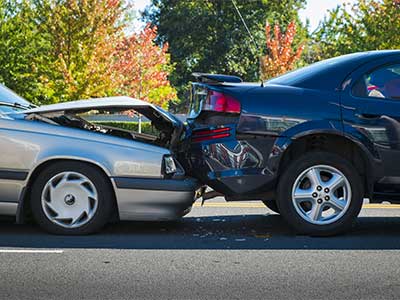
If you’ve been injured in a car accident you’re probably wondering how you will pay your medical bills, your injuries, missed work, and repairs…

If you have been injured in a car accident and file a lawsuit, you will likely need to participate in a deposition…
Have a legal emergency?Contact Us.
Every day people just like you reach out to us with questions. We want to hear about your case.