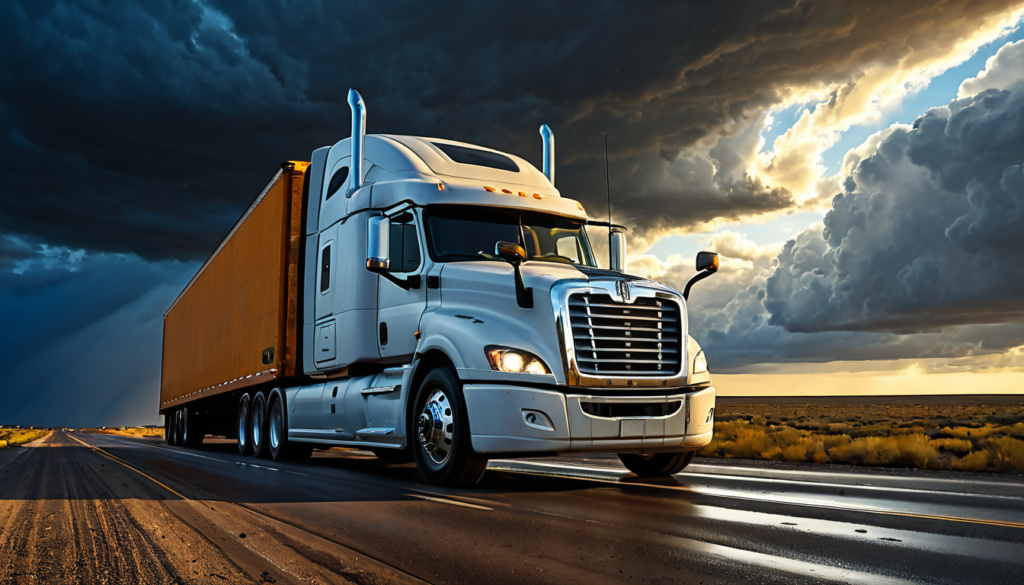
18-Wheeler Accident Lawyers in Seagraves, Texas | Attorney911
When an 80,000-Pound Truck Changes Your Life in an Instant
The highway stretches ahead, a ribbon of asphalt cutting through the vast Texas plains. You’re driving home from work, running errands, or maybe heading to visit family in nearby Seminole or Brownfield. The sun hangs low in the West Texas sky, casting long shadows across the fields of cotton and oil pumpjacks that define the landscape around Seagraves.
Then, in a heartbeat, everything changes.
An 18-wheeler jackknifes across Highway 385. A trailer swings wide on a turn at the intersection of FM 401 and Main Street. A tire blows out on a fully loaded oilfield truck heading north toward Denver City. The impact is catastrophic – 80,000 pounds of steel against your 4,000-pound sedan. The physics don’t lie. The outcome is rarely good.
If you or someone you love has been hurt in a trucking accident in Seagraves, Gaines County, or anywhere across the Permian Basin, you’re facing one of the most challenging moments of your life. The pain is constant. The medical bills are mounting. The trucking company’s insurance adjuster is already calling with lowball offers. And the future you imagined just a few days ago now feels uncertain.
At Attorney911, we understand what you’re going through. We’ve been fighting for truck accident victims across West Texas for over 25 years. Our managing partner, Ralph Manginello, has secured multi-million dollar verdicts against some of the largest trucking companies in America. Our team includes a former insurance defense attorney who knows exactly how the other side operates – because he used to be on it.
This isn’t just another case to us. This is your life. Your family. Your future. And we fight for it like it’s our own.
Why Seagraves Trucking Accidents Are Different
Seagraves sits at the crossroads of West Texas commerce. Highway 385 connects us to the Permian Basin oilfields, while FM 401 and FM 1731 carry agricultural products from the surrounding farmland. The trucks that pass through our town aren’t just passing through – they’re the lifeblood of our local economy.
But that economic vitality comes with risks:
- Oilfield traffic: The Permian Basin boom means more tanker trucks, equipment haulers, and oversized loads on our roads
- Agricultural freight: Cotton, grain, and livestock create specialized trucking needs with unique hazards
- Long-haul corridors: Highway 385 connects to major routes like I-20 and US 82, bringing interstate truck traffic through our community
- Rural road challenges: The open stretches between Seagraves, Seminole, and Denver City can lull drivers into complacency
- Weather extremes: From scorching summer heat to sudden thunderstorms, West Texas weather creates unique hazards
Most personal injury lawyers in Lubbock or Midland don’t understand these local realities. They see Seagraves as just another dot on the map. We know better. We know the truck stops where drivers might be pushing their hours-of-service limits. We know the weigh stations where violations get caught. We know the local courts and judges who will hear your case.
This local knowledge, combined with our national trucking litigation experience, gives us an edge in building your case.
The Devastating Reality of 18-Wheeler Accidents
The numbers don’t lie:
- Every 16 minutes, someone in America is injured in a large truck crash
- 5,100+ people die in trucking accidents annually
- 76% of those killed are in the smaller vehicle
- An 80,000-pound truck needs 525 feet to stop at 65 mph – nearly two football fields
But statistics can’t capture what it’s really like to be the victim of a trucking accident. The crushing pain. The endless medical appointments. The way your family’s life changes in an instant.
We’ve seen it all:
- Traumatic brain injuries that leave victims unable to work or care for themselves
- Spinal cord damage resulting in paralysis from the waist or neck down
- Amputations from crushing injuries or necessary surgical intervention
- Severe burns from fuel fires or hazardous material spills
- Internal organ damage that requires emergency surgery
- Wrongful death that leaves families grieving and financially devastated
These aren’t just injuries. They’re life-altering events that change everything. The medical bills alone can reach hundreds of thousands or even millions of dollars. And that doesn’t account for the lost wages, the pain and suffering, or the way your life will never be the same.
Common Causes of Trucking Accidents in Seagraves
Trucking accidents don’t happen by accident. They happen because someone cut corners, ignored safety rules, or prioritized profit over people. In our experience handling trucking cases across West Texas, we’ve identified the most common causes of accidents in the Seagraves area:
Driver Fatigue: The Silent Killer on West Texas Highways
The Permian Basin never sleeps, and neither do some of the drivers hauling its products. Federal regulations limit drivers to:
- 11 hours of driving after 10 consecutive hours off duty
- No driving beyond the 14th consecutive hour on duty
- A 30-minute break after 8 cumulative hours of driving
- 60/70 hour weekly limits
Yet we routinely see drivers pushing these limits, often with the tacit approval of their employers. The long, straight stretches of Highway 385 can lull even experienced drivers into dangerous fatigue.
How we prove fatigue:
- Analyzing ELD (Electronic Logging Device) data
- Reviewing dispatch records and delivery schedules
- Examining cell phone records for patterns of use
- Checking for falsified log entries
- Interviewing witnesses about driver behavior
Distracted Driving: The Modern Hazard
Cell phones, GPS devices, dispatch radios, and even in-cab entertainment systems create constant distractions. Federal regulations specifically prohibit:
- Texting while driving
- Using hand-held mobile phones
- Reaching for devices in a way that requires leaving the seated position
Yet we’ve seen cases where drivers were texting, watching videos, or even browsing social media at the moment of impact.
Evidence we collect:
- Cell phone records showing usage at time of crash
- Dashcam footage
- Witness statements about driver behavior
- ECM data showing erratic driving patterns
Improper Maintenance: When Profit Trumps Safety
Trucking companies are required to systematically inspect, repair, and maintain their vehicles. Yet we routinely find:
- Worn brakes that weren’t replaced
- Tires with insufficient tread depth
- Faulty lighting systems
- Steering components in disrepair
- Suspension problems
Maintenance violations we commonly find:
- 49 CFR § 393.48 – Brake system deficiencies
- 49 CFR § 393.75 – Tire violations (minimum tread depth)
- 49 CFR § 393.11-26 – Lighting and reflector violations
- 49 CFR § 396.13 – Failure to conduct pre-trip inspections
Cargo Securement Failures: When Loads Become Weapons
Improperly secured cargo can shift during transit, causing rollovers or spilling onto the roadway. The cargo securement regulations (49 CFR § 393.100-136) specify:
- Minimum number of tiedowns based on cargo length and weight
- Working load limits for securement devices
- Requirements for blocking and bracing
- Special rules for specific cargo types (logs, metal coils, machinery)
We’ve seen cases where:
- Oilfield equipment came loose and crushed vehicles
- Agricultural products spilled onto highways, causing multi-vehicle pileups
- Hazmat materials leaked after improper securement
Negligent Hiring: When Companies Look the Other Way
Trucking companies are required to maintain Driver Qualification Files (49 CFR § 391.51) containing:
- Employment application
- Driving record check
- Previous employer verification
- Medical certification
- Drug test results
- Training documentation
We routinely find companies that:
- Hired drivers with multiple prior accidents
- Failed to verify CDL status
- Ignored failed drug tests
- Didn’t check medical certification
- Hired drivers with suspended licenses
The Trucking Company’s Playbook – And How We Counter It
Within hours of your accident, the trucking company’s rapid-response team springs into action. Their goals are simple:
- Protect their interests, not yours
- Minimize their financial exposure
- Shift blame to you if possible
Here’s what they’re doing – and how we counter their tactics:
Tactic 1: The Quick Lowball Offer
What they do: Before you’ve even left the hospital, an adjuster calls with a settlement offer – usually a fraction of what your case is worth.
Why they do it: They know you’re vulnerable. They hope you’ll accept before you understand the full extent of your injuries.
How we counter: We advise ALL clients to NEVER accept any settlement without consulting us first. We evaluate the true value of your case based on medical expenses, lost wages, pain and suffering, and long-term impact.
Tactic 2: The Recorded Statement Trap
What they do: The adjuster asks for a “quick statement” about what happened. They record it and use your words against you.
Why they do it: They’re trained to ask leading questions that minimize their liability.
How we counter: We tell our clients to NEVER give recorded statements without an attorney present. Our former insurance defense attorney knows exactly how these statements are used to deny claims.
Tactic 3: The Pre-Existing Condition Defense
What they do: They claim your injuries existed before the accident.
Why they do it: To avoid paying for treatment related to the accident.
How we counter: We gather comprehensive medical records and work with medical experts to prove which injuries were caused by the crash. Texas law requires them to “take you as they find you” – meaning they’re responsible for aggravating pre-existing conditions.
Tactic 4: The Delay Game
What they do: They drag out the claims process with endless paperwork requests and “investigations.”
Why they do it: They hope you’ll get frustrated and accept a lower settlement.
How we counter: We move aggressively to file suit if necessary. The threat of litigation often brings them to the negotiating table with serious offers.
Tactic 5: The Surveillance Operation
What they do: They hire investigators to follow you and record your activities.
Why they do it: To find evidence that your injuries aren’t as severe as you claim.
How we counter: We advise clients to be honest about their limitations. If you’re truly injured, you won’t be able to do activities that contradict your medical condition.
The Evidence That Wins Trucking Cases
In trucking accident cases, evidence disappears fast. Black box data can be overwritten in 30 days. Dashcam footage gets deleted. Witnesses forget what they saw. That’s why we move quickly to preserve critical evidence.
Electronic Data: The Truck’s “Black Box”
Modern commercial trucks are equipped with sophisticated electronic systems that record critical data:
- Engine Control Module (ECM): Records speed, throttle position, RPM, cruise control status, and fault codes
- Event Data Recorder (EDR): Captures pre-crash data when triggered by sudden deceleration
- Electronic Logging Device (ELD): Tracks hours of service, GPS location, and driving time
- Telematics Systems: Provide real-time tracking of speed, location, and driver behavior
- Dashcams: Record video of the road ahead (and sometimes the cab interior)
What this data proves:
- Whether the driver was speeding
- When and how hard brakes were applied
- Whether cruise control was engaged
- The driver’s hours of service (fatigue violations)
- The truck’s GPS location and route
- Any mechanical issues the driver ignored
The Spoliation Letter: Your First Line of Defense
Within 24-48 hours of being retained, we send formal spoliation letters to:
- The trucking company
- Their insurance carrier
- Any third-party maintenance providers
- The truck owner (if different from the carrier)
This letter demands preservation of ALL evidence related to the accident, including:
- ECM/Black Box data
- ELD records
- Dashcam footage
- Driver Qualification File
- Maintenance records
- Inspection reports
- Dispatch logs
- Cell phone records
- Drug and alcohol test results
- The physical truck and trailer
Why this matters: Destroying evidence after receiving a spoliation letter can result in court sanctions, adverse inferences, or even default judgment.
Other Critical Evidence
Driver Qualification File: Proves whether the company hired an unqualified driver or failed to check their background.
Maintenance Records: Shows whether the company deferred critical repairs or ignored known defects.
Drug/Alcohol Tests: Determines whether the driver was impaired at the time of the accident.
Cell Phone Records: Proves distracted driving if the driver was texting or using their phone.
Dispatch Records: Reveals whether the company pressured the driver to violate hours-of-service regulations.
Cargo Documentation: Shows whether the load was properly secured and within weight limits.
Witness Statements: Corroborates your version of events.
Accident Reconstruction: Expert analysis of skid marks, vehicle damage, and road conditions to determine exactly what happened.
Who’s Really Responsible? All the Parties We Hold Accountable
In most car accidents, you’re dealing with one at-fault driver. In trucking accidents, multiple parties may share responsibility. We investigate and pursue claims against:
- The Truck Driver: For negligent operation, fatigue, distraction, or impairment
- The Trucking Company: For negligent hiring, training, supervision, or maintenance
- The Cargo Owner/Shipper: For improper loading instructions or failure to disclose hazardous cargo
- The Loading Company: For improper cargo securement
- The Truck Manufacturer: For defective design or manufacturing (product liability)
- Parts Manufacturers: For defective components (brakes, tires, steering)
- Maintenance Companies: For negligent repairs
- Freight Brokers: For negligent selection of unsafe carriers
- The Truck Owner: For negligent entrustment (if different from the carrier)
- Government Entities: For dangerous road design or maintenance (limited by sovereign immunity)
Why this matters: Each additional defendant means additional insurance coverage available to compensate you. We leave no stone unturned in identifying all responsible parties.
The Catastrophic Injuries We See in Seagraves Trucking Accidents
The physics of trucking accidents mean the injuries are often severe and life-altering. We’ve represented clients with:
Traumatic Brain Injury (TBI)
What it is: Damage to the brain from sudden trauma, often when the head strikes the steering wheel, dashboard, or window.
Symptoms we see:
- Headaches and dizziness
- Memory loss and confusion
- Difficulty concentrating
- Mood swings and personality changes
- Sleep disturbances
- Sensory problems (vision, hearing, taste)
- Speech difficulties
- Seizures
Long-term consequences:
- Permanent cognitive impairment
- Inability to work
- Need for lifelong care
- Increased risk of dementia
- Emotional and psychological disorders
Lifetime costs: $85,000 to $3,000,000+ depending on severity
Spinal Cord Injury and Paralysis
What it is: Damage to the spinal cord that disrupts communication between the brain and body.
Types we see:
- Paraplegia: Loss of function below the waist
- Quadriplegia: Loss of function in all four limbs
- Incomplete injuries: Some nerve function remains
- Complete injuries: Total loss of sensation and movement
Lifetime costs:
- Paraplegia: $1.1 million to $2.5 million+
- Quadriplegia: $3.5 million to $5 million+
Amputations
What it is: Loss of a limb, either at the scene (traumatic) or later due to medical necessity.
Common causes in trucking accidents:
- Crushing injuries from the impact
- Entrapment requiring surgical amputation
- Severe burns requiring removal
- Infections from open wounds
Ongoing needs:
- Prosthetic limbs ($5,000-$50,000 each, replaced every few years)
- Physical and occupational therapy
- Home and vehicle modifications
- Psychological counseling
Severe Burns
How they happen in trucking accidents:
- Fuel tank ruptures and fires
- Hazmat cargo spills and ignition
- Electrical fires from damaged wiring
- Friction burns from road contact
- Chemical burns from hazmat exposure
Burn classification:
- First-degree: Epidermis only (minor)
- Second-degree: Epidermis and dermis (may scar)
- Third-degree: Full thickness (requires grafting)
- Fourth-degree: Through skin to muscle/bone (often fatal)
Long-term consequences:
- Permanent scarring and disfigurement
- Multiple reconstructive surgeries
- Chronic pain
- Infection risks
- Psychological trauma
Internal Organ Damage
Common injuries we see:
- Liver lacerations
- Spleen damage (often requires removal)
- Kidney damage
- Lung contusions or collapse (pneumothorax)
- Internal bleeding (hemorrhage)
- Bowel and intestinal damage
Why dangerous: Internal injuries may not show immediate symptoms but can be life-threatening if untreated.
Wrongful Death
When a trucking accident takes a life, we help surviving family members pursue wrongful death claims. Under Texas law, certain family members can recover:
- Lost future income and benefits
- Loss of consortium (companionship, care, guidance)
- Mental anguish and emotional suffering
- Funeral and burial expenses
- Medical expenses incurred before death
- Punitive damages (if gross negligence is proven)
What Your Case Might Be Worth
Trucking accident cases are worth more than typical car accident claims because:
- Higher insurance limits: Federal law requires minimum liability coverage of $750,000 for most trucks, and many carry $1-5 million or more
- More severe injuries: The catastrophic nature of trucking accidents means higher medical expenses and greater pain and suffering
- Multiple liable parties: More defendants mean more insurance coverage available
Factors that affect case value:
| Factor | How It Affects Value |
|---|---|
| Injury severity | More severe injuries = higher value |
| Medical expenses | Higher bills = higher compensation |
| Lost wages | More time off work = higher lost income claims |
| Permanent disability | Lifelong impact = higher non-economic damages |
| Pain and suffering | Greater impact on quality of life = higher compensation |
| Degree of negligence | Gross negligence = potential for punitive damages |
| Available insurance | More coverage = higher potential recovery |
| Liability clarity | Clear fault = stronger case = higher settlement |
| Jurisdiction | Some courts are more plaintiff-friendly |
Documented settlement ranges in Texas trucking cases:
| Injury Type | Typical Settlement Range |
|---|---|
| Soft tissue injuries | $50,000 – $200,000 |
| Herniated disc (non-surgical) | $100,000 – $300,000 |
| Herniated disc (with surgery) | $300,000 – $1,000,000+ |
| Traumatic brain injury (mild) | $250,000 – $1,000,000 |
| Traumatic brain injury (severe) | $1,000,000 – $10,000,000+ |
| Spinal cord injury (paraplegia) | $2,000,000 – $10,000,000+ |
| Spinal cord injury (quadriplegia) | $5,000,000 – $25,000,000+ |
| Amputation | $1,000,000 – $8,000,000+ |
| Wrongful death | $1,000,000 – $20,000,000+ |
Recent Texas trucking verdicts that show what’s possible:
- $730 million: Ramsey v. Landstar Ranger (2021) – Navy propeller oversize load killed 73-year-old woman
- $150 million: Werner settlement (2022) – Two children killed on I-30
- $37.5 million: Trucking verdict (2024) – Catastrophic injuries
- $35.5 million: Family injured in truck accident (Texas)
- $25.4 million: Fatal crash verdict (Illinois)
The Seagraves Trucking Corridors We Know All Too Well
Our familiarity with the local trucking routes gives us an advantage in building your case. We know the specific hazards of:
Highway 385: The Permian Basin Lifeline
Running north-south through Seagraves, Highway 385 connects to major routes like I-20 and US 82, carrying oilfield equipment, agricultural products, and long-haul freight.
Known hazards:
- Heavy oilfield traffic, especially during shift changes
- Sudden stops at railroad crossings
- Limited shoulders for disabled vehicles
- High speeds on straight stretches
- Congestion near Seagraves city limits
FM 401 and FM 1731: Agricultural Arteries
These farm-to-market roads carry cotton, grain, and livestock between Seagraves and surrounding agricultural areas.
Known hazards:
- Slow-moving farm equipment
- Wide turns by agricultural trucks
- Dust storms reducing visibility
- Uneven road surfaces
- Limited lighting at night
Main Street and Local Roads: Urban Challenges
The heart of Seagraves sees its share of truck traffic, with local deliveries and through traffic.
Known hazards:
- Tight turns at intersections
- Pedestrian and bicycle traffic
- School zones with increased activity
- Railroad crossings
- Limited truck parking
The Permian Basin Oilfield Routes
The oil boom has brought specialized trucking to our area:
- Oversize/overweight loads: Requiring special permits and escorts
- Hazmat tankers: Carrying oil, chemicals, and other dangerous materials
- Equipment haulers: Transporting drilling rigs and other heavy machinery
- Water and sand trucks: Supporting hydraulic fracturing operations
We know where accidents are most likely to happen and why. This local knowledge helps us build stronger cases for our Seagraves clients.
Why Choose Attorney911 for Your Seagraves Trucking Accident Case
When you’re facing the aftermath of a catastrophic trucking accident, you need more than just a lawyer. You need a team with the experience, resources, and local knowledge to take on the trucking industry and win.
1. We’re Trucking Accident Specialists
While many personal injury lawyers handle the occasional trucking case, we focus on them. We’ve secured multi-million dollar verdicts and settlements against some of the largest trucking companies in America, including:
- Walmart trucking operations
- Coca-Cola distribution vehicles
- Amazon delivery trucks
- FedEx trucks
- UPS trucks
- Various commercial trucking companies
2. Our Team Includes a Former Insurance Defense Attorney
Lupe Peña, our associate attorney, spent years working for a national insurance defense firm. He knows exactly how the other side operates because he used to be on it. He knows:
- How insurance companies evaluate claims
- The tactics adjusters use to minimize payouts
- What makes them settle for full value
- How to counter their delay tactics
- The software they use to undervalue claims
This insider knowledge gives our clients a significant advantage.
3. We Have Federal Court Experience
Many trucking cases involve federal regulations and can be filed in federal court. Ralph Manginello is admitted to practice in the U.S. District Court for the Southern District of Texas. This federal court experience is crucial for handling complex trucking litigation.
4. We’re Local – But With National Reach
With offices in Houston, Austin, and Beaumont, we have a statewide presence. But we’re not just another big-city law firm. We understand the unique challenges of trucking cases in Seagraves and West Texas:
- The oilfield traffic patterns
- The agricultural trucking needs
- The rural road hazards
- The local courts and judges
- The community values
5. We Offer Fluent Spanish Services
Seagraves has a significant Hispanic community, and many truck drivers in the Permian Basin are Spanish-speaking. Our associate attorney Lupe Peña is fluent in Spanish, allowing us to serve Spanish-speaking clients directly without interpreters.
Hablamos Español. Llame a Lupe Peña al 1-888-ATTY-911.
6. We Move Fast to Preserve Evidence
We know that evidence in trucking cases disappears quickly. That’s why we:
- Send spoliation letters within 24-48 hours
- Demand immediate download of black box data
- Subpoena cell phone records
- Secure dashcam footage
- Preserve the physical evidence
- Interview witnesses while memories are fresh
7. We Have the Resources to Fight Big Trucking Companies
Taking on the trucking industry requires significant resources. We have:
- Access to top accident reconstruction experts
- Relationships with medical specialists
- Experience with complex litigation
- The financial backing to advance case costs
- A network of investigators and experts
8. We’re Trial Lawyers Who Aren’t Afraid to Go to Court
While most cases settle, we prepare every case as if it’s going to trial. Insurance companies know which lawyers are willing to go to court – and they offer better settlements to clients with trial-ready attorneys.
Ralph Manginello has been trying cases since 1998. He’s secured verdicts against some of the largest corporations in America, including involvement in the BP Texas City explosion litigation.
9. We Treat Our Clients Like Family
We understand that after a trucking accident, you’re not just another case number. You’re a person whose life has been turned upside down. Our clients consistently tell us:
“They treated me like FAMILY, not just another case number.”
— Chad Harris
“You are NOT just some client… You are FAMILY to them.”
— Chad Harris
“They fought for me to get every dime I deserved.”
— Glenda Walker
“They solved in a couple of months what others did nothing about in two years.”
— Angel Walle
10. We Work on Contingency – You Pay Nothing Unless We Win
We believe that everyone deserves top-quality legal representation, regardless of their financial situation. That’s why we work on a contingency fee basis:
- No upfront costs
- No hourly fees
- We advance all case expenses
- You pay nothing unless we win your case
- Our fee comes from the settlement, not your pocket
What to Do After a Trucking Accident in Seagraves
The moments after a trucking accident are critical. What you do – or don’t do – can significantly impact your case. Here’s our step-by-step guide:
1. Call 911 Immediately
Even if injuries seem minor, call for help. Some injuries don’t show symptoms immediately. A police report creates an official record of the accident.
2. Seek Medical Attention – Even If You Feel Okay
Adrenaline masks pain after traumatic accidents. Internal injuries, TBI, and spinal injuries may not show symptoms for hours or days. Get checked out at:
- Covenant Hospital Seminole (nearest hospital)
- Medical Center Hospital in Odessa (Level II trauma center)
- University Medical Center in Lubbock (Level I trauma center)
3. Document Everything at the Scene
If you’re able, gather as much evidence as possible:
- Take photos of all vehicles involved
- Photograph the accident scene from multiple angles
- Capture road conditions, weather, and visibility
- Take pictures of your injuries
- Get the truck’s license plate, DOT number, and company name
- Collect witness names and contact information
- Note the responding officer’s name and badge number
4. Don’t Give Statements to Insurance Adjusters
The trucking company’s insurance adjuster will call quickly – often before you’ve even left the hospital. Their job is to protect their interests, not yours.
What NOT to do:
- Don’t give recorded statements
- Don’t sign anything
- Don’t discuss fault or injuries
- Don’t accept settlement offers
5. Call Attorney911 Immediately
Time is critical in trucking accident cases. Evidence disappears quickly. We can:
- Send spoliation letters to preserve evidence
- Begin our investigation immediately
- Deal with the insurance companies on your behalf
- Help you get the medical treatment you need
- Start building your case
6. Follow Your Doctor’s Orders
Your health is the top priority. Follow all treatment recommendations:
- Attend all medical appointments
- Follow prescribed treatment plans
- Keep records of all medical visits
- Document your symptoms and how they affect your daily life
7. Be Careful What You Post on Social Media
Insurance companies will monitor your social media accounts. Even innocent posts can be used against you.
Social media tips:
- Don’t post about the accident
- Don’t post photos or updates about your activities
- Don’t discuss your injuries or treatment
- Consider making your accounts private
8. Keep a Journal
Document how your injuries affect your daily life:
- Pain levels
- Limitations on activities
- Emotional impact
- Sleep disturbances
- Impact on family relationships
This journal will be valuable evidence for your pain and suffering claim.
The Attorney911 Difference: How We Handle Your Case
When you hire Attorney911, you’re getting more than just legal representation. You’re getting a team that will fight for you every step of the way.
Phase 1: Immediate Response (0-72 Hours)
- Case Acceptance: We evaluate your case and send preservation letters same day
- Evidence Preservation: Spoliation letters to all potentially liable parties
- Emergency Investigation: Deploy accident reconstruction experts if needed
- Medical Care Coordination: Help you get prompt medical attention
- Initial Documentation: Obtain police reports, witness statements, scene photos
Phase 2: Evidence Gathering (Days 1-30)
- Electronic Data: Subpoena ECM, ELD, and telematics data
- Driver Records: Obtain complete Driver Qualification File
- Maintenance Records: Request all inspection and repair documentation
- Dispatch Records: Obtain trip logs and communication records
- Cell Phone Records: Subpoena driver’s phone records
- Cargo Documentation: Secure bills of lading and loading records
- Insurance Policies: Identify all available coverage
- Witness Interviews: Conduct detailed interviews while memories are fresh
- Scene Documentation: Return to accident scene for additional photos and measurements
Phase 3: Expert Analysis
- Accident Reconstruction: Expert analysis of how the accident occurred
- Medical Experts: Establish causation and future care needs
- Vocational Experts: Calculate lost earning capacity
- Economic Experts: Determine present value of all damages
- Life Care Planners: Develop comprehensive care plans for catastrophic injuries
- FMCSA Experts: Identify all regulatory violations
Phase 4: Litigation Strategy
- Case Evaluation: Determine the full value of your claim
- Demand Package: Prepare comprehensive demand letter
- Negotiation: Engage in settlement discussions from position of strength
- Lawsuit Filing: File suit before statute of limitations expires
- Discovery: Aggressive pursuit of evidence through:
- Interrogatories
- Requests for Production
- Depositions of key witnesses
- Subpoenas for additional records
- Mediation: Attempt to resolve case through mediation if appropriate
- Trial Preparation: Prepare every case as if going to trial
Phase 5: Resolution
- Settlement: Negotiate from position of strength
- Trial: Present your case to a jury if necessary
- Collection: Ensure you receive the compensation you deserve
Frequently Asked Questions About Seagraves Trucking Accidents
What should I do immediately after a trucking accident in Seagraves?
If you’re able, take these steps:
- Call 911 and report the accident
- Seek medical attention, even if injuries seem minor
- Document the scene with photos and video
- Get the trucking company name, DOT number, and driver information
- Collect witness contact information
- Do NOT give recorded statements to any insurance company
- Call Attorney911 immediately at 1-888-ATTY-911
How quickly should I contact a lawyer after a trucking accident?
IMMEDIATELY – within 24-48 hours if possible. Critical evidence in trucking cases (black box data, ELD records, dashcam footage) can be destroyed or overwritten quickly. We send spoliation letters within hours of being retained to preserve this evidence before it’s lost forever.
Who can be held responsible for my trucking accident?
Multiple parties may share responsibility:
- The truck driver
- The trucking company
- The cargo owner or shipper
- The company that loaded the cargo
- Truck or parts manufacturers
- Maintenance companies
- Freight brokers
- The truck owner (if different from the carrier)
- Government entities (in limited circumstances)
What is a truck’s “black box” and how does it help my case?
Commercial trucks have electronic systems that continuously record operational data – similar to an airplane’s black box. This data can show:
- Speed before and during the crash
- Brake application timing
- Throttle position
- Whether cruise control was engaged
- Hours of service (fatigue violations)
- GPS location
- Engine fault codes
This objective data often contradicts what drivers claim happened.
How long do I have to file a trucking accident lawsuit in Texas?
The statute of limitations for personal injury claims in Texas is 2 years from the date of the accident. However, you should never wait. Evidence disappears quickly in trucking cases. The sooner you contact us, the stronger your case will be.
How much is my trucking accident case worth?
Case values depend on many factors:
- Severity of your injuries
- Medical expenses (past and future)
- Lost wages and earning capacity
- Pain and suffering
- Degree of the defendant’s negligence
- Available insurance coverage
Trucking companies carry higher insurance limits ($750,000 minimum, often $1-5 million or more), allowing for larger recoveries than typical car accidents.
Will my case go to trial?
Most cases settle before trial, but we prepare every case as if it’s going to trial. Insurance companies know which lawyers are willing to go to court – and they offer better settlements to clients with trial-ready attorneys.
Do I need to pay anything upfront to hire your firm?
NO. We work on contingency – you pay nothing unless we win your case. We advance all costs of investigation and litigation. You never receive a bill from us. When we win, our fee comes from the recovery, not your pocket.
What if the truck driver says the accident was my fault?
Texas uses a modified comparative negligence system. Even if you were partially at fault, you may still recover compensation. Our job is to investigate thoroughly, gather evidence (especially ECM and ELD data), and prove what really happened. Drivers often lie to protect their jobs – the data tells the true story.
What if the trucking company goes bankrupt?
Trucking companies are required to carry liability insurance. Even if the company goes bankrupt, their insurance policy should still cover valid claims. We identify all available insurance coverage to ensure you can recover compensation.
Can I still recover compensation if I was partially at fault?
Yes, under Texas law. As long as you’re not more than 50% at fault, you can still recover damages. Your compensation will be reduced by your percentage of fault. For example, if you’re 20% at fault, you can recover 80% of your damages.
What if I don’t have health insurance?
We can help you get the medical treatment you need. Many doctors will treat trucking accident victims on a lien basis, meaning they get paid from your settlement. We have relationships with medical providers who understand this process.
How long will my case take to resolve?
Timelines vary:
- Simple cases with clear liability: 6-12 months
- Complex cases with multiple parties: 1-3 years
- Cases that go to trial: 2-4 years
We work to resolve cases as quickly as possible while maximizing your recovery.
What if the truck was carrying hazardous materials?
Hazmat trucking accidents create additional liability. The trucking company must carry at least $5 million in insurance for hazmat loads. We have experience handling hazmat cases and understand the additional regulations that apply.
Can I sue if a loved one was killed in a trucking accident?
Yes. Texas law allows certain family members to bring wrongful death claims when a loved one is killed by another’s negligence. You may recover:
- Lost future income and benefits
- Loss of companionship and guidance
- Mental anguish
- Funeral expenses
- Punitive damages (if gross negligence is proven)
What is a spoliation letter and why is it important?
A spoliation letter is a legal notice demanding that the trucking company preserve all evidence related to the accident. This includes:
- ECM/Black Box data
- ELD records
- Maintenance records
- Driver Qualification File
- Dashcam footage
- Cell phone records
- The physical truck and trailer
Sending this letter immediately puts the trucking company on notice that destroying evidence will result in serious legal consequences.
What are hours of service regulations and how do violations cause accidents?
Federal regulations limit how long truck drivers can operate to prevent fatigue:
- Maximum 11 hours driving after 10 consecutive hours off duty
- Cannot drive beyond 14th consecutive hour on duty
- 30-minute break required after 8 cumulative hours of driving
- 60/70 hour weekly limits
Fatigued driving causes approximately 31% of fatal truck crashes. Drivers who violate these rules are too tired to react safely.
What is a Driver Qualification File and why does it matter?
FMCSA requires trucking companies to maintain a file for every driver containing:
- Employment application
- Driving record check
- Previous employer verification
- Medical certification
- Drug test results
- Training documentation
Missing or incomplete files prove negligent hiring.
How do I know if the trucking company has a bad safety record?
FMCSA maintains public safety data at safer.fmcsa.dot.gov. We obtain the carrier’s:
- CSA (Compliance, Safety, Accountability) scores
- Inspection history and out-of-service rates
- Crash history
- Safety rating
A poor safety record can prove the company knew it was putting dangerous drivers on the road.
What if the truck driver was an independent contractor?
Even if the driver is an owner-operator, both the driver and the contracting company may be liable. We investigate all relationships and insurance policies to ensure you can recover from the responsible parties.
Can I still recover compensation if the trucking company is based out of state?
Yes. Interstate trucking is regulated by federal law. We can pursue claims against out-of-state trucking companies that operate in Texas.
What if the truck’s dashcam recorded the accident?
Dashcam footage can be critical evidence. We demand preservation of all video evidence immediately. Some trucks have both forward-facing and cab-facing cameras.
Can I get the truck’s GPS data?
Yes. GPS and telematics data can prove:
- The truck’s route and speed
- Whether the driver was on schedule
- Any deviations from the planned route
- Driver behavior patterns
What if road conditions contributed to my accident?
If poor road design or maintenance contributed to the accident, we may pursue claims against government entities. However, sovereign immunity limits government liability, and strict notice requirements apply.
Can I sue for PTSD after a trucking accident?
Yes. PTSD (Post-Traumatic Stress Disorder) compensation is available. Victims may experience:
- Flashbacks to the accident
- Fear of driving
- Anxiety and depression
- Sleep disturbances
- Emotional distress
Documentation from doctors, psychologists, or therapists is required.
What if I was a passenger in the truck?
You can still pursue a claim against the trucking company. Your status as a passenger doesn’t prevent you from seeking compensation for your injuries.
What is the difference between economic and non-economic damages?
- Economic damages: Tangible losses with specific dollar amounts (medical bills, lost wages, property damage)
- Non-economic damages: Intangible losses (pain and suffering, emotional distress, loss of enjoyment of life)
Are punitive damages available in trucking accident cases?
Yes, when the trucking company or driver acted with gross negligence or willful misconduct. Punitive damages are designed to punish wrongdoers and deter similar conduct.
What if the trucking company offers me a settlement?
Never accept any settlement without consulting an attorney first. Initial offers are almost always lowball offers designed to pay you far less than your case is worth. We evaluate all offers and negotiate aggressively for full compensation.
How are future medical expenses calculated?
We work with medical experts and life care planners to calculate:
- Future medical treatment costs
- Rehabilitation expenses
- Home care needs
- Medical equipment costs
- Prescription medications
These future costs are included in your claim.
What if I can’t work because of my injuries?
You can recover lost wages for:
- Time missed from work immediately after the accident
- Reduced earning capacity if you can’t return to your previous job
- Future lost earnings if you’re permanently disabled
We work with vocational experts and economists to calculate these losses.
Can I recover compensation for property damage?
Yes. You can recover the cost to repair or replace your vehicle, as well as compensation for any personal property damaged in the accident.
What if the trucking company denies my claim?
We don’t let denials stop us. We gather additional evidence, file suit if necessary, and fight for your rights in court. Many denials are just negotiation tactics.
How do I pay for medical treatment while my case is pending?
We can help you get the treatment you need through:
- Medical payment coverage from your auto insurance
- Health insurance (if available)
- Doctors who treat on a lien basis (paid from settlement)
- Letters of protection to medical providers
What if the trucking company says I’m exaggerating my injuries?
Insurance companies routinely claim victims are exaggerating. We counter this by:
- Obtaining comprehensive medical records
- Working with medical experts
- Documenting your symptoms and limitations
- Presenting objective evidence of your injuries
Can I still recover compensation if I didn’t go to the hospital immediately?
Yes, but it’s more challenging. Insurance companies use delays in treatment to argue that injuries weren’t caused by the accident. Always seek medical attention as soon as possible after an accident.
What if I have pre-existing conditions?
You can still recover compensation. Texas law requires the trucking company to “take you as they find you.” We work with medical experts to prove which injuries were caused or aggravated by the accident.
How do I know if I need a lawyer?
If you’ve been injured in a trucking accident, you need a lawyer. Trucking cases are complex, involve multiple liable parties, and require specialized knowledge of federal regulations. Insurance companies have teams of lawyers working against you – you need someone on your side.
What if I already talked to the insurance company?
That’s okay. Call us before you say anything else or sign anything. We can take over communications with the insurance company and protect your rights.
How much does it cost to hire Attorney911?
Nothing upfront. We work on contingency – you pay nothing unless we win your case. Our fee comes from the settlement, not your pocket.
What if I live in Seagraves but the accident happened elsewhere in Texas?
We handle trucking accident cases throughout Texas. Wherever your accident occurred, we can help.
Can I handle my trucking accident case without a lawyer?
Technically yes, but it’s a terrible idea. Trucking cases are complex and require specialized knowledge. Studies show that accident victims with lawyers receive significantly higher settlements – even after paying legal fees.
The Seagraves Trucking Accident Cases We Handle
We handle all types of trucking accident cases in Seagraves and across West Texas:
Jackknife Accidents
When a trailer swings out perpendicular to the cab, often sweeping across multiple lanes of traffic.
Common causes in Seagraves:
- Sudden braking on Highway 385
- Speeding on wet roads
- Empty or lightly loaded trailers
- Improperly secured cargo
- Brake failures
Rollover Accidents
When an 18-wheeler tips onto its side or roof, often due to high center of gravity.
Common causes in Seagraves:
- Speeding on curves (especially on FM 401)
- Improperly secured cargo
- Liquid cargo “slosh” in tankers
- Overcorrection after tire blowouts
- Driver fatigue
Underride Collisions
When a smaller vehicle crashes into the rear or side of a trailer and slides underneath.
Types we see in Seagraves:
- Rear underride: At intersections or during sudden stops
- Side underride: During lane changes or wide turns
Why they’re so deadly: The trailer height often shears off the smaller vehicle’s passenger compartment at windshield level.
Rear-End Collisions
When an 18-wheeler strikes the back of another vehicle or vice versa.
Why they’re so dangerous in Seagraves:
- Trucks need 525 feet to stop at 65 mph
- Following too closely on Highway 385
- Driver distraction from dispatch communications
- Brake failures from deferred maintenance
Wide Turn Accidents (“Squeeze Play”)
When a truck swings wide before making a right turn, creating a gap that other vehicles enter.
Common locations in Seagraves:
- Intersection of Main Street and FM 401
- Railroad crossings
- Downtown intersections
Why they happen: Trucks need significant space to complete turns, and trailers track inside the path of the cab.
Blind Spot Accidents (“No-Zone”)
When a truck changes lanes or maneuvers without seeing a vehicle in one of its four major blind spots.
The four No-Zones we see in Seagraves:
- Front No-Zone: 20 feet directly in front of the cab
- Rear No-Zone: 30 feet behind the trailer
- Left Side No-Zone: Extends from cab door backward
- Right Side No-Zone: Extends from cab door backward (largest blind spot)
Most dangerous: Right-side blind spot accidents during lane changes on Highway 385.
Tire Blowout Accidents
When one or more tires on an 18-wheeler suddenly fail.
Common causes in Seagraves:
- Underinflated tires from West Texas heat
- Overloaded vehicles
- Worn tires not replaced
- Road debris on rural roads
- Manufacturing defects
Most dangerous: Steer tire (front) blowouts on Highway 385.
Brake Failure Accidents
When a truck’s braking system fails or underperforms.
Common causes in Seagraves:
- Worn brake pads not replaced
- Improper brake adjustment
- Air brake system leaks
- Overheated brakes on long descents
- Contaminated brake fluid
Why they’re so common: Brake problems are a factor in approximately 29% of large truck crashes.
Cargo Spill/Shift Accidents
When improperly secured cargo falls from a truck or shifts during transit.
Common causes in Seagraves:
- Oilfield equipment coming loose
- Agricultural products shifting in transit
- Hazmat materials leaking
- Improper loading by third-party companies
Common locations: Highway 385 and FM 401 where cargo securement failures often occur.
Head-On Collisions
When a truck crosses into oncoming traffic.
Common causes in Seagraves:
- Driver fatigue on long stretches of Highway 385
- Driver distraction
- Impaired driving
- Medical emergencies
- Overcorrection after running off road
Why they’re so deadly: Even at moderate speeds, the combined force is often fatal.
Additional Case Types We Handle
- T-Bone/Intersection accidents at Seagraves intersections
- Sideswipe accidents during lane changes
- Override accidents when trucks drive over smaller vehicles
- Lost wheel/detached trailer accidents
- Runaway truck accidents on steep grades
- Hazmat accidents involving chemical spills
- Oversize/overweight load accidents
- Passenger accidents involving truck passengers
- Pedestrian and bicycle accidents with trucks
The Seagraves Trucking Companies We’ve Fought – And Beaten
We’ve taken on some of the largest trucking companies in America, securing multi-million dollar verdicts and settlements for our clients. Companies we’ve successfully litigated against include:
- Walmart trucking operations – One of the largest private fleets in America
- Coca-Cola distribution vehicles – Beverage delivery trucks
- Amazon delivery trucks – The e-commerce giant’s growing fleet
- FedEx trucks – Ground and freight operations
- UPS trucks – Package delivery and freight
- Swift Transportation – Major national carrier
- Werner Enterprises – Large interstate carrier
- Heartland Express – Midwest-based carrier
- Various oilfield trucking companies – Serving the Permian Basin
- Local and regional carriers – Operating in and around Seagraves
These companies have teams of lawyers, rapid-response investigators, and millions in insurance. When they hit you, you need someone who can hit back harder.
What Our Seagraves Clients Say About Us
We’re proud of our track record of fighting for trucking accident victims across Texas. Here’s what some of our clients have said:
“They treated me like FAMILY, not just another case number.”
— MONGO SLADE
“You are NOT just some client… You are FAMILY to them.”
— Chad Harris
“They fought for me to get every dime I deserved.”
— Glenda Walker
“One company said they would not accept my case. Then I got a call from Manginello… I got a call to come pick up this handsome check.”
— Donald Wilcox
“I lost everything… my car was at a total loss, and because of Attorney Manginello and my case worker Leonor, 1 year later I have gained so much in return plus a brand new truck.”
— Kiimarii Yup
“Ralph Manginello is indeed the best attorney I ever had. He cares greatly about his results.”
— AMAZIAH A.T.
“Mr. Maginello and his firm are first class. Will fight tooth and nail for you.”
— Ernest Cano
“Mr. Manginello guided me through the whole process with great expertise… tenacious, accessible, and determined throughout the 19 months.”
— Jamin Marroquin
“Consistent communication and not one time did I call and not get a clear answer… Ralph reached out personally.”
— Dame Haskett
“They solved in a couple of months what others did nothing about in two years.”
— Angel Walle
“In the beginning I had another attorney but he dropped my case although Mangiello law firm were able to help me out.”
— Greg Garcia
“Leonor got me into the doctor the same day… it only took 6 months amazing.”
— Chavodrian Miles
“Leonor is the best!!! She was able to assist me with my case within 6 months.”
— Tymesha Galloway
“When I felt I had no hope or direction, Leonor reached out to me… She took all the weight of my worries off my shoulders.”
— Stephanie Hernandez
“Especially Miss Zulema, who is always very kind and always translates.”
— Celia Dominguez
“One of Houston’s Great Men Trae Tha Truth has recommended this law firm. So if he is vouching for them then I know they do good work.”
— Jacqueline Johnson
This isn’t just what we do. It’s who we are. When you’re hurting, we fight for you like family.
The Attorney911 Promise to Seagraves
When you hire Attorney911 for your Seagraves trucking accident case, you’re not just getting a lawyer. You’re getting:
- A team that fights like your future depends on it – because it does
- 25+ years of experience taking on the trucking industry
- A former insurance defense attorney who knows their tactics
- Local knowledge of Seagraves, Gaines County, and West Texas
- Federal court experience for complex trucking litigation
- Fluent Spanish services for our Hispanic community
- Immediate action to preserve critical evidence
- Aggressive representation against big trucking companies
- Compassionate care for you and your family
- A contingency fee arrangement – you pay nothing unless we win
Your Next Steps After a Seagraves Trucking Accident
If you or someone you love has been hurt in a trucking accident in Seagraves, Gaines County, or anywhere in West Texas, here’s what to do next:
1. Get the Medical Care You Need
Your health is the top priority. Seek medical attention immediately, even if injuries seem minor. Follow all treatment recommendations and keep records of all medical visits.
2. Don’t Talk to Insurance Adjusters
The trucking company’s insurance adjuster will call quickly. Their job is to protect their interests, not yours. Don’t give recorded statements or sign anything without consulting us first.
3. Call Attorney911 Immediately
Time is critical in trucking accident cases. Evidence disappears fast. Call us now at 1-888-ATTY-911 for a free consultation. We’ll:
- Evaluate your case
- Send spoliation letters to preserve evidence
- Begin our investigation immediately
- Deal with the insurance companies on your behalf
- Help you get the medical treatment you need
- Start building your case
4. Let Us Handle Everything Else
Once you’ve hired us, we take care of everything:
- Investigating the accident
- Preserving evidence
- Identifying all liable parties
- Calculating the full value of your claim
- Negotiating with insurance companies
- Filing suit if necessary
- Taking your case to trial if needed
You focus on your recovery. We’ll focus on getting you the compensation you deserve.
Seagraves Trucking Accident Resources
Local Hospitals and Trauma Centers
-
Covenant Hospital Seminole (nearest hospital)
200 NW 12th St, Seminole, TX 79360
(432) 758-2222 -
Medical Center Hospital (Level II trauma center)
500 W 4th St, Odessa, TX 79761
(432) 640-4000 -
University Medical Center (Level I trauma center)
602 Indiana Ave, Lubbock, TX 79415
(806) 775-8200
Local Law Enforcement
-
Seagraves Police Department
101 E Ave D, Seagraves, TX 79359
(806) 546-2531 -
Gaines County Sheriff’s Office
101 S Main St, Seminole, TX 79360
(432) 758-2271 -
Texas Department of Public Safety – Seminole Office
100 N Main St, Seminole, TX 79360
(432) 758-4500
Trucking Safety Resources
-
FMCSA Safety Measurement System
https://safer.fmcsa.dot.gov -
Texas Department of Transportation – Crash Records
https://www.txdot.gov/inside-txdot/division/traffic/data.html -
National Highway Traffic Safety Administration
https://www.nhtsa.gov -
Texas Motor Transportation Association
https://www.tmta.com
Legal Resources
-
State Bar of Texas
https://www.texasbar.com -
Texas Courts Online
https://www.txcourts.gov -
Gaines County District Clerk
101 S Main St, Seminole, TX 79360
(432) 758-4003
The Bottom Line: Why Seagraves Trusts Attorney911
When an 80,000-pound truck changes your life in an instant, you need more than just a lawyer. You need a fighter. Someone who understands the local roads, the local courts, and the local people. Someone who knows how to take on the trucking industry and win.
That’s Attorney911.
We’ve been fighting for trucking accident victims across Texas for over 25 years. Our managing partner, Ralph Manginello, has secured multi-million dollar verdicts against some of the largest trucking companies in America. Our team includes a former insurance defense attorney who knows exactly how the other side operates – because he used to be on it.
We understand the unique challenges of trucking cases in Seagraves and West Texas:
- The oilfield traffic patterns
- The agricultural trucking needs
- The rural road hazards
- The local courts and judges
- The community values
We offer fluent Spanish services to serve our Hispanic community. We move fast to preserve critical evidence. We have the resources to fight big trucking companies. And we treat our clients like family.
Most importantly, we work on contingency – you pay nothing unless we win your case.
If you or someone you love has been hurt in a trucking accident in Seagraves, Gaines County, or anywhere in West Texas, call us now at 1-888-ATTY-911. The consultation is free. The call is free. And we’ll fight for you like it’s our own family.
Because in Seagraves, we take care of our own. And that includes you.