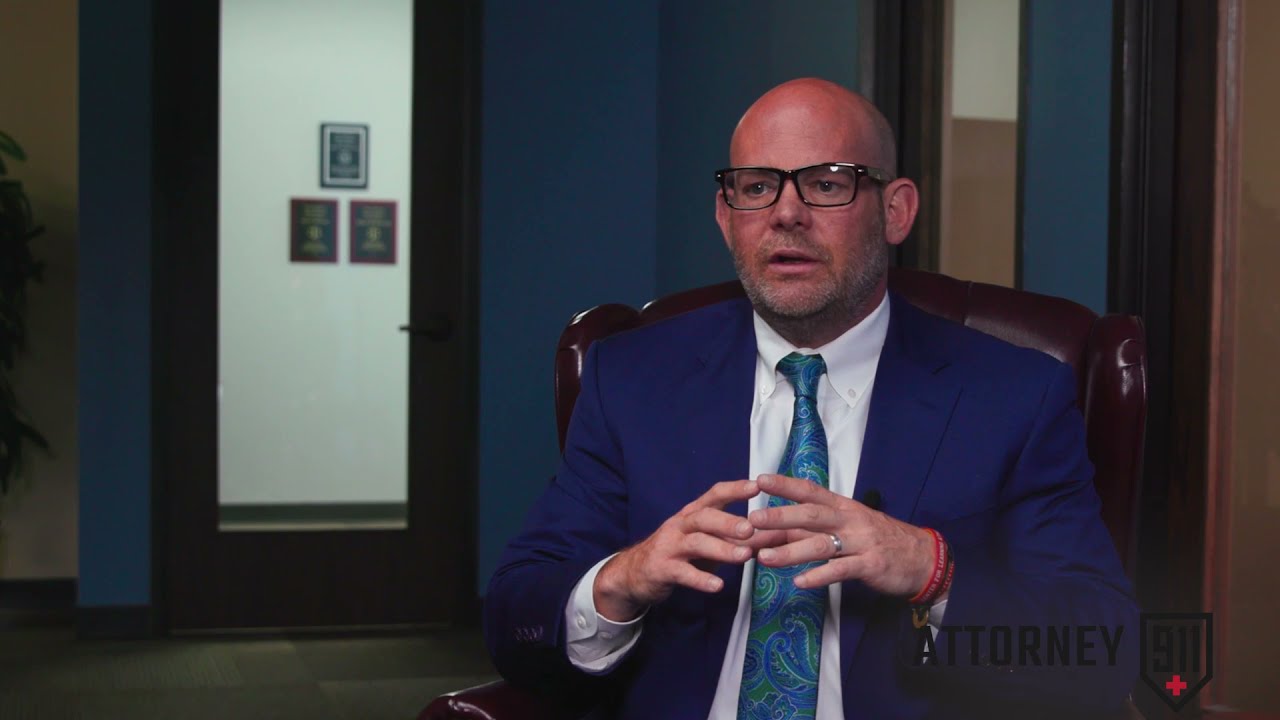
🎬 Watch the Full Video
Navigating Police Encounters in Texas: Your Complete Legal Rights Guide
Being stopped by police officers in Texas can be one of the most stressful and nerve-wracking experiences a person faces. Whether it’s a routine traffic stop on I-10 in Houston, a pedestrian stop in downtown Austin, or any interaction with law enforcement, the adrenaline rush and anxiety can cloud judgment at the exact moment you need clarity most. At Attorney911, with over 25 years of combined experience handling thousands of criminal defense cases across Texas, we’ve seen firsthand how knowing—and properly exercising—your constitutional rights can mean the difference between a dismissed case and a life-altering conviction. This comprehensive guide expands on our viral video to give you the deep legal knowledge you need to protect yourself from police misconduct, illegal searches, and abuses of power.
The reality we see daily in our Houston, Austin, and Beaumont offices is that most people, whether guilty or innocent, become extremely nervous during police interactions. This nervousness can lead to saying things that aren’t true, answering questions you shouldn’t answer, or consenting to searches that violate your Fourth Amendment rights. Police officers are trained to ask questions that may trip you up, and they’re recording every interaction with dash cams and body cams. You need to be equally prepared. As Ralph Manginello, our managing partner with 25+ years of Texas criminal defense experience and federal court admission (U.S. District Court, Southern District of Texas), emphasizes: “Your rights are only as strong as your willingness to exercise them calmly and correctly. In Texas, where we handle cases from simple traffic stops to complex DWI dismissals, understanding the line between cooperation and self-incrimination is crucial.”
Your Constitutional Rights During Police Stops in Texas
When you’re stopped by police in Texas, whether on the streets of Houston, the highways of Central Texas, or anywhere in our state, you possess specific constitutional rights that form the bedrock of American liberty. These rights aren’t theoretical—they’re practical tools you can use to protect yourself. However, Texas has specific statutes and court interpretations that modify how these federal rights apply locally. Let’s examine each right in detail, with Texas-specific context from our decades of criminal defense practice.
The Fifth Amendment Right to Remain Silent: More Than Just Words
You have the constitutional right to remain silent under the Fifth Amendment to the U.S. Constitution. This right allows you to refuse to answer questions that police ask you, including your name, where you live, where you’re coming from or going to, or what you’re doing. Crucially, you can exercise this right even if police detain you, arrest you, or put you in jail. The key phrase is “do not incriminate yourself.” As Ralph Manginello explains, “Police officers are trained in interrogation techniques designed to get people talking. Once you start talking, they look for inconsistencies, nervous behaviors, or admissions they can use against you. In our experience defending clients across Texas, the single most common mistake is thinking you can talk your way out of a situation. Usually, you talk yourself into more trouble.”
However, Texas law creates an important exception that every Texan must understand. Texas Penal Code Section 38.02 makes it a crime to intentionally refuse to give your name, residence address, or date of birth to a police officer who has lawfully arrested you and requested that information. Notice the critical conditions: this only applies after you’ve been arrested (not during a consensual encounter or detention), and it only requires those three pieces of identifying information—not answers to any other questions. Before arrest, during a traffic stop or detention, you generally must provide your driver’s license, vehicle registration, and proof of insurance if you’re driving, but you’re not required to answer investigative questions like “Where are you coming from?” or “Have you been drinking?”
Our firm’s criminal defense experience shows how this plays out in real Texas courtrooms. In one Harris County DWI case, our client was stopped for speeding on the Katy Freeway. The officer asked where he was coming from, and our client truthfully said “a friend’s birthday party.” The officer then asked if he’d been drinking, and our client said “just one beer.” That admission became the foundation for the entire DWI investigation. We ultimately got the case dismissed because the breathalyzer maintenance records were faulty, but had our client simply said “I choose to remain silent” to the investigative questions while providing his license, registration, and insurance, the officer would have had far less to work with. Remember: you can be polite and courteous while still protecting your rights. A simple “Officer, I respect what you do, but I’ve been advised not to answer questions without my attorney present” is professional and protective.
The Right to Leave: Understanding Consensual Encounters vs. Detentions
If an officer approaches you in Texas, you can politely ask if you’re free to leave. If the answer is yes, you can calmly walk away or drive away. If the answer is no, then you should ask if you’re being detained. This distinction—between a consensual encounter and an investigative detention—is one of the most important yet misunderstood concepts in Texas criminal procedure. As Lupe Peña, our associate attorney who brings invaluable perspective from his years at a national defense firm, explains: “Police interactions exist on a spectrum. Knowing where you are on that spectrum determines what rights you can exercise. In Texas, if you’re not detained, you can leave. If you are detained, they need reasonable suspicion. If you’re arrested, they need probable cause. The legal standards escalate, and so should your awareness of your rights.”
Under Texas and federal law, police officers cannot legally detain you without reasonable suspicion that you have committed, are committing, or are about to commit a crime. This is a specific, articulable standard that’s more than a hunch but less than probable cause. They cannot arrest you without a warrant or probable cause that you broke the law. If these standards don’t apply, the encounter is considered consensual, and you have the right to end the conversation at any time. In practice, this means if you’re walking down a Houston street and an officer asks to talk to you, you can ask “Am I free to leave?” If they say yes but continue asking questions, you can say “Thank you, but I don’t wish to talk further” and leave.
Our firm recently handled a case in Travis County where this distinction proved crucial. Our client was in a parking lot when officers approached and began asking questions about a nearby burglary. Our client answered several questions before asking if he was free to leave. The officer said no and detained him. We successfully argued that before the detention, the officers lacked reasonable suspicion—our client matched only the vaguest description, was in a public area, and wasn’t engaging in suspicious activity. The detention was illegal, and all evidence obtained after it was suppressed. As Ralph Manginello notes, “Almost every police action today is recorded. Asking ‘Am I free to leave?’ or ‘Am I being detained?’ creates a clear record. If the officer doesn’t have reasonable suspicion, your question might remind them of that fact. If they do detain you illegally, your question helps us challenge it later.”
The Fourth Amendment Right to Refuse Searches: Your Most Powerful Tool
Listen carefully: you can refuse to consent to a search of your person, your vehicle, or your home. While police officers in Texas are sometimes allowed to pat down your outer clothing if they reasonably suspect you might have a weapon (a “Terry frisk” for officer safety), they cannot conduct a full search without proper justification or your consent. So if an officer requests to search you, your car, or your house, you have the right to say no. We always tell our Texas clients to say no—politely, courteously, but firmly.
Why is this so critical? As Lupe Peña explains from his insurance defense experience: “Consent searches are the easiest way for police to get evidence. Once you consent, any evidence they find is generally admissible, even if they had no legal basis to search otherwise. I’ve seen countless cases where someone consented to a vehicle search thinking they had nothing to hide, only to discover a friend, co-worker, repairman, or car wash attendant had dropped something in their car they didn’t know about. In Texas, you can be charged for contraband found in your vehicle even if it’s not yours if you’re in possession and control of the vehicle.”
Texas law recognizes several circumstances where police can search without a warrant or consent: (1) incident to a lawful arrest (searching the person and immediate area); (2) when they have probable cause to believe a vehicle contains evidence of a crime (the “automobile exception”); (3) under the “plain view” doctrine; (4) during an inventory search after impoundment; or (5) under exigent circumstances (like hearing someone call for help). Notice that “because I asked nicely” isn’t on that list. Your refusal to consent doesn’t give them probable cause. It’s simply you exercising a constitutional right.
In a recent Montgomery County case, our client was stopped for a broken taillight. The officer asked to search the car, and our client said no. The officer then said he was going to have a drug dog sniff the vehicle. We successfully argued that prolonging the stop to wait for the dog without reasonable suspicion violated our client’s rights. The evidence was suppressed. As Ralph Manginello emphasizes: “Your ‘no’ must be clear but respectful. ‘Officer, I don’t consent to any searches.’ If they search anyway, don’t physically resist—that’s a separate crime. Let us challenge the search later in court. The number of cases we’ve gotten dismissed because of illegal searches would astonish most Texans.”
The First Amendment Right to Film Police Encounters
When you are lawfully present in a public place in Texas, the First Amendment gives you the right to photograph or film anything in plain view, including police officers performing their duties. This means if you’re stopped by police, you can film the interaction as long as you don’t interfere with their duties. As soon as you’re stopped by an officer or pulled over, you can start filming. You’re simply documenting your experience—there’s nothing illegal about that in Texas.
However, there are important limitations. You cannot interfere with police operations, disobey lawful orders to move back for safety, or enter restricted areas. In Texas, recording audio without consent might implicate wiretapping laws if there’s an expectation of privacy, but police performing duties in public generally have no such expectation. The best practice is to state clearly that you’re recording for your own protection. As Ralph Manginello advises: “Today, almost every police action is recorded by dash cams and body cams. Your recording provides an independent perspective. We’ve had cases where the officer’s camera ‘malfunctioned’ but the citizen’s video told a different story. Start recording, keep your hands visible, and continue to be polite. The video can be invaluable evidence if your rights are violated.”
Our firm successfully used citizen video in a Harris County excessive force case. Our client filmed an arrest where officers used force beyond what was necessary. The video contradicted the official report and led to a favorable resolution. Remember, while you have the right to film, police may order you to stop if you’re genuinely interfering. The key is to film from a safe distance without obstructing. If you’re the person being detained, you can still film—just be careful about sudden movements.
The Sixth Amendment Right to an Attorney
If you’re placed under arrest in Texas, you have the right to an attorney. Even if you cannot afford a lawyer, you have the right to have one appointed for you. You should ask to speak to a lawyer immediately if you’ve been arrested. This isn’t just good advice—it’s a constitutional trigger. Once you clearly invoke your right to an attorney, police must cease questioning you until your attorney is present (with limited exceptions). Asking for an attorney signals to the officer that you know your rights and, by law, requires them to stop questioning.
At Attorney911, we cannot emphasize this enough: Say these exact words: “I want to speak to a lawyer” or “I invoke my right to an attorney.” Don’t say “Maybe I should talk to a lawyer” or “Do you think I need a lawyer?”—be clear and unambiguous. Then stop talking. As Ralph Manginello explains: “In my 25+ years defending Texans, I’ve seen people talk themselves into charges that could have been avoided. Once you ask for a lawyer, the interrogation should stop. If it continues, anything you say after that request might be suppressed. But you have to actually invoke the right—courts have ruled that being silent isn’t enough; you must affirmatively state you want a lawyer.”
Remember that the right to an attorney applies once you’re in custody and being interrogated. During a traffic stop before arrest, you generally don’t have the right to have an attorney present during field sobriety tests or preliminary questioning. That’s why knowing when to remain silent is crucial. Once you’re arrested and taken to the station, your first call should be to an attorney. Our emergency line, 1-888-ATTY-911, is available 24/7 because arrests don’t only happen during business hours. We’ve gotten calls from jails across Texas at 3 AM, and we answer.
Step-by-Step: What to Do During a Texas Traffic Stop
Let’s translate these rights into practical steps for the most common police encounter: the traffic stop. Whether you’re on I-35 in Austin, the Gulf Freeway in Houston, or any Texas road, follow this guide to protect your rights while ensuring safety.
- Pull Over Safely and Promptly: As soon as you see emergency lights, signal and pull over as quickly and safely as possible. Choose a well-lit area if possible, and pull completely onto the shoulder. On Texas highways, this might mean continuing to the next exit if the shoulder is narrow.
- Stop in a Safe Location: Ensure you’re not blocking traffic and are visible to other drivers. Your safety and the officer’s safety are paramount.
- Turn Off Your Vehicle: This shows you’re not attempting to flee and reduces any perception of threat.
- Roll Down Your Window: Roll down the window the officer will approach. At night, turn on your interior light so the officer can see inside.
- Start Filming the Encounter: Place your phone in a secure spot where it can record without you holding it. You might say, “Officer, for both our protection, I’m recording this interaction.”
- Keep Hands Visible: Keep your hands on the steering wheel. Passengers should place their hands on the dashboard. This reduces officer anxiety about weapons.
- Provide Requested Documents: When asked, provide your driver’s license, vehicle registration, and proof of insurance. In Texas, you must provide these during a traffic stop. Have them readily accessible.
- Avoid Sudden Movements: Tell the officer before reaching for anything (“My insurance is in the glove compartment—may I get it?”).
- Keep Hands Visible at All Times: After providing documents, return your hands to the wheel.
- Step Out if Ordered: If the officer asks you to step out of the vehicle, do so calmly and slowly. In Texas, officers can order you out of the vehicle during any traffic stop for officer safety.
- Exercise Your Right to Remain Silent: Beyond providing identifying information and documents, you’re not required to answer questions. Politely decline: “Officer, I prefer not to answer questions without my attorney present.”
- If Arrested, Ask for a Lawyer Immediately: Say clearly: “I want to speak to a lawyer.” Then remain silent.
As Lupe Peña notes: “Following these steps creates a record of cooperation while maintaining your rights. Texas courts look favorably on respectful interactions. We’ve represented clients who made the process harder by being confrontational from the start. You can be firm about your rights without being hostile.”
Special Considerations: DWI/DUI Stops in Texas
If you’re pulled over for DWI or DUI in Texas, everything above applies, plus these critical additional considerations. Texas has some of the nation’s strictest DWI laws, and the consequences—license suspension, fines, jail time, ignition interlock requirements—can be devastating.
Refuse Field Sobriety Tests
You are legally permitted to refuse to take field sobriety tests (walk-and-turn, one-leg stand, horizontal gaze nystagmus) without penalty. There are dozens of reasons to refuse these roadside tests. Simply put: the tests are designed for you to fail. The more tests you do, the more evidence they’re collecting against you. These tests are subjective—an officer’s opinion about your performance becomes evidence. Even sober people can perform poorly due to nerves, medical conditions, footwear, or road conditions.
As Ralph Manginello explains: “In my decades defending DWI cases across Texas, I’ve seen field sobriety tests used against people who were completely sober. The horizontal gaze nystagmus test requires specific training to administer correctly, and many officers don’t follow protocol. The walk-and-turn test on a sloping Texas roadside is inherently unfair. You have no legal obligation to perform these tests, and I advise all my clients to politely decline: ‘Officer, I respectfully decline to perform field sobriety tests.'”
Be Cautious About Breath and Blood Tests
Texas has “implied consent” laws. By driving in Texas, you’ve impliedly consented to provide a breath or blood sample if arrested for DWI. Refusal triggers automatic driver’s license suspension for 180 days (first offense). However, there are strategic considerations. Breathalyzer machines (like the Intoxilyzer 9000 used in Texas) have maintenance requirements, calibration issues, and can produce false positives. Blood tests are more accurate but have chain-of-custody issues.
Our firm has successfully challenged breathalyzer results in multiple Texas counties. In one Harris County case, “Our client was charged with drunk driving based on a breath test. Our investigation revealed that a police department employee was not properly maintaining the breathalyzer machines. The charges were dismissed.” In another: “Our client drove home at 2:30 a.m., hit a curb and rolled his car, injuring a passenger. We learned that 1) police conducted no breath or blood test, 2) EMS didn’t note intoxication, 3) nurse notes from hospital were missing. Case dismissed on day of trial.”
As Lupe Peña advises: “This is a complex decision with no one-size-fits-all answer. If you’re certain you’re under the legal limit, taking the test might be best. If there’s any doubt, consider that refusal gives us more to challenge later. Either way, say nothing beyond requesting an attorney. The officer will likely not explain the nuances—that’s why you need us immediately at 1-888-ATTY-911.”
If You’re Carrying a Firearm During a Texas Stop
Texas is a permitless carry state (constitutional carry), but you must have a License to Carry (LTC) to carry in certain locations and for reciprocity. If you’re pulled over or otherwise stopped by police while carrying a firearm, your actions are critical for safety and legal protection.
First, understand Texas law: You’re not required to inform an officer you’re carrying unless asked. However, for safety and transparency, many experts recommend informing the officer. The key is how you do it. Calmly say: “Officer, for your safety and mine, I want to let you know that I have a license to carry and I am armed. My firearm is located [state exactly where]. How would you like me to proceed?” Then listen carefully and follow instructions exactly.
As Ralph Manginello, who handles firearm-related charges across Texas, explains: “Suddenly reaching for anything is dangerous. Keep your hands visible, speak calmly, and let the officer control the interaction. Most Texas officers are familiar with lawful carry and will give clear instructions. If you have an LTC, provide it when asked for your license. The goal is to demonstrate you’re a responsible, lawful carrier, not a threat.”
Remember that even with constitutional carry, you cannot carry while intoxicated. A DWI stop while carrying adds serious charges. If you’re arrested, clearly invoke your right to an attorney immediately.
When Your Rights Are Violated: How Attorney911 Fights for Texans
If you’re arrested after being stopped by police, you should contact a criminal defense attorney as soon as possible. But not just any attorney—you need one with specific experience challenging illegal stops, searches, and interrogations. At Attorney911, our entire approach is built on the foundation that the Constitution matters, and police must follow the rules.
If your rights were violated during the stop, an experienced criminal defense lawyer may be able to have evidence against you thrown out through a motion to suppress. If key evidence is suppressed, the prosecution’s case often collapses, leading to dismissal. Even if your rights weren’t clearly violated, the sooner you contact a defense attorney, the sooner we can start developing a strategy, gathering evidence, and fighting the charges.
Consider our proven track record across Texas courts:
- “Our client was charged with DUI/DWI, state’s primary evidence was video field sobriety test. We succeeded in having case dismissed because our client did not appear drunk in the video.” This Houston case shows how we scrutinize evidence others might accept.
- “Police found large quantity of illegal drugs in client’s home. Due to weaknesses we identified, we succeeded in arranging deferred adjudication. Our client will face no jail time and charges will be dismissed if he follows court rules. Prior to trial, he faced 5 to 99 years in jail.” This demonstrates our ability to find leverage even in serious cases.
- Our involvement in complex litigation like the BP Texas City explosion shows we’re not intimidated by powerful opponents—whether that’s police departments, prosecutors, or billion-dollar corporations.
As Ralph Manginello emphasizes: “Having a former insurance defense attorney like Lupe Peña on our team gives us unique insight. Lupe spent years learning how large institutions build cases, maintain evidence, and pressure defendants. Now he uses that knowledge FOR our clients. We know what the other side is looking for because Lupe used to be on that side.”
Why Attorney911 is Different: Texas Defense with Insider Knowledge
When you’re facing criminal charges after a police stop in Texas, you need more than just a lawyer—you need advocates who understand the system from both sides. Attorney911 brings unique advantages:
25+ Years of Texas-Specific Experience
Ralph Manginello didn’t just start practicing law—he’s been defending Texans since 1998. Admitted to the Texas State Bar, New York State Bar, and the U.S. District Court for the Southern District of Texas, Ralph has handled everything from minor traffic violations to complex federal cases. His deep Houston roots (raised in Memorial, educated at University of Texas at Austin and South Texas College of Law Houston) mean he understands Texas courts, Texas judges, and Texas juries. As client Jamin Marroquin testified: “Mr. Manginello guided me through the whole process with great expertise…tenacious, accessible, and determined throughout the 19 months.”
Former Insurance Defense Insider Advantage
Lupe Peña worked for years at a national defense firm, learning firsthand how large insurance companies and institutions build cases. This isn’t theoretical knowledge—it’s practical insight into how the other side operates. As Lupe explains: “I’ve reviewed surveillance, taken recorded statements, and evaluated claims from the defense perspective. Now I use that knowledge to anticipate tactics, spot weaknesses in their case, and counter their strategies. When we demand evidence maintenance records or challenge a search, we know exactly what to look for because I used to be responsible for maintaining those records.”
Proven Results Across Texas
Our results speak for themselves. From DWI dismissals in Harris County to drug charge negotiations in Travis County, we have a documented history of success. We’re currently litigating a $10 million lawsuit against the University of Houston and Pi Kappa Phi fraternity, demonstrating our willingness to take on major institutions. We’ve secured multi-million dollar settlements in personal injury cases, which means we have the resources to invest in your defense. As client Donald Wilcox shared: “One company said they would not except my case. Then I got a call from Manginello…I got a call to come pick up this handsome check.”
Client-Centered Communication
With 251+ Google reviews maintaining a 4.9-star rating, our commitment to communication sets us apart. Paralegals like Leonor (mentioned 80+ times in reviews) ensure you’re never in the dark. As client Chad Harris said: “You are NOT a pest to them and you are NOT just some client…You are FAMILY to them.” We offer Spanish-language consultations through Lupe Peña and bilingual staff like Zulema, ensuring all Texans can access quality defense.
Immediate Action Steps: Protecting Your Future
If you’ve been stopped by police in Texas and are facing charges, or if you believe your rights were violated during an encounter, time is critical. Evidence disappears, memories fade, and procedural deadlines approach. Here’s what to do right now:
- Document Everything: Write down every detail you remember—time, location, officer’s words, your responses, witnesses.
- Preserve Evidence: Save any video you recorded. If others recorded, ask for copies.
- Do Not Discuss Your Case: Don’t talk about what happened with anyone except your attorney. This includes social media—prosecutors monitor accounts.
- Call Attorney911 Immediately: Our emergency line 1-888-ATTY-911 connects you directly to our legal team. We offer free consultations, and we work on contingency for personal injury cases—you pay nothing unless we win.
As Ralph Manginello concludes: “At Attorney911, we defend people like you every day across Texas—from Houston to Austin to Beaumont. We sincerely want to hear your story. Whether you’re facing misdemeanor charges from a traffic stop or serious felony allegations, we bring 25+ years of experience, insider knowledge from the defense side, and a commitment to fighting for your rights. Don’t let one stressful encounter define your future. Call us now at 1-888-ATTY-911. We answer because we’re Legal Emergency Lawyers™.”
Frequently Asked Questions About Police Stops in Texas
Do I have to answer if a police officer asks where I’m going?
No. You have the Fifth Amendment right to remain silent. Beyond providing identification during a traffic stop, you’re not required to answer investigative questions. You can politely say, “I prefer not to answer questions without my attorney present.” However, note that Texas Penal Code 38.02 requires you to provide name, address, and date of birth if you’ve been lawfully arrested.
Can I record police even if they tell me to stop?
In Texas, you have a First Amendment right to record police in public spaces as long as you don’t interfere with their duties. If an officer orders you to stop recording, you can ask if you’re being detained. If not, you can continue recording from a safe distance. If you are detained, you might need to comply to avoid charges of obstruction, but the order itself might be unlawful—contact us at 1-888-ATTY-911 to discuss your specific situation.
What happens if I refuse a breathalyzer test in Texas?
Under Texas implied consent laws, refusal triggers an automatic 180-day driver’s license suspension for a first offense. However, refusal also means the prosecution lacks chemical test evidence, which can make their case harder to prove. There’s no penalty enhancement for refusal at trial. This is a complex decision with pros and cons—call us immediately if you’re facing this choice.
Should I consent to a search if I have nothing to hide?
No. Never consent to a search. You don’t know what might be in your car (a friend’s item, something from a previous owner), and consent waives your Fourth Amendment rights. Politely say, “I do not consent to any searches.” If they search anyway without a warrant or probable cause, we can challenge it later.
How long do I have to challenge an illegal stop or search?
In Texas criminal cases, motions to suppress evidence must typically be filed before trial. The specific deadlines depend on whether you’re in county court, district court, or municipal court. The sooner you contact an attorney, the sooner we can preserve evidence, file motions, and build your defense. Evidence like surveillance video may be automatically deleted in 30-90 days.
What if I can’t afford an attorney?
If you’re facing criminal charges and cannot afford an attorney, the court will appoint one. However, appointed attorneys often have overwhelming caseloads. At Attorney911, we offer flexible payment options and free initial consultations. For personal injury cases stemming from police encounters (like excessive force), we work on contingency—you pay nothing unless we win your case.
Frequently Asked Questions
Do I have to answer if a police officer asks where I’m going?
No, you have the Fifth Amendment right to remain silent. Beyond providing identification during a traffic stop, you’re not required to answer investigative questions. You can politely state, ‘I prefer not to answer questions without my attorney present.’ However, Texas Penal Code 38.02 requires you to provide your name, address, and date of birth if you’ve been lawfully arrested.
Can I record police even if they tell me to stop?
In Texas, you generally have a First Amendment right to record police in public spaces as long as you don’t interfere with their duties. If an officer orders you to stop, you can ask if you’re being detained. If not, you may continue recording from a safe distance. If you are detained, compliance might be necessary to avoid obstruction charges, but the order itself could be unlawful. Contact Attorney911 at 1-888-ATTY-911 to discuss your specific situation.
What happens if I refuse a breathalyzer test in Texas?
Under Texas implied consent laws, refusal triggers an automatic 180-day driver’s license suspension for a first offense. However, refusal also means the prosecution lacks chemical test evidence, which can weaken their case. There’s no additional criminal penalty for refusal at trial. This is a strategic decision with significant consequences—call Attorney911 immediately at 1-888-ATTY-911 if you’re facing this choice.
Should I consent to a search if I have nothing to hide?
No, never consent to a search. You cannot be certain what might be in your car or home, and consenting waives your Fourth Amendment rights. Politely state, ‘I do not consent to any searches.’ If police proceed without a warrant or probable cause, Attorney911 can challenge the search later in court and potentially get evidence thrown out.
How long do I have to challenge an illegal stop or search?
In Texas criminal cases, motions to suppress evidence must typically be filed before trial, with deadlines varying by court. Critical evidence like surveillance footage may be automatically deleted in 30-90 days. The sooner you contact Attorney911 at 1-888-ATTY-911, the sooner we can preserve evidence, file necessary motions, and build your defense strategy.
What if I can’t afford an attorney?
If you’re facing criminal charges and cannot afford an attorney, the court will appoint one. However, appointed attorneys often handle hundreds of cases. Attorney911 offers free initial consultations and flexible payment options. For personal injury cases resulting from police encounters, we work on contingency—you pay nothing unless we win compensation for you.