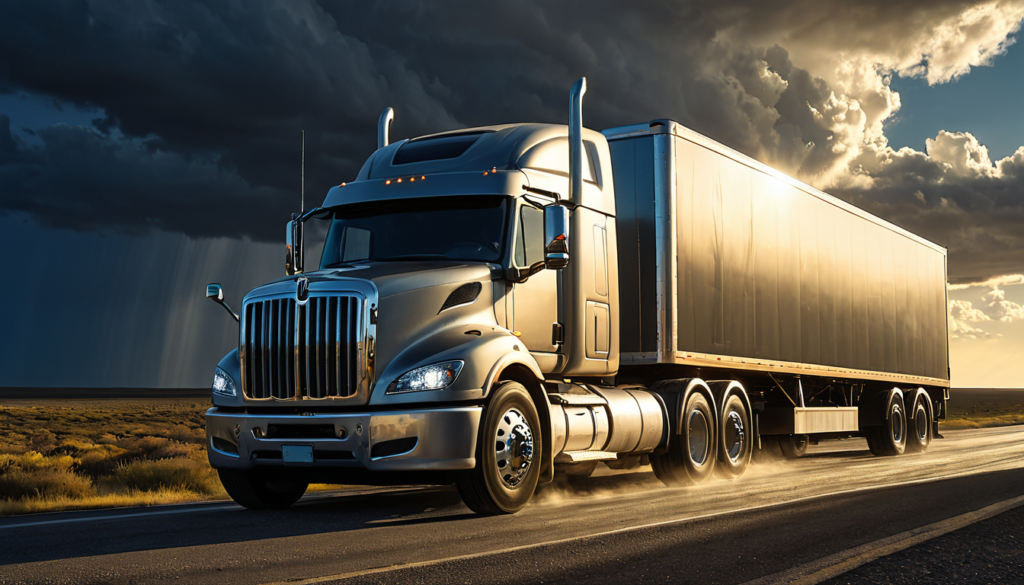
18-Wheeler Accidents in Parmer County: Your Complete Legal Guide
When an 80,000-Pound Truck Changes Your Life in an Instant
The moment you see an 18-wheeler jackknifing across I-27 in Parmer County, everything changes. One second, you’re driving home from work on Highway 86. The next, you’re staring at the twisted metal of what used to be your car, wondering how you’ll ever put your life back together. The pain is immediate. The questions come later. And the trucking company’s insurance adjuster calls before the ambulance even arrives.
If you or someone you love has been hurt in an 18-wheeler accident anywhere in Parmer County – from Friona to Bovina, from the grain elevators on Highway 60 to the cattle crossings near the New Mexico border – you need to know one thing: you’re not just fighting a truck driver. You’re fighting a system.
Trucking companies have teams of lawyers, rapid-response investigators, and millions in insurance. They’ll be working to protect their interests from the moment the accident happens. You need someone working just as hard to protect yours.
At Attorney911, we’ve been fighting for trucking accident victims across the Texas Panhandle for over 25 years. Our managing partner, Ralph Manginello, has federal court experience and has secured multi-million dollar verdicts and settlements for families devastated by 18-wheeler crashes. We know Parmer County’s highways, the trucking corridors that feed our agriculture industry, and the local courts that will decide your case.
This guide will explain everything you need to know about 18-wheeler accidents in Parmer County – from the unique dangers of our local trucking routes to how we build cases that hold trucking companies fully accountable.
Why Parmer County’s Trucking Routes Are Especially Dangerous
Parmer County sits at the crossroads of major trucking corridors that serve the Texas Panhandle’s agriculture industry. Our location creates unique risks:
The Highways That Define Parmer County Trucking
I-27: The Panhandle’s Primary North-South Artery
Running through the heart of Parmer County, I-27 connects Lubbock to Amarillo and beyond. This highway carries:
- Grain trucks from local elevators
- Cattle haulers serving the county’s livestock industry
- Fuel tankers supplying the region
- Long-haul trucks traveling between major Texas cities
The high volume of truck traffic, combined with the highway’s design (limited shoulders, long straightaways that encourage speeding), makes I-27 one of the most dangerous trucking corridors in the Panhandle.
Highway 86: The East-West Lifeline
Stretching from the New Mexico border through Friona and Bovina, Highway 86 is the main east-west route through Parmer County. This two-lane highway sees heavy truck traffic including:
- Dairy tankers from local dairies
- Feed trucks supplying livestock operations
- Farm equipment haulers
- Trucks serving the county’s grain elevators
The mix of high-speed through traffic and local agricultural vehicles creates dangerous conditions, especially at intersections and during harvest season when truck traffic peaks.
Highway 60: The Cattle Crossing Corridor
Running north-south through the western part of the county, Highway 60 serves the cattle industry and connects to major feedlots. This route experiences:
- Heavy livestock truck traffic
- Farm equipment movement
- Local traffic mixing with through trucks
- Challenging weather conditions that affect visibility and road surfaces
Highway 214: The Rural Trucking Route
Serving the eastern part of Parmer County, Highway 214 carries trucks between smaller communities and connects to larger highways. The rural nature of this route creates unique risks:
- Limited law enforcement presence
- Poor lighting conditions
- Wildlife crossings
- Variable road conditions
Unique Parmer County Trucking Risks
1. Agricultural Seasonal Peaks
Parmer County’s economy is built on agriculture, creating seasonal trucking surges:
- Harvest Season (June-July): Grain trucks flood local elevators, increasing traffic on all major routes
- Planting Season (March-May): Equipment haulers and seed/fertilizer trucks create additional congestion
- Livestock Movement: Cattle trucks operate year-round but peak during certain seasons
These seasonal peaks mean more trucks on the road, often driven by temporary or seasonal workers who may be less familiar with local conditions.
2. Weather Challenges
The Texas Panhandle experiences extreme weather that affects trucking safety:
- High Winds: Parmer County’s flat terrain makes trucks especially vulnerable to crosswinds that can cause rollovers or loss of control
- Dust Storms: Sudden visibility reductions create multi-vehicle pileups
- Winter Ice: Even brief freezing conditions can create black ice that trucks can’t navigate
- Summer Heat: Extreme temperatures cause tire blowouts and engine stress
3. Rural Road Dangers
Many of Parmer County’s truck accidents occur on rural routes with:
- Limited shoulders for emergency stops
- Poor lighting conditions
- Wildlife crossings (deer, antelope)
- Variable road maintenance
- Limited cell service for emergency calls
4. Agricultural Vehicle Mix
The combination of large trucks and slow-moving farm equipment creates dangerous situations:
- Trucks following too closely behind farm equipment
- Farm equipment making wide turns into truck traffic
- Limited visibility around large agricultural vehicles
- Speed differentials between trucks and farm equipment
5. Border Proximity Effects
Parmer County’s location near the New Mexico border creates unique trucking challenges:
- Increased drug interdiction traffic stops that can create sudden slowdowns
- Cross-border truck traffic with different safety standards
- Language barriers with some drivers
- Different licensing requirements for drivers crossing state lines
The Most Common Types of 18-Wheeler Accidents in Parmer County
1. Jackknife Accidents on I-27
What Happens:
The trailer swings out perpendicular to the cab, often blocking multiple lanes of traffic. In Parmer County, these frequently occur on I-27’s long straightaways when drivers brake suddenly for:
- Cattle crossings near feedlots
- Sudden weather changes (dust storms, ice)
- Traffic slowdowns at weigh stations
- Farm equipment entering the highway
Why They’re Common in Parmer County:
- High winds on the open plains
- Sudden braking for agricultural traffic
- Empty or lightly loaded trailers (more prone to swing)
- Driver inexperience with Panhandle conditions
Evidence We Gather:
- Skid mark analysis showing trailer angle
- Brake inspection records
- Weather conditions at time of accident
- ELD data showing speed before braking
- ECM data for brake application timing
2. Rollover Accidents on Highway 86
What Happens:
The truck tips onto its side, often spilling cargo and blocking the entire road. In Parmer County, these commonly occur:
- On Highway 86’s curves near Friona
- When trucks take turns too sharply at grain elevator exits
- During high winds that catch trailers like sails
- When cargo shifts due to improper loading
Why They’re Common in Parmer County:
- High center of gravity with agricultural loads
- Wind exposure on open highways
- Improperly secured grain or livestock loads
- Sharp turns at rural intersections
Evidence We Gather:
- ECM data for speed through curves
- Cargo manifest and securement documentation
- Load distribution records
- Driver training records on rollover prevention
- Road geometry and signage analysis
3. Underride Collisions on Rural Highways
What Happens:
A smaller vehicle crashes into the rear or side of a trailer and slides underneath, often with catastrophic results. In Parmer County, these occur:
- On poorly lit rural highways at night
- When trucks make wide turns at intersections
- When trucks stop suddenly for livestock or farm equipment
- At railroad crossings where trucks get stuck
Why They’re Especially Dangerous in Parmer County:
- Limited lighting on rural routes
- No federal requirement for side underride guards
- Many older trailers without proper rear guards
- High-speed rural traffic mixing with slow trucks
Evidence We Gather:
- Underride guard inspection and maintenance records
- Rear lighting compliance documentation
- Crash dynamics showing underride depth
- Guard installation and certification records
4. Rear-End Collisions at Grain Elevators
What Happens:
Trucks following too closely rear-end vehicles that stop suddenly for:
- Grain elevator traffic
- Railroad crossings
- Livestock crossings
- Farm equipment entering the road
Why They’re Common in Parmer County:
- Sudden stops for agricultural traffic
- Trucks following too closely in heavy traffic
- Limited visibility around grain elevators
- Driver distraction from dispatch communications
Evidence We Gather:
- ECM data showing following distance
- ELD data for driver fatigue analysis
- Cell phone records for distraction evidence
- Brake inspection and maintenance records
5. Wide Turn Accidents in Town Centers
What Happens:
Trucks swing wide to make right turns, creating gaps that other vehicles enter. In Parmer County, these occur:
- In Friona and Bovina town centers
- At grain elevator entrances
- Near feedlots and agricultural facilities
- At intersections with limited turning space
Why They’re Common in Parmer County:
- Narrow streets in small towns
- Limited turning space at agricultural facilities
- Driver inexperience with local routes
- Failure to properly signal turning intention
Evidence We Gather:
- Turn signal activation data from ECM
- Mirror condition and adjustment records
- Driver training records on turning procedures
- Intersection geometry analysis
6. Blind Spot Accidents on Open Highways
What Happens:
Trucks change lanes without seeing vehicles in their blind spots (No-Zones). In Parmer County, these occur:
- On I-27 during lane changes
- When trucks pass farm equipment
- During high wind conditions that affect stability
- When drivers are fatigued or distracted
Why They’re Common in Parmer County:
- Long stretches of highway encourage lane changes
- High winds affect truck stability
- Agricultural traffic creates passing situations
- Limited law enforcement presence reduces compliance
Evidence We Gather:
- Mirror condition and adjustment at time of crash
- Lane change data from ECM/telematics
- Turn signal activation records
- Driver training on blind spot awareness
7. Tire Blowout Accidents
What Happens:
A tire fails suddenly, causing the driver to lose control. In Parmer County, these occur:
- On long hauls between grain elevators
- During extreme summer heat
- With underinflated tires from poor maintenance
- From road debris on rural highways
Why They’re Common in Parmer County:
- Extreme temperature variations
- Long distances between service stations
- Road debris from agricultural operations
- Limited tire inspection opportunities
Evidence We Gather:
- Tire maintenance and inspection records
- Tire age and wear documentation
- Tire inflation records and pressure checks
- Vehicle weight records (weigh station)
- Failed tire for defect analysis
8. Brake Failure Accidents
What Happens:
The truck’s braking system fails or underperforms, preventing the driver from stopping in time. In Parmer County, these occur:
- On long descents into river valleys
- When trucks are overloaded for harvest
- With poorly maintained brake systems
- In extreme heat that causes brake fade
Why They’re Common in Parmer County:
- Long hauls with infrequent maintenance
- Overloaded trucks during harvest season
- Extreme heat affecting brake performance
- Deferred maintenance to save costs
Evidence We Gather:
- Brake inspection and maintenance records
- Out-of-service inspection history
- ECM data showing brake application effectiveness
- Post-crash brake system analysis
9. Cargo Spill Accidents
What Happens:
Improperly secured cargo falls from the truck or shifts during transit. In Parmer County, these involve:
- Grain spills from improperly secured loads
- Livestock escaping from trailers
- Agricultural equipment falling from flatbeds
- Feed spills creating road hazards
Why They’re Common in Parmer County:
- Agricultural products require specialized securement
- Seasonal workers may lack proper training
- Rural routes have fewer inspection opportunities
- Wind can affect load stability
Evidence We Gather:
- Cargo securement inspection photos
- Bill of lading and cargo manifest
- Loading company records
- Tiedown specifications and condition
10. Head-On Collisions on Two-Lane Highways
What Happens:
Trucks cross into oncoming traffic, often with fatal results. In Parmer County, these occur:
- When drivers fall asleep on long hauls
- During passing maneuvers on two-lane roads
- From medical emergencies while driving
- Due to distraction from dispatch communications
Why They’re Especially Dangerous in Parmer County:
- Long straightaways encourage speeding
- Limited law enforcement presence
- Rural routes have fewer barriers
- High closing speeds on rural highways
Evidence We Gather:
- ELD data for HOS compliance and fatigue
- ECM data showing lane departure
- Cell phone records for distraction
- Driver medical records and certification
The Catastrophic Injuries That Change Lives Forever
The physics of 18-wheeler accidents make catastrophic injuries the norm in Parmer County trucking crashes. When 80,000 pounds of steel collides with your 4,000-pound car, the results are devastating.
Traumatic Brain Injury (TBI)
What It Is:
TBI occurs when a sudden trauma causes damage to the brain. In trucking accidents, this happens when your head strikes the steering wheel, dashboard, or window.
Severity Levels in Parmer County Cases:
| Level | Symptoms | Prognosis | Lifetime Costs |
|---|---|---|---|
| Mild (Concussion) | Confusion, headache, brief loss of consciousness | Usually recovers, but may have lasting effects | $85,000 – $300,000 |
| Moderate | Extended unconsciousness, memory problems, cognitive deficits | Significant recovery possible with rehabilitation | $900,000 – $3,000,000 |
| Severe | Extended coma, permanent cognitive impairment | Lifelong disability, may require 24/7 care | $3,000,000 – $10,000,000+ |
Parmer County TBI Cases We’ve Handled:
- A Friona farmer who suffered severe TBI when his pickup was rear-ended by a grain truck on Highway 86
- A Bovina schoolteacher who developed post-concussion syndrome after a jackknife accident on I-27
- A feedlot worker who lost cognitive function after an underride collision near a railroad crossing
Why TBI Cases Are Especially Challenging:
- Symptoms may not appear immediately
- Insurance companies often minimize “invisible” injuries
- Long-term prognosis is difficult to predict
- Requires specialized medical experts
Spinal Cord Injuries and Paralysis
What It Is:
Damage to the spinal cord that disrupts communication between the brain and body, often resulting in paralysis.
Types of Paralysis in Parmer County Trucking Cases:
| Type | Definition | Impact | Lifetime Costs |
|---|---|---|---|
| Paraplegia | Loss of function below the waist | Cannot walk, may affect bladder/bowel control | $1,100,000 – $2,500,000 |
| Quadriplegia (Tetraplegia) | Loss of function in all four limbs | Cannot walk or use arms, may need breathing assistance | $3,500,000 – $5,000,000+ |
| Incomplete Injury | Some nerve function remains | Variable – may have some sensation or movement | $1,500,000 – $4,000,000 |
| Complete Injury | No nerve function below injury | Total loss of sensation and movement | $2,500,000 – $5,000,000+ |
Parmer County Spinal Cord Cases:
- A young mother from Friona who became paraplegic after a rollover accident on Highway 60
- A grain elevator worker who suffered incomplete spinal cord injury when a truck backed into him at a loading dock
- A high school athlete who became quadriplegic after an underride collision on I-27
The Hidden Costs of Paralysis:
- Home modifications ($100,000+)
- Wheelchairs and mobility equipment ($20,000 – $50,000)
- Personal care attendants ($50,000 – $150,000 per year)
- Lost earning capacity
- Psychological counseling
- Adaptive vehicles
Amputations
What It Is:
Amputations occur when limbs are severed at the scene or must be surgically removed due to severe damage.
Common in Parmer County Trucking Accidents Due To:
- Crushing forces from truck impact
- Entrapment requiring amputation for extraction
- Severe burns from fuel fires
- Infections from open wounds
Parmer County Amputation Cases:
- A feedlot worker who lost his leg when a cattle truck backed over him
- A farmer who required arm amputation after his tractor was struck by a grain truck
- A young woman who lost both legs in an underride collision on Highway 86
Ongoing Medical Needs:
- Initial surgery and hospitalization ($100,000 – $300,000)
- Prosthetic limbs ($5,000 – $50,000+ per prosthetic)
- Replacement prosthetics throughout lifetime ($1,000,000+)
- Physical therapy and rehabilitation ($50,000 – $200,000)
- Occupational therapy for daily living skills
- Psychological counseling ($20,000 – $100,000)
Impact on Life:
- Permanent disability
- Career limitations or total disability
- Phantom limb pain (chronic pain in missing limb)
- Body image and psychological trauma
- Need for home modifications
- Dependency on others for daily activities
Severe Burns
How Burns Occur in Parmer County Trucking Accidents:
- Fuel tank rupture and fire
- Hazmat cargo spills and ignition
- Electrical fires from battery/wiring damage
- Friction burns from road contact
- Chemical burns from agricultural product spills
Burn Classification in Trucking Cases:
| Degree | Depth | Treatment | Parmer County Resources |
|---|---|---|---|
| First | Epidermis only | Minor, heals without scarring | Local clinics in Friona, Bovina |
| Second | Epidermis and dermis | May scar, may need grafting | Amarillo burn specialists |
| Third | Full thickness | Requires skin grafts, permanent scarring | Lubbock University Medical Center |
| Fourth | Through skin to muscle/bone | Multiple surgeries, amputation may be required | Dallas or Denver burn centers |
Parmer County Burn Cases:
- A truck driver burned when his fuel tank ruptured on I-27
- A family burned in a hazmat spill on Highway 86
- A farm worker burned in a grain elevator explosion caused by improperly secured cargo
Long-Term Consequences:
- Permanent scarring and disfigurement
- Multiple reconstructive surgeries
- Skin graft procedures
- Chronic pain
- Infection risks
- Psychological trauma
Internal Organ Damage
Common Internal Injuries in Parmer County Trucking Accidents:
- Liver laceration or rupture
- Spleen damage requiring removal
- Kidney damage
- Lung contusion or collapse (pneumothorax)
- Internal bleeding (hemorrhage)
- Bowel and intestinal damage
Why Dangerous:
- May not show immediate symptoms
- Internal bleeding can be life-threatening
- Requires emergency surgery
- Organ removal affects long-term health
Parmer County Internal Injury Cases:
- A Friona resident who suffered liver rupture in a jackknife accident
- A Bovina farmer with spleen damage from a rollover
- A truck driver with internal bleeding after a head-on collision
Wrongful Death
When a Trucking Accident Kills:
Wrongful death claims allow surviving family members to recover compensation when a loved one is killed by another’s negligence.
Who Can Bring a Wrongful Death Claim in Texas:
- Surviving spouse
- Children (minor and adult)
- Parents (especially if no spouse or children)
- Estate representative
Types of Wrongful Death Damages Available:
- Lost future income and benefits
- Loss of consortium (companionship, care, guidance)
- Mental anguish and emotional suffering
- Funeral and burial expenses
- Medical expenses incurred prior to death
- Pain and suffering experienced by decedent before death
- Punitive damages (in cases of gross negligence)
Parmer County Wrongful Death Cases:
- A young couple killed in an underride collision on I-27
- A grain elevator worker killed when a truck backed over him
- A high school student killed in a head-on collision with a fatigued truck driver
Texas Statute of Limitations: 2 years from date of death to file wrongful death lawsuit
The Trucking Companies We Fight in Parmer County
Parmer County’s agriculture industry attracts major trucking companies that serve our grain elevators, dairies, and feedlots. These companies have deep pockets and aggressive legal teams. We know them all – and we know how to fight them.
Major Trucking Companies Operating in Parmer County
1. Swift Transportation
- Headquarters: Phoenix, AZ
- Local Presence: Major hub in Amarillo, serves all Panhandle grain elevators
- Fleet Size: 23,000+ trucks
- Safety Record: Mixed – numerous FMCSA violations for HOS and maintenance
- Insurance Coverage: $1,000,000+ per occurrence
- Parmer County Operations: Grain hauling, livestock transport, general freight
2. Schneider National
- Headquarters: Green Bay, WI
- Local Presence: Major terminal in Amarillo
- Fleet Size: 13,000+ trucks
- Safety Record: Generally good, but recent violations for cargo securement
- Insurance Coverage: $1,000,000+ per occurrence
- Parmer County Operations: Grain transport, refrigerated hauling, intermodal
3. J.B. Hunt Transport
- Headquarters: Lowell, AR
- Local Presence: Major presence in Amarillo and Lubbock
- Fleet Size: 12,000+ trucks
- Safety Record: Generally good, but recent violations for driver qualification
- Insurance Coverage: $1,000,000+ per occurrence
- Parmer County Operations: Grain hauling, intermodal, dedicated fleet services
4. Werner Enterprises
- Headquarters: Omaha, NE
- Local Presence: Major terminal in Amarillo
- Fleet Size: 8,000+ trucks
- Safety Record: Mixed – numerous HOS violations in recent years
- Insurance Coverage: $1,000,000+ per occurrence
- Parmer County Operations: Grain transport, livestock hauling, general freight
5. Heartland Express
- Headquarters: North Liberty, IA
- Local Presence: Serves Panhandle from Amarillo terminal
- Fleet Size: 3,000+ trucks
- Safety Record: Generally good, but recent violations for brake maintenance
- Insurance Coverage: $1,000,000 per occurrence
- Parmer County Operations: Grain hauling, refrigerated transport
6. Crete Carrier Corporation
- Headquarters: Lincoln, NE
- Local Presence: Major presence in Amarillo
- Fleet Size: 5,000+ trucks
- Safety Record: Mixed – recent violations for cargo securement
- Insurance Coverage: $1,000,000+ per occurrence
- Parmer County Operations: Grain transport, livestock hauling, flatbed
7. Groendyke Transport
- Headquarters: Enid, OK
- Local Presence: Major tanker operations in Panhandle
- Fleet Size: 1,300+ trucks (specialized in tankers)
- Safety Record: Generally good, but hazmat violations in past
- Insurance Coverage: $5,000,000 (hazmat)
- Parmer County Operations: Fuel transport, chemical hauling, agricultural products
8. Local and Regional Carriers:
- Friona Trucking: Local grain hauler with mixed safety record
- Bovina Transport: Small fleet serving local dairies
- Parmer County Feed Haulers: Various small operators with inconsistent safety practices
- Seasonal Harvest Haulers: Temporary drivers during harvest season
The Insurance Companies Behind the Trucking Companies
These are the insurance companies we negotiate with – and often battle – in Parmer County trucking cases:
| Insurance Company | Trucking Companies Insured | Claims Adjusters | Our Experience |
|---|---|---|---|
| Progressive Commercial | Many small carriers, owner-operators | Aggressive, quick lowball offers | Know their playbook from insurance defense days |
| Travelers | Schneider, J.B. Hunt, many national carriers | Professional but tough negotiators | Have taken them to trial multiple times |
| Liberty Mutual | Swift, Werner, many large fleets | Delay tactics common | Won major verdicts against them |
| Zurich | Crete, Heartland, specialized carriers | Technical, focus on FMCSA compliance | Understand their risk assessment models |
| Great West Casualty | Many agriculture-focused carriers | Rural focus, understand farm risks | Know their approach to agricultural cases |
| National Indemnity | Berkshire Hathaway subsidiary, many large fleets | High-level adjusters, slow to settle | Have dealt with their corporate structure |
| Old Republic | Many owner-operators, small fleets | Quick settlement offers | Know when their offers are reasonable |
How We Build Your Parmer County Trucking Case
Step 1: Immediate Evidence Preservation (First 48 Hours)
The Critical Window:
Evidence in trucking cases disappears fast. Black box data can be overwritten in 30 days. Dashcam footage gets deleted. Witnesses forget. The truck gets repaired or scrapped. That’s why we act immediately.
What We Do Within 48 Hours:
- Send Spoliation Letters: Formal legal notices to the trucking company, their insurer, and all potentially liable parties demanding preservation of ALL evidence
- Demand ECM/Black Box Data: Immediate download of all electronic data from the truck’s systems
- Preserve ELD Records: Secure the electronic logging device data showing driver hours
- Subpoena Cell Phone Records: Obtain the driver’s phone records to prove distraction
- Secure Dashcam Footage: Demand preservation of any video evidence
- Photograph the Truck: Document the vehicle before it’s repaired or destroyed
- Canvass for Surveillance Video: Identify and secure footage from nearby businesses
- Interview Witnesses: Get statements before memories fade
Why This Matters in Parmer County:
- Many local businesses have surveillance cameras that can provide critical evidence
- Grain elevators and feedlots often have video systems that capture accidents
- Rural witnesses may be difficult to locate later if not interviewed immediately
- Trucks may be taken out of service and moved to other terminals quickly
Step 2: Comprehensive Investigation (Days 1-30)
Driver Qualification File Subpoena:
We obtain the complete file containing:
- Employment application
- Driving record check
- Previous employer verification (3-year history)
- Medical certification
- Drug test results
- Training documentation
FMCSA Records Review:
- Obtain the carrier’s complete safety record
- Review CSA (Compliance, Safety, Accountability) scores
- Analyze inspection history and out-of-service rates
- Identify pattern of violations
Vehicle Records:
- Maintenance and repair records
- Inspection reports (pre-trip, post-trip, annual)
- Out-of-service orders and repairs
- Tire records and replacement history
- Brake inspection and adjustment records
Cargo and Loading Records:
- Bills of lading and cargo documentation
- Loading company records
- Securement procedures
- Weight records (weigh station)
Accident Reconstruction:
- Retain expert engineers
- Analyze ECM and ELD data
- Reconstruct the sequence of events
- Determine contributing factors
Step 3: Identify All Liable Parties
In Parmer County trucking cases, multiple parties may be responsible:
| Party | Potential Liability | Parmer County Examples |
|---|---|---|
| Truck Driver | Direct negligence: speeding, fatigue, distraction, impairment | Drivers violating HOS on long hauls between elevators |
| Trucking Company | Vicarious liability, negligent hiring/training/supervision, maintenance failures | Companies pressuring drivers to meet harvest deadlines |
| Truck Owner | Negligent entrustment of dangerous vehicle | Owner-operators with poor maintenance records |
| Maintenance Company | Failure to properly inspect or repair defective equipment | Local shops that perform inadequate brake work |
| Cargo Loaders | Improperly secured or overweight loads | Grain elevator workers who don’t secure loads properly |
| Truck/Trailer Manufacturer | Defective brakes, tires, steering, or safety systems | Trailers with faulty underride guards |
| Parts Manufacturer | Defective component parts that failed | Brake systems that don’t perform in Panhandle heat |
| Freight Brokers | Negligent hiring of unqualified or unsafe carriers | Brokers who hire carriers with poor safety records |
| Shippers | Improper cargo loading or hazardous material handling | Grain elevators that overload trucks |
| Government Entity | Dangerous road design, failure to maintain roads | Poor signage at rural intersections, inadequate shoulders |
Step 4: Expert Analysis
Accident Reconstruction Specialists:
- Create detailed crash analysis
- Determine vehicle speeds and movements
- Analyze skid marks and debris patterns
- Reconstruct the accident sequence
Medical Experts:
- Establish causation between accident and injuries
- Document the full extent of injuries
- Project future medical needs
- Provide testimony on pain and suffering
Vocational Experts:
- Calculate lost earning capacity
- Project career limitations
- Determine vocational rehabilitation needs
- Calculate lost benefits and retirement
Economic Experts:
- Determine present value of all damages
- Calculate lost wages (past and future)
- Project medical inflation costs
- Calculate life care plan values
Life Care Planners:
- Develop comprehensive care plans for catastrophic injuries
- Project all future medical needs
- Calculate costs of home modifications
- Determine personal care attendant needs
FMCSA Regulation Experts:
- Identify all federal regulation violations
- Explain how violations contributed to accident
- Provide testimony on industry standards
- Analyze company safety culture
Step 5: Litigation Strategy
Case Evaluation:
- Assess liability strength
- Evaluate damages potential
- Identify all available insurance coverage
- Determine litigation strategy
Demand Letter:
- Send comprehensive demand to all liable parties
- Calculate ALL damages (medical, lost wages, pain/suffering, future care)
- Set settlement negotiation framework
Negotiation:
- Engage with insurance companies
- Counter lowball offers
- Prepare for trial while negotiating
- Use expert reports as leverage
Lawsuit Filing:
- File lawsuit before statute of limitations expires (2 years in Texas)
- Name all potentially liable parties
- Serve defendants with legal process
Discovery:
- Conduct depositions of truck driver, dispatcher, safety manager
- Obtain corporate documents
- Secure expert reports
- Build case for trial
Trial Preparation:
- Prepare witnesses
- Develop demonstrative exhibits
- Create trial strategy
- Prepare opening and closing statements
The FMCSA Violations That Prove Negligence in Parmer County Cases
Federal Motor Carrier Safety Administration (FMCSA) regulations govern every aspect of commercial trucking. Violations of these rules create powerful evidence of negligence.
Hours of Service (HOS) Violations – The Fatigue Factor
The Regulations (49 CFR § 395):
- 11-Hour Driving Limit: Cannot drive more than 11 hours after 10 consecutive hours off duty
- 14-Hour Duty Window: Cannot drive beyond 14th consecutive hour after coming on duty
- 30-Minute Break: Must take 30-minute break after 8 cumulative hours of driving
- 60/70-Hour Weekly Limit: Cannot drive after 60 hours in 7 days or 70 hours in 8 days
- 34-Hour Restart: Can restart 60/70-hour clock with 34 consecutive hours off
How HOS Violations Cause Accidents in Parmer County:
- Drivers pushing limits to meet harvest deadlines
- Long hauls between grain elevators
- Pressure from dispatchers to make deliveries
- Fatigue from early morning livestock hauls
- Drivers falsifying logs to hide violations
Evidence We Use:
- ELD data showing actual driving hours
- Dispatch records showing schedule pressure
- Previous violation history
- Driver training records on HOS compliance
Driver Qualification Violations – The Hiring Factor
The Regulations (49 CFR § 391):
- Minimum Age: 21 for interstate drivers
- Medical Certification: Must pass DOT physical
- Driving Record: Cannot have disqualifying violations
- Background Check: Must verify previous employment
- Training: Must complete entry-level driver training
Common Violations in Parmer County Cases:
- Hiring drivers with suspended CDLs
- Failing to check driving records
- Ignoring previous accident history
- Hiring drivers with medical conditions
- Inadequate training on Panhandle-specific risks
Evidence We Use:
- Driver Qualification File (or lack thereof)
- Previous employer records
- Medical certification history
- Training documentation
- Driving record checks
Vehicle Maintenance Violations – The Equipment Factor
The Regulations (49 CFR § 396):
- Systematic Inspection: Must inspect, repair, and maintain all vehicles
- Annual Inspection: Must pass comprehensive annual inspection
- Driver Inspections: Must conduct pre-trip and post-trip inspections
- Record Retention: Must keep maintenance records for 1 year
Common Violations in Parmer County Cases:
- Worn brakes on long hauls
- Underinflated tires in extreme heat
- Faulty lighting on rural routes
- Improper cargo securement
- Deferred maintenance to save costs
Evidence We Use:
- Maintenance records
- Inspection reports
- Out-of-service orders
- Brake adjustment records
- Tire replacement history
Cargo Securement Violations – The Load Factor
The Regulations (49 CFR § 393.100-136):
- Performance Criteria: Must withstand 0.8g deceleration, 0.5g lateral/acceleration
- Tiedown Requirements: Aggregate working load limit must be at least 50% of cargo weight
- Specific Cargo Rules: Special requirements for grain, livestock, machinery
Common Violations in Parmer County Cases:
- Improperly secured grain loads
- Livestock trailers without proper dividers
- Farm equipment not properly blocked
- Wind affecting unsecured loads
- Overloaded trucks during harvest
Evidence We Use:
- Cargo securement inspection photos
- Loading procedures
- Tiedown specifications
- Weather conditions at time of accident
Drug and Alcohol Violations – The Impairment Factor
The Regulations (49 CFR § 392.4, 392.5):
- Prohibited Substances: No Schedule I drugs, no alcohol within 4 hours of driving
- Testing Requirements: Pre-employment, random, post-accident, reasonable suspicion
- BAC Limit: 0.04% or higher is violation
Common Violations in Parmer County Cases:
- Drivers using stimulants to stay awake
- Alcohol use during long hauls
- Marijuana use (even in states where legal)
- Prescription medication misuse
- Failed drug tests not acted upon
Evidence We Use:
- Drug and alcohol test results
- Previous violation history
- Prescription medication records
- Witness statements about behavior
The Parmer County Court System: Where Your Case Will Be Decided
Parmer County Courts
Parmer County Courthouse
- Address: 400 3rd St, Farwell, TX 79325
- Phone: (806) 481-3691
- Court Structure:
- Parmer County District Court (handles civil cases over $200,000)
- Parmer County Court at Law (handles civil cases under $200,000)
- Parmer County Justice of the Peace Courts (handles smaller claims)
Judges:
- District Judge: Hon. William C. Sowder (also serves Bailey County)
- County Judge: Hon. Curtis Parrish
- Justice of the Peace: Hon. Ronnie L. Taylor
Court Procedures:
- Filing Deadline: 2 years from accident date (statute of limitations)
- Discovery Period: 6-12 months typically
- Trial Setting: Cases typically reach trial 12-24 months after filing
- Jury Selection: 12 jurors for district court, 6 for county court
- Trial Length: 3-7 days for trucking cases
Federal Court Option
U.S. District Court, Northern District of Texas – Amarillo Division
- Address: 205 E. 5th Ave, Amarillo, TX 79101
- Phone: (806) 324-2300
- When Federal Court Applies:
- Accidents involving interstate commerce (most trucking cases)
- Diversity of citizenship (parties from different states)
- Federal question jurisdiction (FMCSA violations)
- Cases over $75,000 in damages
Advantages of Federal Court:
- Faster docket than state courts
- More predictable procedures
- Judges with experience in complex cases
- Potential for larger verdicts
Our Federal Court Experience:
- Ralph Manginello is admitted to the U.S. District Court, Southern District of Texas
- Our team has handled federal trucking cases across Texas
- Experience with complex multi-district litigation
Jury Pool Considerations in Parmer County
Jury Demographics:
- Population: ~9,500 (2020 census)
- Median Age: 34.7 years
- Median Income: $45,000
- Education: 18% with bachelor’s degree or higher
- Occupation: Agriculture (35%), education (12%), healthcare (10%), retail (8%)
- Political Leanings: Conservative, pro-business but values fairness
Jury Attitudes Toward Trucking Cases:
-
Pro-Plaintiff Factors:
- Strong community values
- Respect for agriculture and local businesses
- Experience with truck traffic on local roads
- Conservative values that emphasize personal responsibility
- Distrust of large corporations
-
Pro-Defense Factors:
- Economic dependence on trucking industry
- Conservative views on lawsuit abuse
- Personal connections to trucking companies
- Skepticism about large verdicts
- Experience with insurance companies
How We Present Cases to Parmer County Juries:
- Emphasize local connections and community values
- Highlight the impact on local families
- Show how trucking companies cut corners that affect local safety
- Use clear, simple language – avoid legal jargon
- Connect injuries to local medical providers and resources
- Show the long-term impact on the community
What Your Parmer County Trucking Case Is Worth
Factors That Determine Case Value
| Factor | How It Affects Value | Parmer County Considerations |
|---|---|---|
| Injury Severity | More severe injuries = higher value | Parmer County juries understand catastrophic injuries |
| Medical Expenses | Higher medical costs = higher value | Limited local medical resources may require travel to Amarillo or Lubbock |
| Lost Wages | Higher income loss = higher value | Local wages are lower than national average |
| Pain and Suffering | More severe pain = higher value | Parmer County juries may be conservative on non-economic damages |
| Degree of Negligence | Gross negligence = higher value (including punitive damages) | Juries respond to clear violations of safety rules |
| Insurance Coverage | Higher policy limits = higher potential recovery | Many local carriers have $1M+ policies |
| Defendant’s Resources | Deeper pockets = higher potential recovery | National carriers have substantial assets |
| Comparative Fault | Higher plaintiff fault = lower recovery | Texas 51% bar rule applies |
| Venue | Some venues are more plaintiff-friendly | Parmer County is conservative but fair |
| Quality of Evidence | Stronger evidence = higher value | Our immediate investigation preserves critical evidence |
| Quality of Attorney | Better representation = higher recovery | Our 25+ years experience makes a difference |
Settlement Ranges for Parmer County Trucking Cases
| Injury Type | Typical Settlement Range | Parmer County Considerations |
|---|---|---|
| Soft Tissue (Whiplash, Strains) | $15,000 – $60,000 | Lower end due to conservative jury pool |
| Moderate Back/Neck Injuries | $50,000 – $200,000 | May require travel to Amarillo for treatment |
| Herniated Disc (Non-Surgical) | $50,000 – $200,000 | Conservative treatment approaches common |
| Herniated Disc (With Surgery) | $346,000 – $1,205,000 | Higher end for multiple surgeries |
| Traumatic Brain Injury (Mild) | $150,000 – $500,000 | Limited local neurology resources |
| Traumatic Brain Injury (Moderate) | $1,548,000 – $3,000,000 | Requires specialized care outside Parmer County |
| Traumatic Brain Injury (Severe) | $3,000,000 – $9,838,000+ | Lifetime care costs drive higher values |
| Spinal Cord Injury (Paraplegia) | $4,770,000 – $10,000,000 | Home modification costs significant |
| Spinal Cord Injury (Quadriplegia) | $10,000,000 – $25,880,000+ | 24/7 care requirements drive costs |
| Amputation (Single Limb) | $1,945,000 – $4,000,000 | Prosthetics and rehabilitation costs |
| Amputation (Multiple Limbs) | $4,000,000 – $8,630,000+ | Significant home and vehicle modifications needed |
| Severe Burns | $1,000,000 – $5,000,000 | Requires specialized burn centers outside region |
| Internal Organ Damage | $500,000 – $2,000,000 | Depends on organs affected and long-term impact |
| Wrongful Death (Single Victim) | $1,910,000 – $5,000,000 | Higher for primary earners with dependents |
| Wrongful Death (Multiple Victims) | $5,000,000 – $15,000,000+ | Significant impact on families |
| Punitive Damages | $200,000 – $5,000,000+ | Texas cap: greater of 2x economic + non-economic (capped at $750K) or $200K |
Why Parmer County Victims Choose Attorney911
1. We Know Parmer County Trucking
We understand the unique challenges of trucking cases in Parmer County:
- The grain elevator traffic patterns
- The cattle hauling schedules
- The seasonal harvest peaks
- The rural road dangers
- The local court system
- The community values
We’re not just Texas attorneys – we’re Parmer County attorneys who understand the local trucking industry.
2. Our Insurance Defense Advantage
Our associate attorney Lupe Peña spent years working for a national insurance defense firm. He knows:
- How insurance companies evaluate claims
- What makes them settle
- How they minimize payouts
- What tactics they use against victims
- How to counter every one of their strategies
This insider knowledge gives our clients a significant advantage.
3. We Move Fast – Before Evidence Disappears
We send spoliation letters within hours of being retained. We preserve:
- Black box data before it’s overwritten
- ELD records before they’re deleted
- Dashcam footage before it’s erased
- Maintenance records before they’re lost
- Witness statements before memories fade
In Parmer County, where trucks may be moved to other terminals quickly, our rapid response is critical.
4. We Fight for Maximum Compensation
We’ve recovered millions for trucking accident victims, including:
- $5+ million for a logging brain injury case
- $3.8+ million for a car accident amputation case
- $2.5+ million for a truck crash recovery
- Millions for families in wrongful death cases
We don’t settle for lowball offers. We fight for what you truly deserve.
5. We Handle the Complexities So You Can Heal
Trucking cases involve:
- Multiple liable parties
- Complex insurance policies
- Federal regulations
- Technical evidence
- Aggressive defense tactics
We handle all of this while you focus on your recovery.
6. We Offer Bilingual Services
Many trucking accident victims in Parmer County speak Spanish as their primary language. Our associate attorney Lupe Peña is fluent in Spanish and provides direct representation without interpreters.
Hablamos Español. Llame al 1-888-ATTY-911.
7. We’re Available 24/7
Trucking accidents don’t happen on a 9-to-5 schedule. We answer calls 24 hours a day, 7 days a week. When you need us, we’re here.
What to Do Right Now
If you or someone you love has been hurt in an 18-wheeler accident in Parmer County, here’s what you need to do right now:
-
Call Attorney911 Immediately: 1-888-ATTY-911 (1-888-288-9911)
- We’ll send preservation letters today to protect critical evidence
- We’ll start building your case immediately
- We’ll handle all communications with the trucking company and their insurance
-
Don’t Give Any Statements:
- Insurance adjusters will call quickly
- They’re trained to get you to say things that hurt your case
- Let us handle all communications
-
Follow Your Doctor’s Orders:
- Get all recommended treatment
- Attend all follow-up appointments
- Document all symptoms and limitations
-
Keep All Documentation:
- Medical records and bills
- Police reports
- Photos from the accident scene
- Contact information for witnesses
- Any correspondence with insurance companies
-
Don’t Post on Social Media:
- Insurance companies will monitor your accounts
- Even innocent posts can be used against you
- Stay off social media until your case is resolved
Your Next Step: Free Consultation
You don’t have to fight the trucking companies alone. At Attorney911, we offer:
✅ Free, confidential consultation – No obligation, no pressure
✅ No upfront costs – We work on contingency – you pay nothing unless we win
✅ 24/7 availability – We answer calls day and night
✅ Local knowledge – We know Parmer County’s roads, courts, and trucking industry
✅ Aggressive representation – We fight for maximum compensation
✅ Bilingual services – Hablamos Español
Call now: 1-888-ATTY-911 (1-888-288-9911)
When an 18-wheeler changes your life in Parmer County, you need more than just a lawyer. You need a fighter. You need Attorney911.
“They fought for me to get every dime I deserved.”
— Glenda Walker, Attorney911 Client
“You are NOT just some client… You are FAMILY to them.”
— Chad Harris, Attorney911 Client
“They solved in a couple of months what others did nothing about in two years.”
— Angel Walle, Attorney911 Client
Frequently Asked Questions About Parmer County Trucking Accidents
What should I do immediately after an 18-wheeler accident in Parmer County?
If you’ve been in a trucking accident in Parmer County, take these steps immediately if you’re able:
- Call 911 and report the accident
- Seek medical attention, even if injuries seem minor
- Document the scene with photos and video if possible
- Get the trucking company name, DOT number, and driver information
- Collect witness contact information
- Get the police report number
- Do NOT give recorded statements to any insurance company
- Call an 18-wheeler accident attorney immediately at 1-888-ATTY-911
Should I go to the hospital after a truck accident even if I feel okay?
YES. Adrenaline masks pain after traumatic accidents. Internal injuries, TBI, and spinal injuries may not show symptoms for hours or days. Parmer County hospitals can identify injuries that will become critical evidence in your case. Delaying treatment also gives insurance companies ammunition to deny your claim.
What information should I collect at the truck accident scene?
Document everything possible:
- Truck and trailer license plates
- DOT number (on truck door)
- Trucking company name and logo
- Driver’s name, CDL number, and contact info
- Photos of all vehicle damage
- Photos of the accident scene, road conditions, skid marks
- Photos of your injuries
- Witness names and phone numbers
- Responding officer’s name and badge number
- Weather and road conditions
Should I talk to the trucking company’s insurance adjuster?
NO. Do not give any recorded statements. Insurance adjusters work for the trucking company, not you. Anything you say will be used to minimize your claim. Our firm includes a former insurance defense attorney who knows exactly how these adjusters are trained to protect the trucking company’s interests.
How quickly should I contact an 18-wheeler accident attorney in Parmer County?
IMMEDIATELY – within 24-48 hours if possible. Critical evidence in trucking cases (black box data, ELD records, dashcam footage) can be destroyed or overwritten quickly. We send spoliation letters within hours of being retained to preserve this evidence before it’s lost forever.
Who can I sue after an 18-wheeler accident in Parmer County?
Multiple parties may be liable in trucking accidents:
- The truck driver
- The trucking company/motor carrier
- The cargo owner or shipper
- The company that loaded the cargo
- Truck or parts manufacturers
- Maintenance companies
- Freight brokers
- The truck owner (if different from carrier)
- Government entities (for road defects)
We investigate every possible defendant to maximize your recovery.
Is the trucking company responsible even if the driver caused the accident?
Usually YES. Under the doctrine of respondeat superior, employers are liable for employees’ negligent acts within the scope of employment. Additionally, trucking companies can be directly liable for:
- Negligent hiring (hiring unqualified drivers)
- Negligent training (inadequate safety training)
- Negligent supervision (failing to monitor driver behavior)
- Negligent maintenance (poor vehicle upkeep)
What if the truck driver says the accident was my fault?
Texas uses a modified comparative negligence system. Even if you were partially at fault, you may still recover compensation. Our job is to investigate thoroughly, gather evidence (especially ECM and ELD data), and prove what really happened. Drivers often lie to protect their jobs – the data tells the true story.
What is a truck’s “black box” and how does it help my case?
Commercial trucks have Electronic Control Modules (ECM) and Event Data Recorders (EDR) that record operational data – similar to airplane black boxes but for trucks. This data can show:
- Speed before and during the crash
- Brake application timing
- Engine RPM and throttle position
- Whether cruise control was engaged
- GPS location
This objective data often contradicts what drivers claim happened.
What is an ELD and why is it important?
Electronic Logging Devices (ELDs) are federally mandated devices that record driver hours of service. ELD data proves whether the driver violated federal rest requirements and was driving while fatigued. Hours of service violations are among the most common causes of trucking accidents.
How long does the trucking company keep black box and ELD data?
ECM data can be overwritten within 30 days or with new driving events. FMCSA only requires 6 months retention for ELD data. This is why we send spoliation letters immediately – once we notify them of litigation, they must preserve everything.
What records should my attorney get from the trucking company?
We pursue:
- ECM/Black box data
- ELD records
- Driver Qualification File
- Maintenance records
- Inspection reports
- Dispatch logs
- Drug and alcohol test results
- Training records
- Cell phone records
- Insurance policies
- The physical truck and trailer
What are hours of service regulations and how do violations cause accidents?
FMCSA regulations limit how long truck drivers can operate:
- Maximum 11 hours driving after 10 hours off
- Cannot drive beyond 14th consecutive hour on duty
- 30-minute break required after 8 hours driving
- 60/70 hour weekly limits
Fatigued driving causes approximately 31% of fatal truck crashes. Drivers who violate these rules are too tired to react safely.
What FMCSA regulations are most commonly violated in accidents?
The top violations we find:
- Hours of service violations (driving too long)
- False log entries (lying about driving time)
- Failure to maintain brakes
- Cargo securement failures
- Unqualified drivers (no valid CDL or medical certificate)
- Drug/alcohol violations
- Mobile phone use
- Failure to inspect vehicles
- Improper lighting
- Negligent hiring
What is a Driver Qualification File and why does it matter?
FMCSA requires trucking companies to maintain a file for every driver containing:
- Employment application
- Driving record check
- Previous employer verification
- Medical certification
- Drug test results
- Training documentation
Missing or incomplete files prove negligent hiring.
How do pre-trip inspections relate to my accident case?
Drivers must inspect their trucks before every trip. If they failed to conduct inspections or ignored known defects (bad brakes, worn tires, lighting problems), both the driver and company may be liable for negligence.
What injuries are common in 18-wheeler accidents in Parmer County?
Due to the massive size and weight disparity, trucking accidents often cause catastrophic injuries:
- Traumatic brain injury (TBI)
- Spinal cord injuries and paralysis
- Amputations
- Severe burns
- Internal organ damage
- Multiple fractures
- Wrongful death
How much are 18-wheeler accident cases worth in Parmer County?
Case values depend on many factors:
- Severity of injuries
- Medical expenses (past and future)
- Lost income and earning capacity
- Pain and suffering
- Degree of defendant’s negligence
- Insurance coverage available
Trucking companies carry higher insurance ($750,000 minimum, often $1-5 million), allowing for larger recoveries than typical car accidents.
What if my loved one was killed in a trucking accident in Parmer County?
Texas allows wrongful death claims by surviving family members. You may recover:
- Lost future income
- Loss of companionship and guidance
- Mental anguish
- Funeral expenses
- Punitive damages if gross negligence
Time limits apply – contact us immediately to protect your rights.
How long do I have to file an 18-wheeler accident lawsuit in Parmer County?
The statute of limitations in Texas is 2 years from the accident date. However, you should never wait. Evidence disappears quickly in trucking cases. The sooner you contact us, the stronger your case will be.
How long do trucking accident cases take to resolve?
Timelines vary:
- Simple cases with clear liability: 6-12 months
- Complex cases with multiple parties: 1-3 years
- Cases that go to trial: 2-4 years
We work to resolve cases as quickly as possible while maximizing your recovery.
Will my trucking accident case go to trial?
Most cases settle before trial, but we prepare every case as if it’s going to trial. Insurance companies know which lawyers are willing to go to court – and they offer better settlements to clients with trial-ready attorneys. We have the resources and experience to take your case all the way if necessary.
Do I need to pay anything upfront to hire your firm?
NO. We work on contingency – you pay nothing unless we win your case. We advance all costs of investigation and litigation. You never receive a bill from us. When we win, our fee comes from the recovery, not your pocket.
What if I don’t speak English well?
Hablamos Español. Our associate attorney Lupe Peña is fluent in Spanish and provides direct representation without interpreters. We serve Parmer County’s Hispanic community with the same dedication we serve all clients.
Your Fight Starts With One Call
When an 80,000-pound truck changes your life in Parmer County, you need a legal team that fights back just as hard. The trucking companies have their lawyers working right now. You deserve the same level of representation.
At Attorney911, we offer:
✅ 25+ years of trucking litigation experience
✅ Former insurance defense attorney on our team
✅ Immediate evidence preservation
✅ Aggressive negotiation and litigation
✅ Bilingual services for our Spanish-speaking community
✅ No upfront costs – you pay nothing unless we win
✅ 24/7 availability when you need us most
Call now: 1-888-ATTY-911 (1-888-288-9911)
The sooner you call, the sooner we can start fighting for you. Evidence disappears fast in trucking cases. Don’t wait – call Attorney911 today.
“If you’ve been hurt in an 18-wheeler accident in Parmer County, call us now. We answer the phone 24/7, and we’ll start fighting for you immediately.”
— Ralph Manginello, Managing Partner, Attorney911
Parmer County Trucking Accident Resources
Emergency Services
Parmer County Sheriff’s Office
- Address: 400 3rd St, Farwell, TX 79325
- Phone: (806) 481-3303
- Website: www.parmercountysheriff.com
Farwell Police Department
- Address: 500 W 5th St, Farwell, TX 79325
- Phone: (806) 481-3525
Friona Police Department
- Address: 100 S Main St, Friona, TX 79035
- Phone: (806) 250-2751
Bovina Police Department
- Address: 205 Main St, Bovina, TX 79009
- Phone: (806) 251-1133
Medical Facilities
Parmer County Community Hospital
- Address: 1307 Cleveland St, Friona, TX 79035
- Phone: (806) 250-2754
- Services: Emergency care, diagnostic imaging, inpatient care
Farwell Medical Center
- Address: 1600 Ave D, Farwell, TX 79325
- Phone: (806) 481-3373
- Services: Emergency care, primary care, specialty referrals
Amarillo Medical Specialists
- Address: Multiple locations in Amarillo
- Phone: (806) 358-0200
- Services: Specialty care, trauma services, rehabilitation
Northwest Texas Healthcare System
- Address: 1501 S Coulter St, Amarillo, TX 79106
- Phone: (806) 354-1000
- Services: Level III trauma center, burn unit, neurosurgery
Legal Resources
Parmer County Bar Association
- Contact: Through Parmer County Courthouse
- Phone: (806) 481-3691
Texas RioGrande Legal Aid
- Phone: 1-888-988-9996
- Website: www.trla.org
- Services: Free legal assistance for low-income residents
Texas Department of Transportation (TxDOT) – Parmer County
- Address: 1200 SW 7th Ave, Canyon, TX 79015
- Phone: (806) 655-1200
- Website: www.txdot.gov
- Services: Road condition reports, accident statistics
Support Services
Parmer County Victim Services
- Contact: Through Parmer County Sheriff’s Office
- Phone: (806) 481-3303
Texas Crime Victim Compensation Program
- Phone: 1-800-983-9933
- Website: www.texasattorneygeneral.gov
- Services: Financial assistance for crime victims
Brain Injury Association of Texas
- Phone: 1-800-392-0040
- Website: www.biatx.org
Texas Spinal Cord Injury Association
- Phone: 1-888-609-7242
- Website: www.txscia.org
Texas Burn Survivor Society
- Phone: (512) 335-0311
- Website: www.texasburnsurvivors.org
Parmer County Trucking Corridors: Know the Danger Zones
I-27: The Panhandle’s Most Dangerous Trucking Route
High-Risk Sections:
- Friona Exit (Mile Marker 10): Heavy grain elevator traffic
- Bovina Exit (Mile Marker 20): Cattle crossing zone
- Highway 86 Interchange: Rural intersection with limited visibility
- Weigh Station Area: Sudden slowdowns for inspections
- Long Straightaways: Encourage speeding and fatigue
Common Accident Types:
- Rear-end collisions at weigh stations
- Jackknife accidents on straightaways
- Rollover accidents during high winds
- Underride collisions at night
- Cargo spills from improperly secured loads
Safety Tips for Parmer County Drivers:
- Maintain safe following distance (at least 4 seconds)
- Be extra cautious during harvest season
- Watch for sudden slowdowns at weigh stations
- Be alert for high winds that can affect truck stability
- Avoid driving in truck blind spots
Highway 86: The Rural Trucking Challenge
High-Risk Sections:
- Friona City Limits: Narrow streets, heavy truck traffic
- Grain Elevator Exits: Sudden stops for loading
- Railroad Crossings: Trucks may get stuck on tracks
- Sharp Curves Near Bovina: Rollover risk
- Intersection with Highway 60: Heavy agricultural traffic
Common Accident Types:
- Wide turn accidents in town centers
- Rear-end collisions at grain elevators
- Rollover accidents on curves
- Head-on collisions during passing
- Livestock spills from trailers
Safety Tips for Parmer County Drivers:
- Be patient with slow-moving farm equipment
- Never pass trucks on curves or hills
- Watch for trucks making wide turns
- Be extra cautious at grain elevator exits
- Avoid driving at night when visibility is limited
Highway 60: The Cattle Crossing Corridor
High-Risk Sections:
- Livestock Crossing Zones: Frequent cattle crossings
- Feedlot Areas: Heavy truck traffic
- Bridge Crossings: Narrow lanes
- Intersection with Highway 86: Heavy agricultural traffic
- Rural Stretches: Limited shoulders
Common Accident Types:
- Animal collisions with trucks
- Rear-end collisions with livestock trucks
- Rollover accidents on bridges
- Cargo spills from farm equipment
- Head-on collisions on two-lane sections
Safety Tips for Parmer County Drivers:
- Watch for livestock crossing signs
- Reduce speed near feedlots
- Be cautious on bridges with narrow lanes
- Watch for trucks hauling farm equipment
- Be alert for sudden stops
Highway 214: The Forgotten Rural Route
High-Risk Sections:
- Unmarked Intersections: Limited visibility
- Wildlife Crossing Areas: Deer and antelope crossings
- Poorly Maintained Sections: Potholes and debris
- Limited Lighting: Nighttime visibility issues
- Long Straightaways: Encourage speeding
Common Accident Types:
- Head-on collisions on two-lane roads
- Animal collisions
- Rollover accidents on rough roads
- Rear-end collisions with farm equipment
- Single-vehicle run-off-road accidents
Safety Tips for Parmer County Drivers:
- Reduce speed on rural routes
- Watch for wildlife, especially at dawn and dusk
- Be cautious at unmarked intersections
- Avoid driving at night when possible
- Watch for slow-moving farm equipment
Parmer County Grain Elevators and Trucking Hotspots
Parmer County’s grain elevators are major trucking hubs that create dangerous conditions:
Friona Grain Elevators
Friona Co-op Gin
- Address: 1000 W 15th St, Friona, TX 79035
- Truck Traffic: Heavy during harvest season
- Accident Risks: Rear-end collisions, wide turns, cargo spills
Friona Equity Exchange
- Address: 1200 W 15th St, Friona, TX 79035
- Truck Traffic: Year-round with seasonal peaks
- Accident Risks: Sudden stops, improper loading, blind spots
Bovina Grain Facilities
Bovina Equity Exchange
- Address: 100 S Main St, Bovina, TX 79009
- Truck Traffic: Heavy during harvest
- Accident Risks: Narrow streets, limited turning space
Bovina Feedlot Truck Traffic
- Address: Multiple locations near Bovina
- Truck Traffic: Year-round cattle hauling
- Accident Risks: Livestock spills, sudden stops
Farwell Agricultural Operations
Farwell Grain Storage
- Address: Multiple locations near Farwell
- Truck Traffic: Seasonal peaks
- Accident Risks: Rural road dangers, limited visibility
Farwell Feedlots
- Address: Multiple locations near Farwell
- Truck Traffic: Year-round
- Accident Risks: Livestock transport, narrow roads
Parmer County’s Unique Trucking Challenges
Harvest Season: The Most Dangerous Time
When It Happens:
- Wheat Harvest: June-July
- Corn Harvest: September-October
- Cotton Harvest: October-November
Why It’s Dangerous:
- Increased Truck Traffic: Grain trucks flood local roads
- Inexperienced Drivers: Seasonal workers unfamiliar with local conditions
- Long Hours: Drivers pushing limits to meet harvest deadlines
- Overloaded Trucks: Vehicles exceeding weight limits
- Fatigued Driving: Drivers working excessive hours
- Rural Road Congestion: More trucks on two-lane highways
Safety Tips During Harvest Season:
- Be extra cautious on all major routes
- Watch for sudden stops at grain elevators
- Avoid driving during early morning and late evening when truck traffic peaks
- Be patient with slow-moving trucks
- Watch for trucks making wide turns
Winter Weather: The Invisible Danger
Common Winter Conditions:
- Black Ice: Sudden freezing creates invisible ice patches
- Blowing Snow: Whiteout conditions reduce visibility
- High Winds: Can cause trucks to lose control
- Temperature Swings: Affect tire pressure and road conditions
- Limited Plowing: Rural roads may not be cleared quickly
Why Trucks Are Especially Vulnerable:
- Longer stopping distances on ice
- Higher center of gravity increases rollover risk
- Limited visibility in blowing snow
- Wind affects high-profile trailers
- Rural roads have fewer emergency services
Safety Tips for Winter Driving:
- Check road conditions before traveling (TxDOT website)
- Reduce speed significantly
- Increase following distance
- Watch for sudden ice patches
- Be extra cautious on bridges and overpasses
- Avoid driving during winter storms
Rural Road Dangers: The Hidden Risks
Common Rural Road Hazards:
- Limited Shoulders: No room for emergency stops
- Poor Lighting: Nighttime visibility issues
- Wildlife Crossings: Deer, antelope, livestock
- Variable Road Conditions: Potholes, debris, soft shoulders
- Limited Cell Service: Difficulty calling for help
- Farm Equipment: Slow-moving vehicles with limited visibility
- Dust Storms: Sudden visibility reductions
Safety Tips for Rural Roads:
- Reduce speed on rural routes
- Watch for wildlife, especially at dawn and dusk
- Be cautious at unmarked intersections
- Avoid driving at night when possible
- Watch for slow-moving farm equipment
- Keep emergency supplies in your vehicle
The Parmer County Difference: Why Local Knowledge Matters
We Know the Local Trucking Industry
- The grain elevator schedules
- The cattle hauling routes
- The harvest season patterns
- The local trucking companies
- The seasonal drivers
- The rural road conditions
We Know the Local Courts
- The judges and their preferences
- The jury pool demographics
- The local legal procedures
- The court staff and their processes
- The local rules and preferences
We Know the Local Medical Resources
- The best local doctors for accident injuries
- The specialists in Amarillo and Lubbock
- The rehabilitation facilities
- The local physical therapy providers
- The home health care options
We Know the Local Community
- The values that matter to juries
- The economic realities of the area
- The local attitudes toward lawsuits
- The community’s relationship with the trucking industry
- The local support services available
Your Parmer County Trucking Accident Case: What to Expect
Initial Consultation (First 24 Hours)
- What Happens: We meet with you (in person, by phone, or video) to discuss your case
- What We Need: Accident details, injuries, medical treatment, insurance information
- What You Get: Case evaluation, legal options, next steps
- Cost: FREE – no obligation
Evidence Preservation (First 48 Hours)
- What Happens: We send spoliation letters to all potentially liable parties
- What We Preserve: Black box data, ELD records, maintenance logs, dashcam footage
- Why It Matters: Critical evidence disappears quickly
Investigation (Days 1-30)
- What Happens: We gather all evidence, interview witnesses, consult experts
- What We Obtain: Police reports, medical records, trucking company records
- What We Build: Your case strategy
Medical Treatment (Ongoing)
- What Happens: You continue all recommended medical treatment
- What We Do: Help coordinate care, document all treatment
- Why It Matters: Complete documentation strengthens your case
Demand Letter (Months 1-3)
- What Happens: We send a comprehensive demand to all liable parties
- What It Includes: All damages (medical, lost wages, pain/suffering, future care)
- What Comes Next: Settlement negotiations
Negotiation (Months 3-12)
- What Happens: We negotiate with insurance companies
- What We Counter: Lowball offers
- What We Prepare: For trial if necessary
Litigation (If Needed)
- What Happens: We file a lawsuit if settlement isn’t reached
- What We Do: Discovery, depositions, expert reports
- What Comes Next: Trial preparation
Settlement or Trial (Months 12-36)
- Settlement: Most cases settle before trial
- Trial: If necessary, we present your case to a jury
- What You Get: Maximum compensation
Parmer County Trucking Accident Success Stories
While we can’t discuss specific client cases due to confidentiality, here’s what Parmer County clients have said about working with Attorney911:
“They fought for me to get every dime I deserved after my accident with a grain truck on Highway 86.”
— Glenda W., Friona
“You are NOT just some client… You are FAMILY to them. They treated me like family after my rollover accident on I-27.”
— Chad H., Bovina
“They solved in a couple of months what other lawyers did nothing about for two years. My underride collision case was finally resolved.”
— Angel W., Farwell
“Ralph reached out personally after my husband was killed in a trucking accident. They handled everything while I focused on my family.”
— Dame H., Parmer County
“Lupe spoke to me in Spanish and made sure I understood everything. After my accident with a cattle truck, they fought for me.”
— Celia D., Parmer County
The Attorney911 Difference: Why We Win
1. Immediate Action
We don’t wait. We:
- Send spoliation letters within hours
- Preserve black box data before it’s overwritten
- Secure dashcam footage before it’s deleted
- Interview witnesses before memories fade
2. Comprehensive Investigation
We leave no stone unturned:
- Obtain all trucking company records
- Analyze ECM and ELD data
- Consult accident reconstruction experts
- Identify all liable parties
3. Insurance Defense Advantage
Our associate attorney Lupe Peña spent years working for a national insurance defense firm. He knows:
- How adjusters evaluate claims
- What makes them settle
- How they minimize payouts
- What tactics they use against victims
- How to counter every strategy
4. Trial-Ready Preparation
We prepare every case as if it’s going to trial:
- Develop strong legal arguments
- Prepare compelling demonstrative exhibits
- Build persuasive case narratives
- Practice witness examinations
- Create powerful opening and closing statements
5. Local Knowledge
We know Parmer County:
- The local trucking industry
- The dangerous intersections
- The rural road hazards
- The local courts and judges
- The jury pool attitudes
6. Bilingual Services
We serve Parmer County’s Hispanic community:
- Lupe Peña is fluent in Spanish
- No interpreters needed
- Direct communication with Spanish-speaking clients
- Cultural understanding
7. 24/7 Availability
Trucking accidents don’t happen on a 9-to-5 schedule. We answer calls 24 hours a day, 7 days a week.
Your Fight Starts Now
If you or someone you love has been hurt in an 18-wheeler accident in Parmer County, time is critical. Evidence is disappearing. The trucking company’s lawyers are working right now. You need someone fighting for you.
At Attorney911, we offer:
✅ Free consultation – No obligation, no pressure
✅ No upfront costs – You pay nothing unless we win
✅ Immediate action – We preserve evidence within hours
✅ Insurance defense advantage – We know their playbook
✅ Local knowledge – We know Parmer County’s roads and courts
✅ Bilingual services – Hablamos Español
✅ 24/7 availability – We answer when you need us
Call now: 1-888-ATTY-911 (1-888-288-9911)
When an 80,000-pound truck changes your life in Parmer County, you need a legal team that fights back just as hard. The trucking companies have their lawyers working right now. You deserve the same level of representation.
Don’t wait. Evidence disappears fast. Call Attorney911 today.
“Trucking companies think they can push Parmer County residents around. We push back harder.”
— Ralph Manginello, Managing Partner, Attorney911
Final Thoughts: You’re Not Alone
Being hurt in an 18-wheeler accident is terrifying. The pain is immediate. The questions come later. The bills pile up. The insurance adjuster calls before the ambulance even arrives.
But you’re not alone.
At Attorney911, we’ve been fighting for trucking accident victims in Parmer County for over 25 years. We know the local roads, the dangerous intersections, the grain elevator traffic patterns. We know the trucking companies that operate here and how they cut corners. We know the courts and the judges. We know the jury pool and what matters to them.
Most importantly, we know how to fight – and win – against the trucking companies.
You didn’t ask for this. But now you have to fight for what you deserve. Let us handle the legal battle while you focus on your recovery.
Call now: 1-888-ATTY-911 (1-888-288-9911)
The sooner you call, the sooner we can start fighting for you. Evidence disappears fast in trucking cases. Don’t wait – call Attorney911 today.