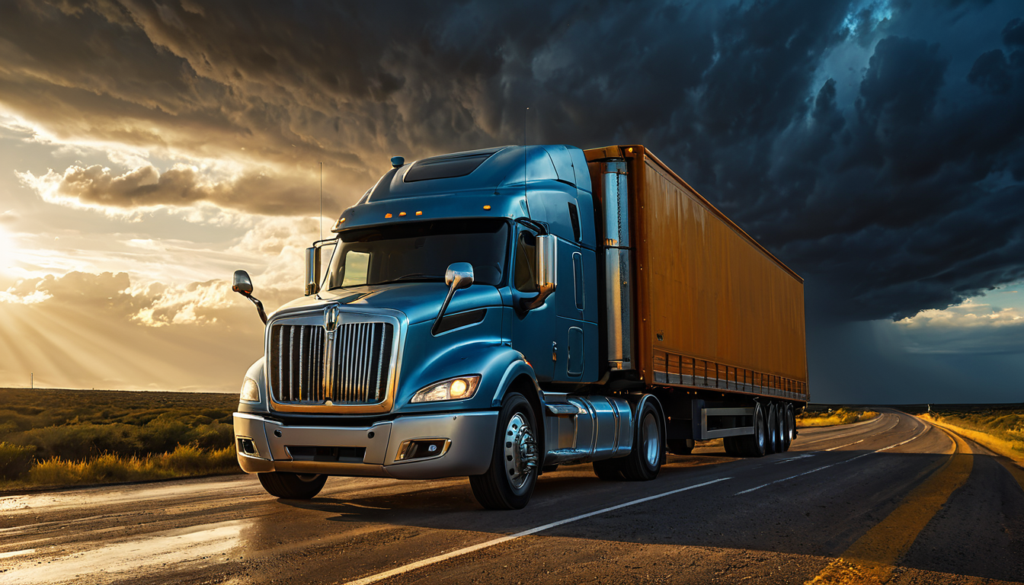
18-Wheeler Accidents in Upton County: Your Guide to Justice and Recovery
The moment an 80,000-pound 18-wheeler collides with your vehicle on Upton County’s highways, your life changes forever. The crushing impact, the chaos of the scene, the sudden realization that your world has been upended—these are moments that stay with you. If you or a loved one has been seriously injured in a trucking accident in Upton County, you need more than just medical attention. You need a legal team that understands the unique challenges of trucking litigation and knows how to hold negligent trucking companies accountable.
At Attorney911, we’ve been fighting for truck accident victims across Texas for over 25 years. Our managing partner, Ralph Manginello, has federal court experience and has secured multi-million dollar verdicts and settlements for families devastated by 18-wheeler crashes. We know Upton County’s trucking corridors, from the oil field service routes to the agricultural hauling lanes. This local knowledge, combined with our deep understanding of FMCSA regulations, gives us an advantage in building your case.
Why Upton County Trucking Accidents Are Different
Upton County presents unique challenges for trucking accident victims. Our rural location means emergency response times can be longer, and specialized medical care may require transport to larger facilities. The trucking patterns here are distinct—oil field equipment haulers, agricultural transporters, and cross-country freight carriers all share our roads.
The economic heartbeat of Upton County creates a constant flow of commercial traffic. Oil and gas operations require heavy equipment transportation, while our agricultural sector depends on trucks to move crops and livestock. This high volume of commercial vehicles increases the risk of accidents, especially when drivers are fatigued, overloaded, or improperly trained.
The Devastating Reality of 18-Wheeler Accidents
Every year, thousands of 18-wheeler accidents occur on Texas highways. In Upton County, these crashes often result in catastrophic injuries or fatalities due to several factors:
- Massive size and weight disparity: A fully loaded truck can weigh 20-25 times more than a passenger vehicle
- Longer stopping distances: Trucks require up to 40% more distance to stop than cars
- Higher center of gravity: Makes trucks more prone to rollovers
- Complex cargo securement: Improper loading can cause spills or instability
- Driver fatigue: Long hauls through Upton County’s rural areas increase fatigue risks
The injuries we see in these accidents are often life-altering:
- Traumatic brain injuries (TBI)
- Spinal cord injuries and paralysis
- Amputations
- Severe burns
- Multiple fractures
- Internal organ damage
- Wrongful death
Common Causes of Trucking Accidents in Upton County
Understanding what caused your accident is crucial to building a strong case. In our experience handling Upton County trucking cases, these are the most common causes:
Driver Fatigue and Hours of Service Violations
Truck drivers in Upton County often face long hauls with tight deadlines. Federal regulations limit driving time to prevent fatigue, but many drivers and companies violate these rules:
- 11-hour driving limit: Drivers cannot drive more than 11 hours after 10 consecutive hours off duty
- 14-hour on-duty window: Cannot drive beyond the 14th consecutive hour after coming on duty
- 30-minute break rule: Required after 8 cumulative hours of driving
- 60/70-hour weekly limit: 60 hours in 7 days or 70 hours in 8 days
- 34-hour restart: Must take 34 consecutive hours off to restart the 60/70-hour clock
We’ve seen cases where drivers falsify their logs to meet unrealistic delivery schedules. Electronic Logging Devices (ELDs) now make this harder to hide, but violations still occur.
Distracted Driving
Upton County’s long, straight highways can lull drivers into complacency. Distractions like cell phones, GPS devices, dispatch communications, or even eating while driving take attention away from the road.
Federal regulations specifically prohibit:
- Using hand-held mobile phones while driving (49 CFR § 392.82)
- Texting while driving (49 CFR § 392.80)
Improper Maintenance and Equipment Failures
Trucking companies must maintain their vehicles in safe operating condition. Common maintenance failures we see in Upton County cases include:
- Brake failures: Worn brake pads, improper adjustments, or air system leaks
- Tire blowouts: Underinflated, overloaded, or worn tires
- Lighting failures: Non-functioning headlights, brake lights, or turn signals
- Steering failures: Worn components or hydraulic system leaks
- Coupling device failures: Faulty fifth wheels or hitches
Improper Loading and Cargo Securement
Cargo must be properly secured to prevent shifting or spilling. Federal regulations (49 CFR § 393.100-136) specify:
- Cargo must be contained, immobilized, or secured to prevent movement
- Securement systems must withstand specific forces (0.8g forward, 0.5g rearward/lateral)
- Specific requirements for different cargo types (logs, metal coils, machinery, etc.)
In Upton County, we see cargo securement issues with:
- Oil field equipment (pipes, pumps, drilling rigs)
- Agricultural products (hay bales, grain, livestock)
- Heavy machinery
- Hazardous materials
Speeding and Reckless Driving
Upton County’s rural highways may seem like ideal places to make up time, but speeding is extremely dangerous for large trucks. A fully loaded truck traveling at 65 mph needs approximately 525 feet to stop—nearly two football fields.
Driver Qualification Issues
Trucking companies must ensure their drivers are properly qualified. This includes:
- Valid commercial driver’s license (CDL)
- Medical certification
- Clean driving record
- Proper training
- Drug and alcohol testing
We’ve seen cases where companies hire drivers with suspended licenses, medical conditions that should disqualify them, or histories of reckless driving.
Adverse Weather Conditions
Upton County experiences weather that can make trucking particularly hazardous:
- High winds: Can affect high-profile trailers, especially on exposed stretches
- Dust storms: Reduce visibility, especially in agricultural areas
- Flash flooding: Can make roads impassable or create hydroplaning hazards
- Icy conditions: While rare, can be particularly dangerous on bridges and overpasses
Truck drivers must adjust their driving to account for these conditions, but many fail to do so.
The Critical First Steps After a Trucking Accident in Upton County
The actions you take in the hours and days after an accident can make or break your case. Here’s what you should do:
At the Scene
- Call 911 immediately – Report the accident and request medical assistance
- Seek medical attention – Even if you feel fine, get checked out. Adrenaline masks pain, and some injuries don’t show symptoms immediately
- Document everything – Take photos and videos of:
- Vehicle damage (all vehicles involved)
- Injuries
- Road conditions
- Skid marks
- Traffic signs and signals
- Weather conditions
- Get information from the truck driver:
- Name and contact information
- CDL number
- Trucking company name and contact information
- Insurance information
- DOT number (on the truck door)
- Collect witness information – Names and contact information for anyone who saw the accident
- Don’t admit fault – Even saying “I’m sorry” can be used against you later
- Don’t give statements to insurance adjusters – The trucking company’s insurance will contact you quickly. Politely decline to give a statement until you’ve spoken with an attorney
In the Days Following the Accident
- Follow up with medical care – Attend all follow-up appointments and follow your doctor’s orders
- Document your injuries and recovery – Keep a journal of your symptoms, pain levels, and how the injuries affect your daily life
- Preserve evidence – Keep all medical records, bills, and receipts related to the accident
- Don’t post on social media – Insurance companies will use your posts against you
- Contact an experienced Upton County trucking accident attorney – The sooner you involve an attorney, the better we can protect your rights and preserve evidence
Why You Need an Attorney for Your Upton County Trucking Accident Case
Trucking accident cases are far more complex than typical car accident claims. Here’s why you need an experienced attorney:
The Complexity of Trucking Regulations
Commercial trucking is governed by a web of federal and state regulations. Our team has deep expertise in:
- Federal Motor Carrier Safety Regulations (49 CFR Parts 390-399)
- Texas Department of Transportation regulations
- Hours of Service rules
- Driver qualification standards
- Vehicle maintenance requirements
- Cargo securement rules
We know how to identify violations that prove negligence.
Multiple Potentially Liable Parties
In a trucking accident, multiple parties may share responsibility:
- The truck driver – For negligent operation
- The trucking company – For negligent hiring, training, or supervision
- The cargo owner – For improper loading or hazardous materials
- The loading company – For improper cargo securement
- The truck or trailer manufacturer – For defective equipment
- Parts manufacturers – For defective components
- Maintenance companies – For negligent repairs
- Freight brokers – For negligent carrier selection
- Government entities – For dangerous road conditions
We investigate all possible defendants to maximize your recovery.
The Trucking Company’s Rapid Response Team
Within hours of an accident, trucking companies dispatch rapid response teams to:
- Control the scene
- Gather evidence favorable to them
- Influence witnesses
- Protect their interests
You need a team that can respond just as quickly to protect your interests.
Preservation of Critical Evidence
Evidence in trucking cases disappears quickly:
- Black box data – Can be overwritten within 30 days
- ELD records – May be retained for only 6 months
- Dashcam footage – Often deleted within 7-14 days
- Surveillance video – Typically overwritten within 30 days
- Physical evidence – Vehicles may be repaired or sold
We send spoliation letters immediately to preserve this evidence.
Higher Insurance Limits
Trucking companies carry much higher insurance limits than typical drivers:
- $750,000 minimum for non-hazardous freight
- $1,000,000 for oil and large equipment
- $5,000,000 for hazardous materials
This means there’s more money available to compensate you for your injuries.
The Need for Expert Witnesses
Trucking cases often require multiple experts:
- Accident reconstructionists – To determine how the accident occurred
- Medical experts – To establish the extent of your injuries and prognosis
- Vocational experts – To assess your lost earning capacity
- Economic experts – To calculate the present value of your damages
- Trucking industry experts – To explain industry standards and violations
- Life care planners – To develop comprehensive care plans for catastrophic injuries
We have established relationships with top experts in each field.
How We Build Your Upton County Trucking Accident Case
Our approach to trucking accident cases is thorough and aggressive. Here’s how we build your case:
Immediate Evidence Preservation
Within 24-48 hours of being retained, we:
- Send spoliation letters to all potentially liable parties
- Demand preservation of all electronic data (ECM, ELD, GPS, cell phone records)
- Secure the physical truck and trailer for inspection
- Obtain police reports and 911 call recordings
- Canvass the accident scene for surveillance cameras
Comprehensive Investigation
Our investigation includes:
-
Electronic Data Analysis:
- ECM/Black Box data (speed, braking, throttle position)
- ELD records (hours of service compliance)
- GPS and telematics data (route, speed, stops)
- Cell phone records (distracted driving evidence)
- Dispatch records (schedule pressure)
-
Driver Qualification Review:
- Complete Driver Qualification File
- Employment application and background check
- Driving record and previous employers
- Medical certification and drug test history
- Training records
-
Vehicle Inspection and Maintenance Records:
- Pre-trip and post-trip inspection reports
- Annual inspection records
- Maintenance and repair records
- Out-of-service orders
- Tire and brake records
-
Cargo Documentation:
- Bill of lading
- Cargo manifest
- Loading instructions
- Securement documentation
- Weight tickets
-
Company Safety Records:
- CSA (Compliance, Safety, Accountability) scores
- Inspection history
- Crash history
- Safety rating
- Safety policies and procedures
Accident Reconstruction
We work with top accident reconstruction experts to:
- Determine the sequence of events leading to the crash
- Calculate vehicle speeds and positions
- Analyze braking distances and reaction times
- Evaluate visibility and sightlines
- Assess roadway conditions and design
- Reconstruct the accident using 3D modeling
Medical Documentation and Life Care Planning
For catastrophic injuries, we:
- Obtain complete medical records
- Consult with treating physicians
- Retain medical experts to establish causation and prognosis
- Develop comprehensive life care plans for long-term care needs
- Calculate future medical expenses
Economic Analysis
We work with economic experts to:
- Calculate past and future lost wages
- Assess lost earning capacity
- Calculate the present value of future economic losses
- Analyze fringe benefits and pension losses
Liability Analysis
We determine all potentially liable parties and theories of liability:
- Vicarious liability: Holding the trucking company responsible for the driver’s actions
- Negligent hiring: Hiring an unqualified or dangerous driver
- Negligent training: Inadequate safety training
- Negligent supervision: Failing to monitor driver performance
- Negligent maintenance: Poor vehicle upkeep
- Negligent loading: Improper cargo securement
- Negligent entrustment: Giving a vehicle to someone unfit to operate it
- Product liability: Defective truck or component parts
Settlement Negotiation
We prepare every case as if it’s going to trial, which gives us leverage in settlement negotiations. Our team includes a former insurance defense attorney who knows exactly how insurance companies evaluate claims and what tactics they use to minimize payouts.
Trial Preparation
If the insurance company refuses to make a fair offer, we’re prepared to take your case to trial. Our managing partner, Ralph Manginello, has over 25 years of courtroom experience and has secured multi-million dollar verdicts against trucking companies.
Types of Compensation Available in Upton County Trucking Accident Cases
If you’ve been injured in a trucking accident, you may be entitled to compensation for:
Economic Damages
- Medical expenses: Past, present, and future medical costs
- Lost wages: Income lost due to your injuries
- Lost earning capacity: Reduction in your ability to earn income in the future
- Property damage: Repair or replacement of your vehicle
- Out-of-pocket expenses: Transportation to medical appointments, home modifications, etc.
- Life care costs: Ongoing care for catastrophic injuries
Non-Economic Damages
- Pain and suffering: Physical pain from your injuries
- Mental anguish: Psychological trauma, anxiety, depression
- Loss of enjoyment of life: Inability to participate in activities you previously enjoyed
- Disfigurement: Scarring or visible injuries
- Physical impairment: Reduced physical capabilities
- Loss of consortium: Impact on your marriage and family relationships
Punitive Damages
In cases of gross negligence or willful misconduct, you may be entitled to punitive damages. These are designed to punish the wrongdoer and deter similar conduct in the future.
Common Trucking Accident Scenarios in Upton County
Our experience handling Upton County trucking cases has given us insight into the most common accident scenarios in our area:
Oil Field Equipment Hauling Accidents
Upton County’s oil and gas industry creates unique trucking hazards:
- Overloaded equipment: Oil field equipment often exceeds weight limits
- Improperly secured loads: Heavy pipes, pumps, and drilling rigs can shift or fall
- Wide loads: Equipment that extends beyond the trailer width creates visibility issues
- Driver fatigue: Long hours servicing remote oil field locations
- Hazardous materials: Transport of chemicals and flammable materials
Agricultural Trucking Accidents
Our agricultural sector also presents specific risks:
- Seasonal peaks: Harvest seasons create increased truck traffic
- Overloaded trucks: Grain, hay, and livestock trucks often exceed weight limits
- Slow-moving vehicles: Agricultural equipment moving between fields
- Dust and debris: Can reduce visibility on rural roads
- Driver fatigue: Long hours during planting and harvest seasons
Cross-Country Freight Accidents
Upton County sits along major freight corridors, creating risks from long-haul truckers:
- Driver fatigue: Long hours on the road
- Speeding: Attempting to make up time on long hauls
- Distracted driving: Cell phone use, dispatch communications
- Equipment failures: Deferred maintenance on long-haul vehicles
- Cargo shifts: Improperly secured loads on long trips
Underride Accidents
Underride accidents occur when a passenger vehicle slides under a truck trailer. These are often fatal:
- Rear underride: When a vehicle strikes the back of a trailer
- Side underride: When a vehicle strikes the side of a trailer
- Lack of underride guards: Many trailers lack proper rear or side guards
- Poor visibility: Trailers without proper lighting or reflectors
Jackknife Accidents
Jackknife accidents occur when the trailer swings out perpendicular to the cab:
- Sudden braking: Especially on wet or icy roads
- Speeding: Particularly on curves or ramps
- Empty trailers: More prone to swinging
- Improperly loaded cargo: Shifting loads can cause instability
- Equipment failures: Brake or coupling device failures
Rollover Accidents
Rollovers occur when a truck tips onto its side or roof:
- Speeding on curves: Especially on highway ramps
- Improperly secured cargo: Shifting loads change the center of gravity
- Liquid cargo: “Slosh” can destabilize the vehicle
- Driver overcorrection: After running off the road or avoiding an obstacle
- Equipment failures: Steering or suspension failures
Tire Blowout Accidents
Tire failures are common on Upton County’s roads:
- Underinflated tires: Cause overheating and failure
- Overloaded vehicles: Exceed tire capacity
- Worn tires: Not replaced when tread is low
- Road debris: Punctures from objects on the road
- Manufacturing defects: Defective tire construction
Brake Failure Accidents
Brake failures are a leading cause of trucking accidents:
- Worn brake pads: Not replaced when worn
- Improper brake adjustment: Too loose to be effective
- Air brake system leaks: Reduce braking power
- Overheated brakes: On long descents (brake fade)
- Deferred maintenance: Ignoring known brake issues
Cargo Spill Accidents
Cargo spills create hazards for other vehicles:
- Improperly secured loads: Falling cargo
- Overloaded vehicles: Exceeding securement capacity
- Hazardous materials spills: Chemical exposure, fires, explosions
- Debris on roadway: Causes secondary accidents
- Liquid cargo spills: Create slippery road surfaces
The Upton County Advantage: Local Knowledge Matters
When you choose Attorney911 for your Upton County trucking accident case, you get more than just legal expertise—you get local knowledge that makes a difference:
We Know Upton County’s Roads
We understand the unique challenges of our local highways:
- I-10 corridor: Heavy freight traffic, high speeds, long straightaways
- US-67: Connects to major oil field operations
- FM 305: Rural road with agricultural traffic
- County roads: Narrow lanes, limited shoulders, changing conditions
- Oil field service roads: Unpaved, rough terrain, heavy equipment
We Understand Local Trucking Patterns
Our experience with Upton County trucking gives us insight into:
- Oil field equipment hauling: Specialized loads and securement challenges
- Agricultural transportation: Seasonal peaks and overloaded trucks
- Cross-country freight: Long-haul driver fatigue issues
- Local delivery routes: Urban challenges in Rankin and McCamey
We Know the Local Courts and Judges
Our familiarity with Upton County’s legal system helps us:
- Navigate local court procedures
- Understand judge preferences and tendencies
- Work effectively with local clerks and staff
- Build relationships with local experts and witnesses
We Understand the Local Economy
Upton County’s economic drivers create specific trucking challenges:
- Oil and gas industry: Heavy equipment, hazardous materials, 24/7 operations
- Agriculture: Seasonal peaks, overloaded trucks, slow-moving equipment
- Cross-country freight: Long-haul drivers, fatigue issues, deferred maintenance
We Know the Local Medical Facilities
We understand the medical resources available in Upton County:
- Medical Center Hospital in Odessa (Level III Trauma Center)
- Midland Memorial Hospital (Level III Trauma Center)
- Permian Regional Medical Center in Andrews
- Specialized care facilities in larger cities for catastrophic injuries
Our Track Record of Success in Trucking Cases
At Attorney911, we have a proven track record of holding trucking companies accountable:
- $5+ Million – Logging brain injury settlement
- $3.8+ Million – Car accident amputation settlement
- $2+ Million – Maritime back injury settlement
- $2.5M – Truck crash recovery
- Millions recovered for families in trucking-related wrongful death cases
Our managing partner, Ralph Manginello, has been fighting for injury victims since 1998. He has federal court experience and has secured multi-million dollar verdicts and settlements against major trucking companies.
What Our Clients Say About Us
“They fought for me to get every dime I deserved.”
— Glenda Walker, Attorney911 Client
“You are NOT just some client… You are FAMILY to them.”
— Chad Harris, Attorney911 Client
“They solved in a couple of months what others did nothing about in two years.”
— Angel Walle, Attorney911 Client
“Ralph Manginello is indeed the best attorney I ever had. He cares greatly about his results.”
— AMAZIAH A.T., Attorney911 Client
“Mr. Maginello and his firm are first class. Will fight tooth and nail for you.”
— Ernest Cano, Attorney911 Client
“In the beginning I had another attorney but he dropped my case although Mangiello law firm were able to help me out.”
— Greg Garcia, Attorney911 Client
Frequently Asked Questions About Upton County Trucking Accidents
What should I do immediately after a trucking accident in Upton County?
If you’ve been in a trucking accident in Upton County, take these steps immediately if you’re able:
- Call 911 and report the accident
- Seek medical attention, even if injuries seem minor
- Document the scene with photos and video if possible
- Get the trucking company name, DOT number, and driver information
- Collect witness contact information
- Do NOT give recorded statements to any insurance company
- Call an 18-wheeler accident attorney immediately
How long do I have to file a trucking accident lawsuit in Upton County?
In Texas, you have 2 years from the date of the accident to file a personal injury lawsuit. However, you should never wait. Evidence disappears quickly in trucking cases. The sooner you contact us, the stronger your case will be.
How much is my Upton County trucking accident case worth?
Case values depend on many factors:
- Severity of your injuries
- Medical expenses (past and future)
- Lost income and earning capacity
- Pain and suffering
- Degree of the trucking company’s negligence
- Insurance coverage available
Trucking companies carry higher insurance limits ($750,000 minimum, often $1-5 million), allowing for larger recoveries than typical car accidents. We’ve seen verdicts ranging from hundreds of thousands to hundreds of millions.
What if the truck driver says the accident was my fault?
Texas uses a “modified comparative negligence” system. Even if you were partially at fault, you may still recover compensation. If you were less than 50% at fault, your recovery is reduced by your percentage of fault. Our job is to investigate thoroughly, gather evidence (especially ECM and ELD data), and prove what really happened.
What is a spoliation letter and why is it important?
A spoliation letter is a legal notice demanding that the trucking company preserve all evidence related to the accident. This includes:
- ECM/Black Box data
- ELD records
- Maintenance records
- Driver Qualification File
- Drug and alcohol test results
- Dashcam footage
- The physical truck and trailer
Sending this letter immediately puts the trucking company on notice that destroying evidence will result in serious legal consequences.
What is an ELD and why is it important?
An Electronic Logging Device (ELD) is a federally mandated device that records driver hours of service. ELD data proves whether the driver violated federal rest requirements and was driving while fatigued. Hours of service violations are among the most common causes of trucking accidents.
How do you prove the truck driver was fatigued?
We use multiple sources of evidence to prove driver fatigue:
- ELD records: Show hours of service violations
- ECM data: May show erratic driving patterns consistent with fatigue
- Dispatch records: Show unrealistic schedules
- Cell phone records: May show late-night communications
- Witness statements: May describe driver behavior
- Driver’s work history: May show pattern of long hours
What if the trucking company goes bankrupt?
Even if the trucking company goes out of business, there may still be avenues for recovery:
- Insurance coverage: The company’s insurance policy may still be in effect
- Other liable parties: Cargo owners, loading companies, maintenance providers
- Product liability claims: Against truck or parts manufacturers
- Freight brokers: For negligent carrier selection
- Government entities: For road design defects
Can I sue the trucking company even if the driver was an independent contractor?
Yes. Even if the driver was an independent contractor, the trucking company may still be liable under several legal theories:
- Negligent hiring: Hiring an unqualified or dangerous driver
- Negligent training: Inadequate safety training
- Negligent supervision: Failing to monitor driver performance
- Negligent maintenance: Poor vehicle upkeep
- Negligent entrustment: Giving a vehicle to someone unfit to operate it
What if I was partially at fault for the accident?
Texas uses a “modified comparative negligence” system. As long as you were not more than 50% at fault, you can still recover compensation. Your recovery will be reduced by your percentage of fault. For example, if you were 20% at fault, you would recover 80% of your damages.
How long does a trucking accident case take to resolve?
Timelines vary:
- Simple cases with clear liability: 6-12 months
- Complex cases with multiple parties: 1-3 years
- Cases that go to trial: 2-4 years
We work to resolve cases as quickly as possible while maximizing your recovery.
Will my case go to trial?
Most cases settle before trial, but we prepare every case as if it’s going to trial. Insurance companies know which lawyers are willing to go to court—and they offer better settlements to clients with trial-ready attorneys. We have the resources and experience to take your case all the way if necessary.
Do I need to pay anything upfront to hire your firm?
No. We work on contingency—you pay nothing unless we win your case. We advance all costs of investigation and litigation. You never receive a bill from us. When we win, our fee comes from the recovery, not your pocket.
What if the trucking company offers me a quick settlement?
Quick settlement offers are designed to pay you far less than your case is worth before you understand the full extent of your injuries. Never accept any settlement without consulting an experienced trucking accident attorney first.
Can I still recover if the truck driver was uninsured?
If the truck driver was uninsured, you may still have options:
- Your own uninsured/underinsured motorist (UM/UIM) coverage
- The trucking company’s insurance policy
- Other liable parties (cargo owner, maintenance company, etc.)
- Product liability claims against manufacturers
What if I don’t have health insurance?
If you don’t have health insurance, we can help you get medical treatment through:
- Letters of Protection (LOP): Doctors treat you now and get paid when your case settles
- Medical payment coverage: From your own auto insurance
- Healthcare liens: Some providers will treat you based on a lien against your settlement
What if I was injured while working?
If you were injured in a trucking accident while working, you may have multiple claims:
- Workers’ compensation: For medical expenses and lost wages
- Third-party claim: Against the trucking company and other liable parties
- Personal injury claim: For pain and suffering and other non-economic damages
What if my loved one was killed in a trucking accident?
If a trucking accident took your loved one, you may be entitled to compensation through a wrongful death claim. In Texas, the following family members can bring a wrongful death claim:
- Surviving spouse
- Children (minor and adult)
- Parents
Damages available in wrongful death cases include:
- Lost future income and benefits
- Loss of consortium (companionship, care, guidance)
- Mental anguish and emotional suffering
- Funeral and burial expenses
- Medical expenses before death
- Pain and suffering experienced by the decedent before death
- Punitive damages (in cases of gross negligence)
What if the truck was carrying hazardous materials?
Hazardous materials accidents create additional dangers and legal complexities:
- Chemical exposure: Burns, respiratory damage, long-term health effects
- Fires and explosions: Severe burns, property damage
- Environmental contamination: Cleanup costs, health risks
- Higher insurance limits: $5 million minimum for hazmat carriers
- Additional regulations: Specific FMCSA rules for hazmat transportation
What if the accident was caused by a defective truck part?
If a defective truck part caused your accident, you may have a product liability claim against:
- The truck manufacturer
- The parts manufacturer
- The maintenance company (if they installed the defective part)
Product liability claims require proving that the part was defective and that the defect caused your injuries.
What if the accident was caused by poor road conditions?
If dangerous road conditions contributed to your accident, you may have a claim against:
- Texas Department of Transportation (TxDOT): For road design or maintenance issues
- Upton County: For county road issues
- City of Rankin or McCamey: For municipal road issues
Government claims have special rules and shorter deadlines. It’s crucial to contact an attorney immediately.
What if the truck driver was distracted?
Distracted driving is a leading cause of trucking accidents. We can prove distraction through:
- Cell phone records: Showing calls or texts at the time of the accident
- Dispatch records: Showing communications with the driver
- Witness statements: Describing driver behavior
- ECM data: Showing erratic driving patterns
- Dashcam footage: If available
What if the truck driver was under the influence?
Driving under the influence of drugs or alcohol is a serious violation of federal regulations. We can prove impairment through:
- Police reports: Field sobriety tests, breathalyzer results
- Drug and alcohol test results: Post-accident testing
- Witness statements: Describing driver behavior
- Dispatch records: May show erratic communications
- ECM data: May show erratic driving patterns
What if the trucking company falsified records?
Falsifying records is a serious violation that can lead to punitive damages. We look for:
- Falsified ELD records: Showing compliance with hours of service rules
- Falsified maintenance records: Showing proper vehicle upkeep
- Falsified inspection reports: Showing compliance with safety regulations
- Falsified driver qualification files: Showing proper hiring procedures
What if I was a passenger in the truck?
If you were a passenger in the truck, you may have claims against:
- The truck driver
- The trucking company
- Other liable parties
Your status as a passenger doesn’t prevent you from recovering compensation for your injuries.
What if I was a pedestrian or cyclist?
Pedestrians and cyclists are especially vulnerable to trucking accidents. These cases often involve:
- Blind spot accidents: Trucks turning or changing lanes
- Wide turn accidents: Trucks swinging wide and striking pedestrians
- Crosswalk accidents: Trucks failing to yield
- Backing accidents: Trucks striking pedestrians while backing up
What if the truck was a government vehicle?
Accidents involving government trucks (military, postal service, etc.) have special rules:
- Sovereign immunity: Limits government liability
- Shorter deadlines: For filing claims
- Special procedures: For pursuing claims
It’s crucial to contact an attorney immediately if a government vehicle was involved.
What if multiple vehicles were involved?
Multi-vehicle accidents create complex liability issues. We investigate:
- The sequence of events
- Which vehicle caused the initial impact
- Contributing factors from each vehicle
- Shared liability among multiple parties
What if the trucking company is based in another state?
Interstate trucking creates complex jurisdiction issues. We determine:
- Where to file the lawsuit
- Which state’s laws apply
- How to serve out-of-state defendants
- How to enforce judgments across state lines
Our federal court experience helps us navigate these complexities.
What if the accident happened at night?
Nighttime accidents create additional challenges:
- Visibility issues: Poor lighting, glare from headlights
- Driver fatigue: More common at night
- Impaired driving: More likely at night
- Evidence preservation: More difficult in the dark
We work with accident reconstruction experts to analyze nighttime accidents.
What if the accident happened in a work zone?
Work zone accidents create special liability issues:
- Government liability: For improper work zone design
- Construction company liability: For improper signage or traffic control
- Trucking company liability: For failing to adjust to work zone conditions
- Higher penalties: For violations in work zones
What if the truck was overloaded?
Overloaded trucks create serious hazards:
- Brake failures: Due to increased stopping distance
- Tire blowouts: Due to excessive weight
- Rollovers: Due to higher center of gravity
- Cargo spills: Due to securement failures
We investigate weight tickets and loading records to prove overloading.
What if the truck was improperly maintained?
Improper maintenance is a leading cause of trucking accidents. We investigate:
- Maintenance records: Showing deferred repairs
- Inspection reports: Showing known defects
- Out-of-service orders: Showing violations
- Parts records: Showing use of substandard parts
What if the truck driver was inexperienced?
Inexperienced drivers are more likely to cause accidents. We investigate:
- Driver qualification file: Showing training and experience
- Employment history: Showing previous accidents or violations
- Training records: Showing adequacy of training
- Company hiring practices: Showing negligent hiring
What if the trucking company pressured the driver to violate regulations?
Trucking companies that pressure drivers to violate regulations can be held liable. We look for:
- Dispatch records: Showing unrealistic schedules
- Company policies: Encouraging violations
- Driver statements: About company pressure
- ELD records: Showing pattern of violations
What if the accident was caused by a medical emergency?
If the driver suffered a medical emergency, we investigate:
- Driver’s medical history: Known conditions
- Medical certification: Whether the driver was properly certified
- Company knowledge: Whether the company knew of the condition
- Previous incidents: Whether the driver had similar episodes
What if the accident was caught on dashcam?
Dashcam footage can be powerful evidence. We:
- Demand preservation of all dashcam footage
- Analyze the footage for evidence of negligence
- Use the footage in settlement negotiations
- Present the footage at trial if necessary
What if I don’t remember the accident?
Memory loss is common after traumatic accidents. We:
- Rely on other evidence (ECM data, witness statements, etc.)
- Work with medical experts to document your injuries
- Use your medical records to establish the accident’s impact
What if the trucking company offers to pay my medical bills?
Trucking companies may offer to pay medical bills to:
- Get you to sign a release
- Limit their liability
- Avoid a larger settlement
Never accept any offer without consulting an attorney first.
What if I was injured by a truck’s cargo?
If you were injured by cargo that fell from a truck, we investigate:
- Cargo securement: Whether it was properly secured
- Loading practices: Whether proper procedures were followed
- Weight limits: Whether the truck was overloaded
- Company policies: Regarding cargo securement
What if the truck was a rental?
Rental truck accidents create special liability issues:
- Rental company liability: For negligent maintenance or inspection
- Renter liability: For negligent operation
- Trucking company liability: If the renter was working for them
- Insurance coverage: From multiple policies
What if the truck was a moving van?
Moving van accidents create unique issues:
- Household goods: Often improperly secured
- Overloaded vehicles: Common in moving industry
- Inexperienced drivers: Often used for moving jobs
- Rental company liability: For negligent maintenance
What if the truck was a garbage truck?
Garbage truck accidents have special characteristics:
- Limited visibility: From loading arms and equipment
- Frequent stops: Creating rear-end collision risks
- Hazardous materials: From trash contents
- Municipal liability: If the truck was government-owned
What if the truck was a bus?
Bus accidents create special liability issues:
- Multiple victims: Many injured passengers
- Government liability: If the bus was public transportation
- Higher insurance limits: For passenger carriers
- Special regulations: For passenger carriers
What if the truck was a tow truck?
Tow truck accidents create unique hazards:
- Improperly secured vehicles: Creating additional hazards
- Roadside operations: Creating visibility issues
- Equipment failures: From heavy-duty use
- Driver inexperience: Common in towing industry
The Attorney911 Difference: Why Choose Us for Your Upton County Trucking Accident Case
When you’re fighting a trucking company, you need more than just a lawyer—you need a team with the experience, resources, and determination to win. Here’s what sets Attorney911 apart:
25+ Years of Experience Fighting Trucking Companies
Our managing partner, Ralph Manginello, has been fighting for injury victims since 1998. He has:
- Secured multi-million dollar verdicts and settlements
- Federal court experience in the Southern District of Texas
- Experience litigating against Fortune 500 trucking operations
- A track record of holding trucking companies accountable
Former Insurance Defense Attorney on Staff
Our team includes Lupe Peña, a former insurance defense attorney who knows exactly how trucking insurers operate. He:
- Understands how insurance companies evaluate claims
- Knows the tactics they use to minimize payouts
- Can anticipate and counter their strategies
- Brings insider knowledge to your case
Deep Understanding of FMCSA Regulations
We have comprehensive knowledge of federal trucking regulations (49 CFR Parts 390-399), including:
- Hours of Service rules
- Driver qualification standards
- Vehicle maintenance requirements
- Cargo securement rules
- Drug and alcohol testing requirements
This expertise allows us to identify violations that prove negligence.
Experience with Major Corporate Defendants
We have successfully litigated against major commercial entities, including:
- Walmart trucking operations
- Coca-Cola distribution vehicles
- Amazon delivery trucks
- FedEx trucks
- UPS trucks
- Various commercial trucking companies
Federal Court Experience
Our admission to the U.S. District Court, Southern District of Texas, gives us the ability to handle interstate trucking cases that may be filed in federal court.
Multi-Million Dollar Results
We have a proven track record of recovering substantial compensation for our clients:
- $5+ Million – Logging brain injury settlement
- $3.8+ Million – Car accident amputation settlement
- $2+ Million – Maritime back injury settlement
- $2.5M – Truck crash recovery
- Millions recovered for families in trucking-related wrongful death cases
Comprehensive Investigation Resources
We have the resources to conduct thorough investigations:
- Accident reconstruction experts
- Medical experts
- Vocational experts
- Economic experts
- Life care planners
- Trucking industry experts
Aggressive Litigation Approach
We prepare every case as if it’s going to trial. This approach:
- Creates leverage in settlement negotiations
- Shows the insurance company we’re serious
- Demonstrates our willingness to fight for maximum compensation
- Often leads to better settlements without the need for trial
Compassionate Client Service
We understand that you’re going through one of the most difficult times in your life. We:
- Treat you like family, not just another case
- Keep you informed every step of the way
- Answer your questions promptly
- Provide support and guidance throughout the process
Local Upton County Knowledge
We know Upton County’s:
- Roads and highways
- Trucking patterns
- Courts and judges
- Medical facilities
- Economic drivers
This local knowledge gives us an advantage in building your case.
Bilingual Services
Our associate attorney, Lupe Peña, is fluent in Spanish. We provide:
- Direct communication with Spanish-speaking clients
- No need for interpreters
- Services to Upton County’s Hispanic community
- Spanish-language consultations
Hablamos Español. Llame al 1-888-ATTY-911.
24/7 Availability
We understand that accidents don’t happen on a 9-to-5 schedule. We’re available:
- 24 hours a day
- 7 days a week
- 365 days a year
When you call, we answer.
Don’t Wait—Protect Your Rights Today
Every hour you wait, evidence in your Upton County trucking accident case is disappearing. Black box data can be overwritten. Dashcam footage gets deleted. Witnesses forget what they saw. Trucking companies hire rapid-response teams to protect their interests.
You need a team that moves just as fast to protect yours.
If you or a loved one has been seriously injured in a trucking accident in Upton County, call Attorney911 NOW at 1-888-ATTY-911 for a free consultation. We’ll send a preservation letter today to protect your evidence and start building your case.
Our Upton County trucking accident attorneys offer free consultations and work on contingency—you pay nothing unless we win your case.
Don’t let the trucking company win. Call Attorney911 today.