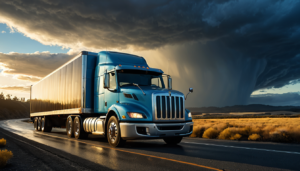
California Truck Accident & Commercial Vehicle Litigation Guide
One moment, you are driving your family home along the I-5 or navigating the busy interchanges of the 405. The next, 80,000 pounds of steel and cargo are hurtling toward you, leaving you no time to react and no chance to escape. When an 18-wheeler, a delivery van, or a massive dump truck slams into a passenger vehicle, it isn’t an accident—it’s a catastrophic failure of safety and responsibility. At Attorney911, we know that after a truck wreck, the clock doesn’t just start ticking; it starts racing. The trucking company already has a team of investigators on the way to the scene before the ambulance even leaves with you. You need a fighter who moves just as fast.
Ralph Manginello has spent more than 25 years in the trenches of high-stakes litigation, fighting for families across California and the nation. Our firm isn’t just another personal injury office; we are a specialized trucking litigation powerhouse. Since 1998, Ralph Manginello has built a reputation for making massive corporations pay when they cut corners on safety. We bring federal court experience to every file, which is critical because many California trucking cases involve interstate commerce and federal regulations that demand a sophisticated legal approach.
We don’t just guess what the other side is thinking. Our team includes associate attorney Lupe Peña, a former insurance defense lawyer. He spent years inside the system, learning the exact strategies insurance companies use to minimize your pain and deny your claim. He knows the formulas they use to value cases and the manipulation tactics adjusters use during recorded statements. Now, he uses that “insider playbook” to help our clients in California get every dime they deserve. If you have been hurt in a truck accident anywhere in California, call us 24/7 at 1-888-ATTY-911 for a free, no-obligation consultation.
Why Truck Accidents in California Are Fundamentally Different
When you are hit by a regular car in California, you are usually dealing with one driver and one insurance policy. When you are hit by a commercial vehicle, the complexity grows exponentially. An 18-wheeler is 20 to 25 times heavier than your car. While a passenger sedan weighs roughly 4,000 pounds, a fully loaded semi-truck can weigh up to 80,000 pounds under federal law. This weight disparity means that even at low speeds, the kinetic energy transferred during an impact is enough to crush steel and cause permanent, life-altering injuries.
The stopping distance for a commercial truck is also a major factor in California wrecks. A loaded 18-wheeler traveling at 65 mph needs approximately 525 feet to come to a complete stop—that is nearly two football fields. On California’s congested highways, trucks often follow too closely, leaving them zero room to maneuver when traffic slows down near the Port of Long Beach or on the steep grades of the Grapevine.
Because the stakes are so high, the Federal Motor Carrier Safety Administration (FMCSA) imposes strict regulations on every trucking company and driver operating in California. Proving a violation of these rules is the key to unlocking the multi-million dollar settlements our firm is known for. We have recovered millions for victims, including traumatic brain injury settlements ranging from $1.5 million to nearly $10 million.
Call 1-888-ATTY-911. The trucking company has lawyers. So should you.
49 CFR: The Federal Rules That Prove Negligence in California
Every 18-wheeler crossing the California state line must comply with Title 49 of the Code of Federal Regulations. These aren’t just suggestions; they are the law. At Attorney911, we use these regulations to prove that the trucking company was negligent from the start.
Part 391: Was the Driver Qualified to Be on California Roads?
Under 49 CFR § 391.11, trucking companies have a non-delegable duty to ensure their drivers are qualified. This means they must verify the driver is at least 21, can speak English well enough to communicate with the public, and most importantly, has a valid Commercial Driver’s License (CDL) and a current medical examiner’s certificate.
In California, where driver shortages lead some companies to hire inexperienced or unqualified operators, we meticulously subpoena the “Driver Qualification File.” If a motor carrier put a driver on the road who had a history of DUIs, a failed medical exam, or insufficient training, we hold the company liable for negligent hiring. Our managing partner, Ralph Manginello, has seen firsthand how companies ignore red flags in a driver’s background just to keep their trucks moving through California distribution hubs.
Part 395: Driver Fatigue and Hours of Service (HOS)
Fatigue is the silent killer on California highways. Under 49 CFR § 395.3, property-carrying drivers are limited to 11 hours of driving time after 10 consecutive hours off duty. They cannot drive beyond the 14th consecutive hour after coming on duty.
These rules exist because a fatigued driver is just as dangerous as a drunk driver. Since December 2017, the ELD (Electronic Logging Device) mandate has required most trucks to record driving time automatically. However, we still see companies in California pressuring drivers to “ghost log” or falsify their hours to make a delivery at an Amazon fulfillment center in Riverside or a Walmart warehouse in Apple Valley. We move immediately to preserve this ELD data because it often proves the driver had been awake for 20+ hours at the moment of impact.
Part 393 & 396: Brake Failures and Maintenance Neglect
Under 49 CFR § 396.3, every motor carrier must systematically inspect, repair, and maintain all vehicles under its control. This is vital in California, where trucks face extreme temperatures in the Central Valley and heavy braking on mountain passes. Brake problems are a factor in nearly 30% of all commercial truck crashes. If a trucking company skipped an annual inspection or ignored a driver’s report of “spongy” brakes to save money, they are responsible for the carnage that follows.
Don’t let them hide the truth. Call 888-ATTY-911. Hablamos Español. Llame a Lupe Peña para una consulta gratis.
California Truck Accident Types: The Mechanics of a Wreck
Each truck accident in California has its own unique physics and evidence profile. At Attorney911, we work with accident reconstruction experts to prove exactly how the crash happened.
Jackknife Accidents on California Highways
A jackknife occurs when the trailer of an 18-wheeler swings out perpendicular to the cab, resembling a folding pocket knife. This often happens on wet California roads after a sudden rain or in the mountain passes during a winter storm. When a trailer jackknifes across four lanes of I-80, there is no escape for the drivers behind it. This is usually caused by improper braking or bald tires—violations of 49 CFR § 393.75.
Underride Collisions: The Most Lethal California Wreck
Underride collisions are among the most horrific cases we handle. This is where a smaller vehicle strikes the rear or side of a trailer and slides underneath. The trailer height is perfectly positioned to shear off the top of a passenger car, often resulting in decapitation or catastrophic TBI. Federal law (49 CFR § 393.86) requires rear impact guards, but if those guards were rusted, poorly maintained, or missing, the trucking company is liable for the wrongful death.
California Rollover Accidents
Commercial trucks have a high center of gravity. In California, we see rollovers frequently on the sharp interchanges of the 110 or during the Santa Ana wind events in the Inland Empire. If a driver takes a turn too fast or if the cargo was improperly loaded (violating Part 393’s cargo securement rules), the truck will tip. Our firm has recovered settlements as high as $8.6 million for amputation injuries resulting from these crushing rollover accidents.
Wide Turn “Squeeze Play” in Urban California
Professional truck drivers know their trailers “off-track,” meaning the rear wheels follow a shorter path than the front wheels. In the tight streets of San Francisco or downtown Los Angeles, drivers often swing wide to the left before turning right. If they fail to check their mirrors or signal properly, they can “squeeze” a nearby car, cyclist, or pedestrian against the curb. We hold these drivers accountable for their failure to share the road safely.
Brake Failure and Tire Blowouts
If you were hit because a truck couldn’t stop or because a “road gator” (tire debris) smashed through your windshield, the cause is almost always maintenance neglect. We know that trucking companies in California often defer maintenance to keep profits high. Ralph Manginello has spent 25+ years proving that these “mechanical failures” are actually human failures at the corporate level.
Cargo Spills and HAZMAT Incidents
California is a massive hub for the transport of chemicals, fuel, and agricultural products. A cargo spill isn’t just a traffic delay; it’s a hazmat emergency. Whether it’s a crude oil tanker in Kern County or a chemical truck near the Silicon Valley, a spill can cause severe burns, respiratory damage, and environmental poisoning. 49 CFR Part 397 requires specialized training and million-dollar insurance policies for these loads.
Every hour you wait, evidence disappears. Call 1-888-ATTY-911 now.
Corporate Fleet Accidents: Amazon, Walmart, and the “Contractor Shield”
When you are hit by a branded vehicle in California, you are facing a corporate giant. Amazon, Walmart, FedEx, and UPS are among the most frequent defendants in California courts. These companies have deeper pockets, but they also have more complex defenses.
Amazon Delivery Van Accidents in California
Amazon handles billions of packages, and their blue branded vans are on every residential street in California. However, if an Amazon van hits you, the company will likely claim the driver doesn’t work for them. They use “Delivery Service Partners” (DSPs) to create a liability shield.
But here is what they don’t want you to know: Amazon controls the routes via algorithm, sets the delivery quotas that force drivers to speed, and monitors every move with Netradyne cameras and the Mentor app. We know how to pierce that shield. We argue that because Amazon exercises total control over the “method and manner” of the work, they are the true employer. Ralph Manginello and Lupe Peña have gone head-to-head with some of the largest corporations in the world, including BP during the Texas City explosion litigation, and we are not intimidated by Amazon’s fleet of lawyers.
Walmart Trucking Wrecks
Walmart operates the largest private fleet in America. Unlike Amazon, Walmart drivers are usually direct employees. The challenge in a Walmart case is their “Self-Insured Retention.” This means Walmart pays the first several million dollars of a claim out of their own bank account. They fight harder because it is their own money on the line. They have rapid-response teams on-site in California within hours. You need an attorney who can match their intensity.
FedEx and UPS Liability in California
FedEx Ground also uses an independent contractor model, while UPS drivers are typically employees. Both companies are under extreme delivery pressure, especially during the holiday season. If a package truck ran a red light or hit you in a California parking lot, we investigate the dispatch records to see if the driver was pushed beyond safe limits.
Call us at (888) 288-9911. We have recovered over $50 million for families. No fee unless we win.
Oilfield Trucking Accidents: The San Joaquin Valley and Beyond
While many think of California only for its cities, it is a major oil-producing state. In regions like the San Joaquin Valley and near Bakersfield, the roads are shared with heavy oilfield vehicles. Water trucks, frac sand haulers, and crude tankers dominate the local lanes.
Oilfield trucking accidents are unique because they often involve dual jurisdiction. On the highway, FMCSA applies. On the wellsite or lease road, OSHA (Occupational Safety and Health Administration) standards like 29 CFR 1910.178 apply. Drivers in the oilfield work brutal 12-to-14 hour shifts, often rotating through day and night schedules. Fatigue is rampant.
If you were hit by a Halliburton, Schlumberger, or Baker Hughes truck in California’s oil patch, you are dealing with an industrial giant. These cases often involve toxic exposure, like Hydrogen Sulfide (H2S), or crush injuries from shifting heavy equipment. Ralph Manginello’s experience in major industrial disaster litigation is a massive asset when taking on the oil and gas industry in California.
Additional Commercial Vehicle Types in California
Truck accident law isn’t just about 18-wheelers. Any commercial vehicle that causes an injury in California falls under our expertise.
- Dump Trucks and Concrete Mixers: These are among the heaviest vehicles on California roads, often weighing 60,000 to 70,000 lbs. A concrete mixer rollover on a California city street is almost always fatal for those in smaller cars because the liquid payload shifts unpredictably.
- Garbage Trucks: Operating in residential neighborhoods, these trucks have massive blind spots and are often involved in backing accidents. They are a significant cause of child pedestrian fatalities in California.
- Rental Trucks (U-Haul, Penske): California allows anyone with a standard driver’s license to rent a 26-foot truck. These drivers have zero commercial training. If an untrained driver in a rented truck slammed into you, we investigate whether the rental company was negligent in entrusting that vehicle.
- Buses and Transit Vehicles: If a city bus or a school bus caused your accident, you are up against a government entity. In California, you have very strict deadlines to file a “Tort Claim Notice” before you can even bring a lawsuit. Miss that deadline, and your case is dead.
The 48-Hour Evidence Preservation Protocol
The most common reason victims lose their California trucking cases is the loss of evidence. Trucking companies are legally allowed to destroy certain records after six months unless they are put on “litigation hold.”
Within 48 hours, we send a Spoliation Letter to the carrier and their insurer. This demands they preserve:
- ECM “Black Box” Data: This records speed, braking, and steering inputs. The data is often overwritten in 30 days.
- ELD Logs: Federal law only requires carriers to keep logs for 6 months.
- Driver Qualification Files: We need to see if they checked the driver’s California MVR (Motor Vehicle Record).
- In-Cab Video: Systems like DriveCam or Netradyne often delete routine footage within 72 hours.
- Post-Accident Drug Tests: FMCSA requires drug tests within 32 hours and alcohol tests within 8 hours. If they skipped the test, we need to know.
Don’t let the evidence disappear into a California junkyard. Call 1-888-ATTY-911 today.
Catastrophic Injuries and the Cost of a Life in California
A serious truck wreck rarely leaves victims with just “scrapes and bruises.” We represent California families dealing with the most devastating outcomes.
Traumatic Brain Injury (TBI)
The force of an 18-wheeler impact can cause the brain to slam against the skull, shearing axons and causing permanent cognitive damage. We have helped TBI victims in California recover settlements up to $9.8 million. These funds are used for cognitive therapy, 24/7 care, and replacing a lifetime of lost income.
Spinal Cord Injury and Paralysis
A crushed vertebrae or severed spinal cord is a life sentence. The lifetime cost of a high-cervical spinal cord injury can exceed $5 million in the first year alone. We work with life care planners and economists in California to ensure your settlement covers every single medical bill, home modification, and specialized vehicle you will need for the rest of your life.
Amputation and Crush Injuries
Being trapped in a vehicle after a California truck wreck often results in traumatic amputation or “compartment syndrome.” We have secured $3.8 million for clients who lost limbs in motor vehicle crashes. We ensure you get the best prosthetics and the long-term physical therapy required to regain your independence.
Wrongful Death in California
If you lost a loved one, we are deeply sorry. In California, the law allows you to seek justice through a wrongful death claim. You can recover for the loss of companionship, mental anguish, and the financial support the deceased would have provided. Our wrongful death recoveries for families often reach the $9.5 million range.
Is a headache normal after a car accident? Learn more in our video guide: https://www.youtube.com/watch?v=7EF82H16eCo
Who Is Really Liable for Your California Truck Accident?
Most lawyers only sue the driver. We dig deeper. To get you the maximum settlement, we identify every single party with an insurance policy:
- The Trucking Company: For vicarious liability and negligent supervision.
- The Cargo Shipper: If an overloaded or unbalanced load caused the wreck.
- The Loading Facility: For improper cargo securement (Part 393 violations).
- The Maintenance Shop: If they failed to fix a known brake or steering issue.
- The Freight Broker: For hiring a “bottom tier” carrier with a bad safety record.
- The Truck Manufacturer: If a tire blew out or an airbag failed due to a defect.
- The Corporate Brand: For exercising control over the driver’s schedule.
By identifying multiple defendants, we can “stack” insurance policies. If a California carrier only has $750,000 in coverage, but we find the broker or shipper is also liable, we can access millions more in umbrella and general liability policies.
Hablamos Español. Llame a Lupe Peña al 1-888-ATTY-911 para una consulta sin costo.
Understanding California Trucking Insurance and Damages
Under FMCSA Part 387, most 18-wheelers crossing into California must carry at least $750,000 in liability insurance. If they haul hazardous materials, that minimum jumps to $5,000,000.
But California is a Pure Comparative Fault state. This is an incredible advantage for victims. Even if a jury finds you were 30% at fault for the crash, you can still recover the other 70% of your damages. In some states, if you are 51% at fault, you get zero. Not in California. You can recover even if you were partially responsible.
We pursue three types of damages:
- Economic: Every dollar you lost—past and future medical bills, lost wages, and lost earning capacity.
- Non-Economic: The human cost—pain and suffering, mental anguish, disfigurement, and loss of enjoyment of life.
- Punitive: If the trucking company falsified logs or knowingly put a drunk driver on California roads, we ask the jury to punish them with additional damages.
As client Chad Harris said, “You are NOT just some client… You are FAMILY to them.” We treat your case with the same urgency we would for our own family.
Frequently Asked Questions: California Trucking Edition
1. How long do I have to file a truck accident lawsuit in California?
In California, you generally have two years from the date of the accident to file a personal injury or wrongful death lawsuit. However, for claims against government entities (like a city bus or county truck), you often have as little as six months to file a formal notice. Never wait. Evidence in California trucking cases can be lost in weeks.
2. The insurance adjuster called and offered me a check. Should I take it?
NO. That first offer is a “decoy.” They want you to sign a release before you know if you need surgery or have a permanent brain injury. Once you sign, you can never ask for more. Lupe Peña, our former insurance defense attorney, knows that adjusters are rewarded for getting victims to settle for pennies on the dollar. Call us first.
3. What if the truck driver was from another state but hit me in California?
This is extremely common. Because it involves “diversity of citizenship” and a high dollar amount, your case may be filed in federal court. Ralph Manginello is admitted to federal court and handles interstate trucking cases regularly. Federal courts have different rules for evidence and speed—you need an attorney who is comfortable in that arena.
4. I was hit by an Amazon van—can I sue Amazon?
Yes, but expect a fight. Amazon will claim the driver was an independent contractor. We use California’s strict employee classification laws and Amazon’s own data (Netradyne cameras, Mentor scores) to prove that Amazon controlled the driver and should be held responsible.
5. How much does a specialized California truck accident lawyer cost?
At Attorney911, we work on a contingency fee basis. You pay us nothing upfront and nothing out of pocket. We advance all the costs of the investigation, experts, and filing fees. If we don’t win your case, you owe us zero in attorney’s fees. We only get paid when we recover money for you.
6. Who pays my medical bills while my case is pending?
We can help you coordinate care. Many doctors in California will treat truck accident victims on a “Letter of Protection” (medical lien), meaning they wait for payment until your case settles. You should never skip the trauma center or physical therapy because you’re worried about the bill.
7. Why is “black box” data so important?
The ECM (Engine Control Module) is the “truth teller.” It records if the driver was speeding, if they ever hit the brakes, and even if they were wearing a seatbelt. In many California cases, the truck driver claims the car cut them off, but the black box data shows the truck was traveling 15 mph over the limit and never braked.
8. Can I sue for PTSD after a California truck wreck?
Absolutely. Catastrophic accidents cause mental injuries as real as physical ones. If you are afraid to drive, suffering from nightmares, or experiencing severe anxiety after being hit by an 18-wheeler, those are compensable damages. We ensure your mental health treatment is included in your claim.
9. What if I was a passenger in the truck that crashed?
You have a claim! Whether you were a co-driver, a trainee, or a “ride-along,” you are a victim of the driver’s or company’s negligence. We navigate the complexities of workers’ comp versus third-party liability to get you the maximum recovery.
10. What makes an 18-wheeler case worth millions?
High value comes from several factors: catastrophic injuries (like TBI or paralysis), clear liability (FMCSA violations), and a “solvent defendant” (a large corporation with deep pockets). When a company like Walmart or a major oil service provider is negligent, the potential for a “nuclear verdict” or settlement is much higher.
Don’t Wait. Justice in California Starts With a Call.
Trucking companies are already building their defense against you. They have investigators taking photos of the road and lawyers drafting motions to dismiss your claim. Every hour that passes is an hour where black box data could be overwritten and witnesses’ memories could fade. You didn’t ask to be in this position, but now that you’re here, you need to fight back.
Ralph Manginello and the team at Attorney911 have the experience, the resources, and the insider knowledge to level the playing field. We have recovered over $50 million for injured people, and we are ready to do the same for you. Whether you were hit on a busy LA freeway, a rural road in the Central Valley, or an oilfield lease road near Bakersfield, we are your legal emergency responders.
As client Donald Wilcox said, “One company said they would not accept my case. Then I got a call from Manginello… I got a call to come pick up this handsome check.” We take the tough cases other firms drop because we know how to find the evidence they miss.
Call 1-888-ATTY-911 (1-888-288-9911) right now. Your consultation is free. We are available 24/7. Hablamos Español.
Attorney911: Powerful. Proven. In your corner.
Disclaimer: Case results depend on a variety of factors unique to each case. Past results do not guarantee similar outcomes. This content is for informational purposes and does not constitute legal advice.