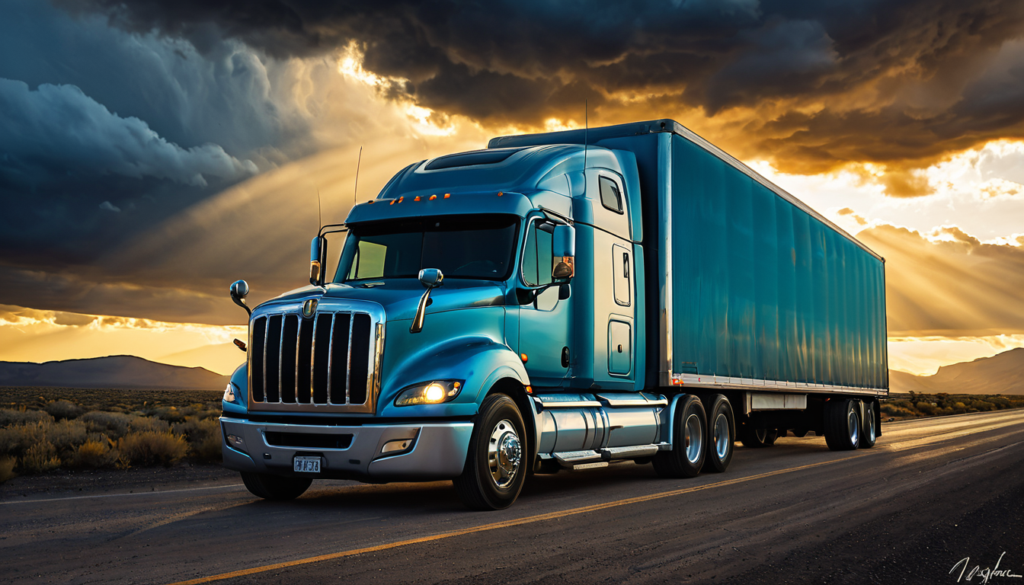
18-Wheeler & Trucking Accident Attorneys in Las Animas County, Colorado
When 80,000 Pounds Changes Everything
The impact was catastrophic. One moment you’re driving through Las Animas County on I-25 or navigating the winding roads near Trinidad. The next, an 80,000-pound commercial truck has jackknifed across your lane, blown a tire on a steep grade, or rear-ended your vehicle with crushing force.
In Las Animas County, Colorado, our position at the intersection of major north-south and east-west freight corridors creates unique dangers. The steep mountain grades of the Sangre de Cristo Mountains, the high-altitude conditions affecting truck performance, and the heavy oil and gas traffic from the surrounding region all contribute to making Las Animas County particularly hazardous for encounters with commercial trucks.
If you or a loved one has been injured in an 18-wheeler accident in Las Animas County, you need more than a personal injury lawyer—you need a trucking litigation specialist who understands federal regulations, mountain driving hazards, and how to hold massive corporations accountable.
At Attorney911, we’ve spent over 25 years fighting for trucking accident victims. Ralph Manginello, our managing partner since 1998, has secured multi-million dollar verdicts against Fortune 500 companies and has the federal court experience necessary for complex interstate trucking cases. Our associate attorney Lupe Peña spent years working for insurance companies before joining our firm—now he uses that insider knowledge to fight against them.
Call us today at 1-888-ATTY-911 for a free consultation. We answer 24/7, and you pay nothing unless we win your case.
Why Las Animas County 18-Wheeler Accidents Are Different
The Geography of Danger
Las Animas County presents unique challenges for commercial trucking that directly impact accident rates and severity. Our location in southern Colorado places us at the crossroads of critical freight corridors while our terrain creates hazards found in few other regions.
Critical Trucking Corridors Through Las Animas County:
| Highway | Route | Trucking Significance | Local Hazards |
|---|---|---|---|
| I-25 | North-south from New Mexico through Colorado to Wyoming | Primary NAFTA corridor connecting Mexico to Canada; massive freight volume | Steep grades near Raton Pass (7,622 ft); high winds on open plains; winter weather |
| US-160 | East-west across southern Colorado | Connects I-25 to Four Corners region; significant oil and gas freight | Mountain passes; remote stretches with limited services; wildlife corridors |
| US-350 | Northeast from Trinidad to La Junta | Agricultural and energy corridor | Narrow two-lane highway; heavy truck traffic; limited passing opportunities |
| CO-12 | Trinidad to Stonewall | Scenic but dangerous mountain route | “Highway of Legends” with sharp curves; steep grades; no guardrails in sections |
Altitude and Engine Performance:
Las Animas County’s elevation ranges from approximately 5,500 feet in the eastern plains to over 7,600 feet at Raton Pass. At these altitudes:
- Engines lose approximately 3% power per 1,000 feet of elevation
- Braking systems work harder and overheat faster on descents
- Tire pressure fluctuates significantly with temperature changes
- Driver fatigue accelerates due to reduced oxygen
These factors combine to create conditions where brake failures, runaway trucks, and loss of control accidents occur at rates significantly higher than at sea level.
Weather Extremes:
Las Animas County experiences weather conditions that challenge even experienced truck drivers:
- Winter: Heavy snow, black ice, blowing snow reducing visibility to near-zero
- Spring: Severe thunderstorms, hail, tornadoes, flash flooding in arroyos
- Summer: Extreme heat (100°F+), tire blowouts from overheated pavement, monsoon moisture
- Fall: Rapid weather changes, early snow at elevation, high winds
The combination of mountain terrain, high altitude, and extreme weather makes Las Animas County one of the most challenging environments for commercial trucking in the United States—and one of the most dangerous for other motorists sharing the road.
The 15 Types of 18-Wheeler Accidents We Handle in Las Animas County
1. Jackknife Accidents
A jackknife occurs when the trailer and cab skid in opposite directions, with the trailer folding at an angle similar to a pocket knife. In Las Animas County, jackknifes frequently occur on I-25 during winter weather, on the steep grades near Raton Pass, and when drivers brake improperly on the curved sections of US-160.
Why They Happen Here: The combination of steep grades, sharp curves, and sudden weather changes creates perfect conditions for jackknife accidents. A driver descending Raton Pass who encounters unexpected ice and brakes suddenly can easily lose control.
Common Injuries: Multi-vehicle pileups, TBI, spinal cord injuries, crushing injuries, wrongful death
FMCSA Violations: 49 CFR § 393.48 (brake system malfunction), 49 CFR § 393.100 (improper cargo securement), 49 CFR § 392.6 (speeding for conditions)
2. Rollover Accidents
Rollovers occur when an 18-wheeler tips onto its side or roof. These are among the most catastrophic accidents due to the truck’s high center of gravity and massive weight. In Las Animas County, rollovers are particularly common on the mountain curves of CO-12, the steep grades of US-160, and during high wind events on the eastern plains.
Why They Happen Here: The “Highway of Legends” (CO-12) features sharp curves with no guardrails, steep drop-offs, and grades that challenge even experienced drivers. High-profile trailers are particularly vulnerable to crosswinds on the open plains of eastern Las Animas County.
Common Injuries: Crushing injuries, cargo spills causing secondary accidents, fuel fires causing severe burns, TBI, spinal cord injuries, wrongful death
FMCSA Violations: 49 CFR § 393.100-136 (cargo securement violations), 49 CFR § 392.6 (exceeding safe speed), 49 CFR § 392.3 (operating while fatigued)
3. Underride Collisions
Underride collisions occur when a smaller vehicle crashes into the rear or side of an 18-wheeler and slides underneath. These are among the most fatal accident types, often causing decapitation or catastrophic head injuries. While less common in Las Animas County’s rural areas due to lower traffic density, they do occur on I-25 during sudden stops in construction zones or when trucks slow unexpectedly on grades.
Why They Happen Here: Sudden weather changes can cause trucks to slow dramatically on mountain grades. Following vehicles may not have time to react, especially given the longer stopping distances required at high altitude.
Common Injuries: Decapitation, severe head and neck trauma, death of all vehicle occupants, traumatic brain injury, spinal cord severance
FMCSA/NHTSA Requirements: 49 CFR § 393.86 (rear impact guards required on trailers manufactured after 1/26/1998); NO FEDERAL REQUIREMENT for side underride guards
4. Rear-End Collisions
Rear-end collisions involving 18-wheelers are particularly devastating due to the massive weight differential and longer stopping distances. In Las Animas County, these accidents frequently occur on I-25 during sudden traffic slowdowns, at the bottom of steep grades where trucks cannot stop in time, and during weather events that reduce visibility and traction.
Why They Happen Here: A fully loaded truck at 65 mph needs approximately 525 feet to stop—nearly two football fields. At high altitude, with reduced engine braking effectiveness and potential brake fade on long descents, this distance can increase dramatically.
Common Injuries: Whiplash, spinal cord injuries, TBI from high-speed impact, internal organ damage, crushing injuries when vehicle is pushed into other objects, wrongful death
FMCSA Violations: 49 CFR § 392.11 (following too closely), 49 CFR § 392.3 (operating while fatigued), 49 CFR § 392.82 (mobile phone use), 49 CFR § 393.48 (brake system deficiencies)
5. Wide Turn Accidents (“Squeeze Play”)
Wide turn accidents occur when trucks swing wide before completing a right turn, creating a gap that other vehicles enter. The truck then completes its turn, crushing the vehicle. In Las Animas County, these accidents occur in Trinidad’s historic downtown with its narrow streets, at rural intersections where trucks must navigate tight turns, and in construction zones where lane configurations change.
Why They Happen Here: Trinidad’s historic street grid was designed for horse-drawn vehicles, not 80-foot tractor-trailers. Modern trucks navigating these tight quarters create inevitable conflicts with passenger vehicles.
Common Injuries: Crushing injuries from being caught between truck and curb/building, sideswipe injuries, pedestrian and cyclist fatalities, TBI, amputations
FMCSA Violations: 49 CFR § 392.11 (unsafe lane changes), 49 CFR § 392.2 (failure to obey traffic signals)
6. Blind Spot Accidents (“No-Zone”)
Blind spot accidents occur when trucks change lanes without seeing vehicles in their extensive blind spots. The right-side blind spot is particularly dangerous—extending from the cab door backward and much larger than the left side. In Las Animas County, these accidents occur on I-25 during lane changes in heavy traffic, on two-lane highways where trucks pass slower vehicles, and during merging at on-ramps.
Why They Happen Here: The high volume of truck traffic on I-25, combined with varying speeds between passenger vehicles and heavy trucks, creates constant lane-changing situations where blind spot accidents can occur.
Common Injuries: Sideswipe injuries causing vehicle loss of control, rollover of passenger vehicle, crushing injuries, ejection from vehicle, TBI, spinal injuries
FMCSA Requirements: 49 CFR § 393.80 (mirrors must provide clear view to rear on both sides)
7. Tire Blowout Accidents
Tire blowout accidents occur when truck tires fail suddenly, causing loss of control. Debris from blown tires can also strike other vehicles. In Las Animas County, tire blowouts are particularly common due to extreme temperature variations, high altitude affecting tire pressure, heavy loads on steep grades, and road debris on rural highways.
Why They Happen Here: Temperature swings of 40-50 degrees in a single day are common in Las Animas County. This causes significant tire pressure fluctuations. Combined with heavy braking on mountain descents and high-altitude UV exposure degrading rubber, tire failures occur at elevated rates.
Common Injuries: Resulting jackknife or rollover causes catastrophic injuries. Tire debris strikes following vehicles causing windshield impacts, loss of control. TBI, facial trauma, wrongful death
FMCSA Requirements: 49 CFR § 393.75 (tire requirements), 49 CFR § 396.13 (pre-trip inspection must include tire check)
8. Brake Failure Accidents
Brake failure accidents occur when truck braking systems fail or underperform. In Las Animas County, these are particularly dangerous due to the steep mountain grades where runaway trucks can reach catastrophic speeds. The long descents on I-25, US-160, and CO-12 create conditions where brake fade and complete failure occur with alarming frequency.
Why They Happen Here: A truck descending from Raton Pass or the Sangre de Cristo Mountains may brake continuously for 10-15 minutes. This generates massive heat, causing brake fade and eventual failure. The “runaway truck” phenomenon is a constant threat on these grades.
Common Injuries: Severe rear-end collision injuries, multi-vehicle pileups, TBI from high-speed impact, spinal cord injuries, wrongful death, crushing injuries
FMCSA Requirements: 49 CFR § 393.40-55 (brake system requirements), 49 CFR § 396.3 (systematic inspection and maintenance)
9. Cargo Spill/Shift Accidents
Cargo spill and shift accidents occur when improperly secured cargo falls from trucks or shifts during transport. In Las Animas County, these accidents are particularly dangerous on mountain curves where shifted cargo can cause rollovers, and on rural highways where spilled cargo creates hazards for miles before discovery.
Why They Happen Here: The combination of steep grades, sharp curves, and high winds creates conditions where even properly secured cargo can shift. The remote nature of many Las Animas County highways means spilled cargo may remain on the roadway for extended periods, causing multiple secondary accidents.
Common Injuries: Vehicles struck by falling cargo, chain-reaction accidents from spilled loads, hazmat exposure injuries, rollover injuries when cargo shifts
FMCSA Requirements: 49 CFR § 393.100-136 (complete cargo securement standards)
10. Head-On Collisions
Head-on collisions occur when trucks cross into oncoming traffic. In Las Animas County, these catastrophic accidents occur on two-lane highways like US-160 and CO-12 where passing zones are limited, during fatigue-related lane departures on long stretches of I-25, and when drivers overcorrect after running off the road on narrow mountain highways.
Why They Happen Here: The long, monotonous stretches of highway combined with high altitude fatigue and challenging mountain driving create conditions where drivers may fall asleep, become distracted, or make fatal errors in judgment.
Common Injuries: Catastrophic injuries or death are common. The closing speed combines both vehicles’ velocities. TBI, spinal cord injuries, internal organ damage, amputations, crushing injuries, wrongful death
FMCSA Violations: 49 CFR § 395 (hours of service violations), 49 CFR § 392.3 (operating while fatigued), 49 CFR § 392.4/5 (drug or alcohol violations), 49 CFR § 392.82 (mobile phone use)
11. T-Bone/Intersection Accidents
T-bone accidents occur when trucks fail to yield or run red lights, striking vehicles broadside. In Las Animas County, these accidents occur at rural intersections with limited visibility, in Trinidad where truck traffic intersects with local traffic, and at construction zone intersections on I-25.
Common Injuries: Catastrophic injuries to driver’s side occupants, TBI, spinal injuries, internal organ damage, wrongful death
12. Sideswipe Accidents
Sideswipe accidents occur when trucks change lanes into occupied spaces. These accidents are particularly dangerous on I-25 where high-speed lane changes occur, on narrow mountain highways where there’s nowhere to go, and during high wind events that push trucks into adjacent lanes.
Common Injuries: Loss of control causing rollover, secondary collisions, TBI, spinal injuries
13. Override Accidents
Override accidents occur when trucks drive over smaller vehicles in front, often because they cannot stop in time. In Las Animas County, these catastrophic accidents occur at the bottom of long grades where brake fade has occurred, in sudden stop situations on I-25, and when traffic backs up unexpectedly on mountain highways.
Common Injuries: Crushing injuries, decapitation, catastrophic TBI, wrongful death
14. Lost Wheel/Detached Trailer Accidents
These accidents occur when wheels or trailers separate during operation, often striking oncoming vehicles with fatal results. In Las Animas County, the combination of heavy loads on steep grades, extreme temperature variations affecting metal components, and long distances between maintenance facilities creates elevated risk for these catastrophic failures.
Common Injuries: Catastrophic impact injuries, multi-vehicle pileups, wrongful death
15. Runaway Truck Accidents
Runaway truck accidents occur when brake fade on long descents causes complete brake failure. In Las Animas County, this is a constant threat on the grades of I-25, US-160, and CO-12. The steep descents from Raton Pass, Cucharas Pass, and the Sangre de Cristo Mountains create conditions where even properly maintained brakes can overheat and fail.
Why They’re Particularly Dangerous Here: Las Animas County has limited runaway truck ramps compared to other mountain regions. A driver experiencing brake fade on I-25 north of Trinidad has few options for stopping a runaway vehicle before reaching populated areas or steepening grades.
Common Injuries: Catastrophic high-speed collisions, multi-vehicle pileups, wrongful death
Federal Regulations That Protect You: FMCSA Rules Trucking Companies Break
The Federal Motor Carrier Safety Administration (FMCSA) establishes strict regulations governing commercial trucking. When trucking companies and drivers violate these rules, they create the dangerous conditions that cause catastrophic accidents. Proving FMCSA violations is often the key to establishing negligence and securing maximum compensation in Las Animas County trucking cases.
The Six Critical Regulatory Areas
| FMCSA Part | What It Covers | Common Violations in Las Animas County |
|---|---|---|
| 49 CFR Part 390 | General applicability and definitions | Operating without proper authority, exceeding vehicle classifications |
| 49 CFR Part 391 | Driver qualification standards | Hiring unqualified drivers, incomplete Driver Qualification Files, expired medical certificates |
| 49 CFR Part 392 | Driving rules and safe operation | Speeding for conditions, distracted driving, fatigued operation, improper lane changes |
| 49 CFR Part 393 | Vehicle safety and cargo securement | Inadequate tire tread, improper brake maintenance, cargo shifts on mountain grades |
| 49 CFR Part 395 | Hours of service limitations | Driving beyond 11-hour limit, falsifying ELD records, inadequate rest periods |
| 49 CFR Part 396 | Inspection and maintenance requirements | Deferred brake repairs, skipped pre-trip inspections, failure to document maintenance |
Hours of Service Violations: The Hidden Epidemic
Fatigued driving causes approximately 31% of fatal truck crashes. FMCSA regulations strictly limit driving time, yet violations are rampant—particularly in regions like Las Animas County where long distances between destinations create pressure to drive beyond legal limits.
Property-Carrying Driver Limits (49 CFR § 395.8):
| Rule | Requirement | Violation Consequence |
|---|---|---|
| 11-Hour Driving Limit | Cannot drive more than 11 hours after 10 consecutive hours off duty | Fatigue-related accidents, impaired judgment |
| 14-Hour Duty Window | Cannot drive beyond 14th consecutive hour after coming on duty | Driver exhaustion, slowed reaction times |
| 30-Minute Break | Must take 30-minute break after 8 cumulative hours of driving | Continued operation without adequate rest |
| 60/70-Hour Weekly Limit | Cannot drive after 60 hours in 7 days or 70 hours in 8 days | Cumulative fatigue, chronic sleep deprivation |
| 34-Hour Restart | Can restart 60/70-hour clock with 34 consecutive hours off | Inadequate recovery, persistent fatigue |
Electronic Logging Device (ELD) Mandate (49 CFR § 395.8):
Since December 18, 2017, most CMV drivers must use ELDs that automatically record driving time and synchronize with the vehicle engine. Unlike paper logs that could be falsified, ELD data is objective and tamper-resistant—making it critical evidence in Las Animas County trucking cases.
Why ELD Data Wins Cases:
ELD records prove exactly how long a driver was on duty, whether required breaks were taken, and whether hours of service violations occurred. This data often directly contradicts driver claims of adequate rest. In mountain driving conditions like those in Las Animas County, fatigued driving is especially dangerous—and ELD data proves when companies pressured drivers to violate safety rules.
Brake System Failures: Preventable Catastrophes
Brake problems contribute to approximately 29% of large truck crashes. In Las Animas County’s mountain environment, brake failures are particularly dangerous—and often particularly preventable.
FMCSA Brake Requirements (49 CFR §§ 393.40-55, 396.3):
- All CMVs must have properly functioning service brakes on all wheels
- Parking/emergency brake systems must be maintained
- Air brake systems must meet specific pressure and adjustment requirements
- Pre-trip inspections must include brake system checks
- Post-trip reports must document any brake defects
Why Brake Failures Happen in Las Animas County:
The combination of steep grades, high altitude, and heavy loads creates extreme brake stress. A truck descending Raton Pass or Cucharas Pass may ride its brakes for extended periods, causing brake fade and eventual failure. Proper brake maintenance—including regular adjustment, proper brake shoe replacement, and driver training on engine braking techniques—can prevent these failures.
When trucking companies defer maintenance to save costs, they gamble with lives on Las Animas County’s mountain highways.
Cargo Securement Failures: Shifting Loads on Mountain Grades
Improperly secured cargo creates deadly hazards, particularly on the steep grades and sharp curves of Las Animas County’s mountain highways.
FMCSA Cargo Securement Standards (49 CFR §§ 393.100-136):
Cargo must be contained, immobilized, or secured to prevent:
- Leaking, spilling, blowing, or falling from the vehicle
- Shifting that affects vehicle stability or maneuverability
- Blocking the driver’s view or interfering with operation
Performance Criteria:
Cargo securement systems must withstand:
- Forward: 0.8 g deceleration (sudden stop)
- Rearward: 0.5 g acceleration
- Lateral: 0.5 g (side-to-side)
- Downward: At least 20% of cargo weight if not fully contained
Why Cargo Shifts Cause Accidents in Las Animas County:
The steep grades and sharp curves of mountain highways create lateral forces that test even properly secured cargo. When cargo shifts—whether from inadequate tiedowns, improper blocking, or failure to account for mountain driving conditions—the sudden weight transfer can cause immediate rollover or loss of control.
Oil and gas equipment, agricultural products, and general freight all face these hazards on Las Animas County’s mountain roads.
Who Can Be Held Liable in a Las Animas County 18-Wheeler Accident
One of the most critical differences between car accidents and trucking accidents is the number of potentially liable parties. While a car accident typically involves just two drivers, an 18-wheeler accident can involve ten or more parties—each with separate insurance coverage and legal responsibility.
At Attorney911, we investigate every possible defendant because more liable parties means more insurance coverage means higher compensation for our clients. Our managing partner Ralph Manginello has spent 25+ years identifying all responsible parties in complex trucking cases, and our associate attorney Lupe Peña’s insurance defense background gives us insider knowledge of how carriers try to shift blame.
The Ten Potentially Liable Parties
1. The Truck Driver
The driver who caused your accident may be personally liable for negligent conduct including:
- Speeding or reckless driving for conditions
- Distracted driving (cell phone, texting, dispatch communications)
- Fatigued driving beyond federal hours of service limits
- Impaired driving (drugs, alcohol)
- Failure to conduct proper pre-trip inspections
- Violation of traffic laws specific to commercial vehicles
- Failure to adjust driving for mountain conditions
In Las Animas County, driver errors related to mountain driving—failure to use proper braking techniques on grades, misjudging curves, or inadequate preparation for weather changes—are particularly common causes of accidents.
2. The Trucking Company / Motor Carrier
The trucking company is often the most important defendant because they carry the highest insurance limits and bear ultimate responsibility for safety. Under the doctrine of respondeat superior—”let the master answer”—employers are liable for employees’ negligent acts within the scope of employment.
Beyond vicarious liability, trucking companies can be directly liable for:
- Negligent hiring: Failing to check driver backgrounds, driving records, or qualifications
- Negligent training: Inadequate training on mountain driving, cargo securement, hours of service
- Negligent supervision: Failing to monitor driver performance, ELD compliance, safety violations
- Negligent maintenance: Deferring brake repairs, tire replacements, safety inspections
- Negligent scheduling: Pressuring drivers to violate hours of service to meet delivery deadlines
In Las Animas County, we frequently see trucking companies dispatching drivers who lack experience with mountain driving, failing to properly maintain brakes for grade conditions, and scheduling routes that force drivers to exceed safe hours of service.
3. Cargo Owner / Shipper
The company that owns the cargo and arranged shipment may be liable for:
- Providing improper loading instructions
- Failing to disclose hazardous nature of cargo
- Requiring overweight loading that exceeds safe limits
- Pressuring carrier to expedite delivery beyond safe limits
- Misrepresenting cargo weight or characteristics
Las Animas County’s position as a corridor for oil and gas equipment, agricultural products, and general freight means cargo-related liability is particularly relevant here.
4. Cargo Loading Company
Third-party loading companies that physically load cargo may be liable for:
- Improper cargo securement violating 49 CFR 393
- Unbalanced load distribution creating instability
- Exceeding vehicle weight ratings
- Failure to use proper blocking, bracing, and tiedowns
- Inadequate loader training on securement requirements
5. Truck and Trailer Manufacturer
Manufacturers may be liable for design defects including:
- Inadequate brake systems for mountain driving conditions
- Stability control system failures
- Fuel tank placement creating fire hazards
- Defective safety systems (ABS, ESC, collision warning)
6. Parts Manufacturer
Companies manufacturing specific components may be liable for:
- Defective brakes or brake components failing under mountain conditions
- Defective tires prone to blowout at altitude
- Defective steering mechanisms
- Defective lighting components
7. Maintenance Company
Third-party maintenance providers may be liable for:
- Negligent repairs that fail to address safety issues
- Failure to identify critical brake or tire problems
- Improper brake adjustments for mountain driving
- Using substandard parts
- Returning vehicles to service with known defects
8. Freight Broker
Brokers who arrange transportation may be liable for:
- Negligent selection of carriers with poor safety records
- Failure to verify carrier insurance and operating authority
- Failure to check carrier CSA safety scores
- Selecting cheapest carrier despite safety concerns
9. Truck Owner (If Different from Carrier)
In owner-operator arrangements, the truck owner may be liable for:
- Negligent entrustment of vehicle to unqualified driver
- Failure to maintain owned equipment
- Knowledge of driver’s unfitness
10. Government Entity
Federal, state, or local government may be liable for:
- Dangerous road design on mountain highways
- Failure to maintain roads (potholes, debris, worn markings)
- Inadequate signage for steep grades or sharp curves
- Failure to install runaway truck ramps
- Improper work zone setup
In Las Animas County, government liability may arise from inadequate signage for mountain grades, insufficient runaway truck ramps compared to other mountain states, or dangerous road design on historic highways not built for modern trucking.
The 48-Hour Evidence Preservation Protocol: Why Immediate Action Saves Las Animas County Trucking Cases
In 18-wheeler accident cases, evidence disappears fast. While you’re recovering from injuries in a Las Animas County hospital, the trucking company has already deployed rapid-response teams to protect their interests. Critical evidence that could prove negligence and win your case can be destroyed within days—or even hours.
At Attorney911, we understand this urgency. When you call us at 1-888-ATTY-911, we act immediately. Our managing partner Ralph Manginello has spent 25+ years preserving evidence in trucking cases, and our team includes former insurance defense attorney Lupe Peña, who knows exactly how trucking companies try to hide evidence.
Critical Evidence Timelines
| Evidence Type | Destruction Risk | Why It Matters for Your Las Animas County Case |
|---|---|---|
| ECM/Black Box Data | Overwrites in 30 days or with new driving events | Proves speed, braking, throttle position before crash—often contradicts driver claims |
| ELD Data | May be retained only 6 months | Proves hours of service violations, fatigue, schedule pressure from carrier |
| Dashcam Footage | Often deleted within 7-14 days | Shows actual crash sequence, driver behavior, road conditions |
| Surveillance Video | Business cameras typically overwrite in 7-30 days | May capture crash from nearby businesses, traffic cameras |
| Witness Memory | Fades significantly within weeks | Critical for establishing sequence of events, driver behavior |
| Physical Evidence | Vehicle may be repaired, sold, or scrapped | Damage patterns prove impact forces, crash dynamics |
| Drug/Alcohol Tests | Must be conducted within specific windows | Proves impairment at time of crash |
The Spoliation Letter: Your Legal Shield Against Evidence Destruction
A spoliation letter is a formal legal notice we send within 24-48 hours of being retained. It puts the trucking company, their insurer, and all potentially liable parties on legal notice that they must preserve all evidence related to your accident.
What Our Spoliation Letter Demands Preservation Of:
Electronic Data:
- Engine Control Module (ECM) / Electronic Control Unit (ECU) data
- Event Data Recorder (EDR) data
- Electronic Logging Device (ELD) records
- GPS and telematics data
- Dashcam and forward-facing camera footage
- Dispatch communications and messaging
- Cell phone records and text messages
- Qualcomm or fleet management system data
Driver Records:
- Complete Driver Qualification File
- Employment application and resume
- Background check and driving record
- Medical certification and exam records
- Drug and alcohol test results
- Training records and certifications
- Previous accident and violation history
- Performance reviews and disciplinary records
Vehicle Records:
- Maintenance and repair records
- Inspection reports (pre-trip, post-trip, annual)
- Out-of-service orders and repairs
- Tire records and replacement history
- Brake inspection and adjustment records
- Parts purchase and installation records
Company Records:
- Hours of service records for 6 months prior
- Dispatch logs and trip records
- Bills of lading and cargo documentation
- Insurance policies
- Safety policies and procedures
- Training curricula
- Hiring and supervision policies
Physical Evidence:
- The truck and trailer themselves
- Failed or damaged components
- Cargo and securement devices
- Tire remnants if blowout involved
Legal Consequences of Evidence Destruction
Once a trucking company receives our spoliation letter, they are under legal obligation to preserve all requested materials. Destroying evidence after receiving this notice constitutes spoliation—a serious legal violation with severe consequences:
- Adverse inference instructions: Courts can instruct juries to assume destroyed evidence would have been unfavorable to the trucking company
- Monetary sanctions: Judges can impose financial penalties for spoliation
- Default judgment: In extreme cases, courts may enter judgment against the spoliating party
- Punitive damages: Intentional destruction of evidence can support claims for punitive damages
At Attorney911, we don’t give trucking companies the opportunity to destroy evidence. Our immediate response—sending preservation letters, deploying investigators, and securing electronic data—protects your case from the moment you hire us.
If you’ve been in a trucking accident in Las Animas County, call 1-888-ATTY-911 immediately. Every hour you wait, evidence disappears.
Catastrophic Injuries: The Life-Changing Impact of Las Animas County 18-Wheeler Accidents
The physics of 18-wheeler accidents make catastrophic injuries the norm, not the exception. When an 80,000-pound truck collides with a 4,000-pound passenger vehicle, the energy transfer is devastating. In Las Animas County’s challenging mountain environment, where accidents often occur on steep grades with limited emergency access, injuries are frequently more severe and emergency response times longer.
At Attorney911, we’ve spent 25+ years helping families devastated by catastrophic trucking injuries. Ralph Manginello has secured multi-million dollar settlements for traumatic brain injury victims, spinal cord injury patients, amputees, and families who have lost loved ones. We understand that no amount of money can restore what you’ve lost—but fair compensation can provide the resources for the best possible recovery and future security.
Traumatic Brain Injury (TBI)
Traumatic brain injury occurs when sudden trauma causes damage to the brain. In 18-wheeler accidents, the extreme forces cause the brain to impact the inside of the skull—often without any visible external injury.
Severity Levels:
| Level | Symptoms | Long-Term Prognosis |
|---|---|---|
| Mild (Concussion) | Confusion, headache, brief loss of consciousness, nausea | Usually recovers, but may have lasting cognitive effects, post-concussion syndrome |
| Moderate | Extended unconsciousness (minutes to hours), memory problems, cognitive deficits, personality changes | Significant recovery possible with intensive rehabilitation; permanent deficits common |
| Severe | Extended coma (days to weeks), permanent cognitive impairment, physical disabilities, vegetative state | Lifelong disability; may require 24/7 care; significant mortality rate |
Common TBI Symptoms Our Clients Experience:
- Persistent headaches and dizziness
- Memory loss and confusion
- Difficulty concentrating and processing information
- Mood changes, depression, anxiety, irritability
- Sleep disturbances (insomnia or excessive sleeping)
- Sensory problems (blurred vision, ringing in ears, altered taste/smell)
- Speech and language difficulties
- Personality changes affecting relationships
Long-Term Consequences:
- Permanent cognitive impairment affecting employment
- Inability to return to previous occupation
- Need for ongoing cognitive rehabilitation
- Increased lifetime risk of dementia and Alzheimer’s disease
- Depression and emotional disorders requiring treatment
- Strain on family relationships and marriage
Lifetime Care Costs: $85,000 to $3,000,000+ depending on severity
At Attorney911, we’ve recovered $1.5 million to $9.8 million for traumatic brain injury victims. As our client Glenda Walker said, “They fought for me to get every dime I deserved.” We understand that TBI cases require extensive medical documentation, expert testimony from neurologists and neuropsychologists, and careful calculation of lifetime care needs. Our 25+ years of experience means we know how to build these complex cases for maximum recovery.
Spinal Cord Injury and Paralysis
Spinal cord injuries from 18-wheeler accidents often result in permanent paralysis, fundamentally altering every aspect of the victim’s life. The massive forces involved in truck collisions frequently cause vertebral fractures, dislocations, and direct spinal cord damage.
Types of Paralysis:
| Type | Definition | Impact on Daily Life |
|---|---|---|
| Paraplegia | Loss of motor and sensory function below the waist | Cannot walk; may affect bladder, bowel, and sexual function; requires wheelchair; may retain upper body strength |
| Quadriplegia (Tetraplegia) | Loss of function in all four limbs | Cannot walk or use arms; may require ventilator for breathing; requires 24/7 care; affects all body functions |
| Incomplete Injury | Partial preservation of motor or sensory function below injury level | Variable outcomes; may retain some movement or sensation; potential for significant recovery with rehabilitation |
| Complete Injury | Total loss of motor and sensory function below injury level | No function below injury; permanent disability; requires lifelong adaptation and care |
Level of Injury Determines Impact:
Higher spinal injuries affect more body functions:
- C1-C4 injuries: May require ventilator assistance for breathing; affects all limb function, bowel, bladder, and sexual function
- C5-C6 injuries: May retain some shoulder and elbow function; can often operate power wheelchairs with specialized controls
- C7-T1 injuries: Can typically straighten arms and have hand function; greater independence in daily activities
- T2-T12 injuries: Paraplegia with intact upper body function; can often use manual wheelchairs and drive adapted vehicles
- L1-L5 injuries: May retain some hip and leg function; potential for walking with braces or assistance
Lifetime Care Costs:
| Injury Level | Estimated Lifetime Cost (2024 dollars) |
|---|---|
| Paraplegia (low level, age 25) | $1.1 million+ |
| Paraplegia (high level, age 25) | $2.5 million+ |
| Quadriplegia (low level, age 25) | $3.5 million+ |
| Quadriplegia (high level, age 25) | $5 million+ |
These figures represent direct medical costs only—lost wages, pain and suffering, and loss of quality of life add substantially to total damages.
At Attorney911, we’ve recovered $4.7 million to $25.8 million for spinal cord injury victims. We understand that these cases require immediate action to preserve evidence, extensive medical documentation, life care planning, and expert testimony on future needs. Our 25+ years of experience means we know how to calculate and prove the full lifetime cost of paralysis.
Amputation
Amputation injuries from 18-wheeler accidents occur through two mechanisms: traumatic amputation at the scene due to crushing forces, and surgical amputation when limbs are too severely damaged to save. Both result in permanent disability and profound life changes.
Types of Amputation:
| Level | Description | Functional Impact |
|---|---|---|
| Upper Extremity | Fingers, hand, forearm, arm | Loss of dexterity, self-care ability, employment in most occupations |
| Lower Extremity | Toes, foot, below-knee, above-knee, hip disarticulation | Mobility impairment, prosthetic dependence, home modification needs |
| Multiple Limb | Loss of more than one limb | Profound disability requiring extensive assistance, often wheelchair dependent |
Ongoing Medical Needs:
- Initial emergency surgery and hospitalization
- Multiple revision surgeries to optimize residual limb
- Prosthetic fitting and training ($5,000-$50,000+ per prosthetic)
- Replacement prosthetics throughout lifetime (every 3-5 years for adults, more frequently for growing children)
- Physical therapy and rehabilitation
- Occupational therapy for daily living skills
- Psychological counseling for body image and trauma
- Home and vehicle modifications
Impact on Life and Employment:
- Permanent total or partial disability
- Career limitations or complete occupational change
- Phantom limb pain requiring ongoing management
- Body image issues and psychological trauma
- Dependency on others for daily activities
- Relationship and family dynamic changes
At Attorney911, we’ve recovered $1.9 million to $8.6 million for amputation victims. As our client Kiimarii Yup shared, “I lost everything… 1 year later I have gained so much in return.” We understand that amputation cases require immediate evidence preservation, expert prosthetic evaluation, life care planning, and calculation of lifetime needs. Our 25+ years of experience means we know how to build these cases for maximum recovery.
Severe Burns
Burn injuries from 18-wheeler accidents occur through fuel tank ruptures and fires, hazmat cargo spills and ignition, electrical fires, and friction burns from road contact. In Las Animas County, where oil and gas equipment transport is common and emergency response times can be extended in remote areas, burn injuries are particularly dangerous.
Burn Classification:
| Degree | Depth | Treatment and Prognosis |
|---|---|---|
| First | Epidermis only | Minor, heals without scarring; may require pain management |
| Second | Epidermis and dermis | May scar; may require skin grafting; significant pain management |
| Third | Full thickness of skin | Requires skin grafts; permanent scarring; potential for contractures |
| Fourth | Through skin to muscle, tendon, bone | Multiple surgeries; amputation may be required; highest mortality |
Long-Term Consequences:
- Permanent scarring and disfigurement requiring reconstructive surgery
- Multiple skin graft procedures
- Contractures limiting range of motion
- Chronic pain management needs
- Infection risks requiring ongoing monitoring
- Psychological trauma and body image issues
Internal Organ Damage
The massive forces in 18-wheeler accidents cause severe internal injuries that may not show immediate symptoms but can be life-threatening:
- Liver laceration or rupture: The liver’s position makes it vulnerable to impact; severe bleeding can cause rapid death
- Spleen damage: Often requires surgical removal; affects immune function long-term
- Kidney damage: May require dialysis or transplant; permanent impact on health
- Lung contusion or collapse: Compromises breathing; may require mechanical ventilation
- Internal bleeding: Can cause death within minutes if not addressed surgically
- Bowel and intestinal damage: May require resection; affects nutrition and quality of life
The danger of internal injuries is that adrenaline and shock can mask symptoms for hours. This is why immediate medical evaluation after any Las Animas County trucking accident is critical—even if you feel “okay.”
Wrongful Death
When an 18-wheeler accident takes a loved one, the loss is immeasurable. Colorado law allows surviving family members to pursue wrongful death claims to hold negligent parties accountable and secure financial stability for the future.
Who Can Bring a Wrongful Death Claim in Colorado:
Under Colorado law (C.R.S. § 13-21-201), the following may file wrongful death claims:
- First year after death: Only the spouse may file (or children if no spouse)
- Second year after death: Spouse, children, or designated beneficiary may file
- Parents: May file if there is no spouse or children
Types of Claims:
| Claim Type | What It Covers | Who Brings It |
|---|---|---|
| Wrongful Death Action | Compensation for survivors’ losses (lost income, loss of companionship, mental anguish) | Spouse, children, parents, or designated beneficiary |
| Survival Action | Compensation for decedent’s pain and suffering before death, medical expenses, funeral costs | Personal representative of estate |
Damages Available in Colorado Wrongful Death Cases:
- Economic damages: Lost future income and benefits, funeral and burial expenses, medical expenses before death, loss of services
- Non-economic damages: Loss of companionship (consortium), mental anguish and emotional suffering, loss of parental guidance (for children), grief and sorrow
- Punitive damages: Available in cases of willful and wanton conduct, gross negligence, or reckless disregard for human life
Colorado’s Damage Cap:
Colorado imposes a cap on non-economic damages in wrongful death cases. As of 2024, this cap is approximately $642,000 (adjusted annually for inflation). However, there is no cap on economic damages, and punitive damages are uncapped. Multiple defendants may result in multiple caps.
At Attorney911, we understand that no amount of money can replace your loved one. But we also know that holding negligent trucking companies accountable provides justice, financial security for your family, and—critically—creates incentives for companies to operate more safely in the future. Our 25+ years of experience includes recovering millions for families who have lost loved ones in trucking accidents.
If you’ve lost a family member in a Las Animas County 18-wheeler accident, we are deeply sorry for your loss. Please call us at 1-888-ATTY-911 for a compassionate, confidential consultation. We will handle the legal complexities while you focus on healing.
Colorado Law: What Las Animas County Trucking Accident Victims Need to Know
Understanding Colorado’s specific legal framework is essential for maximizing your recovery after a Las Animas County 18-wheeler accident. At Attorney911, we apply 25+ years of experience to navigate these laws for our clients.
Statute of Limitations: The Clock Is Ticking
Colorado Personal Injury Statute of Limitations: 2 Years
Under Colorado Revised Statutes § 13-80-101, you have two years from the date of your trucking accident to file a personal injury lawsuit. For wrongful death claims, the limitation is also generally two years from the date of death.
Critical Exceptions and Considerations:
| Situation | Effect on Deadline | Action Required |
|---|---|---|
| Government defendant | Shorter deadlines may apply | Notice of claim may be required within 180 days |
| Minor plaintiff | Tolling until age 18 | Lawsuit must be filed within 2 years of 18th birthday |
| Incapacitated plaintiff | Tolling during incapacity | Must file within 2 years of restoration of capacity |
| Discovery of injury | 2 years from discovery | Applies when injury not immediately apparent |
Why You Should Never Wait:
While two years may seem like ample time, waiting jeopardizes your case in critical ways:
- Evidence disappears: ECM data overwrites, witnesses relocate, physical evidence is lost
- Memories fade: Witness recollection becomes less reliable
- Medical documentation gaps: Delayed treatment creates questions about injury causation
- Insurance company advantage: They build their defense while you delay
At Attorney911, we recommend contacting an attorney within days, not months, of your Las Animas County trucking accident.
Comparative Negligence: Colorado’s Modified Comparative Fault System
Colorado follows a modified comparative negligence rule under C.R.S. § 13-21-111. This system affects how much you can recover if you were partially at fault for the accident.
How It Works:
| Your Fault Percentage | Your Recovery | Example |
|---|---|---|
| 0% | 100% of damages | You recover full amount |
| 25% | 75% of damages | $100,000 verdict = $75,000 recovery |
| 49% | 51% of damages | $100,000 verdict = $51,000 recovery |
| 50% or more | $0 | You recover nothing |
Critical Threshold: If you are found 50% or more at fault, you recover nothing under Colorado law. This makes proving the truck driver’s and trucking company’s fault absolutely critical.
How We Minimize Your Assigned Fault:
At Attorney911, we use every tool available to prove the trucking company’s primary responsibility:
- ECM data proving truck speed and braking
- ELD records showing driver fatigue
- Maintenance records revealing known defects
- Expert reconstruction demonstrating how the accident occurred
- FMCSA violation analysis proving regulatory non-compliance
Our associate attorney Lupe Peña’s insurance defense background is particularly valuable here—he knows exactly how insurance companies try to shift blame to victims, and he counters those tactics before they can damage your case.
Damage Caps: Colorado’s Limitations and Exceptions
Colorado imposes caps on certain types of damages, but significant exceptions apply in trucking cases.
Non-Economic Damage Cap:
Under C.R.S. § 13-21-102.5, Colorado caps non-economic damages (pain and suffering, emotional distress, loss of enjoyment of life) in most personal injury cases. As of 2024, this cap is approximately $642,000 (adjusted annually for inflation).
Critical Exceptions—No Cap Applies:
| Exception | Explanation | Relevance to Trucking Cases |
|---|---|---|
| Punitive damages | Capped at amount of actual damages, but no absolute limit | Available for willful/wanton conduct, reckless disregard for safety |
| Economic damages | Medical expenses, lost wages, property damage | No cap; often the largest component of trucking verdicts |
| Wrongful death (economic) | Lost income, services, funeral expenses | No cap |
| Multiple defendants | Each defendant may have separate cap | Trucking cases typically involve multiple liable parties |
Punitive Damages in Colorado:
Punitive damages are available under C.R.S. § 13-21-102 when the defendant’s conduct was:
- Willful and wanton
- Reckless
- Evidencing reckless disregard for the safety of others
- Involving fraud
In trucking cases, punitive damages may be available when:
- The trucking company knowingly hired a dangerous driver
- Hours of service violations were systematic and company-encouraged
- Maintenance was deliberately deferred despite known defects
- Evidence was destroyed (spoliation)
- The company had a pattern of safety violations
At Attorney911, we pursue punitive damages when the evidence supports them. Our experience with the BP Texas City explosion litigation taught us how to prove corporate disregard for safety—and we apply those lessons to hold trucking companies fully accountable.
Insurance Coverage in Las Animas County Trucking Cases: Accessing the Full $750K to $5M Available
Federal law requires commercial trucking companies to carry liability insurance far exceeding typical auto policies. Understanding these requirements—and how to access all available coverage—is critical for maximizing your recovery after a Las Animas County 18-wheeler accident.
Federal Minimum Liability Requirements
| Cargo Type | FMCSA Minimum Coverage | Typical Industry Practice |
|---|---|---|
| Non-hazardous freight (10,001+ lbs GVWR) | $750,000 | $1,000,000 |
| Oil/petroleum transport | $1,000,000 | $1,000,000-$5,000,000 |
| Hazardous materials (hazmat) | $5,000,000 | $5,000,000+ |
| Passenger transport (16+ passengers) | $5,000,000 | $5,000,000+ |
Why This Matters for Las Animas County Cases:
Unlike car accidents where insurance may be limited to Colorado’s minimum $25,000 per person/$50,000 per accident, trucking accidents typically have at least $750,000 available—and often $1-5 million or more. This higher coverage means catastrophic injuries can actually be compensated, rather than leaving victims with unpaid medical bills and financial devastation.
Multiple Insurance Policies: Stacking Coverage
Trucking cases often involve multiple insurance policies that can be accessed to maximize recovery:
| Policy Type | What It Covers | When It Applies |
|---|---|---|
| Motor carrier liability | Primary coverage for accidents | Always the first source |
| Trailer interchange | Coverage when using others’ trailers | Applies to trailer damage/liability |
| Cargo insurance | Damage to cargo | May provide additional recovery |
| Owner-operator policy | Independent contractor coverage | When driver owns tractor |
| Excess/umbrella | Coverage above primary limits | When damages exceed primary policy |
| MCS-90 endorsement | Guarantees minimum damages | When standard policy doesn’t apply |
At Attorney911, we investigate every potential source of insurance coverage. Our associate attorney Lupe Peña’s insurance defense background gives us insider knowledge of how carriers structure coverage—and how to find policies other attorneys might miss.
The MCS-90 Endorsement: Guaranteed Minimum Recovery
The MCS-90 endorsement is a critical but often overlooked insurance provision. This federally required endorsement guarantees that minimum damages will be paid to any injured victim, even when the standard insurance policy might not otherwise provide coverage.
When MCS-90 Applies:
- Standard policy doesn’t cover the accident (exclusions, lapses)
- Driver was at fault
- Injured party was not an employee of the trucking company
- No other compensation source is available
Key Feature: MCS-90 applies even if the injured party was partially at fault—coverage is proportional to fault percentage.
For Las Animas County victims, the MCS-90 endorsement provides a critical safety net ensuring that some recovery is available even in complex insurance situations.
Why Choose Attorney911 for Your Las Animas County 18-Wheeler Accident Case
When you’re facing the aftermath of a catastrophic trucking accident in Las Animas County, you need more than a lawyer—you need a fighter with the experience, resources, and determination to take on massive trucking companies and win.
Ralph Manginello: 25+ Years Fighting for Trucking Accident Victims
Ralph Manginello has been representing injury victims since 1998. As managing partner of Attorney911, he has built a reputation for aggressive representation and multi-million dollar results.
Credentials That Matter:
- 25+ years of courtroom experience in personal injury litigation
- Federal court admission to the U.S. District Court, Southern District of Texas—critical for interstate trucking cases
- Dual-state licensure: Texas and New York, enabling handling of complex multi-jurisdictional cases
- BP Texas City explosion litigation: One of few Texas firms involved in this $2.1 billion disaster case, demonstrating ability to take on Fortune 500 corporations
- Multi-million dollar verdicts and settlements: Documented results including $5+ million for TBI, $3.8+ million for amputation, $2.5+ million for trucking accidents
Ralph’s approach is personal and relentless. As client Chad Harris said: “You are NOT a pest to them and you are NOT just some client… You are FAMILY to them.” When you hire Attorney911, Ralph Manginello is personally involved in your case—not just delegating to junior associates.
Lupe Peña: The Insurance Defense Advantage
Lupe Peña is a skilled trial attorney with a unique advantage: he spent years working at a national insurance defense firm before joining Attorney911. This insider experience gives him firsthand knowledge of exactly how large insurance companies evaluate, minimize, and deny trucking accident claims.
What Lupe Learned on the Inside:
| Insurance Company Tactic | How Lupe Now Fights Back |
|---|---|
| How they VALUE claims using algorithms | He knows their formulas and can maximize your recovery |
| How adjusters are TRAINED to minimize payouts | He recognizes their manipulation tactics immediately |
| What makes them SETTLE vs. go to trial | He knows when they’re bluffing and when they’ll pay |
| How they MINIMIZE “soft tissue” and non-economic damages | He counters with medical documentation and expert testimony |
| How they DENY claims using policy exclusions | He knows how to fight wrongful denials and coverage gaps |
| Claims valuation software (Colossus, etc.) | He understands how algorithms undervalue suffering and fights for human evaluation |
Lupe’s federal court admission to the Southern District of Texas enables him to handle complex interstate trucking cases. As a third-generation Texan fluent in Spanish, he provides direct representation to Las Animas County’s Hispanic community without interpreters—building trust and ensuring accurate communication.
Hablamos Español. Llame a Lupe Peña al 1-888-ATTY-911.
Our Proven Results: Multi-Million Dollar Recoveries for Trucking Accident Victims
At Attorney911, we don’t just talk about results—we deliver them. Our documented case results demonstrate our ability to secure substantial compensation for catastrophic injury victims:
| Case Type | Injury | Settlement/Verdict |
|---|---|---|
| Workplace/Logging Accident | Traumatic brain injury + vision loss from falling log | $5+ million |
| Car Accident + Medical Complication | Partial leg amputation from staph infection following crash | $3.8+ million |
| Commercial Trucking Accident | Multiple injuries from 18-wheeler crash | $2.5+ million |
| Maritime/Jones Act | Back injury from lifting cargo on vessel | $2+ million |
| Wrongful Death (Trucking) | Fatal 18-wheeler accidents | Millions (multiple cases) |
Total Client Recoveries: $50+ Million
These results reflect our commitment to maximum recovery, not quick settlements. As client Donald Wilcox told us: “One company said they would not accept my case. Then I got a call from Manginello… I got a call to come pick up this handsome check.” We take cases other firms reject—and we win.
Client Testimonials: What Las Animas County Victims Can Expect
Our 251+ Google reviews with a 4.9-star average reflect our commitment to treating every client like family. Here’s what trucking accident victims say about working with Attorney911:
“You are NOT a pest to them and you are NOT just some client… You are FAMILY to them.”
— Chad Harris
“One company said they would not accept my case. Then I got a call from Manginello… I got a call to come pick up this handsome check.”
— Donald Wilcox
“They fought for me to get every dime I deserved.”
— Glenda Walker
“Mr. Manginello and his firm are first class. Will fight tooth and nail for you.”
— Ernest Cano
“I lost everything… 1 year later I have gained so much in return plus a brand new truck.”
— Kiimarii Yup
“They solved in a couple of months what others did nothing about in two years.”
— Angel Walle
These testimonials reflect our core values: personal attention, aggressive representation, and maximum recovery. When you hire Attorney911, you’re not a case number—you’re family.
The 48-Hour Evidence Preservation Protocol: Act Now to Protect Your Las Animas County Case
In 18-wheeler accident cases, evidence disappears fast. While you’re recovering from injuries, the trucking company has already deployed rapid-response teams to protect their interests. Critical evidence that could prove negligence and win your case can be destroyed within days—or even hours.
At Attorney911, we understand this urgency. When you call us at 1-888-ATTY-911, we act immediately. Our managing partner Ralph Manginello has spent 25+ years preserving evidence in trucking cases, and our team includes former insurance defense attorney Lupe Peña, who knows exactly how trucking companies try to hide evidence.
Critical Evidence Timelines
| Evidence Type | Destruction Risk | Why It Matters for Your Las Animas County Case |
|---|---|---|
| ECM/Black Box Data | Overwrites in 30 days or with new driving events | Proves speed, braking, throttle position before crash—often contradicts driver claims of “I wasn’t speeding” |
| ELD Data | May be retained only 6 months | Proves hours of service violations, fatigue, schedule pressure from carrier |
| Dashcam Footage | Often deleted within 7-14 days | Shows actual crash sequence, driver behavior, road conditions |
| Surveillance Video | Business cameras typically overwrite in 7-30 days | May capture crash from nearby businesses, traffic cameras on I-25 |
| Witness Memory | Fades significantly within weeks | Critical for establishing sequence of events, driver behavior |
| Physical Evidence | Vehicle may be repaired, sold, or scrapped | Damage patterns prove impact forces, crash dynamics |
| Drug/Alcohol Tests | Must be conducted within specific windows | Proves impairment at time of crash |
The Spoliation Letter: Your Legal Shield
A spoliation letter is a formal legal notice we send within 24-48 hours of being retained. It puts the trucking company, their insurer, and all potentially liable parties on legal notice that they must preserve all evidence related to your accident.
What Our Spoliation Letter Demands:
Electronic Data:
- ECM/Black box data download and preservation
- ELD records for 6 months prior to accident
- GPS and telematics data
- Dashcam and forward-facing camera footage
- Dispatch communications
- Cell phone records
Driver Records:
- Complete Driver Qualification File
- Employment application and background check
- Driving record and previous employer verification
- Medical certification and exam records
- Drug and alcohol test results
- Training records
- Previous accident and violation history
Vehicle Records:
- Complete maintenance and repair records
- Inspection reports (pre-trip, post-trip, annual)
- Out-of-service orders and repairs
- Tire records and replacement history
- Brake inspection and adjustment records
Company Records:
- Hours of service records for 6 months prior
- Dispatch logs and trip records
- Bills of lading and cargo documentation
- Insurance policies (primary, excess, umbrella)
- Safety policies and procedures
- Training curricula and records
- Hiring and supervision policies
Physical Evidence:
- The truck and trailer themselves
- Failed or damaged components
- Cargo and securement devices
- Tire remnants if blowout involved
Legal Consequences of Evidence Destruction
Once a trucking company receives our spoliation letter, destroying evidence constitutes spoliation with serious consequences:
- Adverse inference: Juries instructed to assume destroyed evidence was unfavorable
- Monetary sanctions: Financial penalties imposed by courts
- Default judgment: Possible in extreme cases
- Punitive damages: Intentional destruction supports punitive damage claims
At Attorney911, we don’t give trucking companies the opportunity to destroy evidence. Our immediate response protects your case from day one.
If you’ve been in a trucking accident in Las Animas County, call 1-888-ATTY-911 NOW. Every hour you wait, evidence disappears.
Frequently Asked Questions: Las Animas County 18-Wheeler Accidents
Immediate After-Accident Questions
What should I do immediately after an 18-wheeler accident in Las Animas County?
If you’re able, take these steps immediately:
- Call 911 and report the accident—emergency response may be delayed in rural areas
- Seek medical attention even if injuries seem minor—adrenaline masks pain, and some injuries aren’t immediately apparent
- Document the scene with photos and video if possible—capture vehicle positions, damage, road conditions, weather, and any skid marks
- Get the trucking company name, DOT number (required on truck door), and driver information
- Collect witness contact information—rural accidents may have few witnesses, so every one matters
- Do NOT give recorded statements to any insurance company
- Call an 18-wheeler accident attorney immediately—evidence disappears fast
Should I go to the hospital after a truck accident even if I feel okay?
Absolutely yes. Adrenaline and shock mask pain after traumatic accidents. Internal injuries, traumatic brain injury, and spinal injuries may not show symptoms for hours or even days. In Las Animas County, where emergency response times can be longer and trauma centers may be distant, getting evaluated promptly is critical. Delaying treatment also gives insurance companies ammunition to deny your claim or argue that your injuries weren’t caused by the accident.
What information should I collect at the truck accident scene in Las Animas County?
Document everything possible:
- Truck and trailer license plates
- DOT number (on truck door—required for all commercial vehicles)
- Trucking company name and logo
- Driver’s name, CDL number, and contact information
- Photos of all vehicle damage from multiple angles
- Photos of the accident scene, road conditions, skid marks, debris field
- Photos of your injuries
- Witness names and phone numbers
- Responding officer’s name and badge number
- Weather and road conditions
- Any traffic control devices, signs, or signals
In Las Animas County’s rural areas, take extra care to document location precisely—mile markers, nearest exits, or GPS coordinates can be crucial for later investigation.
Should I talk to the trucking company’s insurance adjuster?
Never. Do not give any recorded statements. Insurance adjusters work for the trucking company, not you. Anything you say will be used to minimize your claim. They are trained to ask questions in ways that elicit answers damaging to your case. Our firm includes Lupe Peña, a former insurance defense attorney who knows exactly how these adjusters operate—now he uses that knowledge to protect you.
How quickly should I contact an 18-wheeler accident attorney in Las Animas County?
Immediately—within 24-48 hours if possible. Critical evidence in trucking cases disappears quickly. Black box data can be overwritten in 30 days. Dashcam footage gets deleted. Witnesses forget or become unreachable. Trucking companies in Las Animas County and nationwide hire rapid-response teams to protect their interests. You need an attorney who moves just as fast. When you call Attorney911 at 1-888-ATTY-911, we send spoliation letters within hours to preserve evidence before it’s lost.
What is a spoliation letter and why is it important?
A spoliation letter is a formal legal notice demanding that the trucking company preserve all evidence related to your accident. This includes ECM/black box data, ELD logs, maintenance records, driver files, and more. Sending this letter immediately puts the trucking company on notice that destroying evidence will result in serious legal consequences—including court sanctions and adverse jury instructions.
Trucking Company and Driver Questions
Who can I sue after an 18-wheeler accident in Las Animas County?
Multiple parties may be liable in trucking accidents:
- The truck driver
- The trucking company/motor carrier
- The cargo owner or shipper
- The company that loaded the cargo
- Truck or parts manufacturers
- Maintenance companies
- Freight brokers
- The truck owner (if different from carrier)
- Government entities (for road defects)
We investigate every possible defendant to maximize your recovery. In Las Animas County’s complex trucking environment—with oil and gas equipment, agricultural products, and interstate freight all sharing our roads—multiple parties often share liability.
Is the trucking company responsible even if the driver caused the accident?
Usually yes. Under the doctrine of respondeat superior, employers are liable for employees’ negligent acts within the scope of employment. Additionally, trucking companies can be directly liable for negligent hiring, training, supervision, and maintenance. In Las Animas County, we frequently see trucking companies dispatching drivers without adequate mountain driving training—direct corporate negligence that we pursue aggressively.
What if the truck driver says the accident was my fault?
Colorado’s modified comparative negligence system means that even if you were partially at fault, you may still recover compensation—as long as you were less than 50% at fault. Our job is to investigate thoroughly, gather objective evidence (especially ECM and ELD data), and prove what really happened. Drivers often lie to protect their jobs—the data tells the true story. In Las Animas County’s challenging driving environment, we frequently prove that truck driver errors in judgment about mountain conditions were the true cause of accidents.
What is an owner-operator and does that affect my case?
An owner-operator is a driver who owns their own truck and contracts with trucking companies. This can complicate liability, but both the owner-operator and the contracting company may be liable. We investigate all relationships and insurance policies to ensure you can recover from all responsible parties. In Las Animas County’s oil and gas and agricultural sectors, owner-operators are particularly common, making this investigation essential.
How do I find out if the trucking company has a bad safety record?
FMCSA maintains public safety data at safer.fmcsa.dot.gov. We obtain the carrier’s:
- CSA (Compliance, Safety, Accountability) scores
- Inspection history and out-of-service rates
- Crash history
- Safety rating
A poor safety record can prove the company knew it was putting dangerous drivers on the road. In Las Animas County, we frequently uncover carriers with patterns of hours of service violations, maintenance deficiencies, and driver qualification failures that directly contribute to accidents on our mountain highways.
Evidence and Investigation Questions
What is a truck’s “black box” and how does it help my case?
Commercial trucks have Electronic Control Modules (ECM) and Event Data Recorders (EDR) that record operational data—similar to airplane black boxes. This data can show:
- Speed before and during the crash
- Brake application timing and force
- Engine RPM and throttle position
- Whether cruise control was engaged
- GPS location history
This objective data often contradicts what drivers claim happened. In Las Animas County mountain accidents, ECM data frequently proves that trucks were traveling too fast for grade conditions or that drivers failed to brake appropriately for curves.
What is an ELD and why is it important?
Electronic Logging Devices (ELDs) are federally mandated devices that record driver hours of service. ELD data proves whether the driver violated federal rest requirements and was driving while fatigued. Hours of service violations are among the most common causes of trucking accidents—and particularly dangerous in Las Animas County’s challenging mountain driving environment where fatigue-impaired judgment can be fatal.
How long does the trucking company keep black box and ELD data?
ECM data can be overwritten within 30 days or with new driving events. FMCSA only requires 6 months retention for ELD data. This is why we send spoliation letters immediately—once we notify them of litigation, they must preserve everything. In Las Animas County’s remote areas, where accidents may not be immediately reported or investigated, this urgency is even more critical.
What records should my attorney get from the trucking company?
We pursue comprehensive documentation:
- ECM/Black box data
- ELD records
- Driver Qualification File
- Maintenance records
- Inspection reports
- Dispatch logs
- Drug and alcohol test results
- Training records
- Cell phone records
- Insurance policies
- The physical truck and trailer
Can the trucking company destroy evidence?
Once they’re on notice of potential litigation, destroying evidence is spoliation—a serious legal violation. Courts can impose sanctions, adverse inferences, or even default judgment. At Attorney911, we put them on notice immediately.
FMCSA Regulations Questions
What are hours of service regulations and how do violations cause accidents?
FMCSA regulations limit how long truck drivers can operate to prevent fatigue-related crashes. The rules include maximum 11 hours driving after 10 hours off, 14-hour total duty windows, required breaks, and weekly limits. Fatigued driving causes approximately 31% of fatal truck crashes. In Las Animas County’s mountain environment, fatigue-impaired judgment about speed, curves, and grades is particularly dangerous.
What FMCSA regulations are most commonly violated in accidents?
The top violations we find:
- Hours of service violations (driving too long)
- False log entries (lying about driving time)
- Brake system deficiencies
- Cargo securement failures
- Drug and alcohol violations
- Unqualified drivers (no valid CDL or medical certificate)
- Failure to inspect vehicles
What is a Driver Qualification File and why does it matter?
FMCSA requires trucking companies to maintain a file for every driver containing employment application, driving record check, previous employer verification, medical certification, drug test results, and training documentation. Missing or incomplete files prove negligent hiring. In Las Animas County, we frequently find companies that failed to verify mountain driving experience or medical fitness for high-altitude operation.
How do pre-trip inspections relate to my accident case?
Drivers must inspect their trucks before every trip. If they failed to conduct inspections or ignored known defects—bad brakes, worn tires, lighting problems—both the driver and company may be liable for negligence. In Las Animas County’s challenging environment, proper pre-trip inspection is particularly critical, yet frequently skipped.
Injury and Medical Questions
What injuries are common in 18-wheeler accidents in Las Animas County?
Due to the massive size and weight disparity, trucking accidents often cause catastrophic injuries:
- Traumatic brain injury (TBI)
- Spinal cord injuries and paralysis
- Amputations
- Severe burns
- Internal organ damage
- Multiple fractures
- Wrongful death
The mountain environment of Las Animas County can exacerbate injuries—remote locations mean longer emergency response times, and challenging extrication from steep terrain can worsen spinal injuries.
How much are 18-wheeler accident cases worth in Las Animas County?
Case values depend on many factors:
- Severity of injuries
- Medical expenses (past and future)
- Lost income and earning capacity
- Pain and suffering
- Degree of defendant’s negligence
- Insurance coverage available
Trucking companies carry higher insurance ($750,000 minimum, often $1-5 million), allowing for larger recoveries than typical car accidents. Colorado’s modified comparative negligence system means your recovery is reduced by your percentage of fault—but as long as you’re less than 50% at fault, you can still recover significant compensation.
We’ve seen verdicts ranging from hundreds of thousands to hundreds of millions in appropriate cases. The key is having an attorney who knows how to access all available coverage and prove the full extent of your damages.
What if my loved one was killed in a trucking accident in Las Animas County?
Colorado allows wrongful death claims by surviving family members. Under C.R.S. § 13-21-201, the spouse has exclusive right to file in the first year after death; in the second year, spouse, children, or parents may file. You may recover:
- Lost future income and benefits
- Loss of companionship and guidance
- Mental anguish and emotional suffering
- Funeral and burial expenses
- Medical expenses before death
- Punitive damages if gross negligence is proven
Colorado caps non-economic damages in wrongful death cases at approximately $642,000 (adjusted annually), but there is no cap on economic damages or punitive damages. Multiple defendants may result in multiple caps.
Time limits apply strictly—contact us immediately to protect your rights. We understand that no legal action can replace your loved one, but holding negligent parties accountable provides justice, financial security, and—critically—creates incentives for safer operations.
Legal Process Questions
How long do I have to file an 18-wheeler accident lawsuit in Las Animas County?
Colorado’s statute of limitations for personal injury is two years from the date of your accident (C.R.S. § 13-80-101). For wrongful death, it’s generally two years from the date of death. However, you should never wait. Evidence disappears quickly in trucking cases. The sooner you contact us, the stronger your case will be.
How long do trucking accident cases take to resolve?
Timelines vary based on complexity:
- Simple cases with clear liability: 6-12 months
- Complex cases with multiple parties: 1-3 years
- Cases that go to trial: 2-4 years
We work to resolve cases as quickly as possible while maximizing your recovery. In Las Animas County, where medical providers may be more limited and expert witnesses may need to travel, we work efficiently to minimize delays.
Will my trucking accident case go to trial?
Most cases settle before trial, but we prepare every case as if it’s going to trial. Insurance companies know which lawyers are willing to go to court—and they offer better settlements to clients with trial-ready attorneys. We have the resources and experience to take your case all the way if necessary. Our federal court admission and 25+ years of trial experience mean we’re never afraid to go to court when that’s what justice requires.
Do I need to pay anything upfront to hire your firm?
Absolutely not. We work on contingency—you pay nothing unless we win your case. We advance all costs of investigation and litigation. You never receive a bill from us. When we win, our fee comes from the recovery, not your pocket. Our standard contingency fee is 33.33% if settled before trial, 40% if trial is necessary.
Insurance Questions
How much insurance do trucking companies carry?
Federal law requires minimum liability coverage:
- $750,000 for non-hazardous freight
- $1,000,000 for oil, large equipment, and motor vehicles
- $5,000,000 for hazardous materials
Many carriers carry $1-5 million or more. This higher coverage means catastrophic injuries can actually be compensated. In Las Animas County’s oil and gas corridor, many trucks carry $1 million or more in coverage.
What if multiple insurance policies apply to my accident?
Trucking cases often involve multiple policies:
- Motor carrier’s liability policy
- Trailer interchange coverage
- Cargo insurance
- Owner-operator’s policy
- Excess/umbrella coverage
We identify all available coverage to maximize your recovery. In Las Animas County cases involving oil and gas equipment or hazardous materials, additional specialized coverage often applies.
Will the trucking company’s insurance try to settle quickly?
Often yes—and that’s a red flag. Quick settlement offers are designed to pay you far less than your case is worth before you understand the full extent of your injuries. Never accept any settlement without consulting an experienced trucking accident attorney first. Our associate attorney Lupe Peña knows exactly how insurance companies structure these lowball offers from his years inside the system—now he protects you from them.
Call Attorney911 Today: Your Las Animas County 18-Wheeler Accident Attorneys
If you or a loved one has been injured in an 18-wheeler accident in Las Animas County, Colorado, you need immediate legal representation. The trucking company has lawyers working right now to protect their interests. You deserve the same level of advocacy.
Why Call Attorney911:
- 25+ years of experience fighting trucking companies, led by Ralph Manginello since 1998
- Multi-million dollar results including $5+ million for TBI, $3.8+ million for amputation, $2.5+ million for trucking accidents
- Federal court experience for complex interstate cases
- Former insurance defense attorney Lupe Peña knows their tactics from the inside
- 24/7 availability—we answer emergency calls immediately
- No fee unless we win—contingency representation with zero upfront costs
- Spanish language services—Lupe Peña provides direct representation without interpreters
Hablamos Español. Llame a Lupe Peña al 1-888-ATTY-911.
Our Offices:
- Houston (Main): 1177 West Loop S, Suite 1600
- Austin: 316 West 12th Street, Suite 311
- Beaumont: Available for client meetings
We handle Las Animas County 18-wheeler accident cases throughout Colorado and across the United States. Our federal court admission and interstate case experience mean we can represent you regardless of where the trucking company is based.
Your Next Step: Free Consultation, No Obligation
The consultation is free. The advice is invaluable. The call could save your case.
Call 1-888-ATTY-911 now.
Or email us at ralph@atty911.com or lupe@atty911.com.
Visit our website at https://attorney911.com
Remember: The trucking company has lawyers working right now. Evidence is disappearing. Your time to act is limited. Call Attorney911 today and put 25+ years of trucking litigation experience to work for you.
Attorney911. Because trucking companies shouldn’t get away with it.