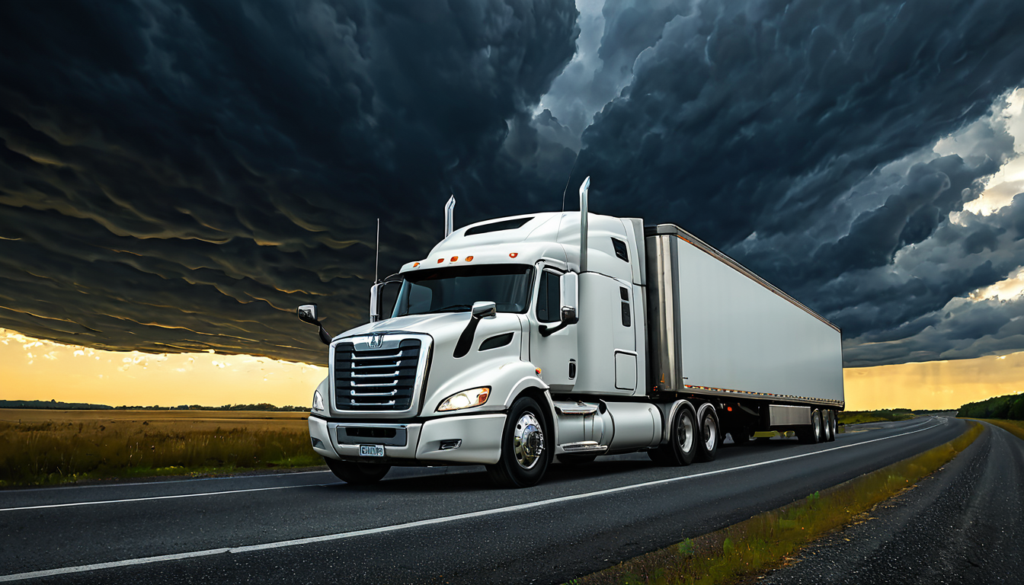
18-Wheeler & Trucking Accident Attorneys in Kent County, Delaware
When 80,000 Pounds Changes Everything: Your Fight Starts Here
The impact was catastrophic. One moment you’re driving through Kent County on your way to work, to pick up your kids, to live your life. The next, an 80,000-pound 18-wheeler has jackknifed across three lanes, or blown through a red light, or crushed your vehicle in a blind spot you never saw coming.
Every 16 minutes, someone in America is injured in a commercial truck crash. In Delaware, with our position along the I-95 corridor and our busy port and agricultural shipping routes, Kent County families face heightened risk. When these accidents happen, the injuries aren’t minor—they’re life-altering. Traumatic brain injuries. Spinal cord damage. Amputations. Wrongful death.
You didn’t ask for this fight. But now you need someone in your corner who knows how to win it.
At Attorney911, we’ve spent over 25 years making trucking companies pay for the devastation they cause. Ralph Manginello, our managing partner since 1998, has recovered multi-million dollar settlements for families just like yours—including $5 million for a traumatic brain injury victim, $3.8 million for an amputation case, and $2.5 million in truck crash recoveries. We’re admitted to federal court, which matters because trucking cases often involve interstate commerce and federal regulations that your average car accident lawyer doesn’t understand.
And here’s what sets us apart: our team includes Lupe Peña, a former insurance defense attorney who spent years inside the system watching adjusters minimize claims and train their people to lowball victims. Now he uses that insider knowledge to fight FOR you. As he told ABC13 Houston in our $10 million University of hazing lawsuit coverage: “If this prevents harm to another person, that’s what we’re hoping to do. Let’s bring this to light. Enough is enough.”
That same tenacity applies to your trucking case.
We know Kent County. We know the trucking corridors that serve our region—from I-95 running through our county to the agricultural shipping routes connecting to the Port of Wilmington, from the distribution centers in Dover to the chicken processing plants that generate massive freight traffic. We understand that Delaware’s modified comparative negligence rules mean you can recover even if you were partially at fault—as long as you weren’t more than 50% responsible. And we know that Delaware’s two-year statute of limitations means the clock is already ticking.
But more than knowing the law, we know what you’re going through. The medical bills piling up. The calls from insurance adjusters who seem friendly but are trained to pay you less. The uncertainty about whether you’ll ever work again, ever play with your kids again, ever feel normal again.
You don’t have to face this alone.
Call Attorney911 today at 1-888-ATTY-911. We answer 24/7. The consultation is free. And we don’t get paid unless we win your case.
Hablamos Español. Llame a Lupe Peña al 1-888-ATTY-911.
Why 18-Wheeler Accidents in Kent County Are Different
The Physics of Devastation
An 18-wheeler isn’t just a big car. It’s a 70-80 foot long, 13-foot high, 80,000-pound missile traveling at highway speeds. When that mass collides with a 4,000-pound passenger vehicle, the results are predictable and catastrophic.
Consider the stopping distances. At 65 mph, your car needs roughly 300 feet to stop—about the length of a football field. An 18-wheeler at the same speed needs 525 feet, nearly two football fields. That extra 225 feet means truck drivers simply cannot react to sudden hazards the way car drivers can. When they fail to maintain safe following distances, rear-end collisions become inevitable.
The height differential creates another deadly hazard. The bottom of a typical trailer sits at roughly 48 inches—perfectly aligned with the hood and windshield of most passenger cars. In an underride collision, the car slides beneath the trailer, shearing off the roof and decapitating occupants. Side underride guards aren’t even federally required, making these accidents particularly deadly.
Kent County’s geography amplifies these risks. Our position along the I-95 corridor means heavy through-traffic from New York to Florida. The Port of Wilmington generates substantial container truck traffic. Agricultural shipping—particularly poultry from the Delmarva Peninsula—creates seasonal spikes in truck volume. And our weather, from summer thunderstorms to winter ice, creates hazardous conditions that too many truck drivers fail to respect.
Federal Regulations That Protect You—When Enforced
The Federal Motor Carrier Safety Administration (FMCSA) exists to prevent exactly the kinds of accidents that devastate Kent County families. These aren’t suggestions—they’re federal law, codified in Title 49 of the Code of Federal Regulations. When trucking companies violate them, they create liability that experienced attorneys can leverage for your recovery.
Hours of Service (49 CFR Part 395) may be the most critical—and most violated—regulations. Property-carrying drivers cannot drive more than 11 hours after 10 consecutive hours off duty. They cannot drive beyond the 14th consecutive hour after coming on duty. They must take a 30-minute break after 8 cumulative hours of driving. And they cannot exceed 60 hours in 7 days or 70 hours in 8 days.
Electronic Logging Devices (ELDs), mandated since December 2017, were supposed to end the era of falsified paper logs. But drivers and companies still find ways to cheat—using “personal conveyance” modes improperly, manipulating duty status changes, or simply driving beyond limits and hoping not to get caught. When they do, fatigue-related accidents follow.
Driver Qualification (49 CFR Part 391) establishes who can legally operate a commercial motor vehicle. Drivers must be at least 21 years old for interstate commerce. They must hold a valid Commercial Driver’s License (CDL) with appropriate endorsements. They must pass a Department of Transportation medical examination every 24 months (or more frequently if conditions warrant). They must be able to read and speak English sufficiently to understand highway signs and respond to official inquiries. And they must have no disqualifying criminal history or substance abuse issues.
Trucking companies must maintain a Driver Qualification File for every driver, containing employment applications, driving record checks, previous employer verifications, medical certifications, drug test results, and training documentation. When companies fail to maintain these files—or worse, hire drivers despite red flags in their backgrounds—they commit negligent hiring, creating direct liability for accidents their unqualified drivers cause.
Vehicle Maintenance (49 CFR Part 396) requires systematic inspection, repair, and maintenance of all commercial motor vehicles. Drivers must conduct pre-trip inspections before every driving day, examining brakes, steering, tires, wheels, lighting, and coupling devices. They must prepare written post-trip reports documenting any defects or deficiencies. And motor carriers must repair any reported defects before allowing the vehicle back into service.
Annual inspections by qualified inspectors are mandatory, with documentation that must be retained for 14 months. Brake systems, in particular, receive intense regulatory scrutiny—49 CFR § 393.40-55 specifies detailed requirements for service brakes, parking brakes, and emergency brakes. Yet brake violations remain among the most common out-of-service violations, and brake failures contribute to approximately 29% of large truck crashes.
Cargo Securement (49 CFR § 393.100-136) establishes performance criteria for keeping cargo from shifting or falling. Securement systems must withstand 0.8 g deceleration forward, 0.5 g acceleration rearward, and 0.5 g lateral forces. Tiedowns must have aggregate working load limits of at least 50% of cargo weight. And specific requirements apply to particular cargo types—logs, metal coils, concrete pipe, intermodal containers, automobiles, and hazardous materials.
When cargo shifts during transit, it can change the vehicle’s center of gravity, causing rollovers. When cargo falls onto roadways, it creates deadly hazards for following vehicles. And when hazardous materials spill, the consequences extend far beyond the immediate accident scene.
These regulations exist to protect you. When trucking companies violate them—whether by pushing drivers beyond hours limits, hiring unqualified operators, deferring maintenance to save money, or cutting corners on cargo securement—they create the dangerous conditions that devastate Kent County families. Proving these violations is how we hold them accountable.
The 10 Potentially Liable Parties in Your Kent County Trucking Accident
Most law firms look at a trucking accident and see one defendant: the driver. Maybe two if they’re thorough: the driver and the trucking company. At Attorney911, we see a web of potential liability that can include ten or more parties—each with their own insurance coverage, each potentially contributing to the dangerous conditions that caused your accident.
Why does this matter? Because more defendants means more insurance pools means higher potential recovery. When you’re facing millions in lifetime medical costs, every additional policy matters.
1. The Truck Driver
The driver who caused your accident may be personally liable for their negligent conduct. This includes obvious violations like speeding, distracted driving, or running red lights. But it also includes more subtle failures: not conducting proper pre-trip inspections, driving while fatigued even if technically within hours limits, or failing to adjust speed for weather conditions.
We pursue the driver’s personal assets and insurance when their conduct was particularly egregious—driving under the influence, for example, or texting while driving in violation of federal regulations.
2. The Trucking Company / Motor Carrier
This is often your primary recovery target. Under the doctrine of respondeat superior—”let the master answer”—employers are liable for employees’ negligent acts within the scope of employment. When a truck driver causes an accident while performing job duties, the trucking company is vicariously liable.
But trucking companies can also be directly liable for their own negligence:
- Negligent hiring: Failing to check the driver’s background, driving record, or criminal history before hiring
- Negligent training: Providing inadequate safety training, hours-of-service education, or cargo securement instruction
- Negligent supervision: Failing to monitor driver compliance with regulations, ignoring ELD violations, or not addressing known safety issues
- Negligent maintenance: Systematically deferring vehicle repairs to save money, creating dangerous conditions
- Negligent scheduling: Pressuring drivers to violate hours-of-service regulations to meet delivery deadlines
We subpoena the trucking company’s complete safety records, including their CSA (Compliance, Safety, Accountability) scores, inspection history, and previous accident patterns. A poor safety record proves the company knew it was putting dangerous drivers and vehicles on the road.
3. The Cargo Owner / Shipper
The company that owned the cargo being transported may share liability. This is particularly relevant in Kent County, where agricultural shipping—poultry, grain, produce—generates substantial truck traffic.
Shippers can be liable when they:
- Provide improper loading instructions that lead to dangerous weight distribution
- Fail to disclose the hazardous nature of cargo (chemicals, flammables)
- Require overweight loading that exceeds vehicle ratings
- Pressure carriers to expedite deliveries beyond safe limits
- Misrepresent cargo weight or characteristics
We examine shipping contracts, bills of lading, and communications between shipper and carrier to identify these failures.
4. The Cargo Loading Company
When third-party companies physically load cargo onto trucks—common at distribution centers, ports, and agricultural facilities—they assume responsibility for proper securement.
Loading companies violate federal regulations when they:
- Fail to use adequate tiedowns for cargo weight and type
- Distribute load unevenly, creating dangerous center of gravity
- Exceed vehicle weight ratings
- Skip required blocking, bracing, or friction mats
- Fail to train loaders on 49 CFR § 393 requirements
Cargo shift during transit causes rollovers. Cargo falling onto roadways causes secondary accidents. We hold loading companies accountable for these failures.
5. The Truck and Trailer Manufacturer
When vehicle design or manufacturing defects contribute to accidents, the companies that built the truck or trailer may be liable under product liability theories.
Common manufacturing defects include:
- Brake system design flaws leading to premature failure
- Stability control system failures contributing to rollovers
- Fuel tank placement creating fire hazards in collisions
- Cab structure deficiencies failing to protect occupants
- Defective underride guards that collapse in impacts
We investigate recall notices, technical service bulletins, and NHTSA complaint databases to identify patterns of defects. We retain automotive engineers to analyze failed components and prove design or manufacturing failures.
6. The Parts Manufacturer
Individual component manufacturers—brake suppliers, tire companies, steering system makers—can be liable when their specific products fail.
We pursue parts manufacturers for:
- Defective brake components causing system failures
- Tire defects leading to blowouts and loss of control
- Steering mechanism failures preventing driver control
- Lighting component defects reducing visibility
- Coupling device failures causing trailer separations
Product liability claims against parts manufacturers often involve complex engineering analysis and industry-wide defect patterns.
7. The Maintenance Company
Third-party maintenance providers—truck service centers, fleet maintenance companies, independent mechanics—assume liability when their negligent repairs create dangerous conditions.
Maintenance negligence includes:
- Failing to properly repair identified brake problems
- Missing critical safety issues during inspections
- Improper brake adjustments creating system failures
- Using substandard or incorrect replacement parts
- Returning vehicles to service with known defects
We subpoena maintenance records, work orders, and mechanic qualifications to prove maintenance failures contributed to accidents.
8. The Freight Broker
Freight brokers—intermediaries who arrange transportation without owning trucks—can be liable for negligent carrier selection. This is increasingly important as digital freight platforms proliferate.
Broker liability arises when they:
- Select carriers with poor safety records despite available alternatives
- Fail to verify carrier operating authority and insurance
- Ignore concerning CSA scores or inspection histories
- Choose cheapest carrier without regard to safety qualifications
We examine broker-carrier agreements, selection criteria, and due diligence procedures to hold brokers accountable for putting dangerous carriers on the road.
9. The Truck Owner (If Different from Carrier)
In owner-operator arrangements—common in the trucking industry—the individual truck owner may bear separate liability from the motor carrier they contract with.
Owner liability includes:
- Negligent entrustment of their vehicle to unqualified drivers
- Failure to maintain owned equipment despite maintenance agreements
- Knowledge of driver unfitness that they failed to disclose
We investigate lease agreements, ownership structures, and maintenance responsibility allocations to identify owner liability.
10. Government Entities
Federal, state, and local government agencies may share liability when road design, maintenance failures, or inadequate safety measures contribute to accidents.
Government liability includes:
- Dangerous highway design with inadequate banking on curves
- Failure to maintain road surfaces, creating hazards
- Missing or inadequate signage for known dangerous conditions
- Failure to install required safety barriers
- Improper work zone setup creating unexpected hazards
Government claims involve special procedures—sovereign immunity limitations, strict notice requirements, and shortened deadlines. We navigate these complexities when government failures contributed to accidents.
The Evidence That Wins Kent County Trucking Cases
Why the First 48 Hours Determine Everything
Trucking companies don’t wait to protect themselves. Within hours of an accident—sometimes before the ambulance even leaves the scene—they deploy rapid-response teams. Investigators arrive with cameras and measuring equipment. Company representatives contact drivers to shape statements. And crucially, they begin the process of securing—or destroying—evidence that could prove their liability.
You need a law firm that moves just as fast. At Attorney911, our 48-hour evidence preservation protocol begins the moment you retain us.
Electronic Data: The Objective Truth
Commercial trucks are rolling data centers. Multiple electronic systems record operational information that often contradicts driver statements and company claims. This data is your most powerful evidence—but it disappears quickly.
Engine Control Module (ECM) / Electronic Control Unit (ECU) continuously records:
- Vehicle speed before, during, and after the crash
- Engine RPM and throttle position
- Brake application timing and pressure
- Cruise control status
- Fault codes indicating mechanical problems
Event Data Recorder (EDR), often called the “black box,” captures pre-crash data triggered by sudden deceleration or airbag deployment:
- Seconds of data before impact
- Seatbelt usage
- Steering input
- Delta-V (change in velocity during crash)
Electronic Logging Device (ELD) records hours-of-service compliance:
- Driving time vs. on-duty time vs. off-duty time
- Location data via GPS
- Duty status changes
- Violations of 11-hour, 14-hour, and 30-minute break rules
Telematics and Fleet Management Systems provide real-time and historical data:
- Route history and deviations
- Speeding events
- Hard braking incidents
- Idle time
- Communication between driver and dispatcher
Dashcam Footage provides visual evidence:
- Forward-facing cameras show road conditions and other vehicles
- Cab-facing cameras show driver behavior (distraction, fatigue, phone use)
- Some systems record continuously; others only save footage around triggered events
The 30-Day Danger Zone
Here’s what trucking companies hope you don’t know: ECM and ELD data can be overwritten in as little as 30 days. Some systems overwrite data with new driving events even faster. Dashcam footage is often deleted within 7-14 days unless specifically saved. And surveillance video from nearby businesses—the gas station, the warehouse, the traffic camera—typically overwrites in 7-30 days depending on the system.
Every day you wait, evidence disappears. The trucking company knows this. Their lawyers know this. Their insurance adjusters know this.
That’s why we don’t wait.
The Spoliation Letter: Your Legal Shield
Within 24 hours of being retained, Attorney911 sends formal spoliation letters to every potentially liable party—the trucking company, their insurer, the driver, the maintenance company, the freight broker, anyone who might possess relevant evidence.
This letter puts them on formal legal notice of their duty to preserve all evidence related to the accident. It specifically demands preservation of:
- ECM/EDR data with immediate download instructions
- ELD records for the driver and vehicle
- Dashcam and forward-facing camera footage
- GPS and telematics data
- Driver Qualification Files
- Drug and alcohol test results
- Maintenance and inspection records
- Dispatch communications and load information
- Cell phone records
- The physical truck and trailer themselves
The consequences of ignoring a spoliation letter are severe. Courts can instruct juries to assume that destroyed evidence would have been unfavorable to the destroying party. They can impose monetary sanctions. In egregious cases, they can enter default judgment—essentially deciding the case against the spoliator without trial. And they can award punitive damages for intentional destruction of evidence.
Trucking companies know this. Once they receive our spoliation letter, the dynamic changes. They can no longer casually “lose” data or “accidentally” overwrite recordings. Their lawyers advise them of the serious consequences. And we gain leverage in settlement negotiations because they know we have the evidence to prove their liability.
What We Do While Evidence Is Being Preserved
Sending spoliation letters is just the beginning. While we wait for formal production of records, we conduct parallel investigations:
Immediate Scene Investigation
We deploy investigators to photograph and measure the accident scene before conditions change. Skid marks fade. Debris gets cleaned up. Road conditions change with weather. We capture the scene as it was at the time of the accident.
Vehicle Documentation
We photograph all involved vehicles before they’re repaired or scrapped. Damage patterns tell the story of impact angles, speeds, and forces. We document airbag deployment, seatbelt usage, and interior damage that proves occupant movement during the crash.
Witness Identification and Interviews
Memories fade and witnesses become harder to locate. We identify and interview witnesses immediately, obtaining recorded statements while recollections are fresh. We also canvass for surveillance cameras—traffic cameras, business security systems, dashcams from other vehicles—that may have captured the accident.
Expert Retention
We immediately retain accident reconstruction engineers, medical experts, and trucking industry specialists. These experts begin their analysis while physical evidence is fresh and available. Their early involvement strengthens our case and demonstrates to defendants that we’re prepared for trial if necessary.
Medical Documentation
We work with your medical providers to ensure complete documentation of your injuries from day one. This includes photographing visible injuries, obtaining emergency room records, and establishing the causal link between the accident and your medical conditions. We also help arrange necessary medical care, including specialist referrals and diagnostic testing, so your health and your case progress together.
The Insurance Defense Advantage
Here’s something most personal injury firms can’t offer: genuine insider knowledge of how insurance companies fight claims.
Lupe Peña, our associate attorney, spent years working at a national insurance defense firm. He sat in the meetings where adjusters learned to minimize payouts. He reviewed the training materials that taught them to pressure injured people into quick, low settlements. He saw exactly how they evaluate claims, what triggers higher offers, and when they’re bluffing about their willingness to go to trial.
Now he uses that knowledge against them.
When Lupe reviews your case, he doesn’t just see the medical records and police report. He sees how the insurance company will attack your claim. He knows which arguments they’ll make, which experts they’ll hire, and which pressure tactics they’ll deploy. And he builds your case to counter every one of them before they even start.
This isn’t theoretical. In our $10 million University of Houston hazing lawsuit, Lupe’s media statement—”If this prevents harm to another person, that’s what we’re hoping to do. Let’s bring this to light. Enough is enough”—demonstrates how we approach every case: with purpose, with preparation, and with the willingness to take on powerful defendants.
What Makes Kent County Trucking Cases Unique
Delaware’s position on the Mid-Atlantic corridor creates specific trucking risks that knowledgeable attorneys must understand.
The I-95 Corridor
Interstate 95 runs directly through Kent County, carrying massive freight volume between New York and Florida. This isn’t just heavy traffic—it’s heavy truck traffic, often with drivers pushing to make delivery windows on long hauls. Fatigue-related accidents are common, and the high speeds on I-95 make collisions more severe when they occur.
Port of Wilmington Traffic
The Port of Wilmington, located just north of Kent County in New Castle County, is one of the busiest ports on the East Coast, particularly for refrigerated cargo like bananas and other produce. This generates substantial container truck traffic through Kent County, with drivers often racing to meet tight delivery schedules for perishable goods. The pressure to deliver on time creates incentives to violate hours-of-service regulations.
Agricultural Shipping
Kent County and the broader Delmarva Peninsula are major agricultural regions. Poultry farming, in particular, generates massive truck traffic—feed deliveries, live hauls to processing plants, and distribution of finished products. These operations often use local drivers who may lack the training and experience of long-haul professionals, and the time-sensitive nature of live animal transport creates pressure to drive unsafely.
Seasonal Weather Hazards
Delaware’s weather creates specific trucking risks. Summer thunderstorms can reduce visibility and create hydroplaning conditions in minutes. Winter ice storms, while less frequent than in northern states, can catch truck drivers unprepared, particularly those from warmer regions unfamiliar with winter driving. And the high humidity of Delaware summers can contribute to driver fatigue.
Understanding these local factors matters because they inform our investigation strategy. When we take a Kent County trucking case, we immediately examine whether port-related time pressures, agricultural shipping demands, or weather conditions contributed to the accident. We know which trucking corridors see the most violations. And we understand how local juries view these cases.
Catastrophic Injuries: The Real Cost of Trucking Accidents
The injuries from 18-wheeler accidents aren’t minor. They don’t heal with a few weeks of rest and physical therapy. They’re catastrophic, life-altering, permanent conditions that require millions in lifetime care and eliminate your ability to work, to enjoy life, to be the person you were before.
At Attorney911, we’ve helped families recover from these devastating injuries. We know what you’re facing because we’ve walked this path with hundreds of clients before you.
Traumatic Brain Injury (TBI)
The forces in a trucking accident—sudden deceleration from highway speeds, impact with steering wheels or windshields, ejection from vehicles—frequently cause traumatic brain injury. This isn’t just a concussion. It’s damage to the brain itself, often with permanent consequences.
Mild TBI (Concussion)
Symptoms include confusion, headache, brief loss of consciousness, memory problems, and difficulty concentrating. While many people recover, some experience post-concussion syndrome with symptoms lasting months or years. Repeated concussions, even mild ones, increase risk of long-term neurological damage.
Moderate TBI
Extended unconsciousness, significant memory loss, and cognitive deficits are common. Recovery is possible but requires intensive rehabilitation. Many patients experience permanent changes in personality, emotional regulation, and executive function—the ability to plan, organize, and make decisions.
Severe TBI
Extended coma, permanent cognitive impairment, and often physical disabilities result. Many severe TBI patients require 24/7 care for life. They may be unable to work, unable to live independently, unable to recognize family members.
The lifetime costs are staggering. Medical care alone ranges from $85,000 for mild cases to over $3 million for severe injuries requiring lifelong care. But that’s just the beginning. Lost earning capacity—often total for moderate and severe cases—adds millions more. And non-economic damages—the pain, suffering, loss of enjoyment of life, impact on family relationships—while harder to quantify, are equally real and equally compensable.
Our TBI settlements range from $1.5 million to $9.8 million, reflecting the severity of these injuries and the lifetime care they require. We work with neuropsychologists, neurologists, life care planners, and vocational experts to document the full extent of damage and project future needs.
Spinal Cord Injury
The same violent forces that cause TBI frequently damage the spinal cord—the bundle of nerves that carries messages between brain and body. When the spinal cord is severed or compressed, those messages stop. The result is paralysis, and it’s permanent.
Paraplegia—loss of function below the waist—eliminates the ability to walk. It often affects bladder and bowel control, sexual function, and temperature regulation below the injury level. While arm and hand function remains, wheelchair dependence creates enormous practical challenges for daily living.
Quadriplegia (also called tetraplegia)—loss of function in all four limbs—is even more devastating. Depending on the injury level, quadriplegics may be unable to breathe without ventilator assistance, unable to feed themselves, unable to perform any activities of daily living without extensive assistance.
Even “incomplete” spinal cord injuries—where some nerve function remains—cause permanent disability, chronic pain, and loss of function that affects every aspect of life.
The lifetime costs are astronomical. Paraplegia care ranges from $1.1 million to $2.5 million. Quadriplegia care starts at $3.5 million and can exceed $5 million. These figures represent direct medical costs only—hospitalizations, surgeries, medications, equipment, home modifications, personal care assistance. They don’t include lost wages, which for young spinal cord injury victims can total millions more over a lifetime of disability. They don’t include non-economic damages—the pain, suffering, loss of enjoyment of life, impact on family relationships.
Our spinal cord injury settlements range from $4.7 million to $25.8 million, reflecting both the enormous costs of these injuries and the profound impact on victims’ lives.
Amputation
The crushing forces of trucking accidents frequently cause injuries so severe that limbs cannot be saved. Sometimes the amputation occurs at the scene—the limb severed by impact or extraction. More often, surgeons must amputate days or weeks later when tissue damage proves irreversible, infection sets in, or circulation cannot be restored.
Either way, the result is permanent disability and a lifetime of adaptation.
Modern prosthetics are remarkable technology, but they’re expensive and require regular replacement. A basic prosthetic leg costs $5,000-$10,000. Advanced microprocessor-controlled bionic limbs can cost $50,000 or more. And they don’t last forever—prosthetics typically need replacement every 3-5 years due to wear, technological advances, or changes in the residual limb.
Beyond the prosthetic itself, amputees need:
- Extensive physical therapy to learn prosthetic use
- Occupational therapy for activities of daily living
- Psychological counseling for body image issues and trauma
- Home modifications (ramps, grab bars, accessible bathrooms)
- Vehicle modifications or specialized vehicles
- Career retraining when previous work becomes impossible
Our amputation settlements range from $1.9 million to $8.6 million, ensuring our clients have the resources for lifetime care and adaptation.
Severe Burns
Fuel tank ruptures, hazmat cargo fires, and post-crash vehicle fires cause severe burns that create permanent disfigurement and disability. Burn injuries are measured by depth and extent:
- First-degree burns affect only the outer skin layer. They heal without scarring.
- Second-degree burns extend into the dermis. They may scar and often require skin grafting.
- Third-degree burns destroy full skin thickness. They always require grafting and cause permanent scarring.
- Fourth-degree burns extend into muscle and bone. They often require amputation and cause permanent disability.
Beyond the initial injury, burn victims face:
- Multiple surgeries for debridement and grafting
- Months of hospitalization
- Intensive rehabilitation
- Permanent scarring and disfigurement
- Loss of sensation in grafted areas
- Psychological trauma from the injury and its aftermath
Burn cases require substantial settlements to cover ongoing medical needs and compensate for permanent disfigurement.
Internal Organ Damage
The blunt force trauma of trucking accidents frequently damages internal organs, even when external injuries appear minor. Liver lacerations, spleen ruptures, kidney damage, lung contusions, and intestinal injuries may not show immediate symptoms but can be life-threatening.
These injuries are particularly dangerous because:
- Symptoms may be delayed hours or days after the accident
- Internal bleeding can cause shock and death if not treated
- Emergency surgery is often required
- Organ removal (splenectomy, partial hepatectomy) affects long-term health
- Follow-up complications are common
We ensure clients receive thorough medical evaluation after accidents, including CT scans and other imaging that can detect internal injuries before they become critical.
Wrongful Death
When trucking accidents kill, families are left with grief, financial devastation, and the crushing injustice of a preventable death. Wrongful death claims allow surviving family members to recover compensation and hold negligent parties accountable.
Kent County wrongful death claims may be brought by:
- Surviving spouses
- Children (minor and adult)
- Parents (when no spouse or children survive)
- Estate representatives
Damages available include:
- Lost future income and benefits the deceased would have earned
- Loss of consortium—companionship, care, guidance, emotional support
- Mental anguish and emotional suffering of survivors
- Funeral and burial expenses
- Medical expenses incurred before death
- Pain and suffering experienced by the deceased before death
- Punitive damages when gross negligence or willful misconduct caused the death
Our wrongful death settlements range from $1.9 million to $9.5 million, reflecting the profound and permanent loss these cases represent.
FMCSA Regulations: The Rules Trucking Companies Break
The Federal Motor Carrier Safety Administration (FMCSA) exists to prevent trucking accidents. When companies violate these regulations, they create the dangerous conditions that devastate Kent County families. Proving these violations is how we establish liability and maximize your recovery.
Part 390: General Applicability
This part establishes who must comply with federal trucking regulations. It applies to all motor carriers operating commercial motor vehicles in interstate commerce—all vehicles with gross vehicle weight rating over 10,001 pounds, vehicles designed to transport 16 or more passengers, and vehicles transporting hazardous materials requiring placards.
The key definition is “commercial motor vehicle” (CMV). When a vehicle meets CMV criteria, the entire regulatory framework applies—hours of service, driver qualification, vehicle maintenance, and all other safety requirements. We use this definitional framework to establish which regulations apply to your accident and which violations may have occurred.
Part 391: Driver Qualification
This part establishes who is legally permitted to operate a commercial motor vehicle. The requirements are specific and mandatory—and trucking companies violate them constantly.
Minimum qualifications include:
- Age 21 or older for interstate commerce (18 for intrastate)
- Ability to read and speak English sufficiently to understand highway signs, respond to official inquiries, and make entries on reports
- Physical qualification per § 391.41, including vision of at least 20/40 in each eye, adequate hearing, and no disqualifying medical conditions
- Valid CDL with appropriate endorsements for vehicle and cargo type
- Completion of required entry-level driver training for new drivers
The Driver Qualification File is where companies most often fail. For every driver, motor carriers must maintain a file containing:
- Employment application
- Motor vehicle record from state licensing authority
- Road test certificate or equivalent
- Medical examiner’s certificate (valid for maximum 24 months)
- Annual driving record review
- Previous employer inquiries for 3-year driving history
- Drug and alcohol test records
Missing files, incomplete background checks, or hiring despite red flags in a driver’s history constitute negligent hiring—direct liability for the trucking company.
We subpoena these files in every case. We’ve found drivers hired despite multiple previous accidents, positive drug tests, suspended licenses, and medical conditions that should have disqualified them. Each violation strengthens your case.
Part 392: Driving of Commercial Motor Vehicles
This part establishes rules for safe operation. Violations here are often the immediate cause of accidents.
§ 392.3: Ill or Fatigued Operator
“No driver shall operate a commercial motor vehicle, and a motor carrier shall not require or permit a driver to operate a commercial motor vehicle, while the driver’s ability or alertness is so impaired, or so likely to become impaired, through fatigue, illness, or any other cause, as to make it unsafe for him/her to begin or continue to operate the commercial motor vehicle.”
This regulation makes both the driver and the trucking company liable for fatigue-related accidents. When we prove HOS violations or dispatch records showing impossible schedules, we establish direct company liability.
§ 392.4 and § 392.5: Drugs and Alcohol
Drivers cannot operate while under the influence of any substance that impairs safe driving. The alcohol prohibition is particularly strict: no alcohol within 4 hours before duty, no alcohol while on duty, and a 0.04 BAC limit (half the standard for passenger vehicle drivers).
Post-accident drug and alcohol testing is mandatory under 49 CFR Part 382. We aggressively pursue these test results, which can establish automatic liability if positive.
§ 392.6: Speeding
Motor carriers cannot schedule runs that would require speeds exceeding legal limits. This matters when companies set impossible delivery schedules that effectively force drivers to speed.
§ 392.11: Following Too Closely
The “reasonable and prudent” following distance standard is violated constantly. Given trucks’ 40% longer stopping distances, following too closely is particularly dangerous—and particularly common.
§ 392.80 and § 392.82: Mobile Phone Use
Texting while driving is prohibited for commercial drivers. Hand-held mobile telephone use is prohibited. We subpoena cell phone records to prove distraction violations.
Part 393: Parts and Accessories for Safe Operation
This part establishes equipment standards. Violations here create dangerous conditions that cause accidents.
§ 393.100-136: Cargo Securement
Cargo must be contained, immobilized, or secured to prevent leaking, spilling, blowing, falling, or shifting that affects vehicle stability. Securement systems must withstand specified forces: 0.8 g deceleration forward, 0.5 g rearward, 0.5 g lateral.
Tiedown requirements are specific: aggregate working load limit at least 50% of cargo weight for loose cargo; minimum tiedowns based on cargo length; additional tiedowns every 10 feet.
When cargo shifts, it changes the vehicle’s center of gravity, causing rollovers. When cargo falls, it creates deadly road hazards. When securement fails, the trucking company, loading company, and potentially the shipper all share liability.
§ 393.40-55: Brakes
All CMVs must have properly functioning service brakes on all wheels, parking/emergency brake systems, and air brake systems meeting specific requirements. Brake adjustment must be maintained within specifications.
Brake problems contribute to approximately 29% of large truck crashes. When we find deferred brake maintenance, ignored driver vehicle inspection reports, or out-of-service violations that were ignored, we prove systematic company negligence.
§ 393.80: Mirrors
Mirrors must provide clear view to rear on both sides. Improper mirror adjustment or damaged mirrors contribute to blind spot accidents. Driver pre-trip inspection includes mirror check—failure to inspect is negligence.
§ 393.86: Rear Impact Guards
Trailers manufactured after January 26, 1998 must have rear impact guards (underride guards) designed to prevent passenger vehicles from sliding underneath. Guards must prevent underride at 30 mph impact.
Yet many guards are damaged, improperly maintained, or inadequately designed. Side underride guards remain not federally required—a deadly gap in safety regulation that contributes to hundreds of fatalities annually. When underride occurs, we examine guard compliance, maintenance, and design to identify all liable parties.
Part 395: Hours of Service
This part prevents driver fatigue by limiting driving time and mandating rest. Fatigue contributes to approximately 31% of fatal truck crashes. These regulations are among the most commonly violated—and most deadly when violated.
Property-Carrying Driver Limits:
- 11-hour driving limit: Cannot drive more than 11 hours after 10 consecutive hours off duty
- 14-hour duty window: Cannot drive beyond 14th consecutive hour after coming on duty
- 30-minute break: Required after 8 cumulative hours of driving
- 60/70-hour weekly limits: Cannot drive after 60 hours in 7 days or 70 hours in 8 days
- 34-hour restart: Can reset weekly limits with 34 consecutive hours off duty
ELD Mandate: Since December 18, 2017, most CMV drivers must use Electronic Logging Devices that automatically record driving time, synchronize with vehicle engines, and cannot be altered after the fact. ELD data provides objective proof of hours-of-service violations.
Yet violations persist. Drivers and companies cheat the system—using “personal conveyance” modes improperly, manipulating duty status changes, or simply driving beyond limits and hoping not to get caught. When they do, fatigue impairs reaction time, judgment, and attention, creating deadly conditions on Kent County roads.
We subpoena ELD data in every case. We analyze it for violations. And we use those violations to prove the trucking company created dangerous conditions that caused your accident.
Part 396: Inspection, Repair, and Maintenance
This part ensures CMVs are maintained in safe operating condition. Systematic neglect here creates the mechanical failures that cause accidents.
§ 396.3: Systematic Inspection, Repair, and Maintenance
Motor carriers must systematically inspect, repair, and maintain all vehicles. This isn’t optional maintenance when convenient—it’s mandatory, scheduled, documented upkeep.
§ 396.11: Driver Vehicle Inspection Reports
After each day’s driving, drivers must prepare written reports on vehicle condition, covering at minimum: service brakes, parking brake, steering mechanism, lighting devices, tires, horn, windshield wipers, rear vision mirrors, coupling devices, wheels and rims, and emergency equipment.
Defects must be repaired before the vehicle returns to service. When drivers report problems and companies ignore them, the company is directly liable for resulting accidents.
§ 396.13: Pre-Trip Inspection
Before driving, drivers must be satisfied the vehicle is in safe operating condition. They must review the last driver vehicle inspection report if defects were noted. Failure to conduct proper pre-trip inspections is negligence.
§ 396.17: Annual Inspection
Every CMV must pass comprehensive annual inspection covering 16+ systems. Inspection decals must be displayed. Records must be retained for 14 months.
Maintenance Record Retention (§ 396.3):
Motor carriers must maintain records for each vehicle showing identification, inspection/repair/maintenance schedules, and records of repairs. Records must be retained for 1 year.
We subpoena these records in every case. We’ve found trucks with brake violations ignored for months, tires worn below legal tread depth, lighting systems with multiple failed bulbs, and coupling devices improperly maintained. Each violation is evidence of company negligence that strengthens your case.
The 15 Types of 18-Wheeler Accidents We Handle in Kent County
Not all trucking accidents are the same. Each type involves different causes, different liable parties, different evidence requirements, and different injury patterns. At Attorney911, we’ve handled every type of 18-wheeler accident. We know what to look for, where to find it, and how to build winning cases.
Jackknife Accidents
A jackknife occurs when the trailer and cab skid in opposite directions, with the trailer folding at an angle like a pocket knife. The trailer swings out perpendicular to the cab, often sweeping across multiple lanes and striking vehicles in its path.
Jackknifes typically result from:
- Sudden or improper braking, especially on wet or icy roads
- Speeding, particularly on curves or in adverse conditions
- Empty or lightly loaded trailers (more prone to swing)
- Improperly loaded or unbalanced cargo
- Brake system failures
- Driver inexperience with emergency maneuvers
The danger of jackknife accidents is their unpredictability. Once a trailer begins to swing, even experienced drivers struggle to recover. Nearby vehicles have no warning and no escape route. Multi-vehicle pileups are common.
We prove jackknife liability through ECM data showing brake application timing and force, ELD data revealing speed and driving conditions, maintenance records documenting brake condition, and cargo records showing load distribution. When companies failed to maintain brakes, properly train drivers, or secure cargo, we hold them accountable.
Rollover Accidents
Rollovers occur when an 18-wheeler tips onto its side or roof. Given trucks’ high center of gravity and massive weight, rollovers are among the most catastrophic accidents, frequently causing multi-vehicle involvement and cargo spills.
Approximately 50% of rollover crashes result from failure to adjust speed for curves. The physics are unforgiving: a truck entering a curve too fast experiences centrifugal force that, combined with the high center of gravity, overcomes stability. The result is a rollover that blocks highways, spills cargo, and crushes nearby vehicles.
Other common causes include:
- Improperly secured or unevenly distributed cargo that shifts during turns
- Liquid cargo “slosh” that unpredictably changes center of gravity
- Overcorrection after tire blowout or lane departure
- Driver fatigue causing delayed reaction to developing situations
- Road design defects with inadequate banking on curves
Rollover injuries are severe. Vehicles struck by the falling trailer experience crushing forces. Cargo spills create secondary hazards—hazardous materials fires, spilled loads causing chain-reaction crashes, debris striking following vehicles. And fuel spills create fire risks that cause severe burns.
We prove rollover liability through ECM data showing speed through curves, cargo manifest and securement documentation, load distribution records, driver training on rollover prevention, and road geometry analysis. When companies pressured drivers to speed, failed to train on cargo securement, or ignored known road hazards, we prove their negligence.
Underride Collisions
Underride collisions are among the most fatal trucking accidents. They occur when a smaller vehicle crashes into the rear or side of a trailer and slides underneath. The trailer height—typically 48-54 inches—aligns with the hood and windshield of most passenger cars. In a rear underride, the car’s roof is sheared off at windshield level. In a side underride, the car slides under the trailer between wheels, with similar decapitation results.
Approximately 400-500 underride deaths occur annually in the United States. The survival rate is devastatingly low. Even when occupants survive, they suffer catastrophic head and neck injuries, often with permanent disability.
Rear underride typically occurs when:
- A truck stops suddenly without adequate warning (brake lights obscured, no hazard flashers)
- A truck is parked on the shoulder without proper reflective markings
- A truck backs into traffic at a loading dock or driveway
- Visibility is reduced by darkness, fog, or rain
Federal regulations require rear impact guards on trailers manufactured after January 26, 1998. These guards must prevent underride at 30 mph impact. But many guards are damaged, poorly maintained, or inadequately designed. Some trailers on the road predate the requirement entirely. And the 30 mph standard is itself inadequate—many underride crashes occur at highway speeds where even compliant guards fail.
Side underride is even more deadly because no federal requirement for side underride guards exists. When trucks make wide right turns, change lanes into blind spots, or cross intersections, passenger vehicles can slide beneath the trailer between the wheels. The trailer floor crushes the vehicle roof, with catastrophic results.
Some trucking companies voluntarily install side guards. Some jurisdictions require them. But the absence of federal mandate means most trailers on American roads lack this basic protection.
We prove underride liability through guard inspection and maintenance records, rear lighting compliance documentation, crash dynamics analysis showing underride depth, guard installation and certification records, and visibility condition analysis. When guards were damaged, missing, or inadequate, or when lighting failed to provide adequate warning, we prove the trucking company’s negligence contributed to the fatal underride.
Rear-End Collisions
Rear-end collisions involving 18-wheelers are particularly devastating due to the massive weight differential and extended stopping distances. When a truck rear-ends a passenger vehicle, the car is often crushed or pushed into other vehicles or obstacles. When a car rear-ends a truck, underride becomes a risk.
The physics are unforgiving. At 65 mph, a fully loaded truck needs approximately 525 feet to stop—nearly two football fields. A car at the same speed needs about 300 feet. That 225-foot difference means truck drivers cannot react to sudden hazards the way car drivers can. When they follow too closely, speed for conditions, or drive while fatigued, rear-end collisions become inevitable.
Common causes include:
- Following too closely (tailgating), violating the “reasonable and prudent” standard of § 392.11
- Driver distraction from cell phones, dispatch communications, or in-cab electronics
- Driver fatigue causing delayed reaction times
- Excessive speed for traffic conditions
- Brake failures from poor maintenance
- Failure to anticipate traffic slowdowns
- Impaired driving
We prove rear-end liability through ECM data showing following distance and speed, ELD data for fatigue analysis, cell phone records for distraction evidence, brake inspection and maintenance records, and dashcam footage. When companies failed to train drivers on safe following distances, pressured them to speed, or ignored brake maintenance, we prove their negligence.
Wide Turn Accidents (“Squeeze Play”)
Wide turn accidents occur when an 18-wheeler swings wide—often to the left—before making a right turn, creating a gap that other vehicles enter. The truck then completes its turn, crushing or striking the vehicle that entered the gap.
These accidents are so common they have a name: “squeeze play.” And they’re particularly dangerous because they often involve vulnerable road users—motorcyclists, cyclists, pedestrians—who are drawn into the gap the truck creates.
Why trucks make wide turns: 18-wheelers need significant space to complete turns. The trailer tracks inside the path of the cab. Drivers must swing wide to avoid curbs, signs, or buildings. This is normal, necessary truck operation—but it creates deadly hazards when drivers fail to check their surroundings or signal their intentions.
Common causes include:
- Failure to properly signal turning intention
- Inadequate mirror checks before and during turn
- Improper turn technique (swinging too early or too wide)
- Driver inexperience with trailer tracking
- Failure to yield right-of-way when completing turn
- Poor intersection design forcing wide turns
We prove wide turn liability through turn signal activation data from ECM, mirror condition and adjustment records, driver training records on turning procedures, intersection geometry analysis, and witness statements on turn execution. When companies failed to train drivers on proper turning technique or equipped trucks with inadequate mirrors, we prove their negligence.
Blind Spot Accidents (“No-Zone”)
Blind spot accidents occur when an 18-wheeler changes lanes or maneuvers without seeing a vehicle in one of its four major blind spots. Trucking industry training calls these the “No-Zones”—areas where trucks cannot see you, and you should not linger.
The four No-Zones are:
- Front No-Zone: 20 feet directly in front of the cab. The driver sits high above the road and cannot see low vehicles directly in front. This is particularly dangerous when trucks cut off smaller vehicles or when cars cut in front of trucks and brake suddenly.
- Rear No-Zone: 30 feet behind the trailer. Trucks have no rear-view mirrors. The driver cannot see vehicles directly behind, making sudden stops or backing maneuvers dangerous.
- Left Side No-Zone: Extends from the cab door backward along the left side. The driver can see this area somewhat through the driver’s side mirror, but it’s still a significant blind spot.
- Right Side No-Zone: Extends from the cab door backward along the right side, much larger than the left side. This is the most dangerous No-Zone because the driver has the least visibility on this side, and right turns require the truck to swing wide, creating squeeze play situations.
Right-side blind spot accidents are especially common and especially deadly. When trucks change lanes to the right, make right turns, or merge from ramps, vehicles in the right No-Zone are invisible to the driver.
Common causes of blind spot accidents include:
- Failure to check mirrors before lane changes
- Improperly adjusted or damaged mirrors
- Inadequate mirror checking during sustained maneuvers
- Driver distraction during lane changes
- Driver fatigue affecting situational awareness
- Failure to use turn signals allowing other drivers to anticipate
We prove blind spot liability through mirror condition and adjustment records, lane change data from ECM/telematics, turn signal activation records, driver training on blind spot awareness, and dashcam footage. When companies equipped trucks with inadequate mirrors, failed to train drivers on No-Zone awareness, or ignored mirror maintenance, we prove their negligence.
Tire Blowout Accidents
Tire blowout accidents occur when one or more tires on an 18-wheeler suddenly fail, causing the driver to lose control. Debris from blown tires can also strike other vehicles, causing secondary accidents.
With 18 tires on a typical tractor-trailer, multiple failure points exist. Steer tire (front axle) blowouts are particularly dangerous because they cause immediate loss of steering control. Drive axle and trailer tire blowouts can cause the driver to overcorrect, leading to jackknife or rollover.
Common causes include:
- Underinflated tires causing overheating and internal damage
- Overloaded vehicles exceeding tire capacity
- Worn or aging tires not replaced despite visible deterioration
- Road debris punctures
- Manufacturing defects
- Improper tire matching on dual wheels
- Heat buildup on long hauls, particularly in summer months
- Inadequate pre-trip tire inspections
We prove tire blowout liability through tire maintenance and inspection records, tire age and wear documentation, inflation records and pressure checks, vehicle weight records from weigh stations, tire manufacturer and purchase records, and expert analysis of failed tires for defect identification.
FMCSA requirements are specific: § 393.75 specifies tire requirements including minimum tread depth (4/32 inch on steer tires, 2/32 inch on other positions) and condition standards. § 396.13 requires pre-trip inspection including tire check. Violations of these requirements prove negligence.
Brake Failure Accidents
Brake failure accidents occur when an 18-wheeler’s braking system fails or underperforms, preventing the driver from stopping in time. Given trucks’ 40% longer stopping distances, brake failures are particularly deadly.
Brake problems contribute to approximately 29% of large truck crashes. Brake system violations are among the most common FMCSA out-of-service violations. And complete brake failure is often the result of systematic maintenance neglect rather than sudden component failure.
Common causes include:
- Worn brake pads or shoes not replaced despite inspection requirements
- Improper brake adjustment (too loose or too tight)
- Air brake system leaks or failures
- Overheated brakes (“brake fade”) on long descents
- Contaminated brake fluid
- Defective brake components
- Failure to conduct required pre-trip inspections
- Deferred maintenance to save costs
We prove brake failure liability through brake inspection and maintenance records, out-of-service inspection history, ECM data showing brake application and effectiveness, post-crash brake system analysis, driver vehicle inspection reports (DVIRs), and mechanic work orders and parts records.
FMCSA requirements are extensive: § 393.40-55 specifies brake system requirements; § 396.3 mandates systematic inspection and maintenance; § 396.11 requires driver post-trip reports on brake condition; and air brake pushrod travel limits are specified. Each violation is evidence of negligence.
Your Rights Under Delaware Law
Statute of Limitations: The Clock Is Ticking
In Delaware, you have two years from the date of your trucking accident to file a personal injury lawsuit. For wrongful death claims, the two-year period runs from the date of death.
This seems like a long time. It isn’t. Critical evidence begins disappearing within days. Black box data overwrites in 30 days. Dashcam footage deletes in 7-14 days. Witness memories fade within weeks. And the trucking company is building its defense from hour one.
We recommend contacting an attorney within 24-48 hours of your accident. Our immediate response includes sending spoliation letters to preserve evidence, deploying investigators to document the scene, and beginning the process of building your case while the trucking company is still scrambling to protect itself.
Comparative Negligence: You Can Recover Even If Partially at Fault
Delaware follows modified comparative negligence with a 51% bar rule. This means:
- If you were 50% or less at fault, you can recover damages reduced by your percentage of fault. If you were 20% at fault and your damages total $1 million, you recover $800,000.
- If you were more than 50% at fault, you recover nothing.
Trucking companies and their insurers love to blame victims. They’ll claim you were speeding, following too closely, or failed to avoid the accident. We don’t let them get away with it.
Our investigation gathers objective evidence—ECM data, ELD records, dashcam footage, witness statements—that proves what really happened. We reconstruct accidents to demonstrate truck driver negligence. And we expose company failures—poor training, impossible schedules, inadequate maintenance—that created the dangerous conditions causing your accident.
No Damage Caps: Your Full Recovery Is Possible
Unlike some states, Delaware does not cap damages in personal injury cases. This means:
- Economic damages—medical bills, lost wages, future earning capacity, property damage—are fully recoverable with proper documentation.
- Non-economic damages—pain and suffering, mental anguish, loss of enjoyment of life, disfigurement, loss of consortium—have no statutory limit.
- Punitive damages—awarded when defendants act with gross negligence, willful misconduct, or conscious indifference to safety—are available to punish wrongdoing and deter future misconduct.
This matters because trucking cases often justify substantial non-economic and punitive damages. When companies knowingly put fatigued drivers on the road, ignore maintenance problems, or destroy evidence, juries respond with significant awards. Our case preparation targets these high-value outcomes.
Insurance Coverage: Why Trucking Cases Are Worth More
Federal Minimums: $750,000 to $5 Million
Federal law requires commercial trucking companies to carry liability insurance far exceeding typical auto policies:
| Cargo Type | Minimum Coverage |
|---|---|
| Non-hazardous freight (10,001+ lbs GVWR) | $750,000 |
| Oil/petroleum (10,001+ lbs GVWR) | $1,000,000 |
| Large equipment (10,001+ lbs GVWR) | $1,000,000 |
| Hazardous materials (all types) | $5,000,000 |
| Passengers (16+ passengers) | $5,000,000 |
| Passengers (15 or fewer) | $1,500,000 |
These are minimums. Many carriers carry $1-5 million or more in coverage. And when multiple parties are liable—driver, trucking company, cargo owner, maintenance company, broker—multiple insurance policies may apply.
This matters for your recovery. Unlike car accidents where insurance may be limited to $30,000-$100,000, trucking accidents typically have at least $750,000 available—and often much more. Catastrophic injuries that would exhaust auto policies can be fully compensated from trucking insurance.
But accessing these policies requires knowing how trucking law works. Insurance companies don’t volunteer coverage information. They hide behind complex policy language, excess and umbrella structures, and disputes about which policies apply. Our experience navigating these complexities ensures you recover the full insurance available.
MCS-90 Endorsements: Additional Protection
Many commercial vehicle policies include MCS-90 endorsements—federally required provisions that guarantee minimum damages will be paid to injured parties regardless of policy exclusions. These endorsements kick in when:
- The standard policy doesn’t cover the accident
- The driver was at fault
- The injured party wasn’t an employee of the carrier
- No other compensation source exists
Even if the trucking company claims their policy doesn’t cover your accident, the MCS-90 endorsement may provide coverage. We investigate all potential coverage sources, including these federally mandated protections.
What to Do After a Kent County Trucking Accident
The moments after a trucking accident are chaotic, painful, and confusing. But the actions you take—or fail to take—can profoundly affect your legal rights and your ability to recover full compensation. Here’s what you need to know.
Immediate Steps (If You’re Able)
Call 911 and Report the Accident
Delaware law requires reporting accidents involving injury, death, or vehicle damage preventing safe operation. But more importantly, emergency response ensures you receive immediate medical attention and creates official documentation of the accident.
Seek Medical Attention Immediately
Even if you feel “okay,” seek medical evaluation. Adrenaline masks pain. Internal injuries, traumatic brain injuries, and spinal damage may not show symptoms for hours or days. Medical documentation from the emergency room creates the causal link between the accident and your injuries that insurance companies will later try to dispute.
Document Everything
If you’re physically able, photograph everything:
- All vehicles involved, showing damage from multiple angles
- The accident scene, including skid marks, debris, and road conditions
- Street signs, traffic signals, and mile markers establishing location
- Weather conditions and visibility
- Your visible injuries
- The truck’s DOT number, license plates, and company identification
Also collect:
- The truck driver’s name, contact information, CDL number, and employer
- Witness names and contact information
- Responding officer’s name and badge number
Do NOT Give Recorded Statements
Insurance adjusters may contact you within hours of the accident, while you’re still in shock, possibly medicated, and certainly not thinking clearly. They’ll ask for a “routine” recorded statement. Don’t give it.
These statements are not routine. They’re evidence-gathering exercises designed to get you to say things that minimize your claim. Adjusters are trained to ask leading questions, to interrupt before you finish answering, to suggest answers that benefit their company. Anything you say can and will be used to reduce your settlement.
Politely decline. Tell them you’re not giving any statements without your attorney present. Then call us.
Within 24-48 Hours: Call Attorney911
The trucking company has lawyers. They have investigators. They have insurance adjusters trained to minimize your claim. They’re working right now to protect their interests.
You need someone working for you.
Call Attorney911 at 1-888-ATTY-911. We answer 24/7. The consultation is free. And we don’t get paid unless we win your case.
When you call, we’ll immediately begin our 48-hour evidence preservation protocol:
- Send spoliation letters to the trucking company, their insurer, and all potentially liable parties
- Deploy investigators to document the accident scene before conditions change
- Begin the process of obtaining police reports, witness statements, and medical records
- Retain accident reconstruction experts if needed
- Start building your case while the trucking company is still scrambling to protect itself
Every hour you wait, evidence disappears. The trucking company knows this. Their lawyers know this. Their insurance adjusters know this.
Don’t let them get ahead of you. Call now.
Frequently Asked Questions About Kent County Trucking Accidents
How long do I have to file a lawsuit after a trucking accident in Delaware?
Delaware’s statute of limitations for personal injury claims is two years from the date of the accident. For wrongful death claims, it’s two years from the date of death.
This seems like ample time. It isn’t. Critical evidence begins disappearing within days. Black box data overwrites in 30 days. Dashcam footage deletes in 7-14 days. Witness memories fade within weeks. And the trucking company is building its defense from hour one.
We recommend contacting an attorney within 24-48 hours of your accident. Our immediate response includes sending spoliation letters to preserve evidence, deploying investigators to document the scene, and beginning the process of building your case while evidence is fresh.
Can I recover compensation if I was partially at fault for the accident?
Yes, under Delaware’s modified comparative negligence rules. You can recover damages as long as you were 50% or less at fault. Your recovery is reduced by your percentage of fault. If you were 20% at fault and your damages total $1 million, you recover $800,000.
However, if you were more than 50% at fault, you recover nothing.
Trucking companies and their insurers love to blame victims. They’ll claim you were speeding, following too closely, or failed to avoid the accident. We don’t let them get away with it.
Our investigation gathers objective evidence—ECM data, ELD records, dashcam footage, witness statements—that proves what really happened. We reconstruct accidents to demonstrate truck driver negligence. And we expose company failures—poor training, impossible schedules, inadequate maintenance—that created the dangerous conditions causing your accident.
What damages can I recover in a Delaware trucking accident case?
Delaware does not cap damages in personal injury cases. You can recover:
Economic damages (calculable financial losses):
- Medical expenses (past, present, and future)
- Lost wages and income
- Lost earning capacity
- Property damage
- Out-of-pocket expenses (transportation, home modifications, etc.)
- Life care costs for catastrophic injuries
Non-economic damages (quality of life impacts):
- Pain and suffering
- Mental anguish
- Loss of enjoyment of life
- Disfigurement
- Loss of consortium (impact on marriage/family relationships)
- Physical impairment
Punitive damages (punishment for gross negligence):
- Available when defendants act with gross negligence, willful misconduct, or conscious indifference to safety
- Intended to punish wrongdoing and deter future misconduct
- Require clear and convincing evidence of egregious conduct
The absence of damage caps means catastrophic injuries can be fully compensated. When trucking companies knowingly put dangerous drivers on the road, ignore maintenance problems, or destroy evidence, juries respond with substantial awards that reflect the true cost of these devastating injuries.
How much insurance do trucking companies carry?
Federal law requires minimum liability coverage far exceeding typical auto policies:
| Cargo Type | Minimum Coverage |
|---|---|
| Non-hazardous freight (10,001+ lbs GVWR) | $750,000 |
| Oil/petroleum (10,001+ lbs GVWR) | $1,000,000 |
| Large equipment (10,001+ lbs GVWR) | $1,000,000 |
| Hazardous materials (all types) | $5,000,000 |
| Passengers (16+ passengers) | $5,000,000 |
| Passengers (15 or fewer) | $1,500,000 |
These are minimums. Many carriers carry $1-5 million or more. And when multiple parties are liable—driver, trucking company, cargo owner, maintenance company, broker—multiple insurance policies may apply.
This matters for your recovery. Unlike car accidents where insurance may be limited to $30,000-$100,000, trucking accidents typically have at least $750,000 available—and often much more. Catastrophic injuries that would exhaust auto policies can be fully compensated from trucking insurance.
But accessing these policies requires knowing how trucking law works. Insurance companies don’t volunteer coverage information. They hide behind complex policy language, excess and umbrella structures, and disputes about which policies apply. Our experience navigating these complexities ensures you recover the full insurance available.
What is a spoliation letter and why does it matter?
A spoliation letter is a formal legal notice sent to the trucking company, their insurer, and all potentially liable parties demanding preservation of all evidence related to the accident.
This letter puts defendants on formal legal notice of their preservation obligation. Once received, they have a legal duty to maintain all potentially relevant evidence. Destroying evidence after receiving a spoliation letter has serious consequences:
- Courts can instruct juries to assume destroyed evidence would have been unfavorable to the destroying party
- Courts can impose monetary sanctions
- In egregious cases, courts can enter default judgment—deciding the case against the spoliator without trial
- Courts can award punitive damages for intentional destruction of evidence
At Attorney911, we send spoliation letters within 24 hours of being retained. We don’t wait. We don’t give the trucking company time to “lose” evidence. We put them on notice immediately that their preservation obligations are in effect and that destruction will have consequences.
The spoliation letter demands preservation of:
- ECM/EDR data with immediate download instructions
- ELD records for the driver and vehicle
- Dashcam and forward-facing camera footage
- GPS and telematics data
- Driver Qualification Files
- Drug and alcohol test results
- Maintenance and inspection records
- Dispatch communications and load information
- Cell phone records
- The physical truck and trailer themselves
Once this letter is sent, the dynamic changes. The trucking company can no longer casually overwrite data or “accidentally” delete footage. Their lawyers advise them of the serious consequences of spoliation. And we gain leverage in settlement negotiations because they know we have the evidence to prove their liability.
How do I choose the right attorney for my Kent County trucking accident?
Not all personal injury attorneys are equal. Trucking accidents require specialized knowledge that many car accident lawyers lack. When choosing an attorney, consider:
Experience with trucking cases specifically
Has the attorney handled 18-wheeler accidents before? Do they understand FMCSA regulations, hours of service, driver qualification files, and the other unique aspects of trucking litigation? Or do they treat your case like a simple car accident?
Ralph Manginello has made trucking companies pay for 25+ years. We’ve handled cases against Walmart, Amazon, FedEx, UPS, Coca-Cola, and countless other major carriers. We know how they operate, how they defend cases, and how to beat them.
Federal court experience
Trucking cases often involve interstate commerce, federal regulations, and parties from multiple states. Federal court may be the best—or only—venue. Is your attorney admitted to federal court? Do they have experience with federal practice?
Ralph Manginello is admitted to the U.S. District Court for the Southern District of Texas. We handle federal trucking cases regularly and know how to navigate federal procedure to your advantage.
Resources for complex litigation
Trucking cases require substantial investment—accident reconstruction experts, medical specialists, vocational experts, life care planners, and more. Does the attorney have the financial resources to advance these costs? Or will they pressure you to settle early because they can’t afford to litigate?
We’ve recovered over $50 million for our clients. We advance all litigation costs. We don’t get paid unless we win. And we never pressure clients to settle for less than they deserve.
Personal attention
Will you work directly with an experienced attorney, or will your case be handled by paralegals and case managers? Will the attorney know your name, your story, your goals?
At Attorney911, Ralph Manginello is personally involved in every major case. As client Dame Haskett said: “Consistent communication and not one time did I call and not get a clear answer… Ralph reached out personally.” You’re not a case number to us. You’re family.
Results
What has the attorney actually achieved? Not marketing claims, but verified results?
Our documented settlements include:
- $5+ million for traumatic brain injury (logging accident)
- $3.8+ million for partial leg amputation (car accident with medical complications)
- $2.5+ million for truck crash recovery
- $2+ million for maritime back injury (Jones Act)
- Multi-million dollar wrongful death recoveries
And we’re currently litigating a $10 million lawsuit against a major university for hazing injuries—demonstrating our willingness to take on powerful institutions.
Our 251+ Google reviews with a 4.9-star average tell the same story. As client Chad Harris said: “You are NOT a pest to them and you are NOT just some client… You are FAMILY to them.” As Glenda Walker told us: “They fought for me to get every dime I deserved.”
What should I expect when I call Attorney911?
When you call 1-888-ATTY-911, here’s what happens:
Immediate response
We answer 24/7. Trucking accidents don’t happen on business hours, and we don’t make you wait until Monday morning. If you reach voicemail after hours, we return calls promptly.
Free consultation
We listen to your story. We ask about the accident, your injuries, the trucking company involved, and your concerns. We explain your legal rights and options. There’s no charge for this consultation, and no obligation to hire us.
Immediate case evaluation
If we believe we can help, we explain our fee structure (contingency—no fee unless we win), our initial steps (spoliation letters, evidence preservation), and what you can expect going forward. We answer your questions honestly and directly.
Rapid response if retained
If you choose to hire us, we spring into action immediately:
- Spoliation letters sent within hours
- Investigators deployed to document the scene
- Medical records requested
- Insurance companies notified that we represent you
- Expert consultants retained as needed
You focus on healing. We handle everything else.
How long will my case take?
There’s no single answer. Case timelines depend on:
Injury severity and treatment duration
We don’t rush to settle before you reach maximum medical improvement. Serious injuries require extended treatment, and we need to know your long-term prognosis before we can value your case accurately. This can take months or years for catastrophic injuries.
Liability complexity
Straightforward cases with clear liability settle faster than disputed cases requiring extensive investigation and litigation. When multiple parties share liability, we must investigate each thoroughly, which takes time.
Insurance company cooperation
Some insurers recognize clear liability and negotiate reasonably. Others fight every claim, requiring litigation to force fair resolution. We don’t accept lowball offers, and we’re willing to litigate as long as necessary to get you full compensation.
Court schedules
If litigation is necessary, court backlogs affect timing. Discovery, depositions, expert reports, and trial scheduling all take time. We push cases forward efficiently, but we can’t control court schedules.
General timelines:
- Simple cases with clear liability and moderate injuries: 6-12 months
- Complex cases with serious injuries or disputed liability: 1-3 years
- Cases requiring trial: 2-4 years or more
We work to resolve cases as quickly as possible without sacrificing value. And we keep you informed throughout—regular updates, prompt responses to your questions, and honest assessments of where your case stands.
Will my case go to trial?
Probably not—but we prepare every case as if it will.
Statistics show that 95-99% of personal injury cases settle before trial. Trials are expensive, time-consuming, and uncertain for both sides. Settlement is usually in everyone’s interest.
However, the cases that settle for full value are the ones that defendants believe will win at trial. Insurance companies know which lawyers are willing to go to court—and they offer those lawyers’ clients significantly more in settlement.
At Attorney911, we have the resources, experience, and willingness to take your case to trial if necessary. Ralph Manginello’s 25+ years of courtroom experience includes federal court litigation against Fortune 500 companies. Our team includes attorneys admitted to federal court who can handle complex interstate trucking cases. And our track record of multi-million dollar verdicts and settlements demonstrates what happens when we’re forced to trial.
We don’t bluff. If the insurance company won’t offer fair value, we’ll file suit, conduct aggressive discovery, depose their witnesses, and try your case to a jury. They know this. And it motivates them to settle fairly.
Most of our clients never see a courtroom. But they benefit from our willingness to go there.
How much is my case worth?
We can’t answer that without knowing the specifics of your case. Every trucking accident is different, and case values depend on multiple factors:
Injury severity and permanence
A broken bone that heals completely is worth less than a traumatic brain injury causing permanent cognitive impairment. We need to know your diagnosis, prognosis, and long-term functional limitations to value your case.
Medical expenses
Past medical bills are just the beginning. Future medical needs—surgeries, rehabilitation, medications, equipment, home modifications—often exceed past expenses for catastrophic injuries. We work with life care planners and medical experts to project lifetime costs.
Lost income and earning capacity
If you can’t work, you lose more than current wages—you lose future raises, promotions, benefits, and career advancement. If you can work but not at your previous level, you suffer diminished earning capacity. We work with vocational experts and economists to calculate these losses.
Pain and suffering
This is where case values vary most dramatically. Two people with identical physical injuries may experience vastly different pain and life impact. We document your specific experience—how the injury affects your daily activities, your relationships, your mental health, your enjoyment of life.
Liability clarity
Cases with clear liability settle for more than disputed cases. When we can prove FMCSA violations, company negligence, or driver misconduct with objective evidence, we have leverage for higher settlements.
Available insurance
The trucking company’s policy limits create a ceiling on recovery—unless we find additional defendants with separate coverage. Our investigation identifies all potentially liable parties to maximize available insurance.
Our documented settlements range from hundreds of thousands to millions, depending on these factors. We’ve recovered $5+ million for traumatic brain injuries, $3.8+ million for amputations, $2.5+ million for truck crash injuries, and multi-million dollar wrongful death recoveries.
We can’t promise specific results. But we can promise this: we’ll investigate thoroughly, build your case aggressively, and fight for every dollar you deserve. And we won’t get paid unless we win.
What if the trucking company offers me a settlement?
Don’t accept it without consulting an attorney. Here’s why:
First offers are always lowball offers. Insurance adjusters are trained to pay the minimum you’ll accept. Their first offer is typically 10-25% of what your case is actually worth. They hope you’ll accept out of desperation, ignorance, or fear of the legal process.
You don’t know your case value yet. Immediately after an accident, you don’t know the full extent of your injuries. Some conditions worsen over time. Some require surgery you haven’t had yet. Some cause complications you can’t predict. Settling early means gambling that your injuries won’t be worse than they appear—and losing that gamble means paying future costs yourself.
You’re negotiating against professionals. Insurance adjusters handle thousands of claims. They know every tactic, every pressure point, every psychological trick to get you to accept less. You’re negotiating for the first time, probably while injured, stressed, and financially pressured. That’s not a fair fight.
You can’t renegotiate. Once you accept a settlement and sign the release, your case is over. Forever. Even if your injuries turn out to be far worse than you thought, even if you need additional surgeries, even if you can never work again—you can’t go back for more.
At Attorney911, we handle the negotiation for you. We know what your case is worth because we’ve handled hundreds like it. We know the insurance company’s tactics because Lupe Peña used to work for them. And we know when to settle and when to litigate because Ralph Manginello has been making these decisions for 25+ years.
We don’t accept lowball offers. We build your case thoroughly, document your damages completely, and negotiate from strength. If the insurance company won’t offer fair value, we’re prepared to file suit and take your case to trial.
And remember: we don’t get paid unless we win. Our interests are aligned with yours. We want the maximum recovery, not the quick settlement.
What if I can’t afford a lawyer?
You can afford us. At Attorney911, we work on contingency fee basis. This means:
- No upfront costs. You pay nothing to hire us. No retainer. No hourly fees. No out-of-pocket expenses.
- We advance all costs. Investigation, expert witnesses, court filings, depositions—we pay for everything. You never receive a bill.
- We only get paid if we win. Our fee is a percentage of your recovery—standard 33.33% if settled before trial, 40% if trial is necessary. If we don’t recover anything for you, you owe us nothing.
This arrangement makes quality legal representation accessible to everyone, regardless of financial resources. It aligns our interests with yours—we both want maximum recovery. And it removes the financial risk of pursuing justice.
Compare this to the trucking company. They have teams of lawyers on salary. They have insurance adjusters trained to minimize your claim. They have investigators working immediately to protect their interests.
Without an attorney, you’re negotiating against professionals while injured, stressed, and financially pressured. With Attorney911, you have experienced advocates fighting for you at no upfront cost.
The consultation is free. The call is 1-888-ATTY-911. You have nothing to lose and potentially millions to recover.
What makes Attorney911 different from other personal injury firms?
Several factors distinguish Attorney911 from typical personal injury practices:
25+ years of trucking-specific experience
Ralph Manginello has handled commercial vehicle cases since 1998. He knows FMCSA regulations intimately. He understands trucking industry practices. And he has relationships with the expert witnesses—accident reconstructionists, trucking safety consultants, medical specialists—who strengthen trucking cases.
Most personal injury firms handle car accidents, slip-and-falls, and general negligence. They take trucking cases occasionally but lack deep expertise. When they encounter complex federal regulatory issues, interstate commerce questions, or sophisticated defense strategies, they’re out of their depth.
We live in this world. Every day.
Former insurance defense attorney on staff
Lupe Peña spent years working for insurance companies, learning exactly how they evaluate claims, minimize payouts, and pressure injured people. Now he uses that insider knowledge against them.
This isn’t just a bio line. It changes how we approach cases. We know which arguments resonate with adjusters. We know when they’re bluffing about their willingness to go to trial. We know how to structure demands to maximize settlement value. And we know how to counter their tactics because we’ve seen them from the inside.
Federal court admission
Ralph Manginello is admitted to the U.S. District Court for the Southern District of Texas. This matters because trucking cases frequently involve:
- Interstate commerce, creating federal jurisdiction
- Federal regulatory violations (FMCSA) as elements of negligence claims
- Parties from multiple states requiring federal venue
- Complex litigation benefiting from federal discovery rules
Many personal injury attorneys lack federal court experience. When cases belong in federal court—or when federal court offers strategic advantages—they’re uncomfortable or unable to proceed. We have the experience and admission to handle federal trucking litigation.
Multi-million dollar results
We’ve recovered over $50 million for our clients across all practice areas. Our documented trucking and catastrophic injury settlements include:
- $5+ million for traumatic brain injury
- $3.8+ million for amputation
- $2.5+ million for truck crash recovery
- $2+ million for maritime back injury
- Multi-million dollar wrongful death recoveries
These aren’t just numbers. They represent real people whose lives were devastated by negligence—and who we helped rebuild through financial recovery.
Personal attention
At Attorney911, you’re not a case number. Ralph Manginello is personally involved in major cases. As client Dame Haskett said: “Consistent communication and not one time did I call and not get a clear answer… Ralph reached out personally.”
Our 4.9-star Google rating with 251+ reviews reflects this commitment. As Chad Harris told us: “You are NOT a pest to them and you are NOT just some client… You are FAMILY to them.”
No fee unless we win
We work on contingency. You pay nothing upfront. We advance all costs. And we only get paid if we recover for you. This aligns our interests with yours and makes quality representation accessible regardless of your financial situation.
What if the trucking company is from another state?
This is common. Interstate trucking means companies from Texas, California, or anywhere else operate regularly in Delaware. Federal regulations apply nationwide, and our federal court admission allows us to pursue out-of-state defendants effectively.
When trucking companies operate in interstate commerce, they consent to jurisdiction in states where they operate. We can sue them in Delaware courts if the accident occurred here. And if federal court is strategically advantageous, we can pursue them there regardless of their home state.
Out-of-state defendants sometimes hope distance will discourage litigation. They learn quickly that Attorney911 doesn’t back down. We’ve pursued cases against national carriers, Fortune 500 companies, and multinational corporations. Geography is not an obstacle to justice.
How do I pay for medical treatment while my case is pending?
This is one of the most pressing concerns for accident victims. You’re injured, unable to work, facing mounting medical bills, and the case settlement may be months or years away. How do you survive?
Several options exist:
Health insurance
If you have health insurance, use it. Your health insurance pays medical bills regardless of who caused the accident. They may have a right to reimbursement from your settlement (subrogation), but that’s a future issue. Right now, you need treatment.
Medical payments coverage (MedPay)
If you have auto insurance with MedPay coverage, it pays medical bills regardless of fault, up to policy limits (typically $1,000-$10,000). This is “no-fault” coverage that pays immediately.
Personal injury protection (PIP)
Delaware is a PIP state, requiring minimum $15,000 per person/$30,000 per accident in PIP coverage. PIP pays medical expenses, lost wages, and other reasonable expenses regardless of fault. This is your first line of payment for accident-related expenses.
Letter of Protection (LOP)
If you lack insurance and need treatment, we can arrange medical care through a Letter of Protection. This is an agreement with medical providers that they’ll treat you now and be paid from your settlement later. We work with a network of medical providers who accept LOP arrangements, ensuring you get necessary care regardless of your current ability to pay.
Our firm’s financial resources
We advance costs for investigation, expert witnesses, and litigation. We don’t get repaid until you recover. This removes the financial barrier to pursuing justice.
The key point: Don’t delay treatment because you’re worried about payment. Your health comes first. We can help arrange payment mechanisms. But untreated injuries get worse, harder to prove, and more difficult to connect to the accident. Get treatment now. We’ll handle the financial arrangements.
What if I’ve already talked to the insurance company?
Don’t panic, but stop talking to them. Insurance adjusters are trained to gather information that minimizes your claim. They record conversations. They ask leading questions. They interrupt before you finish answering. And they use everything you say against you.
If you’ve already given a statement, we can work with that. We may be able to correct misimpressions, provide context, or demonstrate that the statement was given while you were injured, medicated, or under duress. But the best course is to stop talking to them immediately and let us handle all communications going forward.
Once you hire us, the insurance company must communicate through us. We protect you from their tactics. We ensure they don’t take advantage of your vulnerable position. And we negotiate from strength because they know we’re prepared to litigate if they don’t offer fair value.
What if the trucking company offers me a quick settlement?
Do not accept it. Quick settlement offers are designed to pay you far less than your case is worth before you understand the full extent of your injuries and your legal rights.
Here’s what happens: The insurance adjuster calls within days of the accident, while you’re still in shock, possibly hospitalized, certainly not thinking clearly. They express sympathy. They say they want to “take care of you.” They offer what seems like a lot of money—maybe $10,000, $25,000, even $50,000.
What they don’t tell you:
- You probably have injuries you don’t know about yet. Internal damage, traumatic brain injury, spinal problems—these often don’t show symptoms for days or weeks.
- Your medical bills will likely far exceed their offer. Emergency room visits, surgeries, rehabilitation, medications—the costs add up fast.
- You may be unable to work for months or years. Their offer doesn’t account for lost wages and lost earning capacity.
- Once you accept and sign the release, your case is over. Forever. Even if you later discover catastrophic injuries, you cannot go back for more.
At Attorney911, we never let clients accept early offers without understanding their full rights. We investigate thoroughly, document your damages completely, and negotiate from strength. If the insurance company won’t offer fair value, we’re prepared to file suit and take your case to trial.
The consultation is free. The call is 1-888-ATTY-911. Before you accept any settlement offer, talk to us.
Your Next Step: Call Attorney911 Today
You’ve read this far because you or someone you love has been devastated by a trucking accident. You’re hurting. You’re scared. You’re facing an uncertain future with medical bills piling up and income disappearing.
You don’t have to face this alone.
At Attorney911, we’ve spent over 25 years fighting for families just like yours. We’ve recovered over $50 million for our clients. We’ve taken on Fortune 500 companies and won. We’ve helped catastrophically injured victims rebuild their lives through financial recovery.
Ralph Manginello, our managing partner, has the experience, resources, and determination to take on the biggest trucking companies—and win. Lupe Peña, our former insurance defense attorney, knows every tactic they’ll use against you and how to counter them. And our entire team is committed to treating you like family, not a case number.
We know Kent County. We know Delaware law. We know federal trucking regulations. And we know how to build winning cases.
The trucking company has lawyers working right now to protect their interests. What are you doing to protect yours?
Call Attorney911 today at 1-888-ATTY-911. We answer 24/7. The consultation is free. And we don’t get paid unless we win your case.
Hablamos Español. Llame a Lupe Peña al 1-888-ATTY-911.
Don’t wait. Evidence disappears fast. The clock is already ticking. And every day you delay, the trucking company gets further ahead.
Your fight starts with one call: 1-888-ATTY-911.
We’re ready when you are.