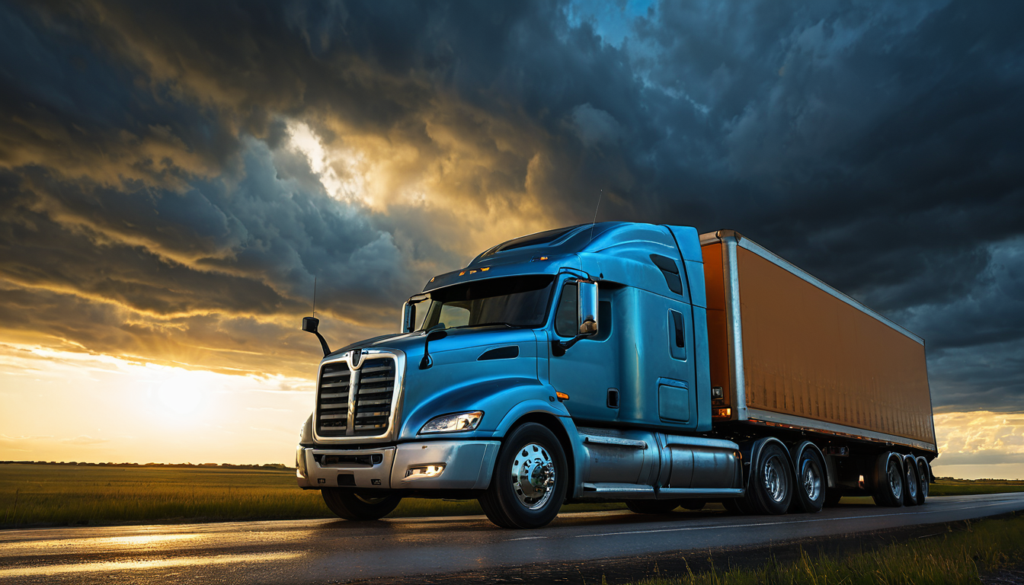
If you’ve been injured in an 18-wheeler accident in Cedar County, you already know the difference between a car crash and a collision with an 80,000-pound commercial truck. The physics aren’t fair—your sedan weighs 4,000 pounds against a tractor-trailer that can reach 80,000 pounds fully loaded. That’s twenty times the mass, twenty times the force, and often, twenty times the devastation. At Attorney911, we’ve spent over 25 years fighting for families across Cedar County whose lives were changed in an instant by negligent trucking companies and their drivers.
Our managing partner, Ralph Manginello, has been standing up to commercial carriers since 1998. He’s admitted to federal court, has gone toe-to-toe with Fortune 500 corporations like BP in the Texas City Refinery litigation, and has recovered multi-million dollar settlements for catastrophic injuries. We’ve secured over $50 million for our clients, including a $5 million traumatic brain injury settlement for a logging accident victim and $3.8 million for a client who suffered a partial leg amputation after a crash. When the insurance company says no, we say yes—and we win. Just ask Donald Wilcox, who told us another firm rejected his case before we delivered a “handsome check,” or Glenda Walker, who said we “fought for me to get every dime I deserved.”
But here’s what you need to know right now: the trucking company that hit you has already called their lawyers. Their rapid-response team is already at the scene, downloading black box data, coaching their driver, and looking for ways to pay you as little as possible. You have 48 hours to protect critical evidence before it disappears forever. Call 1-888-ATTY-911, or 1-888-288-9911, immediately for a free consultation.
The Cedar County Trucking Landscape: Why These Accidents Happen Here
Cedar County sits at the crossroads of American agriculture and heavy freight traffic, making it particularly vulnerable to catastrophic trucking accidents. Located along the Cedar River in eastern Iowa, our community is served by major highways including U.S. Highway 30—the historic Lincoln Highway—and U.S. Highway 61, which funnels massive amounts of commercial traffic between the Quad Cities and Cedar Rapids.
While Cedar County itself is rural, it’s surrounded by some of the most dangerous trucking corridors in the Midwest. Interstate 80, the nation’s primary transcontinental freight route, runs just south of the county line, carrying thousands of 18-wheelers daily between Des Moines and the Quad Cities. Interstate 380 connects Cedar Rapids to Waterloo, creating another major artery where tired truckers push through tight deadlines.
Iowa leads the nation in corn production and ranks second in soybeans. That means Cedar County’s roads are filled with agricultural trucking—grain haulers, livestock transports, and equipment movers—especially during harvest season when drivers work extreme hours to get crops to market. These aren’t just statistics; they’re hazards you face every day on Highway 136 or County Road X62.
The winter months bring another layer of danger. Cedar County averages over 30 inches of snow annually, with temperatures regularly dropping below zero. When an 80,000-pound truck hits black ice on the bridges spanning the Cedar River, or when a grain hauler takes a curve too fast on frosty rural roads, the results are catastrophic. We’ve seen jackknifes on icy overpasses, rollovers on narrow county highways, and rear-end collisions when fatigued drivers couldn’t stop in time on snow-packed roads.
How 18-Wheeler Accidents Differ From Car Crashes
Think an 18-wheeler is just a big car? Think again. The physics are brutal and unforgiving.
Weight and Stopping Distance: A fully loaded tractor-trailer weighs up to 80,000 pounds—twenty times your average sedan. At 65 miles per hour, a truck needs approximately 525 feet to stop. That’s nearly two football fields. On wet or icy Cedar County roads, that distance extends even further. When a truck driver follows too closely or drives distracted, there’s simply no margin for error.
Center of Gravity: Trucks sit higher and carry their weight differently than passenger vehicles. A sudden swerve to avoid deer on Highway 30, or an overcorrection after hitting a pothole, can cause a rollover that crushes anything in its path. Cargo shifts—common in agricultural hauling—can turn a stable trailer into a deadly pendulum.
Underride Collisions: One of the most horrific accidents we see is the underride collision, where a passenger vehicle slides under the trailer. The roof of your car offers no protection against the steel underside of a semi. These accidents often result in decapitation or catastrophic head injuries. Federal law requires rear impact guards, but side guards are still not mandated, making T-bone collisions with trailers especially deadly on rural intersections throughout Cedar County.
Black Box Data: Commercial trucks carry Electronic Control Modules (ECM) and Electronic Logging Devices (ELD) that record everything—speed, braking, throttle position, and hours of service. This data can prove the driver was speeding, fatigued, or distracted, but it can be overwritten in as little as 30 days. That’s why we send spoliation letters within 24 hours of being retained.
Common 18-Wheeler Accident Types in Cedar County
Jackknife Accidents
A jackknife occurs when the trailer swings out perpendicular to the cab, often sweeping across multiple lanes. In Cedar County, we see these frequently during winter storms when drivers brake too hard on icy bridges, or when empty trailers—common with livestock haulers—become unstable. The trailer folds like a pocket knife, creating a 70-foot wall of steel that other vehicles can’t avoid. These accidents often involve multiple vehicles and result in catastrophic pileups on Highway 30 or Interstate 80.
Why They Happen: Sudden braking, improper braking technique on curves, empty or light trailers, and failure to adjust speed for weather conditions.
FMCSA Violations: 49 CFR § 393.48 (brake system malfunction), 49 CFR § 392.6 (failure to control speed), and 49 CFR § 392.3 (operating while impaired by fatigue or conditions).
Rollover Accidents
With Cedar County’s mix of flat agricultural land and rolling hills near the river bluffs, rollovers happen when drivers take curves too fast or when improperly secured cargo shifts. Grain haulers are particularly vulnerable—the liquid-like movement of corn or soybeans can destabilize a trailer during sharp turns. We’ve seen trucks roll on the ramps connecting Highway 61 to local farm roads, crushing vehicles beneath them.
Why They Happen: Speeding on curves, improperly secured liquid cargo, overcorrection, and top-heavy loads.
FMCSA Violations: 49 CFR § 393.100-136 (cargo securement violations) and 49 CFR § 392.6 (excessive speed).
Underride Collisions
These are among the deadliest accidents on Cedar County’s rural highways. When a truck stops suddenly on Highway 30 or pulls out from a farm access road, passenger vehicles can slide underneath the trailer. The impact often shears off the roof of the car at windshield level, causing decapitation or severe traumatic brain injury.
Why They Happen: Inadequate underride guards, sudden stops without warning, and low visibility on dark rural roads.
FMCSA Violations: 49 CFR § 393.86 (rear impact guard standards), though federal law still doesn’t require side underride guards despite their proven life-saving potential.
Rear-End Collisions
Tailgating kills. A truck driver following too closely on I-80 or approaching stopped traffic on Highway 61 creates a scenario where they simply cannot stop in time. We’ve handled cases where distracted drivers—texting, using dispatch radios, or fighting fatigue—plowed into stopped vehicles at highway speeds.
Why They Happen: Following too closely (tailgating), driver distraction, fatigue, and inadequate brakes.
FMCSA Violations: 49 CFR § 392.11 (following too closely), 49 CFR § 392.82 (mobile phone use), and 49 CFR § 393.48 (brake deficiencies).
Wide Turn Accidents (“Squeeze Play”)
Large trucks need extra space to turn right. The driver swings wide to the left, creating a tempting gap that other vehicles enter. When the truck completes its turn, it crushes the vehicle in the “squeeze play.” We see these in Cedar County at intersections where farm equipment and trucks share the road, particularly near grain elevators and processing facilities.
Why They Happen: Failure to signal, inadequate mirror checks, and driver inexperience with trailer tracking.
FMCSA Violations: 49 CFR § 392.2 (failure to obey traffic signals) and 49 CFR § 392.11 (unsafe lane changes).
Blind Spot Accidents (“No-Zone” Collisions)
18-wheelers have massive blind spots—20 feet in front, 30 feet behind, and significant zones along both sides. The right-side blind spot is particularly dangerous. When a truck driver changes lanes on Highway 30 or merges onto I-380 without properly checking mirrors, they can sideswipe a passenger vehicle, pushing it off the road or into oncoming traffic.
Why They Happen: Inadequate mirror checks, improperly adjusted mirrors, and driver distraction.
FMCSA Violations: 49 CFR § 393.80 (mirror requirements) and 49 CFR § 392.11 (failure to check blind spots).
Tire Blowout Accidents
Iowa’s extreme temperature swings— from summer heat to winter cold—take a toll on tires. When a steer tire (front tire) blows out at highway speeds, the driver can lose immediate control. The debris from blowouts creates road hazards, and the resulting jackknife or rollover can involve multiple vehicles.
Why They Happen: Underinflation, overloading, worn tires, and improper maintenance.
FMCSA Violations: 49 CFR § 393.75 (tire tread depth requirements) and 49 CFR § 396.13 (pre-trip inspection requirements).
Brake Failure Accidents
Brake problems contribute to approximately 29% of large truck crashes. In the hills around Cedar County, brake fade on long descents or completely failed brakes from deferred maintenance create deadly situations where 80,000 pounds of steel cannot stop.
Why They Happen: Worn brake pads, air brake system leaks, overheated brakes on descents, and failure to conduct pre-trip inspections.
FMCSA Violations: 49 CFR § 393.40-55 (brake system requirements), 49 CFR § 396.3 (systematic inspection requirements), and 49 CFR § 396.11 (driver vehicle inspection reports).
Cargo Spill and Shift Accidents
Cedar County’s agricultural economy means roads are filled with grain haulers, livestock transports, and equipment movers. When a grain trailer isn’t properly secured or a livestock trailer shifts its load, the center of gravity changes instantly. Spilled grain creates slick surfaces that cause secondary accidents, while shifted loads can cause rollovers or jackknifes.
Why They Happen: Inadequate tiedowns, unbalanced loading, and failure to secure cargo properly.
FMCSA Violations: 49 CFR § 393.100-136 (cargo securement standards) require aggregate working load limits of at least 50% of cargo weight and proper blocking and bracing.
Federal Regulations That Protect You (And Prove Negligence When Violated)
The Federal Motor Carrier Safety Administration (FMCSA) governs commercial trucking through Title 49 of the Code of Federal Regulations. When trucking companies break these rules, they’re not just getting a ticket—they’re proving their negligence for your civil case.
49 CFR Part 390 – General Applicability
This part defines who must comply: any vehicle with a Gross Vehicle Weight Rating (GVWR) over 10,001 pounds, vehicles designed to transport 16 or more passengers, or any vehicle carrying hazardous materials requiring placards. If it hit you and it weighs over five tons, these rules apply.
49 CFR Part 391 – Driver Qualifications
Trucking companies must verify their drivers are qualified. This includes:
- Age verification (21+ for interstate commerce)
- Valid Commercial Driver’s License (CDL)
- Medical certification (renewed every 2 years maximum)
- Three-year employment and driving history verification
- Pre-employment drug testing
The DQ File: Motor carriers must maintain a Driver Qualification File for every driver. When we subpoena these files, we often find the company never checked the driver’s history, hired someone with previous DUIs, or allowed a driver to operate without a valid medical certificate. This is negligent hiring, and it makes the company directly liable.
49 CFR Part 392 – Driving Rules
This is where safety meets the road. Key prohibitions include:
- § 392.3: No driving while fatigued, ill, or impaired
- § 392.4: No Schedule I drugs or amphetamines while on duty
- § 392.5: No alcohol within 4 hours of driving, and 0.04% BAC is the limit (half the standard for cars)
- § 392.82: No hand-held mobile phone use while driving
When a driver texts while hauling grain through Cedar County and causes a crash, they’ve violated federal law. That violation is negligence per se.
49 CFR Part 393 – Vehicle Safety and Cargo Securement
Equipment standards include:
- Proper brake systems and adjustments
- Lighting requirements
- § 393.100-136: Cargo securement rules requiring tiedowns with working load limits sufficient to prevent shifting under 0.8g forward deceleration and 0.5g lateral acceleration
We recently reviewed a case where a grain hauler took a curve on Highway 61, and the unsecured load shifted, causing a rollover. The trucking company had violated basic cargo securement rules, proving their negligence.
49 CFR Part 395 – Hours of Service (HOS)
These rules prevent driver fatigue, which causes 31% of fatal truck crashes:
- 11-Hour Driving Limit: Maximum 11 hours after 10 consecutive hours off duty
- 14-Hour Duty Window: Cannot drive beyond the 14th hour after coming on duty
- 30-Minute Break: Required after 8 cumulative hours of driving
- 60/70-Hour Weekly Limits: Cannot drive after 60 hours in 7 days or 70 hours in 8 days
Electronic Logging Devices (ELDs) replaced paper logbooks in December 2017. These devices automatically record driving time and cannot be falsified like old paper logs. This data proves when a driver was on the road—and whether they were too tired to be driving through Cedar County at 3 AM.
49 CFR Part 396 – Inspection and Maintenance
Carriers must systematically inspect, repair, and maintain vehicles. Drivers must conduct pre-trip inspections covering brakes, lights, tires, steering, and coupling devices. Maintenance records must be kept for at least one year.
When we find a truck with worn brakes that caused a rear-end collision on I-80, we subpoena the maintenance records. Often, we discover the company knew about the defect but deferred repairs to save money. That conscious decision to prioritize profit over safety can support a claim for punitive damages.
Who Can Be Held Liable? It’s Not Just the Driver
One of the biggest mistakes injured victims make is assuming only the truck driver is responsible. In reality, multiple parties may share liability, and each represents a different insurance policy that can contribute to your recovery.
1. The Truck Driver: Speeding, distracted driving, fatigue, impairment, or simple negligence behind the wheel.
2. The Trucking Company (Motor Carrier): Under respondeat superior (let the master answer), employers are liable for their employees’ negligent acts. Additionally, we pursue direct negligence claims for:
- Negligent hiring (failure to check driving history)
- Negligent training (inadequate safety instruction)
- Negligent supervision (ignoring ELD violations)
- Negligent maintenance (deferring repairs)
- Pressure to violate HOS regulations
3. The Cargo Owner/Shipper: When a grain elevator loads a trailer beyond capacity or fails to properly secure agricultural products, they may be liable for resulting accidents.
4. The Loading Company: Third-party loaders at distribution centers or farms may incorrectly distribute weight or fail to secure cargo.
5. Truck and Parts Manufacturers: Defective brakes, tire blowouts from manufacturing defects, or design flaws in underride guards can trigger product liability claims.
6. Maintenance Companies: When third-party mechanics perform negligent repairs or return trucks to service with known defects.
7. Freight Brokers: Brokers who arrange transportation have a duty to select carriers with adequate safety records. Selecting a carrier with poor FMCSA scores or inadequate insurance can constitute negligent selection.
8. The Truck Owner: In owner-operator arrangements where the driver owns the tractor but leases to a carrier, separate liability may attach to the owner for negligent entrustment.
9. Government Entities: The Iowa Department of Transportation or Cedar County may be liable for dangerous road conditions—poor signage, inadequate lighting on rural highways, or failure to maintain bridge surfaces.
Our associate attorney, Lupe Peña, spent years working inside insurance defense firms before joining Attorney911. He knows exactly how these companies evaluate claims, train adjusters to minimize payouts, and use algorithms to lowball victims. Now he uses that insider knowledge against them, identifying every possible liable party to maximize your recovery.
The 48-Hour Evidence Preservation Protocol
Critical Warning: Evidence in trucking accidents disappears fast. Black box data can be overwritten in 30 days or less. Dashcam footage may be deleted within days. Witness memories fade. And the trucking company has already sent their rapid-response team to protect their interests.
When you hire Attorney911, we act immediately:
Within 24 Hours:
- Send spoliation letters to the trucking company, their insurer, and all potentially liable parties
- Demand preservation of ECM/black box data, ELD logs, and dashcam footage
- Subpoena cell phone records to prove distraction
- Deploy investigators to the scene
Within 48 Hours:
- Obtain police reports and 911 call recordings
- Photograph vehicle damage before repairs
- Interview witnesses while memories are fresh
- Review the truck’s inspection history through FMCSA databases
Spoliation Letters: These formal legal notices put defendants on notice that destroying evidence will result in serious consequences, including adverse inference instructions (juries told to assume destroyed evidence was unfavorable) and monetary sanctions.
Don’t wait. Every hour that passes, evidence is lost. The trucking company is building their defense. You need someone building your offense. Call 1-888-ATTY-911 now.
Catastrophic Injuries and Their Long-Term Impact
18-wheeler accidents don’t cause fender-benders. They cause catastrophic, life-altering injuries that require millions in lifetime care.
Traumatic Brain Injury (TBI)
The forces involved in truck accidents cause the brain to impact the inside of the skull, resulting in:
- Concussions affecting memory and concentration
- Moderate TBI requiring extensive rehabilitation
- Severe TBI resulting in coma, permanent cognitive impairment, and inability to work
Symptoms include chronic headaches, personality changes, mood disorders, and loss of executive function. Our firm has recovered between $1.5 million and $9.8 million for TBI victims, providing resources for lifelong care.
Spinal Cord Injuries and Paralysis
The crushing forces of truck accidents often damage the spinal cord:
- Paraplegia: Loss of function below the waist ($1.1 million to $2.5 million in lifetime care)
- Quadriplegia: Loss of function in all four limbs ($3.5 million to $5 million+ in lifetime care)
- Incomplete injuries: Partial loss of function with chronic pain and limited mobility
These injuries require home modifications, wheelchairs, and daily assistance.
Amputation
When vehicles are crushed or occupants are trapped, traumatic amputation may occur at the scene, or limbs may require surgical removal due to irreparable damage. Prosthetics cost $5,000 to $50,000 each and require replacement every few years. Combined with lost earning capacity, amputation cases often settle between $1.9 million and $8.6 million.
Severe Burns
Fuel tank ruptures and hazmat spills create fire hazards. Third-degree burns covering large body areas require skin grafts, multiple surgeries, and result in permanent disfigurement and susceptibility to infection.
Wrongful Death
When negligence takes a loved one, surviving family members in Iowa have two years from the date of death to file a wrongful death claim. Damages include:
- Lost future income and benefits
- Loss of consortium (companionship, guidance, and support)
- Mental anguish
- Funeral and burial expenses
- Medical expenses incurred before death
Our firm has recovered between $1.9 million and $9.5 million for wrongful death cases, providing financial security for families while holding negligent parties accountable.
Insurance Coverage and Your Recovery
Federal law requires trucking companies to carry substantial liability insurance:
- $750,000 minimum for non-hazardous freight over 10,001 pounds
- $1,000,000 for oil/petroleum products and large equipment
- $5,000,000 for hazardous materials and passenger carriers
Many carriers carry $1 million to $5 million in coverage. But accessing these funds requires knowing how to navigate commercial insurance policies, umbrella coverage, and excess liability policies.
Types of Damages:
- Economic: Medical bills (past and future), lost wages, lost earning capacity, property damage, out-of-pocket expenses
- Non-Economic: Pain and suffering, mental anguish, loss of enjoyment of life, disfigurement, physical impairment, loss of consortium
- Punitive: When trucking companies act with gross negligence, recklessness, or conscious indifference to safety (falsifying logs, destroying evidence, knowingly hiring dangerous drivers)
Cedar County 18-Wheeler Accident FAQ
How long do I have to file a lawsuit after a trucking accident in Iowa?
You have two years from the date of the accident to file a personal injury lawsuit in Iowa. For wrongful death, it’s two years from the date of death. But waiting is dangerous—evidence disappears and witnesses become unreachable. Call us immediately.
Who can be held liable besides the driver?
The trucking company, cargo owner, loading company, truck manufacturer, parts manufacturers, maintenance companies, freight brokers, and sometimes government entities. We investigate every possible source of recovery.
What if I was partially at fault?
Iowa follows modified comparative negligence. You can recover damages as long as you were 50% or less at fault, but your recovery is reduced by your percentage of fault. If you were 20% at fault and your damages were $100,000, you would recover $80,000.
How much is my case worth?
It depends on injury severity, medical costs, lost income, pain and suffering, and available insurance. Trucking cases often involve $750,000 to $5 million in coverage. We’ve recovered multi-million dollar settlements for catastrophic cases.
Will my case go to trial?
Most settle, but we prepare every case as if it’s going to trial. Insurance companies offer better settlements when they know your attorney is willing to litigate. Ralph Manginello has 25+ years of trial experience and federal court admission.
How much does it cost to hire Attorney911?
Nothing upfront. We work on contingency—33.33% if settled pre-trial, 40% if we go to trial. You pay nothing unless we win. We advance all investigation costs.
What if the trucking company calls me?
Do not give a recorded statement. Do not sign anything. Refer them to your attorney. Insurance adjusters are trained to minimize your claim.
Can I sue if my loved one was killed?
Yes. Iowa allows wrongful death claims by spouses, children, and parents. You have two years from the date of death.
What about hit-and-run truck accidents?
Your uninsured motorist coverage may apply. We also investigate the trucking company through FMCSA records and witness statements to identify the driver.
Do you handle cases for Spanish-speaking clients?
Yes. Associate Attorney Lupe Peña is fluent in Spanish and provides direct representation without interpreters. Hablamos Español. Llame al 1-888-ATTY-911.
What are hours of service violations?
Federal law limits truckers to 11 hours of driving after 10 hours off, with required breaks. Violations cause fatigue-related accidents. ELD data proves these violations.
How do you prove the driver was distracted?
Cell phone records, dashcam footage, and eyewitness testimony. We subpoena these records immediately.
What is a spoliation letter?
A legal notice demanding preservation of evidence. It prevents the trucking company from destroying black box data, maintenance records, or driver logs.
Can I get punitive damages?
If the trucking company acted with gross negligence—like knowingly hiring a driver with a DUI history or falsifying maintenance records to save money—you may be entitled to punitive damages meant to punish the wrongdoer.
What if the truck was from out of state?
Federal law applies to all interstate commerce. We can pursue out-of-state carriers in Iowa courts or federal court. Ralph Manginello’s federal court admission allows us to handle cases nationwide.
How long will my case take?
Simple cases: 6-12 months. Complex cases with multiple defendants or catastrophic injuries: 1-3 years. We resolve cases as quickly as possible without sacrificing value.
What if the insurance company denies my claim?
We file suit immediately. Insurance companies often deny valid claims hoping you’ll go away. We don’t go away—we fight. As client Ernest Cano said, we “fight tooth and nail for you.”
Should I accept the first settlement offer?
Never. First offers are lowball attempts to close your case cheaply. We calculate your total damages—including future medical needs—before negotiating.
What if I can’t afford medical treatment?
We help connect you with medical providers who will treat you on a lien basis (paid from your settlement) or through your own insurance while we pursue the trucking company.
Why Cedar County Chooses Attorney911
When you’re facing a trucking company with unlimited legal resources, you need more than a lawyer—you need a fighter.
Ralph Manginello’s 25+ years of experience means he’s seen every trick trucking companies play. He’s admitted to the U.S. District Court for the Southern District of Texas and has litigated against Fortune 500 corporations in the BP Texas City Refinery explosion cases. He knows how to preserve black box data, interpret ELD logs, and prove FMCSA violations.
Lupe Peña’s insurance defense background gives us an unfair advantage. He used to defend insurance companies—now he uses that insider knowledge to maximize your recovery. He knows their playbook, their valuation software, and exactly when they’re bluffing.
Real results for real people:
- $5+ million for traumatic brain injury
- $3.8+ million for amputation after car accident complications
- $2+ million for maritime back injuries under the Jones Act
- $2.5+ million for truck crash victims
- Multiple millions recovered for wrongful death families
Client testimonials that matter:
Chad Harris told us, “You are NOT just some client… You are FAMILY to them.” Angel Walle said we “solved in a couple of months what others did nothing about in two years.” Mongo Slade appreciated that we “got right to work” and delivered “a very nice settlement.”
Three offices serving Cedar County: While our headquarters are in Houston at 1177 West Loop S, Suite 1600, we handle cases throughout Iowa, including Cedar County. With federal court admission, we can represent you regardless of where the trucking company is based.
24/7 availability: Accidents don’t happen on business hours. Call 1-888-ATTY-911 anytime. We answer.
Call Now: Your Fight Starts Here
The trucking company has lawyers working right now to minimize your claim. They have investigators at the scene, adjusters reviewing the police report, and risk managers calculating how little they can pay you.
You need someone fighting just as hard for you. You need someone who has recovered millions from the largest trucking companies in America. You need someone who treats you like family, not a case number—not a “pest,” as Chad Harris put it, but “FAMILY.”
Ralph Manginello has been fighting for injury victims since 1998. Lupe Peña knows insurance company tactics from the inside. Together, we’ve recovered over $50 million for our clients, and we’re ready to fight for you.
The clock is ticking. Evidence disappears. Black box data overwrites. Witnesses forget. In Iowa, you have two years—but every day you wait makes your case harder to prove.
Call 1-888-ATTY-911 or 1-888-288-9911 right now for a free consultation. Hablamos Español. Tell us your story. Let us send the spoliation letters today. Let us preserve the evidence while we can.
You didn’t ask for this fight, but you deserve to win it. Let’s get started.
Attorney911 – The Manginello Law Firm, PLLC
- Houston: 1177 West Loop S, Suite 1600
- Austin: 316 West 12th Street, Suite 311
- Beaumont: Available for meetings
- Cedar County, Iowa – We come to you
1-888-ATTY-911
ralph@atty911.com
attorney911.com
No fee unless we win. Zero upfront costs. We advance all investigation expenses.