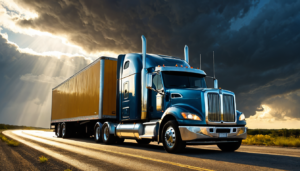
18-Wheeler Accident Attorneys for Neshoba County, Mississippi
When an 80,000-Pound Truck Changes Everything
One moment you’re driving through Neshoba County on your way home to Philadelphia, or perhaps heading east on I-20 toward Meridian. The next, an 18-wheeler has jackknifed across the highway, run a red light at a dangerous intersection, or blown a tire on the narrow stretches of Highway 19. In an instant, your life changes. The medical bills start piling up. The trucking company’s insurance adjuster is calling before you’ve even left the hospital. And you’re left wondering how you’ll ever recover.
We understand what you’re facing. Attorney911 has spent over 25 years fighting for families devastated by commercial trucking accidents across the United States, including right here in Neshoba County, Mississippi. Our managing partner, Ralph Manginello, has secured multi-million dollar verdicts against the largest trucking companies in America, while our team includes former insurance defense attorneys who know exactly how these companies try to minimize your claim. We have the federal court experience necessary to handle complex interstate trucking cases, and we understand the unique challenges of Mississippi’s pure comparative fault system and the specific dangers of the I-20/I-59 corridor that runs through your county.
If you or a loved one has been injured in an 18-wheeler accident in Neshoba County or anywhere in Mississippi, the clock is already ticking. Evidence disappears fast in trucking cases—black box data can be overwritten in 30 days, and the trucking company already has lawyers working to protect their interests. You need someone fighting just as hard for you. Call 1-888-ATTY-911 right now for a free consultation. And remember: you pay absolutely nothing unless we win your case.
Why 18-Wheeler Accidents in Neshoba County Are Different
An 18-wheeler isn’t just a big car. Fully loaded, these vehicles weigh up to 80,000 pounds—twenty times the weight of an average passenger vehicle. When that much mass collides with a 4,000-pound sedan or SUV on the winding roads near Nanih Waiya or the busy intersections of Philadelphia, the laws of physics aren’t on your side.
The disparity creates catastrophic results. A truck traveling at 65 mph needs nearly two football fields—525 feet—to come to a complete stop. On rain-slicked roads during one of Mississippi’s severe thunderstorms, or during the dense fog that rolls through the valleys of Neshoba County, that stopping distance becomes even longer. When a truck driver is fatigued from pushing past federal hours-of-service limits, distracted by a cell phone, or operating a vehicle with poorly maintained brakes, disaster becomes inevitable.
But here’s what makes 18-wheeler accidents legally different from car crashes: multiple parties can be held liable, federal regulations create specific safety duties, and the insurance policies involved are massive. While Mississippi requires only $30,000 in liability coverage for personal vehicles, federal law mandates commercial trucking companies carry between $750,000 and $5 million in coverage. This means there’s typically significant money available to compensate you for your injuries—but you need an attorney who knows how to access it.
At Attorney911, we don’t just handle trucking accidents; we specialize in them. Ralph Manginello has been litigating commercial vehicle cases since 1998. We’ve gone toe-to-toe with Fortune 500 companies like Walmart, Amazon, and FedEx. We know the Federal Motor Carrier Safety Regulations (49 CFR Parts 390-399) inside and out, and we use violations of these rules—like improper cargo securement under 49 CFR § 393.100 or hours-of-service violations under 49 CFR § 395.8—to prove the trucking company was negligent.
Types of 18-Wheeler Accidents We Handle in Neshoba County
Trucking accidents near Philadelphia and throughout Neshoba County take many forms, each requiring a specific legal approach and understanding of federal regulations. Here are the accident types we see most frequently in east-central Mississippi:
Jackknife Accidents on I-59 and I-20
When an 18-wheeler brakes too hard or hits a slick patch on the interstate, the trailer can swing out perpendicular to the cab, forming a deadly barrier across multiple lanes. The I-59 corridor through Neshoba County sees heavy truck traffic heading to and from Meridian and Jackson, and jackknife accidents here often result in multi-vehicle pileups. These crashes frequently involve violations of 49 CFR § 393.48 regarding brake systems or 49 CFR § 392.6 regarding excessive speed for conditions. The physics of a jackknife mean that even drivers maintaining a safe distance often have nowhere to go, leading to underride collisions and catastrophic injuries.
Rollover Accidents on Curves and Ramps
The rural highways of Neshoba County include winding stretches where trucks take curves too fast, particularly near the Mississippi Band of Choctaw Indians reservation areas and on the approaches to Philadelphia. When a truck rolls over, it’s often due to improperly secured cargo under 49 CFR § 393.100-136 or driver fatigue under 49 CFR § 392.3. Rollovers frequently spill diesel fuel, creating fire hazards and environmental damage, and the crushing weight of the trailer can demolish any passenger vehicle in its path.
Underride Collisions—The Most Deadly
Perhaps the most terrifying type of trucking accident occurs when a smaller vehicle slides underneath the trailer of an 18-wheeler. These underride accidents often shear off the roof of passenger vehicles, resulting in decapitation or fatal traumatic brain injuries. While 49 CFR § 393.86 requires rear impact guards on trailers manufactured after January 26, 1998, these guards often fail in high-speed collisions, and there are no federal requirements for side underride guards. On highways like Highway 16 or Highway 21 in Neshoba County, where speeds are high and truck traffic is significant, underride accidents are tragically common and almost always fatal.
Rear-End Collisions
Because trucks require 40% more stopping distance than passenger vehicles, rear-end collisions are frequent, especially in stop-and-go traffic near Philadelphia or when traffic backs up due to weather or construction on I-20. These accidents often involve violations of 49 CFR § 392.11 (following too closely) or 49 CFR § 392.3 (driving while fatigued). When an 80,000-pound truck strikes a passenger vehicle from behind, the results are devastating—even at relatively low speeds.
Wide Turn Accidents in Downtown Philadelphia
18-wheelers making right turns often swing wide to the left before completing their turn, creating a dangerous gap that other vehicles enter. When the truck then completes its turn, the car gets caught in a “squeeze play” and is crushed between the truck and the curb. These accidents typically involve violations of 49 CFR § 392.11 and often occur in tighter downtown areas or at intersections near the Neshoba County Fairgrounds during event seasons.
Blind Spot Accidents
Trucks have four major blind spots or “No-Zones” where the driver cannot see other vehicles. The right-side blind spot is particularly dangerous and accounts for many lane-change accidents on multi-lane highways. When truck drivers fail to properly check their mirrors or signal their intentions under 49 CFR § 392.2, they can sideswipe passenger vehicles, forcing them off the road or into other lanes of traffic.
Tire Blowouts and Mechanical Failures
The extreme heat of Mississippi summers, combined with long hauls on interstate highways, creates perfect conditions for tire blowouts. When a truck’s steer tire blows out, the driver often loses immediate control. These accidents frequently involve violations of 49 CFR § 393.75 (tire requirements) or 49 CFR § 396.3 (inspection and maintenance). We investigate whether the trucking company deferred maintenance to save costs or failed to conduct required pre-trip inspections under 49 CFR § 396.13.
Cargo Spills and Hazardous Materials
Neshoba County’s roads see significant agricultural traffic, including poultry trucks and logging operations, as well as tankers carrying chemicals and fuel. When cargo shifts or spills due to improper securement under 49 CFR § 393.100, or when hazardous materials leak from tankers, the resulting accidents can involve multiple vehicles and expose victims to toxic substances. These cases often involve the cargo owner and loading company as additional defendants.
All the Parties Who May Owe You Money
Unlike a simple car accident where usually only one driver is at fault, 18-wheeler accidents in Neshoba County often involve multiple liable parties. We investigate every angle to maximize your recovery because more defendants mean more insurance coverage.
The Truck Driver may be personally liable for speeding, distracted driving, or fatigue. We subpoena their cell phone records, ELD data, and employment history.
The Trucking Company is often vicariously liable under the doctrine of respondeat superior. They can also be directly liable for negligent hiring under 49 CFR § 391.11 if they failed to verify the driver had a valid CDL and medical certificate, negligent training, or negligent supervision. We demand their Driver Qualification Files and CSA (Compliance, Safety, Accountability) scores.
The Cargo Owner and Loading Company may be liable if the accident was caused by improper loading, overweight cargo, or insecure tiedowns under 49 CFR § 393.102. This is particularly relevant in Neshoba County’s agricultural industry where poultry and timber trucks may be loaded improperly.
The Truck and Parts Manufacturers can be held liable if defective brakes, tires, or safety systems contributed to the crash. We investigate whether there were recalls or known defects.
The Maintenance Company may share liability if negligent repairs or skipped inspections under 49 CFR § 396.3 led to brake failure or other mechanical issues.
The Freight Broker who arranged the shipment can be liable for negligent selection of the carrier if they chose a company with a poor safety record.
The Truck Owner (if different from the carrier) may be liable for negligent entrustment of the vehicle.
Government Entities could be liable if poor road design, inadequate signage, or lack of maintenance on Neshoba County roads contributed to the accident, though Mississippi’s sovereign immunity rules limit these claims.
Federal Regulations That Prove Negligence
Commercial trucking is one of the most heavily regulated industries in America. When trucking companies violate these federal safety rules, it creates powerful evidence of negligence. Here are the key regulations we use to prove liability in Neshoba County cases:
49 CFR Part 391 governs driver qualifications. Trucking companies must verify that drivers have valid CDLs, pass medical exams every two years, and have clean driving records. Violations of Part 391—including hiring drivers with suspended licenses or medical conditions that affect driving—constitute negligent hiring.
49 CFR Part 392 covers driving rules. It prohibits driving while fatigued under § 392.3, using drugs or alcohol under §§ 392.4-392.5, and texting while driving under § 392.82. It also requires drivers to follow traffic laws and adjust speed for conditions under § 392.6.
49 CFR Part 393 mandates equipment safety. It requires proper cargo securement under §§ 393.100-136, functional brakes under §§ 393.40-55, adequate lighting under §§ 393.11-26, and rear impact guards under § 393.86.
49 CFR Part 395 limits hours of service. Drivers cannot drive more than 11 hours after 10 hours off duty, cannot exceed 14 hours on duty, and must take a 30-minute break after 8 hours of driving. Since December 18, 2017, most drivers must use Electronic Logging Devices (ELDs) to track these hours. Violations of Part 395 are strong evidence of fatigue-related negligence.
49 CFR Part 396 requires systematic inspection and maintenance. Drivers must conduct pre-trip inspections under § 396.13, carriers must maintain vehicles under § 396.3, and vehicles must pass annual inspections under § 396.17.
Critical Evidence That Disappears Fast
Here’s what the trucking company doesn’t want you to know: critical evidence in your case can be destroyed or overwritten within days.
Electronic Control Module (ECM) data—sometimes called the “black box”—records speed, brake application, throttle position, and fault codes in the moments before a crash. This data can be overwritten within 30 days or with subsequent driving events. Electronic Logging Devices (ELDs) track hours of service and GPS location, but FMCSA only requires companies to retain these records for six months.
Dashcam footage, driver cell phone records, and maintenance logs can all disappear if not preserved quickly. That’s why, when you hire Attorney911, we immediately send spoliation letters to the trucking company, their insurer, and any other potentially liable parties. These legal notices put them on notice that destroying evidence will result in severe sanctions, including adverse inference instructions at trial.
We also dispatch investigators to the accident scene in Neshoba County immediately, photograph skid marks and vehicle debris, interview witnesses while memories are fresh, and subpoena the truck’s maintenance records and the driver’s qualification file.
Catastrophic Injuries and Your Rights Under Mississippi Law
Trucking accidents in Neshoba County often result in catastrophic injuries that change lives forever. We help victims suffering from:
Traumatic Brain Injuries (TBI): From mild concussions to severe brain damage requiring lifelong care. Our firm has recovered between $1.5 million and $9.8 million for TBI victims.
Spinal Cord Injuries: Including paraplegia and quadriplegia. These injuries typically result in settlements ranging from $4.7 million to over $25 million depending on the level of paralysis and age of the victim.
Amputations: Whether traumatic amputation at the scene or surgical amputation due to crush injuries. We’ve secured between $1.9 million and $8.6 million for amputation victims.
Severe Burns: Often from post-collision fires or hazardous material spills.
Wrongful Death: When a trucking accident takes a loved one, Mississippi law allows surviving spouses, children, and parents to recover damages. Our firm has recovered between $1.9 million and $9.5 million in wrongful death cases.
Mississippi Law Specifics You Need to Know
Statute of Limitations: You have three years from the date of the accident to file a personal injury lawsuit in Mississippi (Miss. Code Ann. § 15-1-49). For wrongful death claims, you also have three years from the date of death. While this is longer than some states, waiting is dangerous—evidence disappears and witnesses’ memories fade.
Pure Comparative Fault: Mississippi follows a pure comparative fault system (Miss. Code Ann. § 85-5-7). This means you can recover damages even if you were partially at fault, though your recovery is reduced by your percentage of fault. So if you were 30% responsible for the accident, you would receive 70% of your damages. This is more favorable than states that bar recovery if you’re more than 50% at fault.
Damage Caps: Mississippi caps non-economic damages (pain and suffering) at $1,000,000 for most personal injury cases (Miss. Code Ann. § 11-1-60). However, there is no cap on economic damages like medical bills and lost wages. Punitive damages are capped at $20,000,000 or the greater of $4,000,000 or 2% of the defendant’s net worth for larger companies.
Federal Trucking Preemption: Because trucking is interstate commerce, federal FMCSA regulations often preempt state laws, which can work in your favor by establishing clear safety standards.
Why Neshoba County Families Choose Attorney911
When you’re facing a trucking company with millions in insurance coverage and teams of lawyers, you need a firm with the experience and resources to fight back.
25+ Years of Experience: Ralph Manginello has been handling catastrophic injury and trucking accident cases since 1998. He’s admitted to the U.S. District Court for the Southern District of Texas and has the federal court experience necessary for complex interstate trucking litigation.
Former Insurance Defense Attorney on Your Side: Lupe Peña, our associate attorney, used to work for insurance companies defending claims just like yours. Now he uses that insider knowledge to fight against them. As client Glenda Walker said, “They fought for me to get every dime I deserved.” Lupe knows exactly how adjusters evaluate claims, what makes them settle for higher amounts, and when they’re bluffing. As another client, Chad Harris, told us: “You are NOT a pest to them and you are NOT just some client… You are FAMILY to them.”
Multi-Million Dollar Results: We’ve recovered over $50 million for our clients, including a $5+ million settlement for a traumatic brain injury victim struck by a falling log, a $3.8+ million settlement for a car accident victim who suffered amputation, and a $2.5+ million truck crash recovery.
We Take Cases Other Firms Reject: Donald Wilcox came to us after another firm refused his case. As he said, “One company said they would not accept my case. Then I got a call from Manginello… I got a call to come pick up this handsome check.” We don’t shy away from difficult cases or complex litigation.
24/7 Availability: Trucking accidents don’t happen on business hours. That’s why we answer calls 24/7 at 1-888-ATTY-911. When you call, you speak with someone who can help immediately, not an answering service.
No Fee Unless We Win: We work on a contingency fee basis. You pay nothing upfront, and we advance all costs of investigation and litigation. Our standard fee is 33.33% if settled before trial and 40% if we go to trial. If we don’t win, you owe us nothing.
Spanish Language Services: Hablamos Español. Lupe Peña is fluent in Spanish and provides direct representation without interpreters for Neshoba County’s Hispanic community.
Frequently Asked Questions About 18-Wheeler Accidents in Neshoba County
How long do I have to file a lawsuit after a trucking accident in Mississippi?
You have three years from the date of the accident to file a personal injury lawsuit in Mississippi. However, you should never wait that long. Critical evidence like black box data and dashcam footage can be overwritten or deleted within 30 days. The sooner you contact us, the stronger your case will be.
What if I was partially at fault for the accident?
Mississippi follows pure comparative fault rules. This means you can still recover compensation even if you were partially responsible, though your recovery will be reduced by your percentage of fault. For example, if your damages are $1 million and you were 20% at fault, you would recover $800,000. Even if you were 90% at fault, you could still theoretically recover 10%, though practically, insurance companies fight these claims harder.
What damages can I recover in a Mississippi trucking accident case?
You can recover economic damages (medical bills, lost wages, future medical care, property damage) with no cap. Non-economic damages (pain and suffering, loss of enjoyment of life, disfigurement) are capped at $1 million in Mississippi. In cases of gross negligence, punitive damages may be available, capped at $20 million or 2% of the defendant’s net worth for large companies.
Who pays for my medical bills while I’m waiting for the case to settle?
We can help you find medical providers who will treat you on a Letter of Protection (LOP), meaning they get paid when your case settles. If you have health insurance or MedPay coverage on your auto policy, those may cover immediate bills. We also work to ensure the trucking company’s insurance doesn’t pressure you into a quick, low settlement before you know the full extent of your injuries.
What if the truck driver was an independent contractor, not an employee?
The trucking company may still be liable. We investigate whether the company exercised control over the driver, owned the truck, or bore responsibility for maintenance. Additionally, federal regulations apply regardless of employment status, and the motor carrier is responsible for ensuring all drivers comply with FMCSA rules under 49 CFR § 390.3.
How do I know if the trucking company violated federal regulations?
We obtain the company’s FMCSA safety records, Driver Qualification Files, maintenance logs, and ELD data. Common violations include driving over 11 hours (49 CFR § 395.3), failing to conduct pre-trip inspections (49 CFR § 396.13), and hiring drivers without proper CDL verification (49 CFR § 391.11).
What should I do if the insurance company offers me a settlement right away?
Do not accept it. Early settlement offers are designed to get you to sign away your rights for pennies on the dollar before you understand the full extent of your injuries. Some injuries, particularly TBIs and spinal injuries, may not fully manifest for weeks or months. Once you accept a settlement and sign a release, you cannot come back for more money later.
Can I afford an attorney for my trucking accident case?
Yes. We work on contingency. You pay nothing upfront, and we only get paid if we win your case. We also advance all costs for experts, investigations, and court filings. As our client Ernest Cano said, “Mr. Manginello and his firm are first class. Will fight tooth and nail for you.”
What makes a trucking accident case worth millions?
The value depends on the severity of injuries, the clarity of liability, and the available insurance coverage. Catastrophic injuries like paralysis or TBI often require lifetime care costing millions. Additionally, when trucking companies violate federal safety regulations or destroy evidence, juries may award punitive damages. Cases involving multiple liable parties also increase the available insurance coverage.
Do you handle cases in Neshoba County if your offices are in Texas?
Yes. While our offices are in Houston, Austin, and Beaumont, we handle 18-wheeler accident cases throughout the United States. Ralph Manginello is admitted to federal court and has the experience to litigate cases in Mississippi. We travel to meet with clients in Neshoba County, and much of the work can be done remotely. The federal regulations governing trucking apply nationwide, and our expertise in FMCSA regulations translates to any jurisdiction.
The Attorney911 Difference: Real Results for Real People
When Kiimarii Yup lost everything in an accident—including his car and his ability to work—he came to us. A year later, he told us: “I lost everything… my car was at a total loss, and because of Attorney Manginello and my case worker Leonor, 1 year later I have gained so much in return plus a brand new truck.”
Angel Walle had been waiting years for another firm to do something. We solved her case in months. “They solved in a couple of months what others did nothing about in two years,” she said.
These aren’t just case numbers to us. As Chad Harris put it: “You are FAMILY to them.”
We bring this same dedication to every 18-wheeler accident case in Neshoba County. Whether your accident happened on I-20 near the Newton County line, on Highway 21 south of Philadelphia, or on the backroads near the Choctaw Reservation, we have the experience, resources, and determination to fight for you.
Call Now—Before the Evidence Is Gone
The trucking company that hit you has already called their lawyers. Their insurance adjuster is already looking for ways to pay you less. The black box data that could prove the driver was speeding or fatigued could be gone in 30 days.
You don’t have to face this alone. With 25+ years of experience, federal court admission, former insider insurance defense knowledge, and a track record of multi-million dollar victories, Attorney911 is ready to fight for you.
Call 1-888-ATTY-911 (1-888-288-9911) right now for a free, confidential consultation. We answer calls 24/7. Or email us at ralph@atty911.com.
Hablamos Español. Llame a Lupe Peña al 1-888-ATTY-911.
Don’t let the trucking company push you around. Let’s fight back together.
The information provided on this page is for educational purposes only and does not constitute legal advice. Every case is different, and past results do not guarantee future outcomes. Contact Attorney911 today to discuss the specific facts of your case.