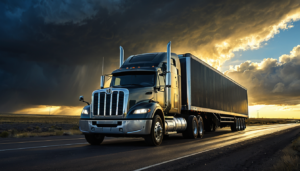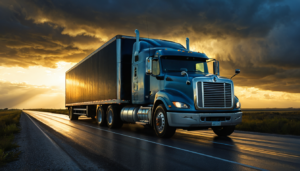
Every 16 minutes, someone in America is injured in a commercial truck crash. If you’re reading this from a hospital bed in White Pine County, or if you’re holding a police report and wondering what comes next, you’re probably facing one of the most overwhelming moments of your life. An 18-wheeler crash on Nevada’s high desert highways isn’t just another car accident—it’s a legal emergency that requires immediate, aggressive action.
At Attorney911, we’ve spent over 25 years fighting for trucking accident victims across the United States. Our managing partner, Ralph Manginello, has been practicing law since 1998, holds admission to federal court, and has secured multi-million dollar settlements against some of the largest corporate defendants in America—including Fortune 500 giants like BP. We know what you’re going through right now. The medical bills are mounting. You’re missing work. And somewhere, the trucking company that changed your life is already building their defense.
That’s why we answer our phones 24/7 at 1-888-ATTY-911. Because in White Pine County 18-wheeler accident cases, evidence disappears fast. Black box data can be overwritten in 30 days. The truck itself might be repaired or sold. Witnesses forget what they saw. And the trucking company’s insurance adjuster—trained to minimize your claim—is already looking for ways to pay you less.
You don’t have to face this alone. And you shouldn’t.
Why 18-Wheeler Accidents in White Pine County Are Fundamentally Different
Think an 18-wheeler is just a big car? Think again.
A fully loaded commercial truck weighs up to 80,000 pounds—twenty times the weight of your passenger vehicle. When an 80,000-pound rig traveling at interstate speeds hits a family sedan on I-80 outside White Pine County, the physics are catastrophic. The force isn’t just multiplied; it’s crushing.
But the differences go far beyond physics. Trucking companies operate under a complex web of Federal Motor Carrier Safety Administration (FMCSA) regulations—rules that don’t apply to regular passenger vehicles. These regulations, codified in 49 CFR Parts 390-396, govern everything from how long a driver can operate without rest to how cargo must be secured to how often brakes must be inspected.
When trucking companies violate these regulations—and they often do—they create the dangerous conditions that cause catastrophic accidents.
Here’s what makes White Pine County trucking accidents particularly complex:
Federal Regulations Apply: Whether your accident happened on I-80 near Wells, US-50 through Ely, or US-93 heading toward the Utah border, federal trucking laws control. That means your case requires an attorney who understands FMCSA compliance, Hours of Service violations, and electronic logging device (ELD) data.
Multiple Liable Parties: Unlike a simple car crash where one driver is at fault, 18-wheeler accidents often involve a web of companies—the driver, the motor carrier, the cargo owner who loaded the truck in Reno, the maintenance company that serviced the vehicle in Las Vegas, and even the freight broker who arranged the shipment.
Higher Insurance Limits: Federal law requires trucking companies to carry minimum liability coverage of $750,000 to $5,000,000 depending on cargo type. That’s 25 times the minimum coverage for regular cars in Nevada. But accessing those policies requires understanding how commercial insurance works—and how trucking companies hide their assets.
Catastrophic Injuries: The size differential means survivors often face traumatic brain injuries, spinal cord damage, amputations, or severe burns requiring lifetime care. These aren’t “soft tissue” cases. These are life-altering events that require millions in future medical expenses.
As client Glenda Walker told us after we resolved her case, “They fought for me to get every dime I deserved.” That’s what you need after a White Pine County trucking accident—not just a lawyer, but a fighter.
White Pine County’s Deadly Trucking Corridors: Where Accidents Happen
White Pine County sits at the crossroads of some of the busiest—and most dangerous—trucking routes in the Mountain West. Understanding these corridors helps explain why accidents happen here and why you need a legal team that knows this terrain.
Interstate 80: The Transcontinental Lifeline
I-80 cuts straight through White Pine County, carrying freight from the Port of Oakland to the East Coast. It’s one of the busiest truck routes in America, and it’s particularly treacherous through Nevada’s high desert.
The stretch through White Pine County includes:
- Pequop Pass: Elevation 6,970 feet, subject to sudden winter storms and black ice from October through April
- Long, isolated stretches: Hours between services where fatigued drivers push beyond safe limits
- High winds: The desert corridor is notorious for crosswinds that can blow high-profile trailers off the road
- Extreme heat: Summer temperatures exceeding 100°F cause tire blowouts and brake fade
US Highway 50: The Loneliest Road
Dubbed “The Loneliest Road in America,” US 50 through White Pine County sees heavy mining equipment transport and agricultural freight. The isolation creates unique dangers:
- Limited cell service for emergency calls
- Long response times for emergency services
- Fatigued drivers on monotonous stretches
- Wildlife crossings, particularly at dawn and dusk
US Highway 93: The North-South Artery
Connecting to I-80 near Wells and heading north toward Idaho and Montana, US-93 carries significant cross-border freight. This route sees:
- Heavy agricultural trucking from Idaho
- Logging and mining equipment transport
- Tourist traffic mixing with commercial freight
- Steep grades requiring frequent braking
Why Location Matters for Your Case
Where your accident occurred in White Pine County affects everything from which emergency responders documented the scene to which courts might hear your case. Was it on I-80 near the Utah border where the Utah Highway Patrol might have assisted? Was it on a remote stretch of US-50 where the White Pine County Sheriff’s Office responded? Was weather a factor—the kind of sudden snowstorm that blankets Pequop Pass without warning?
Our firm investigates these specifics because they matter. Ralph Manginello has spent over two decades understanding how geography affects trucking liability. When we take your White Pine County case, we don’t just look at the accident report—we look at the topography, the weather history, the nearest weigh stations, and the specific trucking corridors that create the conditions for catastrophic crashes.
And here’s something critical: the trucking company is doing the same thing right now. They have investigators photographing the scene, downloading ECM data, and interviewing witnesses. They’re building their defense while you’re focused on healing. That’s why we send spoliation letters within 24 hours of being retained—legally binding notices that require the trucking company to preserve all evidence, from black box data to driver logs to maintenance records.
Call 888-ATTY-911 now. In White Pine County trucking cases, time is evidence.
Types of 18-Wheeler Accidents We Handle in White Pine County
Not all trucking accidents are the same. Each type involves different mechanics, different FMCSA violations, and different liable parties. Here are the accidents we see most often in White Pine County’s unique geography.
Brake Failure Accidents on Mountain Grades
The mountain passes of White Pine County—Pequop, Carlin, and the climbs toward Ely—are brutal on truck brakes. A fully loaded 18-wheeler descending a 6% grade for miles generates tremendous heat. When brakes aren’t properly maintained, they fade or fail completely.
The Physics: An 80,000-pound truck with failed brakes on a downgrade becomes an unguided missile. Runaway truck ramps exist on these highways for exactly this reason—but not every driver knows how to use them, and not every failure happens where ramps are available.
FMCSA Violations: 49 CFR § 393.40 requires all commercial vehicles to have properly functioning brake systems. Section 396.3 requires systematic inspection and maintenance. When we investigate brake failure cases in White Pine County, we subpoena maintenance records from the last year. We look for deferred repairs, ignored driver vehicle inspection reports (DVIRs), and missed annual inspections.
The Human Cost: Brake failure accidents often result in catastrophic multi-vehicle pileups on I-80 or head-on collisions on two-lane highways like US-93. Survivors face crushing injuries, traumatic brain injuries, and wrongful death.
Tire Blowouts in Extreme Heat
White Pine County’s high desert climate creates perfect conditions for tire blowouts. Summer temperatures on the asphalt can exceed 140°F. Combine that with underinflated tires, overloaded trailers, or worn tread, and you have a recipe for disaster.
When a steer tire blows on an 18-wheeler traveling at 65 mph, the driver often loses control immediately. The truck swerves, jackknifes, or rolls over—often into opposing traffic or off the roadway into the desert.
Evidence We Preserve: Tire maintenance records, pre-trip inspection reports, weight station records showing overweight loads, and the failed tire itself for defect analysis.
Jackknife Accidents on I-80
A jackknife occurs when the trailer swings out at an angle to the cab, forming a “V” shape like a pocket knife. On White Pine County’s I-80, jackknifes often happen when:
- Drivers brake suddenly on wet or icy roads (common in winter at elevation)
- Empty or lightly loaded trailers lose traction
- Drivers overcorrect and lose control
The danger isn’t just the truck—it’s that a jackknifing trailer blocks multiple lanes of interstate traffic, causing secondary collisions as other vehicles pile into the wreckage.
Underride Collisions: The Most Deadly Crashes
An underride happens when a passenger vehicle slides under the trailer of an 18-wheeler. These are among the most fatal accidents because the top of the passenger compartment is sheared off, often causing decapitation or catastrophic head trauma.
White Pine County’s high-speed interstates make underrides particularly deadly. Rear underride crashes happen when a truck stops suddenly and the following vehicle can’t stop in time. Side underrides occur when a truck changes lanes or turns across traffic.
Federal Requirements: 49 CFR § 393.86 requires rear impact guards on trailers manufactured after January 26, 1998. Yet many guards are poorly maintained or improperly installed. Side underride guards are not federally mandated—though they should be.
Drowsy Driving Accidents on Long Stretches
The isolation of White Pine County’s highways creates a dangerous environment for fatigued driving. A trucker pushing from Salt Lake City to Reno faces hours of monotonous desert driving. When drivers violate the 11-hour driving limit under 49 CFR Part 395, microsleeps—brief lapses in consciousness—can last just long enough to drift across the center line.
ELD Data is Critical Evidence: Electronic Logging Devices record exactly how long a driver has been operating. We download this data immediately because it proves Hours of Service violations—and trucking companies know this is smoking gun evidence of negligence.
Cargo Spills and Load Shifts
White Pine County sees heavy transport of mining equipment, agricultural products, and distribution freight. When cargo isn’t properly secured per 49 CFR § 393.100-136, it shifts during transport, causing the trailer to become unstable or spill onto the highway.
A load of copper ore from the Robinson Mine shifting on a curve can cause a rollover. A tractor-trailer full of retail goods spilling across I-80 creates a hazard for miles. The loading company—often located in Reno or Sparks but responsible for loading in White Pine County—may share liability with the driver and carrier.
Wide Turn Accidents in Small Towns
When 18-wheelers navigate tight turns in White Pine County towns like Ely, McGill, or Lund, they often swing wide to complete the maneuver. Passenger vehicles get caught in the “squeeze play”—trapped between the turning truck and the curb, or crushed when the truck completes its turn.
These accidents often involve inexperienced drivers unfamiliar with White Pine County’s tight rural intersections, or failure to properly signal intent.
Federal Regulations That Prove Negligence in Your White Pine County Case
Federal trucking regulations aren’t just bureaucratic rules—they’re the standards by which we prove negligence. When trucking companies violate these rules and cause harm, they’re liable for the damages.
49 CFR Part 395: Hours of Service Violations
This is the most commonly violated regulation—and the most dangerous.
The Rules:
- 11-Hour Driving Limit: A driver cannot drive more than 11 hours after 10 consecutive hours off duty
- 14-Hour On-Duty Window: Once a driver comes on duty, they cannot drive after the 14th consecutive hour
- 30-Minute Break: Required after 8 cumulative hours of driving
- 60/70-Hour Weekly Limits: Cannot drive after 60 hours in 7 days or 70 hours in 8 days
Why It Matters for White Pine County: The long stretches of I-80 and US-50 create pressure to make up time. Drivers looking to reach Salt Lake City or Reno by morning push beyond these limits. When they do, fatigue impairs reaction time equivalent to drunk driving.
The Evidence: ELDs (Electronic Logging Devices) are tamper-resistant recorders that track every minute of driving time. We preserve this data immediately because it objectively proves whether a driver was legally fatigued.
49 CFR Part 391: Driver Qualification Standards
Trucking companies cannot simply hire anyone off the street. They must verify:
- Commercial Driver’s License (CDL) validity
- Medical examiner’s certificate (proving physical fitness)
- Driving history from previous employers
- Background checks for drug and alcohol violations
When we investigate White Pine County accidents, we subpoena the Driver Qualification File. If the company hired a driver with a history of accidents, a suspended CDL, or failed drug tests, that’s negligent hiring—and the company is directly liable.
49 CFR Part 393: Vehicle Safety and Cargo Securement
Trucks must have:
- Properly adjusted brakes on all wheels
- Working lights and reflectors
- Tires with adequate tread depth (4/32″ on steer tires)
- Cargo secured to withstand 0.8g deceleration forces
In White Pine County’s high winds and mountain grades, these requirements aren’t suggestions—they’re survival necessities. A truck with worn brakes descending Pequop Pass is a death trap waiting to happen.
49 CFR Part 396: Inspection and Maintenance
Every trucking company must systematically inspect, repair, and maintain its fleet. Drivers must conduct pre-trip inspections, and companies must retain maintenance records for at least one year.
The Paper Trail: When we handle White Pine County trucking cases, we demand:
- Maintenance records for the past 14 months
- Driver vehicle inspection reports (DVIRs)
- Out-of-service violation histories
- Brake adjustment records
- Tire replacement logs
If the company skipped scheduled maintenance to save money, that’s evidence of systemic negligence that supports punitive damages.
Who Can Be Held Liable for Your White Pine County Trucking Accident?
Most law firms only sue the driver and the trucking company. That’s a mistake that leaves money on the table—and justice unserved.
At Attorney911, we investigate every potentially liable party because more defendants means more insurance coverage means full compensation for you. Here’s who we look at:
The Truck Driver
The individual behind the wheel may be liable for:
- Speeding (especially for conditions on mountain passes)
- Fatigued driving beyond Hours of Service limits
- Distracted driving (cell phone use prohibited under 49 CFR § 392.82)
- Impaired driving (alcohol, prescription drugs, or illegal substances)
- Failure to conduct pre-trip inspections
The Trucking Company (Motor Carrier)
Under the doctrine of respondeat superior (let the master answer), employers are responsible for their employees’ negligence. But trucking companies can also be directly negligent for:
- Negligent Hiring: Failing to check the driver’s safety record before hiring
- Negligent Training: Sending drivers onto White Pine County’s mountain roads without proper training
- Negligent Supervision: Failing to monitor ELD data for HOS violations
- Negligent Maintenance: Deferring brake repairs or tire replacements to save costs
The Cargo Owner and Loading Company
If your accident involved a cargo shift or overweight load, the company that loaded the truck—often in Reno, Salt Lake City, or the mining facilities around White Pine County—may be liable. Federal cargo securement rules (49 CFR § 393.100-136) apply to loaders as well as drivers.
The Maintenance Company
Many trucking companies outsource maintenance to third-party shops. If a mechanic failed to properly adjust brakes, rotated tires incorrectly, or certified a truck as safe when it wasn’t, the maintenance company shares liability.
The Freight Broker
Freight brokers connect shippers with carriers. If a broker selected the cheapest carrier despite knowing their terrible safety record (visible on the FMCSA’s SAFER system), they can be held liable for negligent selection.
Parts Manufacturers
If a defective tire, brake component, or steering system caused the crash, the manufacturer faces strict liability—meaning they’re responsible regardless of whether they were “negligent” in the traditional sense.
Government Entities
If poor road design, inadequate signage, or lack of guardrails contributed to your White Pine County accident, the state or county may share liability. These cases have strict notice requirements—often just 120 days to file a claim—so immediate legal consultation is critical.
Why This Matters: Each liable party carries separate insurance. A trucking company might have $1 million in coverage, the broker another $1 million, and the shipper yet another policy. We identify and pursue all of them to maximize your recovery.
The 48-Hour Evidence Preservation Protocol: Why You Must Act Now
Here’s a truth trucking companies don’t want you to know: Critical evidence disappears fast.
Black box data (ECM/EDR) can be overwritten in 30 days—or sooner if the truck continues operating. Dashcam footage gets deleted within weeks. Witnesses forget what they saw. The truck itself may be repaired, destroying physical evidence of brake failure or mechanical defects.
That’s why we implement our 48-Hour Evidence Preservation Protocol immediately upon being retained:
Immediate Spoliation Letters
Within 24 hours of your call to 1-888-ATTY-911, we send formal spoliation notices to:
- The trucking company and their insurer
- The driver
- The freight broker
- The maintenance company
- Any other potentially liable parties
These letters put them on legal notice that they must preserve:
- ECM/Black box data (speed, braking, throttle position before impact)
- ELD logs (proving Hours of Service violations)
- Driver Qualification Files
- Maintenance and inspection records
- Dispatch communications
- GPS tracking data
- Dashcam footage
- Cell phone records
Destruction of evidence after receiving our letter can result in sanctions, adverse jury instructions (“the destroyed evidence would have been unfavorable to the defendant”), or even default judgment.
Accident Scene Investigation
For serious White Pine County accidents, we deploy investigators immediately to:
- Photograph vehicle damage before repair
- Document road conditions and signage
- Interview witnesses while memories are fresh
- Secure surveillance footage from nearby businesses (truck stops, casinos, gas stations along I-80)
- Measure skid marks and debris fields
Expert Consultation
We engage accident reconstructionists who understand 18-wheeler dynamics, biomechanical experts who can explain injury causation to juries, and FMCSA compliance specialists who can identify regulatory violations.
The Clock Started When the Truck Hit You
Every hour you wait makes it harder to prove your case. The trucking company has lawyers working right now. You need someone working for you just as hard.
Call (888) 288-9911 now. We answer calls 24/7 for White Pine County trucking accident victims.
Catastrophic Injuries and Life Care: The True Cost of White Pine County Trucking Accidents
The settlements we pursue aren’t just numbers—they’re the resources you need to rebuild your life after catastrophic injury.
Traumatic Brain Injury (TBI)
The force of an 80,000-pound truck impact often causes the brain to strike the inside of the skull, resulting in:
- Concussions (mild TBI)
- Contusions (bruising of brain tissue)
- Diffuse axonal injury (tearing of neural connections)
- Hematomas (blood clots on the brain)
Long-term consequences: Cognitive impairment, personality changes, memory loss, chronic headaches, depression, and inability to work.
Settlement Range: $1,548,000 – $9,838,000+ depending on severity and long-term care needs.
Spinal Cord Injury and Paralysis
Damage to the spinal cord can result in:
- Paraplegia: Loss of function below the waist
- Quadriplegia: Loss of function in all four limbs
- Incomplete injuries: Partial preservation of function
Lifetime Costs: $1.1 million to $5 million+ for medical care alone, not including lost wages or pain and suffering.
Amputation
When crushing injuries from trucking accidents require surgical amputation of limbs, victims face:
- Prosthetics ($5,000 to $50,000+ per limb, requiring replacement every few years)
- Phantom limb pain
- Residual limb complications
- Permanent disability and career limitations
Settlement Range: $1,945,000 – $8,630,000.
Severe Burns
Fuel fires and hazmat spills from truck accidents cause thermal burns requiring:
- Multiple skin graft surgeries
- Reconstructive procedures
- Long-term pain management
- Psychological trauma
Wrongful Death
When trucking accidents kill, surviving family members in White Pine County face:
- Lost future income and household services
- Loss of companionship, guidance, and consortium
- Funeral and burial expenses
- Mental anguish
Nevada Law Note: Nevada allows wrongful death claims with a 2-year statute of limitations. Damages can include both economic losses and non-economic damages for pain and suffering.
Settlement Range: $1,910,000 – $9,520,000+ for wrongful death cases involving clear liability and substantial economic damages.
As client Donald Wilcox said after we resolved his case—one another firm had rejected—”I got a call to come pick up this handsome check.” We fight for every dime you deserve because we know you’re not just a case number. You’re family.
Commercial Insurance and Damages: Accessing the $750K-$5M Available
Federal law requires trucking companies to carry far more insurance than passenger vehicles:
| Cargo Type | Federal Minimum Coverage |
|---|---|
| General freight (non-hazmat) | $750,000 |
| Oil, large equipment | $1,000,000 |
| Hazardous materials | $5,000,000 |
But knowing the coverage exists and accessing it are two different things. Trucking companies and their insurers fight claims aggressively. They use three main tactics:
-
Deny Liability: Claim you were at fault or that road conditions (the snow on Pequop Pass, the wind on I-80) caused the accident, not their driver.
-
Minimize Injuries: Argue your TBI is “just a concussion,” your back surgery was unnecessary, or you had “pre-existing conditions.”
-
Lowball Settlements: Offer quick cash before you know the full extent of your injuries. Once you sign, you can never ask for more.
Why You Need a Former Insurance Defense Attorney on Your Side
Our associate attorney Lupe Peña spent years working for a national insurance defense firm. He knows exactly how adjusters are trained to evaluate claims, what software they use to calculate “acceptable” offers, and when they’re bluffing about “policy limits.”
Now he uses that insider knowledge to fight FOR you. When the insurance company sees Lupe’s name on the case, they know we understand their playbook—and we’re ready to expose their bad faith tactics if they refuse to pay what you deserve.
Nevada Law: What White Pine County Accident Victims Need to Know
Statute of Limitations
In Nevada, you have 2 years from the date of the accident to file a personal injury lawsuit. For wrongful death, you have 2 years from the date of death.
Do not wait. Evidence preservation is time-sensitive, and negotiating with insurers takes months. If you wait until month 20 to hire an attorney, you’re putting your entire case at risk.
Comparative Negligence: The 51% Rule
Nevada follows modified comparative negligence with a 51% bar. This means:
- You can recover damages if you are 50% or less at fault
- Your recovery is reduced by your percentage of fault (if you’re 20% at fault, you recover 80% of damages)
- If you’re 51% or more at fault, you recover nothing
Trucking companies love to blame victims. They’ll claim you were speeding, following too closely, or failed to avoid the accident. We gather the ECM data, ELD logs, and physical evidence to prove where fault truly lies.
Punitive Damages
When trucking companies act with “oppression, fraud, or malice”—such as knowingly putting a dangerous driver on the road, falsifying log books, or destroying evidence—Nevada allows punitive damages.
- If compensatory damages exceed $100,000, punitive damages capped at 3x the compensatory amount
- If compensatory damages are $100,000 or less, punitive damages capped at $300,000
These caps don’t apply when the defendant is an insurer acting in bad faith—a crucial distinction in trucking cases involving insurance company misconduct.
Damage Caps
Unlike some states, Nevada does not cap non-economic damages (pain and suffering) in personal injury cases. Your full suffering is compensable.
Frequently Asked Questions About White Pine County 18-Wheeler Accidents
Q: The trucking company’s insurance adjuster called and wants a recorded statement. Should I give one?
A: Absolutely not. Insurance adjusters are trained to get you to say things that minimize your claim. They might ask “How are you feeling?” and if you say “Okay,” they’ll use that against you. Refer them to your attorney. At Attorney911, we handle all communications so you can focus on healing.
Q: What if I was partially at fault for the accident in White Pine County?
A: Under Nevada’s comparative negligence law, you can still recover damages as long as you weren’t more than 50% at fault. Even if you were partially responsible, the trucking company may have been largely at fault—for example, if they violated Hours of Service regulations or had defective brakes. Don’t assume you don’t have a case until you speak with us.
Q: How do I prove the truck driver was drowsy?
A: We download the Electronic Logging Device (ELD) data, which records driving hours with precision. We also subpoena dispatch records, gas receipts, and toll records to prove the driver was on the road longer than legally allowed. Additionally, we look for “flags” in the ECM data showing erratic steering or lane departures consistent with microsleeps.
Q: The accident happened on a remote stretch of US-50 with no witnesses. Can I still win my case?
A: Yes. The truck’s black box data is an objective witness. It records speed, braking, and throttle position. Physical evidence—skid marks, debris patterns, vehicle damage—can reconstruct what happened. Additionally, many trucks have dashcams or forward-facing cameras that record the accident.
Q: What if the trucking company is from out of state?
A: It doesn’t matter where the company is headquartered. If they operate in Nevada and caused an accident in White Pine County, they can be sued in Nevada courts. Ralph Manginello is admitted to federal court, allowing us to pursue cases involving interstate commerce regardless of where the company is based.
Q: How much is my White Pine County trucking accident case worth?
A: Every case is unique. Factors include injury severity, medical costs, lost wages, pain and suffering, and the degree of negligence involved. Trucking cases typically settle for more than car accidents due to higher insurance limits and catastrophic injuries. We’ve recovered millions for clients with serious injuries.
Q: Will my case go to trial?
A: Most cases settle, but we prepare every case as if it’s going to trial. Insurance companies offer better settlements when they know your attorney has the resources and experience to win in court. We’ve secured multi-million dollar verdicts in the past, and we will take your case to trial if that’s what justice requires.
Q: How long will my case take?
A: Straightforward cases with clear liability may settle in 6-12 months. Complex cases involving catastrophic injuries or disputed liability can take 2-3 years. White Pine County’s court dockets and the time needed for maximum medical improvement affect timelines. We work efficiently but never rush a settlement that undervalues your case.
Q: I don’t have health insurance. How can I afford treatment?
A: We work with medical providers who treat patients on a “Letter of Protection” basis—meaning they get paid from your settlement. Additionally, many trucking cases involve MedPay or PIP coverage that pays medical bills regardless of fault. Don’t skip treatment because of money concerns. Your health comes first.
Q: Habla español? ¿Puedo hablar con un abogado en español sobre mi accidente de camión en White Pine County?
A: Sí. Hablamos Español. Our associate attorney Lupe Peña is fluent in Spanish and provides direct representation without interpreters. Llame al 1-888-ATTY-911 para una consulta gratis con Lupe Peña.
Q: What makes Attorney911 different from other personal injury firms?
A: Several things: First, Ralph Manginello’s 25+ years of experience and federal court admission. Second, Lupe Peña’s background as a former insurance defense attorney—we know their tactics because Lupe used to use them. Third, our reputation for taking cases other firms reject and winning. And fourth, our family approach. As client Chad Harris said, “You are NOT just some client… You are FAMILY to them.”
Q: How do I get started?
A: Call 888-ATTY-911 or (888) 288-9911 right now. We offer free consultations, and we work on contingency—meaning you pay nothing unless we win. We’ll come to you in White Pine County if you’re unable to travel, and we handle all the paperwork, investigations, and negotiations so you can focus on recovery.
Your Next Step: Don’t Let the Trucking Company Win
You’re facing a corporation with teams of lawyers, millions in insurance, and a playbook designed to pay you as little as possible. You need someone who fights back with equal force.
Ralph Manginello has been standing up to corporations since 1998. He’s taken on BP after refinery explosions. He’s currently litigating a $10 million hazing case against a major university. And he’s recovered millions for trucking accident victims just like you.
The trucking company is building their defense right now. Every day you wait, evidence disappears. Every day you wait, witnesses forget. Every day you wait, the insurance company gains leverage.
But here’s the thing: You don’t have to fight alone.
We’re Attorney911. We’re the firm that insurance companies fear because we know the law, we know their tactics, and we refuse to back down. We’ve recovered over $50 million for clients across the United States, and we’re ready to fight for you.
Call 1-888-ATTY-911 right now. The consultation is free. The call is confidential. And remember—you pay nothing unless we win.
Don’t let them push you around. Don’t settle for less than you deserve. And don’t wait until it’s too late to preserve the evidence that could win your case.
Your fight starts with one call: 1-888-288-9911. We’re here 24/7. We answer. We fight. We win.
Hablamos Español. Llame hoy.