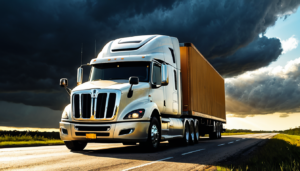
Motor Vehicle Accidents in Brazoria County: Your Legal Emergency Guide
Your life changed in an instant. One moment you were driving to work on Highway 288, stopping at the Whataburger on FM 523, or walking your child to school in Pearland. The next, an 18-wheeler jackknifed across three lanes, a distracted driver ran a red light at the intersection of FM 1462 and SH 35, or an Amazon delivery van backed into your car in a League City parking lot.
Now you’re facing mounting medical bills, missed paychecks, and insurance adjusters who act friendly but aren’t on your side. The trucking company’s team arrived before the ambulance left. The delivery driver’s app shows they were speeding to meet their next stop. The oilfield water truck that hit you had been on the road for 16 hours straight.
This isn’t just another accident. This is a legal emergency. And in Brazoria County, where refineries, distribution centers, and coastal highways create some of the most dangerous driving conditions in Texas, you need more than a lawyer—you need a legal emergency response team.
At Attorney911, we’ve been fighting for accident victims across Brazoria County for over 27 years. Our team includes former insurance defense attorney Lupe Peña, who knows exactly how insurance companies calculate, delay, and underpay claims—because he used to do it for them. We’ve recovered millions for victims of truck accidents, rideshare crashes, and commercial vehicle collisions. And we’re ready to fight for you.
Call our legal emergency line at 1-888-ATTY-911 right now. We answer 24/7, and we’ll tell you exactly what to do next—before the evidence disappears.
Why Brazoria County’s Roads Are More Dangerous Than You Think
Brazoria County isn’t just another part of the Houston metro—it’s a unique collision of industries, highways, and risks that make our roads some of the most dangerous in Texas.
In 2024 alone, Brazoria County saw 5,896 crashes, resulting in 28 fatalities and 1,342 injuries. That’s more than 16 crashes every day—one every 90 minutes. And these aren’t just numbers. They represent real families in Alvin, Angleton, Pearland, Lake Jackson, and Freeport whose lives were upended on roads like:
- Highway 288 – The primary route between Brazoria County and Houston, where commuters share lanes with 18-wheelers hauling petrochemicals from the Gulf Coast refineries
- FM 523 – A major arterial through Pearland and Manvel, where suburban traffic mixes with delivery trucks and oilfield vehicles
- SH 35 – The lifeline connecting Alvin, Angleton, and West Columbia, where rural two-lane sections meet sudden urban congestion
- FM 1462 – A high-risk corridor through Alvin and Rosharon, known for dangerous intersections and inadequate lighting
- The Port of Freeport – Where industrial traffic from the port and Dow Chemical creates constant heavy truck congestion
What makes these crashes different in Brazoria County? It’s not just the volume—it’s the unique combination of risks:
- Oilfield traffic: Water trucks, sand haulers, and crude oil tankers sharing roads with commuters on FM 521 and FM 1462
- Port and refinery traffic: Heavy trucks moving between the Port of Freeport, Dow Chemical, and BASF facilities
- Distribution hubs: Amazon, Walmart, and Sysco distribution centers in Pearland and Manvel generating constant delivery truck traffic
- Coastal weather: Hurricane evacuations, sudden flooding, and high winds that create unpredictable driving conditions
- Rural-urban transition zones: Areas where high-speed rural roads suddenly meet suburban congestion, like the stretch of Highway 35 between Alvin and Angleton
And here’s the harsh reality: 90.3% of these crashes happened in clear weather. That means the danger isn’t just about bad conditions—it’s about bad decisions by drivers, trucking companies, and corporations that prioritize speed and profit over safety.
The Attorney911 Difference: We Know Their Playbook Because We Wrote It
Most law firms will tell you they fight for accident victims. But at Attorney911, we don’t just fight—we outmaneuver. That’s because our team includes Lupe Peña, an attorney who spent years working for insurance companies, learning their tactics from the inside.
Lupe knows how adjusters are trained to:
- Minimize your injuries by calling them “pre-existing” or “subjective”
- Delay your claim until you’re desperate enough to accept a lowball offer
- Blame you for the accident, even when the other driver was clearly at fault
- Use your own words against you in recorded statements
- Undervalue your case using software like Colossus that systematically devalues serious injuries
And because Lupe used to make these arguments himself, he knows exactly how to defeat them.
Take the case of Donald Wilcox, who came to us after another attorney told him his case wasn’t worth pursuing. We took over, fought back against the insurance company’s tactics, and secured a settlement that changed his life. As Donald put it: “One company said they would not except my case. Then I got a call from Manginello…I got a call to come pick up this handsome check.”
Or Greg Garcia, who switched to Attorney911 after his previous lawyer dropped his case. We stepped in, built the evidence, and got him the compensation he deserved.
This is what sets us apart: We don’t just know the law—we know how to beat the insurance companies at their own game.
The Most Common Accidents in Brazoria County—and How We Fight for You
Not all accidents are the same. The type of crash you were in determines who’s liable, what evidence we need to preserve, and how much your case is worth. Here’s what you need to know about the most common accidents in Brazoria County—and how Attorney911 fights for victims like you.
1. Commercial Truck Accidents: When 80,000 Pounds Changes Everything
Brazoria County is a trucking hotspot. With the Port of Freeport, Dow Chemical, BASF, and major distribution centers, our roads see some of the heaviest truck traffic in Texas. In fact, 39,393 commercial vehicle accidents happened across Texas in 2024, killing 608 people.
In Brazoria County alone, we see:
- Oilfield trucks hauling water, sand, and crude on FM 521 and FM 1462
- Port trucks moving containers from Freeport to Houston distribution centers
- Refinery trucks transporting chemicals between industrial facilities
- Amazon, Walmart, and Sysco delivery trucks making stops in Pearland, Manvel, and Alvin
The 97/3 Rule: In crashes between passenger vehicles and large trucks, 97% of the people killed are in the passenger vehicle. That means if you were hit by a truck, you’re 36.5 times more likely to die than if you’d been hit by another car.
Common Truck Accident Types in Brazoria County:
Jackknife Accidents on Highway 288 and FM 521
When a truck’s trailer swings out at a 90-degree angle, it can block multiple lanes and cause catastrophic pileups. These often happen when:
- Drivers brake suddenly on wet roads
- Trailers are improperly loaded
- Drivers exceed safe speeds for conditions
On Highway 288 near the Pearland toll plaza, we’ve seen multiple jackknife accidents during morning commutes when drivers brake suddenly in stop-and-go traffic.
Rollover Accidents on SH 35 and FM 1462
Loaded trucks have a high center of gravity, making them prone to rollovers—especially on curves, ramps, and uneven road surfaces. In Brazoria County, we see these frequently:
- On the SH 35 curve near Angleton
- On FM 1462 where rural roads meet sudden congestion
- When trucks take exit ramps too fast
Underride Collisions: The Deadliest Crash Type
When a car slides underneath a truck’s trailer, the results are almost always catastrophic. The trailer shears off the top of the car at windshield level, often killing or severely injuring the occupants.
These are particularly common:
- At intersections where trucks make wide turns
- On poorly lit rural roads where truck visibility is low
- When trucks stop suddenly without proper warning
Brake Failure Accidents on Highway 288 and FM 523
Brake problems are a factor in 29% of large truck crashes. In Brazoria County, we see these frequently with:
- Oilfield trucks hauling heavy loads downhill
- Port trucks with deferred maintenance
- Delivery trucks making frequent stops
Who’s Really Liable? The “Deep Pocket Chain” in Trucking Cases
When a truck hits you, the driver isn’t the only one who can be held responsible. In Brazoria County, we investigate the entire chain of liability:
| Party | Theory of Liability | Insurance Coverage |
|---|---|---|
| Truck Driver | Direct negligence (speeding, fatigue, distraction) | Personal auto (often minimal) |
| Motor Carrier | Respondeat superior (employer liability) | $750K-$5M commercial policy |
| Truck Owner/Lessor | Negligent entrustment | Owner’s commercial policy |
| Freight Broker | Negligent selection of carrier | Broker’s commercial policy |
| Cargo Shipper/Loader | Improper loading, overweight cargo | Shipper’s commercial policy |
| Maintenance Provider | Failed inspections, faulty repairs | Provider’s errors & omissions policy |
| Vehicle Manufacturer | Defective parts (brakes, tires, steering) | Product liability coverage |
| Government Entity | Road defects, missing guardrails | Texas Tort Claims Act (capped) |
The MCS-90 Endorsement: Your Safety Net
All interstate motor carriers must carry an MCS-90 endorsement—a federal insurance guarantee that ensures payment to injured victims even if the policy would otherwise exclude coverage. This is your ultimate safety net in trucking cases.
What We Do Immediately in Trucking Cases:
- Send preservation letters to the trucking company, driver, and all involved parties to prevent evidence destruction
- Download black box/ELD data before it’s overwritten (typically 30-180 days)
- Obtain the Driver Qualification File to check for prior violations, inadequate training, or medical issues
- Inspect the truck for maintenance records, brake adjustments, and tire conditions
- Investigate the carrier’s safety record through FMCSA’s SAFER system
- Identify all available insurance policies—including umbrella and excess coverage
Recent Verdicts in Trucking Cases:
- $730 Million (Texas, 2021) – Landstar oversize load killed 73-year-old
- $150 Million (Texas, 2022) – Werner settlement for two children killed on I-30
- $44.1 Million (Texas, 2024) – New Prime I-35 pileup with 6 deaths
- $37.5 Million (Texas, 2024) – Oncor Electric trucking verdict
What Your Case Might Be Worth:
| Injury Severity | Settlement Range |
|---|---|
| Minor injuries (soft tissue) | $50,000-$150,000 |
| Moderate injuries (broken bones, surgery) | $150,000-$500,000 |
| Severe injuries (TBI, spinal cord, amputation) | $500,000-$5,000,000+ |
| Wrongful death | $1,000,000-$10,000,000+ |
As client Glenda Walker shared: “They make you feel like family and even though the process may take some time, they make it feel like a breeze. They fought for me to get every dime I deserved.”
2. Delivery Vehicle Accidents: When Corporate Fleets Hit Home
In Brazoria County, delivery vehicles are everywhere. Amazon vans make stops in Pearland subdivisions. FedEx and UPS trucks navigate Alvin’s residential streets. Sysco and US Foods trucks deliver to restaurants across the county. And when these vehicles cause accidents, the corporations behind them try to hide behind “independent contractor” labels.
The Amazon DSP Problem
Amazon’s Delivery Service Partner (DSP) program is designed to shield Amazon from liability. But here’s what they don’t want you to know:
- Amazon controls the routes, delivery windows, and quotas
- Amazon monitors drivers through four AI-powered cameras (Netradyne)
- Amazon scores drivers through the Mentor app
- Amazon can terminate DSPs at will
When an Amazon DSP vehicle hits you in Brazoria County, Amazon wants you to believe it’s not their problem. But courts across the country are increasingly ruling that Amazon’s level of control makes them a de facto employer—and liable for accidents.
FedEx Ground’s Independent Contractor Defense
FedEx Ground uses Independent Service Providers (ISPs) to deliver packages. But like Amazon, FedEx exercises significant control:
- FedEx provides uniforms and trucks (in many cases)
- FedEx sets delivery windows and routes
- FedEx monitors performance metrics
- FedEx can terminate ISPs for poor performance
When a FedEx Ground ISP vehicle hits you, FedEx will point to the ISP’s insurance. But we know how to pierce that corporate veil and access FedEx’s deeper pockets.
The Backing Danger: 8,950 Crashes in Texas
Delivery trucks back up dozens of times per day in residential neighborhoods. And “Backed Without Safety” is a contributing factor in 8,950 Texas crashes annually.
These accidents are particularly common in Brazoria County:
- In Pearland subdivisions where Amazon and FedEx vans make frequent stops
- In Alvin’s commercial districts where Sysco and US Foods trucks deliver to restaurants
- In Manvel’s residential areas where delivery drivers rush to meet quotas
What We Do in Delivery Vehicle Cases:
- Determine the driver’s exact app status at the time of the crash (this determines which insurance policy applies)
- Obtain app activity logs showing delivery quotas, route pressure, and distraction
- Investigate the corporate control structure to pierce independent contractor defenses
- Identify all available insurance policies—including the delivery company’s commercial coverage
- Preserve camera footage from in-cab systems (Netradyne, Mentor, DriveCam)
Key Verdicts in Delivery Vehicle Cases:
- $105 Million (Texas, 2024) – Lopez v. All Points 360 (Amazon DSP)
- $16.4 Million (Arizona) – Instacart wrongful death lawsuit
- $16.2 Million (Georgia) – Amazon DSP struck and killed child
3. Oilfield Vehicle Accidents: When Industrial Traffic Meets Public Roads
Brazoria County is at the heart of Texas’s oil and gas industry. From the refineries in Freeport to the wells in Rosharon, our roads see constant oilfield traffic—water trucks, sand haulers, crude oil tankers, and crew transport vans.
The Unique Dangers of Oilfield Trucking:
- Fatigued drivers working 16+ hour shifts to meet production deadlines
- Overloaded vehicles hauling water, sand, or crude on roads not designed for heavy loads
- Hazardous materials creating additional risks in crashes
- Rural roads with limited emergency response capabilities
Common Oilfield Vehicle Accidents in Brazoria County:
Water Truck Rollovers on FM 521 and FM 1462
Produced water tankers (typically 5,460-gallon capacity) create unique handling challenges. The sloshing liquid in partially loaded tanks can cause rollovers on curves and uneven road surfaces.
Sand Hauler Overweight Violations
Frac sand haulers frequently exceed legal weight limits, creating:
- Longer stopping distances
- Increased rollover risk
- Premature road wear that creates hazards
Crude Oil Tanker Crashes
Crude oil transport by truck creates additional risks:
- HAZMAT placarding requirements
- Rollover and fire/explosion hazards
- Chemical exposure risks for other motorists
Crew Transport Van Accidents
15-passenger vans carrying oilfield workers have a documented rollover problem. When fully loaded, these vans have a dangerously high center of gravity.
Who’s Really Liable in Oilfield Accidents?
When an oilfield truck causes an accident, multiple parties may share responsibility:
| Party | Theory of Liability | Why It Matters |
|---|---|---|
| Truck Driver | Direct negligence | Often fatigued or pressured to meet deadlines |
| Trucking Company | Respondeat superior | May have inadequate safety programs |
| Oil Company/Operator | Negligent hiring, contractor selection | Sets production schedules that create pressure |
| Oilfield Service Company | Negligent supervision | Halliburton, Schlumberger, Baker Hughes contractors |
| Equipment Owner | Negligent maintenance | May defer maintenance to save costs |
| Government Entity | Road defects | County roads often not designed for heavy truck traffic |
The Dual Jurisdiction Challenge: FMCSA + OSHA
Oilfield trucking accidents present a unique legal challenge—they often fall under both federal trucking regulations (FMCSA) and workplace safety standards (OSHA).
When an oilfield truck accident happens on a public road, the FMCSA applies. But when it happens on a wellsite or lease road, OSHA workplace safety standards may also apply. This creates additional avenues for proving negligence.
What We Do in Oilfield Accident Cases:
- Preserve wellsite records showing traffic patterns and safety incidents
- Obtain Journey Management Plans to prove schedule pressure
- Download IVMS data from oilfield vehicles (Halliburton, Schlumberger, and others use these systems)
- Investigate OSHA compliance at the wellsite
- Identify all responsible parties in the oilfield contractor chain
4. Rideshare Accidents: When Your Uber or Lyft Ride Goes Wrong
Rideshare accidents are on the rise in Brazoria County. Whether you’re catching an Uber to Pearland Town Center, taking a Lyft to the airport, or ordering DoorDash in Alvin, these accidents present unique legal challenges.
The Three Insurance Tiers in Rideshare Accidents:
| Period | Driver Status | Coverage Amount |
|---|---|---|
| Period 0 | App off | Driver’s personal insurance only ($30K/$60K/$25K) |
| Period 1 | App on, waiting for ride request | $50,000/$100,000/$25,000 (contingent coverage) |
| Period 2 | Ride accepted, en route to passenger | $1,000,000 liability coverage |
| Period 3 | Passenger in vehicle | $1,000,000 liability + $1,000,000 UM/UIM |
The Biggest Misconception: “I’m Not Covered”
Many rideshare accident victims don’t realize that:
- Passengers are almost always covered by the $1 million policy during active rides
- Third-party victims (other drivers, pedestrians) may also be covered
- Your own UM/UIM policy may provide additional coverage
The Distracted Driver Epidemic
Rideshare drivers are uniquely incentivized to be distracted. The business model requires constant phone interaction:
- Checking incoming ride requests
- Accepting/declining trips
- Navigating to pickup locations
- Communicating with passengers
- Monitoring earnings
In fact, 1 in 3 rideshare drivers has been in a crash while working.
What We Do in Rideshare Accident Cases:
- Determine the driver’s exact app status at the time of the crash
- Obtain app activity logs showing ride status, location data, and driver behavior
- Identify all available insurance policies—including the rideshare company’s commercial coverage
- Investigate driver background for prior violations or inadequate training
- Preserve evidence before it’s overwritten (Uber/Lyft typically keep routine footage for only 24-100 hours)
Key Verdicts in Rideshare Cases:
- $240 Million+ (Florida, 2023) – Uber autonomous vehicle wrongful death
- $16 Million (Arizona) – Grubhub driver wrongful death
- Multiple six-figure settlements for Uber/Lyft passenger injuries
5. Dram Shop Liability: When Bars and Restaurants Over-Serve Drivers
Brazoria County has a serious drunk driving problem. In 2024, the county saw 227 DUI crashes, resulting in 9 fatalities. And while the drunk driver bears primary responsibility, bars, restaurants, and nightclubs that over-serve intoxicated patrons can also be held liable under Texas’s Dram Shop Act.
Where Dram Shop Claims Happen in Brazoria County:
- Pearland Town Center – Bars and restaurants serving patrons who then drive on Highway 288
- Downtown Alvin – Local establishments where patrons may be overserved
- Lake Jackson – Bars near the refineries where workers stop after shifts
- Freeport – Port-related establishments with late-night service
The Dram Shop Act: Texas Alcoholic Beverage Code § 2.02
To prove a Dram Shop claim in Texas, we must show:
- The establishment served alcohol to a patron
- The patron was obviously intoxicated at the time of service
- The intoxication was a proximate cause of the accident
Signs of Obvious Intoxication:
- Slurred speech
- Bloodshot or glassy eyes
- Unsteady gait or stumbling
- Aggressive or erratic behavior
- Strong odor of alcohol
- Difficulty counting money
- Fumbling with objects
Potentially Liable Establishments:
- Bars and nightclubs
- Restaurants serving alcohol
- Liquor stores
- Hotels with bars or room service
- Country clubs
- Concert venues and festivals
The Safe Harbor Defense: What Bars Use to Avoid Liability
Establishments can avoid liability if they prove:
- All servers completed TABC-approved training
- The business didn’t pressure staff to over-serve
- Policies were in place and followed
But here’s what they don’t want you to know: many establishments cut corners on training, ignore server concerns, and prioritize profits over safety.
Why Dram Shop Claims Are So Valuable:
- Adds a deep-pocket defendant with commercial insurance policies ($1M+)
- Creates additional witnesses (servers, bartenders, managers)
- Provides surveillance footage from the establishment
- Strengthens punitive damages claims
What We Do in Dram Shop Cases:
- Investigate the establishment’s TABC compliance
- Obtain server training records
- Review surveillance footage from the bar or restaurant
- Interview witnesses who saw the patron being overserved
- Analyze receipts and tabs to show the volume of alcohol served
As client Maria Ramirez shared: “The support provided at Manginello Law Firm was excellent…They worked hard to do their best.”
The Most Common Injuries in Brazoria County Accidents—and What They Really Mean
When you’re in an accident in Brazoria County, the injuries you suffer can change your life forever. Here’s what you need to know about the most common injuries—and why insurance companies try to downplay them.
1. Traumatic Brain Injuries (TBI): The Invisible Epidemic
Immediate Symptoms:
- Loss of consciousness (even for seconds)
- Confusion or disorientation
- Vomiting or nausea
- Seizures
- Severe headache
- Dilated pupils
- Slurred speech
Delayed Symptoms (Hours to Days Later):
- Worsening headaches
- Repeated vomiting
- Seizures days after the accident
- Personality changes
- Sleep disturbances
- Sensitivity to light and noise
- Memory problems
Classification:
| Severity | Characteristics |
|---|---|
| Mild (Concussion) | Brief loss of consciousness, GCS 13-15, may seem “fine” but serious long-term effects |
| Moderate | Loss of consciousness for minutes to hours, GCS 9-12, lasting cognitive impairment |
| Severe | Extended coma, GCS 3-8, permanent disability, lifetime care required |
Long-Term Consequences:
- Chronic Traumatic Encephalopathy (CTE)
- Post-concussive syndrome (10-15% of cases)
- Doubled risk of dementia
- Depression (40-50% of cases)
- Seizure disorders
- Cognitive impairment affecting work and daily life
Why Insurance Companies Downplay TBIs:
- Symptoms are often “invisible”
- Initial scans may appear normal
- Cognitive deficits develop over time
- Victims may not realize they’re injured
What Your Case Might Be Worth:
| Severity | Settlement Range |
|---|---|
| Mild TBI (concussion) | $50,000-$200,000 |
| Moderate TBI | $200,000-$1,000,000 |
| Severe TBI | $1,000,000-$10,000,000+ |
As we secured in one case: “Multi-million dollar settlement for client who suffered brain injury with vision loss when log dropped on him at logging company.”
2. Spinal Cord Injuries: Life-Altering Damage
Common Locations and Impacts:
| Level | Impact | Lifetime Cost |
|---|---|---|
| C1-C4 (High Cervical) | Quadriplegia, possible ventilator, 24/7 care required | $6,000,000-$13,000,000+ |
| C5-C8 (Low Cervical) | Quadriplegia with some arm function, wheelchair required | $3,700,000-$6,100,000+ |
| T1-L5 (Paraplegia) | Lower body paralysis, wheelchair required | $2,500,000-$5,250,000+ |
Complications:
- Pressure sores (leading cause of death)
- Respiratory problems
- Bowel and bladder dysfunction
- Autonomic dysreflexia (life-threatening blood pressure spikes)
- Depression (40-60% of cases)
- Shortened life expectancy (5-15 years)
Why These Cases Are So Valuable:
- Lifetime medical costs are astronomical
- Permanent loss of earning capacity
- Significant pain and suffering
- Family members often become caregivers
3. Herniated Discs: The Hidden Injury That Gets Worse
Treatment Timeline:
- Acute Phase (Weeks 1-6): Pain management, rest, physical therapy ($2,000-$5,000)
- Conservative Treatment (Weeks 6-12): Physical therapy, chiropractic care ($5,000-$12,000)
- Epidural Injections: Pain management ($3,000-$6,000 per injection)
- Surgery (If conservative treatment fails): Discectomy or spinal fusion ($50,000-$120,000)
Permanent Restrictions:
- Can’t return to physical labor
- Lost earning capacity
- Ongoing pain management
- Risk of adjacent segment disease
Why Insurance Companies Fight These Cases:
- Initial X-rays may appear normal
- Symptoms develop over time
- Insurance calls them “pre-existing” conditions
What Your Case Might Be Worth:
| Treatment Path | Settlement Range |
|---|---|
| Conservative treatment only | $50,000-$150,000 |
| Epidural injections | $75,000-$200,000 |
| Surgery required | $200,000-$500,000+ |
As client Chavodrian Miles experienced: “Leonor got me into the doctor the same day…it only took 6 months amazing.”
4. Psychological Injuries: The Invisible Scars
Many accident victims don’t realize that emotional injuries are just as compensable as physical ones. Here’s what you need to know:
Post-Traumatic Stress Disorder (PTSD):
- Symptoms: Flashbacks, nightmares, hypervigilance, avoidance of driving or accident locations
- Treatment: Cognitive Processing Therapy (CPT), Prolonged Exposure (PE), EMDR, medication
- Legal Value: Documented through medical records and expert testimony
Anxiety Disorders:
- Generalized Anxiety Disorder
- Driving Anxiety/Vehophobia (fear of driving)
- Panic Disorder (recurrent attacks triggered by driving)
Depression:
- Major Depressive Disorder often develops after serious accidents
- Caused by loss of independence, chronic pain, financial stress, relationship strain
Sleep Disorders:
- Insomnia (anxiety, pain, PTSD hyperarousal)
- Nightmares/night terrors
- Post-traumatic sleep apnea
- Hypersomnia (TBI-related)
Cognitive Impairment:
- Difficulty concentrating
- Memory problems
- Slowed processing speed
- Executive function deficits
Why These Injuries Matter Legally:
- They’re documented through medical records
- They increase pain and suffering damages
- They affect your ability to work
- They impact your relationships and quality of life
As client Stephanie Hernandez shared: “When I felt I had no hope or direction, Leonor reached out to me…She took all the weight of my worries off my shoulders.”
The 48-Hour Evidence Preservation Protocol: What to Do Immediately After an Accident in Brazoria County
The first 48 hours after an accident are critical. Evidence disappears fast, and insurance companies move quickly to build their case against you. Here’s exactly what to do:
HOURS 1-6: IMMEDIATE CRISIS RESPONSE
✅ Safety First: Move to a safe location if possible
✅ Call 911: Report the accident and request medical attention
✅ Seek Medical Attention: Go to the ER immediately—adrenaline masks injuries
✅ Document Everything: Take photos of ALL damage, the scene, conditions, injuries
✅ Exchange Information: Names, phone numbers, addresses, insurance, DL, plate numbers
✅ Witnesses: Get names and contact information, ask what they saw
✅ Call Attorney911: 1-888-ATTY-911 before speaking to ANY insurance company
HOURS 6-24: EVIDENCE PRESERVATION
✅ Digital Evidence: Preserve all texts, calls, photos—don’t delete anything
✅ Physical Evidence: Secure damaged clothing, keep receipts, don’t repair your vehicle yet
✅ Medical Records: Request ER copies, keep discharge papers
✅ Insurance Calls: Note all calls, don’t give recorded statements, say “I need to speak with my attorney”
✅ Social Media: Make ALL profiles private, don’t post about the accident
HOURS 24-48: STRATEGIC DECISIONS
✅ Legal Consultation: Call 1-888-ATTY-911 with all documentation ready
✅ Insurance Response: Refer all calls to your attorney
✅ Settlement Offers: Do NOT accept or sign anything
✅ Evidence Backup: Upload everything to cloud storage, create a written timeline
WHAT DISAPPEARS FIRST:
| Timeframe | What’s at Risk |
|---|---|
| Days 1-7 | Witness memories fade, skid marks cleared, scene changes |
| Days 7-30 | Surveillance footage deleted (gas stations, retail, traffic cameras) |
| Months 1-2 | Insurance solidifies defense position, vehicle repairs destroy evidence |
| Months 2-6 | ELD/black box data deleted (30-180 days) |
| Months 6-12 | Witnesses move, medical evidence harder to link |
| Months 12-24 | Approaching statute of limitations, financial desperation |
Why Attorney911 Moves Fast:
Within 24 hours of retention, we send preservation letters to:
- Other driver’s insurance company
- Trucking companies (ELD, ECM, logs, dispatch records, dashcam footage)
- Delivery fleets (route assignments, camera footage, telematics)
- Business owners (surveillance footage)
- Employers
- Property owners
- Government entities
- Rideshare companies (app activity logs)
- Bars/restaurants (in Dram Shop cases)
These letters legally require evidence preservation before automatic deletion.
As client Brian Butchee shared: “Melanie was excellent. She kept me informed and when she said she would call me back, she did.”
Texas Law: What You Need to Know to Protect Your Rights
Texas has specific laws that affect your accident claim. Here’s what you need to know:
1. Modified Comparative Negligence (51% Bar)
Texas follows a modified comparative negligence system. This means:
- You can recover damages only if you’re 50% or less at fault
- Your recovery is reduced by your percentage of fault
- If you’re 51% or more at fault, you recover NOTHING
| Your Fault % | Case Value | Your Recovery |
|---|---|---|
| 0% | $100,000 | $100,000 |
| 10% | $100,000 | $90,000 |
| 25% | $250,000 | $187,500 |
| 40% | $500,000 | $300,000 |
| 50% | $500,000 | $250,000 |
| 51% | $500,000 | $0 |
Why This Matters:
Insurance companies always try to assign maximum fault to reduce their payout. Even small fault percentages can cost you thousands.
2. Stowers Doctrine: The Nuclear Option for Clear Liability Cases
The Stowers Doctrine is one of the most powerful tools in Texas personal injury law. If:
- The claim is within the scope of coverage
- A settlement demand is made within policy limits
- The terms are reasonable
- A full release is offered
AND the insurance company unreasonably refuses the demand, they become liable for the entire verdict—even if it exceeds policy limits.
Why This Matters:
This is especially powerful in rear-end collisions, DUI cases, and clear liability trucking accidents. It forces insurance companies to settle reasonable claims or risk massive verdicts.
3. Dram Shop Act: Holding Bars Accountable
Under the Texas Dram Shop Act, bars, restaurants, and other establishments can be held liable if:
- They served alcohol to someone who was obviously intoxicated
- The over-service was a proximate cause of the accident
Why This Matters:
This adds a deep-pocket defendant with commercial insurance policies ($1M+) to your case.
4. Uninsured/Underinsured Motorist (UM/UIM) Coverage
Texas law requires insurance companies to offer UM/UIM coverage. This coverage:
- Applies when the at-fault driver has no insurance or insufficient coverage
- Covers pedestrians and cyclists as well as drivers
- Can be stacked across multiple policies
Why This Matters:
In Brazoria County, 14% of drivers are uninsured. UM/UIM coverage is often the real path to recovery in serious accidents.
5. Punitive Damages: When Negligence Becomes Reckless
Punitive damages are available in Texas for:
- Fraud: Intentional misrepresentation
- Malice: Specific intent to cause harm
- Gross Negligence: Conscious indifference to rights and safety
The Felony Exception:
The punitive damages cap does NOT apply if the underlying act is a felony. This means:
- DWI causing serious bodily injury = Intoxication Assault (felony) → NO CAP
- DWI causing death = Intoxication Manslaughter (felony) → NO CAP
Example:
If economic damages = $2M and non-economic = $3M:
- Standard cap = (2 × $2M) + $750,000 = $4.75M
- Felony DWI = NO CAP—jury decides
6. Statute of Limitations: The Deadline You Can’t Miss
| Claim Type | Time Limit | Starts From |
|---|---|---|
| Personal Injury | 2 years | Date of accident |
| Wrongful Death | 2 years | Date of death |
| Property Damage | 2 years | Date of damage |
| Government Claims | 6 months notice | Date of incident |
Miss the deadline = case BARRED forever.
Why Choose Attorney911 for Your Brazoria County Accident Case
When you’re injured in an accident in Brazoria County, you need more than a lawyer—you need a legal emergency response team with the experience, resources, and local knowledge to fight for you.
1. We Know Brazoria County’s Roads, Courts, and Challenges
With offices in Houston, Austin, and Beaumont, we’ve been serving Brazoria County for over 27 years. We know:
- The dangerous intersections on FM 1462 and SH 35
- The high-risk corridors on Highway 288 and FM 521
- The oilfield traffic patterns on FM 521 and FM 1462
- The local courts where your case will be filed
- The hospitals where accident victims are treated (Memorial Hermann Pearland, UTMB Angleton, CHI St. Luke’s Health)
2. We Have a Former Insurance Defense Attorney on Our Team
Lupe Peña spent years working for insurance companies, learning their tactics from the inside. He knows:
- How they calculate claim values using software like Colossus
- Which IME doctors they favor (he hired them)
- How they delay claims until you’re desperate
- How they use your words against you in recorded statements
Now, he uses that knowledge to fight for victims—not against them.
As Lupe puts it: “I’ve reviewed hundreds of surveillance videos and social media posts as defense attorney. Here’s the truth: Insurance companies take innocent activity out of context. They freeze ONE frame of you moving ‘normally’ and ignore the 10 minutes of you struggling before and after.”
3. We’ve Recovered Millions for Accident Victims
Our track record speaks for itself:
- Multi-million dollar settlement for client who suffered brain injury with vision loss
- Millions recovered for a car accident amputation case
- Millions recovered for trucking-related wrongful death cases
- Involved in BP Texas City Refinery explosion litigation ($2.1B total case)
- $10M hazing lawsuit against University of Houston and Pi Kappa Phi (2025)
As client Donald Wilcox shared: “One company said they would not except my case. Then I got a call from Manginello…I got a call to come pick up this handsome check.”
4. We Fight for Maximum Compensation
We don’t just settle cases—we build them for maximum value. Here’s how:
- Document all injuries thoroughly—physical and psychological
- Calculate future medical needs through life care planning
- Identify all liable parties—not just the driver
- Preserve all evidence before it disappears
- Negotiate lien reductions to maximize your take-home recovery
5. We Prepare Every Case for Trial
Most accident cases settle—but insurance companies only offer fair settlements when they know you’re ready to go to trial. We prepare every case as if it’s going to trial, which means:
- Stronger negotiation position
- Higher settlement offers
- Better outcomes for our clients
As client Ernest Cano said: “Mr. Maginello and his firm are first class. Will fight tooth and nail for you.”
6. We’re Available 24/7
Accidents don’t happen on a 9-to-5 schedule. That’s why we answer our phones 24 hours a day, 7 days a week. When you call 1-888-ATTY-911, you’ll speak to a real person—not an answering service.
7. We Work on Contingency: No Fee Unless We Win
We don’t get paid unless we win your case. That means:
- No upfront costs
- No hourly fees
- No risk to you
8. We Speak Your Language
Brazoria County has a diverse population, and we’re proud to serve clients in both English and Spanish. Hablamos español.
As client Celia Dominguez shared: “Especially Miss Zulema, who is always very kind and always translates.”
Frequently Asked Questions About Accidents in Brazoria County
Immediate After Accident
1. What should I do immediately after a car accident in Brazoria County?
Call 911, seek medical attention, document everything, exchange information, collect witness contact details, and call Attorney911 at 1-888-ATTY-911 before speaking to any insurance company.
2. Should I call the police even for a minor accident?
Yes. A police report creates an official record and is crucial for your insurance claim and any potential legal case.
3. Should I seek medical attention if I don’t feel hurt?
Absolutely. Adrenaline can mask injuries, and some conditions (like traumatic brain injuries) may not show symptoms immediately. Always get checked by a medical professional.
4. What information should I collect at the scene?
- Names, phone numbers, and addresses of all involved parties
- Insurance information
- Driver’s license numbers
- Vehicle descriptions (make, model, year, license plate)
- Witness contact information
- Photos of the scene, damage, and injuries
5. Should I talk to the other driver or admit fault?
Exchange information but do not discuss fault or apologize. Anything you say can be used against you later.
6. How do I obtain a copy of the accident report in Brazoria County?
You can request a copy from the Brazoria County Sheriff’s Office or the police department that responded to the scene. We can also help you obtain this report.
Dealing With Insurance
7. Should I give a recorded statement to insurance?
No. Insurance adjusters are trained to ask leading questions that can be used to minimize your claim. Once you hire Attorney911, we handle all communication with insurance companies.
8. What if the other driver’s insurance contacts me?
Refer them to your attorney. Do not discuss the accident or your injuries without legal representation.
9. Do I have to accept the insurance company’s estimate for vehicle repairs?
No. You have the right to choose your own repair shop and get a second opinion.
10. Should I accept a quick settlement offer?
Never. Quick settlement offers are designed to take advantage of your financial desperation. They rarely reflect the true value of your case.
11. What if the other driver is uninsured or underinsured?
You may be able to file a claim under your own Uninsured/Underinsured Motorist (UM/UIM) coverage. This is why it’s so important to have adequate UM/UIM coverage.
12. Why does insurance want me to sign a medical authorization?
They want access to your entire medical history—not just accident-related records—to find pre-existing conditions they can use against you. We limit authorizations to accident-related records only.
Legal Process
13. Do I have a personal injury case?
If you were injured due to someone else’s negligence, you likely have a case. The best way to know for sure is to call 1-888-ATTY-911 for a free consultation.
14. When should I hire a car accident lawyer in Brazoria County?
As soon as possible. The earlier you hire an attorney, the better we can preserve evidence, protect your rights, and build your case.
15. How much time do I have to file a lawsuit in Texas?
The statute of limitations for personal injury cases in Texas is 2 years from the date of the accident. For government claims, you must file notice within 6 months.
16. What is comparative negligence and how does it affect me?
Texas follows a modified comparative negligence rule. If you’re found to be 50% or less at fault, you can still recover damages—but your recovery is reduced by your percentage of fault. If you’re 51% or more at fault, you recover nothing.
17. What happens if I was partially at fault for the accident?
You can still recover damages as long as you’re 50% or less at fault. Your recovery will be reduced by your percentage of fault.
18. Will my case go to trial?
Most cases settle out of court. However, we prepare every case as if it’s going to trial to ensure we get the best possible outcome for you.
19. How long will my case take to settle?
It depends on the complexity of your case and the severity of your injuries. Some cases settle in a few months, while others may take a year or more.
20. What is the legal process step-by-step?
- Free consultation with Attorney911
- Investigation and evidence gathering
- Medical treatment and documentation
- Demand letter to insurance company
- Negotiation
- Filing lawsuit (if necessary)
- Discovery and depositions
- Mediation
- Trial (if necessary)
- Settlement or verdict
Compensation
21. What is my case worth?
It depends on factors like:
- The severity of your injuries
- Your medical expenses
- Lost wages and earning capacity
- Pain and suffering
- Property damage
- Liability and fault
The best way to get an accurate estimate is to call 1-888-ATTY-911 for a free case evaluation.
22. What types of damages can I recover?
- Economic damages: Medical expenses, lost wages, property damage
- Non-economic damages: Pain and suffering, mental anguish, physical impairment
- Punitive damages: In cases of gross negligence or malice
23. Can I get compensation for pain and suffering?
Yes. Pain and suffering are compensable damages in Texas personal injury cases.
24. What if I have a pre-existing condition?
The eggshell plaintiff rule means the defendant takes you as they find you. If the accident worsened your pre-existing condition, you can still recover for the aggravation.
25. Will I have to pay taxes on my settlement?
Generally, no. Compensation for physical injuries is not taxable. However, punitive damages and interest may be taxable.
26. How is the value of my claim determined?
We use the multiplier method:
Total Settlement = (Medical Expenses × Multiplier) + Lost Wages + Property Damage
The multiplier depends on injury severity:
- Minor injuries: 1.5-2
- Moderate injuries: 2-3
- Severe injuries: 3-4
- Catastrophic injuries: 4-5+
Attorney Relationship
27. How much do car accident lawyers cost?
We work on a contingency fee basis. This means you pay nothing upfront, and we only get paid if we win your case.
28. What does “no fee unless we win” mean?
It means we don’t charge any fees unless we recover compensation for you. If we don’t win, you owe us nothing.
29. How often will I get updates on my case?
We provide regular updates and are always available to answer your questions. As client Dame Haskett said: “Consistent communication and not one time did I call and not get a clear answer…Ralph reached out personally.”
30. Who will actually handle my case?
You’ll work directly with our attorneys and dedicated case managers. We don’t hand off cases to junior associates or paralegals.
31. What if I already hired another attorney but I’m not happy?
You have the right to switch attorneys at any time. If your current lawyer isn’t communicating, isn’t updating you, or is pushing you to settle for too little, call us at 1-888-ATTY-911.
Mistakes to Avoid
32. What common mistakes can hurt my case?
- Giving recorded statements without an attorney
- Accepting quick settlement offers
- Posting about your accident on social media
- Missing medical appointments
- Not hiring an attorney early enough
33. Should I post about my accident on social media?
No. Insurance companies monitor social media and will use your posts against you. Even innocent activity can be taken out of context.
34. Why shouldn’t I sign anything without a lawyer?
Insurance companies may try to get you to sign a release that waives your right to future compensation. Once you sign, you can’t go back.
35. What if I didn’t see a doctor right away?
It’s never too late to seek medical attention. However, delays in treatment can be used against you, so it’s best to see a doctor as soon as possible.
Additional Questions
36. What if I have a pre-existing condition?
The eggshell plaintiff rule protects you. If the accident worsened your pre-existing condition, you can recover for the aggravation.
37. Can I switch attorneys if I’m unhappy with my current one?
Yes. You have the right to change attorneys at any time. We’ve helped many clients who were dissatisfied with their previous representation.
38. What about UM/UIM claims against my own insurance?
Your own Uninsured/Underinsured Motorist (UM/UIM) coverage can provide additional compensation if the at-fault driver doesn’t have enough insurance.
39. How do you calculate pain and suffering?
We use the multiplier method (see above) and consider factors like:
- Severity of injuries
- Impact on daily life
- Duration of recovery
- Permanent effects
40. What if I was hit by a government vehicle in Brazoria County?
You must file a Tort Claims Notice within 6 months. Government claims have special rules and damage caps.
41. What if the other driver fled (hit and run)?
You may be able to file a claim under your own UM/UIM coverage. Surveillance footage and witness statements are crucial in these cases.
42. Can undocumented immigrants file personal injury claims in Texas?
Yes. Immigration status does not affect your right to compensation. We serve clients regardless of immigration status.
43. What about parking lot accidents in Brazoria County?
Parking lot accidents are common in places like Pearland Town Center and Alvin’s commercial districts. Liability depends on who had the right of way.
44. What if I was a passenger in the at-fault vehicle?
You may still have a claim against the driver’s insurance or your own UM/UIM coverage.
45. What if the other driver died in the accident?
You can still pursue a claim against their estate or insurance policy.
Trucking-Specific Questions
46. What should I do immediately after an 18-wheeler accident in Brazoria County?
Call 911, seek medical attention, document everything, and call Attorney911 at 1-888-ATTY-911 immediately. Evidence disappears fast in trucking cases.
47. What is a spoliation letter and why is it critical in trucking cases?
A spoliation letter is a legal demand to preserve evidence. In trucking cases, we send these to:
- The trucking company
- The driver
- The vehicle owner
- Any involved parties
This prevents them from destroying critical evidence like black box data, ELD records, and maintenance logs.
48. What is a truck’s “black box” and how does it help my case?
The black box (ECM/EDR) records critical data like:
- Speed before the crash
- Brake application
- Throttle position
- Following distance
- Hours of service
This data is objective evidence that can prove the truck driver’s negligence.
49. What is an ELD and why is it important evidence?
An Electronic Logging Device (ELD) records:
- Driver hours of service
- GPS location
- Driving time
- Duty status
This data can prove fatigue violations and false log entries.
50. How long does the trucking company keep black box and ELD data?
Typically 30-180 days. That’s why it’s critical to send a preservation letter immediately.
51. Who can I sue after an 18-wheeler accident in Brazoria County?
Multiple parties may be liable:
- The truck driver
- The trucking company
- The cargo shipper/loader
- The vehicle manufacturer
- The maintenance provider
- The freight broker
52. Is the trucking company responsible even if the driver caused the accident?
Yes. Under respondeat superior, employers are liable for their employees’ negligence committed within the scope of employment.
53. What if the truck driver says the accident was my fault?
Insurance companies often try to shift blame. We use accident reconstruction, witness statements, and expert testimony to prove liability.
54. What is an owner-operator and does that affect my case?
An owner-operator owns their truck and may be an independent contractor. However, the trucking company may still be liable through negligent hiring or supervision.
55. How do I find out if the trucking company has a bad safety record?
We investigate the carrier’s FMCSA safety record through the SAFER system, looking for:
- Out-of-service violations
- Crash history
- Hours of service violations
- Maintenance issues
56. What are hours of service regulations and how do violations cause accidents?
FMCSA hours of service (HOS) regulations limit:
- 11 hours of driving after 10 consecutive hours off duty
- 14-hour duty window
- 30-minute break after 8 hours of driving
- 60/70-hour weekly limits
Violations cause fatigue-related accidents, which are a leading cause of truck crashes.
57. What FMCSA regulations are most commonly violated in accidents?
- Hours of service violations (fatigue)
- Inadequate pre-trip inspections
- Brake failures
- Tire blowouts
- Cargo securement failures
58. What is a Driver Qualification File and why does it matter?
The Driver Qualification File (DQF) contains:
- Employment application
- Driving record
- Medical certification
- Drug/alcohol test results
- Training records
We use this to prove negligent hiring or inadequate training.
59. How do pre-trip inspections relate to my accident case?
Drivers are required to inspect their vehicles before each trip. If they failed to identify and report a defect that caused the accident, both the driver and company may be liable.
60. What injuries are common in 18-wheeler accidents in Brazoria County?
- Traumatic brain injuries
- Spinal cord injuries
- Amputations
- Broken bones
- Internal organ damage
- Burns
- Wrongful death
61. How much are 18-wheeler accident cases worth in Brazoria County?
It depends on the severity of injuries, but settlements and verdicts often range from $100,000 to $10,000,000+.
62. What if my loved one was killed in a trucking accident in Brazoria County?
You may have a wrongful death claim for:
- Funeral expenses
- Loss of financial support
- Loss of companionship
- Pain and suffering before death
63. How long do I have to file an 18-wheeler accident lawsuit in Brazoria County?
The statute of limitations in Texas is 2 years from the date of the accident.
64. How long do trucking accident cases take to resolve?
It depends on the complexity of the case. Some settle in 6-12 months, while others may take 2-3 years if they go to trial.
65. Will my trucking accident case go to trial?
Most cases settle out of court. However, we prepare every case as if it’s going to trial to ensure we get the best possible outcome.
66. How much insurance do trucking companies carry?
Federal law requires:
- $750,000 for most trucks
- $1,000,000 for hazardous materials
- $5,000,000 for certain hazmat
Many carriers carry $1-5 million in additional coverage.
67. What if multiple insurance policies apply to my accident?
We investigate all available policies, including:
- The truck driver’s personal insurance
- The trucking company’s commercial policy
- Umbrella/excess coverage
- Cargo insurance
- The shipper’s policy
68. Will the trucking company’s insurance try to settle quickly?
Yes. They often make lowball offers early in the case to take advantage of your financial desperation.
69. Can the trucking company destroy evidence?
They’re legally required to preserve evidence once they receive a preservation letter. If they destroy evidence, they can be sanctioned by the court.
70. What if the truck driver was an independent contractor?
Many trucking companies try to avoid liability by classifying drivers as independent contractors. However, if the company controls the driver’s work, they may still be liable.
71. What if a tire blowout caused my trucker accident?
Tire blowouts are often caused by:
- Underinflation
- Overloading
- Worn/aging tires
- Manufacturing defects
- Inadequate pre-trip inspections
We investigate maintenance records and tire conditions to prove negligence.
72. How do brake failures get investigated?
We examine:
- Pre-trip inspection records
- Maintenance logs
- Brake adjustment records
- Out-of-service violations
- ECM data showing brake application
Corporate Defendant Questions
73. I was hit by a Walmart truck—can I sue Walmart directly?
Yes. Walmart drivers are employees, so Walmart is directly liable under respondeat superior. Walmart also self-insures, meaning they handle claims internally.
74. An Amazon delivery van hit me—is Amazon responsible, or just the driver?
Amazon tries to hide behind its Delivery Service Partner (DSP) program, but courts are increasingly ruling that Amazon’s level of control makes them a de facto employer. We investigate:
- Who set the delivery routes?
- Who monitored the driver through cameras?
- Who could terminate the DSP?
- Who provided the vehicle/uniforms?
75. A FedEx truck hit me—who is liable, FedEx or the contractor?
FedEx Ground uses Independent Service Providers (ISPs). However, FedEx exercises significant control over ISPs, which may make them liable. We investigate the contract terms and level of control.
76. I was hit by a Sysco/US Foods/Pepsi delivery truck—what are my options?
These companies operate large fleets with commercial insurance policies. We investigate:
- Whether the driver was properly trained
- Whether the vehicle was properly maintained
- Whether the company enforced safety policies
77. Does it matter that the truck had a company name on it?
Yes. When a vehicle bears a company’s name or logo, it creates ostensible agency—meaning the public reasonably believes the driver works for the company.
78. The company says the driver was an “independent contractor”—does that protect them?
Not necessarily. Courts look at how much control the company exercises over the driver. If the company controls:
- Routes
- Schedules
- Delivery quotas
- Uniforms
- Termination
They may still be liable as a de facto employer.
79. The corporate truck driver’s insurance seems low—are there bigger policies available?
Yes. In addition to the driver’s personal insurance, there may be:
- The company’s commercial auto policy
- Umbrella/excess coverage
- The shipper’s policy
- The freight broker’s policy
80. An oilfield truck ran me off the road—who do I sue?
Multiple parties may be liable:
- The truck driver
- The trucking company
- The oil company/operator (if they set production schedules)
- The oilfield service company (Halliburton, Schlumberger, etc.)
- The equipment owner
Gig Delivery, Waste, Utility, Pipeline & Retail Delivery Questions
81. A DoorDash driver hit me while delivering food in Brazoria County—who is liable, DoorDash or the driver?
DoorDash tries to hide behind its independent contractor model, but the company exercises significant control:
- Sets delivery routes and time estimates
- Monitors drivers through the app
- Can terminate drivers at will
We investigate app activity logs to determine the driver’s status at the time of the crash.
82. An Uber Eats or Grubhub delivery driver was looking at their phone and caused an accident—can I sue the app company?
Yes. These companies create algorithmic pressure that encourages distracted driving. We investigate:
- App activity logs showing distraction
- Delivery quotas creating time pressure
- Level of control over drivers
83. An Instacart driver hit my parked car while delivering groceries—does Instacart’s insurance cover my damages?
Instacart provides commercial auto insurance during active deliveries, but there may be coverage gaps depending on the driver’s app status. We investigate:
- Whether the driver was actively delivering
- Whether the app was on but no delivery was accepted
- The driver’s personal insurance coverage
84. A Waste Management (or Republic Services or Waste Connections) garbage truck backed into my car in Brazoria County—what are my options?
Waste companies operate large fleets with commercial insurance policies. These trucks make hundreds of stops per day in residential neighborhoods, creating significant accident risks. We investigate:
- Whether the truck had backup cameras or sensors
- Whether the driver was properly trained
- Whether the company enforced safety policies
85. A CenterPoint Energy / Oncor / Entergy utility truck was parked in the road and caused an accident—is the utility company liable?
Yes. Utility companies have a duty to provide safe work zones. We investigate:
- Whether proper traffic control was in place
- Whether advance warning signs were posted
- Whether the truck was properly marked
86. An AT&T or Spectrum service van hit me in my neighborhood in Brazoria County—who pays?
These companies operate large fleets with commercial insurance policies. We investigate:
- Whether the driver was properly trained
- Whether the vehicle was properly maintained
- Whether the company enforced safety policies
87. A pipeline construction truck (pipe hauler, water truck) hit me on a rural road near Brazoria County—can I sue the pipeline company?
Yes. Pipeline companies set construction schedules that create pressure on trucking contractors. We investigate:
- Whether the pipeline company controlled the timeline
- Whether they approved the trucking contractor
- Whether they enforced safety standards
88. A Home Depot or Lowe’s delivery truck dropped lumber/appliances on the road and caused an accident—who is responsible?
These companies operate delivery fleets with commercial insurance policies. We investigate:
- Whether the load was properly secured
- Whether the driver was properly trained
- Whether the company enforced safety policies
Injury & Damage-Specific Questions
89. I have a herniated disc from a truck accident—what is my case worth?
It depends on your treatment path:
- Conservative treatment: $50,000-$150,000
- Epidural injections: $75,000-$200,000
- Surgery required: $200,000-$500,000+
90. I was diagnosed with a concussion / mild TBI after a truck accident—should I be worried?
Yes. Even “mild” TBIs can have serious long-term effects, including:
- Memory problems
- Difficulty concentrating
- Mood changes
- Sleep disturbances
91. I broke my back/spine in a truck accident—what should I expect?
Spinal fractures can be life-altering, requiring:
- Surgery
- Physical therapy
- Ongoing pain management
- Potential permanent disability
92. I have whiplash from a truck accident and the insurance company says it’s minor—are they right?
No. Whiplash from a truck collision generates 20-40G of force—far more than in a car-to-car accident. This can cause:
- Herniated discs
- Chronic pain
- Long-term disability
93. I need surgery after my truck accident—how does that affect my case?
Surgery dramatically increases your case value because it:
- Proves the injury was serious
- Creates significant medical expenses
- May indicate long-term complications
94. My child was injured in a truck accident—what special damages apply?
In addition to medical expenses and pain and suffering, you may recover:
- Loss of consortium (parent-child relationship)
- Future medical needs
- Educational impacts
95. I have PTSD from a truck accident—can I sue for that?
Yes. PTSD is a compensable injury in Texas personal injury cases. We work with mental health professionals to document your condition.
96. I’m afraid to drive after my truck accident—is that normal, and can I get compensation?
Yes. Driving anxiety is common after serious accidents and is compensable as part of your pain and suffering.
97. I can’t sleep / I have nightmares after my truck accident—does this matter for my case?
Yes. Sleep disturbances are common after accidents and can significantly impact your quality of life. They are compensable damages.
98. Who pays my medical bills after a truck accident?
The at-fault party’s insurance is responsible. However, your health insurance may pay initially and then seek reimbursement from your settlement.
99. Can I recover lost wages if I’m self-employed?
Yes. We work with economic experts to calculate your lost income, even if you’re self-employed.
100. What if I can never go back to my old job after a truck accident?
You may be entitled to loss of earning capacity, which compensates you for the lifetime reduction in your ability to earn.
101. What are “hidden damages” in a truck accident case that I might not know about?
- Future medical costs
- Life care planning
- Household services
- Loss of earning capacity
- Loss of benefits
- Hedonic damages (loss of enjoyment of life)
- Aggravation of pre-existing conditions
- Caregiver quality of life loss
- Increased risk of future harm
- Sexual dysfunction
102. My spouse wants to know if they have a claim too—do they?
Yes. Your spouse may have a loss of consortium claim for the impact on your marriage.
103. The insurance company offered me a quick settlement—should I take it?
No. Quick settlement offers are designed to take advantage of your financial desperation. They rarely reflect the true value of your case.
The Attorney911 Promise: We Don’t Get Paid Unless We Win
At Attorney911, we believe that justice shouldn’t have a price tag. That’s why we work on a contingency fee basis—you pay nothing upfront, and we only get paid if we win your case.
Here’s what that means for you:
- No hourly fees
- No retainers
- No risk to you
- We advance all case expenses
Our fee is a percentage of your recovery, so we’re motivated to get you the maximum compensation possible.
As client Kiimarii Yup shared: “I lost everything… my car was at a total loss and because of Attorney Manginello and my case worker Leonor… 1 year later I have gained so much in return plus a brand new truck.”
Call 1-888-ATTY-911 Now—Before the Evidence Disappears
The insurance company already has a team working against you. They’re:
- Downplaying your injuries
- Blaming you for the accident
- Offering quick settlements that don’t cover your needs
- Destroying evidence that could help your case
Don’t face them alone. Call Attorney911 at 1-888-ATTY-911 right now for a free consultation. We’ll:
- Evaluate your case
- Explain your rights
- Preserve critical evidence
- Fight for the compensation you deserve
The clock is ticking. Evidence disappears fast—black box data, surveillance footage, witness memories. Call now before it’s too late.
1-888-ATTY-911
We answer 24/7. Hablamos español.
Attorney911 Legal Emergency Lawyers™
Houston • Austin • Beaumont
1-888-ATTY-911 | 1-888-288-9911
Your fight starts with one call.