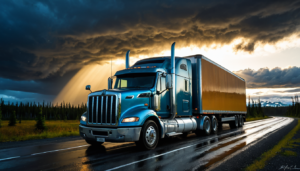
Alaska Car Accident Lawyer – Attorney911 Fights for You
The moment your life changed forever, you were just driving home from work on Alaska’s roads. Maybe you were on the Seward Highway, navigating the scenic but winding turns. Maybe you were commuting through Anchorage’s busy intersections. Or perhaps you were on a rural road, where the speed limit feels safe—until an oncoming vehicle crosses the center line.
One second, you’re focused on the road. The next, you’re staring at the twisted metal of your car, the airbags deployed, and the sound of sirens growing louder. The pain comes later—first, the shock, then the adrenaline masking the injuries. By the time the ambulance arrives, you’re already wondering: What happens now? Who’s going to pay for this? How will I support my family if I can’t work?
We understand. We’ve been there with hundreds of Alaskans just like you. At Attorney911, we don’t just handle car accident cases—we fight for the people behind them. Our team includes Ralph Manginello, a 27+ year attorney with federal court experience, and Lupe Peña, a former insurance defense lawyer who knows exactly how the other side will try to minimize your claim. We’ve recovered millions for accident victims across Alaska, and we’re ready to fight for you.
Call 1-888-ATTY-911 now—before the evidence disappears.
Alaska’s Roads Are Beautiful—but Dangerous
Alaska’s highways and byways are unlike anywhere else in America. The Seward Highway, stretching from Anchorage to Seward, offers breathtaking views of mountains and glaciers—but its sharp curves and sudden wildlife crossings make it one of the most dangerous roads in the state. Glenn Highway, connecting Anchorage to the Matanuska Valley, sees heavy commuter traffic, commercial trucks, and unpredictable winter conditions. And in Anchorage, the state’s largest city, busy intersections like Northern Lights Boulevard and C Street or Minnesota Drive and International Airport Road are hotspots for collisions, especially during rush hour.
In 2024 alone, Alaska reported over 7,000 motor vehicle crashes, resulting in 60+ fatalities and thousands of injuries. That’s not just a statistic—it’s a life-altering event happening every few days on roads just like yours. Whether you were hit by a distracted driver, a speeding motorist, a drunk driver leaving a bar in downtown Anchorage, or a commercial truck on the Dalton Highway, the aftermath is the same: pain, medical bills, lost wages, and the overwhelming stress of dealing with insurance companies that don’t have your best interests at heart.
Here’s the truth: Most Alaskans don’t realize how vulnerable they are after a crash. Insurance adjusters will call you within hours, acting friendly while trying to get you to say things that will hurt your case. They’ll offer you a quick settlement—one that seems like a lot of money at first—but it won’t come close to covering your medical bills, lost wages, or the long-term impact of your injuries. And if you accept it, you’ll sign away your right to pursue the full compensation you deserve.
We know their playbook because Lupe used to write it. Now, he uses that insider knowledge to fight for you.
Why Alaska Accident Victims Choose Attorney911
We Know Alaska’s Roads—and Its Courts
Alaska isn’t just another state on a map to us. We understand the unique challenges of driving here:
- Long, dark winters with ice, snow, and limited visibility.
- Wildlife crossings that can turn a routine drive into a disaster in seconds.
- Remote locations where emergency response times are longer, and medical care may be hours away.
- Commercial truck traffic on highways like the Dalton and Richardson, where fatigued drivers and overloaded trucks create deadly risks.
We also know Alaska’s legal system. Whether your case is in Anchorage, Fairbanks, Juneau, or a rural court, we’ve handled cases in Alaska’s courts and understand how local judges and juries evaluate claims. This local knowledge gives us an edge in building a strong case tailored to Alaska’s laws and community standards.
We Have a Former Insurance Defense Attorney on Our Team
Lupe Peña spent years working for insurance companies, learning their tactics from the inside. He knows:
- How they undervalue claims using software like Colossus.
- How they delay payments to pressure you into accepting a lowball offer.
- How they blame victims for accidents they didn’t cause.
- How they hide evidence to avoid paying what you deserve.
Now, Lupe uses that knowledge to beat them at their own game. When insurance companies see his name on a demand letter, they know they’re dealing with someone who understands their tricks—and won’t let them get away with them.
We’ve Recovered Millions for Accident Victims
Our results speak for themselves:
- Multi-million dollar settlement for a client who suffered a traumatic brain injury with vision loss after a logging accident.
- Millions recovered for a client whose leg injury led to a partial amputation after a car accident.
- Millions recovered for families in trucking-related wrongful death cases.
- $2.1 billion case experience from our involvement in the BP Texas City Refinery explosion litigation, where we fought for victims of corporate negligence.
These aren’t just numbers—they’re lives changed. We’ve helped Alaskans just like you recover the compensation they needed to rebuild their lives after devastating accidents.
We Answer the Phone—24/7
When you call 1-888-ATTY-911, you’ll speak to a real person, not an answering service. We’re here when you need us, whether it’s 2 PM or 2 AM. As Dame Haskett shared in his review: “Consistent communication and not one time did I call and not get a clear answer… Ralph reached out personally.”
We treat every client like family. As Chad Harris put it: “You are NOT a pest to them and you are NOT just some client… You are FAMILY to them.”
We Work on Contingency—You Pay Nothing Unless We Win
We believe that every Alaskan deserves justice, regardless of their financial situation. That’s why we work on a contingency fee basis. This means:
- No upfront costs.
- No hourly fees.
- You pay nothing unless we win your case.
If we don’t recover compensation for you, you owe us nothing. It’s that simple.
Common Types of Car Accidents in Alaska—and How We Fight for You
Alaska’s roads present unique dangers, and the type of accident you’re involved in can significantly impact your recovery. Here’s how we handle the most common—and most devastating—types of crashes in Alaska.
1. Rear-End Collisions: The Hidden Injury Trap
Alaska Data: Rear-end collisions are the most common type of crash in Alaska, making up nearly 30% of all accidents. Many victims walk away from these crashes thinking they’re “fine,” only to develop herniated discs, chronic pain, or spinal injuries in the days or weeks that follow.
Why They Happen in Alaska:
- Distracted driving (texting, GPS use, or adjusting the radio).
- Following too closely, especially on icy roads where stopping distances are longer.
- Fatigued drivers, particularly on long rural highways like the Richardson or Parks Highway.
- Commercial trucks that fail to maintain a safe following distance, leading to catastrophic crashes.
Injuries We See:
- Whiplash and soft tissue injuries.
- Herniated or bulging discs (often requiring epidural injections or surgery).
- Traumatic brain injuries (TBIs) from the sudden acceleration-deceleration.
- Broken bones, particularly in the hands, wrists, or ribs from bracing against the steering wheel.
Who’s Liable?
In most rear-end collisions, the trailing driver is presumed at fault under Alaska law. However, insurance companies will try to argue that you stopped suddenly, changed lanes illegally, or had faulty brake lights to reduce their payout. We counter these arguments with:
- Accident reconstruction experts to prove the other driver’s negligence.
- Medical records documenting the full extent of your injuries.
- Witness statements and dashcam footage (if available).
- Lupe’s insider knowledge of how insurance companies try to shift blame.
What’s Your Case Worth?
Rear-end collision settlements in Alaska typically range from:
- $15,000–$60,000 for soft tissue injuries (whiplash, sprains).
- $70,000–$171,000 for herniated discs treated conservatively.
- $346,000–$1,205,000 for herniated discs requiring surgery.
- $1,500,000+ for catastrophic injuries like TBIs or spinal cord damage.
Our Advantage: We know how to escalate the value of your claim by documenting the long-term impact of your injuries. As MONGO SLADE shared: “I was rear-ended and the team got right to work… I also got a very nice settlement.”
Call 1-888-ATTY-911 if you’ve been rear-ended in Alaska.
2. Head-On Collisions: Alaska’s Deadliest Crashes
Alaska Data: Head-on collisions are rare but deadly, accounting for less than 2% of crashes but nearly 10% of fatalities. These crashes often occur on two-lane highways like the Sterling Highway or Seward Highway, where drivers cross the center line due to fatigue, distraction, or impairment.
Why They Happen in Alaska:
- Wrong-way drivers, often impaired by alcohol or drugs.
- Overcorrecting after hitting ice or wildlife.
- Fatigued drivers on long rural routes.
- Distracted driving, such as texting or adjusting the radio.
Injuries We See:
- Traumatic brain injuries (TBIs), which can lead to lifelong cognitive impairments.
- Spinal cord injuries, often resulting in paralysis.
- Internal organ damage, including liver lacerations, spleen ruptures, or aortic tears.
- Multiple fractures, particularly in the legs, pelvis, or ribs.
- Wrongful death, as these crashes are 28.8 times more likely to be fatal than other types of collisions.
Who’s Liable?
The driver who crossed the center line is almost always at fault. However, other liable parties may include:
- Bars or restaurants that overserved an intoxicated driver (under Alaska’s Dram Shop Act).
- Government entities if poor road design (e.g., missing guardrails or inadequate signage) contributed to the crash.
- Vehicle manufacturers if a defect (e.g., faulty steering or brakes) caused the driver to lose control.
What’s Your Case Worth?
Head-on collision settlements in Alaska often exceed $1 million, especially if the crash involved:
- Wrongful death (settlements can reach $5 million or more).
- Permanent disabilities (e.g., paralysis or TBI).
- Punitive damages if the at-fault driver was drunk or engaged in reckless behavior (Alaska has no cap on punitive damages for felony offenses like intoxication manslaughter).
Our Advantage: We’ve handled wrongful death cases and catastrophic injury claims resulting from head-on collisions. We know how to build a compelling case that holds negligent drivers—and the entities that enabled them—accountable.
Call 1-888-ATTY-911 if you or a loved one has been injured in a head-on collision in Alaska.
3. Single-Vehicle Crashes: When the Road—or Your Car—Betrays You
Alaska Data: Single-vehicle crashes account for nearly 30% of all fatal accidents in Alaska. These crashes often occur on rural roads, icy highways, or poorly maintained streets, where drivers lose control due to weather, wildlife, or vehicle defects.
Why They Happen in Alaska:
- Icy or snow-covered roads, particularly on highways like the Dalton or Richardson.
- Wildlife crossings, where drivers swerve to avoid moose, caribou, or bears.
- Shoulder drop-offs on rural roads, where uneven pavement causes drivers to lose control.
- Vehicle defects, such as tire blowouts, brake failures, or steering malfunctions.
- Driver fatigue, especially on long trips between Alaska’s remote communities.
Injuries We See:
- Rollover injuries, including spinal cord damage, TBIs, and crush injuries.
- Ejection injuries, which are nearly always fatal if the victim wasn’t wearing a seatbelt.
- Internal bleeding from blunt-force trauma.
- Frostbite or hypothermia if the crash occurs in a remote area with delayed emergency response.
Who’s Liable?
Even if you were the only driver involved, you may still have a claim against:
- The government if poor road maintenance (e.g., potholes, missing guardrails, or inadequate signage) caused the crash. Alaska’s Tort Claims Act allows you to sue the state or local government, but you must file a notice of claim within 180 days.
- The vehicle manufacturer if a defect (e.g., faulty brakes, tire failure, or steering issues) contributed to the crash.
- A mechanic or repair shop if they failed to properly inspect or repair your vehicle.
- Another driver if their negligence (e.g., forcing you off the road) caused the crash, even if they didn’t make contact with your vehicle.
What’s Your Case Worth?
Single-vehicle crash settlements in Alaska vary widely depending on the cause and severity of injuries:
- $50,000–$150,000 for minor injuries with clear liability (e.g., a pothole causing a crash).
- $150,000–$500,000 for moderate injuries requiring surgery.
- $500,000–$2 million+ for catastrophic injuries like paralysis or wrongful death.
Our Advantage: We preserve critical evidence in single-vehicle crashes, such as:
- The vehicle itself (to inspect for defects).
- Black box data (to determine speed, braking, and other factors).
- Road condition reports (to document hazards like ice, potholes, or missing guardrails).
- Witness statements (to prove another driver’s negligence, even if they didn’t hit you).
Call 1-888-ATTY-911 if you’ve been injured in a single-vehicle crash in Alaska.
4. Pedestrian Accidents: Alaska’s Most Vulnerable Victims
Alaska Data: Pedestrians make up less than 1% of all crashes but nearly 20% of fatalities. In 2024, 15+ pedestrians were killed in Alaska, with the majority of these crashes occurring in Anchorage, Fairbanks, and Juneau. Pedestrian crashes are 28.8 times more likely to be fatal than car-to-car collisions, and 75% of pedestrian deaths occur after dark, when visibility is low and drivers are more likely to be impaired.
Why They Happen in Alaska:
- Distracted drivers who fail to yield at crosswalks.
- Drunk drivers, particularly in downtown Anchorage or Fairbanks, where bars and restaurants are concentrated.
- Poor lighting on rural roads or urban sidewalks.
- Speeding, especially in school zones or residential areas.
- Commercial trucks and buses with large blind spots that make it difficult to see pedestrians.
Injuries We See:
- Traumatic brain injuries (TBIs) from hitting the ground or being struck by a vehicle.
- Spinal cord injuries, often resulting in paralysis.
- Broken bones, particularly in the legs, pelvis, or ribs.
- Internal bleeding from blunt-force trauma.
- Wrongful death, as pedestrian crashes are far more likely to be fatal than other types of accidents.
Who’s Liable?
The driver is almost always at fault in pedestrian crashes, but other liable parties may include:
- Bars or restaurants that overserved an intoxicated driver (under Alaska’s Dram Shop Act).
- Government entities if poor road design (e.g., missing crosswalks, inadequate lighting, or malfunctioning signals) contributed to the crash.
- Commercial trucking companies if their driver failed to yield or was fatigued, distracted, or improperly trained.
What’s Your Case Worth?
Pedestrian accident settlements in Alaska are often higher than car accident settlements due to the severity of injuries:
- $50,000–$150,000 for minor injuries with clear liability.
- $150,000–$500,000 for moderate injuries requiring surgery.
- $500,000–$2 million+ for catastrophic injuries like TBIs or spinal cord damage.
- $2 million+ for wrongful death cases, particularly if the victim was a child or primary earner.
Hidden Recovery Source: Your Own Car Insurance
Many Alaskans don’t realize that their own auto insurance policy may cover them as pedestrians. Uninsured/Underinsured Motorist (UM/UIM) coverage applies even if you were walking, biking, or riding a scooter when you were hit. This is critical in Alaska, where 1 in 7 drivers is uninsured. If the at-fault driver doesn’t have enough insurance—or flees the scene—your UM/UIM policy could be your only path to recovery.
Our Advantage: We investigate every possible source of compensation, including:
- The driver’s liability insurance.
- The driver’s personal assets (if their insurance is insufficient).
- Dram Shop claims against bars or restaurants that overserved the driver.
- Government claims if poor road design contributed to the crash.
- Your own UM/UIM coverage, which most victims don’t know they have.
As Stephanie Hernandez shared in her review: “When I felt I had no hope or direction, Leonor reached out to me… She took all the weight of my worries off my shoulders.”
Call 1-888-ATTY-911 if you or a loved one has been hit by a car in Alaska.
5. Drunk Driving Accidents: Holding Negligent Drivers—and the Bars That Served Them—Accountable
Alaska Data: Drunk driving is a leading cause of fatal crashes in Alaska, accounting for nearly 30% of all traffic deaths. In 2024, 20+ Alaskans were killed in DUI-related crashes, with the majority occurring between 10 PM and 3 AM—when bars and restaurants are closing.
Why They Happen in Alaska:
- Bars and restaurants overserving patrons, particularly in downtown Anchorage, Fairbanks, or Juneau.
- Tourists and seasonal workers who may not be familiar with Alaska’s roads or drinking laws.
- Long, dark winters, which can exacerbate the effects of alcohol.
- Lack of public transportation, forcing impaired drivers to get behind the wheel.
Injuries We See:
- Traumatic brain injuries (TBIs), often from high-speed crashes.
- Spinal cord injuries, leading to paralysis.
- Multiple fractures, particularly in the legs, pelvis, or ribs.
- Internal organ damage, including liver lacerations or aortic tears.
- Wrongful death, as DUI crashes are far more likely to be fatal.
Who’s Liable?
In DUI cases, multiple parties may share liability:
- The drunk driver (direct negligence).
- Bars, restaurants, or liquor stores that overserved the driver (under Alaska’s Dram Shop Act).
- The driver’s employer if they were driving for work (e.g., a delivery driver or rideshare operator).
- Government entities if poor road design (e.g., missing guardrails or inadequate lighting) contributed to the crash.
What’s Your Case Worth?
DUI accident settlements in Alaska are often higher than other car accident settlements due to the egregious nature of the driver’s conduct and the availability of punitive damages:
- $100,000–$500,000 for moderate injuries with clear liability.
- $500,000–$2 million+ for catastrophic injuries like TBIs or spinal cord damage.
- $2 million+ for wrongful death cases, particularly if the victim was a child or primary earner.
- Punitive damages (with no cap in Alaska if the driver was convicted of a felony like intoxication manslaughter).
Our Advantage: We investigate every angle in DUI cases, including:
- Police reports and breathalyzer results to prove the driver’s impairment.
- Bar and restaurant records to show they overserved the driver.
- Witness statements from other patrons or employees.
- Surveillance footage from bars, restaurants, or traffic cameras.
- The driver’s criminal record to show a pattern of reckless behavior.
As Donald Wilcox shared in his review: “One company said they would not except my case. Then I got a call from Manginello… I got a call to come pick up this handsome check.”
Call 1-888-ATTY-911 if you’ve been hit by a drunk driver in Alaska.
6. Commercial Truck Accidents: When Big Corporations Prioritize Profit Over Safety
Alaska Data: Alaska’s remote locations and rugged terrain make trucking a critical part of the state’s economy. However, these same factors also make truck accidents more dangerous—and more common. In 2024, Alaska saw over 200 commercial vehicle crashes, many involving fatigued drivers, overloaded trucks, or poorly maintained vehicles.
Why They Happen in Alaska:
- Fatigued drivers who violate Hours of Service (HOS) regulations to meet tight delivery deadlines.
- Overloaded or improperly secured cargo, leading to rollovers or spills.
- Poorly maintained trucks, particularly in remote areas where repair facilities are scarce.
- Inexperienced drivers who aren’t trained to handle Alaska’s icy roads, wildlife crossings, or mountain passes.
- Pressure from trucking companies to meet unrealistic delivery schedules.
Injuries We See:
- Traumatic brain injuries (TBIs), often from the extreme forces involved in truck crashes.
- Spinal cord injuries, leading to paralysis.
- Crush injuries, particularly in underride crashes where a smaller vehicle slides under the trailer of a truck.
- Burns, if the truck was carrying flammable cargo (e.g., fuel or chemicals).
- Wrongful death, as 97% of deaths in car-vs-truck crashes are the car occupants.
Who’s Liable?
Trucking accidents are more complex than car accidents because multiple parties may share liability:
- The truck driver (for negligence like speeding, distraction, or fatigue).
- The trucking company (for negligent hiring, training, or supervision).
- The cargo owner or shipper (for overloading or improperly securing cargo).
- The truck manufacturer (for defective parts like brakes or tires).
- The maintenance provider (for failing to properly inspect or repair the truck).
- Government entities (if poor road design contributed to the crash).
What’s Your Case Worth?
Trucking accident settlements in Alaska are among the highest in personal injury law due to the severity of injuries and the deep pockets of commercial defendants:
- $100,000–$500,000 for moderate injuries with clear liability.
- $500,000–$2 million+ for catastrophic injuries like TBIs or spinal cord damage.
- $2 million+ for wrongful death cases.
- Punitive damages (if the trucking company engaged in gross negligence, such as falsifying logs or ignoring safety violations).
Our Advantage: We preserve critical evidence in trucking cases, including:
- Black box data (to determine speed, braking, and other factors).
- Driver logs and Hours of Service records (to prove fatigue or falsification).
- Maintenance records (to show deferred repairs or inadequate inspections).
- Cargo records (to prove overloading or improper securement).
- Surveillance footage from dashcams or traffic cameras.
As Greg Garcia shared in his review: “In the beginning I had another attorney but he dropped my case although Mangiello law firm were able to help me out.”
Call 1-888-ATTY-911 if you’ve been injured in a truck accident in Alaska.
The Insurance Company’s Playbook—and How We Beat It
After a car accident, the first call you’ll receive won’t be from your family—it’ll be from an insurance adjuster. They’ll sound friendly, concerned, and eager to help. But here’s the truth: Their job is to pay you as little as possible.
At Attorney911, we know their playbook because Lupe Peña used to write it. Here’s what they’ll do—and how we stop them.
Tactic 1: The “Friendly” Recorded Statement
What They Do:
- Call you within hours of the accident, while you’re still in the hospital or on pain medication.
- Ask leading questions like:
- “You’re feeling better, right?”
- “It wasn’t that bad, was it?”
- “You could walk away from the scene, couldn’t you?”
- Record your answers to use against you later.
What We Do:
- We handle all communication with the insurance company.
- We prepare you for any statements, so you don’t accidentally say something that hurts your case.
- Lupe knows their tricks—he used to ask these exact questions when he worked for the other side.
Tactic 2: The “Quick” Settlement Offer
What They Do:
- Offer you $2,000–$5,000 within days of the accident, while you’re desperate for cash.
- Say the offer “expires in 48 hours” to create artificial urgency.
- Hope you’ll sign a release before you realize the full extent of your injuries.
What We Do:
- We never settle before Maximum Medical Improvement (MMI)—the point when your doctor says you’ve recovered as much as possible.
- We calculate the true value of your claim, including future medical costs, lost earning capacity, and pain and suffering.
- Lupe knows their formulas—he used to calculate these lowball offers himself.
Real-Life Example:
One of our clients was offered $3,500 three days after a rear-end collision. She signed the release—only to discover six weeks later that she had a herniated disc requiring $100,000 in surgery. The release was permanent and final, meaning she had to pay the $100,000 out of pocket. Don’t let this happen to you.
Tactic 3: The “Independent” Medical Exam (IME)
What They Do:
- Send you to a doctor they’ve hired to “evaluate” your injuries.
- The doctor spends 10–15 minutes with you, then writes a report saying:
- Your injuries are “pre-existing” (even if they weren’t).
- Your treatment was “excessive” (even if it was medically necessary).
- Your pain is “subjective” (i.e., they’re calling you a liar).
What We Do:
- We prepare you for the IME, so you know what to expect.
- We hire our own medical experts to counter their biased reports.
- Lupe knows these doctors—he used to hire them when he worked for insurance companies.
Tactic 4: Delay and Financial Pressure
What They Do:
- Ignore your calls for weeks or months.
- Say they’re “still investigating” your claim.
- Hope you’ll get desperate and accept a lowball offer.
Why It Works:
- You have bills piling up.
- You’re losing income if you can’t work.
- You’re emotionally exhausted and just want it to be over.
What We Do:
- We file a lawsuit to force them to respond.
- We connect you with doctors who will treat you on a lien basis (meaning you don’t pay until your case settles).
- We handle the stress so you can focus on healing.
Tactic 5: Surveillance and Social Media Monitoring
What They Do:
- Hire private investigators to follow you and record your daily activities.
- Monitor all your social media accounts (Facebook, Instagram, TikTok, LinkedIn).
- Use facial recognition and geotagging to track your movements.
- Take one photo of you bending over and claim you’re “not really injured.”
Lupe’s Insider Quote:
“I’ve reviewed hundreds of surveillance videos and social media posts as a defense attorney. Here’s the truth: Insurance companies take innocent activity out of context. They freeze ONE frame of you moving ‘normally’ and ignore the 10 minutes of you struggling before and after.”
What We Do:
- We warn you about surveillance and social media risks.
- We help you adjust your privacy settings and avoid posting about your accident or injuries.
- We counter their surveillance with our own evidence of your pain and limitations.
Tactic 6: Comparative Fault Arguments
What They Do:
- Try to blame you for the accident, even if it wasn’t your fault.
- Use Alaska’s modified comparative negligence rule to reduce your compensation.
- If you’re 50% or less at fault, you can still recover—but your compensation is reduced by your percentage of fault.
- If you’re 51% or more at fault, you get nothing.
Example:
- If your case is worth $100,000 and they convince a jury you were 10% at fault, you’ll only receive $90,000.
- If they push your fault to 51%, you’ll receive $0.
What We Do:
- We gather evidence to prove the other driver’s negligence, including:
- Accident reconstruction reports.
- Witness statements.
- Dashcam or surveillance footage.
- Police reports.
- Lupe knows their arguments—he used to make them himself. Now, he defeats them.
Tactic 7: The Medical Authorization Trap
What They Do:
- Ask you to sign a broad medical authorization so they can access your entire medical history.
- Search for pre-existing conditions from years ago to use against you.
What We Do:
- We limit authorizations to accident-related records only.
- We review your medical history to anticipate their arguments.
- We counter their claims with medical experts who can explain how the accident worsened your condition.
Tactic 8: The Policy Limits Bluff
What They Do:
- Say the at-fault driver only has $50,000 in coverage—hoping you won’t investigate further.
What They Hide:
- The driver may have additional policies, such as:
- An umbrella policy ($1 million+).
- A commercial policy (if they were driving for work).
- Multiple stacking policies (if they own more than one vehicle).
- The real available coverage could be 10–100 times higher than what they’re telling you.
Real-Life Example:
One of our clients was told the at-fault driver had $30,000 in coverage. After investigating, we discovered:
- $30,000 (personal auto policy).
- $1 million (commercial policy).
- $2 million (umbrella policy).
- $5 million (corporate policy).
Total available coverage: $8,030,000—not $30,000.
What We Do:
- We investigate all possible insurance policies.
- We subpoena records if necessary to uncover hidden coverage.
- Lupe knows their structures—he used to work with these exact policies.
Tactic 9: The Stowers Demand—Our Secret Weapon
What It Is:
A Stowers demand is a settlement offer within the at-fault driver’s policy limits. If the insurance company unreasonably refuses the offer, they become liable for the entire verdict—even if it exceeds their policy limits.
Why It’s Powerful:
- It forces the insurance company to take your claim seriously.
- It increases the pressure to settle before trial.
- It protects you from being undercompensated if the verdict exceeds the policy limits.
When We Use It:
- In clear-liability cases, such as:
- Rear-end collisions.
- Drunk driving accidents.
- Trucking accidents with FMCSA violations.
What We Do:
- We send a Stowers demand when liability is clear and the policy limits are inadequate.
- We prepare for trial to show the insurance company we’re serious.
- Lupe knows how they evaluate Stowers demands—he used to handle them for the other side.
What You Can Recover: Understanding Your Damages
After a car accident, you’re entitled to full compensation for all the ways the crash has impacted your life. At Attorney911, we fight to recover every dollar you deserve, including:
1. Medical Expenses
- Past medical bills (ER visits, hospital stays, surgeries, medications, physical therapy, etc.).
- Future medical costs (ongoing treatment, future surgeries, long-term care, etc.).
- Medical equipment (wheelchairs, prosthetics, home modifications, etc.).
Example:
If you suffer a herniated disc in a rear-end collision, your medical expenses might include:
- $5,000 for the ER visit.
- $20,000 for surgery.
- $15,000 for physical therapy.
- $50,000 for future pain management injections.
Total: $90,000+
2. Lost Wages
- Past lost wages (income you’ve already missed due to your injuries).
- Future lost earning capacity (if your injuries prevent you from returning to your job or pursuing your career).
Example:
If you’re a construction worker earning $80,000/year and you suffer a spinal cord injury that prevents you from working, you could recover:
- $40,000 for the first six months of missed work.
- $2 million+ for your lost earning capacity over the next 25 years.
3. Pain and Suffering
- Physical pain from your injuries.
- Emotional distress, including anxiety, depression, and PTSD.
- Loss of enjoyment of life (inability to participate in activities you once loved).
How It’s Calculated:
Insurance companies and juries use a multiplier method to calculate pain and suffering:
- Medical expenses × multiplier (1.5–5+).
- The more severe your injuries, the higher the multiplier.
Example:
If your medical expenses are $50,000 and your injuries are moderate, your pain and suffering might be calculated as:
- $50,000 × 3 = $150,000.
4. Property Damage
- Repair or replacement of your vehicle.
- Rental car costs while your vehicle is being repaired.
- Personal property damaged in the crash (e.g., electronics, clothing, etc.).
5. Punitive Damages
- Punishment for egregious conduct, such as:
- Drunk driving.
- Reckless speeding (e.g., 100+ mph).
- Knowingly operating a defective vehicle.
- Alaska has no cap on punitive damages if the at-fault driver was convicted of a felony (e.g., intoxication manslaughter).
6. Wrongful Death Damages (If You’ve Lost a Loved One)
- Funeral and burial expenses.
- Loss of financial support (if the deceased was a primary earner).
- Loss of companionship and consortium (the emotional impact on surviving family members).
- Pain and suffering endured by the deceased before death.
What Happens Next? Your Step-by-Step Legal Process
At Attorney911, we guide you through every step of the legal process, so you never feel lost or overwhelmed. Here’s what to expect:
Step 1: Free Consultation
- Call 1-888-ATTY-911 for a free, no-obligation consultation.
- We’ll listen to your story, answer your questions, and explain your legal options.
- If we take your case, we’ll sign a contingency fee agreement—meaning you pay nothing upfront.
Step 2: Investigation
- We gather evidence, including:
- Police reports.
- Medical records.
- Witness statements.
- Photos and videos of the accident scene.
- Black box data (for trucking accidents).
- Surveillance footage (from traffic cameras, businesses, or doorbell cameras).
- We send preservation letters to the at-fault driver, their insurance company, and any other liable parties to prevent evidence from being destroyed.
Step 3: Medical Treatment
- We connect you with top doctors in Alaska who specialize in car accident injuries.
- We help you get the treatment you need, even if you don’t have insurance.
- We document your injuries to prove the full extent of your damages.
Step 4: Demand Letter
- We send a demand letter to the insurance company, outlining:
- The facts of the accident.
- The extent of your injuries.
- The damages you’re seeking.
- The insurance company has 30 days to respond.
Step 5: Negotiation
- We negotiate with the insurance company to reach a fair settlement.
- We reject lowball offers and push for the maximum compensation you deserve.
- If they refuse to settle fairly, we file a lawsuit and prepare for trial.
Step 6: Litigation (If Necessary)
- We file a lawsuit in the appropriate Alaska court.
- We handle all legal paperwork, including:
- Complaints.
- Answers.
- Motions.
- Discovery requests.
- We take depositions of the at-fault driver, witnesses, and experts.
- We prepare for trial, including:
- Jury selection.
- Opening and closing statements.
- Witness testimony.
- Exhibits and evidence presentation.
Step 7: Resolution
- Most cases settle before trial, but we’re always prepared to go to court if necessary.
- If we win at trial, the court will order the at-fault party to pay your compensation.
- If we settle, you’ll receive your compensation within weeks.
Step 8: You Get Paid
- We deduct our contingency fee (33.33% before trial, 40% if we go to trial).
- We pay any outstanding medical liens or bills.
- You receive the rest—tax-free in most cases.
Why Alaskans Trust Attorney911
1. We’re Alaska’s Legal Emergency Lawyers™
We treat every case like an emergency because time is critical after an accident. Evidence disappears, witnesses forget, and insurance companies move fast to build their case against you. We move faster.
2. We Have 27+ Years of Experience
Ralph Manginello has been fighting for accident victims since 1998. He’s admitted to federal court, has litigated against billion-dollar corporations, and has recovered millions for his clients.
3. We Have a Former Insurance Defense Attorney on Our Team
Lupe Peña spent years working for insurance companies, learning their tactics from the inside. Now, he uses that knowledge to fight for you.
4. We’re Bilingual—Hablamos Español
Alaska’s Hispanic community deserves justice in their language. Whether you’re more comfortable speaking English or Spanish, we’re here to help.
5. We Treat You Like Family
We know how overwhelming this process can be. That’s why we answer your calls, keep you updated, and fight for you like you’re one of our own.
As Chad Harris shared in his review: “You are NOT a pest to them and you are NOT just some client… You are FAMILY to them.”
6. We Don’t Get Paid Unless We Win
We work on a contingency fee basis, which means:
- No upfront costs.
- No hourly fees.
- You pay nothing unless we win your case.
7. We’ve Recovered Millions for Alaskans Just Like You
Our results speak for themselves:
- Multi-million dollar settlement for a client who suffered a traumatic brain injury with vision loss.
- Millions recovered for a client whose leg injury led to a partial amputation.
- Millions recovered for families in trucking-related wrongful death cases.
- $2.1 billion case experience from our involvement in the BP Texas City Refinery explosion litigation.
Frequently Asked Questions (FAQ)
General Questions
1. What should I do immediately after a car accident in Alaska?
- Call 911 to report the accident and request medical assistance.
- Move to a safe location if possible.
- Exchange information with the other driver (name, phone number, insurance details, license plate).
- Take photos of the accident scene, vehicle damage, and any visible injuries.
- Get witness statements if anyone saw the crash.
- Call Attorney911 at 1-888-ATTY-911 before speaking to any insurance company.
2. Should I call the police even for a minor accident?
Yes. A police report is critical evidence for your case. It documents:
- The facts of the accident.
- Witness statements.
- Traffic violations (e.g., speeding, DUI, failure to yield).
- Weather and road conditions.
3. Should I seek medical attention if I don’t feel hurt?
Absolutely. Many injuries, like whiplash, concussions, or internal bleeding, don’t show symptoms immediately. Adrenaline can mask pain for hours or even days. Seeing a doctor right away also creates a medical record that links your injuries to the accident.
4. What information should I collect at the scene?
- Driver’s name, phone number, address, and insurance information.
- License plate number and vehicle description.
- Names and contact information of witnesses.
- Photos of the accident scene, vehicle damage, and injuries.
- Police report number (if officers respond).
5. Should I talk to the other driver or admit fault?
No. Even saying “I’m sorry” can be used against you. Stick to the facts when speaking to the police, but avoid discussing fault with anyone else. Let your attorney handle the negotiations.
6. How do I obtain a copy of the accident report?
You can request a copy of the Alaska State Troopers or local police report online through the Alaska Department of Public Safety or by contacting the law enforcement agency that responded to the scene.
Dealing With Insurance
7. Should I give a recorded statement to the insurance company?
No. Insurance adjusters are trained to ask leading questions that can hurt your case. Never give a recorded statement without consulting an attorney first.
8. What if the other driver’s insurance contacts me?
Refer them to Attorney911. We’ll handle all communication with the insurance company to protect your rights and maximize your compensation.
9. Do I have to accept the insurance company’s estimate for my vehicle repairs?
No. You have the right to choose your own repair shop. The insurance company’s estimate may be too low—get a second opinion if necessary.
10. Should I accept a quick settlement offer?
Never accept a settlement without consulting an attorney. Quick offers are designed to save the insurance company money, not to fairly compensate you. Once you accept, you can’t go back—even if your injuries worsen.
11. What if the other driver is uninsured or underinsured?
Alaska requires Uninsured/Underinsured Motorist (UM/UIM) coverage, which protects you if the at-fault driver doesn’t have enough insurance. We’ll help you file a UM/UIM claim with your own insurance company.
12. Why does the insurance company want me to sign a medical authorization?
They want access to your entire medical history—not just the records related to the accident. They’ll search for pre-existing conditions to use against you. Never sign a medical authorization without consulting an attorney.
Legal Process
13. Do I have a personal injury case?
If you were injured due to someone else’s negligence, you likely have a case. The key factors are:
- The other driver owed you a duty of care (e.g., to follow traffic laws).
- They breached that duty (e.g., by speeding, texting, or driving drunk).
- Their breach caused your injuries.
- You suffered damages (medical bills, lost wages, pain and suffering).
14. When should I hire a car accident lawyer?
As soon as possible. The first 48 hours are critical for preserving evidence. The longer you wait, the harder it becomes to prove your case.
15. How much time do I have to file a lawsuit in Alaska?
Alaska’s statute of limitations for personal injury claims is 2 years from the date of the accident. If you don’t file within this time, you lose your right to sue. However, some exceptions apply, so contact us immediately to protect your rights.
16. What is comparative negligence, and how does it affect me?
Alaska follows a modified comparative negligence rule. This means:
- If you’re 50% or less at fault, you can still recover compensation—but your award is reduced by your percentage of fault.
- If you’re 51% or more at fault, you cannot recover anything.
Example:
If your case is worth $100,000 and you’re found 20% at fault, you’ll receive $80,000.
17. What happens if I was partially at fault for the accident?
Even if you share some blame, you may still recover compensation—as long as you’re 50% or less at fault. We’ll fight to minimize your percentage of fault and maximize your recovery.
18. Will my case go to trial?
Most cases settle out of court, but we prepare every case as if it’s going to trial. This shows the insurance company we’re serious about fighting for you, which often leads to better settlement offers.
19. How long will my case take to settle?
It depends on the complexity of your case and the severity of your injuries. Some cases settle in a few months, while others may take 1–2 years if they go to trial. We’ll keep you updated every step of the way.
20. What is the legal process step-by-step?
- Free consultation with Attorney911.
- Investigation (gathering evidence, medical records, witness statements).
- Medical treatment (we connect you with top doctors).
- Demand letter (we send a formal demand to the insurance company).
- Negotiation (we push for a fair settlement).
- Litigation (if necessary, we file a lawsuit and prepare for trial).
- Resolution (settlement or trial verdict).
- You get paid (we deduct our fee and pay any liens, then you receive the rest).
Compensation
21. What is my case worth?
Every case is unique, but we consider:
- The severity of your injuries.
- The cost of your medical treatment (past and future).
- Your lost wages and earning capacity.
- Your pain and suffering.
- The at-fault driver’s insurance coverage.
- The strength of the evidence.
22. What types of damages can I recover?
- Medical expenses (past and future).
- Lost wages (past and future).
- Pain and suffering.
- Property damage.
- Punitive damages (in cases of gross negligence).
- Wrongful death damages (if you’ve lost a loved one).
23. Can I get compensation for pain and suffering?
Yes. Pain and suffering includes:
- Physical pain from your injuries.
- Emotional distress (anxiety, depression, PTSD).
- Loss of enjoyment of life (inability to participate in activities you once loved).
24. What if I have a pre-existing condition?
You can still recover compensation if the accident worsened your condition. Under the eggshell plaintiff rule, the at-fault driver takes you as they find you. We’ll work with medical experts to prove how the accident aggravated your pre-existing condition.
25. Will I have to pay taxes on my settlement?
No. Compensation for physical injuries is tax-free under federal and Alaska law. However, punitive damages and interest on your settlement may be taxable.
26. How is the value of my claim determined?
We use a combination of:
- Medical records to document your injuries.
- Expert testimony (e.g., doctors, economists) to project future costs.
- Insurance company formulas (we know how they calculate pain and suffering).
- Jury verdicts in similar cases to ensure your settlement is fair.
Attorney Relationship
27. How much do car accident lawyers cost?
We work on a contingency fee basis, which means:
- No upfront costs.
- No hourly fees.
- You pay nothing unless we win your case.
- Our fee is 33.33% before trial and 40% if we go to trial.
28. What does “no fee unless we win” mean?
It means you pay nothing if we don’t recover compensation for you. If we win, our fee comes out of your settlement or verdict. You never pay out of pocket.
29. How often will I get updates on my case?
We update you regularly—at least every 2–3 weeks. You’ll always know what’s happening with your case, and we’re always available to answer your questions.
30. Who will actually handle my case?
Your case will be handled by Ralph Manginello, Lupe Peña, and our experienced legal team. We don’t pass you off to paralegals or junior associates—you get the full benefit of our expertise.
31. What if I already hired another attorney but I’m not happy?
You have the right to switch attorneys at any time. If your current lawyer isn’t communicating, fighting for you, or getting results, we can take over your case and get it back on track.
Mistakes to Avoid
32. What common mistakes can hurt my case?
- Giving a recorded statement to the insurance company.
- Posting about your accident on social media.
- Missing medical appointments or gaps in treatment.
- Signing a settlement or release without consulting an attorney.
- Waiting too long to hire a lawyer (evidence disappears fast!).
33. Should I post about my accident on social media?
No. Insurance companies monitor your social media and will use anything you post against you. Even an innocent photo of you smiling can be twisted to claim you’re “not really injured.” We recommend staying off social media entirely until your case is resolved.
34. Why shouldn’t I sign anything without a lawyer?
Insurance companies will try to get you to sign a release that waives your right to sue. Once you sign, you can’t go back—even if your injuries worsen or you discover additional damages.
35. What if I didn’t see a doctor right away?
See a doctor as soon as possible. Gaps in treatment can hurt your case, but we can document legitimate reasons for any delays (e.g., lack of transportation, financial hardship).
Additional Questions
36. What if I have a pre-existing condition?
You can still recover compensation if the accident worsened your condition. We’ll work with medical experts to prove the impact of the accident on your pre-existing condition.
37. Can I switch attorneys if I’m unhappy?
Yes. You have the right to change attorneys at any time. If your current lawyer isn’t communicating, fighting for you, or getting results, we can take over your case.
38. What about UM/UIM claims against my own insurance?
If the at-fault driver doesn’t have enough insurance, your Uninsured/Underinsured Motorist (UM/UIM) coverage can help. We’ll help you file a UM/UIM claim with your own insurance company.
39. How do you calculate pain and suffering?
We use the multiplier method:
- Medical expenses × multiplier (1.5–5+).
- The more severe your injuries, the higher the multiplier.
40. What if I was hit by a government vehicle?
You can sue the government, but you must file a notice of claim within 180 days. These cases are complex, so contact us immediately.
41. What if the other driver fled (hit and run)?
We’ll help you file a UM/UIM claim with your own insurance. We’ll also investigate the accident to identify the at-fault driver.
42. Can undocumented immigrants file claims?
Yes. Your immigration status does not affect your right to compensation. We speak Spanish and will protect your rights.
43. What about parking lot accidents?
Parking lot accidents are common in Alaska, especially in Anchorage, Fairbanks, and Juneau. Liability depends on:
- Who had the right of way.
- Whether the accident occurred in a traffic lane or while backing up.
- Whether either driver was distracted or impaired.
44. What if I was a passenger in the at-fault vehicle?
You can still file a claim against the at-fault driver’s insurance. If their coverage is insufficient, you may also have a claim against your own UM/UIM coverage.
45. What if the other driver died?
You can still pursue a wrongful death claim against their estate or insurance company. These cases are complex, so contact us immediately.
Trucking-Specific Questions
46. What should I do immediately after an 18-wheeler accident in Alaska?
- Call 911 to report the accident and request medical assistance.
- Do not speak to the truck driver or their company—they’ll try to minimize their liability.
- Take photos of the accident scene, vehicle damage, and any visible injuries.
- Get the truck’s license plate, USDOT number, and company name.
- Call Attorney911 at 1-888-ATTY-911—we’ll send a preservation letter to prevent evidence from being destroyed.
47. What is a spoliation letter, and why is it critical in trucking cases?
A spoliation letter is a legal demand that requires the trucking company to preserve all evidence related to the accident, including:
- Black box data.
- Driver logs and Hours of Service records.
- Maintenance records.
- Dashcam footage.
- Cargo records.
Without a spoliation letter, the trucking company may destroy or alter evidence to avoid liability.
48. What is a truck’s “black box,” and how does it help my case?
The black box (ECM/EDR) records critical data, including:
- Speed before the crash.
- Brake application.
- Throttle position.
- Following distance.
- Hours of Service violations.
This data is objective and tamper-resistant, making it powerful evidence in your case.
49. What is an ELD, and why is it important evidence?
An Electronic Logging Device (ELD) tracks:
- Driver hours (to prove fatigue or HOS violations).
- GPS location (to confirm the truck’s route).
- Driving time (to show whether the driver was rushing).
ELD data is discoverable and can prove negligence in your case.
50. How long does the trucking company keep black box and ELD data?
- Black box data: Typically 30–180 days before it’s overwritten.
- ELD data: Must be preserved for 6 months under FMCSA regulations.
We send spoliation letters immediately to preserve this critical evidence.
51. Who can I sue after an 18-wheeler accident in Alaska?
Multiple parties may share liability, including:
- The truck driver (for negligence like speeding, distraction, or fatigue).
- The trucking company (for negligent hiring, training, or supervision).
- The cargo owner or shipper (for overloading or improperly securing cargo).
- The truck manufacturer (for defective parts like brakes or tires).
- The maintenance provider (for failing to properly inspect or repair the truck).
- Government entities (if poor road design contributed to the crash).
52. Is the trucking company responsible even if the driver caused the accident?
Yes. Under the legal doctrine of respondeat superior, employers are liable for their employees’ negligence if the accident occurred within the scope of employment. Additionally, trucking companies can be directly liable for:
- Negligent hiring (hiring an unqualified or unsafe driver).
- Negligent training (failing to properly train the driver).
- Negligent supervision (failing to monitor the driver’s safety record).
- Negligent maintenance (failing to inspect or repair the truck).
53. What if the truck driver says the accident was my fault?
Insurance companies and trucking companies often try to shift blame to reduce their payout. We counter these arguments with:
- Accident reconstruction experts.
- Black box data.
- Witness statements.
- Dashcam or surveillance footage.
- Police reports.
54. What is an owner-operator, and does that affect my case?
An owner-operator is a truck driver who owns their own truck and contracts with a trucking company. Even if the driver is an independent contractor, the trucking company may still be liable for:
- Negligent hiring (failing to vet the driver’s safety record).
- Negligent supervision (failing to monitor the driver’s compliance with FMCSA regulations).
- Negligent entrustment (allowing an unsafe driver to operate a commercial vehicle).
55. How do I find out if the trucking company has a bad safety record?
We investigate the trucking company’s FMCSA Safety Measurement System (SMS) scores, which track:
- Crash history.
- Inspection violations.
- Hours of Service violations.
- Driver out-of-service rates.
A poor safety record can strengthen your case and increase your compensation.
56. What are Hours of Service (HOS) regulations, and how do violations cause accidents?
FMCSA Hours of Service (HOS) regulations limit how long truck drivers can work to prevent fatigue-related crashes. Violations include:
- Driving more than 11 hours after 10 consecutive hours off duty.
- Driving beyond the 14th consecutive hour after coming on duty.
- Failing to take a 30-minute break after 8 hours of driving.
- Exceeding the 60/70-hour weekly limit.
Fatigued driving is just as dangerous as drunk driving, and HOS violations are powerful evidence of negligence.
57. What FMCSA regulations are most commonly violated in accidents?
The most common FMCSA violations in trucking accidents include:
- Hours of Service (HOS) violations (fatigue).
- Improper cargo securement (leading to rollovers or spills).
- Brake violations (leading to brake failure).
- Tire violations (leading to blowouts).
- Driver qualification violations (hiring unqualified drivers).
Violations of FMCSA regulations are negligence per se, meaning the trucking company is automatically liable if their violation caused your injuries.
58. What is a Driver Qualification File, and why does it matter?
A Driver Qualification (DQ) File is a mandatory record that trucking companies must maintain for each driver under 49 CFR § 391.51. It includes:
- Employment application.
- Driving record (MVR).
- Medical certification.
- Drug and alcohol test results.
- Training records.
- Previous accident and violation history.
A missing or incomplete DQ File is evidence of negligent hiring and can strengthen your case.
59. How do pre-trip inspections relate to my accident case?
Truck drivers are required by law to conduct a pre-trip inspection before every trip under 49 CFR § 396.13. If the driver failed to inspect the truck or ignored known defects, the trucking company may be directly liable for the crash.
60. What injuries are common in 18-wheeler accidents in Alaska?
Due to the size and weight of commercial trucks, injuries in trucking accidents are often catastrophic, including:
- Traumatic brain injuries (TBIs).
- Spinal cord injuries (leading to paralysis).
- Crush injuries (particularly in underride crashes).
- Burns (if the truck was carrying flammable cargo).
- Wrongful death.
61. How much are 18-wheeler accident cases worth in Alaska?
Trucking accident settlements in Alaska are among the highest in personal injury law due to the severity of injuries and the deep pockets of commercial defendants:
- $100,000–$500,000 for moderate injuries with clear liability.
- $500,000–$2 million+ for catastrophic injuries like TBIs or spinal cord damage.
- $2 million+ for wrongful death cases.
- Punitive damages (if the trucking company engaged in gross negligence, such as falsifying logs or ignoring safety violations).
62. What if my loved one was killed in a trucking accident in Alaska?
We handle wrongful death claims for families who have lost loved ones in trucking accidents. You may be entitled to compensation for:
- Funeral and burial expenses.
- Loss of financial support.
- Loss of companionship and consortium.
- Pain and suffering endured by your loved one before death.
63. How long do I have to file an 18-wheeler accident lawsuit in Alaska?
Alaska’s statute of limitations for personal injury claims is 2 years from the date of the accident. However, some exceptions apply, so contact us immediately to protect your rights.
64. How long do trucking accident cases take to resolve?
It depends on the complexity of your case and the severity of your injuries. Some cases settle in a few months, while others may take 1–2 years if they go to trial. We’ll keep you updated every step of the way.
65. Will my trucking accident case go to trial?
Most cases settle before trial, but we prepare every case as if it’s going to trial. This shows the insurance company we’re serious about fighting for you, which often leads to better settlement offers.
66. How much insurance do trucking companies carry?
FMCSA regulations require minimum insurance coverage for commercial trucks:
- $750,000 for most trucks.
- $1 million for trucks carrying hazardous materials.
- $5 million for certain hazardous materials.
However, most trucking companies carry additional umbrella policies, bringing their total coverage to $5 million–$10 million+.
67. What if multiple insurance policies apply to my accident?
We investigate all possible insurance policies, including:
- The truck driver’s personal policy.
- The trucking company’s commercial policy.
- The cargo owner’s policy (if applicable).
- The maintenance provider’s policy (if applicable).
- Umbrella policies (additional coverage above the primary policy).
68. Will the trucking company’s insurance try to settle quickly?
Yes. Trucking companies and their insurers often offer quick settlements to minimize their payout. These offers are almost always too low and don’t account for future medical costs or pain and suffering.
69. Can the trucking company destroy evidence?
Yes—but we stop them. Trucking companies routinely destroy evidence like:
- Black box data.
- Driver logs.
- Maintenance records.
- Dashcam footage.
We send spoliation letters immediately to preserve this critical evidence.
70. What if the truck driver was an independent contractor?
Even if the driver is an independent contractor, the trucking company may still be liable for:
- Negligent hiring (failing to vet the driver’s safety record).
- Negligent supervision (failing to monitor the driver’s compliance with FMCSA regulations).
- Negligent entrustment (allowing an unsafe driver to operate a commercial vehicle).
71. What if a tire blowout caused my trucker accident?
Tire blowouts are a leading cause of trucking accidents. If a tire blowout caused your crash, we investigate:
- Whether the tire was properly inflated.
- Whether the tire had sufficient tread depth (FMCSA requires 4/32″ on steer tires and 2/32″ on other positions).
- Whether the tire was defective (manufacturer liability).
- Whether the trucking company failed to inspect the tires (negligent maintenance).
72. How do brake failures get investigated?
Brake failures are another leading cause of trucking accidents. We investigate:
- Whether the brakes were properly adjusted (FMCSA requires monthly inspections).
- Whether the brakes were properly maintained.
- Whether the trucking company ignored known brake defects.
- Whether the brake manufacturer is liable (defective parts).
Corporate Defendant & Oilfield Questions
73. I was hit by a Walmart truck—can I sue Walmart directly?
Yes. Walmart operates one of the largest private fleets in America (~12,000 trucks), and their drivers are Walmart employees. This means Walmart is directly liable for their drivers’ negligence under respondeat superior.
Walmart is also self-insured, meaning they pay claims directly from corporate funds. This makes them aggressive in defending claims, but it also means they have deep pockets to compensate you fairly.
74. An Amazon delivery van hit me—is Amazon responsible, or just the driver?
Amazon uses a Delivery Service Partner (DSP) model, where independent contractors deliver packages. Amazon argues that DSP drivers are not Amazon employees, but courts are increasingly piercing this corporate veil because:
- Amazon controls the routes, delivery quotas, and uniforms.
- Amazon monitors drivers through AI cameras and the Mentor app.
- Amazon can deactivate DSPs at will.
We investigate every angle to hold Amazon accountable, including:
- Negligent hiring (failing to vet DSPs’ safety records).
- Negligent supervision (failing to monitor DSPs’ compliance with safety standards).
- Ostensible agency (the public reasonably believes DSP drivers work for Amazon).
75. A FedEx truck hit me—who is liable, FedEx or the contractor?
FedEx Ground uses Independent Service Providers (ISPs), similar to Amazon’s DSP model. FedEx argues that ISPs are not FedEx employees, but we challenge this classification by proving:
- FedEx controls the routes, schedules, and uniforms.
- FedEx monitors ISPs through telematics and performance metrics.
- FedEx can terminate ISP contracts at will.
If we can prove FedEx exercises sufficient control, we can hold them directly liable.
76. I was hit by a Sysco/US Foods/Pepsi delivery truck—what are my options?
Sysco, US Foods, and Pepsi operate massive delivery fleets that make early-morning deliveries to restaurants, hospitals, and institutions. These trucks are heavy, fatigued-driven, and often overloaded, creating serious risks for other drivers.
We hold these companies accountable by proving:
- Fatigue-related negligence (drivers working 2–6 AM shifts with minimal rest).
- Overweight violations (loaded trucks exceeding 80,000 lbs).
- Improper loading (unsecured cargo shifting during transit).
- Negligent hiring (failing to vet drivers’ safety records).
77. Does it matter that the truck had a company name on it?
Yes. If the truck had a corporate logo or branding, the public reasonably believes the driver works for that company. This creates ostensible agency, meaning the company may be directly liable for the driver’s negligence—even if they’re technically an independent contractor.
78. The company says the driver was an “independent contractor”—does that protect them?
No. The independent contractor defense is not absolute. Courts use a multi-factor test to determine whether the company exercises sufficient control to be considered an employer. Factors include:
- Who controls the driver’s route and schedule?
- Who provides the vehicle and equipment?
- Who sets the delivery quotas and deadlines?
- Who monitors the driver’s performance?
If the company controls these factors, they may be directly liable for the driver’s negligence.
79. The corporate truck driver’s insurance seems low—are there bigger policies available?
Yes. Corporate defendants often have multiple layers of insurance, including:
- The driver’s personal policy (often minimal).
- The contractor’s commercial policy (if applicable).
- The corporate parent’s commercial policy (e.g., Amazon’s $5M contingent policy).
- Umbrella policies (additional coverage above primary limits).
We investigate all possible policies to maximize your recovery.
80. An oilfield truck ran me off the road—who do I sue?
Oilfield trucking accidents are complex because multiple parties may share liability, including:
- The truck driver (for negligence like speeding, distraction, or fatigue).
- The trucking company (for negligent hiring, training, or supervision).
- The oil company (for setting unrealistic delivery schedules or failing to maintain lease roads).
- The cargo owner (for overloading or improperly securing cargo).
- Government entities (if poor road design contributed to the crash).
81. I was injured on an oilfield worksite when a truck backed into me—is this a trucking case or a workers’ comp case?
It depends on:
- Who employed the driver (if the driver worked for your employer, it may be a workers’ comp case).
- Who controlled the worksite (if the oil company controlled the site, they may share liability).
- Whether the driver was an independent contractor (if so, you may have a third-party claim against the trucking company).
We’ll investigate the facts to determine the best path to compensation.
82. An oilfield water truck or sand truck hit me on the highway—are these regulated the same as 18-wheelers?
Yes. Oilfield trucks are commercial motor vehicles (CMVs) and are subject to FMCSA regulations, including:
- Hours of Service (HOS) rules (to prevent fatigue).
- Driver qualification standards (CDL requirements, medical certification).
- Vehicle inspection and maintenance requirements.
- Cargo securement standards (to prevent spills or rollovers).
83. I was exposed to H2S in an oilfield trucking accident—what should I do?
Hydrogen sulfide (H2S) is a toxic gas commonly found in oilfield operations. Exposure can cause:
- Chemical pneumonitis (lung inflammation).
- Neurological damage.
- Death (at high concentrations).
If you were exposed to H2S in an oilfield trucking accident:
- Seek medical attention immediately—H2S exposure can be life-threatening.
- Document the exposure (photos, witness statements, medical records).
- Contact Attorney911—we’ll investigate:
- Whether the trucking company failed to properly train the driver on H2S hazards.
- Whether the oil company failed to monitor H2S levels at the worksite.
- Whether the cargo was improperly secured, leading to the spill.
84. The oilfield company is trying to blame the trucking contractor—how do you handle that?
Oil companies often try to shift blame to trucking contractors to avoid liability. We counter this by proving:
- The oil company controlled the worksite and set the delivery schedule.
- The oil company knew or should have known the trucking contractor had a poor safety record.
- The oil company failed to enforce its own safety policies (e.g., Journey Management Plans).
85. I was in a crew van accident going to an oilfield job—who is responsible?
Crew van accidents are common in the oilfield industry because:
- 15-passenger vans have a documented rollover problem (NHTSA warnings since 2001).
- Drivers are often fatigued from long shifts.
- Vans are frequently overloaded with workers and equipment.
Liable parties may include:
- The crew van driver (for negligence like speeding or fatigue).
- The oil company (for setting unrealistic schedules).
- The staffing agency (for failing to vet the driver’s safety record).
- The van manufacturer (if the van was defectively designed).
86. Can I sue an oil company for an accident on a lease road?
Yes. Oil companies control lease roads and have a duty to maintain them safely. If poor road conditions (e.g., potholes, ice, or inadequate signage) contributed to your accident, the oil company may be liable under premises liability law.
Gig Delivery, Waste, Utility, Pipeline & Retail Delivery Questions
87. A DoorDash driver hit me while delivering food in Alaska—who is liable, DoorDash or the driver?
DoorDash classifies its drivers as independent contractors, but we challenge this classification by proving:
- DoorDash controls the delivery routes and schedules.
- DoorDash monitors drivers through the app and AI cameras.
- DoorDash sets delivery quotas and deadlines.
- DoorDash can deactivate drivers at will.
If we can prove DoorDash exercises sufficient control, we can hold them directly liable for the driver’s negligence.
88. An Uber Eats or Grubhub delivery driver was looking at their phone and caused an accident—can I sue the app company?
Yes. Uber Eats and Grubhub control their drivers through:
- Delivery assignments and routes.
- Delivery time estimates (creating speed pressure).
- Driver ratings and deactivation power.
- App-based monitoring (GPS, speed, braking).
We investigate the driver’s app activity logs to prove distraction and hold the company accountable.
89. An Instacart driver hit my parked car while delivering groceries—does Instacart’s insurance cover my damages?
Instacart provides commercial auto liability insurance during active deliveries, but there are coverage gaps:
- No coverage if the driver’s app was off or they were waiting for an order.
- Limited coverage if the driver was driving to the store to pick up groceries.
We investigate the driver’s app status at the time of the crash to determine the available coverage.
90. A Waste Management (or Republic Services or Waste Connections) garbage truck backed into my car in Alaska—what are my options?
Garbage trucks are heavy, slow-moving, and have massive blind spots, making them dangerous in residential areas. We hold waste companies accountable by proving:
- Negligent hiring (failing to vet drivers’ safety records).
- Negligent training (failing to train drivers on blind-spot awareness).
- Negligent supervision (failing to monitor drivers’ compliance with safety standards).
- Negligent maintenance (failing to inspect or repair backup cameras or sensors).
91. A CenterPoint Energy / Oncor / Entergy utility truck was parked in the road and caused an accident—is the utility company liable?
Yes. Utility companies have a duty to safely park their vehicles and warn approaching traffic. If a utility truck was parked unsafely (e.g., blocking a lane without proper signage or lights), the utility company may be liable for negligence.
Additionally, if the utility truck was operating in a work zone, the company must comply with Texas Move Over/Slow Down laws, which require:
- Proper lane closures.
- Advance warning signs.
- High-visibility markings.
92. An AT&T or Spectrum service van hit me in my neighborhood in Alaska—who pays?
AT&T and Spectrum operate large fleets of service vehicles that make frequent stops in residential areas. If one of their vans hit you, liable parties may include:
- The driver (for negligence like distraction or speeding).
- The company (for negligent hiring, training, or supervision).
- The vehicle owner (if the van was leased or rented).
We investigate the driver’s employment status and company policies to determine the best path to compensation.
93. A pipeline construction truck (pipe hauler, water truck) hit me on a rural road near Alaska—can I sue the pipeline company?
Yes. Pipeline companies set aggressive construction schedules that cascade into trucking contractor pressure. If a pipeline truck caused your accident, liable parties may include:
- The truck driver (for negligence like speeding or fatigue).
- The trucking company (for negligent hiring, training, or supervision).
- The pipeline company (for setting unrealistic schedules or failing to maintain lease roads).
- The cargo owner (for overloading or improperly securing cargo).
94. A Home Depot or Lowe’s delivery truck dropped lumber/appliances on the road and caused an accident—who is responsible?
Home Depot and Lowe’s delivery trucks carry heavy, awkward loads that can shift or fall if improperly secured. If a delivery truck caused your accident, liable parties may include:
- The driver (for negligent loading or securement).
- The delivery company (for negligent hiring, training, or supervision).
- The retailer (for setting unrealistic delivery quotas or failing to enforce safety standards).
- The cargo manufacturer (if the load was defectively packaged).
Injury & Damage-Specific Questions
95. I have a herniated disc from a truck accident—what is my case worth?
Herniated disc cases are high-value because they often require surgery, long-term treatment, and permanent restrictions. Settlement ranges in Alaska include:
- $70,000–$171,000 for conservative treatment (physical therapy, injections).
- $346,000–$1,205,000 for surgery (spinal fusion, discectomy).
- $1,500,000+ for catastrophic cases (permanent disability, loss of earning capacity).
We document the full impact of your injury, including:
- Medical expenses (past and future).
- Lost wages and earning capacity.
- Pain and suffering.
- Permanent restrictions (e.g., inability to lift, stand, or perform physical labor).
96. I was diagnosed with a concussion / mild TBI after a truck accident—should I be worried?
Yes. Even a “mild” TBI (concussion) can have serious long-term effects, including:
- Post-concussive syndrome (persistent headaches, dizziness, memory problems).
- Increased risk of dementia (studies show TBI victims are 2–4 times more likely to develop dementia).
- Emotional and psychological effects (anxiety, depression, PTSD).
We work with neurologists and neuropsychologists to document the full impact of your TBI and maximize your compensation.
97. I broke my back/spine in a truck accident—what should I expect?
Spinal fractures are serious injuries that often require:
- Surgery (spinal fusion, vertebroplasty).
- Long-term physical therapy.
- Pain management (medications, injections).
- Assistive devices (wheelchairs, braces).
Depending on the level of your injury, you may face:
- Paralysis (quadriplegia or paraplegia).
- Chronic pain.
- Loss of bowel or bladder control.
- Permanent disability.
We fight for full compensation for your medical expenses, lost wages, pain and suffering, and future care needs.
98. I have whiplash from a truck accident and the insurance company says it’s minor—are they right?
No. Whiplash from a truck accident is far more severe than whiplash from a car accident because:
- Trucks are 20–25 times heavier than cars, generating far greater forces.
- Whiplash in truck accidents often involves 20–40G of force, which is well above the cervical injury threshold.
- Whiplash can lead to chronic pain, herniated discs, or permanent disability.
We document the full extent of your whiplash with:
- Medical records.
- Expert testimony.
- Accident reconstruction reports.
99. I need surgery after my truck accident—how does that affect my case?
Surgery dramatically increases the value of your case because it:
- Proves the severity of your injuries.
- Increases your medical expenses (surgery can cost $50,000–$100,000+).
- Extends your recovery time, increasing your lost wages and pain and suffering.
We work with your doctors to document:
- The necessity of the surgery.
- Your recovery timeline.
- Any permanent restrictions (e.g., inability to return to your job).
100. My child was injured in a truck accident—what special damages apply?
If your child was injured in a truck accident, you may recover compensation for:
- Medical expenses (past and future).
- Pain and suffering.
- Loss of enjoyment of life (if the injury affects their ability to play, learn, or socialize).
- Future lost earning capacity (if the injury affects their ability to work as adults).
- Parental loss of consortium (the emotional impact on you as a parent).
We fight for full compensation for your child’s injuries and ensure their future is protected.
101. I have PTSD from a truck accident—can I sue for that?
Yes. PTSD is a compensable injury that can have devastating effects on your life, including:
- Flashbacks and nightmares.
- Avoidance of driving or highways.
- Anxiety and depression.
- Difficulty working or socializing.
We work with psychiatrists and psychologists to document your PTSD and maximize your compensation.
102. I’m afraid to drive after my truck accident—is that normal, and can I get compensation?
Yes, it’s normal—and yes, you can get compensation. Many truck accident victims develop:
- Driving anxiety (panic attacks, fear of trucks).
- Vehophobia (fear of driving).
- PTSD symptoms (flashbacks, hypervigilance).
These conditions are compensable as part of your pain and suffering damages.
103. I can’t sleep / I have nightmares after my truck accident—does this matter for my case?
Yes. Sleep disturbances are common after traumatic accidents and can include:
- Insomnia (difficulty falling or staying asleep).
- Nightmares (vivid, disturbing dreams about the accident).
- Sleep apnea (if your injuries affect your breathing).
- Hypersomnia (excessive daytime sleepiness).
These conditions are compensable as part of your pain and suffering damages.
104. Who pays my medical bills after a truck accident?
Your medical bills should be paid by:
- The at-fault driver’s insurance (primary source).
- Your health insurance (if the at-fault driver’s insurance is delayed or insufficient).
- Your Personal Injury Protection (PIP) or Medical Payments (MedPay) coverage (if you have it on your own auto policy).
- Lien doctors (doctors who treat you on a lien basis, meaning they don’t get paid until your case settles).
We help you navigate these payments and ensure you get the treatment you need.
105. Can I recover lost wages if I’m self-employed?
Yes. If you’re self-employed, we calculate your lost wages based on:
- Your past income (tax returns, invoices, bank statements).
- Your future earning capacity (if your injuries prevent you from returning to work).
- The value of your business (if you can no longer run it).
We work with vocational experts and economists to document your losses and maximize your compensation.
106. What if I can never go back to my old job after a truck accident?
If your injuries prevent you from returning to your previous job, you may recover compensation for:
- Lost earning capacity (the difference between what you could have earned and what you can earn now).
- Vocational retraining (if you need to learn a new skill).
- Loss of career advancement (if your injuries prevent you from getting promotions or raises).
We work with vocational experts to document your losses and fight for full compensation.
107. What are “hidden damages” in a truck accident case that I might not know about?
Hidden damages are losses that aren’t obvious but can significantly increase the value of your case, including:
- Future medical costs (e.g., future surgeries, ongoing therapy).
- Life care plan costs (e.g., home modifications, prosthetics, 24/7 care).
- Household services (e.g., hiring someone to cook, clean, or care for your children).
- Loss of earning capacity (e.g., if you can never return to your job).
- Loss of consortium (e.g., the impact on your marriage or relationship with your children).
- Increased risk of future harm (e.g., TBI victims have a higher risk of dementia).
We document all hidden damages to maximize your compensation.
108. My spouse wants to know if they have a claim too—do they?
Yes. If your spouse has suffered emotional or financial harm due to your injuries, they may have a loss of consortium claim. This includes compensation for:
- Loss of companionship (the emotional impact on your relationship).
- Loss of household services (if your spouse has to take on additional responsibilities).
- Loss of financial support (if your injuries affect your ability to contribute to the household).
Call Attorney911 Now—Before the Evidence Disappears
The moments after a car accident are chaotic, painful, and overwhelming. You’re dealing with injuries, medical bills, lost wages, and insurance companies that don’t have your best interests at heart. You don’t have to face this alone.
At Attorney911, we’ve helped hundreds of Alaskans just like you recover the compensation they deserve. We know Alaska’s roads, we know Alaska’s courts, and we know how to beat the insurance companies at their own game.
Here’s what we’ll do for you:
✅ Handle all communication with the insurance company—so you don’t say anything that hurts your case.
✅ Preserve critical evidence—before it’s destroyed or altered.
✅ Connect you with top doctors—so you get the treatment you need.
✅ Calculate the true value of your claim—so you don’t settle for less than you deserve.
✅ Fight for maximum compensation—whether through negotiation or trial.
Call 1-888-ATTY-911 now for a free consultation. We answer 24/7, and we work on a contingency fee basis—meaning you pay nothing unless we win.
Don’t wait. Evidence disappears fast. The insurance company is already building their case against you. Let us build yours.
Hablamos Español. Llame a 1-888-ATTY-911 para una consulta gratis.
Your fight starts with one call.