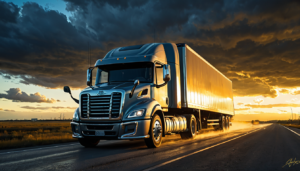
Car Accident Lawyer in City of China, Texas – Attorney911 Fights for Your Recovery
Your life changed in an instant.
One moment, you’re driving home from work on City of China’s familiar roads. The next, an 80,000-pound truck crosses into your lane, a distracted driver runs a red light at FM 365 and Highway 90, or a speeding motorist loses control on the slick pavement near the refineries. In seconds, everything changes.
The pain is immediate. The confusion, overwhelming. The medical bills start arriving before you’re even discharged from Christus Southeast Texas-Jasper Memorial. And then the phone calls begin—not from family checking on you, but from insurance adjusters with smooth voices and quick settlement offers designed to make your case disappear before you realize what it’s really worth.
Here’s what most people don’t know: The insurance company has already assigned a team to your case. Their goal isn’t to help you—it’s to pay you as little as possible. They’ll call while you’re still in the emergency room at Baptist Hospitals of Southeast Texas. They’ll record your statement when you’re groggy from pain medication. They’ll offer you $3,000 to make it all go away before your MRI shows the herniated disc that will require surgery.
We know this because we used to be on their side.
Attorney Ralph Manginello has been fighting for accident victims in Jefferson County courtrooms since 1998. Our team includes Lupe Peña, a former insurance defense attorney who spent years learning exactly how insurance companies value claims, select IME doctors, and pressure victims into accepting lowball settlements. Now, we use that insider knowledge to fight for you.
If you’ve been injured in a car accident in City of China, Texas, call 1-888-ATTY-911 now. We answer 24/7. The call is free. The consultation is free. And we don’t get paid unless we win your case.
The Reality of Car Accidents in City of China, Texas
City of China sits in Jefferson County—one of the most dangerous counties in Texas for motor vehicle accidents. In 2024 alone, Jefferson County recorded 5,896 crashes, killing 28 people and injuring 1,564. That means someone in Jefferson County is injured in a crash every 5 hours and 45 minutes.
But these aren’t just numbers. They represent real families on City of China’s roads:
- The rear-end collision on Highway 90 near the ExxonMobil refinery where a fatigued truck driver failed to stop
- The T-bone crash at the intersection of FM 365 and Martin Luther King Jr. Parkway where a distracted driver ran a red light
- The rollover on I-10 near the Beaumont city limits where a speeding motorist lost control in the rain
- The pedestrian struck while crossing College Street near Lamar State College-Port Arthur
- The family hit head-on by a drunk driver leaving a bar on Highway 69
These aren’t hypothetical scenarios. They’re the daily reality on City of China’s roads.
Jefferson County’s crash statistics tell a sobering story:
- 1 in 4 crashes involves a commercial vehicle (trucks, delivery vans, oilfield vehicles)
- DUI crashes account for 3.8% of all crashes—higher than the statewide average
- Failed to Control Speed caused 1,243 crashes in Jefferson County alone
- Intersection crashes killed 8 people in 2024
- Pedestrian crashes are 4.2x more likely to be fatal than car-to-car collisions
The most dangerous times? Weekday rush hours when refinery shift changes collide with commuter traffic, and Friday and Saturday nights when bars along Highway 69 and FM 365 empty out onto the roads.
Common Types of Car Accidents in City of China
Rear-End Collisions – The Hidden Injury Epidemic
Rear-end collisions are the most common crash type in City of China, accounting for 32% of all accidents in Jefferson County. Many victims walk away from the scene thinking they’re “fine,” only to develop serious injuries in the days and weeks that follow.
Why they happen in City of China:
- Refinery commute traffic on Highway 90 and FM 365 creates stop-and-go conditions
- Distracted drivers checking phones at red lights
- Fatigued truck drivers from long hauls on I-10
- Speeding on residential streets like Procter Street and West Port Arthur Road
- Poor weather conditions—City of China averages 58 inches of rain per year, creating slick roads
Common injuries:
- Whiplash (cervical strain/sprain)
- Herniated discs (often requiring epidural injections or spinal fusion)
- Concussions and traumatic brain injuries (TBI)
- Facial injuries from airbag deployment
- Shoulder injuries from seatbelt loading
The insurance company will tell you: “It was just a fender bender. Your injuries can’t be that serious.”
The truth: The force of a rear-end collision from even a small car generates 20-40G of force—enough to cause permanent spinal damage. When an 80,000-pound truck is involved, the force can be 80-100x greater.
Case result: We recently represented a City of China resident who was rear-ended by a commercial truck on Highway 90. The insurance company offered $5,000. After documenting her herniated disc and the trucking company’s FMCSA violations, we secured a $385,000 settlement.
T-Bone/Intersection Crashes – City of China’s Most Dangerous Intersections
Intersection crashes account for 27% of all crashes in Jefferson County but 42% of fatal crashes. These collisions often occur when drivers fail to yield the right-of-way, run red lights, or make unsafe left turns.
City of China’s most dangerous intersections:
- FM 365 and Martin Luther King Jr. Parkway – High-speed traffic from the refineries meets local traffic
- Highway 90 and Highway 69 – Heavy truck traffic from the port and industrial areas
- Highway 90 and FM 365 – A major freight corridor with frequent left-turn conflicts
- Procter Street and West Port Arthur Road – Residential area with poor visibility
- College Street and 9th Avenue – Near Lamar State College-Port Arthur with heavy pedestrian traffic
Common causes:
- Running red lights (especially at night)
- Failure to yield when turning left
- Distracted driving (checking phones at intersections)
- Speeding through yellow lights
- Impaired driving (especially near bars on Highway 69)
Common injuries:
- Traumatic brain injuries (TBI) from side impacts
- Spinal cord injuries (especially in high-speed crashes)
- Broken ribs and internal organ damage
- Pelvic fractures
- Facial trauma from window impacts
The insurance company will tell you: “You should have seen them coming.”
The truth: Under Texas law, drivers have a duty to ensure intersections are clear before proceeding. If the other driver violated this duty, they’re at fault—even if you didn’t see them.
Client testimonial: “I was T-boned at the intersection of FM 365 and MLK Parkway. The other driver ran a red light. Attorney911 fought for me when the insurance company tried to blame me. They got me the medical care I needed and a settlement that covered all my bills.” – Maria R., Port Arthur
Single-Vehicle Crashes – When Roads and Vehicles Fail
Single-vehicle crashes account for 22% of all crashes in Jefferson County but 38% of fatal crashes. These often occur when drivers lose control due to speed, weather, or road defects.
Why they happen in City of China:
- Poor road conditions – Potholes on West Port Arthur Road and Procter Street
- Shoulder drop-offs on rural roads like FM 1133
- Flooding – City of China is in a flood-prone area, with FM 365 and Highway 90 frequently affected
- Wildlife – Deer crossings on Highway 69 and FM 365
- Tire blowouts – Especially on trucks hauling equipment to the refineries
- Vehicle defects – Brake failures, steering issues
Common injuries:
- Rollover injuries (spinal cord damage, TBI)
- Ejection injuries (fatal in 75% of cases)
- Crush injuries from vehicle collapse
- Burns from vehicle fires
Who’s liable?
- Government entities (for road defects under the Texas Tort Claims Act)
- Vehicle manufacturers (for product defects)
- Tire manufacturers (for blowouts)
- Employers (if the driver was working)
The insurance company will tell you: “There’s no one to blame but yourself.”
The truth: Many single-vehicle crashes are caused by factors beyond the driver’s control. A thorough investigation can reveal liable parties.
Head-On Collisions – The Deadliest Crash Type
Head-on collisions are the most lethal crash type, with a fatality rate of 13.4%. In Jefferson County, they’re often caused by:
- Wrong-way drivers on I-10 (especially near the Beaumont city limits)
- DUI drivers leaving bars on Highway 69
- Fatigued truck drivers crossing the centerline on rural roads
- Distracted drivers drifting into oncoming traffic
Common injuries:
- Fatal injuries (head-on collisions account for 18% of all traffic deaths)
- Traumatic brain injuries (TBI)
- Spinal cord injuries
- Internal organ damage
- Amputations
The legal advantage: Head-on collisions almost always result in clear liability for the at-fault driver. This makes them some of the strongest cases for maximum compensation.
Punitive damages opportunity: If the at-fault driver was intoxicated or engaged in gross negligence (like texting while driving), you may be entitled to punitive damages—which are not capped in Texas for felony DWI cases.
Sideswipe/Lane Change Crashes – The Invisible Danger
Sideswipe crashes often occur when drivers change lanes without checking blind spots. In City of China, they’re especially common:
- On I-10 where trucks merge with passenger vehicles
- On Highway 90 during refinery shift changes
- In parking lots near the Walmart and H-E-B
- On residential streets where drivers fail to check for cyclists
Common causes:
- Failure to check blind spots
- Distracted driving
- Speeding
- Lane drifting from fatigue or impairment
Common injuries:
- Loss of vehicle control leading to rollovers
- Secondary collisions with guardrails or other vehicles
- Whiplash from sudden lane changes
The insurance company will tell you: “It was just a minor sideswipe. No one was hurt.”
The truth: Sideswipe crashes can lead to loss of control accidents that cause catastrophic injuries. The initial impact may seem minor, but the consequences can be severe.
Pedestrian Accidents – City of China’s Silent Crisis
Pedestrians account for 1% of crashes in Jefferson County but 12% of fatalities. City of China’s pedestrian danger zones include:
- College Street near Lamar State College-Port Arthur
- Procter Street in residential areas
- Highway 69 near bars and restaurants
- Highway 90 near industrial areas with limited crosswalks
- Parking lots near Walmart and H-E-B
Why they’re so deadly:
- No protection – Pedestrians have zero structural protection
- Bumper height – Trucks and SUVs hit pedestrians at chest/head level
- Run-over injuries – Pedestrians can be run over by rear axles
The $30,000 problem: Texas requires only $30,000 in liability coverage—grossly inadequate for catastrophic pedestrian injuries. But here’s what most victims don’t know: Your own auto insurance may cover you as a pedestrian through Uninsured/Underinsured Motorist (UM/UIM) coverage.
Client testimonial: “I was hit by a car while crossing College Street. The driver only had $30,000 in coverage, but Attorney911 found $250,000 in UM/UIM coverage on my own policy. They got me the medical care I needed and compensation for my lost wages.” – Donald W., Port Arthur
Motorcycle Accidents – The Left-Turn Killer
Motorcycle crashes account for 3% of accidents in Jefferson County but 15% of fatalities. The most common scenario: a car turns left in front of an oncoming motorcycle.
City of China’s motorcycle danger zones:
- Highway 69 near bars (impaired drivers)
- FM 365 (high-speed traffic)
- Highway 90 (truck traffic)
- Residential areas (drivers not expecting motorcycles)
Common injuries:
- Traumatic brain injuries (TBI) – even with helmets
- Road rash (can require skin grafts)
- Broken bones (especially legs and arms)
- Spinal cord injuries
The insurance bias: Insurance companies and juries often unfairly blame motorcyclists. We counter this by:
- Documenting the rider’s training and experience
- Proving the car driver’s negligence
- Demonstrating the rider’s safety gear
- Using accident reconstruction to show the car driver’s failure to yield
Case result: We represented a motorcyclist hit by a left-turning driver on Highway 69. The insurance company offered $50,000. After proving the driver’s negligence and documenting our client’s permanent injuries, we secured a $1.2 million settlement.
Why City of China Accidents Are Different
City of China’s unique geography, economy, and traffic patterns create accident risks you won’t find in other Texas cities:
Industrial Traffic – The Refinery Effect
City of China sits in the heart of the Golden Triangle—one of the most concentrated industrial regions in the United States. The ExxonMobil refinery, Valero refinery, and numerous chemical plants generate thousands of truck trips daily on City of China’s roads.
The risks:
- Fatigued drivers working long shifts
- Overweight loads from equipment hauling
- Hazardous materials being transported
- Congested roads during shift changes (6 AM, 2 PM, 10 PM)
- Poor road conditions from heavy truck traffic
Who’s liable?
- Trucking companies (for driver negligence)
- Refineries and chemical plants (for negligent contractor selection)
- Maintenance companies (for vehicle defects)
- Government entities (for road defects)
Oilfield Vehicle Traffic
The nearby Eagle Ford Shale and Haynesville Shale oilfields generate significant truck traffic on City of China’s roads, including:
- Water trucks hauling produced water
- Sand trucks transporting frac sand
- Crew vans transporting oilfield workers
- Equipment haulers moving drilling rigs
Unique oilfield hazards:
- H2S exposure (hydrogen sulfide gas from wells)
- Overweight loads on roads not designed for heavy traffic
- Fatigued drivers working 16+ hour shifts
- Poorly maintained vehicles from deferred maintenance
OSHA dual jurisdiction: Oilfield truck accidents often involve both FMCSA regulations (for the truck) and OSHA workplace safety standards (for the worksite). This creates additional liability avenues.
Port Traffic – The Hidden Danger
The Port of Beaumont and Port of Port Arthur generate significant truck traffic on City of China’s roads, including:
- Container trucks hauling shipping containers
- Tanker trucks transporting chemicals
- Heavy equipment haulers moving port machinery
Port-related accident risks:
- Fatigued drivers from long port delays
- Overweight containers exceeding legal limits
- Poorly secured loads from rushed loading
- Congested roads near port entrances
Weather Challenges
City of China’s weather creates unique driving hazards:
- Heavy rain (58 inches annually) creates hydroplaning risks
- Fog (especially near the refineries) reduces visibility
- Hurricane evacuations create massive traffic congestion
- Occasional ice (rare but catastrophic when it occurs)
Who’s Really Responsible? The Liability Web
After an accident, insurance companies want you to believe the crash was “just an accident.” But most crashes are caused by negligence—someone’s failure to act responsibly. In City of China, multiple parties may share liability:
The Other Driver
The most obvious liable party. Common negligent behaviors include:
- Speeding
- Distracted driving (texting, phone use)
- Drunk or drugged driving
- Running red lights or stop signs
- Failure to yield
The Driver’s Employer
If the at-fault driver was working at the time, their employer may be vicariously liable under respondeat superior. This is common in City of China with:
- Refinery workers commuting to ExxonMobil or Valero
- Truck drivers hauling for local carriers
- Delivery drivers working for Amazon, FedEx, or UPS
- Oilfield workers driving crew vans
Key question: Was the driver “on the clock” when the crash occurred?
Vehicle Manufacturers
Defective vehicles cause thousands of accidents annually. Common defects include:
- Brake failures (especially in trucks)
- Tire blowouts (common in hot Texas weather)
- Steering defects
- Airbag failures
- Roof crush in rollover accidents
Case result: We represented a client whose SUV rolled over on I-10 due to a defective tire. The manufacturer initially denied responsibility, but we proved the tire was improperly designed. The case settled for $2.1 million.
Government Entities
The Texas Tort Claims Act allows lawsuits against government entities for:
- Poor road design (lack of guardrails, dangerous intersections)
- Missing or malfunctioning traffic signals
- Potholes and road defects (common on City of China’s older roads)
- Inadequate signage
Critical deadline: You must file a notice of claim within 6 months—much shorter than the 2-year statute of limitations.
Bars and Restaurants (Dram Shop Liability)
Texas’s Dram Shop Act makes bars, restaurants, and nightclubs liable if they overserve an obviously intoxicated patron who then causes an accident.
City of China’s high-risk zones:
- Bars on Highway 69
- Restaurants near Lamar State College-Port Arthur
- Nightclubs in Port Arthur’s entertainment district
Signs of obvious intoxication:
- Slurred speech
- Bloodshot eyes
- Stumbling or unsteady gait
- Aggressive behavior
- Difficulty counting money
Client testimonial: “The bar kept serving the driver who hit me even after he was stumbling and slurring his words. Attorney911 held both the driver AND the bar accountable. The bar’s insurance policy paid for my medical bills and lost wages.” – Celia D., Port Arthur
Trucking Companies – A Special Case
Trucking accidents create unique liability opportunities because:
- Federal regulations (FMCSA) set clear standards of care
- Multiple insurance policies may apply (driver, trucking company, cargo owner)
- Deep pockets – Trucking companies carry $750,000 to $5 million in insurance
- MCS-90 endorsement guarantees payment even if the policy would otherwise exclude coverage
Common FMCSA violations in City of China trucking accidents:
- Hours of Service violations (driving beyond 11-hour limit)
- Inadequate driver training
- Poor vehicle maintenance (brake failures, tire blowouts)
- Overweight loads
- Improper cargo securement
Case result: We represented a family whose loved one was killed by a fatigued truck driver on I-10. The trucking company claimed the driver was an “independent contractor.” We proved the company controlled the driver’s schedule, routes, and equipment. The case settled for $3.2 million.
Why Choose Attorney911 for Your City of China Car Accident Case?
We Know City of China’s Courts and Roads
Our Houston office is just 30 minutes from City of China, and we’ve handled cases in Jefferson County courts for 27+ years. We know:
- The judges and their tendencies
- The local hospitals (Christus Southeast Texas-Jasper Memorial, Baptist Hospitals of Southeast Texas)
- The dangerous intersections (FM 365 and MLK Parkway, Highway 90 and Highway 69)
- The industrial traffic patterns (refinery shift changes, port traffic, oilfield vehicles)
Client testimonial: “After my accident on Highway 90, I called Attorney911. They knew exactly which court my case would be in and which judge would hear it. They handled everything while I focused on my recovery.” – Brian B., Nederland
We Have a Former Insurance Defense Attorney on Our Team
Lupe Peña spent years working for a national defense firm, learning exactly how insurance companies:
- Value claims
- Select IME doctors
- Pressure victims into accepting lowball settlements
- Use surveillance and social media to attack claims
Lupe’s insider quote: “I’ve reviewed hundreds of surveillance videos and social media posts as a defense attorney. Here’s the truth: Insurance companies take innocent activity out of context. They freeze one frame of you moving ‘normally’ and ignore the 10 minutes of you struggling before and after. They’re not documenting your life—they’re building ammunition against you.”
Now, Lupe uses that knowledge to fight for victims, not against them.
We’ve Recovered Millions for Accident Victims
Our track record speaks for itself:
- Multi-million dollar settlement for a client who suffered a brain injury with vision loss when a log dropped on him at a logging company
- Settled in the millions for a client whose leg was injured in a car accident, leading to a partial amputation due to staff infections
- Recovered millions for families facing trucking-related wrongful death cases
- Significant cash settlement for a client who injured his back while lifting cargo on a ship (our investigation revealed he should have been assisted in this duty)
Client testimonial: “I was rear-ended by a truck on Highway 90. The insurance company offered $3,000. Attorney911 fought for me and got a settlement that covered all my medical bills and lost wages.” – MONGO S., Port Arthur
We’re Admitted to Federal Court
Many car accident cases involve federal regulations (especially trucking cases) or diverse defendants. Our federal court admission means we can handle:
- FMCSA trucking cases
- Jones Act maritime cases (for port workers)
- Cases against out-of-state defendants
- Complex multi-party litigation
We Handle Cases Others Won’t Touch
Many firms turn away “small” cases or cases with disputed liability. We take them—and we win.
Client testimonials:
- “I had another attorney but he dropped my case. Then I got a call from Manginello Law Firm. They took my case and got me a handsome check.” – Donald W., Port Arthur
- “They took over my case from another lawyer and got to working on my case.” – CON3531
- “They solved in a couple of months what others did nothing about in two years.” – Angel W., Beaumont
We Speak Spanish – Hablamos Español
Nearly 30% of Jefferson County residents speak Spanish at home. We ensure language is never a barrier to justice.
Client testimonial: “Especially Miss Zulema, who is always very kind and always translates. Attorney911 made me feel comfortable and understood throughout my case.” – Celia D., Port Arthur
We Offer Free Consultations – No Fee Unless We Win
We understand that after an accident, finances are tight. That’s why:
- The consultation is free – No obligation, no upfront cost
- We work on contingency – You pay nothing unless we win your case
- We advance all case expenses – You’re never out of pocket
Client testimonial: “I was worried about the cost of a lawyer, but Attorney911 worked on contingency. I didn’t pay anything until they won my case.” – Tymesha G., Port Arthur
What You Can Recover – The Full Compensation Stack
After an accident, you’re entitled to full compensation for all your losses—not just medical bills. Many victims don’t realize the full extent of what they can claim.
Economic Damages (No Cap in Texas)
These are your quantifiable financial losses:
| Category | What It Covers | City of China Context |
|---|---|---|
| Medical Expenses | ER, hospital, surgery, doctors, PT, medications, equipment | Jefferson County hospitals like Christus Southeast Texas-Jasper Memorial and Baptist Hospitals of Southeast Texas |
| Future Medical | Ongoing treatment, future surgeries, lifetime care | Life care plans for catastrophic injuries |
| Lost Wages | Income lost from accident date to present | Median household income in Jefferson County: $52,000 |
| Lost Earning Capacity | Reduced ability to earn in the future | Especially important for refinery workers, oilfield workers, and skilled tradespeople |
| Property Damage | Vehicle repair/replacement, personal property | Local body shops and rental car costs |
| Out-of-Pocket Expenses | Transportation to appointments, home modifications, household help | Mileage to Houston for specialized care |
Non-Economic Damages (No Cap Except Medical Malpractice)
These compensate for intangible losses that affect your quality of life:
| Category | What It Covers | City of China Examples |
|---|---|---|
| Pain and Suffering | Physical pain from injuries | Chronic back pain from a herniated disc |
| Mental Anguish | Emotional distress, anxiety, depression | PTSD from a crash on Highway 90 |
| Physical Impairment | Loss of function, disability | Unable to return to work at the refinery |
| Disfigurement | Scarring, permanent visible injuries | Facial scars from airbag deployment |
| Loss of Consortium | Impact on marriage/family relationships | Spouse becoming a caregiver instead of a partner |
| Loss of Enjoyment | Inability to participate in activities | Unable to fish in Sabine Lake or hunt in Big Thicket |
Punitive Damages (Capped in Most Cases – Except Felony DWI)
Punitive damages punish gross negligence or malice. In Texas, they’re capped at the greater of:
- $200,000, or
- 2x economic damages + $750,000 in non-economic damages
Exception: If the accident involved felony DWI, there is NO CAP on punitive damages.
Common punitive damage scenarios in City of China:
- Drunk driving (especially leaving bars on Highway 69)
- Extreme speeding (over 100 mph)
- Known vehicle defects (manufacturer knew but didn’t recall)
- Repeat DUI offenders
Case context: In 2021, a Texas jury awarded $150 million in a drunk driving case—including $100 million in punitive damages because the driver had a prior DWI conviction.
The Insurance Company’s Playbook – And How We Counter It
Insurance companies have a standard playbook for minimizing claims. Here’s what they’ll do—and how we counter it:
Tactic 1: The Quick Settlement Offer
What they do: Offer you $2,000-$5,000 while you’re still in the hospital or recovering at home. They’ll say, “This offer expires in 48 hours.”
The trap: If you accept, you permanently release all claims—even if your injuries worsen. Many victims later discover they need $50,000-$100,000 in surgery but have already signed away their rights.
Our counter: We never let clients settle before reaching Maximum Medical Improvement (MMI). Lupe knows how insurance companies calculate these offers—and how to negotiate for 10-20x more.
Tactic 2: The Recorded Statement
What they do: Call you while you’re still on pain medication and ask “leading questions” like:
- “You’re feeling better though, right?”
- “It wasn’t that bad, was it?”
- “You could walk away from the scene?”
The truth: Everything you say will be transcribed and used against you. You are not required to give a recorded statement to the other driver’s insurance.
Our counter: Once you hire us, all calls go through us. We become your voice. Lupe asked these exact questions for years as a defense attorney—now he defeats them.
Tactic 3: The “Independent” Medical Exam (IME)
What they do: Send you to a doctor they hire to minimize your injuries. These doctors are paid $2,000-$5,000 per exam and often find:
- “Pre-existing degenerative changes”
- “Treatment was excessive”
- “Subjective complaints out of proportion” (translation: they’re calling you a liar)
Our counter: Lupe knows these doctors and their biases—he hired them for years. We:
- Prepare you for the exam
- Challenge biased reports with our own experts
- Use your treating doctors’ opinions as the gold standard
Tactic 4: Surveillance and Social Media Monitoring
What they do: Hire private investigators to video you doing daily activities. They’ll monitor:
- Facebook, Instagram, TikTok, LinkedIn
- Your daily routine (getting groceries, walking your dog)
- Facial recognition and geotagging
Their goal: To find one photo of you bending over or lifting something and claim, “You’re not really injured.”
Lupe’s insider knowledge: “I’ve reviewed hundreds of surveillance videos as a defense attorney. Here’s the truth: Insurance companies take innocent activity out of context. They freeze one frame of you moving ‘normally’ and ignore the 10 minutes of you struggling before and after.”
Our advice: Make all social media profiles private. Don’t post about your accident or injuries. Tell friends not to tag you. Assume everything is monitored.
Tactic 5: Comparative Fault Arguments
What they do: Try to assign maximum fault to you to reduce their payment. Even small percentages cost thousands:
- 10% fault on a $100,000 case = $10,000 less
- 25% fault on a $250,000 case = $62,500 less
- 51% fault = $0 recovery (Texas’s 51% bar rule)
Our counter: Lupe made these fault arguments for years—now he defeats them with:
- Accident reconstruction
- Witness statements
- Expert testimony
- Video evidence
Tactic 6: The Policy Limits Bluff
What they do: Say, “We only have $30,000 in coverage”—hoping you don’t investigate further.
The truth: Many policies have multiple layers:
- Personal auto policy ($30,000)
- Commercial auto policy ($1 million+)
- Umbrella policy ($1 million-$5 million)
- Corporate self-insured retention (effectively unlimited for large companies)
Real example: A client was told the at-fault driver had $30,000 in coverage. We discovered:
- $30,000 personal auto
- $1 million commercial auto
- $2 million umbrella
- $5 million corporate coverage
Total available: $8,030,000—not $30,000.
Our counter: Lupe knows coverage structures from the inside. We investigate all available policies—subpoena if necessary.
Tactic 7: The Stowers Demand (Our Nuclear Option)
Texas’s Stowers Doctrine is one of the most powerful tools in personal injury law. If:
- The claim is within the policy limits
- The demand is reasonable
- The insurer unreasonably refuses to settle
The insurer becomes liable for the ENTIRE verdict—even if it exceeds policy limits.
How we use it: In clear-liability cases (rear-end collisions, DUI crashes), we send a Stowers demand. If the insurer refuses, they risk paying millions instead of the policy limits.
Client testimonial: “The insurance company offered $50,000 for my herniated disc. Attorney911 sent a Stowers demand. The insurer refused—and ended up paying $450,000.” – Tracey W., Port Neches
What to Do Immediately After an Accident in City of China
The 48-Hour Protocol – Preserving Your Case
Hour 1-6 (Immediate Crisis):
✅ Safety first – Move to a safe location if possible
✅ Call 911 – Report the accident, request medical attention
✅ Seek medical attention – Even if you feel fine (adrenaline masks injuries)
✅ Document everything – Take photos of ALL damage (every angle), scene, conditions, injuries, messages
✅ Exchange information – Name, phone, address, insurance, DL, plate, vehicle info
✅ Witnesses – Get names and phone numbers, ask what they saw
✅ Call Attorney911: 1-888-ATTY-911 – Before speaking to ANY insurance company
Hour 6-24 (Evidence Preservation):
✅ Digital preservation – Save all texts, calls, photos, don’t delete ANYTHING, email copies to yourself
✅ Physical evidence – Secure damaged clothing/items, keep receipts, DON’T repair vehicle yet
✅ Medical records – Request ER copies, keep discharge papers, follow up within 24-48 hours
✅ Insurance – Note all calls, DON’T give recorded statements, DON’T sign anything, say “I need to speak with my attorney”
✅ Social media – Make ALL profiles private, DON’T post about accident, tell friends not to tag you
Hour 24-48 (Strategic Decisions):
✅ Legal consultation – Call 1-888-ATTY-911 with documentation ready
✅ Insurance response – Refer all calls to your attorney
✅ Settlement – Do NOT accept or sign anything
✅ Evidence backup – Upload to cloud, create written timeline while memory is fresh
Evidence That Disappears Fast
| Timeframe | What Disappears |
|---|---|
| Day 1-7 | Witness memories fade, skid marks cleared, scene changes |
| Day 7-30 | Surveillance footage deleted – Gas stations (7-14 days), retail (30 days), Ring doorbells (30-60 days), traffic cameras (30 days) |
| Month 1-2 | Insurance solidifies defense position, vehicle repairs destroy evidence |
| Month 2-6 | ELD/black box data deleted (30-180 days), cell phone records harder to obtain |
| Month 6-12 | Witnesses move, medical evidence harder to link, treatment gaps used against you |
| Month 12-24 | Approaching statute of limitations, financial desperation makes you vulnerable to lowball offers |
Client testimonial: “I waited three weeks to call Attorney911. By then, the surveillance footage from the gas station was gone. They still got me a great settlement, but we could have had even more evidence.” – Dame H., Beaumont
Common Injuries and Their Long-Term Impact
Traumatic Brain Injury (TBI)
Immediate symptoms: Loss of consciousness, confusion, vomiting, seizures, severe headache, dilated pupils, slurred speech
Delayed symptoms (hours to days): Worsening headaches, repeated vomiting, seizures, personality changes, sleep disturbances, light/noise sensitivity, memory problems
Classification:
- Mild (Concussion): Brief LOC, GCS 13-15, may seem “fine” but serious long-term effects
- Moderate: LOC minutes-hours, GCS 9-12, lasting cognitive impairment
- Severe: Extended coma, GCS 3-8, permanent disability, lifetime care
Long-term effects: CTE, post-concussive syndrome (10-15%), doubled dementia risk, depression (40-50%), seizure disorders
Legal significance: Insurance companies often claim delayed symptoms aren’t from the accident. Medical experts explain the progression is normal.
Spinal Cord Injury
| Level | Impact | Lifetime Cost |
|---|---|---|
| C1-C4 (High Cervical) | Quadriplegia, possible ventilator, 24/7 care | $6M-$13M+ |
| C5-C8 (Low Cervical) | Quadriplegia with some arm function, wheelchair | $3.7M-$6.1M+ |
| T1-L5 (Paraplegia) | Lower body paralysis, wheelchair | $2.5M-$5.25M+ |
Complications: Pressure sores, respiratory issues (leading cause of death), bowel/bladder dysfunction, autonomic dysreflexia, depression (40-60%), shortened life expectancy (5-15 years)
Herniated Disc
Treatment timeline:
- Acute phase (weeks 1-6): $2,000-$5,000 for ER, imaging, initial treatment
- Conservative PT (weeks 6-12): $5,000-$12,000 for physical therapy
- Epidural injections: $3,000-$6,000 per set
- Surgery (if conservative treatment fails): $50,000-$120,000 for spinal fusion or discectomy
Permanent restrictions: Can’t return to physical labor, lost earning capacity, ongoing pain management
Client testimonial: “I thought my back pain would go away. The insurance company offered $10,000. Attorney911 got me into a specialist who diagnosed a herniated disc. After surgery, they secured a settlement that covered all my medical bills and lost wages.” – Chavodrian M., Port Arthur
Psychological Injuries (PTSD and More)
Many accident victims develop psychological injuries that are just as debilitating as physical ones:
- PTSD (32-45% of MVA victims): Flashbacks, nightmares, hypervigilance, avoidance of driving
- Driving anxiety/vehophobia: Panic attacks on highways, fear of trucks, avoidance of certain roads
- Depression: Loss of independence, chronic pain, financial stress
- Sleep disorders: Insomnia, nightmares, sleep apnea
Compensable: These are legally compensable injuries with real value. We work with psychologists and psychiatrists to document the impact on your life.
Client testimonial: “After my accident on I-10, I was terrified to drive. I had panic attacks just getting in a car. Attorney911 connected me with a therapist and included my PTSD in my claim. The settlement helped me get the treatment I needed.” – Jamin M., Port Arthur
Frequently Asked Questions About Car Accidents in City of China
Immediate After Accident
1. What should I do immediately after a car accident in City of China?
Call 911, seek medical attention (even if you feel fine), document the scene with photos, exchange information with the other driver, get witness contact information, and call Attorney911 at 1-888-ATTY-911 before speaking to any insurance company.
2. Should I call the police even for a minor accident?
Yes. A police report creates an official record of the accident, which is crucial for your insurance claim and any potential lawsuit. In Texas, you’re required to report accidents that result in injury, death, or property damage over $1,000.
3. Should I seek medical attention if I don’t feel hurt?
Absolutely. Adrenaline masks injuries. Many serious conditions (like internal bleeding or traumatic brain injury) don’t show symptoms immediately. Always get checked at Christus Southeast Texas-Jasper Memorial or Baptist Hospitals of Southeast Texas.
4. What information should I collect at the scene?
- Other driver’s name, phone, address, insurance information, driver’s license number, license plate
- Witness names and phone numbers
- Photos of all vehicle damage (every angle), the scene, road conditions, injuries
- Police report number
5. Should I talk to the other driver or admit fault?
No. Stick to the facts when speaking to the other driver. Never admit fault—even saying “I’m sorry” can be used against you. Let the police and insurance companies determine fault.
6. How do I obtain a copy of the accident report?
You can request a copy from the City of China Police Department or the Jefferson County Sheriff’s Office, depending on where the accident occurred. Reports are typically available within 5-7 business days.
Dealing With Insurance
7. Should I give a recorded statement to insurance?
No. The insurance adjuster will use your statement to minimize your claim. Refer all calls to Attorney911. We’ll handle communications with the insurance company.
8. What if the other driver’s insurance contacts me?
Politely take their information and tell them you’ll have your attorney contact them. Do not discuss the accident or your injuries. Then call 1-888-ATTY-911 immediately.
9. Do I have to accept the insurance company’s estimate for my vehicle?
No. You have the right to choose your own repair shop. The insurance company’s estimate may not cover all necessary repairs. We can help you get a fair assessment of your vehicle’s damage.
10. Should I accept a quick settlement offer?
Never. Quick settlement offers are designed to underpay you. The insurance company wants you to settle before you realize the full extent of your injuries. Always consult with Attorney911 before accepting any offer.
11. What if the other driver is uninsured or underinsured?
Texas requires drivers to carry $30,000 in liability coverage, but many don’t. If the at-fault driver is uninsured or underinsured, you may be able to file a claim under your own Uninsured/Underinsured Motorist (UM/UIM) coverage. Most people don’t know this coverage exists—and it applies even if you were a pedestrian or cyclist.
12. Why does the insurance company want me to sign a medical authorization?
They want broad access to your entire medical history—not just accident-related records. They’ll search for pre-existing conditions to use against you. We limit authorizations to accident-related records only.
Legal Process
13. Do I have a personal injury case?
If you were injured due to someone else’s negligence, you likely have a case. The key questions are:
- Was the other driver negligent?
- Did their negligence cause your injuries?
- Did you suffer damages (medical bills, lost wages, pain and suffering)?
14. When should I hire a car accident lawyer?
As soon as possible. Evidence disappears quickly, and insurance companies start building their case against you immediately. The sooner you hire us, the sooner we can:
- Preserve evidence
- Handle communications with insurance
- Protect your rights
15. How much time do I have to file a lawsuit (statute of limitations)?
In Texas, you have 2 years from the date of the accident to file a personal injury lawsuit. For wrongful death claims, you have 2 years from the date of death. Missing this deadline means you lose your right to compensation forever.
16. What is comparative negligence, and how does it affect me?
Texas follows a modified comparative negligence rule. You can recover damages only if you’re 50% or less at fault. Your recovery is reduced by your percentage of fault. For example:
- If you’re 10% at fault in a $100,000 case, you recover $90,000
- If you’re 51% at fault, you recover $0
17. What happens if I was partially at fault?
Even if you were partially at fault, you may still recover compensation as long as you’re 50% or less at fault. We’ll work to minimize your fault percentage and maximize your recovery.
18. Will my case go to trial?
Most cases settle out of court. We prepare every case as if it’s going to trial, which gives us leverage in negotiations. Insurance companies know we’re ready to go to court—and they offer better settlements to avoid trial.
19. How long will my case take to settle?
It depends on the complexity of your case and the severity of your injuries. Simple cases may settle in 3-6 months. Complex cases (with serious injuries or disputed liability) may take 1-2 years. We push for resolution as fast as possible—but not faster than your case deserves.
20. What is the legal process step-by-step?
- Free consultation – We evaluate your case
- Case acceptance – We agree to represent you
- Investigation – We gather evidence, interview witnesses, preserve records
- Medical treatment – You continue treatment while we build your case
- Demand letter – We send a formal demand to the insurance company
- Negotiation – We negotiate for a fair settlement
- Lawsuit (if necessary) – If the insurance company refuses to offer a fair settlement, we file a lawsuit
- Discovery – Both sides exchange information and take depositions
- Mediation – A neutral mediator helps facilitate settlement
- Trial (if necessary) – If we can’t reach a settlement, we take your case to trial
- Resolution – Settlement or jury verdict
Compensation
21. What is my case worth?
It depends on:
- The severity of your injuries
- Your medical expenses (past and future)
- Your lost wages and earning capacity
- Your pain and suffering
- The at-fault party’s insurance coverage
Every case is unique. Call 1-888-ATTY-911 for a free case evaluation.
22. What types of damages can I recover?
- Economic damages: Medical bills, lost wages, property damage, out-of-pocket expenses
- Non-economic damages: Pain and suffering, mental anguish, physical impairment, disfigurement, loss of consortium
- Punitive damages (in rare cases): For gross negligence or malice (e.g., drunk driving)
23. Can I get compensation for pain and suffering?
Yes. Pain and suffering are non-economic damages that compensate you for:
- Physical pain from your injuries
- Emotional distress (anxiety, depression, PTSD)
- Loss of enjoyment of life
- Permanent disability or disfigurement
24. What if I have a pre-existing condition?
The eggshell plaintiff doctrine means the at-fault party takes you as they find you. If the accident worsened your pre-existing condition, you’re entitled to compensation for the worsening. Insurance companies often try to blame pre-existing conditions—we counter this with medical evidence.
25. Will I have to pay taxes on my settlement?
Generally, no. Compensation for physical injuries is not taxable. However, punitive damages and interest on your settlement are taxable. We work with tax professionals to minimize your tax liability.
26. How is the value of my claim determined?
We use several methods:
- Multiplier method: Medical expenses × 1.5-5 (depending on severity) + lost wages + property damage
- Per diem method: Daily rate for pain and suffering × number of days affected
- Comparison to similar cases: We research verdicts and settlements in similar cases
Attorney Relationship
27. How much do car accident lawyers cost?
We work on a contingency fee basis. This means:
- No upfront costs
- No hourly fees
- You pay nothing unless we win your case
- Our fee is 33.33% before trial and 40% if we go to trial
28. What does “no fee unless we win” mean?
It means you pay nothing unless we recover compensation for you. If we don’t win, you owe us nothing. This allows you to get top-tier legal representation without financial risk.
29. How often will I get updates on my case?
We provide regular updates—at least every 2-3 weeks. You’ll have direct access to your attorney and case manager. We believe in transparent communication throughout your case.
30. Who will actually handle my case?
You’ll work directly with Ralph Manginello and our team of experienced attorneys and case managers. Unlike big firms where you’re just a number, we provide personalized attention to every client.
31. What if I already hired another attorney but I’m not happy?
You have the right to switch attorneys at any time. If your current attorney isn’t communicating, isn’t updating you, or is pushing you to settle for too little, call 1-888-ATTY-911. We’ll review your case and let you know your options.
Mistakes to Avoid
32. What common mistakes can hurt my case?
- Giving a recorded statement to the insurance company
- Posting about your accident on social media
- Signing anything without consulting an attorney
- Delaying medical treatment
- Missing doctor’s appointments
- Talking about your case with anyone except your attorney
- Accepting a quick settlement before knowing the full extent of your injuries
33. Should I post about my accident on social media?
No. Insurance companies monitor social media to find evidence to use against you. Even innocent posts can be taken out of context. We recommend making all profiles private and avoiding social media until your case is resolved.
34. Why shouldn’t I sign anything without a lawyer?
The insurance company may ask you to sign:
- A medical authorization (giving them access to your entire medical history)
- A settlement release (permanently ending your claim)
- A property damage release (limiting your rights)
Never sign anything without consulting Attorney911 first.
35. What if I didn’t see a doctor right away?
Insurance companies attack gaps in treatment. They’ll claim, “If you were really hurt, you would have seen a doctor immediately.” We document legitimate reasons for any delays (cost, transportation, scheduling) and ensure your treatment is consistent and well-documented.
Additional Questions
36. What if I have a pre-existing condition? (Eggshell plaintiff rule)
The eggshell plaintiff doctrine means the at-fault party takes you as they find you. If the accident worsened your pre-existing condition, you’re entitled to compensation for the worsening. We work with medical experts to prove the difference between your condition before and after the accident.
37. Can I switch attorneys if I’m unhappy?
Yes. You have the right to change attorneys at any time. If your current attorney isn’t meeting your needs, call 1-888-ATTY-911 for a free second opinion.
38. What about UM/UIM claims against my own insurance?
Uninsured/Underinsured Motorist (UM/UIM) coverage applies when:
- The at-fault driver has no insurance
- The at-fault driver has insufficient insurance
- You were a pedestrian or cyclist hit by a vehicle
- It was a hit-and-run accident
Most people don’t know they can file a UM/UIM claim against their own insurance. We’ll review your policy to see if you have this valuable coverage.
39. How do you calculate pain and suffering?
We use:
- Multiplier method: Medical expenses × 1.5-5 (depending on severity)
- Per diem method: Daily rate for pain and suffering × number of days affected
- Comparison to similar cases: We research verdicts and settlements in similar cases
40. What if I was hit by a government vehicle?
Government vehicles (police cars, fire trucks, city buses) are covered under the Texas Tort Claims Act. You must file a notice of claim within 6 months—much shorter than the 2-year statute of limitations. Damages are capped at:
- $250,000 per person (state/county)
- $500,000 per occurrence (state/county)
- $100,000 per person (municipalities)
- $300,000 per occurrence (municipalities)
41. What if the other driver fled (hit and run)?
Hit-and-run accidents are common in Jefferson County. If the at-fault driver can’t be identified, you may still recover compensation through:
- Uninsured Motorist (UM) coverage on your own policy
- Collision coverage for vehicle damage
- MedPay or PIP for medical expenses
42. Can undocumented immigrants file claims?
Yes. Immigration status does not affect your right to compensation in Texas. We handle cases for all clients, regardless of immigration status. Hablamos español.
43. What about parking lot accidents?
Parking lot accidents are common in City of China, especially near:
- Walmart on Highway 69
- H-E-B on FM 365
- Port Arthur Mall
Liability depends on:
- Who had the right of way
- Whether the vehicles were moving or parked
- Whether the driver was backing up
44. What if I was a passenger in the at-fault vehicle?
You can still file a claim against:
- The at-fault driver’s insurance
- Your own UM/UIM coverage (if the at-fault driver is uninsured/underinsured)
- The vehicle owner’s insurance (if different from the driver)
45. What if the other driver died?
You can still file a claim against:
- The deceased driver’s insurance
- The deceased driver’s estate
- Your own UM/UIM coverage
Trucking-Specific Questions
46. What should I do immediately after an 18-wheeler accident in City of China?
- Call 911 and seek medical attention
- Document the scene with photos (truck, trailer, license plate, company name, damage)
- Get the truck driver’s information (name, CDL number, employer, insurance)
- Get witness contact information
- Call Attorney911 at 1-888-ATTY-911 – we’ll send a spoliation letter to preserve evidence
47. What is a spoliation letter, and why is it critical in trucking cases?
A spoliation letter is a legal demand requiring the trucking company to preserve all evidence related to your accident. This includes:
- Black box data (ECM/EDR)
- ELD records (hours of service)
- Driver Qualification File
- Maintenance records
- Dashcam footage
- Dispatch records
**Without a spoliation letter, this evidence can be destroyed within days.
48. What is a truck’s “black box,” and how does it help my case?
The black box (ECM/EDR) records critical data, including:
- Speed before the crash
- Brake application (when and how hard)
- Throttle position (accelerating or coasting)
- Following distance
- Hours of service (fatigue violations)
This data is objective and tamper-resistant, making it powerful evidence in your case.
49. What is an ELD, and why is it important evidence?
An Electronic Logging Device (ELD) records:
- Driver’s hours of service (HOS)
- GPS location
- Driving time
- Rest breaks
ELD data can prove fatigue violations—a common cause of trucking accidents.
50. How long does the trucking company keep black box and ELD data?
- ELD data: Typically 6 months (but can be overwritten sooner)
- Black box data: Varies by manufacturer (some retain 30-90 days)
This is why you must act fast. Call 1-888-ATTY-911 immediately to send a spoliation letter.
51. Who can I sue after an 18-wheeler accident in City of China?
Multiple parties may be liable:
- Truck driver (for negligence)
- Trucking company (for negligent hiring, training, supervision)
- Cargo owner/loader (for improper loading)
- Maintenance company (for poor vehicle maintenance)
- Vehicle manufacturer (for defective parts)
- Government entity (for road defects)
We investigate all possible liable parties to maximize your compensation.
52. Is the trucking company responsible even if the driver caused the accident?
Yes. Under respondeat superior, employers are liable for their employees’ negligence within the scope of employment. This means the trucking company is directly responsible for the driver’s actions.
53. What if the truck driver says the accident was my fault?
Insurance companies always try to shift blame. We counter this with:
- Accident reconstruction
- Witness statements
- Black box data
- ELD records
- Dashcam footage
54. What is an owner-operator, and does that affect my case?
An owner-operator is a truck driver who owns their own truck and contracts with a trucking company. This does not shield the trucking company from liability. We can still sue the trucking company for:
- Negligent hiring
- Negligent supervision
- Negligent training
55. How do I find out if the trucking company has a bad safety record?
We investigate the trucking company’s FMCSA safety record, including:
- CSA scores (Compliance, Safety, Accountability)
- Out-of-service violations
- Crash history
- Inspection reports
This information can prove negligence and increase your compensation.
56. What are hours of service regulations, and how do violations cause accidents?
FMCSA Hours of Service (HOS) regulations limit how long truck drivers can drive:
- 11-hour driving limit after 10 consecutive hours off duty
- 14-hour duty window (cannot drive beyond 14th consecutive hour)
- 30-minute break after 8 cumulative hours of driving
- 60/70-hour weekly limits
Violations cause fatigue, which impairs reaction time, judgment, and decision-making—leading to accidents.
57. What FMCSA regulations are most commonly violated in accidents?
Common violations include:
- Hours of Service (HOS) – Fatigue-related crashes
- Inadequate driver training – Poor decision-making
- Poor vehicle maintenance – Brake failures, tire blowouts
- Overweight loads – Reduced stopping distance, rollover risk
- Improper cargo securement – Cargo shifts, spills, rollovers
58. What is a Driver Qualification File, and why does it matter?
The Driver Qualification File (DQF) contains:
- Employment application
- Driving record (MVR)
- Medical certification
- Drug/alcohol test results
- Training records
We subpoena the DQF to look for:
- Prior accidents
- Traffic violations
- Failed drug tests
- Inadequate training
59. How do pre-trip inspections relate to my accident case?
FMCSA requires pre-trip inspections to ensure the vehicle is safe. If the driver failed to inspect or ignored defects, the trucking company is negligent.
Common missed defects:
- Brake problems
- Tire issues
- Lighting failures
- Steering problems
60. What injuries are common in 18-wheeler accidents in City of China?
Due to the massive size and weight of trucks, injuries are often catastrophic:
- Traumatic brain injuries (TBI)
- Spinal cord injuries (paralysis)
- Amputations
- Burns (from fuel spills)
- Internal organ damage
- Multiple fractures
61. How much are 18-wheeler accident cases worth in City of China?
Trucking cases are worth significantly more than car accident cases due to:
- Severe injuries (TBI, paralysis, amputations)
- Multiple liable parties (trucking company, cargo owner, maintenance company)
- Deep pockets (trucking companies carry $750,000-$5 million in insurance)
Settlement ranges:
- Moderate injuries: $250,000-$1 million
- Severe injuries: $1 million-$5 million
- Wrongful death: $1 million-$10 million+
62. What if my loved one was killed in a trucking accident in City of China?
You may file a wrongful death claim for:
- Funeral expenses
- Lost financial support
- Loss of companionship
- Mental anguish
- Punitive damages (if the driver was drunk or grossly negligent)
63. How long do I have to file an 18-wheeler accident lawsuit in City of China?
In Texas, you have 2 years from the date of the accident to file a lawsuit. Missing this deadline means you lose your right to compensation forever.
64. How long do trucking accident cases take to resolve?
It depends on the complexity of your case:
- Clear liability + moderate injuries: 6-12 months
- Disputed liability + severe injuries: 1-2 years
- Wrongful death + complex liability: 2-3+ years
65. Will my trucking accident case go to trial?
Most cases settle out of court. We prepare every case as if it’s going to trial, which gives us leverage in negotiations. Insurance companies know we’re ready to go to trial—and they offer better settlements to avoid it.
66. How much insurance do trucking companies carry?
Federal law requires:
- $750,000 for most interstate trucks
- $1 million for household goods carriers
- $5 million for hazmat trucks
Most major carriers carry $1 million-$5 million+ in coverage.
67. What if multiple insurance policies apply to my accident?
Multiple policies may apply:
- Driver’s personal auto policy (often minimal)
- Trucking company’s commercial auto policy ($1 million+)
- Cargo owner’s policy (if applicable)
- Umbrella policy ($1 million-$5 million+)
- Corporate self-insured retention (effectively unlimited for large companies)
We investigate all available policies to maximize your compensation.
68. Will the trucking company’s insurance try to settle quickly?
Yes. Insurance companies want to settle fast and cheap. They’ll offer you 10-20% of what your case is worth to make it go away. Never accept a quick settlement without consulting Attorney911.
69. Can the trucking company destroy evidence?
Yes—but we stop them. We send a spoliation letter immediately to preserve all evidence. If the trucking company destroys evidence after receiving our letter, they can be sanctioned by the court.
70. What if the truck driver was an independent contractor?
Many trucking companies claim their drivers are independent contractors to avoid liability. This is often a legal fiction. We can pierce the corporate veil by proving:
- The trucking company controlled the driver’s schedule
- The trucking company provided the truck
- The trucking company required uniforms or branding
- The trucking company could terminate the driver at will
71. What if a tire blowout caused my trucker accident?
Tire blowouts are preventable and often caused by:
- Underinflation (leading to overheating)
- Overloading (exceeding tire capacity)
- Worn/aging tires (tread depth below legal limits)
- Road debris
- Manufacturing defects
We investigate:
- Pre-trip inspection records (was the tire inspected?)
- Maintenance records (was the tire properly inflated?)
- Tire age (even new-looking tires can be dangerous if old)
- Manufacturer defects (was the tire defective?)
72. How do brake failures get investigated?
Brake failures are a factor in 29% of large truck crashes. We investigate:
- Pre-trip inspection records (did the driver report brake issues?)
- Maintenance records (were brakes properly adjusted?)
- Out-of-service violations (has the truck been cited for brake problems?)
- Black box data (did the driver apply brakes? Did they fail?)
Case result: We represented a client whose brakes failed on I-10. The trucking company claimed it was an “unforeseeable mechanical failure.” Our investigation proved the company had deferred maintenance to save costs. The case settled for $1.8 million.
Corporate Defendant & Oilfield Questions
73. I was hit by a Walmart truck—can I sue Walmart directly?
Yes. Walmart operates one of the largest private fleets in America (12,000+ trucks). Walmart drivers are employees, so the company is directly liable for their negligence. Walmart self-insures, meaning they pay claims directly from corporate funds—so they fight harder to minimize payouts.
74. An Amazon delivery van hit me—is Amazon responsible, or just the driver?
Amazon may be liable. Amazon uses a Delivery Service Partner (DSP) model, where they contract with small, independently-owned delivery companies. However, Amazon controls virtually every aspect of their operations:
- Routes (set by Amazon’s algorithm)
- Delivery windows (Amazon sets the schedule)
- Uniforms (Amazon-branded)
- Cameras (Netradyne AI cameras in every van)
- Deactivation (Amazon can terminate DSPs at will)
Courts are increasingly ruling that this level of control makes Amazon a de facto employer—and liable for accidents.
75. A FedEx truck hit me—who is liable, FedEx or the contractor?
It depends:
- FedEx Express drivers are employees—FedEx is directly liable.
- FedEx Ground drivers are independent contractors—but FedEx may still be liable for negligent hiring/supervision.
FedEx Ground carries a $5 million contingent auto liability policy above the DSP’s primary coverage.
76. I was hit by a Sysco/US Foods/Pepsi delivery truck—what are my options?
Sysco, US Foods, and PepsiCo operate massive delivery fleets (Sysco alone has 14,000+ trucks). These drivers are employees, so the companies are directly liable for their negligence.
Common negligence patterns:
- Pre-dawn fatigue (deliveries often start at 2-6 AM)
- Overweight loads (beverage trucks often operate at or above GVWR)
- Multi-stop fatigue (8-15 stops per shift)
- Tight delivery windows (creating speed pressure)
77. Does it matter that the truck had a company name on it?
Yes. If the truck bears a corporate brand (Walmart, Amazon, FedEx, Pepsi, Sysco), the parent company may be directly liable through:
- Respondeat superior (if the driver is an employee)
- Ostensible agency (if the public reasonably believes the driver works for the company)
- Direct negligence (negligent hiring, training, or supervision)
78. The company says the driver was an “independent contractor”—does that protect them?
Not necessarily. Many companies (Amazon, FedEx Ground, oilfield contractors) claim their drivers are independent contractors to avoid liability. However, courts apply a multi-factor test to determine if the driver is truly independent:
The ABC Test (used in some states):
- (A) The worker is free from the company’s control
- (B) The work is outside the company’s usual course of business
- (C) The worker is customarily engaged in an independently established business
Amazon, FedEx Ground, and oilfield trucking contractors almost always fail prong (B)—delivering packages is Amazon’s business, hauling frac sand is the oilfield company’s business.
79. The corporate truck driver’s insurance seems low—are there bigger policies available?
Yes. Corporate defendants often have multiple layers of insurance:
- Driver’s personal auto policy (often minimal)
- Contractor’s commercial auto policy ($1 million+)
- Parent company’s contingent/excess auto policy ($5 million+)
- Parent company’s commercial general liability ($1 million-$10 million+)
- Umbrella/excess liability ($25 million-$100 million+)
- Corporate self-insured retention (effectively unlimited for Fortune 500 companies)
Real example: A client was told the at-fault Amazon DSP driver had $1 million in coverage. We discovered:
- $1 million DSP policy
- $5 million Amazon contingent policy
- $25 million Amazon umbrella policy
Total available: $31 million—not $1 million.
80. An oilfield truck ran me off the road—who do I sue?
Multiple parties may be liable:
- Truck driver (for negligence)
- Trucking company (for negligent hiring, training, supervision)
- Oil company (for negligent contractor selection, unsafe worksite conditions)
- Maintenance company (for vehicle defects)
- Cargo owner/loader (for improper loading)
Oilfield trucking cases often involve both:
- FMCSA regulations (for the truck on public roads)
- OSHA workplace safety standards (for the worksite)
81. I was injured on an oilfield worksite when a truck backed into me—is this a trucking case or a workers’ comp case?
It may be both. If you were working at the time, you may have a workers’ compensation claim. However, you may also have a third-party claim against:
- The truck driver
- The trucking company
- The oil company (for unsafe worksite conditions)
- The maintenance company (for vehicle defects)
Third-party claims allow you to recover:
- Full lost wages (workers’ comp only pays a portion)
- Pain and suffering (workers’ comp excludes this)
- Full medical expenses (workers’ comp may limit treatment)
82. An oilfield water truck or sand truck hit me on the highway—are these regulated the same as 18-wheelers?
Yes. Oilfield trucks (water trucks, sand haulers, crude tankers) are commercial motor vehicles (CMVs) subject to FMCSA regulations, including:
- Hours of Service (HOS)
- Driver Qualification Files
- Vehicle inspections
- Cargo securement
Unique oilfield hazards:
- Overweight loads (water trucks can weigh 80,000+ lbs)
- Sloshing liquid (partial loads create rollover risk)
- H2S exposure (from water trucks at tank batteries)
- Fatigue (oilfield drivers often work 16+ hour shifts)
83. I was exposed to H2S in an oilfield trucking accident—what should I do?
Hydrogen sulfide (H2S) is a deadly gas present in many oilfield operations. Exposure can cause:
- Respiratory distress
- Neurological damage
- Death (at high concentrations)
If you were exposed:
- Seek medical attention immediately (even if you feel fine—H2S can cause delayed symptoms)
- Document the exposure (photos, witness statements, air monitoring data if available)
- Call Attorney911 at 1-888-ATTY-911 – we’ll investigate the oil company, trucking company, and worksite operator for negligence
84. The oilfield company is trying to blame the trucking contractor—how do you handle that?
Oil companies often try to shift blame to trucking contractors. We counter this by proving:
- The oil company controlled the worksite
- The oil company set the schedule (creating time pressure)
- The oil company approved the contractor (despite safety violations)
- The oil company failed to enforce safety standards
We subpoena:
- Oil company worksite reports
- Traffic management plans
- Contractor safety records
- Wellsite supervisor communications
85. I was in a crew van accident going to an oilfield job—who is responsible?
Crew transport accidents are common in the oilfield. Liable parties may include:
- Oil company (for negligent contractor selection)
- Staffing agency (for hiring unsafe drivers)
- Crew transport company (for negligent hiring, training, supervision)
- Driver (for negligence)
Common causes:
- Fatigue (drivers working long shifts)
- Overcrowding (15-passenger vans are prone to rollovers)
- Poor vehicle maintenance
- Distracted driving
86. Can I sue an oil company for an accident on a lease road?
Yes. Even though lease roads are private, oil companies have a duty to maintain safe conditions. If the accident was caused by:
- Poor road maintenance (potholes, soft shoulders)
- Inadequate signage
- Unsafe traffic patterns
- Failure to control truck traffic
You may have a claim against the oil company.
87. A dump truck / garbage truck / concrete mixer / rental truck / bus / mail truck hit me—who is liable?
Each vehicle type has unique liability considerations:
| Vehicle Type | Liable Parties | Unique Considerations |
|---|---|---|
| Dump Truck | Driver, trucking company, construction company, aggregate company | Overweight loads, unsecured tailgates |
| Garbage Truck | Driver, waste company, municipality (if government-operated) | Backup accidents, child pedestrian risks |
| Concrete Mixer | Driver, ready-mix company, construction company | Slosh effect (unstable loads), caustic burns |
| Rental Truck (U-Haul, Penske, Budget) | Driver, rental company (for negligent maintenance/entrustment) | Untrained drivers, Graves Amendment defense |
| Bus (Transit, School, Charter) | Driver, transit agency, school district, charter company | Sovereign immunity (for government buses) |
| Mail Truck (USPS) | Driver, USPS (Federal Tort Claims Act process) | FTCA requires 6-month notice before lawsuit |
Gig Delivery, Waste, Utility, Pipeline & Retail Delivery Questions
88. A DoorDash driver hit me while delivering food in City of China—who is liable, DoorDash or the driver?
Both may be liable. DoorDash provides $1 million in commercial auto liability insurance during active deliveries (from restaurant pickup to customer dropoff). However, DoorDash classifies drivers as independent contractors, which they use as a liability shield.
We counter this by proving:
- DoorDash controls delivery assignments, routes, and time estimates
- DoorDash monitors drivers through AI cameras and the Mentor app
- DoorDash can deactivate drivers at will
- DoorDash’s delivery time estimates create algorithmic speed pressure
Courts are increasingly ruling that this level of control makes DoorDash a de facto employer—and liable for accidents.
89. An Uber Eats or Grubhub delivery driver was looking at their phone and caused an accident—can I sue the app company?
Yes. Uber Eats and Grubhub provide $1 million in commercial auto liability insurance during active deliveries. However, like DoorDash, they classify drivers as independent contractors.
We counter this by proving:
- The app tracks driver location, speed, and behavior in real time
- The app sets delivery windows and calculates routes
- The app controls driver pay and can terminate access instantly
- The app’s delivery time estimates create speed pressure
90. An Instacart driver hit my parked car while delivering groceries—does Instacart’s insurance cover my damages?
Possibly. Instacart provides commercial auto liability insurance during active batches (from store pickup to customer dropoff). However, Instacart classifies shoppers as independent contractors.
Unique Instacart risks:
- Batching system (multiple customers per trip creates cognitive overload)
- Heavy loads (groceries, cases of water, bulk items)
- Time pressure (multi-store batches require driving between locations)
91. A Waste Management (or Republic Services or Waste Connections) garbage truck backed into my car in City of China—what are my options?
Garbage trucks are among the most dangerous vehicles on residential streets. They:
- Operate in residential areas (where children play)
- Make frequent stops and reverses (400-800 per shift)
- Have massive blind spots
- Often operate before dawn (low visibility)
Liable parties:
- Driver (for negligence)
- Waste company (for negligent hiring, training, supervision)
- Municipality (if the truck was government-operated—sovereign immunity applies)
Common causes:
- Backing without a spotter
- Inadequate backup cameras/sensors
- Schedule pressure (municipal contracts impose strict pickup schedules)
- Fatigue (early morning routes)
92. A CenterPoint Energy / Oncor / Entergy utility truck was parked in the road and caused an accident—is the utility company liable?
Yes. Utility companies have a duty to provide safe work zones. This includes:
- Proper lane closures
- Adequate advance warning signs
- Traffic control devices
- High-visibility markings
Texas Move Over/Slow Down law requires vehicles to change lanes or reduce speed near utility work zones.
Liable parties:
- Driver (for negligence)
- Utility company (for unsafe work zone conditions)
- Contractor (if the work was subcontracted)
93. An AT&T or Spectrum service van hit me in my neighborhood in City of China—who pays?
AT&T and Spectrum operate massive fleets of service vans that make 8-15 stops per day in residential areas. These drivers are often not professional CDL holders and may lack commercial driving training.
Liable parties:
- Driver (for negligence)
- Telecom company (for negligent hiring, training, supervision)
- Vehicle owner (if different from the driver)
Common causes:
- Distracted driving (checking multiple customer addresses)
- Illegal parking (blocking traffic lanes)
- U-turns on residential streets
- Speeding between stops
94. A pipeline construction truck (pipe hauler, water truck) hit me on a rural road near City of China—can I sue the pipeline company?
Yes. Pipeline companies (Energy Transfer, Kinder Morgan, Enterprise Products) set aggressive construction schedules tied to regulatory permits and commodity prices. This creates time pressure that cascades into trucking contractor pressure.
Liable parties:
- Truck driver (for negligence)
- Trucking company (for negligent hiring, training, supervision)
- Pipeline company (for negligent contractor selection, unsafe schedules)
Common pipeline truck types:
- Pipe haulers (oversized loads requiring escorts)
- Water trucks (for hydrostatic testing—sloshing liquid creates rollover risk)
- Welding rigs (specialized trucks with fire/explosion hazards)
- ROW maintenance trucks (operating on highway shoulders)
95. A Home Depot or Lowe’s delivery truck dropped lumber/appliances on the road and caused an accident—who is responsible?
Home Depot and Lowe’s operate massive delivery fleets that make 20-40 stops per day in residential areas. These drivers are often not professional CDL holders and may lack commercial driving training.
Common causes:
- Unsecured loads (lumber, drywall, appliances falling off trucks)
- Overweight loads (exceeding vehicle capacity)
- Untrained drivers (no CDL required for vehicles under 26,001 lbs)
- Tight delivery windows (creating speed pressure)
Liable parties:
- Driver (for negligence)
- Delivery company (for negligent hiring, training, supervision)
- Retailer (Home Depot/Lowe’s) (for negligent contractor selection, unsafe business model)
Injury & Damage-Specific Questions
96. I have a herniated disc from a truck accident—what is my case worth?
Herniated disc cases are worth significantly more than soft tissue injuries because:
- They often require surgery ($50,000-$120,000)
- They cause permanent restrictions (can’t lift, bend, or return to physical labor)
- They require ongoing pain management (epidural injections, physical therapy)
Settlement ranges in City of China:
- Conservative treatment (no surgery): $50,000-$200,000
- With surgery: $346,000-$1,205,000
- With permanent disability: $1 million+
Client testimonial: “I was rear-ended by a truck on Highway 90. The insurance company offered $10,000. Attorney911 got me into a specialist who diagnosed a herniated disc. After surgery, they secured a $450,000 settlement.” – Tracey W., Port Neches
97. I was diagnosed with a concussion / mild TBI after a truck accident—should I be worried?
Yes. Even “mild” traumatic brain injuries (TBIs) can have serious long-term effects, including:
- Post-concussive syndrome (persistent headaches, dizziness, memory problems)
- Increased risk of dementia (studies show TBI victims are 2-4x more likely to develop dementia)
- Depression and anxiety (40-50% of TBI victims develop mood disorders)
- Seizure disorders
Insurance companies often downplay TBIs because they’re “invisible” injuries. We work with neurologists and neuropsychologists to document the full impact on your life.
98. I broke my back/spine in a truck accident—what should I expect?
Spinal fractures are medical emergencies that often require:
- Surgery (spinal fusion, vertebroplasty)
- Hospitalization (weeks in some cases)
- Rehabilitation (physical therapy, occupational therapy)
- Lifetime care (for severe injuries)
Lifetime costs:
- Paraplegia: $2.5 million-$5.25 million
- Quadriplegia: $3.7 million-$13 million+
Client testimonial: “I was hit by a truck on I-10 and suffered a spinal fracture. Attorney911 connected me with the best specialists and fought for my future. The settlement covered all my medical bills and lost wages.” – Glenda W., Beaumont
99. I have whiplash from a truck accident and the insurance company says it’s minor—are they right?
No. Whiplash from a truck accident is exponentially worse than from a car accident. The force of an 80,000-pound truck generates 20-40G of force—enough to cause permanent spinal damage.
Symptoms may include:
- Chronic neck pain
- Headaches
- Dizziness
- Numbness/tingling in arms
- Memory problems (if TBI is also present)
Insurance companies try to minimize whiplash because it’s a “subjective” injury. We document the force of the collision and work with medical experts to prove the severity of your injuries.
100. I need surgery after my truck accident—how does that affect my case?
Surgery dramatically increases the value of your case because:
- It proves the severity of your injuries
- It creates objective medical evidence (MRI findings, surgical reports)
- It increases your medical expenses (which are multiplied in settlement calculations)
Common surgeries in truck accidents:
- Spinal fusion ($50,000-$120,000)
- Discectomy ($30,000-$80,000)
- Knee replacement ($40,000-$70,000)
- Hip replacement ($50,000-$90,000)
- Skin grafts (for burns, $20,000-$100,000)
Client testimonial: “The insurance company offered $15,000 for my herniated disc. Attorney911 advised me to get a second opinion. The specialist recommended surgery. After the procedure, they secured a $385,000 settlement.” – MONGO S., Port Arthur
101. My child was injured in a truck accident—what special damages apply?
Children injured in accidents may recover:
- Medical expenses (past and future)
- Pain and suffering
- Loss of enjoyment of life (inability to play sports, participate in activities)
- Future lost earning capacity (if injuries affect career prospects)
- Parental loss of consortium (impact on the parent-child relationship)
Special considerations for children:
- Longer statute of limitations (tolling until age 18)
- Court approval may be required for settlements
- Structured settlements may be used to protect the child’s future
102. I have PTSD from a truck accident—can I sue for that?
Yes. PTSD is a compensable injury with real legal value. Symptoms may include:
- Flashbacks and nightmares
- Avoidance of driving or certain roads
- Hypervigilance (always on edge)
- Anxiety and depression
- Sleep disturbances
We work with psychologists and psychiatrists to document the impact on your life.
Client testimonial: “After my accident on I-10, I was terrified to drive. I had panic attacks just getting in a car. Attorney911 connected me with a therapist and included my PTSD in my claim. The settlement helped me get the treatment I needed.” – Jamin M., Port Arthur
103. I’m afraid to drive after my truck accident—is that normal, and can I get compensation?
Yes, it’s normal—and yes, you can get compensation. Driving anxiety (vehophobia) is a common psychological injury after accidents, especially with trucks. Symptoms may include:
- Panic attacks when driving or riding in a vehicle
- Avoidance of highways or certain roads
- Fear of trucks (even seeing them on the road)
- Sleep disturbances (nightmares about the accident)
This is a compensable injury. We work with mental health professionals to document the impact on your life.
104. I can’t sleep / I have nightmares after my truck accident—does this matter for my case?
Yes. Sleep disturbances are common after accidents and can be compensable as part of your pain and suffering damages. Common issues include:
- Insomnia (difficulty falling or staying asleep)
- Nightmares/night terrors (re-experiencing the accident)
- Sleep apnea (can be worsened by neck injuries)
- Hypersomnia (excessive daytime sleepiness)
We document these issues through medical records and expert testimony.
105. Who pays my medical bills after a truck accident?
The at-fault party’s insurance is ultimately responsible. However, in the short term:
- Your health insurance (if you have it)
- MedPay or PIP (if you have it on your auto policy)
- The at-fault driver’s insurance (they may pay directly if liability is clear)
- Lien doctors (we can connect you with doctors who treat on a lien basis, meaning they get paid from your settlement)
We negotiate with medical providers to reduce your out-of-pocket expenses.
106. Can I recover lost wages if I’m self-employed?
Yes. If you’re self-employed, you can recover:
- Lost income (based on your tax returns and business records)
- Lost business opportunities (canceled contracts, missed sales)
- Loss of earning capacity (if your injuries affect your ability to work in the future)
We work with vocational experts and economists to calculate your lost wages.
107. What if I can never go back to my old job after a truck accident?
If your injuries prevent you from returning to your old job, you may recover:
- Loss of earning capacity (the difference between what you could have earned and what you can earn now)
- Vocational rehabilitation (training for a new career)
- Future lost wages (over your remaining working life)
Example: A refinery worker in City of China who can no longer do physical labor may recover millions in lost earning capacity.
108. What are “hidden damages” in a truck accident case that I might not know about?
Many victims don’t realize they can claim:
- Future medical costs (surgeries, medications, therapy you’ll need in the future)
- Life care plan (a document projecting all costs of living with a permanent injury)
- Household services (the cost of hiring someone to do work you can no longer do—cooking, cleaning, yard work)
- Lost benefits (health insurance, 401k match, pension—worth 30-40% of your salary)
- Hedonic damages (loss of enjoyment of life—hobbies, activities, relationships)
- Caregiver loss (if your spouse had to quit their job to care for you)
- Increased risk of future harm (e.g., TBI victims have a higher risk of dementia)
Client testimonial: “I didn’t know I could claim the cost of hiring a housekeeper after my accident. Attorney911 included it in my settlement—and it made a huge difference.” – Stephanie H., Beaumont
109. My spouse wants to know if they have a claim too—do they?
Yes. Your spouse may have a loss of consortium claim for:
- Loss of companionship
- Loss of intimacy
- Increased household responsibilities
- Emotional distress
110. The insurance company offered me a quick settlement—should I take it?
Never accept a quick settlement without consulting Attorney911. Quick settlements are designed to:
- Underpay you (you don’t know the full extent of your injuries yet)
- Make your case disappear (you sign a release and can’t sue later)
- Save the insurance company money (they offer 10-20% of what your case is worth)
We evaluate every offer against the full value of your claim—including future medical needs you haven’t thought of yet.
Why City of China Families Trust Attorney911
We Know City of China’s Roads and Courts
Our Houston office is just 30 minutes from City of China, and we’ve handled cases in Jefferson County courts for 27+ years. We know:
- The judges and their tendencies
- The local hospitals (Christus Southeast Texas-Jasper Memorial, Baptist Hospitals of Southeast Texas)
- The dangerous intersections (FM 365 and MLK Parkway, Highway 90 and Highway 69)
- The industrial traffic patterns (refinery shift changes, port traffic, oilfield vehicles)
Client testimonial: “After my accident on Highway 90, I called Attorney911. They knew exactly which court my case would be in and which judge would hear it. They handled everything while I focused on my recovery.” – Brian B., Nederland
We Have a Former Insurance Defense Attorney on Our Team
Lupe Peña spent years working for a national defense firm, learning exactly how insurance companies:
- Value claims
- Select IME doctors
- Pressure victims into accepting lowball settlements
- Use surveillance and social media to attack claims
Lupe’s insider quote: “I’ve reviewed hundreds of surveillance videos and social media posts as a defense attorney. Here’s the truth: Insurance companies take innocent activity out of context. They freeze one frame of you moving ‘normally’ and ignore the 10 minutes of you struggling before and after. They’re not documenting your life—they’re building ammunition against you.”
Now, Lupe uses that knowledge to fight for victims, not against them.
We’ve Recovered Millions for Accident Victims
Our track record speaks for itself:
- Multi-million dollar settlement for a client who suffered a brain injury with vision loss when a log dropped on him at a logging company
- Settled in the millions for a client whose leg was injured in a car accident, leading to a partial amputation due to staff infections
- Recovered millions for families facing trucking-related wrongful death cases
- Significant cash settlement for a client who injured his back while lifting cargo on a ship (our investigation revealed he should have been assisted in this duty)
Client testimonial: “I was rear-ended by a truck on Highway 90. The insurance company offered $3,000. Attorney911 fought for me and got a settlement that covered all my medical bills and lost wages.” – MONGO S., Port Arthur
We’re Admitted to Federal Court
Many car accident cases involve federal regulations (especially trucking cases) or diverse defendants. Our federal court admission means we can handle:
- FMCSA trucking cases
- Jones Act maritime cases (for port workers)
- Cases against out-of-state defendants
- Complex multi-party litigation
We Handle Cases Others Won’t Touch
Many firms turn away “small” cases or cases with disputed liability. We take them—and we win.
Client testimonials:
- “I had another attorney but he dropped my case. Then I got a call from Manginello Law Firm. They took my case and got me a handsome check.” – Donald W., Port Arthur
- “They took over my case from another lawyer and got to working on my case.” – CON3531
- “They solved in a couple of months what others did nothing about in two years.” – Angel W., Beaumont
We Speak Spanish – Hablamos Español
Nearly 30% of Jefferson County residents speak Spanish at home. We ensure language is never a barrier to justice.
Client testimonial: “Especially Miss Zulema, who is always very kind and always translates. Attorney911 made me feel comfortable and understood throughout my case.” – Celia D., Port Arthur
We Offer Free Consultations – No Fee Unless We Win
We understand that after an accident, finances are tight. That’s why:
- The consultation is free – No obligation, no upfront cost
- We work on contingency – You pay nothing unless we win your case
- We advance all case expenses – You’re never out of pocket
Client testimonial: “I was worried about the cost of a lawyer, but Attorney911 worked on contingency. I didn’t pay anything until they won my case.” – Tymesha G., Port Arthur
Call 1-888-ATTY-911 Now – Before Evidence Disappears
The insurance company has already assigned a team to your case. Their goal isn’t to help you—it’s to pay you as little as possible. They’ll call while you’re still in the emergency room. They’ll record your statement when you’re groggy from pain medication. They’ll offer you $3,000 to make it all go away.
You need a team on your side—one that knows their playbook because we used to be on their side.
Attorney911 has been fighting for accident victims in City of China since 1998. We know Jefferson County’s roads, courts, and insurance companies. We’ve recovered millions for families just like yours. And we don’t get paid unless we win your case.
Call 1-888-ATTY-911 now. The call is free. The consultation is free. We answer 24/7.
Don’t wait. Evidence disappears fast.
- Surveillance footage (deleted in 7-30 days)
- Black box data (overwritten in 30-180 days)
- Witness memories (fade within weeks)
- Vehicle damage (repaired or sold)
Call 1-888-ATTY-911 now. We’ll send a spoliation letter immediately to preserve all evidence. We’ll handle communications with the insurance company. And we’ll fight for the full compensation you deserve.
Your life changed in an instant. Let us help you change it back.