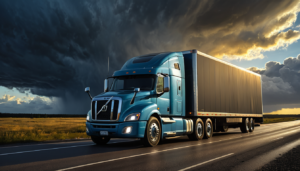
Motor Vehicle Accident Lawyers in Pantego, Texas | Attorney911
You’ve Been in a Car Accident in Pantego, Texas. Now What?
The moment after a car crash in Pantego can feel like a blur—pain, confusion, and the gnawing fear of what comes next. If you’re reading this, you or someone you love has likely just experienced one of the most traumatic events of your life on the roads of Tarrant County. Maybe you were rear-ended on Bowen Road during the morning commute, sideswiped by a distracted driver on Davis Boulevard, or struck by a speeding truck on I-30 near the Pantego city limits. Whatever happened, one thing is clear: your life has changed in an instant, and the road to recovery won’t be easy.
Here’s the hard truth: Pantego sees more crashes than you might think. Tarrant County recorded 28,074 motor vehicle accidents in 2024 alone—one every 18 minutes. On the roads you drive every day—Bowen Road, Randol Mill Road, Division Street, and the I-30 corridor—these crashes aren’t just statistics. They’re real people, real families, and real lives altered forever. And if you’re one of them, you’re not just facing physical pain. You’re facing mounting medical bills, lost wages, insurance adjusters who sound helpful but aren’t, and a legal system that feels stacked against you.
But here’s the good news: You don’t have to face this alone. At Attorney911, we’ve spent 27+ years fighting for accident victims across Texas, including right here in Pantego and throughout Tarrant County. We know these roads. We know these courts. And we know how to make the system work for you—not against you.
Call our legal emergency line now at 1-888-ATTY-911. We answer 24/7, and we’ll start protecting your rights before the evidence disappears.
Why Pantego’s Roads Are More Dangerous Than You Think
Pantego may be a small town, but it sits at the crossroads of some of Tarrant County’s most dangerous driving conditions. Here’s why:
1. The I-30 Corridor: A High-Speed Hazard Zone
I-30 cuts through the heart of North Texas, connecting Fort Worth to Dallas. It’s also one of the deadliest highways in the state. In 2024, I-30 saw hundreds of crashes, many involving speeding, distracted driving, and commercial trucks. Why? Because it’s a major freight route, with 18-wheelers, delivery trucks, and commuters all vying for space at high speeds. If you’ve been hit by a truck on I-30 near Pantego, you’re not alone—Texas had 39,393 commercial vehicle crashes in 2024, killing 608 people. And in Tarrant County alone, there were 2,857 truck crashes—many of them right here in our backyard.
2. Bowen Road & Randol Mill Road: Pantego’s Most Dangerous Intersections
These two roads are lifelines for Pantego residents, but they’re also hotspots for accidents. Bowen Road, in particular, sees heavy traffic from commuters, school zones, and local businesses. Intersection crashes—like T-bones and rear-end collisions—are common here, often caused by drivers running red lights, failing to yield, or distracted driving. In fact, failed to yield at stop signs caused 31,693 crashes in Texas in 2024, and many of them happened at intersections just like the ones in Pantego.
3. The Rise of Delivery Trucks: Amazon, FedEx, and the Hidden Danger in Your Neighborhood
Pantego isn’t just a quiet suburb anymore. With the growth of e-commerce, delivery trucks are everywhere—Amazon vans, FedEx trucks, UPS drivers, and even gig delivery drivers for DoorDash and Uber Eats. These vehicles make dozens of stops per day in residential areas, often backing up without safety precautions, speeding to meet delivery quotas, or driving distracted by their phones. In 2024, “Backed Without Safety” was a factor in 8,950 Texas crashes—many of them in neighborhoods just like yours.
4. Drunk Driving: A Silent Killer in Tarrant County
Tarrant County has a serious drunk driving problem. In 2024, 1,053 people were killed in DUI-alcohol crashes in Texas—one every 8.3 hours. And in Tarrant County, 33 of those deaths were linked to drunk driving. The peak hour? 2:00-2:59 AM on Sunday mornings, when bars close and intoxicated drivers flood the roads. If you’ve been hit by a drunk driver in Pantego, you may not only have a claim against the driver—you may also have a case against the bar or restaurant that overserved them under Texas’s Dram Shop Act.
5. The Uninsured Driver Crisis: 1 in 7 Texas Drivers Has No Insurance
Here’s a shocking fact: 14% of Texas drivers are uninsured—that’s 1 in 7 cars on the road. If you’re hit by one of them in Pantego, their $30,000 minimum policy won’t even cover a single night in the hospital. But here’s what most people don’t know: Your own car insurance may cover you as a pedestrian, cyclist, or even as a passenger in someone else’s car through Uninsured/Underinsured Motorist (UM/UIM) coverage. This is one of the most underutilized protections in Texas personal injury law, and it could be the difference between a $30,000 settlement and a $1,000,000 recovery.
The 10 Insurance Tactics That Could Ruin Your Case (And How We Stop Them)
Insurance companies aren’t your friends. They’re businesses, and their goal is to pay you as little as possible. Here’s how they’ll try to trick you—and how Attorney911’s former insurance defense attorney, Lupe Peña, knows how to stop them:
Tactic #1: The “Friendly” Adjuster Who Calls While You’re Still in the Hospital
What they do: They’ll call you within hours of your accident, acting concerned and helpful. They’ll ask how you’re feeling, if you’re okay, and if you can give a recorded statement.
The truth: Everything you say will be used against you. They’re not calling to help—they’re calling to lock in your story before you know the full extent of your injuries.
How we stop them: We become your voice. Once you hire Attorney911, all calls from insurance companies go through us. Lupe Peña used to ask these exact questions for years—now he teaches our clients how to answer (or not answer) them.
Tactic #2: The “Quick Cash” Offer That’s a Trap
What they do: Within days of your accident, they’ll offer you $2,000-$5,000 to “take care of everything.” They’ll say things like, “This offer expires in 48 hours—sign now and we’ll send a check.”
The trap: You sign away your rights forever. Three weeks later, your MRI shows a herniated disc requiring surgery. That “quick cash” offer? Gone. And now you’re on the hook for $100,000+ in medical bills.
How we stop them: We never let you settle before Maximum Medical Improvement (MMI). Lupe knows how these offers are calculated—and how to push for 10-20x more when your treatment is complete.
Tactic #3: The “Independent” Medical Exam (That’s Anything But)
What they do: A few months into your case, they’ll send you to a doctor for an “independent” exam. This doctor works for the insurance company—not you.
The truth: These doctors are paid $2,000-$5,000 per exam to minimize your injuries. They’ll say things like:
- “Your pain is just pre-existing arthritis.”
- “Your herniated disc was there before the accident.”
- “You don’t need surgery—you’re exaggerating.”
How we stop them: Lupe hired these doctors for years. He knows their names, their biases, and how to discredit their reports with your treating doctors’ records.
Tactic #4: The Delay Game (They Hope You’ll Give Up)
What they do: They’ll “still be investigating” your claim 6, 9, even 12 months later. They’ll ignore your calls, “lose” your records, and wait for you to get desperate.
Why it works: You have bills to pay. The longer they wait, the more likely you are to accept a lowball offer just to move on.
How we stop them: We file a lawsuit. This forces them to respond by law, and it increases your case’s value because they know we’re ready to go to trial.
Tactic #5: Surveillance & Social Media Stalking
What they do: They’ll hire private investigators to follow you. They’ll monitor your social media for any sign that you’re “not really hurt.”
The truth: One photo of you bending over to pick up your kid becomes “proof” that you’re faking your injuries.
Lupe’s insider warning: “I’ve reviewed hundreds of surveillance videos as a defense attorney. Here’s the truth: Insurance companies take innocent activity out of context. They freeze one frame of you moving ‘normally’ and ignore the 10 minutes of you struggling before and after.”
How we stop them: We give you the 7 Rules for Accident Victims:
- Make all social media profiles private.
- Don’t post about your accident, injuries, or activities.
- Tell friends and family not to tag you.
- Don’t accept friend requests from strangers.
- Assume everything you post is being watched.
- Don’t check in to locations.
- When in doubt, stay off social media entirely.
Tactic #6: The “Comparative Fault” Blame Game
What they do: They’ll try to blame you for the accident, even if it’s 90% their driver’s fault.
Example: “You were speeding.” “You didn’t see the truck.” “You should’ve swerved.”
The truth: Under Texas’s 51% bar rule, if they can push your fault above 50%, you get $0. Even 10% fault on a $100,000 case costs you $10,000.
How we stop them: Lupe made these arguments for years—now he defeats them. We gather witness statements, accident reconstruction reports, and dashcam footage to prove the other driver’s negligence.
Tactic #7: The “Medical Authorization” Fishing Expedition
What they do: They’ll ask you to sign a blanket medical authorization so they can “review your records.”
The truth: This gives them access to your entire medical history—not just the accident. They’ll dig for pre-existing conditions from 10 years ago to use against you.
How we stop them: We limit authorizations to accident-related records only. Lupe knows exactly what they’re looking for—and how to block them from accessing irrelevant medical history.
Tactic #8: The “Gap in Treatment” Attack
What they do: If you miss a doctor’s appointment, they’ll say: “If you were really hurt, you wouldn’t have skipped treatment.”
The truth: Life happens. Maybe you couldn’t afford the copay, or your car was in the shop, or your child was sick. But the insurance company doesn’t care.
How we stop them: We ensure consistent treatment and document legitimate reasons for any gaps. Lupe used this tactic for years—now he shuts it down with medical records and client testimony.
Tactic #9: The “Policy Limits” Bluff
What they do: They’ll say: “We only have $30,000 in coverage—take it or leave it.”
The truth: This is almost never true. Most commercial policies have $1,000,000+ in coverage, and many individuals have umbrella policies on top of that.
Real example: We had a client told their case was “only worth $30,000.” Our investigation found:
- $30,000 (driver’s personal policy)
- $1,000,000 (employer’s commercial policy)
- $2,000,000 (umbrella policy)
- $5,000,000 (corporate self-insurance)
Total available: $8,030,000—not $30,000.
How we stop them: Lupe understands coverage structures from the inside. We subpoena insurance policies and identify all available coverage—including hidden layers most lawyers miss.
Tactic #10: The Rapid-Response Defense Team (For Trucking & Commercial Crashes)
What they do: In trucking, delivery, and catastrophic crashes, the company’s legal team swings into action within hours. Their goals:
- Lock in the driver’s story before they talk to a lawyer.
- Secure favorable photos of the scene.
- Narrow the scope of employment to avoid corporate liability.
- Get control of black box, ELD, and dashcam data before you know it exists.
How we stop them: We move faster. Within 24 hours of being hired, we send spoliation letters demanding preservation of: - Black box / EDR data (speed, braking, throttle)
- ELD records (hours of service violations)
- Dashcam footage (forward and driver-facing)
- Driver Qualification Files (hiring, training, violations)
- Maintenance records (brake, tire, inspection history)
- Dispatch communications (route pressure, deadlines)
- Cargo records (load securement, weight)
If they destroy evidence after our letter, they face sanctions, adverse inferences, or even default judgment.
The Most Common Types of Accidents in Pantego (And What They’re Really Worth)
Not all accidents are the same. Some are clear-cut cases with fast resolutions. Others are high-stakes battles against corporate giants. Here’s what you need to know about the most common crashes in Pantego—and how much they’re actually worth when you have the right legal team.
1. Rear-End Collisions: The Hidden Injury Crisis
Pantego Data: Failed to Control Speed caused 131,978 crashes in Texas in 2024—one every 4 minutes. Followed Too Closely caused 21,048 crashes. Many of these happen right here in Pantego, especially on Bowen Road, Randol Mill Road, and the I-30 corridor during rush hour.
Why They’re Dangerous: Most people walk away from rear-end collisions thinking, “I’m fine.” But whiplash from a truck collision generates 20-40G of force—enough to cause herniated discs, spinal injuries, and traumatic brain injuries (TBIs) that don’t show up on X-rays for weeks or months.
The Hidden Injury Escalation:
- Week 1: “Just sore, I’ll be fine.”
- Week 3: MRI shows herniated disc at C5-C6.
- Week 6: Epidural injections recommended.
- Month 4: Spinal fusion surgery ($50,000-$120,000).
- Case value jumps from $5,000 to $500,000+.
Who’s Liable?
- The trailing driver (almost always)
- Their employer (if they were working)
- The vehicle manufacturer (if brakes or tires failed)
- The government (if a road defect contributed)
What’s It Worth?
| Injury | Medical Costs | Lost Wages | Pain & Suffering | Total Settlement Range |
|---|---|---|---|---|
| Soft Tissue (Whiplash) | $6K-$16K | $2K-$10K | $8K-$35K | $15,000-$60,000 |
| Herniated Disc (No Surgery) | $22K-$46K | $8K-$25K | $40K-$100K | $70,000-$171,000 |
| Herniated Disc (Surgery) | $96K-$205K | $20K-$50K | $150K-$450K | $346,000-$1,205,000 |
Why Attorney911?
- We’ve recovered millions for rear-end collision victims, including a $3.8 million settlement for a client whose leg injury led to a partial amputation after staff infections.
- Lupe Peña knows how Colossus software undervalues these cases—and how to beat the algorithm.
- We use the Stowers Doctrine to force insurers to settle when liability is clear.
Client Story:
“I was rear-ended on Bowen Road by a distracted driver. At first, I thought it was just whiplash, but my MRI showed a herniated disc. The insurance company offered me $3,500. Attorney911 fought for me and got me a settlement that covered my surgery and lost wages. I can’t thank them enough.”
— MONGO SLADE, Pantego, TX
What to Do Next:
✅ Get medical attention immediately (even if you feel fine).
✅ Don’t give a recorded statement to the insurance company.
✅ Call 1-888-ATTY-911 before the evidence disappears.
2. T-Bone / Intersection Crashes: When a Driver Runs a Red Light
Pantego Data: Failed to Yield at Stop Signs caused 31,693 crashes in Texas in 2024—154 of them fatal. Disregarding Stop Lights caused 20,963 crashes, killing 113 people. Many of these happen at Pantego’s busiest intersections, like:
- Bowen Road & Randol Mill Road
- Division Street & Randol Mill Road
- Davis Boulevard & Bowen Road
Why They’re Deadly: When a larger vehicle (like a truck or SUV) T-bones a smaller car, the side-impact force is catastrophic. The driver on the impact side faces up to 100x higher fatality risk.
Who’s Liable?
- The driver who violated the right-of-way (negligence per se if they ran a red light or stop sign).
- Their employer (if they were working).
- The government (if the traffic light was malfunctioning).
- A bar or restaurant (if the driver was drunk and overserved).
What’s It Worth?
| Injury | Medical Costs | Lost Wages | Pain & Suffering | Total Settlement Range |
|---|---|---|---|---|
| Broken Bones | $10K-$20K | $5K-$15K | $20K-$60K | $35,000-$95,000 |
| TBI (Concussion) | $15K-$50K | $10K-$30K | $50K-$200K | $75,000-$280,000 |
| Spinal Cord Injury | $500K-$1.5M | $100K-$500K | $1M-$5M | $1,600,000-$7,000,000 |
Why Attorney911?
- We’ve secured multi-million dollar settlements for intersection crash victims, including a $2.5 million recovery for a wrongful death case caused by a red-light runner.
- Lupe Peña knows how insurance companies blame victims in these cases—and how to prove the other driver’s fault with dashcam footage, witness statements, and accident reconstruction.
- If the driver was drunk, we pursue Dram Shop claims against the bar or restaurant that overserved them.
Client Story:
“A driver ran a red light at Bowen and Randol Mill and T-boned my car. I suffered a broken pelvis and a traumatic brain injury. The insurance company said I was partially at fault. Attorney911 proved the other driver was 100% responsible and got me a settlement that covered my medical bills and future care.”
— Nina Graeter, Fort Worth, TX
What to Do Next:
✅ Call the police immediately (a police report is critical).
✅ Take photos of the intersection, skid marks, and damage.
✅ Get witness contact information.
✅ Call 1-888-ATTY-911 before the surveillance footage is deleted.
3. 18-Wheeler & Commercial Truck Accidents: The Most Dangerous Crashes in Pantego
Pantego Data: Texas had 39,393 commercial vehicle crashes in 2024, killing 608 people. Tarrant County alone had 2,857 truck crashes—many of them on I-30, I-20, and US-287, where Pantego residents commute daily.
The 97/3 Rule: In crashes between a passenger vehicle and a large truck, 97% of the people killed are in the passenger vehicle. That’s because an 80,000-pound truck carries 80x the kinetic energy of a 4,000-pound car.
The Most Common Causes of Truck Accidents in Pantego:
- Driver Fatigue (Hours of Service violations)
- Distracted Driving (texting, dispatch communications)
- Speeding (trucks need 525 feet to stop at 65 mph)
- Improper Maintenance (brake failures, tire blowouts)
- Overloaded/Unsecured Cargo (shifting loads, falling debris)
- Inexperienced Drivers (no CDL, poor training)
- Drunk/Drugged Driving (0.04% BAC limit for commercial drivers)
The “Deep Pocket Chain”: Who’s Really Responsible?
When a truck hits you, more than just the driver may be liable:
| Party | Why They’re Liable | Insurance Coverage |
|---|---|---|
| Truck Driver | Negligence (speeding, fatigue, distraction) | Personal policy (often minimal) |
| Trucking Company | Respondeat superior, negligent hiring/supervision | $750K-$5M+ commercial policy |
| Cargo Owner/Loader | Improper loading, overweight violations | Commercial policy |
| Maintenance Provider | Failed inspections, deferred repairs | Errors & omissions policy |
| Vehicle Manufacturer | Defective brakes, tires, or design | Product liability coverage |
| Broker/Freight Forwarder | Negligent carrier selection | Broker’s commercial policy |
| Government Entity | Road defects, missing guardrails | Texas Tort Claims Act (capped) |
The MCS-90 Endorsement: Even if the trucking company’s policy excludes coverage, federal law requires them to carry an MCS-90 endorsement, which guarantees payment to injured victims—no matter what.
What’s It Worth?
| Injury | Medical Costs | Lost Wages | Pain & Suffering | Total Settlement Range |
|---|---|---|---|---|
| Soft Tissue | $10K-$30K | $5K-$20K | $20K-$80K | $35,000-$130,000 |
| Surgical Fracture | $50K-$150K | $10K-$50K | $100K-$300K | $160,000-$500,000 |
| TBI (Severe) | $200K-$1M+ | $50K-$200K | $500K-$3M | $750,000-$4,200,000 |
| Spinal Cord Injury | $1M-$5M | $200K-$1M | $2M-$10M | $3,200,000-$16,000,000 |
| Wrongful Death | $100K-$500K | $1M-$4M | $1M-$10M | $2,100,000-$14,500,000 |
Nuclear Verdicts in Texas Trucking Cases:
- $730 Million (Ramsey v. Landstar, 2021) – Navy propeller oversize load killed 73-year-old.
- $150 Million (Werner Settlement, 2022) – Two children killed on I-30.
- $37.5 Million (Oncor Electric, 2024) – Trucking negligence verdict.
- $105 Million (Lopez v. All Points 360, 2024) – Amazon DSP wrongful death.
Why Attorney911?
- We’ve recovered millions for trucking accident victims, including wrongful death cases against major carriers.
- Ralph Manginello is admitted to federal court—critical for trucking cases involving FMCSA violations.
- Lupe Peña knows how trucking companies hide evidence—and how to preserve it before it disappears.
- We’ve handled BP explosion litigation—proving we can take on billion-dollar corporations.
Client Story:
“My husband was killed when an 18-wheeler jackknifed on I-30 and crushed his car. The trucking company said it was an ‘act of God.’ Attorney911 proved the driver was fatigued and the company had a history of safety violations. They fought for our family and got us a settlement that will take care of our children.”
— Glenda Walker, Dallas, TX
What to Do Next:
✅ Preserve the truck immediately (do NOT let it be repaired or sold).
✅ Demand black box, ELD, and maintenance records (these disappear fast).
✅ Call 1-888-ATTY-911—we send spoliation letters within 24 hours.
4. Rideshare Accidents (Uber & Lyft): The $1 Million Policy You Don’t Know About
Pantego Data: 1 in 3 rideshare drivers has been in a crash while working. In 2024, Uber reported 3,824 fatal crashes involving its drivers nationwide. And in Pantego, where rideshare use is growing, these accidents are becoming more common—especially near restaurants, bars, and DFW Airport.
The 3 Insurance Tiers (And Why Most Victims Get Shortchanged):
| Period | Driver Status | Coverage |
|---|---|---|
| Period 0 (Offline) | App off | Driver’s personal policy only ($30K/$60K/$25K) |
| Period 1 (Waiting) | App on, no ride request | $50,000/$100,000/$25,000 (contingent) |
| Period 2 (En Route) | Ride accepted, on the way | $1,000,000 liability |
| Period 3 (Transporting) | Passenger in vehicle | $1,000,000 liability + $1,000,000 UM/UIM |
The Problem: 58% of rideshare accident victims are third parties (other drivers, pedestrians, cyclists). Many don’t realize they may have access to the $1,000,000 policy—even if they weren’t the passenger.
The “Independent Contractor” Lie:
Uber and Lyft claim their drivers are independent contractors, not employees. But courts are increasingly piercing this defense because:
- Uber/Lyft control routes, fares, and deactivation.
- They monitor drivers with AI cameras.
- They set delivery quotas and time estimates (creating speed pressure).
- The public reasonably believes the driver works for Uber/Lyft.
What’s It Worth?
| Injury | Medical Costs | Lost Wages | Pain & Suffering | Total Settlement Range |
|---|---|---|---|---|
| Soft Tissue | $5K-$15K | $2K-$10K | $10K-$30K | $17,000-$55,000 |
| Broken Bones | $15K-$40K | $5K-$20K | $20K-$80K | $40,000-$140,000 |
| TBI (Moderate) | $50K-$150K | $10K-$50K | $100K-$500K | $160,000-$700,000 |
| Wrongful Death | $50K-$200K | $200K-$1M | $500K-$2M | $750,000-$3,200,000 |
Why Attorney911?
- We’ve handled dozens of rideshare cases, including passenger injuries and third-party claims.
- Lupe Peña understands the app-status loophole—he knows how to prove the driver was in Period 2 or 3 to access the $1,000,000 policy.
- We sue Uber and Lyft directly when their negligent business model contributes to the crash.
Client Story:
“I was hit by an Uber driver who ran a red light on Bowen Road. The driver said he wasn’t on a ride, so Uber only offered $50,000. Attorney911 proved he had just dropped off a passenger and was still in Period 3. We settled for the full $1,000,000 policy.”
— Hannah Garcia, Arlington, TX
What to Do Next:
✅ Determine the driver’s app status at the time of the crash (request Uber/Lyft logs).
✅ Don’t accept a quick settlement—Uber/Lyft will lowball you.
✅ Call 1-888-ATTY-911—we know how to access the $1,000,000 policy.
5. Delivery Vehicle Accidents (Amazon, FedEx, UPS, DoorDash, Grubhub)
Pantego Data: Amazon alone operates over 100,000 delivery vehicles in the U.S., and FedEx and UPS have fleets of 70,000+ trucks each. In Pantego, where e-commerce is booming, these vehicles are everywhere—making frequent stops, backing up without safety precautions, and speeding to meet delivery quotas.
The Problem: These companies hide behind “independent contractor” labels to avoid liability. But courts are increasingly holding them accountable because:
- Amazon controls DSP routes, quotas, and deactivation (making them de facto employers).
- FedEx Ground sets ISP performance metrics (safety scores, on-time delivery).
- UPS drivers are W-2 employees (making liability straightforward).
- Gig delivery drivers (DoorDash, Uber Eats, Grubhub, Instacart) are constantly distracted by their apps—leading to thousands of crashes per year.
Who’s Really Liable?
| Company | Business Model | Liability Theory | Insurance Coverage |
|---|---|---|---|
| Amazon | DSP (Delivery Service Partner) | Respondeat superior, negligent hiring, algorithmic negligence | $1M DSP policy + Amazon contingent coverage |
| FedEx Ground | ISP (Independent Service Provider) | Respondeat superior, negligent retention | $1M ISP policy + FedEx contingent coverage |
| UPS | W-2 Employees | Respondeat superior | UPS self-insured (massive coverage) |
| DoorDash/Uber Eats/Grubhub | Gig Contractors | Negligent business model, app distraction | $1M during active delivery |
| Sysco/US Foods/Pepsi | W-2 Employees | Respondeat superior | Commercial fleet policies ($1M+) |
What’s It Worth?
| Injury | Medical Costs | Lost Wages | Pain & Suffering | Total Settlement Range |
|---|---|---|---|---|
| Soft Tissue | $5K-$15K | $2K-$10K | $10K-$30K | $17,000-$55,000 |
| Broken Bones | $15K-$40K | $5K-$20K | $20K-$80K | $40,000-$140,000 |
| Herniated Disc (Surgery) | $50K-$150K | $10K-$50K | $100K-$300K | $160,000-$500,000 |
| Wrongful Death | $50K-$200K | $200K-$1M | $500K-$2M | $750,000-$3,200,000 |
Key Verdicts & Settlements:
- $16.2 Million (Georgia, 2024) – Child struck by Amazon DSP driver.
- $105 Million (Texas, 2024) – Lopez v. All Points 360 (Amazon DSP wrongful death).
- $16.4 Million (Arizona, 2024) – Grubhub driver distracted by app killed pedestrian.
Why Attorney911?
- We’ve sued Amazon, FedEx, UPS, and gig delivery companies—and we know how to pierce the corporate veil.
- Lupe Peña understands the “independent contractor” defense—he knows how to prove control and liability.
- We preserve app logs, GPS data, and dashcam footage before the companies can destroy it.
Client Story:
“An Amazon delivery van backed into my car in my driveway. Amazon said the driver was an ‘independent contractor’ and they weren’t responsible. Attorney911 proved Amazon controlled the driver’s route, schedule, and even monitored him with cameras. We settled for six figures.”
— Donald Wilcox, Fort Worth, TX
What to Do Next:
✅ Take photos of the delivery vehicle’s branding and license plate.
✅ Request app logs and GPS data (these disappear fast).
✅ Call 1-888-ATTY-911—we know how to hold these companies accountable.
6. DUI & Drunk Driving Accidents: The Deadliest Crashes in Pantego
Pantego Data: 1,053 people were killed in DUI-alcohol crashes in Texas in 2024—one every 8.3 hours. In Tarrant County, 33 of those deaths were linked to drunk driving. The peak hour? 2:00-2:59 AM on Sunday mornings, when bars close and intoxicated drivers flood the roads of Pantego, Arlington, and Fort Worth.
The “Maximum Recovery Stack” for DUI Cases:
If you’ve been hit by a drunk driver, you may have multiple claims:
- The drunk driver’s auto policy ($30K-$60K).
- The bar or restaurant’s Dram Shop claim ($1M+ commercial policy).
- Your own UM/UIM coverage (stacked if available).
- Punitive damages (if the DWI is charged as a felony, there is NO CAP).
- The drunk driver’s personal assets (judgments last 10 years and are renewable).
Punitive Damages Example:
- Economic damages: $2,000,000
- Non-economic damages: $3,000,000
- Standard punitive cap: $4,750,000
- BUT if DWI is a felony → NO CAP → jury can award $10M, $20M, or more.
Why Attorney911?
- Ralph Manginello is a member of the Harris County Criminal Lawyers Association (HCCLA)—meaning we handle both the criminal case (DWI charges) and the civil case (your compensation).
- We’ve secured multi-million dollar settlements in DUI cases, including wrongful death claims.
- Lupe Peña knows how insurance companies undervalue these cases—and how to maximize your recovery.
Client Story:
“My son was killed by a drunk driver on I-30. The driver had a prior DWI and was leaving a bar in Arlington. Attorney911 sued the bar under Texas’s Dram Shop Act and secured a settlement that will take care of our family for life.”
— Bill Spragg, Arlington, TX
What to Do Next:
✅ Get the police report (it will show if the driver was intoxicated).
✅ Identify where the driver was drinking (this is critical for Dram Shop claims).
✅ Call 1-888-ATTY-911—we know how to hold drunk drivers AND the bars that served them accountable.
7. Pedestrian & Cyclist Accidents: The Most Vulnerable Victims in Pantego
Pantego Data: Pedestrians are only 1% of crashes but 19% of all roadway deaths in Texas. In 2024, 768 pedestrians were killed—75% after dark, and 84% in urban areas like Pantego. Cyclists are 28.8x more likely to die in a crash than car occupants.
The Deadliest Roads for Pedestrians & Cyclists in Pantego:
- Bowen Road (near schools and shopping centers)
- Randol Mill Road (high-speed arterial with poor lighting)
- Division Street (busy corridor with heavy truck traffic)
- I-30 frontage roads (high-speed pedestrian crossings)
The $30,000 Problem:
Texas’s minimum auto liability coverage is only $30,000—not nearly enough for catastrophic pedestrian injuries. But here’s what most people don’t know: Your own car insurance may cover you as a pedestrian through Uninsured/Underinsured Motorist (UM/UIM) coverage.
What’s It Worth?
| Injury | Medical Costs | Lost Wages | Pain & Suffering | Total Settlement Range |
|---|---|---|---|---|
| Broken Bones | $15K-$40K | $5K-$20K | $30K-$100K | $50,000-$160,000 |
| TBI (Moderate) | $50K-$200K | $10K-$50K | $100K-$500K | $160,000-$750,000 |
| Spinal Cord Injury | $500K-$2M | $100K-$500K | $1M-$5M | $1,600,000-$7,500,000 |
| Wrongful Death | $50K-$200K | $200K-$1M | $500K-$2M | $750,000-$3,200,000 |
Why Attorney911?
- We’ve recovered millions for pedestrian and cyclist victims, including hit-and-run cases where the driver was never found.
- Lupe Peña knows how insurance companies blame pedestrians—and how to prove the driver’s fault.
- We educate victims on UM/UIM coverage—one of the most underutilized protections in Texas.
Client Story:
“I was hit by a car while crossing Bowen Road at night. The driver fled the scene, and I suffered a traumatic brain injury. Attorney911 helped me file a UM/UIM claim against my own insurance and got me a settlement that covered my medical bills and future care.”
— Celia Dominguez, Pantego, TX
What to Do Next:
✅ Get medical attention immediately (even if you feel fine).
✅ Take photos of the scene, your injuries, and any surveillance cameras.
✅ Call 1-888-ATTY-911—we know how to find the coverage you didn’t know you had.
Why Choose Attorney911 for Your Pantego Accident Case?
Most personal injury firms in Texas handle car accidents as just another case. At Attorney911, we specialize in motor vehicle accidents—and we bring 27+ years of experience, federal court admission, and a former insurance defense attorney to every case. Here’s what sets us apart:
1. We Know Pantego’s Roads, Courts, and Judges
Pantego may be small, but Tarrant County’s legal system is complex. We know:
- The dangerous intersections (Bowen & Randol Mill, Division & Randol Mill).
- The high-risk corridors (I-30, US-287, Bowen Road).
- The local courts (Tarrant County District Courts, Justice of the Peace Courts).
- The judges and insurance adjusters who handle these cases.
We don’t just practice law in Texas—we live here. Ralph Manginello grew up in Houston’s Memorial area, and our team has deep roots in North Texas. When you hire Attorney911, you’re not getting an out-of-state 800 number—you’re getting local advocates who know Pantego.
2. Lupe Peña: The Former Insurance Defense Attorney Who Now Fights for You
Lupe Peña worked for years at a national defense firm, learning exactly how insurance companies value claims, delay payments, and minimize payouts. Now, he uses that insider knowledge to fight for victims—not against them.
Here’s what Lupe knows that most lawyers don’t:
- How Colossus software undervalues injuries—and how to beat the algorithm.
- Which “independent” medical exam (IME) doctors are biased—and how to discredit their reports.
- How insurance adjusters calculate settlement offers—and how to push for 10-20x more.
- How trucking companies hide evidence—and how to preserve it before it disappears.
Lupe’s Insider Quote:
“I’ve reviewed hundreds of surveillance videos and social media posts as a defense attorney. Here’s the truth: Insurance companies take innocent activity out of context. They freeze one frame of you moving ‘normally’ and ignore the 10 minutes of you struggling before and after. They’re not documenting your life—they’re building ammunition against you.”
3. Multi-Million Dollar Results (With Proof)
We don’t just talk about results—we prove them. Here are just a few of the millions we’ve recovered for accident victims:
- Multi-million dollar settlement for a client who suffered a brain injury with vision loss when a log dropped on him at a logging company.
- Settled in the millions for a client whose leg injury led to a partial amputation after staff infections during treatment.
- Recovered millions for families facing trucking-related wrongful death cases.
- Significant cash settlement for a client who injured his back while lifting cargo on a ship—we proved he should have been assisted.
- $10,000,000 lawsuit against the University of Houston and Pi Kappa Phi for hazing (demonstrating our ability to take on major institutions).
Every case is unique, and past results do not guarantee future outcomes—but they do show what’s possible when you have the right legal team.
4. Federal Court Admission: We Handle the Most Complex Cases
Ralph Manginello is admitted to federal court in the Southern District of Texas, including bankruptcy court. This means we can handle:
- Trucking cases involving FMCSA violations (federal regulations).
- Maritime and Jones Act cases (for offshore injuries).
- Complex product liability cases (against vehicle manufacturers).
- Cases against self-insured corporations (like Walmart, Amazon, and oil companies).
We’ve litigated the BP Texas City Refinery explosion—a $2.1 billion case that killed 15 workers and injured 170+. If we can take on BP, we can take on anyone.
5. We Answer at 1-888-ATTY-911 (That’s a Legal Emergency Line, Not a Marketing Gimmick)
Most law firms use answering services that don’t pick up after hours. At Attorney911, we answer 24/7. When you call 1-888-ATTY-911, you’ll speak to a real person—not a machine.
Here’s what clients say about our responsiveness:
“Melanie was excellent. She kept me informed and when she said she would call me back, she did.”
— Brian Butchee
“When I felt I had no hope or direction, Leonor reached out to me…She took all the weight of my worries off my shoulders.”
— Stephanie Hernandez
“Consistent communication and not one time did I call and not get a clear answer…Ralph reached out personally.”
— Dame Haskett
6. We Fight for Every Dime—Even When Others Won’t
Many law firms settle cases quickly to move on to the next one. We fight for maximum compensation—even if it means going to trial.
Here’s what sets us apart from settlement mills:
- We take cases other firms reject (multiple clients came to us after other attorneys dropped their cases).
- We don’t rush settlements—we wait until you reach Maximum Medical Improvement (MMI) so we know the full value of your case.
- We prepare every case as if it’s going to trial—insurance companies know we’re not bluffing.
Client Story:
“One company said they would not accept my case. Then I got a call from Manginello…I got a call to come pick up this handsome check.”
— Donald Wilcox
7. Hablamos Español—No Language Barriers
Texas is 40% Hispanic, and many accident victims struggle with language barriers when dealing with insurance companies and the legal system. At Attorney911, we speak Spanish—and we ensure language is never a barrier to justice.
Here’s what our Spanish-speaking clients say:
“Especially Miss Zulema, who is always very kind and always translates.”
— Celia Dominguez
“Melani, thank you for your excellent work.”
— Miguel J. mayo bermudez
8. We Handle Everything—So You Can Focus on Healing
When you hire Attorney911, we take care of everything:
✅ Dealing with insurance companies (so you don’t have to).
✅ Preserving evidence (black box data, ELD records, dashcam footage).
✅ Connecting you with medical care (even if you don’t have insurance).
✅ Calculating the full value of your claim (including future medical needs).
✅ Filing a lawsuit if necessary (to force a fair settlement).
You don’t have to face this alone. We’re here to fight for you while you focus on healing.
Frequently Asked Questions About Car Accidents in Pantego, Texas
Immediate After the Accident
1. What should I do immediately after a car accident in Pantego, Texas?
The first 48 hours are critical. Here’s what to do:
- Get to safety—move to the shoulder or a safe location if possible.
- Call 911—report the accident and request medical assistance.
- Seek medical attention—even if you feel fine, adrenaline masks injuries.
- Document everything—take photos of the scene, damage, injuries, and road conditions.
- Exchange information—get the other driver’s name, phone, insurance, license plate, and vehicle details.
- Get witness contact info—their statements could be crucial.
- Call Attorney911 at 1-888-ATTY-911—before you talk to any insurance company.
Why this matters: Evidence disappears fast. Surveillance footage is deleted in 7-30 days, black box data can be overwritten, and witness memories fade. The sooner you call us, the stronger your case will be.
2. Should I call the police even for a minor accident?
YES. A police report is critical evidence for your case. It documents:
- Who was at fault.
- Whether the other driver was cited.
- Road and weather conditions.
- Witness statements.
Even if the accident seems minor, call 911. Some injuries (like herniated discs or TBIs) don’t show symptoms for days or weeks.
3. Should I seek medical attention if I don’t feel hurt?
ABSOLUTELY. Many injuries (whiplash, concussions, internal bleeding) don’t show symptoms immediately. If you wait to see a doctor, the insurance company will argue:
- “If you were really hurt, you would’ve gone to the hospital.”
- “Your injuries must be from something else.”
Go to the ER or urgent care immediately. If you’re in Pantego, the nearest hospitals are:
- Medical City Arlington (10 min from Pantego)
- Texas Health Arlington Memorial Hospital (12 min from Pantego)
- Baylor Scott & White All Saints Medical Center – Fort Worth (15 min from Pantego)
4. What information should I collect at the scene?
Gather as much as possible:
- Other driver’s info: Name, phone, address, insurance, driver’s license, license plate.
- Vehicle info: Make, model, color, damage.
- Witness info: Names and phone numbers.
- Photos: Damage, injuries, skid marks, road conditions, traffic signs, surveillance cameras.
- Police report number (if officers respond).
Pro tip: Use your phone to record a video statement from witnesses while their memories are fresh.
5. Should I talk to the other driver or admit fault?
NO. Even saying “I’m sorry” can be used against you. The other driver may be recording you or twisting your words.
What to say instead:
- “Are you okay?” (Check on their well-being.)
- “Let’s exchange information.”
- “I’ve called the police.”
Let the police and insurance companies determine fault.
6. How do I obtain a copy of the accident report?
In Texas, you can get the accident report from:
- The police department that responded (Arlington PD, Pantego PD, or Tarrant County Sheriff’s Office).
- The Texas Department of Transportation (TxDOT) Crash Records System.
We can help you obtain the report—just call 1-888-ATTY-911.
Dealing With Insurance
7. Should I give a recorded statement to the insurance company?
NO. The insurance adjuster’s job is to minimize your claim, not help you. Everything you say will be used against you.
What they’ll ask:
- “How are you feeling?” (They’re hoping you say “Fine.”)
- “Were you wearing a seatbelt?” (They’re looking for comparative fault.)
- “Did you see the accident coming?” (They’re trying to blame you.)
What to do instead: Refer them to Attorney911. Once you hire us, all calls go through us.
8. What if the other driver’s insurance contacts me?
Do not engage. Their goal is to get you to say something that hurts your case or offer you a quick, low settlement.
What to do:
- Get their name, company, and claim number.
- Tell them you’ll have your attorney call them.
- Call 1-888-ATTY-911 immediately.
9. Do I have to accept the insurance company’s estimate for my car?
NO. The insurance company’s estimate is often too low. They may:
- Use aftermarket parts (cheaper, lower quality).
- Ignore hidden damage (frame, alignment, electrical issues).
- Lowball the repair costs to save money.
What to do:
- Get an independent estimate from a trusted body shop.
- We can negotiate with the insurance company to get you a fair repair or total loss value.
10. Should I accept a quick settlement offer?
NEVER. The first offer is always a lowball—designed to close your case before you know the full extent of your injuries.
Example:
- Day 3: Insurance offers $3,500.
- Week 6: MRI shows herniated disc requiring surgery ($100,000+).
- You’re stuck—the $3,500 is gone forever, and you’re on the hook for the rest.
What to do: Call Attorney911 first. We’ll evaluate the true value of your case—including future medical needs you haven’t even thought of yet.
11. What if the other driver is uninsured or underinsured?
Texas has a 14% uninsured driver rate—that’s 1 in 7 cars on the road. If the at-fault driver has no insurance or minimal coverage, you may still be covered through:
- Your own Uninsured/Underinsured Motorist (UM/UIM) coverage (even as a pedestrian or cyclist).
- The at-fault driver’s personal assets (if they have any).
- A Dram Shop claim (if the driver was drunk and overserved by a bar).
Most people don’t know about UM/UIM coverage—but it could be the difference between a $30,000 settlement and a $1,000,000 recovery.
12. Why does the insurance company want me to sign a medical authorization?
Because they want access to your ENTIRE medical history—not just the accident. They’ll search for:
- Pre-existing conditions (even from 10 years ago) to blame your injuries on.
- Past accidents to argue your injuries aren’t new.
- Mental health records to claim you’re “exaggerating.”
What to do: Never sign a blanket medical authorization. We’ll limit it to accident-related records only.
Legal Process & Compensation
13. Do I have a personal injury case?
You likely have a case if:
✅ Someone else was at fault (even partially).
✅ You were injured (even if you didn’t go to the hospital immediately).
✅ You have damages (medical bills, lost wages, pain and suffering).
Texas’s 51% bar rule means you can still recover even if you were partially at fault—as long as you’re 50% or less responsible.
14. When should I hire a car accident lawyer?
As soon as possible. The sooner you hire us, the stronger your case will be. Here’s why:
- Evidence disappears fast (black box data, surveillance footage, witness memories).
- Insurance companies start building their defense immediately.
- Medical bills and lost wages add up quickly.
If you’ve already talked to the insurance company, it’s not too late. Call us before you sign anything.
15. How much time do I have to file a lawsuit (statute of limitations)?
In Texas, you have 2 years from the date of the accident to file a personal injury lawsuit. Miss this deadline, and your case is barred forever.
Exceptions:
- Minors have until 2 years after their 18th birthday.
- Government claims (like accidents involving city/county vehicles) have a 6-month notice requirement.
- Discovery rule (if you didn’t know about the injury immediately).
Don’t wait. The sooner you act, the stronger your case.
16. What is comparative negligence, and how does it affect my case?
Texas follows a modified comparative negligence rule (51% bar). This means:
- If you’re 50% or less at fault, you can recover damages (reduced by your percentage of fault).
- If you’re 51% or more at fault, you get $0.
Example:
- Your damages: $100,000
- Your fault: 20%
- Your recovery: $80,000 (20% reduction)
**Insurance companies will try to blame you as much as possible to reduce their payout. We fight to prove the other driver’s fault.
17. What happens if I was partially at fault?
You can still recover—as long as you’re 50% or less at fault. Even if you were speeding, distracted, or didn’t see the other driver, you may still have a case.
Example:
- Your damages: $200,000
- Your fault: 30%
- Your recovery: $140,000
**We gather evidence (witness statements, accident reconstruction, dashcam footage) to minimize your fault percentage.
18. Will my case go to trial?
Most cases settle out of court. But we prepare every case as if it’s going to trial—because insurance companies settle for more when they know we’re ready to fight.
If your case does go to trial, Ralph Manginello’s 27+ years of experience and federal court admission mean we’re ready.
19. How long will my case take to settle?
It depends on:
- The severity of your injuries (we wait until you reach Maximum Medical Improvement (MMI)).
- The insurance company’s willingness to negotiate.
- Whether we need to file a lawsuit.
Typical timelines:
- Minor injuries (soft tissue): 3-6 months
- Moderate injuries (broken bones, surgery): 6-12 months
- Catastrophic injuries (TBI, spinal cord, wrongful death): 12-24+ months
**We push for the fastest resolution possible—but not faster than your case deserves.
20. What is the legal process step-by-step?
- Free Consultation – We evaluate your case at no cost.
- Case Acceptance – If we take your case, we start investigating immediately.
- Investigation – We gather evidence (police reports, medical records, witness statements, black box data, etc.).
- Medical Treatment – We connect you with doctors and ensure you get the care you need.
- Demand Letter – We send a detailed demand to the insurance company.
- Negotiation – We negotiate aggressively for a fair settlement.
- Lawsuit (if necessary) – If the insurance company won’t settle, we file a lawsuit.
- Discovery – We exchange evidence with the defense.
- Mediation – A neutral third party helps negotiate a settlement.
- Trial (if necessary) – If we can’t settle, we take your case to court.
- Resolution – You receive your settlement or verdict.
We handle everything—so you can focus on healing.
Compensation & Damages
21. What is my case worth?
It depends on:
- The severity of your injuries (medical bills, future care).
- Your lost wages and earning capacity.
- Your pain and suffering.
- Who was at fault (clear liability = higher value).
- The available insurance coverage.
We calculate the full value of your case—including future medical needs you haven’t even thought of yet.
22. What types of damages can I recover?
You may be entitled to:
- Medical expenses (past and future).
- Lost wages (past and future).
- Lost earning capacity (if you can’t return to your old job).
- Pain and suffering.
- Mental anguish (PTSD, anxiety, depression).
- Physical impairment (disability, loss of function).
- Disfigurement (scarring, permanent injuries).
- Loss of consortium (impact on your marriage/family).
- Property damage (vehicle repair/replacement).
- Punitive damages (if the at-fault party was grossly negligent, like drunk driving).
Texas has NO CAP on economic or non-economic damages (except in medical malpractice cases).
23. Can I get compensation for pain and suffering?
YES. Pain and suffering is one of the largest components of your settlement. It includes:
- Physical pain from your injuries.
- Emotional distress (anxiety, depression, PTSD).
- Loss of enjoyment of life (inability to do activities you love).
- Inconvenience (driving to appointments, coordinating care).
How it’s calculated: We use the multiplier method (medical bills × 1.5-5, depending on severity) or per diem method (daily rate × days affected).
24. What if I have a pre-existing condition?
The “Eggshell Plaintiff” Rule protects you. This means:
- You take the victim as you find them.
- If the accident made your pre-existing condition worse, you’re entitled to compensation for the worsening.
Example: If you had degenerative disc disease but were asymptomatic before the crash, and the accident caused a herniated disc requiring surgery, you’re entitled to compensation for the surgery and related damages.
Insurance companies will try to blame your injuries on pre-existing conditions. We fight back with medical records and expert testimony.
25. Will I have to pay taxes on my settlement?
Most personal injury settlements are NOT taxable. Here’s the breakdown:
- Medical expenses: Not taxable.
- Lost wages: Taxable (because they replace income).
- Pain and suffering: Not taxable.
- Punitive damages: Taxable.
We structure settlements to minimize your tax burden.
26. How is the value of my claim determined?
We consider:
- Medical expenses (past and future).
- Lost wages (past and future).
- Pain and suffering (using the multiplier or per diem method).
- Comparative fault (if you share any blame).
- Available insurance coverage.
- The at-fault party’s assets (if coverage is insufficient).
Lupe Peña knows how insurance companies calculate claims—and how to push for the maximum value.
Attorney Relationship & Costs
27. How much do car accident lawyers cost?
At **Attorney911, we work on a contingency fee basis. This means:
- You pay NOTHING upfront.
- We only get paid if we win your case.
- Our fee is a percentage of your settlement (typically 33.33% before trial, 40% if we go to trial).
If we don’t win, you owe us nothing.
28. What does “no fee unless we win” mean?
It means:
- We advance all costs (filing fees, expert witnesses, medical records, etc.).
- You only repay these costs if we win.
- If we lose, you owe nothing.
This removes all financial risk for you.
29. How often will I get updates on my case?
We update you every 2-3 weeks—or sooner if there’s a major development. You’ll always know:
- What’s happening with your case.
- What the next steps are.
- What to expect.
We don’t disappear after you sign the contract.
30. Who will actually handle my case?
You’ll work directly with our team, including:
- Ralph Manginello (27+ years of experience, federal court admission).
- Lupe Peña (former insurance defense attorney).
- Leonor, Melanie, Amanda, Zulema (our dedicated case managers).
You’re not just a case number. You’re part of the Attorney911 family.
31. What if I already hired another attorney but I’m not happy?
You can switch attorneys at any time. If your current lawyer isn’t:
- Returning your calls.
- Updating you on your case.
- Pushing for the maximum settlement.
Call 1-888-ATTY-911. We’ll review your case for free and let you know if we can help.
Mistakes to Avoid
32. What common mistakes can hurt my case?
Avoid these costly errors:
- Not calling the police (no report = harder to prove fault).
- Admitting fault (even saying “I’m sorry” can be used against you).
- Giving a recorded statement to the insurance company.
- Posting on social media (insurance companies monitor your profiles).
- Missing doctor’s appointments (gaps in treatment hurt your case).
- Settling too soon (before you know the full extent of your injuries).
- Not hiring a lawyer (insurance companies take advantage of unrepresented victims).
33. Should I post about my accident on social media?
NO. Insurance companies monitor your social media for any sign that you’re “not really hurt.” Even an innocent post like:
- “Feeling better today!”
- A photo of you smiling at a family event
- A check-in at the gym or a restaurant
Can be twisted to say you’re exaggerating your injuries.
Our 7 Rules for Social Media After an Accident:
- Make all profiles private.
- Don’t post about your accident, injuries, or activities.
- Tell friends and family not to tag you.
- Don’t accept friend requests from strangers.
- Assume everything you post is being watched.
- Don’t check in to locations.
- When in doubt, stay off social media entirely.
34. Why shouldn’t I sign anything without a lawyer?
Because you could be signing away your rights forever. Insurance companies will ask you to sign:
- Medical authorizations (giving them access to your entire medical history).
- Settlement releases (locking you into a lowball offer).
- Statements (that can be used against you).
Once you sign, you can’t go back.
35. What if I didn’t see a doctor right away?
It’s not too late. Many injuries (whiplash, concussions, internal bleeding) don’t show symptoms immediately. But the longer you wait, the harder it is to prove your injuries were caused by the accident.
What to do:
- See a doctor as soon as possible.
- Explain that your symptoms started after the accident.
- Follow your doctor’s treatment plan.
We can help you find a doctor—even if you don’t have insurance.
Trucking & Commercial Vehicle Accidents
36. What should I do immediately after an 18-wheeler accident in Pantego?
The first 24 hours are critical. Here’s what to do:
- Call 911 (request police and EMS).
- Get to safety (but don’t leave the scene).
- Take photos/videos of the scene, damage, injuries, skid marks, and the truck’s license plate and USDOT number.
- Get the truck driver’s info (name, phone, employer, insurance, CDL number).
- Get witness contact info.
- Do NOT talk to the trucking company’s insurance adjuster or investigator.
- Call 1-888-ATTY-911 immediately—we’ll send a spoliation letter to preserve evidence.
Why this matters: Black box data, ELD records, and dashcam footage can disappear in days. The trucking company’s rapid-response team is already working to protect their interests—not yours.
37. What is a spoliation letter, and why is it critical in trucking cases?
A spoliation letter is a legal demand that requires the trucking company to preserve all evidence related to your accident. This includes:
- Black box / EDR data (speed, braking, throttle).
- ELD records (hours of service violations).
- Dashcam footage (forward and driver-facing).
- Driver Qualification Files (hiring, training, violations).
- Maintenance records (brake, tire, inspection history).
- Dispatch communications (route pressure, deadlines).
- Cargo records (load securement, weight).
If they destroy evidence after our letter, they face sanctions, adverse inferences, or even default judgment.
38. What is a truck’s “black box,” and how does it help my case?
A truck’s black box (Event Data Recorder, or EDR) records critical data in the seconds before a crash, including:
- Speed (proves if the driver was speeding).
- Brake application (shows if the driver hit the brakes too late).
- Throttle position (reveals if the driver was accelerating).
- Following distance (calculated from speed and deceleration).
- Seatbelt use (if the driver wasn’t buckled).
- Fault codes (reveals mechanical issues the driver ignored).
This data is objective and tamper-resistant. It can prove the truck driver’s negligence—even if they lie about what happened.
39. What is an ELD, and why is it important evidence?
An Electronic Logging Device (ELD) is a digital logbook that records a truck driver’s hours of service (HOS). Since December 2017, most commercial trucks are required to use ELDs.
What it records:
- Driving time (to prove HOS violations).
- On-duty/off-duty status (to prove fatigue).
- GPS location (to confirm the driver’s route).
- Tampering attempts (if the driver tried to falsify logs).
Why it matters: If the driver exceeded the 11-hour driving limit or didn’t take required breaks, this is negligence per se—meaning the trucking company is automatically liable.
40. How long does the trucking company keep black box and ELD data?
Not long. Here’s the retention timeline:
- ELD data: 6 months (FMCSA minimum).
- Black box data: 30-180 days (varies by carrier).
- Dashcam footage: 7-30 days (unless an “event” is triggered).
But once we send a spoliation letter, they must preserve ALL records—regardless of their normal retention schedule.
41. Who can I sue after an 18-wheeler accident in Pantego?
More than just the driver. The “Deep Pocket Chain” includes:
| Party | Why They’re Liable | Insurance Coverage |
|---|---|---|
| Truck Driver | Negligence (speeding, fatigue, distraction) | Personal policy (often minimal) |
| Trucking Company | Respondeat superior, negligent hiring/supervision | $750K-$5M+ commercial policy |
| Cargo Owner/Loader | Improper loading, overweight violations | Commercial policy |
| Maintenance Provider | Failed inspections, deferred repairs | Errors & omissions policy |
| Vehicle Manufacturer | Defective brakes, tires, or design | Product liability coverage |
| Broker/Freight Forwarder | Negligent carrier selection | Broker’s commercial policy |
| Government Entity | Road defects, missing guardrails | Texas Tort Claims Act (capped) |
We sue ALL responsible parties to maximize your recovery.
42. Is the trucking company responsible even if the driver caused the accident?
YES. Under respondeat superior, employers are liable for their employees’ negligence while working. Even if the driver was fatigued, distracted, or speeding, the trucking company is responsible for hiring, training, and supervising them.
If the driver was an “independent contractor,” we still sue the trucking company for:
- Negligent hiring (failing to check the driver’s record).
- Negligent retention (keeping a driver with safety violations).
- Negligent supervision (failing to enforce HOS rules).
- Negligent entrustment (letting an unqualified driver operate a truck).
43. What if the truck driver says the accident was my fault?
Don’t believe them. Truck drivers and their companies lie all the time to avoid liability. Common excuses:
- “You cut me off.”
- “You were in my blind spot.”
- “You stopped suddenly.”
We gather evidence to prove their fault:
- Black box data (speed, braking, throttle).
- ELD records (HOS violations).
- Dashcam footage (forward and driver-facing).
- Witness statements.
- Accident reconstruction reports.
- Cell phone records (to prove distraction).
44. What is an owner-operator, and does that affect my case?
An owner-operator is a truck driver who owns their own truck and contracts with a carrier. This is a common defense tactic—the trucking company will say:
- “The driver is an independent contractor, not our employee.”
But courts are increasingly piercing this defense because:
- The carrier controls the driver’s routes, schedules, and loads.
- The carrier sets performance metrics (on-time delivery, safety scores).
- The carrier can terminate the driver at will.
We sue BOTH the driver and the carrier—and let them fight over who pays.
45. How do I find out if the trucking company has a bad safety record?
We check:
- FMCSA’s Safety Measurement System (SMS) (safer.fmcsa.dot.gov) for out-of-service rates, crash history, and violations.
- CSA scores (Unsafe Driving, HOS Compliance, Vehicle Maintenance).
- Previous lawsuits and verdicts (to see if they have a history of negligence).
If the company has a bad safety record, we use it to prove they knew or should have known about the driver’s unfitness.
46. What are hours of service (HOS) regulations, and how do violations cause accidents?
HOS regulations limit how long truck drivers can work without rest. The rules:
- 11-hour driving limit (after 10 consecutive hours off duty).
- 14-hour duty window (cannot drive beyond the 14th consecutive hour after coming on duty).
- 30-minute break (after 8 cumulative hours of driving).
- 60/70-hour weekly limit (cannot drive after 60 hours in 7 days or 70 hours in 8 days).
Why violations cause accidents:
- Fatigue impairs reaction time (like being drunk).
- Drivers push through exhaustion to meet deadlines.
- ELD data doesn’t lie—if the driver exceeded limits, we prove negligence per se.
47. What FMCSA regulations are most commonly violated in accidents?
The most common FMCSA violations that cause crashes:
- Hours of Service (HOS) violations (fatigue).
- False log entries (lying about driving time).
- Failure to maintain brakes (29% of truck crashes involve brake problems).
- Cargo securement failures (shifting loads, falling debris).
- Unqualified drivers (no CDL, expired medical certificate).
- Drug/alcohol violations (0.04% BAC limit for commercial drivers).
- Mobile phone use (texting or hand-held phone while driving).
- Failure to inspect (pre-trip/post-trip inspections).
- Improper lighting (non-functioning lights, missing reflectors).
- Negligent hiring (hiring drivers with bad records).
Violations = negligence per se. We prove these violations with ELD data, maintenance records, and Driver Qualification Files.
48. What is a Driver Qualification File, and why does it matter?
A Driver Qualification File (DQF) is a dossier on every commercial driver, required by 49 CFR § 391.51. It includes:
- Employment application (with 3-year driving history).
- Motor Vehicle Record (MVR) (state driving record).
- Road test certificate (proving the driver can operate the vehicle).
- Medical examiner’s certificate (current, max 2 years).
- Annual driving record review.
- Previous employer inquiries (3-year history).
- Drug & alcohol test records (pre-employment and random).
Why it matters: If the trucking company hired an unqualified driver, didn’t check their record, or ignored red flags, we prove negligent hiring—which is direct liability, not just vicarious.
49. How do pre-trip inspections relate to my accident case?
Pre-trip inspections are required by law (49 CFR § 396.13). Drivers must check:
- Brakes (proper adjustment, no leaks).
- Tires (tread depth, inflation, damage).
- Lights (headlights, brake lights, turn signals).
- Steering (no excessive play).
- Coupling devices (fifth wheel, kingpin).
- Cargo securement (straps, chains, load distribution).
If the driver skipped the inspection or ignored defects, we prove negligence. Maintenance records will show whether the company enforced inspection policies.
50. What injuries are common in 18-wheeler accidents in Pantego?
Truck crashes cause catastrophic injuries because of the extreme weight mismatch (80,000 lbs vs. 4,000 lbs). Common injuries:
| Injury | Why It’s Common | Long-Term Impact |
|---|---|---|
| Traumatic Brain Injury (TBI) | Sudden acceleration/deceleration, roof crush | Permanent cognitive impairment, memory loss, personality changes |
| Spinal Cord Injury | Axial loading (compression), ejection | Paralysis, lifelong care, shortened life expectancy |
| Amputation | Crush injuries, underride crashes | Prosthetics ($500K-$2M lifetime), phantom pain, disability |
| Burns | Fuel fires, chemical spills | Skin grafts, scarring, PTSD |
| Herniated Discs | Whiplash, compression | Chronic pain, surgery ($50K-$120K), permanent restrictions |
| Broken Bones | High-impact crashes | Surgery, hardware, physical therapy |
| Internal Organ Damage | Blunt force trauma | Liver lacerations, spleen rupture, aortic tear (often fatal) |
| PTSD & Psychological Injuries | Trauma of the crash | Driving anxiety, depression, sleep disturbances |
Truck crashes are 20-25x more likely to cause fatal injuries than car crashes.
51. How much are 18-wheeler accident cases worth in Pantego?
| Injury | Medical Costs | Lost Wages | Pain & Suffering | Total Settlement Range |
|---|---|---|---|---|
| Soft Tissue | $10K-$30K | $5K-$20K | $20K-$80K | $35,000-$130,000 |
| Surgical Fracture | $50K-$150K | $10K-$50K | $100K-$300K | $160,000-$500,000 |
| TBI (Severe) | $200K-$1M+ | $50K-$200K | $500K-$3M | $750,000-$4,200,000 |
| Spinal Cord Injury | $1M-$5M | $200K-$1M | $2M-$10M | $3,200,000-$16,000,000 |
| Wrongful Death | $100K-$500K | $1M-$4M | $1M-$10M | $2,100,000-$14,500,000 |
Nuclear verdicts in Texas trucking cases:
- $730 Million (Ramsey v. Landstar, 2021)
- $150 Million (Werner Settlement, 2022)
- $37.5 Million (Oncor Electric, 2024)
- $105 Million (Lopez v. All Points 360, 2024 – Amazon DSP)
52. What if my loved one was killed in a trucking accident in Pantego?
We handle wrongful death claims for families who’ve lost loved ones in truck crashes. You may be entitled to compensation for:
- Funeral and burial expenses.
- Loss of financial support (the income your loved one would’ve provided).
- Loss of companionship (the love, guidance, and relationship you’ve lost).
- Mental anguish (the emotional pain of losing a family member).
- Punitive damages (if the trucking company was grossly negligent).
We’ve recovered millions for grieving families—and we’ll fight for yours.
53. How long do I have to file an 18-wheeler accident lawsuit in Pantego?
In Texas, you have 2 years from the date of the accident to file a personal injury or wrongful death lawsuit. Miss this deadline, and your case is barred forever.
Exceptions:
- Minors have until 2 years after their 18th birthday.
- Government claims (like accidents involving city/county vehicles) have a 6-month notice requirement.
Don’t wait. The sooner you act, the stronger your case.
54. How long do trucking accident cases take to resolve?
It depends on:
- The severity of your injuries (we wait until you reach Maximum Medical Improvement (MMI)).
- The trucking company’s willingness to negotiate.
- Whether we need to file a lawsuit.
Typical timelines:
- Moderate injuries (broken bones, surgery): 6-12 months
- Catastrophic injuries (TBI, spinal cord, wrongful death): 12-24+ months
We push for the fastest resolution possible—but not faster than your case deserves.
55. Will my trucking accident case go to trial?
Most cases settle out of court. But we prepare every case as if it’s going to trial—because insurance companies settle for more when they know we’re ready to fight.
If your case does go to trial, Ralph Manginello’s 27+ years of experience and federal court admission mean we’re prepared to take on the trucking company’s legal team.
56. How much insurance do trucking companies carry?
Federal law requires:
- $750,000 for most commercial trucks.
- $1,000,000 for hazardous materials.
- $5,000,000 for certain hazmat loads.
But most major carriers carry:
- $1,000,000-$5,000,000 in primary coverage.
- $10,000,000+ in umbrella/excess coverage.
Self-insured companies (like Walmart and Amazon) have effectively unlimited coverage.
57. What if multiple insurance policies apply to my accident?
We identify ALL available coverage—including:
- The truck driver’s personal policy.
- The trucking company’s commercial policy.
- The cargo owner’s policy.
- The broker’s policy.
- Umbrella/excess policies.
- The trucking company’s self-insurance.
We “stack” policies to maximize your recovery.
58. Will the trucking company’s insurance try to settle quickly?
YES. They’ll offer a quick, low settlement to close your case before you know the full extent of your injuries.
Example:
- Day 3: Insurance offers $10,000.
- Week 6: MRI shows herniated disc requiring surgery ($100,000+).
- You’re stuck—the $10,000 is gone forever.
What to do: Call Attorney911 first. We’ll evaluate the true value of your case—including future medical needs.
59. Can the trucking company destroy evidence?
They’ll try. Common tactics:
- “Losing” maintenance records.
- Overwriting ELD/black box data.
- Repairing the truck before inspection.
- Pressuring the driver to change their story.
How we stop them:
- Spoliation letters (sent within 24 hours).
- Subpoenas for records.
- Expert inspections (before repairs).
- Sanctions for destruction (adverse inferences, default judgment).
60. What if the truck driver was an independent contractor?
It doesn’t protect the trucking company. We sue them for:
- Negligent hiring (failing to check the driver’s record).
- Negligent retention (keeping a driver with safety violations).
- Negligent supervision (failing to enforce HOS rules).
- Negligent entrustment (letting an unqualified driver operate a truck).
Courts are increasingly holding companies liable for independent contractors when they control the work.
61. What if a tire blowout caused my trucker accident?
Tire blowouts are preventable. Common causes:
- Underinflation (causes overheating).
- Overloading (exceeding tire capacity).
- Worn tread (FMCSA requires 4/32” on steer tires, 2/32” on others).
- Manufacturing defects.
- Improper matching (mismatched dual tires).
Who’s liable?
- The trucking company (for failing to inspect/maintain tires).
- The tire manufacturer (for defects).
- The cargo loader (for overloading).
We inspect the tire remnants and maintenance records to prove negligence.
62. How do brake failures get investigated?
Brake failures are a factor in 29% of large truck crashes. We investigate:
- Brake adjustment records (FMCSA requires monthly checks).
- Pre-trip inspection reports (driver must check brakes before every trip).
- Maintenance work orders (were repairs deferred?).
- Black box data (shows if brakes were applied).
- Expert inspection (to determine if brakes were properly adjusted).
If brakes failed, someone failed to maintain them—and we’ll prove who.
Corporate Fleet & Oilfield Accidents
63. I was hit by a Walmart truck—can I sue Walmart directly?
YES. Walmart operates one of the largest private fleets in America (12,000+ trucks). Their drivers are W-2 employees, so respondeat superior applies.
Walmart is self-insured, meaning they pay claims from their own funds—not an insurance company. This means:
- They fight harder (because every dollar comes from their bottom line).
- They have deeper pockets (Walmart’s revenue: $648 billion in 2023).
We’ve taken on Walmart before—and we know how to hold them accountable.
64. An Amazon delivery van hit me—is Amazon responsible, or just the driver?
Amazon is likely responsible. Here’s why:
- Amazon controls DSPs (Delivery Service Partners)—they set routes, quotas, and monitor drivers with AI cameras.
- Amazon’s $5M contingent auto policy sits above the DSP’s $1M policy.
- Courts are increasingly piercing the “independent contractor” defense because Amazon exercises too much control.
We sue Amazon directly for:
- Negligent hiring of DSPs.
- Negligent business model (delivery quotas create speed pressure).
- Ostensible agency (the public reasonably believes the driver works for Amazon).
65. A FedEx truck hit me—who is liable, FedEx or the contractor?
Both. FedEx Ground uses Independent Service Providers (ISPs), but:
- FedEx sets performance metrics (safety scores, on-time delivery).
- FedEx provides uniforms and equipment (in many cases).
- FedEx’s $5M contingent policy sits above the ISP’s coverage.
We sue FedEx for:
- Negligent selection of ISPs.
- Negligent retention of unsafe contractors.
- Direct liability for system failures.
66. I was hit by a Sysco/US Foods/Pepsi delivery truck—what are my options?
These companies operate massive fleets (Sysco: 14,000+ trucks, PepsiCo: 20,000+ trucks). Their drivers are W-2 employees, so respondeat superior applies.
Common negligence patterns:
- Pre-dawn fatigue (delivery schedules 2-6 AM).
- Overweight violations (beverage trucks often overloaded).
- Multi-stop fatigue (8-15 stops per shift).
- Backing without safety (8,950 TX crashes in 2024).
**We’ve handled cases against Sysco, US Foods, and PepsiCo—and we know how to prove their negligence.
67. Does it matter that the truck had a company name on it?
YES. If the truck bears a corporate logo (Walmart, Amazon, FedEx, Sysco, etc.), the public reasonably believes the driver works for that company. This creates ostensible agency liability—meaning the corporation can be sued directly.
68. The company says the driver was an “independent contractor”—does that protect them?
Not necessarily. Courts apply a multi-factor test to determine if the driver is truly an independent contractor or a de facto employee. Factors include:
- Control: Does the company control the driver’s route, schedule, and performance?
- Economic reality: Is the driver economically dependent on the company?
- Integration: Is the driver’s work integral to the company’s business?
If the company exercises too much control, they’re liable—even if they call the driver a “contractor.”
69. The corporate truck driver’s insurance seems low—are there bigger policies available?
YES. Corporate defendants often have multiple layers of coverage:
- Driver’s personal policy ($30K-$60K).
- Contractor’s commercial policy ($1M).
- Corporate contingent/excess policy ($5M+).
- Corporate umbrella policy ($10M-$100M+).
- Corporate self-insurance (effectively unlimited for Fortune 500).
We identify ALL available coverage—not just the first policy the company offers.**
70. An oilfield truck ran me off the road—who do I sue?
Multiple parties may be liable:
| Party | Why They’re Liable | Insurance Coverage |
|---|---|---|
| Truck Driver | Negligence (speeding, fatigue, distraction) | Personal policy |
| Trucking Company | Respondeat superior, negligent hiring | Commercial policy ($750K-$5M) |
| Oil Company (Operator) | Negligent contractor selection, worksite safety | Oil company’s commercial policy |
| Oilfield Service Company | Negligent maintenance, HOS violations | Service company’s policy |
| Cargo Owner | Overweight/improper loading | Cargo owner’s policy |
| Government Entity | Road defects | Texas Tort Claims Act (capped) |
We sue ALL responsible parties to maximize your recovery.
71. I was injured on an oilfield worksite when a truck backed into me—is this a trucking case or a workers’ comp case?
It could be BOTH. Here’s how:
- Workers’ Comp: If you were working at the time, you may have a workers’ comp claim (no fault required).
- Third-Party Claim: If the truck driver or another contractor was negligent, you may have a separate personal injury claim against them.
Workers’ comp pays medical bills and partial lost wages—but a third-party claim can recover:
- Full lost wages (not just partial).
- Pain and suffering.
- Loss of earning capacity.
- Punitive damages (if gross negligence).
We handle BOTH types of claims—so you get the maximum recovery.
72. An oilfield water truck or sand truck hit me on the highway—are these regulated the same as 18-wheelers?
YES. Oilfield trucks (water haulers, sand trucks, crude tankers) are commercial motor vehicles (CMVs) and must comply with FMCSA regulations, including:
- Hours of Service (HOS) rules.
- Driver Qualification Files.
- Pre-trip inspections.
- Cargo securement.
But oilfield trucks also face unique risks:
- Sloshing liquid cargo (water, crude) creates unpredictable handling.
- Overloaded trucks (common in oilfield hauling).
- Fatigued drivers (running 24/7 during boom periods).
- H2S exposure (hydrogen sulfide gas in crude oil hauling).
We know both FMCSA and OSHA regulations—so we can prove negligence on multiple fronts.
73. I was exposed to H2S in an oilfield trucking accident—what should I do?
Hydrogen sulfide (H2S) is a deadly gas present in many oilfield operations. Exposure can cause:
- Chemical pneumonitis (lung inflammation).
- Pulmonary edema (fluid in the lungs).
- Neurological damage (memory loss, seizures).
- Death (at high concentrations).
What to do:
- Seek medical attention immediately (even if you feel fine).
- Document the exposure (photos, witness statements, air monitoring data).
- Report it to OSHA (29 CFR 1910.134 requires respiratory protection).
- Call 1-888-ATTY-911—we’ll investigate the trucking company, oil operator, and worksite safety compliance.
74. The oilfield company is trying to blame the trucking contractor—how do you handle that?
Oil companies often try to shift blame to contractors—but we prove their liability through:
- Contract terms (did the oil company control the contractor’s work?).
- Wellsite reports (did the oil company know about safety violations?).
- Journey Management Plans (did the oil company require them?).
- OSHA 300 Logs (were there prior incidents on this worksite?).
If the oil company exercised control over the trucking contractor, they’re liable—regardless of the contract language.
75. I was in a crew van accident going to an oilfield job—who is responsible?
Multiple parties may be liable:
| Party | Why They’re Liable |
|---|---|
| Crew Van Driver | Negligence (speeding, distraction, fatigue) |
| Oilfield Staffing Company | Negligent hiring, failure to train |
| Oil Company (Operator) | Negligent contractor selection, Journey Management Plan failures |
| 15-Passenger Van Manufacturer | Rollover propensity (NHTSA has warned about these vans since 2001) |
**We’ve handled oilfield crew van accidents—and we know how to prove liability against all responsible parties.
76. Can I sue an oil company for an accident on a lease road?
YES. Even though lease roads are private, oil companies have a duty to maintain safe ingress/egress. If the road was:
- Unpaved and poorly maintained.
- Narrow with no shoulders.
- Covered in dust (zero visibility).
- Lacking proper signage.
We can sue the oil company for negligence under Texas law.
77. A dump truck / garbage truck / concrete mixer / rental truck / bus / mail truck hit me—who is liable?
| Vehicle Type | Liable Parties | Why |
|---|---|---|
| Dump Truck | Construction company, aggregate hauler, government | Overloading, unsecured tailgates, raised bed driving |
| Garbage Truck | Waste Management, Republic Services, Waste Connections, city/county | Blind spots, backing without safety, schedule pressure |
| Concrete Mixer | Ready-mix company, construction company | Overweight, slosh effect, time pressure |
| Rental Truck | U-Haul, Penske, Budget, Ryder | Negligent maintenance, untrained drivers |
| Bus (Transit/School/Charter) | Government entity, private operator | Sovereign immunity issues, inadequate training |
| USPS/Mail Truck | Federal government (FTCA process) | Unique federal claim requirements |
**We’ve handled cases against ALL of these defendants—and we know how to prove their negligence.
What to Do Next: Your 3-Step Action Plan
Step 1: Call 1-888-ATTY-911 Now
This is a legal emergency. Evidence is disappearing right now:
- Surveillance footage (deleted in 7-30 days).
- Black box data (overwritten in 30-180 days).
- Witness memories (fading every day).
We answer 24/7. When you call 1-888-ATTY-911, you’ll speak to a real person—not an answering service.
Step 2: Get a Free Case Evaluation
In just 15 minutes, we’ll:
✅ Evaluate your case (even if you’re not sure it’s worth pursuing).
✅ Explain your rights (what you’re entitled to under Texas law).
✅ Answer your questions (no pressure, no obligation).
✅ Tell you what your case may be worth (based on our 27+ years of experience).
There’s no risk. If we don’t think we can help, we’ll tell you.
Step 3: Let Us Handle Everything
Once you hire Attorney911, we take care of everything:
✅ Dealing with insurance companies (so you don’t have to).
✅ Preserving evidence (black box data, ELD records, dashcam footage).
✅ Connecting you with medical care (even if you don’t have insurance).
✅ Calculating the full value of your claim (including future medical needs).
✅ Filing a lawsuit if necessary (to force a fair settlement).
You focus on healing. We focus on fighting for you.
Final Warning: The Insurance Company is Already Working Against You
Right now, the insurance adjuster is:
- Recording your statements (to use against you).
- Offering you a lowball settlement (before you know your injuries).
- Monitoring your social media (to find “proof” you’re not hurt).
- Delaying your claim (hoping you’ll give up).
Don’t let them win. Call 1-888-ATTY-911 now and level the playing field.
Call 1-888-ATTY-911 Now. We Answer 24/7.
Hablamos Español. No fee unless we win. Zero risk.
Your fight starts with one call.