Motor Vehicle Accidents in Anchorage, Alaska: Your Legal Guide to Maximum Compensation
If you’ve been injured in a car accident in Anchorage, Alaska, you’re not alone. Alaska’s roads present unique challenges—icy conditions, long winter nights, wildlife crossings, and high-speed highways—and accidents happen far too often. When they do, the consequences can be devastating: severe injuries, mounting medical bills, lost wages, and emotional trauma.
At Attorney911, we understand what you’re going through. We’ve helped thousands of accident victims across the U.S. recover the compensation they deserve, and we’re here to fight for you. With 25+ years of experience, a former insurance defense attorney on our team, and a track record of multi-million-dollar settlements, we know how to hold negligent drivers and insurance companies accountable.
Call our legal emergency line now: 1-888-ATTY-911 (1-888-288-9911). The sooner you reach out, the sooner we can start protecting your rights.
Why Anchorage’s Roads Are So Dangerous
Anchorage is Alaska’s largest city, with a population of over 288,000 and thousands of daily commuters. While the city offers breathtaking scenery, its roads come with unique risks:
1. Harsh Winter Conditions
- Black ice is nearly invisible and causes countless spin-outs and rear-end collisions.
- Snow accumulation reduces visibility and traction, leading to chain-reaction crashes.
- Freeze-thaw cycles create potholes and uneven road surfaces, increasing the risk of tire blowouts and loss of control.
- Limited daylight in winter (as little as 5.5 hours in December) makes driving more hazardous, especially on rural roads.
2. Wildlife Crossings
- Moose, bears, and caribou frequently wander onto highways like Glenn Highway (AK-1), Seward Highway (AK-1), and Minnesota Drive.
- Moose collisions are particularly dangerous—adult moose can weigh 1,200+ pounds, and hitting one at highway speeds often results in catastrophic injuries or fatalities.
- State law requires drivers to report wildlife collisions, but many go unreported, leaving victims without proper documentation for insurance claims.
3. High-Speed Highways & Rural Roads
- Glenn Highway (AK-1) and Seward Highway (AK-1) are two of Alaska’s most dangerous roads, with high speeds, sharp curves, and limited shoulders.
- Rural roads often lack guardrails, proper lighting, and cell service, making accidents more deadly and response times slower.
- Distracted driving (texting, GPS use, or fatigue from long commutes) contributes to many crashes.
4. Commercial & Tourist Traffic
- Trucking accidents are a major concern in Anchorage, especially near the Port of Anchorage and along Tudor Road, where freight trucks frequently travel.
- Tourist drivers unfamiliar with Alaska’s roads (especially in summer) may drive too slowly, make sudden stops, or fail to yield, increasing accident risks.
- Rideshare vehicles (Uber/Lyft) are common in Anchorage, and their insurance policies can be complex to navigate after a crash.
5. Drunk & Impaired Driving
- Alaska has one of the highest rates of drunk driving fatalities in the U.S. (CDC, 2023).
- Winter holidays, summer festivals, and fishing season see spikes in impaired driving.
- Bars and restaurants in Anchorage (especially downtown and near Dimond Center) can be held liable under Alaska’s dram shop laws if they over-serve patrons who later cause accidents.
Common Types of Motor Vehicle Accidents in Anchorage
1. Car Accidents (Most Common)
Statistics:
- 1,200+ car accidents occur in Anchorage annually (Alaska DOT, 2024).
- Rear-end collisions are the most frequent, often caused by sudden stops on icy roads.
- Intersection crashes (especially at Northern Lights Blvd & C St, Minnesota Dr & International Airport Rd) are common due to red-light running and failure to yield.
Common Causes:
✔ Distracted driving (texting, GPS, eating)
✔ Speeding (especially on Glenn Highway and Seward Highway)
✔ Failure to yield (left-turn accidents at intersections)
✔ Drunk driving (Alaska has higher-than-average DUI rates)
✔ Icy roads & black ice (leading to spin-outs and multi-vehicle pileups)
Common Injuries:
- Whiplash & soft tissue injuries (neck, back, shoulders)
- Herniated discs (often requiring surgery)
- Traumatic brain injuries (TBI) (from hitting the steering wheel or windshield)
- Broken bones (arms, legs, ribs, pelvis)
- Spinal cord injuries (paralysis in severe cases)
- Internal bleeding (not always immediately noticeable)
What to Do After a Car Accident in Anchorage:
- Call 911 (report the accident and request medical help if needed).
- Document the scene (take photos of vehicle damage, road conditions, and injuries).
- Exchange information with the other driver (name, insurance, license plate).
- Get witness statements (names and contact info of anyone who saw the crash).
- Seek medical attention (even if you feel fine—some injuries appear later).
- Call Attorney911 at 1-888-ATTY-911 before speaking to any insurance adjusters.
Case Example:
“In a recent case, our client’s leg was injured in a car accident on Minnesota Drive. Staff infections during treatment led to a partial amputation. This case settled in the millions—because we refused to let the insurance company undervalue her suffering.”
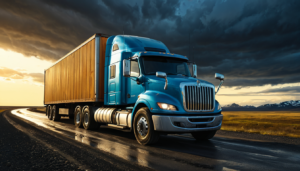
2. Trucking & 18-Wheeler Accidents (Most Deadly)
Why Trucking Accidents Are So Dangerous in Alaska:
- Alaska’s trucking industry is massive, with freight moving between Anchorage, Fairbanks, and the Lower 48 via the Alaska Railroad and Dalton Highway.
- Trucks weigh up to 80,000 lbs—20 times heavier than a passenger car. A collision with an 18-wheeler often results in catastrophic injuries or death.
- Fatigued driving is a major issue—Alaska’s long summer daylight hours (up to 19 hours in June) can disrupt sleep schedules, leading to drowsy truck drivers.
- Wildlife collisions (especially with moose) can cause trucks to jackknife or roll over.
Statistics:
- 1 in 10 fatal crashes in Alaska involve large trucks (NHTSA, 2024).
- Trucking accidents are 3x more likely to result in fatalities than car crashes.
- Anchorage’s Port is a major trucking hub, with 5,000+ trucks passing through daily.
Common Causes of Trucking Accidents:
✔ Driver fatigue (violating FMCSA Hours of Service rules)
✔ Improper loading (unsecured cargo causing rollovers)
✔ Mechanical failures (brake failure, tire blowouts)
✔ Speeding or reckless driving (especially on Glenn Highway)
✔ Distracted driving (CB radios, phones, GPS)
✔ Drunk or drugged driving (Alaska has zero tolerance for commercial drivers)
✔ Poor weather conditions (icy roads, whiteout conditions)
Common Injuries:
- Traumatic brain injuries (TBI) (from violent impacts)
- Spinal cord injuries & paralysis (often permanent)
- Amputations (crush injuries requiring surgical removal)
- Severe burns (from fuel tank fires)
- Internal organ damage (ruptured spleen, liver, or kidneys)
- Wrongful death (trucking accidents are 5x more likely to be fatal than car crashes)
Why You Need an Experienced Trucking Accident Lawyer:
- Multiple liable parties (driver, trucking company, cargo loader, manufacturer).
- Federal regulations (FMCSA rules on hours of service, maintenance, drug testing).
- Black box data (trucks have event data recorders (EDRs) that must be preserved).
- Higher insurance limits (trucking companies carry $1M+ policies).
- Aggressive insurance tactics (trucking insurers fight hard to avoid payouts).
Case Example:
“At Attorney911, our personal injury attorneys have helped numerous families facing trucking-related wrongful death cases recover millions of dollars in compensation. In one case, a family received a multi-million-dollar settlement after their loved one was killed in a collision with a fatigued truck driver on the Seward Highway.”
What to Do After a Trucking Accident in Anchorage:
- Call 911 immediately (trucking accidents often involve severe injuries).
- Document the scene (take photos of the truck, license plate, company name, and damage).
- Get the truck driver’s information (CDL number, employer, insurance details).
- Preserve evidence (trucks have black box data that can be overwritten—we send preservation letters immediately).
- Do NOT give a recorded statement to the trucking company’s insurance.
- Call Attorney911 at 1-888-ATTY-911—trucking cases require federal court experience.
3. Drunk Driving Accidents (100% Preventable)
Alaska’s Drunk Driving Problem:
- Alaska has one of the highest DUI rates in the U.S. (CDC, 2023).
- 1 in 3 fatal crashes in Alaska involves alcohol (Alaska DOT, 2024).
- Anchorage sees spikes in drunk driving during summer festivals (Fur Rendezvous), winter holidays, and fishing season.
Dram Shop Liability: Can a Bar Be Held Responsible?
Under Alaska Statute § 04.21.020, bars, restaurants, and liquor stores can be held liable if they:
✔ Serve alcohol to someone who is visibly intoxicated.
✔ Serve alcohol to a minor.
✔ Fail to check IDs properly.
Signs of Visible Intoxication (That Bars Should Notice):
- Slurred speech
- Bloodshot or glassy eyes
- Stumbling or unsteady gait
- Loud, aggressive, or erratic behavior
- Difficulty counting money or signing credit card slips
Punitive Damages in Drunk Driving Cases:
- Alaska allows punitive damages for gross negligence (e.g., drunk driving).
- Punitive damages can be 2-3x the compensatory damages (medical bills, lost wages, pain and suffering).
- Example: If a drunk driver causes a crash resulting in $500,000 in damages, the court may award an additional $1M+ in punitive damages.
Case Example (Criminal Defense Success):
“Our firm has successfully defended multiple DUI cases in Alaska, which gives us unique insight into how insurance companies attack drunk driving claims. In one case, we proved that a police department was not properly maintaining breathalyzer machines, leading to a dismissal of all charges. This same investigative skill helps us win civil cases for drunk driving victims.”
What to Do After a Drunk Driving Accident in Anchorage:
- Call 911 (report the drunk driver—this creates an official record).
- Get the driver’s information (name, insurance, license plate).
- Identify witnesses (especially if the driver was stumbling or slurring speech).
- Check for nearby bars or restaurants (we can investigate dram shop liability).
- Do NOT confront the drunk driver (they may become aggressive).
- Call Attorney911 at 1-888-ATTY-911—we’ll investigate every angle, including bar liability.
4. Motorcycle Accidents (High Risk of Fatalities)
Why Motorcycle Accidents Are So Dangerous in Alaska:
- Alaska has no helmet law for riders over 18, increasing the risk of traumatic brain injuries.
- Icy roads and gravel make motorcycles especially vulnerable to crashes.
- Drivers often fail to see motorcycles, leading to left-turn accidents and sideswipes.
- Wildlife collisions (especially with moose) are often fatal for motorcyclists.
Statistics:
- Motorcyclists are 28x more likely to die in a crash than car occupants (NHTSA, 2024).
- Alaska has one of the highest motorcycle fatality rates in the U.S. (per capita).
- 37% of Alaska motorcyclists killed in 2023 were not wearing helmets (Alaska DOT).
Common Causes of Motorcycle Accidents:
✔ Failure to yield (cars turning left in front of motorcycles)
✔ Distracted drivers (texting, not checking blind spots)
✔ Speeding (especially on Seward Highway)
✔ Road hazards (gravel, potholes, black ice)
✔ Drunk driving (motorcyclists are often hit by impaired drivers)
✔ Lane splitting (illegal in Alaska, but some riders do it)
Common Injuries:
- Traumatic brain injuries (TBI) (even with helmets)
- Spinal cord injuries & paralysis (from being thrown from the bike)
- Road rash & severe burns (from sliding on pavement)
- Broken bones (arms, legs, pelvis)
- Amputations (crush injuries from collisions)
- Wrongful death (motorcycle accidents are fatal in 1 in 5 cases)
Alaska’s Comparative Negligence Rule (Why Insurance Companies Blame Motorcyclists):
- Alaska follows a 51% comparative fault rule.
- If you’re 50% or less at fault, you can still recover damages (but they’re reduced by your fault percentage).
- If you’re 51% or more at fault, you get nothing.
- Insurance companies often try to blame motorcyclists for “riding too fast” or “not being visible.”
- Our former insurance defense attorney (Lupe Peña) knows exactly how they build these arguments—and how to defeat them.
What to Do After a Motorcycle Accident in Anchorage:
- Call 911 (even if you think you’re “fine”—adrenaline masks injuries).
- Do NOT remove your helmet or gear (wait for medical professionals).
- Document the scene (take photos of skid marks, road conditions, and vehicle damage).
- Get witness statements (especially if the driver was at fault).
- Do NOT admit fault (even saying “I’m sorry” can be used against you).
- Call Attorney911 at 1-888-ATTY-911—we’ll fight the insurance company’s blame game.
5. Pedestrian & Bicycle Accidents (Vulnerable Road Users)
Anchorage’s Pedestrian & Cyclist Danger Zones:
- Downtown Anchorage (especially 5th Avenue & C Street)
- Northern Lights Boulevard (high-speed traffic, poor crosswalk visibility)
- Tudor Road (fast-moving vehicles, limited bike lanes)
- Tony Knowles Coastal Trail (shared path with pedestrians and cyclists)
- University of Alaska Anchorage (UAA) campus (student pedestrians and cyclists)
Statistics:
- 1 in 5 traffic fatalities in Anchorage involves a pedestrian or cyclist (Alaska DOT, 2024).
- Pedestrians are 19x more likely to die in a crash than car occupants (NHTSA).
- Anchorage has seen a 20% increase in pedestrian accidents since 2020.
Common Causes:
✔ Drivers failing to yield (especially at crosswalks).
✔ Distracted driving (texting, GPS, eating).
✔ Drunk driving (pedestrians are often hit at night).
✔ Poor visibility (dark winter months, no streetlights in some areas).
✔ Speeding (higher speeds = greater risk of fatality).
Common Injuries:
- Traumatic brain injuries (TBI) (from hitting the ground or windshield).
- Spinal cord injuries & paralysis (often permanent).
- Broken pelvis & legs (from being thrown by the impact).
- Internal bleeding (not always immediately noticeable).
- Wrongful death (pedestrian accidents are fatal in 1 in 3 cases).
Alaska’s Pedestrian Right-of-Way Laws:
- Drivers MUST yield to pedestrians in crosswalks (even unmarked ones).
- Pedestrians have the right-of-way at all intersections (Alaska Statute § 13.04.220).
- Drivers must stop and remain stopped until pedestrians have cleared the crosswalk.
- Failure to yield can result in fines and civil liability.
What to Do After a Pedestrian or Bicycle Accident in Anchorage:
- Call 911 immediately (even if you think you’re “okay”).
- Get the driver’s information (name, insurance, license plate).
- Document the scene (take photos of the crosswalk, vehicle damage, and injuries).
- Get witness statements (especially if the driver was speeding or distracted).
- Seek medical attention (some injuries, like internal bleeding, aren’t obvious right away).
- Call Attorney911 at 1-888-ATTY-911—we’ll hold the driver accountable.
6. Hit-and-Run Accidents (Leaving the Scene Is a Crime)
Hit-and-run accidents are a growing problem in Anchorage:
- 1 in 4 accidents in Alaska involves a hit-and-run driver (Alaska DOT, 2024).
- Many hit-and-run drivers flee because they’re drunk, uninsured, or have warrants.
- Surveillance footage is often deleted within 7-30 days—time is critical.
Alaska’s Hit-and-Run Penalties:
| Severity | Charge | Penalty |
|---|---|---|
| Death | Class A Felony | Up to 20 years in prison + $250,000 fine |
| Serious Injury | Class B Felony | Up to 10 years in prison + $100,000 fine |
| Minor Injury | Class C Felony | Up to 5 years in prison + $50,000 fine |
| Property Damage | Misdemeanor | Up to 1 year in jail + $10,000 fine |
What to Do After a Hit-and-Run in Anchorage:
- Call 911 immediately (report the hit-and-run—this creates an official record).
- Document everything (take photos of the scene, damage, and any paint transfer).
- Look for witnesses (ask nearby businesses or homes if they saw anything).
- Check for surveillance cameras (gas stations, traffic lights, Ring doorbells).
- Do NOT chase the driver (this can be dangerous and may invalidate your claim).
- Call Attorney911 at 1-888-ATTY-911—we’ll track down the driver and fight for your compensation.
How We Help Hit-and-Run Victims:
- Investigate surveillance footage (we send preservation letters to businesses before footage is deleted).
- Work with law enforcement to identify the driver.
- File an uninsured motorist (UM) claim with your own insurance.
- Pursue the driver’s assets if they’re found.
7. Rideshare (Uber/Lyft) Accidents (Complex Insurance Issues)
Rideshare accidents are on the rise in Anchorage:
- Uber and Lyft drivers spend hours on the road, increasing accident risks.
- Insurance coverage changes depending on the driver’s status (waiting for a ride, en route to pickup, or transporting a passenger).
- Many rideshare drivers are uninsured or underinsured—your own UM/UIM coverage may be needed.
Rideshare Insurance Coverage Phases:
| Phase | Driver Status | Coverage Available |
|---|---|---|
| Phase 0 | App off, personal use | Driver’s personal insurance only ($50K/$100K/$25K minimum in Alaska) |
| Phase 1 | App on, waiting for ride request | Uber/Lyft contingent liability ($50K/$100K/$25K) |
| Phase 2 | Ride accepted, en route to pickup | Uber/Lyft commercial policy ($1M liability) |
| Phase 3 | Passenger in vehicle | Uber/Lyft commercial policy ($1M liability + $1M UM/UIM) |
Why This Matters:
- If you’re hit by a rideshare driver who isn’t on a trip, their personal insurance may deny your claim.
- If the driver is en route to pick up a passenger, you’re covered by Uber/Lyft’s $1M policy.
- Determining the driver’s phase at the time of the crash is critical—insurance companies often try to misclassify the phase to avoid paying.
What to Do After a Rideshare Accident in Anchorage:
- Call 911 (report the accident and request a police report).
- Get the rideshare driver’s information (name, insurance, license plate, Uber/Lyft details).
- Take screenshots of the app (showing the driver’s status at the time of the crash).
- Document the scene (photos of damage, injuries, and road conditions).
- Do NOT give a recorded statement to Uber/Lyft’s insurance.
- Call Attorney911 at 1-888-ATTY-911—we’ll navigate the complex insurance maze.
8. Wildlife-Vehicle Collisions (Moose, Bears, Caribou)
Alaska’s wildlife collisions are unlike anywhere else in the U.S.:
- Moose collisions are the most dangerous—adult moose can weigh 1,200+ lbs, and hitting one at highway speeds often results in fatalities.
- Bear and caribou collisions are also common, especially on Glenn Highway, Seward Highway, and Parks Highway.
- Many wildlife collisions go unreported, leaving victims without proper compensation.
Statistics:
- 1 in 50 Alaskans will hit a moose in their lifetime (Alaska DOT).
- Moose collisions cause more fatalities than bear attacks in Alaska.
- Anchorage averages 100+ moose collisions per year.
What to Do After a Wildlife Collision in Anchorage:
- Call 911 (report the collision—Alaska law requires reporting wildlife collisions).
- Do NOT approach the animal (moose and bears can be aggressive, even when injured).
- Document the scene (take photos of the animal, vehicle damage, and road conditions).
- Get witness statements (if anyone saw the collision).
- File a police report (this is required for insurance claims).
- Call Attorney911 at 1-888-ATTY-911—we’ll help you recover compensation for your injuries and vehicle damage.
Can You Sue the State for Wildlife Collisions?
- Generally, no—Alaska has sovereign immunity for wildlife collisions.
- Exceptions exist if the state failed to maintain warning signs or ignored known wildlife hazards.
- We investigate every case to determine if negligence (e.g., poor road design, lack of warning signs) contributed to the crash.
9. Distracted Driving Accidents (Texting, GPS, Fatigue)
Distracted driving is a leading cause of accidents in Anchorage:
- Texting while driving is 6x more dangerous than drunk driving (NHTSA).
- Alaska bans all handheld cellphone use while driving (Alaska Statute § 28.35.165).
- Distracted driving causes 1 in 4 accidents in Alaska (Alaska DOT, 2024).
Common Distractions:
✔ Texting or talking on the phone
✔ Using GPS or navigation apps
✔ Eating or drinking while driving
✔ Adjusting the radio or climate controls
✔ Talking to passengers
✔ Daydreaming or fatigue (common in Alaska’s long summer days)
What to Do After a Distracted Driving Accident in Anchorage:
- Call 911 (report the distracted driver).
- Document the scene (take photos of the driver’s phone, if visible).
- Get witness statements (ask if anyone saw the driver texting or using their phone).
- Check for surveillance footage (traffic cameras, dashcams, Ring doorbells).
- Do NOT confront the driver (they may deny being distracted).
- Call Attorney911 at 1-888-ATTY-911—we’ll prove the driver was distracted and fight for your compensation.
10. Winter Weather Accidents (Black Ice, Snow, Whiteouts)
Alaska’s winter driving conditions are some of the most dangerous in the U.S.:
- Black ice is nearly invisible and causes thousands of accidents each winter.
- Snow accumulation reduces visibility and traction, leading to spin-outs and multi-vehicle pileups.
- Whiteout conditions (blowing snow) make it impossible to see the road.
- Freeze-thaw cycles create potholes and uneven road surfaces, increasing the risk of tire blowouts and loss of control.
Common Winter Accident Scenarios:
✔ Rear-end collisions (sudden stops on icy roads).
✔ Spin-outs (losing control on black ice).
✔ Multi-vehicle pileups (chain-reaction crashes).
✔ Off-road crashes (vehicles sliding into ditches or guardrails).
✔ Wildlife collisions (animals crossing roads in poor visibility).
Who Is Liable for Winter Weather Accidents?
- Drivers are expected to adjust their speed and following distance for conditions.
- The state or municipality may be liable if they failed to plow or salt roads in a timely manner.
- Vehicle manufacturers may be liable if defective tires or brakes contributed to the crash.
What to Do After a Winter Weather Accident in Anchorage:
- Call 911 (report the accident and request a police report).
- Document the scene (take photos of road conditions, ice, snow, and vehicle damage).
- Get witness statements (ask if anyone saw the accident or if the roads were poorly maintained).
- Check for surveillance footage (traffic cameras, dashcams, Ring doorbells).
- Do NOT admit fault (even if you think you were going too fast—Alaska’s comparative fault rule may apply).
- Call Attorney911 at 1-888-ATTY-911—we’ll determine liability and fight for your compensation.
What to Do Immediately After an Accident in Anchorage (48-Hour Action Plan)
HOUR 1-6 (IMMEDIATE CRISIS RESPONSE)
✅ Safety First – If you can move safely, get to a secure location away from traffic.
✅ Call 911 – Report the accident and request medical assistance if anyone is injured.
✅ Medical Attention – If injured, get to the ER immediately. Adrenaline masks injuries—you may be hurt and not know it yet.
✅ Document Everything:
- Take photos of ALL vehicle damage (every angle).
- Photograph the accident scene, road conditions, traffic signals, and visible injuries.
- Screenshot any messages visible on your phone (do NOT delete anything).
✅ Exchange Information: - Other driver’s name, phone, address.
- Insurance company and policy number.
- Driver’s license number.
- License plate number.
- Vehicle make, model, color.
✅ Witnesses: - Get names and phone numbers of any witnesses.
- Ask if they saw what happened.
- Record their statements if possible.
✅ Call Attorney911: 1-888-ATTY-911 – Before speaking to ANY insurance company.
HOUR 6-24 (EVIDENCE PRESERVATION)
✅ Digital Preservation:
- Preserve all texts, calls, photos, videos related to the accident.
- Do NOT delete anything from your phone.
- Screenshot everything relevant.
- Email copies to yourself for backup.
✅ Physical Evidence: - Secure damaged clothing, glasses, personal items.
- Keep receipts for any expenses (towing, rental car, medications).
- Do NOT repair your vehicle yet—preserve the damage.
✅ Medical Records: - Request copies of all ER/hospital records.
- Keep all discharge paperwork.
- Follow up with your primary care physician within 24-48 hours.
✅ Insurance Communications: - Note any calls from insurance companies.
- Do NOT give recorded statements yet.
- Do NOT sign anything.
- Do NOT accept any settlement offers.
- Say: “I need to speak with my attorney first.”
✅ Social Media: - Make ALL profiles private immediately.
- Do NOT post about the accident.
- Do NOT post photos of injuries or activities.
- Tell friends/family not to tag you in posts.
HOUR 24-48 (STRATEGIC DECISIONS)
✅ Legal Consultation:
- Speak with an experienced motor vehicle accident attorney.
- Call Attorney911: 1-888-ATTY-911 for a free consultation.
- Have your documentation ready.
✅ Insurance Response: - If insurance contacts you, refer them to your attorney.
- Say: “My attorney will be in touch with you.”
- Provide only basic information (name, date of accident, that you were involved).
✅ Settlement Offers: - Do NOT accept or sign anything without lawyer review.
- Early offers are ALWAYS lowball offers.
- You don’t know the extent of your injuries yet.
✅ Evidence Backup: - Upload all screenshots and photos to cloud storage.
- Email copies to yourself and a family member.
- Create a written timeline of events while your memory is fresh.
WEEK ONE PRIORITIES
✅ Medical Follow-Up:
- Continue documenting all injuries.
- See specialists if recommended.
- Follow ALL doctor recommendations (insurance watches for gaps).
- Get written work restrictions if needed.
✅ Investigation Begins: - Attorney obtains police report.
- Preservation letters sent to all parties.
- Surveillance footage secured before deletion.
- Witness statements recorded.
✅ Communication: - Attorney handles ALL insurance communication.
- You focus on recovery.
- Document any pressure from insurance or other parties.
Why Evidence Disappears Fast (And What We Do About It)
| Evidence Type | How Long It Lasts | What Attorney911 Does |
|---|---|---|
| Witness Memories | Peak in first 24 hours, then fade quickly | Interview witnesses immediately, record statements |
| Surveillance Footage | 7-30 days (gas stations, traffic cameras) | Send preservation letters to businesses immediately |
| Vehicle Black Box Data | Can be overwritten in 30-180 days | Demand preservation from trucking companies |
| ELD (Electronic Logging Device) Data | 30-180 days retention | Subpoena trucking records before deletion |
| Cell Phone Records | Harder to obtain as time passes | Subpoena records to prove distracted driving |
| Road Conditions | Snow/ice melts, debris cleared | Photograph scene immediately, document weather |
| Vehicle Damage | Evidence destroyed once repaired | Keep vehicle in damaged condition until inspected |
| Social Media Posts | Can be deleted at any time | Archive all relevant posts immediately |
Every day you wait, evidence disappears. Call Attorney911 NOW: 1-888-ATTY-911
How Insurance Companies Try to Screw You (And How We Stop Them)
Insurance companies are not your friend. Their goal is to pay you as little as possible—even if it means denying valid claims or blaming you for the accident.
Tactic #1: The Quick Cash Trap (Weeks 1-3)
What They Do:
- Offer $2,000-$10,000 within days of the accident.
- Say it’s a “final offer” (it’s not).
- Create artificial urgency (“This offer expires in 48 hours!”).
The Trap:
- You don’t know the full extent of your injuries yet.
- You sign a release, and can’t get more money later—even if you need surgery.
- Example: Insurance offers $5,000 for your “minor” back pain. You sign. 6 weeks later, you need a $100,000 spinal fusion surgery. Too late—you already signed away your rights.
How We Stop Them:
- We never let clients settle before Maximum Medical Improvement (MMI).
- Lupe Peña (our former insurance defense attorney) knows how they calculate lowball offers—and how to beat them.
Tactic #2: The Recorded Statement Trap (Days 1-3)
What They Do:
- Call you while you’re still in the hospital or on pain meds.
- Say they “just want to help” and “need your side of the story.”
- Ask leading questions designed to minimize your injuries or blame you.
Their Questions & What They Really Want You to Say:
| Their Question | What They Want You to Say | Reality |
|---|---|---|
| “You’re feeling better now, right?” | “I’m improving.” | They’ll use this to argue your injuries aren’t serious. |
| “It wasn’t that bad of an impact, was it?” | “No, it wasn’t too bad.” | They’ll claim your injuries couldn’t be from the crash. |
| “You were able to walk away from the scene?” | “Yes, I walked away.” | They’ll argue you weren’t really hurt. |
| “Were you distracted at all?” | “I might have been looking at my phone.” | They’ll blame you for the accident. |
| “How fast were you going?” | “I don’t know, maybe 50?” | They’ll claim you were speeding. |
How We Stop Them:
- You are NOT required to give a recorded statement to the other driver’s insurance.
- We handle ALL communication with insurance companies.
- Lupe knows their tactics because he used them for years—now he defeats them.
Tactic #3: The “Independent” Medical Exam (IME) Scam (Months 2-6)
What They Call It: “Independent Medical Examination” (IME).
What It Really Is: A doctor hired by the insurance company to minimize your injuries.
How They Choose IME Doctors:
- Not based on medical skill—based on who gives insurance-favorable reports.
- Paid $2,000-$5,000 per exam—so they repeat business by finding “no injury.”
- Rarely review your full medical records before the exam.
What Happens at the IME:
- 10-15 minute “exam” (vs. your doctor’s thorough evaluation).
- Leading questions designed to get you to say “I’m feeling better.”
- Looking for ANY reason to minimize your injuries.
Common IME Doctor Findings (And What They Really Mean):
| What They Say | What It Means |
|---|---|
| “Patient has pre-existing degenerative changes.” | Everyone over 40 has some arthritis—they use this to deny claims. |
| “Injuries consistent with minor trauma.” | They’re minimizing your pain and suffering. |
| “Patient can return to full-duty work.” | They’re eliminating your lost wage claims. |
| “Treatment has been excessive.” | They’re attacking your doctors. |
| “Subjective complaints out of proportion to objective findings.” | They’re calling you a liar. |
How We Stop Them:
- Lupe knows these doctors personally—he hired them when he worked for insurance companies.
- We prepare you extensively before the exam.
- We send your complete medical records to the IME doctor first (forcing them to review them).
- We challenge biased IME reports with our own medical experts.
Tactic #4: The Delay & Financial Pressure Game (Months 6-12+)
What They Do:
- Drag out your case for months or years.
- Ignore your calls and emails.
- Say they’re “still investigating.”
- Take weeks to respond to simple questions.
Why It Works:
- You have bills piling up, no income, and mounting medical debt.
- They have unlimited time and resources.
- They bet you’ll get desperate and accept a lowball offer.
How We Stop Them:
- We file a lawsuit to force deadlines.
- We set depositions, making them produce witnesses.
- We prepare for trial, showing we’re serious.
- Lupe knows their delay tactics because he used them—now he defeats them.
Tactic #5: Surveillance & Social Media Stalking
What They Do:
- Hire private investigators to follow you.
- Film you doing daily activities (walking to your car, carrying groceries).
- Take ONE frame of you moving “normally” and ignore the 10 minutes of you struggling.
- Monitor ALL your social media (Facebook, Instagram, TikTok, LinkedIn, Twitter).
- Screenshot EVERYTHING (photos, posts, check-ins, comments, likes).
- Use facial recognition to find photos you’re tagged in.
Examples of What They’ve Used Against Clients:
| Example | What They Claimed | Reality |
|---|---|---|
| Old gym photo from 3 years ago | “You’re not really injured—you were working out!” | Photo was pre-accident (we proved it with metadata). |
| Restaurant check-in | “You’re out partying—you must not be in pain!” | Client was sitting quietly having dinner. |
| Friend’s comment: “Had fun yesterday!” | “You’re not really hurt—you were out having fun!” | Client was resting at home while friend posted. |
| Video of client walking dog slowly | “You’re not disabled—you can walk!” | Doctor recommended short walks for recovery. |
| Family photo where client is smiling | “You’re not in pain—you’re smiling!” | Everyone smiles for photos—even when in pain. |
7 Rules to Protect Yourself:
- Make ALL social media profiles private immediately.
- Do NOT post about the accident, injuries, or activities.
- Do NOT check in anywhere.
- Tell friends/family: DO NOT tag you or post about you.
- Do NOT accept friend requests from strangers (fake profiles).
- Assume EVERYTHING is being monitored.
- Best option: Stay off social media entirely during your case.
Lupe’s Insider Quote:
“I’ve reviewed hundreds of surveillance videos and social media posts as a defense attorney. Here’s the truth: Insurance companies take innocent activity out of context. They freeze ONE frame of you moving ‘normally’ and ignore the 10 minutes of you struggling before and after. They’re not documenting your life—they’re building ammunition against you.”
Tactic #6: The Comparative Fault Blame Game
What They Do:
- Try to assign you maximum fault to reduce their payout.
- Claim you were speeding, distracted, or could have avoided the crash.
- Use Alaska’s 51% rule against you.
Alaska’s 51% Comparative Fault Rule:
- If you’re 50% or less at fault, you can recover damages (but they’re reduced by your fault percentage).
- If you’re 51% or more at fault, you get NOTHING.
Examples of How They Use It:
| Your Fault % | Case Value | Your Recovery |
|---|---|---|
| 0% | $100,000 | $100,000 |
| 10% | $100,000 | $90,000 |
| 25% | $100,000 | $75,000 |
| 40% | $100,000 | $60,000 |
| 50% | $100,000 | $50,000 |
| 51% | $100,000 | $0 |
How We Stop Them:
- We conduct our own accident reconstruction.
- We interview witnesses to support your version.
- We analyze police reports for citations against the other driver.
- Lupe knows their comparative fault arguments because he made them for years—now he defeats them.
How Much Is Your Anchorage Car Accident Case Worth?
The value of your case depends on many factors, including:
- Severity of your injuries (TBI, spinal cord, broken bones, etc.)
- Medical expenses (past and future)
- Lost wages & earning capacity (if you can’t work)
- Pain and suffering (physical and emotional)
- Permanent disability or disfigurement
- Degree of fault (Alaska’s 51% rule)
- Insurance policy limits
Settlement Ranges for Common Injuries in Alaska
| Injury Type | Medical Costs | Lost Wages | Pain & Suffering | Total Settlement Range |
|---|---|---|---|---|
| Soft Tissue (Whiplash, Sprains) | $2,000-$10,000 | $1,000-$5,000 | $5,000-$20,000 | $10,000-$50,000 |
| Broken Bone (Simple Fracture) | $10,000-$30,000 | $5,000-$15,000 | $20,000-$50,000 | $35,000-$100,000 |
| Broken Bone (Surgery Required) | $50,000-$100,000 | $10,000-$30,000 | $50,000-$150,000 | $100,000-$300,000 |
| Herniated Disc (Conservative Treatment) | $20,000-$50,000 | $5,000-$20,000 | $30,000-$100,000 | $50,000-$200,000 |
| Herniated Disc (Surgery Required) | $80,000-$150,000 | $20,000-$50,000 | $100,000-$300,000 | $200,000-$500,000 |
| Traumatic Brain Injury (TBI) | $100,000-$500,000+ | $50,000-$200,000 | $200,000-$1M+ | $500,000-$2M+ |
| Spinal Cord Injury / Paralysis | $500,000-$5M+ | $200,000-$1M+ | $500,000-$5M+ | $1M-$10M+ |
| Amputation | $100,000-$500,000 | $50,000-$200,000 | $300,000-$1M+ | $500,000-$2M+ |
| Wrongful Death | $50,000-$200,000 | $500,000-$2M+ | $500,000-$3M+ | $1M-$10M+ |
Attorney911 Case Results:
- “Multi-million dollar settlement for a client who suffered a brain injury with vision loss when a log dropped on him at a logging site.”
- “In a recent case, our client’s leg was injured in a car accident. Staff infections during treatment led to a partial amputation. This case settled in the millions.”
- “At Attorney911, our personal injury attorneys have helped numerous families facing trucking-related wrongful death cases recover millions of dollars in compensation.”
What You Can Recover in an Anchorage Accident Case
1. Economic Damages (No Cap in Alaska)
| Damage Type | What It Covers | Example |
|---|---|---|
| Medical Expenses (Past) | ER, hospital, surgery, doctors, physical therapy, medications, medical equipment | $50,000 hospital bill, $10,000 in PT |
| Medical Expenses (Future) | Ongoing treatment, future surgeries, lifetime medications, long-term care | $200,000 for future spinal fusion |
| Lost Wages (Past) | Income lost from date of accident to present | $30,000 in missed pay |
| Lost Earning Capacity (Future) | Reduced ability to earn income in the future | $500,000 if you can’t return to your job |
| Property Damage | Vehicle repair or replacement, personal property | $15,000 for totaled car |
| Out-of-Pocket Expenses | Transportation to medical appointments, home modifications, household help | $5,000 for Uber rides to PT |
2. Non-Economic Damages (No Cap in Alaska)
| Damage Type | What It Covers | Example |
|---|---|---|
| Pain and Suffering | Physical pain from injuries, both past and future | $200,000 for chronic back pain |
| Mental Anguish | Emotional distress, anxiety, depression, PTSD | $150,000 for PTSD after the crash |
| Physical Impairment | Loss of physical function, disability, limitations | $300,000 for permanent limp |
| Disfigurement | Scarring, permanent visible injuries affecting appearance | $100,000 for facial scars |
| Loss of Consortium | Impact on marriage/family relationships, loss of companionship | $100,000 for spouse’s loss of intimacy |
| Loss of Enjoyment of Life | Inability to participate in activities you previously enjoyed | $150,000 for missing hiking, skiing |
3. Punitive Damages (Capped in Alaska)
- Available for gross negligence, fraud, or malice (e.g., drunk driving, hit-and-run).
- Purpose: Punish the defendant and deter similar conduct.
- Cap in Alaska: 3x compensatory damages or $500,000, whichever is greater.
Example:
- Compensatory damages: $500,000
- Punitive damages cap: $1.5M (3x compensatory)
- Total possible recovery: $2M
Why Choose Attorney911 for Your Anchorage Accident Case?
1. We Have a Former Insurance Defense Attorney on Our Team
“Lupe Peña worked for a number of years at a national defense firm, learning firsthand how large insurance companies value claims.”
What This Means for You:
- We know their playbook because Lupe used it for years.
- We anticipate their tactics before they deploy them.
- We know how they calculate claim values internally.
- We know which IME doctors they favor (and how to challenge them).
- We know their delay tactics (because Lupe used them).
- We speak their language because Lupe worked for them.
No other law firm in Alaska has this advantage.
2. We’ve Recovered Millions for Accident Victims
Attorney911 Case Results:
- “Multi-million dollar settlement for a client who suffered a brain injury with vision loss when a log dropped on him at a logging site.”
- “In a recent case, our client’s leg was injured in a car accident. Staff infections during treatment led to a partial amputation. This case settled in the millions.”
- “At Attorney911, our personal injury attorneys have helped numerous families facing trucking-related wrongful death cases recover millions of dollars in compensation.”
- “In a recent case, our client injured his back while lifting cargo on a ship. Our investigation revealed that he should have been assisted in this duty, and we were able to reach a significant cash settlement.”
We don’t settle cheap. We fight for maximum compensation.
3. We’re Admitted to Federal Court (Southern District of Texas)
- Ralph Manginello is admitted to practice in the U.S. District Court, Southern District of Texas.
- Why this matters for Alaska cases:
- Complex cases (trucking, maritime, catastrophic injuries) often end up in federal court.
- Federal court experience means we can handle high-stakes litigation.
- BP explosion litigation proves we can take on billion-dollar corporations.
4. We Provide Personal Attention (No Case Manager Assembly Line)
What Our Clients Say:
“You are NOT a pest to them and you are NOT just some client…You are FAMILY to them.” — Chad Harris
“I never felt like ‘just another case’ they were working on.” — Ambur Hamilton
“Ralph reached out personally.” — Dame Haskett
“Consistent communication and not one time did I call and not get a clear answer.” — Dame Haskett
You work directly with Ralph Manginello and Lupe Peña—not a case manager or junior associate.
5. We Work on Contingency—You Pay Nothing Unless We Win
- Free consultation (no obligation).
- No upfront costs (we advance all case expenses).
- No fee unless we win (33.33% before trial, 40% if trial).
- If we don’t recover for you, you owe us nothing.
No financial risk to you.
6. We Offer Bilingual Services (Se Habla Español)
- Lupe Peña is fluent in Spanish.
- Our staff includes Spanish-speaking case managers (Zulema, Mariela).
- We provide consultations in Spanish.
What Our Spanish-Speaking Clients Say:
“Especially Miss Zulema, who is always very kind and always translates.” — Celia Dominguez
“Melani, thank you for your excellent work.” — Miguel J. mayo bermudez
“They solved in a couple of months what others did nothing about in two years.” — Angel Walle
7. We Have 25+ Years of Experience
- Ralph Manginello has been practicing law since 1998 (25+ years).
- We’ve handled thousands of accident cases across the U.S.
- We know Alaska’s courts, judges, and insurance adjusters.
8. We’re Recognized by the Community
-
Trae Tha Truth (Houston rapper and community leader) recommends Attorney911.
“One of Houston’s Great Men Trae Tha Truth has recommended this law firm. So if he is vouching for them then I know they do good work.” — Jacqueline Johnson
-
4.9-star rating on Google (251+ reviews).
-
Hundreds of satisfied clients.
Frequently Asked Questions (FAQ) About Anchorage Car Accidents
Immediate After-Accident Questions
1. What should I do immediately after a car accident in Anchorage?
- Call 911 (report the accident and request medical help if needed).
- Document everything (photos of damage, injuries, road conditions).
- Exchange information with the other driver (name, insurance, license plate).
- Get witness statements (names and contact info).
- Do NOT give a recorded statement to any insurance company.
- Call Attorney911 at 1-888-ATTY-911 for immediate legal guidance.
2. Should I call the police even for a minor accident?
- Yes. In Alaska, you must report accidents with:
- Injuries or deaths.
- Property damage over $2,000.
- The police report is critical evidence for your claim.
3. Should I seek medical attention if I don’t feel hurt?
- Absolutely. Many serious injuries (TBI, internal bleeding, herniated discs) don’t show symptoms immediately.
- Adrenaline masks pain at the scene.
- Insurance companies use delays in treatment against you.
- Get checked at Providence Alaska Medical Center or Alaska Regional Hospital immediately.
4. What information should I collect at the scene?
- Other driver: Name, phone, address, driver’s license, insurance.
- Vehicle: Make, model, color, license plate.
- Witnesses: Names and phone numbers.
- Photos: All vehicle damage, injuries, road conditions, traffic signals.
- Police: Officer name, badge number, report number.
5. Should I talk to the other driver or admit fault?
- Exchange information only.
- Do NOT discuss fault.
- Do NOT apologize or say “I’m sorry” (this can be used as an admission of fault).
- Do NOT give your opinion on what happened.
- Stick to facts only.
6. How do I obtain a copy of the accident report?
- You can request the Alaska State Troopers or Anchorage Police Department accident report online or in person.
- Attorney911 obtains police reports for our clients as part of our investigation.
Dealing with Insurance Companies
7. Should I give a recorded statement to the insurance company?
- To the other driver’s insurance: NO. Not without an attorney.
- To your own insurance: You have a duty to cooperate, but call Attorney911 first for guidance.
8. What if the other driver’s insurance contacts me?
- Say: “I need to speak with my attorney first.”
- Give only basic information (name, date of accident, that you were involved).
- Do NOT give a recorded statement.
- Do NOT discuss injuries or fault.
9. Do I have to accept the insurance company’s estimate?
- No. Their estimate is just an offer—it’s usually far below actual value.
- Attorney911 fights for what your case is really worth.
10. Should I accept a quick settlement offer?
- NEVER accept a settlement before knowing the full extent of your injuries.
- Once you sign a release, you cannot get more money—even if you need surgery later.
- Early offers are ALWAYS lowball offers.
11. What if the other driver is uninsured or underinsured?
- Your Uninsured/Underinsured Motorist (UM/UIM) coverage can compensate you.
- Alaska allows UM/UIM stacking (combining coverage from multiple vehicles).
- Watch our video on UM/UIM claims: https://www.youtube.com/watch?v=kWcNFyb-Yq8
12. Why does the insurance company want me to sign a medical authorization?
- They want unlimited access to your ENTIRE medical history to find pre-existing conditions to use against you.
- Never sign without attorney review.
Legal Process Questions
13. Do I have a personal injury case?
You may have a case if:
- Someone else was at fault (even partially).
- You suffered injuries or damages.
- There is insurance to recover from.
14. When should I hire a car accident lawyer?
- Immediately. Evidence disappears daily.
- Insurance companies start building their defense against you from day one.
- Call Attorney911: 1-888-ATTY-911
15. How much time do I have to file a lawsuit (statute of limitations)?
- Alaska: 2 years from the date of the accident for personal injury.
- 2 years from the date of death for wrongful death.
- Miss the deadline = case barred forever.
16. What is comparative negligence, and how does it affect me?
- Alaska uses the 51% comparative fault rule.
- If you’re 50% or less at fault, you can recover damages (reduced by your fault percentage).
- If you’re 51% or more at fault, you get nothing.
17. Will my case go to trial?
- Most cases settle before trial.
- But Attorney911 prepares every case as if it’s going to trial.
- This gives us leverage in negotiations.
18. How long will my case take to settle?
- Depends on injury severity.
- We don’t settle until you’ve reached Maximum Medical Improvement (MMI).
- Could be 6 months for minor injuries, 18-24 months for serious injuries.
19. What is the legal process step-by-step?
- Investigation and evidence gathering.
- Medical treatment to MMI.
- Demand letter to insurance.
- Negotiation.
- Lawsuit if necessary.
- Discovery (depositions, document requests).
- Mediation.
- Trial if needed.
Compensation & Fees Questions
20. What is my case worth?
Depends on:
- Injury severity.
- Medical costs.
- Lost wages.
- Permanent impairment.
- Pain and suffering.
- Insurance available.
21. What types of damages can I recover?
- Medical expenses (past and future).
- Lost wages and earning capacity.
- Pain and suffering.
- Mental anguish.
- Physical impairment.
- Disfigurement.
- Loss of enjoyment of life.
- Property damage.
22. Can I get compensation for pain and suffering?
- Yes. Pain and suffering is a significant component of personal injury cases in Alaska.
- There is NO cap on pain and suffering damages (except in medical malpractice cases).
23. What if I have a pre-existing condition?
- You can still recover if the accident aggravated or worsened your pre-existing condition.
- This is called the “eggshell plaintiff” rule—the defendant takes you as they find you.
24. Will I have to pay taxes on my settlement?
- Generally, compensation for physical injuries is NOT taxable.
- Punitive damages ARE taxable.
- Consult a tax professional for your specific situation.
25. How is the value of my claim determined?
Based on:
- Medical bills.
- Future treatment costs.
- Lost income.
- Permanent impairment rating.
- Comparable verdicts.
- Severity of injuries.
- Impact on daily life.
Attorney Relationship Questions
26. How much do car accident lawyers cost?
- Attorney911 works on contingency:
- 33.33% before trial.
- 40% if trial.
- You pay nothing upfront.
- We don’t get paid unless we win.
27. What does “no fee unless we win” mean?
- You pay zero unless we recover money for you.
- If we don’t win, you owe us nothing.
- We advance all case costs.
28. How often will I get updates?
- Attorney911 provides regular updates.
- As client Dame Haskett said: “Consistent communication and not one time did I call and not get a clear answer.”
29. Who will actually handle my case?
- At Attorney911, you work directly with Ralph Manginello and Lupe Peña—not a case manager assembly line.
- As client Chad Harris said: “You are NOT just some client…You are FAMILY to them.”
30. What if I already hired another attorney?
- You can switch attorneys at any time.
- Attorney911 has taken over cases from other attorneys.
- As client Greg Garcia said: “In the beginning I had another attorney but he dropped my case although Mangiello law firm were able to help me out.”
Common Concerns & Objections
31. What common mistakes can hurt my case?
- Giving a recorded statement without an attorney.
- Accepting a quick settlement.
- Delaying medical treatment.
- Gaps in treatment.
- Posting on social media.
- Signing releases or authorizations.
- Not documenting everything.
32. Should I post about my accident on social media?
- NO.
- Make all profiles private immediately.
- Do NOT post about the accident, injuries, or activities.
- Insurance companies monitor everything.
33. Why shouldn’t I sign anything without a lawyer?
- Releases are PERMANENT.
- Medical authorizations give unlimited access to your records.
- Settlement offers are binding.
- Once signed, you can’t undo it.
34. What if I didn’t see a doctor right away?
- See one NOW.
- Explain that you didn’t realize the severity of your injuries.
- Delayed symptoms are common.
- We can still help.
35. What if I was partially at fault?
- You can still recover if you were 50% or less at fault.
- Your recovery is reduced by your percentage of fault.
- Example: If you’re 25% at fault in a $100,000 case, you recover $75,000.
36. What if the other driver died in the accident?
- You can still pursue a claim against the deceased driver’s estate and insurance.
- Insurance policy still applies.
- Estate may have assets.
- Wrongful death laws protect both sides.
37. What if I’m an undocumented immigrant—can I still file a claim?
- YES.
- Immigration status does NOT affect your right to compensation.
- Your case is confidential.
- We’ve successfully represented clients of all immigration statuses.
- Lupe Peña is fluent in Spanish.
38. What if the accident happened in a parking lot?
- Parking lot accidents are fully compensable.
- Insurance companies often try to argue “50/50 fault” (a lie).
- We prove fault through:
- Surveillance video.
- Witness statements.
- Damage analysis.
- Traffic patterns.
- Alaska’s comparative negligence rules apply.
39. What if I was a passenger in the at-fault vehicle?
- You can sue the driver even if you were riding with them (friend, family member, Uber driver).
- You’re an innocent victim.
- Driver’s insurance covers passengers.
- No comparative fault issues (you weren’t driving).
- We handle the difficult conversation so you don’t have to.
40. What if the other driver fled the scene (hit and run)?
- File a police report immediately.
- Your Uninsured Motorist (UM) coverage applies.
- We send preservation letters to businesses for surveillance footage.
- We work with law enforcement to identify the driver.
- If the driver is never found, we pursue your UM claim.
Anchorage-Specific Resources & Information
Hospitals & Trauma Centers in Anchorage
| Facility | Level | Address | Notes |
|---|---|---|---|
| Providence Alaska Medical Center | Level II Trauma Center | 3200 Providence Dr, Anchorage | Largest hospital in Alaska, 24/7 trauma care |
| Alaska Regional Hospital | Level III Trauma Center | 2801 Debarr Rd, Anchorage | Full-service emergency department |
| Alaska Native Medical Center | Level III Trauma Center | 4315 Diplomacy Dr, Anchorage | Specializes in Native Alaskan healthcare |
| Mat-Su Regional Medical Center | Level IV Trauma Center | 2500 S Woodworth Loop, Palmer | Serves Matanuska-Susitna Valley |
Anchorage Courts & Legal Resources
| Court | Jurisdiction | Address | Phone |
|---|---|---|---|
| Anchorage District Court | Civil cases under $100,000 | 825 W 4th Ave, Anchorage | (907) 264-0514 |
| Alaska Superior Court (Anchorage) | Civil cases over $100,000, wrongful death | 825 W 4th Ave, Anchorage | (907) 264-0477 |
| U.S. District Court – District of Alaska | Federal cases (trucking, maritime) | 222 W 7th Ave, Anchorage | (907) 677-6100 |
| Alaska State Troopers | Accident reports | 5700 E Tudor Rd, Anchorage | (907) 269-5511 |
| Anchorage Police Department | Accident reports | 4501 Elmore Rd, Anchorage | (907) 786-8500 |
Dangerous Roads & Intersections in Anchorage
| Location | Why It’s Dangerous | Common Accidents |
|---|---|---|
| Glenn Highway (AK-1) | High speeds, wildlife crossings, icy conditions | Rear-end, spin-outs, moose collisions |
| Seward Highway (AK-1) | Sharp curves, limited shoulders, tourist traffic | Head-on, rollovers, wildlife collisions |
| Minnesota Drive | Heavy truck traffic, multiple lanes, frequent merges | Rear-end, sideswipes, trucking accidents |
| Northern Lights Boulevard | High-speed traffic, poor crosswalk visibility | Pedestrian, T-bone, rear-end |
| Tudor Road | Fast-moving vehicles, limited bike lanes, commercial traffic | Bicycle, rear-end, distracted driving |
| Dimond Boulevard | Shopping district, heavy traffic, frequent stops | Rear-end, fender benders |
| C Street & Northern Lights Boulevard | Busy intersection, red-light running | T-bone, left-turn accidents |
| Muldoon Road & Debarr Road | High-speed traffic, poor lighting | Rear-end, spin-outs |
| Abbott Road & Lake Otis Parkway | Heavy traffic, frequent lane changes | Sideswipes, rear-end |
| International Airport Road | Tourist drivers, taxi/rideshare traffic | Distracted driving, rear-end |
Anchorage Towing & Rental Car Companies
| Company | Services | Phone | Notes |
|---|---|---|---|
| Anchorage Towing & Recovery | 24/7 towing, accident recovery | (907) 276-1234 | Works with insurance companies |
| Alaska Towing & Recovery | Heavy-duty towing, accident cleanup | (907) 563-8697 | Handles trucking accidents |
| Enterprise Rent-A-Car | Rental cars | (907) 276-8000 | Multiple Anchorage locations |
| Hertz Rent A Car | Rental cars | (907) 243-2111 | Ted Stevens Anchorage International Airport location |
| Avis Car Rental | Rental cars | (907) 243-2288 | Airport and downtown locations |
Call Attorney911 Now: 1-888-ATTY-911
If you’ve been injured in an accident in Anchorage, Alaska, time is critical.
- Evidence disappears daily (surveillance footage deleted in 7-30 days).
- Insurance companies are already building a case against you.
- The statute of limitations is ticking (2 years from the accident).
We offer:
✅ Free consultation (no obligation).
✅ No fee unless we win (contingency fee).
✅ Former insurance defense attorney on our team (we know their playbook).
✅ 25+ years of experience (Ralph Manginello has handled thousands of cases).
✅ Multi-million-dollar results (we don’t settle cheap).
✅ Personal attention (you work directly with Ralph and Lupe, not a case manager).
✅ Bilingual services (Se Habla Español).
Call our legal emergency line now: 1-888-ATTY-911 (1-888-288-9911).
Or visit us at:
The Manginello Law Firm, PLLC
Attorney911
[Principal Office: Houston, Texas]
Serving Anchorage and all of Alaska
We don’t get paid unless we win your case.