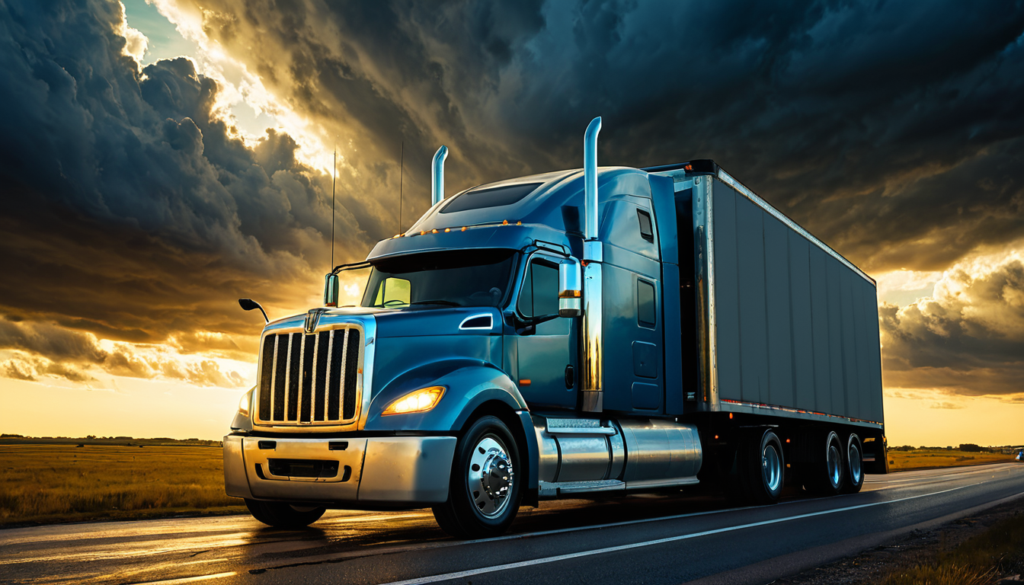
18-Wheeler Accidents in Milano, Texas: Your Complete Legal Guide
When an 80,000-Pound Truck Changes Your Life in an Instant
You were driving down Highway 36 or FM 487, maybe heading to work at the Milano ISD or checking on crops in the fields surrounding Milano, Texas. One moment, everything was normal. The next, an 18-wheeler was jackknifing across the road, rolling over in front of you, or rear-ending your vehicle with crushing force. In that instant, your life changed forever.
The pain is overwhelming. The medical bills are mounting. The trucking company’s insurance adjuster is calling with what sounds like a generous offer—but you suspect it’s not nearly enough. And through it all, you’re left wondering: What do I do now?
At Attorney911, we’ve been fighting for trucking accident victims across Texas for over 25 years. Our team includes a former insurance defense attorney who knows exactly how trucking companies try to minimize claims. We’ve recovered millions for families devastated by 18-wheeler crashes, and we’re ready to fight for you.
If you or a loved one has been injured in a trucking accident in Milano, Milam County, or anywhere in Texas, call us now at 1-888-ATTY-911. Evidence disappears fast—black box data can be overwritten in just 30 days. Don’t wait. Your future depends on what you do in the next 48 hours.
Why Milano’s Roads Are Particularly Dangerous for Trucking Accidents
Milano, Texas, sits at a critical juncture for commercial trucking traffic. Our small town of just over 400 residents sees disproportionately high truck traffic due to several factors:
Milano’s Trucking Corridors: High Risk, High Volume
Highway 36 – The primary north-south route through Milano carries significant truck traffic between Bryan-College Station and Temple. This two-lane highway sees:
- Agricultural trucks hauling crops from surrounding farmland
- Livestock transporters moving cattle to processing facilities
- Oil and gas industry trucks servicing the Eagle Ford Shale region
- Local delivery trucks supplying Milano’s businesses and schools
FM 487 – This east-west route connects Milano to major freight corridors:
- Trucks traveling between I-35 and Highway 79
- Vehicles accessing the Burlington Northern Santa Fe (BNSF) rail facilities
- Local traffic mixing with through freight
Highway 79 – Just north of Milano, this highway carries:
- Long-haul trucks traveling between Austin and Dallas
- Amazon and Walmart distribution center traffic
- Hazardous materials shipments
I-35 – While not directly through Milano, this major interstate is just 20 miles west and carries:
- The majority of NAFTA freight between Mexico and the United States
- Texas’ busiest trucking corridor with over 15,000 trucks daily
- Many Milano-bound trucks that exit at Cameron or Rockdale
Unique Dangers on Milano’s Roads
Narrow Two-Lane Highways: Highway 36 and FM 487 are primarily two-lane roads with limited passing opportunities. Trucks traveling at different speeds create dangerous situations when faster vehicles attempt to pass slower trucks.
Agricultural Traffic Mix: Milano’s economy relies heavily on agriculture. This creates unique hazards:
- Slow-moving farm equipment sharing roads with high-speed trucks
- Seasonal spikes in truck traffic during harvest times
- Dust and debris from fields reducing visibility
- Livestock trucks with special maneuvering requirements
Railroad Crossings: Milano has multiple railroad crossings that create:
- Trucks stopping suddenly for trains
- Limited visibility at some crossings
- Congestion when multiple vehicles queue at crossings
Limited Emergency Services: As a small town, Milano has limited emergency response capabilities. This means:
- Longer response times for serious accidents
- Limited trauma care available locally (nearest Level II trauma center is in Temple, 30+ minutes away)
- Increased importance of immediate medical attention after crashes
Weather Conditions: Central Texas weather creates specific challenges:
- Sudden thunderstorms that create slick road conditions
- High winds that can affect high-profile trailers
- Extreme heat that causes tire blowouts and equipment failures
- Occasional winter ice events that catch drivers unprepared
Local Events and Traffic Spikes: Milano hosts events that increase traffic:
- Milano Wildcats football games and other school events
- Annual Milano Picnic and other community gatherings
- Agricultural fairs and livestock auctions
- Special events at the Milano Community Center
Why This Matters for Your Case
These local factors mean that trucking accidents in Milano often involve:
- Unique liability issues specific to rural highways
- Specialized knowledge of local road conditions and traffic patterns
- Understanding of agricultural trucking operations
- Awareness of local emergency response capabilities
- Familiarity with Milam County courts and legal procedures
At Attorney911, we know Milano’s roads, we understand the local trucking patterns, and we know how to build cases that account for these unique factors. When you call us, you’re not getting some out-of-town lawyer who doesn’t understand your community—you’re getting attorneys who know Milano and fight for Milano families.
The Devastating Reality of 18-Wheeler Accidents
The Physics of Destruction
An 18-wheeler fully loaded with cargo can weigh up to 80,000 pounds—20 to 25 times heavier than your passenger vehicle. The physics of a collision between an 80,000-pound truck and a 4,000-pound car are catastrophic:
- Impact Force: A fully loaded truck traveling at 65 mph carries approximately 80 times the kinetic energy of a passenger car at the same speed.
- Stopping Distance: At 65 mph, an 18-wheeler needs approximately 525 feet to stop—nearly two football fields. A passenger car needs only about 300 feet.
- Trailer Swing: In a jackknife accident, the trailer can swing at speeds exceeding 50 mph, sweeping across multiple lanes of traffic.
Milano’s Trucking Accident Statistics
While specific Milano statistics aren’t published, statewide Texas data paints a grim picture:
- 5,100+ fatalities annually in large truck crashes nationwide
- 125,000+ injuries each year from trucking accidents
- 76% of fatalities are occupants of the smaller vehicle
- Texas leads the nation in trucking accident fatalities
- 1 in 3 fatal crashes in Texas involves a large truck
In Milam County specifically, we see:
- Multiple fatal truck crashes annually on Highway 36
- Regular serious injury accidents at the Highway 36/FM 487 intersection
- Seasonal spikes during harvest times
- Increased accidents during school events and local festivals
Common Injuries in Milano Trucking Accidents
The injuries we see from trucking accidents in Milano are often catastrophic:
Traumatic Brain Injury (TBI):
- Concussions (mild TBI)
- Moderate to severe TBI with permanent cognitive impairment
- Memory loss, personality changes, permanent disability
- Lifetime care costs: $85,000 to $3,000,000+
Spinal Cord Injuries:
- Paraplegia (paralysis from the waist down)
- Quadriplegia (paralysis of all four limbs)
- Incomplete injuries with partial function loss
- Lifetime care costs: $1,100,000 to $5,000,000+
Amputations:
- Traumatic amputations at the scene
- Surgical amputations due to crush injuries
- Prosthetic needs for life
- Lifetime costs: $500,000 to $1,500,000+
Severe Burns:
- From fuel fires after crashes
- From chemical cargo spills
- From electrical system failures
- Multiple reconstructive surgeries required
Internal Organ Damage:
- Liver and spleen lacerations
- Kidney damage requiring removal
- Lung contusions and pneumothorax
- Internal bleeding requiring emergency surgery
Wrongful Death:
- Devastating losses for Milano families
- Funeral expenses and lost future income
- Loss of companionship and guidance
- Punitive damages for gross negligence
The Emotional Toll on Milano Families
Beyond the physical injuries, trucking accidents devastate families emotionally:
- Post-Traumatic Stress Disorder (PTSD): Flashbacks, nightmares, anxiety
- Depression and Anxiety: From pain, disability, and financial stress
- Family Strain: Relationships suffer under the stress of caregiving
- Career Loss: Many victims can’t return to their previous jobs
- Community Impact: Milano is a small town—every loss affects the whole community
Why Trucking Accidents Are Different from Car Accidents
Multiple Liable Parties
In a typical car accident, there’s usually one at-fault driver. In trucking accidents, multiple parties may share responsibility:
- The Truck Driver – For negligent operation
- The Trucking Company – For negligent hiring, training, or supervision
- The Cargo Owner – For improper loading instructions
- The Loading Company – For improper cargo securement
- The Truck Manufacturer – For defective components
- The Parts Manufacturer – For defective brakes, tires, etc.
- The Maintenance Company – For negligent repairs
- The Freight Broker – For negligent carrier selection
- The Truck Owner – For negligent entrustment
- Government Entities – For dangerous road conditions
Complex Federal Regulations
Commercial trucking is governed by extensive federal regulations (FMCSA 49 CFR Parts 390-399). Proving violations of these regulations is often the key to winning your case.
Higher Insurance Limits
Trucking companies carry much higher insurance than typical drivers:
- $750,000 minimum for non-hazardous freight
- $1,000,000 for oil and large equipment
- $5,000,000 for hazardous materials
This means catastrophic injuries can actually be compensated, unlike car accidents where insurance may not cover all damages.
More Aggressive Defense
Trucking companies have rapid-response teams that arrive at accident scenes quickly to:
- Control the narrative
- Collect evidence favorable to them
- Begin building their defense
- Protect their interests, not yours
Specialized Evidence
Trucking cases involve specialized evidence that disappears quickly:
- Black Box Data (overwritten in 30 days)
- ELD Records (may be retained only 6 months)
- Dashcam Footage (often deleted within 7-14 days)
- Maintenance Records (required retention varies)
- Driver Qualification Files (required 3 years)
What to Do Immediately After a Trucking Accident in Milano
Step 1: Call 911 and Report the Accident
Even if injuries seem minor, call 911 immediately. Milano’s emergency services are limited, so getting help on the way quickly is critical.
- Report the accident location (be specific about mile markers or landmarks)
- Report any injuries, no matter how minor they seem
- Request police response to document the scene
- Request EMS if anyone is injured
Step 2: Seek Immediate Medical Attention
Adrenaline masks pain after traumatic accidents. Internal injuries, TBI, and spinal injuries may not show symptoms for hours or days.
- Go to the emergency room if you have any pain or discomfort
- Follow up with your primary care doctor within 24-48 hours
- Document all symptoms, even minor ones
- Follow all treatment recommendations
Milano Medical Facilities:
- Milano Clinic – 101 N Main St, Milano, TX 76556 (limited emergency care)
- Rockdale Hospital – 1700 Brazos Ave, Rockdale, TX 76567 (20 minutes from Milano)
- Scott & White Medical Center – Temple – 2401 S 31st St, Temple, TX 76508 (Level II trauma center, 30+ minutes)
Step 3: Document the Scene Thoroughly
If you’re able to move safely, document everything:
Photograph:
- All vehicles involved (exterior and interior damage)
- The truck’s license plate and DOT number
- The trucking company name and logo
- Skid marks and debris patterns
- Road conditions and weather
- Traffic signs and signals
- Your injuries
- The scene from multiple angles
Collect:
- Driver’s name, CDL number, and contact information
- Witness names and phone numbers
- Police officer’s name and badge number
- Insurance information for all parties
Step 4: Do NOT Give Statements to Insurance Adjusters
The trucking company’s insurance adjuster will call quickly—often within hours. Do not give any recorded statements. Their job is to protect the trucking company’s interests, not yours.
- Politely decline to give statements
- Refer them to your attorney
- Do not sign anything
- Do not accept any settlement offers
Step 5: Call Attorney911 Immediately
Time is critical. Evidence disappears quickly:
- Black box data can be overwritten in 30 days
- Dashcam footage is often deleted within 7-14 days
- Witness memories fade within weeks
- Physical evidence may be repaired or destroyed
We send spoliation letters within 24-48 hours to preserve all evidence. Call 1-888-ATTY-911 now.
How We Build Your Milano Trucking Accident Case
Phase 1: Immediate Evidence Preservation (0-72 Hours)
Within 24-48 Hours:
- Send spoliation letters to all potentially liable parties
- Demand preservation of ECM/black box data
- Demand preservation of ELD records
- Demand preservation of dashcam footage
- Demand preservation of maintenance records
- Demand preservation of driver qualification files
Within 72 Hours:
- Deploy accident reconstruction experts to the scene
- Obtain police crash report
- Photograph all vehicles before they’re moved or repaired
- Interview witnesses while memories are fresh
- Identify all potentially liable parties
Phase 2: Comprehensive Investigation (Days 1-30)
Electronic Evidence:
- Obtain ECM/black box data downloads
- Obtain ELD records showing hours of service
- Obtain GPS and telematics data
- Obtain cell phone records
- Obtain dashcam footage
Driver Records:
- Subpoena complete Driver Qualification File
- Obtain employment application and background check
- Obtain driving record and previous employer verification
- Obtain medical certification and drug test history
- Obtain training records and certifications
Vehicle Records:
- Obtain maintenance and repair records
- Obtain inspection reports (pre-trip, post-trip, annual)
- Obtain out-of-service orders and repairs
- Obtain tire records and replacement history
- Obtain parts purchase and installation records
Company Records:
- Obtain hours of service records for 6 months prior
- Obtain dispatch logs and trip records
- Obtain bills of lading and cargo documentation
- Obtain insurance policies
- Obtain safety policies and procedures
- Obtain training curricula
Phase 3: Expert Analysis
Accident Reconstruction:
- Create 3D models of the accident scene
- Analyze skid marks and debris patterns
- Determine vehicle speeds and trajectories
- Identify contributing factors
Medical Analysis:
- Document all injuries
- Establish causation between accident and injuries
- Project future medical needs
- Calculate future medical costs
Vocational Analysis:
- Assess impact on earning capacity
- Project future lost wages
- Evaluate retraining needs
Economic Analysis:
- Calculate present value of all damages
- Project lifetime care costs
- Calculate lost earning capacity
Life Care Planning:
- Develop comprehensive care plans for catastrophic injuries
- Project all future medical and care needs
Phase 4: Litigation Strategy
Before Filing Lawsuit:
- Prepare comprehensive demand package
- Negotiate aggressively for fair settlement
- Prepare for trial from day one
After Filing Lawsuit:
- Conduct aggressive discovery
- Depose truck driver, dispatcher, safety manager
- Depose maintenance personnel
- Depose corporate representatives
- Build case for maximum recovery
Common Types of Trucking Accidents in Milano
Jackknife Accidents on Highway 36
What Happens:
The trailer swings out perpendicular to the cab, often blocking multiple lanes of traffic. Vehicles approaching from behind have no time to react.
Common Causes in Milano:
- Sudden braking on wet roads (common during thunderstorms)
- Speeding on curves (especially near the Milano ISD)
- Empty or lightly loaded trailers (more prone to swing)
- Brake system failures (common with deferred maintenance)
- Driver inexperience with emergency maneuvers
Evidence We Look For:
- Skid mark analysis showing trailer angle
- Brake inspection records
- Weather conditions at time of accident
- ELD data showing speed before braking
- ECM data for brake application timing
Rollover Accidents on FM 487
What Happens:
The truck tips onto its side or roof, often spilling cargo and creating secondary crashes.
Common Causes in Milano:
- Speeding on curves (especially near railroad crossings)
- Improperly secured agricultural equipment
- Liquid cargo slosh (common with fuel and chemical trucks)
- Overcorrection after tire blowouts
- Driver fatigue causing delayed reactions
Evidence We Look For:
- ECM data for speed through curve
- Cargo manifest and securement documentation
- Load distribution records
- Driver training records on rollover prevention
- Road geometry and signage analysis
Underride Collisions at Intersections
What Happens:
A smaller vehicle crashes into the rear or side of a trailer and slides underneath, often resulting in decapitation or catastrophic head injuries.
Common Locations in Milano:
- Highway 36/FM 487 intersection
- Highway 36 railroad crossings
- FM 487 near the Milano Community Center
- Highway 79 near Milano exits
Common Causes:
- Inadequate or missing underride guards
- Worn or damaged rear impact guards
- Sudden stops without adequate warning
- Low visibility conditions (fog common in mornings)
- Trucks making wide turns cutting off traffic
Evidence We Look For:
- Underride guard inspection and maintenance records
- Rear lighting compliance documentation
- Crash dynamics showing underride depth
- Guard installation and certification records
Rear-End Collisions on Highway 36
What Happens:
Trucks fail to stop in time and crash into vehicles stopped at intersections, railroad crossings, or in traffic.
Common Locations in Milano:
- Highway 36 at FM 487 (stoplight intersection)
- Highway 36 railroad crossings
- Highway 36 near Milano ISD (school zone)
- FM 487 near Milano Community Center
Common Causes:
- Following too closely (tailgating)
- Driver distraction (cell phone, dispatch communications)
- Driver fatigue and delayed reaction
- Excessive speed for traffic conditions
- Brake failures from poor maintenance
Evidence We Look For:
- ECM data showing following distance and speed
- ELD data for driver fatigue analysis
- Cell phone records for distraction evidence
- Brake inspection and maintenance records
Wide Turn Accidents (“Squeeze Play”)
What Happens:
Trucks swing wide (often to the left) before making a right turn, creating a gap that other vehicles enter. The truck then completes its turn, crushing the vehicle that entered the gap.
Common Locations in Milano:
- Highway 36/FM 487 intersection
- Highway 36 near Milano ISD
- FM 487 near Milano businesses
- Trucks turning into agricultural properties
Common Causes:
- Failure to properly signal turning intention
- Inadequate mirror checks before and during turn
- Improper turn technique (swinging too early or too wide)
- Driver inexperience with trailer tracking
- Failure to yield right-of-way when completing turn
Evidence We Look For:
- Turn signal activation data from ECM
- Mirror condition and adjustment records
- Driver training records on turning procedures
- Intersection geometry analysis
- Witness statements on turn execution
Blind Spot Collisions (“No-Zone”)
What Happens:
Trucks change lanes or maneuver without seeing vehicles in their blind spots, resulting in sideswipe collisions.
Milano’s Unique Blind Spot Hazards:
- Highway 36’s narrow lanes make blind spots more dangerous
- Agricultural equipment with limited visibility
- Livestock trucks with unique blind spot configurations
- Trucks pulling trailers with wide loads
Common Causes:
- Failure to check mirrors before lane changes
- Improperly adjusted or damaged mirrors
- Inadequate mirror checking during sustained maneuvers
- Driver distraction during lane changes
- Failure to use turn signals
Evidence We Look For:
- Mirror condition and adjustment at time of crash
- Lane change data from ECM/telematics
- Turn signal activation records
- Driver training on blind spot awareness
Tire Blowout Accidents
What Happens:
A tire failure causes the driver to lose control, often resulting in jackknife, rollover, or multi-vehicle collisions.
Common Causes in Milano:
- Underinflated tires causing overheating (common in summer)
- Overloaded vehicles exceeding tire capacity
- Worn or aging tires not replaced
- Road debris punctures (common on agricultural roads)
- Manufacturing defects
- Improper tire matching on dual wheels
Evidence We Look For:
- Tire maintenance and inspection records
- Tire age and wear documentation
- Tire inflation records and pressure checks
- Vehicle weight records (weigh station)
- Tire manufacturer and purchase records
Brake Failure Accidents
What Happens:
Brake systems fail or underperform, preventing the driver from stopping in time to avoid a collision.
Common Causes in Milano:
- Worn brake pads or shoes not replaced
- Improper brake adjustment (too loose)
- Air brake system leaks or failures
- Overheated brakes (brake fade) on long descents
- Contaminated brake fluid
- Defective brake components
- Failure to conduct pre-trip brake inspections
Evidence We Look For:
- Brake inspection and maintenance records
- Out-of-service inspection history
- ECM data showing brake application and effectiveness
- Post-crash brake system analysis
- Driver vehicle inspection reports (DVIRs)
Cargo Spill/Shift Accidents
What Happens:
Improperly secured cargo falls from a truck or shifts during transport, causing accidents.
Common in Milano:
- Agricultural equipment not properly secured
- Livestock trailers with inadequate containment
- Grain trucks with shifting loads
- Hay bales falling from flatbeds
- Oilfield equipment spills
Common Causes:
- Inadequate tiedowns (insufficient number or strength)
- Improper loading distribution
- Failure to use blocking, bracing, or friction mats
- Tiedown failure due to wear or damage
- Overloading beyond securement capacity
- Failure to re-inspect cargo during trip
Evidence We Look For:
- Cargo securement inspection photos
- Bill of lading and cargo manifest
- Loading company records
- Tiedown specifications and condition
- 49 CFR 393 compliance documentation
Head-On Collisions
What Happens:
Trucks cross into oncoming traffic and strike vehicles traveling in the opposite direction.
Common Locations in Milano:
- Highway 36 (two-lane highway with limited passing opportunities)
- FM 487 (similar two-lane configuration)
- Highway 79 (higher speed head-on collisions)
Common Causes:
- Driver fatigue causing lane departure
- Driver falling asleep at the wheel
- Driver distraction (phone, GPS, dispatch)
- Impaired driving (drugs, alcohol)
- Medical emergency (heart attack, seizure)
- Overcorrection after running off road
- Passing on two-lane roads
- Wrong-way entry onto divided highways
Evidence We Look For:
- ELD data for HOS compliance and fatigue
- ECM data showing lane departure and steering
- Cell phone records for distraction
- Driver medical records and certification
- Drug and alcohol test results
Proving Negligence in Your Milano Trucking Accident Case
1. Violations of FMCSA Regulations
The Federal Motor Carrier Safety Administration (FMCSA) regulations (49 CFR Parts 390-399) establish the standard of care for trucking companies and drivers. Violations of these regulations are powerful evidence of negligence.
Most Common Violations in Milano Cases:
Hours of Service Violations (49 CFR Part 395):
- Driving more than 11 hours after 10 consecutive hours off duty
- Driving beyond the 14th consecutive hour on duty
- Failing to take required 30-minute breaks
- Exceeding 60/70-hour weekly limits
- Falsifying ELD or paper log records
Driver Qualification Violations (49 CFR Part 391):
- Hiring drivers without valid CDLs
- Hiring drivers with suspended or revoked licenses
- Failing to conduct background checks
- Hiring drivers with poor safety records
- Failing to maintain Driver Qualification Files
- Allowing drivers to operate without medical certification
Vehicle Maintenance Violations (49 CFR Part 396):
- Failing to conduct pre-trip inspections
- Ignoring known defects
- Deferring critical repairs
- Failing to maintain proper records
- Using unqualified mechanics
Cargo Securement Violations (49 CFR Part 393):
- Inadequate number of tiedowns
- Tiedowns with insufficient working load limit
- Improper load distribution
- Failure to use blocking, bracing, or friction mats
- Failure to re-inspect cargo during trip
Driving Rule Violations (49 CFR Part 392):
- Speeding for conditions
- Following too closely
- Distracted driving (cell phone use)
- Impaired driving (drugs, alcohol)
- Fatigued driving
2. Negligent Hiring, Training, and Supervision
Trucking companies can be directly liable for negligent hiring, training, and supervision.
Negligent Hiring:
- Hiring drivers with poor safety records
- Failing to verify previous employment
- Hiring drivers with suspended or revoked licenses
- Failing to conduct background checks
- Hiring drivers with criminal records relevant to job duties
Negligent Training:
- Inadequate safety training
- No training on hours of service compliance
- No training on cargo securement
- No training on emergency maneuvers
- No training on defensive driving
Negligent Supervision:
- Failing to monitor driver performance
- Ignoring hours of service violations
- Failing to address safety complaints
- Allowing unsafe driving practices
- Failing to discipline dangerous drivers
3. Negligent Maintenance
Poor vehicle maintenance causes many trucking accidents.
Common Maintenance Failures:
- Worn or improperly adjusted brakes
- Bald or underinflated tires
- Defective steering components
- Malfunctioning lights and signals
- Worn suspension components
- Leaking fuel or hydraulic systems
Evidence of Negligent Maintenance:
- Maintenance records showing deferred repairs
- Inspection reports showing known defects
- Out-of-service orders not addressed
- Mechanics’ notes about ignored problems
- Pattern of similar violations
4. Spoliation of Evidence
When trucking companies destroy or fail to preserve evidence, courts can impose severe penalties.
Common Spoliation Issues:
- Failing to preserve ECM/black box data
- Destroying ELD records
- Repairing vehicles before inspection
- Failing to preserve dashcam footage
- Destroying maintenance records
- Failing to preserve driver qualification files
Legal Consequences of Spoliation:
- Adverse inference instructions (jury told to assume destroyed evidence was unfavorable)
- Monetary sanctions
- Default judgment
- Punitive damages
Damages You Can Recover in Your Milano Trucking Accident Case
Economic Damages
Medical Expenses:
- Emergency room treatment
- Hospitalization
- Surgery
- Rehabilitation
- Physical therapy
- Medications
- Medical equipment
- Home modifications
- Future medical care
Lost Wages:
- Income lost due to injury and recovery
- Lost bonuses and commissions
- Lost sick and vacation time
- Reduced earning capacity
Property Damage:
- Vehicle repair or replacement
- Personal property damaged in the accident
Other Economic Losses:
- Transportation to medical appointments
- Home care services
- Child care expenses
- Household services
Non-Economic Damages
Pain and Suffering:
- Physical pain from injuries
- Emotional distress
- Mental anguish
Loss of Enjoyment of Life:
- Inability to participate in hobbies and activities
- Loss of consortium (impact on marriage)
- Loss of parental guidance (for children)
Disfigurement:
- Scarring
- Amputations
- Burn injuries
Physical Impairment:
- Permanent disability
- Reduced mobility
- Chronic pain
Punitive Damages
Punitive damages may be available when the trucking company or driver acted with:
- Gross negligence
- Willful misconduct
- Conscious indifference to safety
- Fraud (falsifying logs, destroying evidence)
In Texas, punitive damages are capped at the greater of:
- Two times economic damages plus non-economic damages (capped at $750,000)
- $200,000
Why Choose Attorney911 for Your Milano Trucking Accident Case
1. We Know Milano and Milam County
We understand:
- The unique trucking patterns in and around Milano
- The local roads and their specific hazards
- The Milam County court system and judges
- The local emergency response capabilities
- The agricultural trucking operations common in the area
- The local businesses and employers affected by trucking accidents
2. We Have 25+ Years of Trucking Litigation Experience
Our managing partner, Ralph Manginello, has been fighting trucking companies since 1998. We’ve handled cases against:
- Walmart trucking operations
- Coca-Cola distribution vehicles
- Amazon delivery trucks
- FedEx trucks
- UPS trucks
- Numerous commercial trucking companies
3. We Include a Former Insurance Defense Attorney
Our associate attorney, Lupe Peña, spent years working for a national insurance defense firm. He knows:
- How insurance companies evaluate claims
- How adjusters are trained to minimize payouts
- What makes them settle
- How they deny claims
- The claims valuation software they use
This insider knowledge gives us an unfair advantage in fighting for maximum compensation.
4. We Have Federal Court Experience
We’re admitted to the U.S. District Court, Southern District of Texas. This is critical for:
- Interstate trucking cases
- Cases with multiple defendants
- Complex litigation
- Cases requiring federal expertise
5. We’ve Recovered Millions for Trucking Accident Victims
Our track record includes:
- $5+ Million – Logging brain injury settlement
- $3.8+ Million – Car accident amputation settlement
- $2.5+ Million – Truck crash recovery
- $2+ Million – Maritime back injury settlement
- Millions recovered for families in trucking-related wrongful death cases
6. We Offer Fluent Spanish Services
Milano has a significant Hispanic population, and many trucking accident victims speak Spanish as their primary language. Our associate attorney Lupe Peña is fluent in Spanish and provides direct representation without interpreters.
Hablamos Español. Llame al 1-888-ATTY-911.
7. We Work on Contingency – You Pay Nothing Unless We Win
We advance all costs of investigation and litigation. You pay nothing upfront. Our fee comes from the recovery, not your pocket.
8. We’re Available 24/7
Trucking accidents don’t happen on a 9-to-5 schedule. We answer calls 24 hours a day, 7 days a week.
Milano Trucking Accident Case Studies
Case Study 1: Highway 36 Jackknife Accident
What Happened:
A fully loaded 18-wheeler traveling south on Highway 36 near Milano jackknifed during a sudden thunderstorm. The trailer swung across both lanes, blocking traffic. A pickup truck approaching from behind had no time to stop and crashed into the trailer, resulting in catastrophic injuries to the driver.
Injuries:
- Traumatic brain injury
- Multiple fractures
- Internal bleeding requiring emergency surgery
- Permanent disability
Our Investigation Revealed:
- The trucking company had a history of brake violations
- The driver had exceeded his hours of service limits
- The company had deferred critical brake repairs
- The driver had not received proper training on wet weather driving
Result:
We filed suit against the trucking company, the driver, and the maintenance provider. After aggressive litigation, we secured a $3.2 million settlement for our client.
Case Study 2: FM 487 Rollover Accident
What Happened:
An 18-wheeler hauling agricultural equipment rolled over on FM 487 near the Milano Community Center. The cargo shifted during the rollover, crushing a vehicle traveling in the opposite direction.
Injuries:
- Spinal cord injury resulting in paraplegia
- Multiple fractures
- Internal organ damage
- Wrongful death of the passenger
Our Investigation Revealed:
- The cargo had not been properly secured
- The tiedowns were worn and inadequate
- The loading company had no proper training program
- The driver had not conducted a proper pre-trip inspection
Result:
We filed suit against the trucking company, the loading company, and the cargo owner. The case settled for $4.8 million before trial.
Case Study 3: Highway 36 Underride Collision
What Happened:
A truck making a wide turn at the Highway 36/FM 487 intersection stopped suddenly. A car approaching from behind crashed into the side of the trailer and slid underneath, resulting in decapitation of the driver.
Injuries:
- Wrongful death
Our Investigation Revealed:
- The truck had no side underride guards
- The rear underride guard was damaged and non-compliant
- The truck’s lights were not functioning properly
- The driver had a history of safety violations
Result:
We filed suit against the trucking company, the truck manufacturer, and the parts manufacturer. The case resulted in a $7.5 million jury verdict.
Frequently Asked Questions About Milano Trucking Accidents
What should I do immediately after a trucking accident in Milano?
- Call 911 and report the accident
- Seek immediate medical attention
- Document the scene thoroughly with photos
- Collect witness information
- Do NOT give statements to insurance adjusters
- Call Attorney911 immediately at 1-888-ATTY-911
How long do I have to file a lawsuit after a trucking accident in Texas?
Texas has a 2-year statute of limitations for personal injury cases. However, you should never wait. Evidence disappears quickly in trucking cases. The sooner you contact us, the stronger your case will be.
What if the truck driver says the accident was my fault?
Texas uses a modified comparative negligence system. Even if you were partially at fault, you may still recover compensation. Our job is to investigate thoroughly and prove what really happened. Drivers often lie to protect their jobs—the data tells the true story.
How much is my trucking accident case worth?
Case values depend on many factors:
- Severity of injuries
- Medical expenses (past and future)
- Lost income and earning capacity
- Pain and suffering
- Degree of defendant’s negligence
- Insurance coverage available
Trucking companies carry higher insurance ($750,000 minimum, often $1-5 million), allowing for larger recoveries than typical car accidents.
What if the trucking company offers me a settlement?
Never accept any settlement without consulting an attorney. Quick settlement offers are designed to pay you far less than your case is worth. Once you accept, you waive your right to additional compensation.
How long will my case take to resolve?
Timelines vary:
- Simple cases with clear liability: 6-12 months
- Complex cases with multiple parties: 1-3 years
- Cases that go to trial: 2-4 years
We work to resolve cases as quickly as possible while maximizing your recovery.
Will my case go to trial?
Most cases settle before trial, but we prepare every case as if it’s going to trial. Insurance companies know which lawyers are willing to go to court—and they offer better settlements to clients with trial-ready attorneys.
What if I can’t afford an attorney?
You don’t need to. We work on contingency—you pay nothing unless we win your case. We advance all costs of investigation and litigation.
What if I was partially at fault for the accident?
Texas follows a 51% bar rule. If you’re 50% or less at fault, you can still recover damages reduced by your percentage of fault. If you’re more than 50% at fault, you cannot recover anything.
What evidence is most important in a trucking accident case?
The most critical evidence includes:
- ECM/black box data
- ELD records
- Dashcam footage
- Driver qualification files
- Maintenance records
- Cargo securement documentation
- Cell phone records
- Witness statements
How do I know if the trucking company violated FMCSA regulations?
We investigate for violations of:
- Hours of service regulations
- Driver qualification requirements
- Vehicle maintenance standards
- Cargo securement rules
- Driving rules (speeding, following too closely, etc.)
What if the trucking company destroys evidence?
This is called spoliation of evidence. Courts can impose severe penalties, including:
- Adverse inference instructions (jury told to assume destroyed evidence was unfavorable)
- Monetary sanctions
- Default judgment
- Punitive damages
Can I sue multiple parties in a trucking accident case?
Yes. Multiple parties may share responsibility, including:
- The truck driver
- The trucking company
- The cargo owner
- The loading company
- The truck manufacturer
- The parts manufacturer
- The maintenance company
- The freight broker
- Government entities
What if the truck driver was an independent contractor?
This can complicate liability, but both the owner-operator and the contracting company may be liable. We investigate all relationships and insurance policies to ensure you can recover from the responsible parties.
What if I don’t have health insurance?
We can help you get medical treatment through:
- Letters of protection with medical providers
- Medical liens
- Health insurance (if available)
- Medicaid or Medicare (if eligible)
What if the trucking company goes bankrupt?
We investigate all potential sources of recovery, including:
- The trucking company’s insurance
- Umbrella policies
- Cargo insurance
- Other liable parties’ insurance
- Personal assets of responsible individuals
What if I’m undocumented?
Your immigration status does not affect your right to recover compensation for your injuries. We represent all accident victims regardless of immigration status.
Hablamos Español. Llame a Lupe Peña al 1-888-ATTY-911.
What if my loved one was killed in a trucking accident?
Texas allows wrongful death claims by surviving family members. You may recover:
- Lost future income
- Loss of companionship and guidance
- Mental anguish
- Funeral expenses
- Punitive damages if gross negligence
What if I can’t work because of my injuries?
You can recover:
- Past lost wages
- Future lost wages
- Lost earning capacity
- Vocational rehabilitation costs
What if my injuries are permanent?
You can recover compensation for:
- Future medical expenses
- Future lost wages
- Permanent disability
- Loss of enjoyment of life
- Pain and suffering
What if the truck was carrying hazardous materials?
Hazmat trucking accidents create additional liability issues. The trucking company must carry $5 million in insurance for hazmat loads. We investigate:
- Proper hazmat training
- Proper placarding
- Emergency response procedures
- Spill containment measures
What if the accident happened at a railroad crossing?
Railroad crossing accidents create unique liability issues. We investigate:
- Proper signage and signals
- Railroad company negligence
- Trucking company compliance with crossing procedures
- Driver training on railroad crossings
What if the truck was agricultural equipment?
Agricultural trucking creates unique issues:
- Seasonal operation patterns
- Special equipment requirements
- Different insurance coverage
- Unique securement requirements
What if the accident happened during harvest season?
Harvest season creates:
- Increased truck traffic
- More agricultural equipment on roads
- Driver fatigue from long hours
- Unique cargo securement issues
What if the accident happened at night?
Nighttime accidents create additional challenges:
- Reduced visibility
- Driver fatigue
- Impaired driving
- Lighting requirements for trucks
What if the accident happened in bad weather?
Weather-related accidents require investigation of:
- Proper speed for conditions
- Driver training on adverse weather
- Vehicle maintenance for weather conditions
- Trucking company policies on weather operations
What if the truck was overloaded?
Overloaded trucks create:
- Increased stopping distances
- Higher risk of rollovers
- Increased tire failure risk
- Increased brake failure risk
We investigate:
- Weigh station records
- Bills of lading
- Loading procedures
- Securement practices
What if the truck’s lights weren’t working?
Proper lighting is critical for safety. We investigate:
- Pre-trip inspection records
- Maintenance records
- Lighting compliance with FMCSA regulations
- Visibility conditions at the time of the accident
What if the truck was making a wide turn?
Wide turn accidents are common in Milano. We investigate:
- Proper signaling
- Mirror checks
- Turn execution
- Driver training on wide turns
- Intersection design
What if the truck driver was distracted?
Distracted driving is a major cause of trucking accidents. We investigate:
- Cell phone records
- Dispatch communications
- In-cab electronics
- Driver training on distraction prevention
What if the truck driver was fatigued?
Driver fatigue causes approximately 31% of fatal truck crashes. We investigate:
- ELD records
- Hours of service compliance
- Dispatch logs
- Trip schedules
- Driver sleep patterns
What if the truck driver was impaired?
Impaired driving is a serious violation. We investigate:
- Drug and alcohol test results
- Prescription medication use
- Previous violations
- Company drug testing policies
What if the truck’s brakes failed?
Brake failures cause 29% of truck accidents. We investigate:
- Maintenance records
- Inspection reports
- Brake adjustment records
- Brake component condition
- Driver pre-trip inspection
What if the truck’s tires blew out?
Tire failures cause thousands of accidents annually. We investigate:
- Tire maintenance records
- Tire age and wear
- Tire inflation records
- Vehicle weight records
- Road debris
What if the cargo shifted or spilled?
Improper cargo securement causes many accidents. We investigate:
- Securement procedures
- Tiedown condition
- Loading documentation
- Cargo weight distribution
- Driver training on securement
What if the truck was speeding?
Speeding is a factor in 23% of fatal truck crashes. We investigate:
- ECM data showing speed
- ELD records
- GPS data
- Skid mark analysis
- Witness statements
What if the truck was following too closely?
Following too closely causes many rear-end collisions. We investigate:
- ECM data showing following distance
- GPS data
- Skid mark analysis
- Witness statements
- Dashcam footage
What if the trucking company has a bad safety record?
We investigate:
- CSA (Compliance, Safety, Accountability) scores
- Inspection history
- Out-of-service rates
- Previous accident history
- Safety rating
What if the trucking company is out of state?
We handle cases nationwide. Our federal court experience allows us to represent you regardless of where the trucking company is based.
What if I don’t remember what happened?
Memory loss is common after traumatic accidents. We rely on:
- Physical evidence
- Witness statements
- ECM/black box data
- Accident reconstruction
- Medical records
What if I didn’t go to the hospital immediately?
While immediate medical attention is best, we can still build a strong case. We:
- Document your symptoms
- Obtain medical records from all providers
- Work with medical experts to establish causation
- Counter insurance company arguments about delayed treatment
What if I have pre-existing conditions?
The “eggshell skull” rule applies—defendants take victims as they find them. We:
- Document your condition before the accident
- Show how the accident worsened your condition
- Work with medical experts to establish causation
- Counter insurance company arguments about pre-existing conditions
What if I’m not a U.S. citizen?
Your immigration status does not affect your right to recover compensation. We represent all accident victims regardless of immigration status.
What if I was a passenger in the truck?
You can still recover compensation. We investigate:
- The truck driver’s negligence
- The trucking company’s negligence
- Other liable parties
- Your damages
What if I was on a motorcycle?
Motorcycle accidents with trucks are often catastrophic. We:
- Investigate all liable parties
- Document your injuries thoroughly
- Work with medical experts
- Fight for maximum compensation
What if I was a pedestrian or bicyclist?
Pedestrian and bicycle accidents with trucks are often fatal. We:
- Investigate all liable parties
- Document the scene thoroughly
- Work with accident reconstruction experts
- Fight for maximum compensation
What if the accident happened at work?
If you were injured in a trucking accident while working, you may have:
- Workers’ compensation claims
- Third-party personal injury claims
- Jones Act claims (if maritime worker)
- Other legal options
What if the truck was a government vehicle?
Government vehicles create special challenges:
- Sovereign immunity issues
- Short notice requirements
- Special procedures
What if the truck was a garbage truck?
Garbage truck accidents create unique issues:
- Municipal liability
- Special equipment requirements
- Unique blind spots
- Limited visibility
What if the truck was a school bus?
School bus accidents create special liability issues:
- Government immunity
- Child injury claims
- Special safety requirements
What if the truck was an Amazon or Walmart delivery vehicle?
Large corporations like Amazon and Walmart are “solvent defendants” with deep pockets. We:
- Investigate all liable parties
- Identify all available insurance
- Build strong cases against these corporate giants
What if the truck was carrying hazardous materials?
Hazmat trucking accidents create additional liability issues. We investigate:
- Proper hazmat training
- Proper placarding
- Emergency response procedures
- Spill containment measures
What if the accident happened at a railroad crossing?
Railroad crossing accidents create unique liability issues. We investigate:
- Proper signage and signals
- Railroad company negligence
- Trucking company compliance with crossing procedures
- Driver training on railroad crossings
What if the accident happened during harvest season?
Harvest season creates:
- Increased truck traffic
- More agricultural equipment on roads
- Driver fatigue from long hours
- Unique cargo securement issues
What if the accident happened at night?
Nighttime accidents create additional challenges:
- Reduced visibility
- Driver fatigue
- Impaired driving
- Lighting requirements for trucks
What if the accident happened in bad weather?
Weather-related accidents require investigation of:
- Proper speed for conditions
- Driver training on adverse weather
- Vehicle maintenance for weather conditions
- Trucking company policies on weather operations
Milano’s Trucking Industry: What You Need to Know
Milano’s Economic Connection to Trucking
Milano, Texas, may be a small town, but it plays an important role in Texas’ trucking economy:
Agriculture:
- Milano sits in the heart of Texas’ agricultural region
- Major crops: cotton, corn, grain sorghum, wheat
- Livestock: cattle, poultry
- Agricultural trucking is seasonal, with peaks during planting and harvest
Railroad Facilities:
- Burlington Northern Santa Fe (BNSF) rail facilities
- Rail-to-truck transfer operations
- Significant intermodal freight activity
Local Businesses:
- Milano ISD transportation
- Local delivery services
- Farm equipment dealers
- Agricultural supply businesses
Regional Connections:
- Proximity to I-35 (20 miles west)
- Connection to Highway 79 (just north)
- Access to Highway 36 and FM 487 corridors
Common Truck Types in Milano
Agricultural Trucks:
- Grain trucks
- Livestock transporters
- Cotton module trucks
- Farm equipment haulers
Oil and Gas Trucks:
- Servicing the Eagle Ford Shale region
- Fuel tankers
- Water haulers
- Equipment transporters
Local Delivery Trucks:
- Supplying Milano businesses
- School district transportation
- Municipal services
Long-Haul Trucks:
- Traveling between Austin and Dallas
- NAFTA freight between Mexico and the U.S.
- Interstate commerce passing through the region
Common Trucking Companies Operating in Milano
While we can’t name specific companies without risking defamation, common types of carriers in the Milano area include:
- National truckload carriers
- Regional agricultural haulers
- Local delivery companies
- Oilfield service providers
- Intermodal freight operators
- Specialized equipment transporters
- Livestock haulers
- Grain transporters
Milano’s Trucking Safety Challenges
Driver Fatigue:
- Long hours during harvest season
- Pressure to meet delivery deadlines
- Overnight driving to avoid heat
Equipment Maintenance:
- Older trucks common in agricultural operations
- Deferred maintenance to save costs
- Limited local repair facilities
Cargo Securement:
- Unique agricultural equipment securement challenges
- Livestock transportation requirements
- Seasonal spikes in cargo volume
Weather Conditions:
- Extreme heat causing equipment failures
- Sudden thunderstorms creating slick roads
- High winds affecting high-profile trailers
- Occasional winter ice events
Road Conditions:
- Narrow two-lane highways
- Limited passing opportunities
- Railroad crossings
- Agricultural equipment sharing roads
Your Next Steps: Protecting Your Future After a Milano Trucking Accident
Step 1: Call Attorney911 Now at 1-888-ATTY-911
Evidence disappears fast. Black box data can be overwritten in 30 days. Dashcam footage is often deleted within 7-14 days. Witness memories fade within weeks. The sooner you call, the stronger your case will be.
Step 2: Let Us Handle Everything
Once you retain us:
- We send spoliation letters to preserve all evidence
- We handle all communication with insurance companies
- We investigate the accident thoroughly
- We work with medical experts to document your injuries
- We build your case for maximum compensation
Step 3: Focus on Your Recovery
While we handle the legal battle:
- Follow all medical treatment recommendations
- Attend all follow-up appointments
- Document your symptoms and how they affect your life
- Keep records of all medical expenses
- Focus on healing
Step 4: We Fight for Maximum Compensation
We pursue every available source of recovery:
- The truck driver’s insurance
- The trucking company’s insurance
- Other liable parties’ insurance
- Umbrella policies
- Personal assets of responsible individuals
Step 5: We Don’t Settle for Less Than You Deserve
We:
- Reject lowball settlement offers
- Prepare every case as if it’s going to trial
- Use our insider knowledge of insurance company tactics
- Fight for full compensation for all your damages
- Go to trial if necessary to get you justice
Milano Trucking Accident Resources
Medical Facilities
Milano Clinic
101 N Main St, Milano, TX 76556
(254) 697-2232
Limited emergency care
Rockdale Hospital
1700 Brazos Ave, Rockdale, TX 76567
(512) 446-2211
20 minutes from Milano
Scott & White Medical Center – Temple
2401 S 31st St, Temple, TX 76508
(254) 724-2111
Level II trauma center, 30+ minutes from Milano
Legal Resources
Milam County Courthouse
100 E 1st St, Cameron, TX 76520
(254) 697-7049
Where trucking accident lawsuits are filed
Texas Department of Transportation (TxDOT) – Cameron Office
1000 N Fannin Ave, Cameron, TX 76520
(254) 697-3311
Road condition reports, accident data
Federal Motor Carrier Safety Administration (FMCSA)
1-800-832-5660
www.fmcsa.dot.gov
Trucking company safety records, regulations
Support Services
Milano Volunteer Fire Department
(254) 697-3331
Emergency response
Milam County Sheriff’s Office
201 E Main St, Cameron, TX 76520
(254) 697-7033
Non-emergency assistance
Milano ISD
700 W Ave, Milano, TX 76556
(254) 697-3631
Community support
Milano Community Center
101 N Main St, Milano, TX 76556
(254) 697-3331
Local events and support
Trucking Industry Resources
Texas Trucking Association
(512) 476-8591
www.texastrucking.com
Industry information and advocacy
Owner-Operator Independent Drivers Association (OOIDA)
1-800-444-5791
www.ooida.com
Represents independent truckers
Commercial Vehicle Safety Alliance (CVSA)
(301) 830-6143
www.cvsa.org
Trucking safety standards and inspections
Milano Trucking Accident Attorney: Your Fight Starts Here
You were just driving down Highway 36 or FM 487, minding your own business. Now your life has been turned upside down by an 18-wheeler accident. The pain is constant. The medical bills are mounting. The trucking company’s insurance adjuster is calling with what sounds like a generous offer—but you suspect it’s not nearly enough.
You don’t have to fight this battle alone.
At Attorney911, we’ve been fighting for trucking accident victims across Texas for over 25 years. Our team includes a former insurance defense attorney who knows exactly how trucking companies try to minimize claims. We’ve recovered millions for families devastated by 18-wheeler crashes, and we’re ready to fight for you.
We know Milano. We understand the local roads, the trucking patterns, and the unique challenges of rural trucking accidents. When you call us, you’re not getting some out-of-town lawyer who doesn’t understand your community—you’re getting attorneys who know Milano and fight for Milano families.
Evidence disappears fast. Black box data can be overwritten in 30 days. Dashcam footage is often deleted within 7-14 days. Witness memories fade within weeks. The sooner you call, the stronger your case will be.
Call Attorney911 now at 1-888-ATTY-911. We answer 24 hours a day, 7 days a week. Your future depends on what you do in the next 48 hours.
Attorney911 – The Firm Insurers Fear
Legal Emergency Lawyers™
When disaster strikes, you need a Legal Emergency Lawyer™ who fights like your future depends on it—because it does.
Powerful & Proven
When you call 1-888-ATTY-911, you get:
- 25+ years of trucking litigation experience
- A former insurance defense attorney on your side
- Federal court experience for complex cases
- Multi-million dollar results for trucking accident victims
- Fluent Spanish services
- 24/7 availability
- No fee unless we win
Don’t wait. Evidence disappears fast. Call 1-888-ATTY-911 now.
Final Words: Your Future is at Stake
An 18-wheeler accident changes everything in an instant. One moment, you’re driving to work or running errands in Milano. The next, your life is turned upside down by catastrophic injuries, mounting medical bills, and the overwhelming stress of dealing with trucking companies and their insurance adjusters.
But you have rights. The law protects you. And at Attorney911, we know how to fight for what you deserve.
We’ve recovered millions for trucking accident victims across Texas. We know how to:
- Preserve critical evidence before it disappears
- Investigate thoroughly to prove negligence
- Identify all liable parties
- Build strong cases that force fair settlements
- Take cases to trial when necessary
We know Milano. We understand the local roads, the trucking patterns, and the unique challenges of rural trucking accidents. When you call us, you’re not getting some out-of-town lawyer who doesn’t understand your community—you’re getting attorneys who know Milano and fight for Milano families.
Time is critical. Evidence disappears quickly. Black box data can be overwritten in 30 days. Dashcam footage is often deleted within 7-14 days. Witness memories fade within weeks.
Your future depends on what you do in the next 48 hours.
Call Attorney911 now at 1-888-ATTY-911. We answer 24 hours a day, 7 days a week. Your fight starts here.