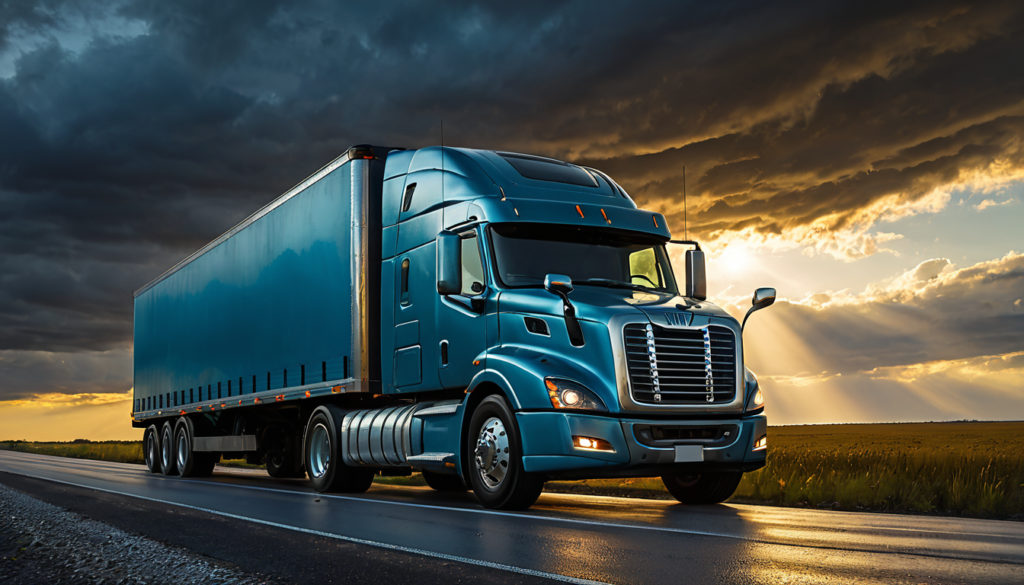
18-Wheeler Accident Lawyers in Clinton County, Illinois
When 80,000 Pounds of Steel Changes Everything
The corn harvest was in full swing along I-64 near Breese when it happened. One moment, you’re driving home past the fields near Carlyle Lake. The next, an 18-wheeler’s blown tire sends 53 feet of trailer jackknifing across three lanes. Or maybe it’s winter, and a fatigued truck driver loses control on the bridge near Trenton, slamming into your vehicle at 65 miles per hour.
If you’re reading this from a hospital bed in Clinton County—or if you’re searching for answers after losing a loved one to a trucking accident on Illinois Route 50—you’re facing a fight you didn’t ask for. You need more than just a lawyer. You need a team that knows how to beat trucking companies at their own game.
We’re Attorney911. Our managing partner, Ralph Manginello, has spent over 25 years—since 1998—holding trucking companies accountable for catastrophic accidents across Illinois and beyond. We’ve secured multi-million dollar settlements for traumatic brain injury victims, amputees, and families who’ve lost everything to negligent trucking operations. And our associate attorney, Lupe Peña, spent years working inside the insurance defense world before joining our side. He knows exactly how trucking insurers try to minimize your claim, because he used to be one of them.
Now he fights against them. That’s your advantage.
Call us immediately at 1-888-ATTY-911 or 888-288-9911. Evidence in Clinton County trucking accidents disappears fast—within 48 hours in some cases—and the trucking company already has lawyers working to protect their interests.
Why Clinton County Truck Accidents Are Different
Clinton County sits at the crossroads of Illinois’ agricultural heartland and the St. Louis metropolitan corridor. Our roads tell a unique story of risk that’s different from Chicago or Springfield.
The Clinton County Trucking Landscape:
Interstate 64 cuts straight through the county, carrying freight between St. Louis and Indianapolis. US Route 50 and Route 51 feed into our communities—Breese, Carlyle, Aviston, and Trenton—creating a mix of high-speed interstate traffic and rural two-lane roads where massive combines share space with 80,000-pound semis.
This geography creates specific dangers:
- Agricultural Traffic Conflicts: During planting and harvest seasons, truck traffic increases dramatically on rural routes. Grain haulers, equipment transporters, and long-haul freight create congestion on roads never designed for 53-foot trailers.
- Winter Weather Hazards: From December through March, I-64 and Route 50 can become ice-covered. A truck driver from Texas or California—unfamiliar with black ice on the overpasses near Germantown—can lose control instantly.
- Port-to-Interior Freight: As part of the St. Louis metro area, Clinton County sees significant port traffic. Containers from the Mississippi River docks pass through our interstates, creating overloaded and improperly secured cargo risks.
As client Chad Harris told us after we handled his family’s trucking case: “You are NOT just some client… You are FAMILY to them.” That’s how we treat every Clinton County case. But make no mistake—we fight the trucking companies with everything we have.
The Physics of Catastrophe: Size, Speed, and Stopping Distance
Think an 18-wheeler is just a big car? Think again.
Your sedan weighs roughly 4,000 pounds. A loaded semi can weigh 80,000 pounds—twenty times heavier. At 65 miles per hour on I-64, your car needs about 300 feet to stop. That same truck needs 525 feet—nearly two football fields—just to come to a complete halt.
When that mass hits your vehicle, the energy transfer is catastrophic. The survival gap between a 4,000-pound car and a 40-ton truck isn’t measured in inches. It’s measured in the difference between walking away and never walking again.
And here’s what trucking companies don’t want you to know: many of these accidents are 100% preventable. They happen because drivers violate federal safety laws, companies cut corners on maintenance, or dispatchers pressure drivers to exceed legal hours. This isn’t bad luck. It’s negligence.
Types of 18-Wheeler Accidents We Handle in Clinton County
Not all truck accidents are the same. The type of crash determines what evidence we need, which FMCSA regulations were violated, and how we build your case.
Rear-End Collisions (The Stopped Car Scenario)
You’re stopped at the light on Route 161 in Breese, waiting to turn toward the hospital. The truck behind you is supposed to stop. Instead, it slams into your rear at full speed, crushing your trunk and sending you into the intersection.
These accidents happen when truckers follow too closely or drive distracted. Under 49 CFR § 392.11, truck drivers must maintain a “reasonable and prudent” following distance. They can’t tailgate. When they do, and you’re the vehicle in front, you pay the price.
We investigate cell phone records, ELD data showing hard braking (or lack thereof), and dispatch communications that might prove the driver was distracted.
Jackknife Accidents
A jackknife occurs when the trailer swings perpendicular to the cab, creating a V-shape that sweeps across lanes. On I-64’s tight curves near the Carlyle Lake exit, a jackknifed trailer can block the entire interstate, causing multi-car pileups.
These usually happen because of:
- Brake failure (violating 49 CFR § 393.48)
- Improper braking technique on wet roads
- Cargo shifts that destabilize the trailer (49 CFR § 393.100)
Underride Collisions (The Most Deadly)
Your car slides under the trailer from the rear or side. The bottom of the trailer shears off your windshield level—decapitation or catastrophic head trauma is often the result.
Under 49 CFR § 393.86, trailers must have rear impact guards. But many are worn out, improperly maintained, or simply inadequate. Side underride guards aren’t even federally required yet, though they should be. If you’ve lost someone to an underride crash in Clinton County, we investigate the guard’s condition and maintenance records immediately.
Rollover Accidents
Trucks carrying liquid cargo or improperly secured loads tip over on the curves near Aviston or the ramps around Trenton. The results are devastating—crushed vehicles, spilled fuel fires, and multi-lane closures that trap victims.
FMCSA cargo securement rules (49 CFR § 393.100-136) require specific tiedown strengths based on cargo weight. When loaders cut corners, rollovers happen.
Tire Blowouts and Debris
You’re driving behind a semi on US-50 when a tire explodes. The “road gator”—a massive strip of rubber—hits your windshield, or the sudden stop causes the truck to lose control.
Truck tires must have minimum tread depths (4/32″ on steer tires per 49 CFR § 393.75). We subpoena tire maintenance records to prove the company knew these tires were dangerous.
Wide Turn/Squeeze Play Accidents
The truck swings left before turning right onto Route 51. You think there’s room to pass on the right. There isn’t. The trailer crushes you against the curb.
Truckers must signal properly and check mirrors. Failure to do so violates 49 CFR § 392.11.
Brake Failure Accidents
Twenty-nine percent of large truck crashes involve brake problems. When an 80,000-pound vehicle can’t stop because the carrier deferred maintenance to save money, that’s not an accident. That’s negligence under 49 CFR § 396.3, which requires “systematic inspection, repair, and maintenance.”
All the Parties We Hold Responsible
Most law firms sue the driver and call it a day. We don’t. An 18-wheeler case involves a web of corporate entities, each with their own insurance policies. More liable parties means more insurance coverage means more compensation for your recovery.
The Truck Driver
Speeding, distracted driving, fatigue, impairment, or simply operating beyond their skill level. We pull their driving record, training history, and medical certifications.
The Trucking Company (Motor Carrier)
Under respondeat superior, employers are liable for their employees’ negligence. But we also pursue direct negligence: negligent hiring (hiring a driver with a bad record), negligent training (insufficient safety instruction), negligent supervision (ignoring ELD violations), and negligent maintenance (skipping brake inspections).
The Cargo Owner/Shipper
Grain elevators, distributors, or manufacturers who demanded overloaded trucks or failed to disclose hazardous cargo.
The Loading Company
Third-party warehouses that improperly secured loads to save time, violating 49 CFR § 393.100.
Vehicle/Parts Manufacturers
Defective brakes, tires that shouldn’t have passed inspection, or faulty steering systems.
Maintenance Companies
Third-party shops that performed shoddy repairs or missed critical safety issues during inspections.
Freight Brokers
These middlemen arrange transport but rarely verify carrier safety records. When they choose the cheapest bidder despite poor CSA scores, they’re liable.
The Truck Owner (If Different from Carrier)
In owner-operator situations, the actual owner may share liability for maintenance failures.
Government Entities
Poor road design, missing guardrails, or inadequate signage on Clinton County roads can create liability, though claims against government entities face shorter deadlines and damage caps.
The FMCSA Regulations That Protect You (And When Truckers Break Them)
The Federal Motor Carrier Safety Administration (FMCSA) governs every commercial truck on Clinton County roads. These aren’t suggestions—they’re federal law under Title 49 of the Code of Federal Regulations.
Hours of Service Violations (49 CFR Part 395)
Truckers can’t drive more than 11 hours after 10 consecutive hours off duty. They can’t be on duty beyond 14 consecutive hours. They need 30-minute breaks after 8 hours of driving.
Fatigue causes 31% of fatal truck crashes. When ELD data shows a Clinton County driver skipped rest to meet a deadline, that violation proves negligence.
Driver Qualification Standards (49 CFR Part 391)
Every driver needs:
- Valid CDL with proper endorsements
- Current medical certification (max 2 years)
- Clean driving record (or disclosed violations)
- Passed drug and alcohol tests
We subpoena the Driver Qualification File. If it’s incomplete or missing, the company committed negligent hiring.
Vehicle Inspection Requirements (49 CFR Part 396)
Pre-trip inspections: Required before every drive.
Post-trip reports: Required daily.
Annual inspections: Required every 12 months.
When trucks with bad brakes or worn tires cause crashes on I-64, these records show the company knew about the defects and ignored them.
Cargo Securement (49 CFR Part 393)
Tiedowns must withstand specific force thresholds (0.8g forward deceleration). Grain loads shifting on Route 50 curves can cause rollovers when these rules are ignored.
Drug and Alcohol Testing (49 CFR Part 382)
Random testing, post-accident testing, and reasonable suspicion testing are required. A positive test—or failure to test after a Clinton County crash—is automatic liability.
Evidence Preservation: The 48-Hour Clock
Here’s what trucking companies don’t tell victims: Critical evidence can be destroyed within days, sometimes hours.
- ECM/Black Box Data: Overwrites in 30 days
- ELD Logs: May be retained only 6 months
- Dashcam Footage: Often deleted in 7-14 days
- Driver Logs: Can be “lost” or falsified
- Maintenance Records: May disappear if subpoenas aren’t issued
We send spoliation letters within 24 hours of being retained. This legal notice demands preservation of all evidence and puts the trucking company on notice that destruction will result in court sanctions—potentially including default judgment.
We also immediately download:
- GPS data showing the truck’s route through Clinton County
- Cell phone records proving distraction
- Dispatch communications showing pressure to violate hours
- The actual truck and trailer (before repairs)
As client Glenda Walker said: “They fought for me to get every dime I deserved.” You can’t get that dime if the evidence is gone.
Catastrophic Injuries and Your Future
Trucking accidents don’t cause fender-benders. They cause life-altering damage.
Traumatic Brain Injury ($1.5M – $9.8M Range)
Concussions, bleeding, and diffuse axonal injuries from the violent forces of a truck crash can permanently alter personality, memory, and cognitive function. We’ve seen cases where victims can no longer work, maintain relationships, or care for themselves.
Spinal Cord Injury ($4.7M – $25.8M Range)
Paraplegia or quadriplegia requiring lifelong care, home modifications, and loss of earning capacity. The lifetime cost of care can exceed $5 million.
Amputation ($1.9M – $8.6M Range)
When crushing forces trap limbs or infections set in after severe trauma, amputation becomes necessary. Prosthetics ($5,000-$50,000 each), rehabilitation, and psychological trauma create permanent disability.
Wrongful Death ($1.9M – $9.5M Range)
When a truck accident kills a spouse, parent, or child in Clinton County, surviving family members can recover lost income, loss of consortium, mental anguish, and funeral expenses.
Illinois Law Note: You have two years from the date of the accident (or death) to file a lawsuit. But waiting even two weeks can mean losing critical evidence.
Illinois Comparative Fault: What If You Were Partially at Fault?
Illinois follows a modified comparative negligence rule with a 51% bar. If you’re 50% or less at fault, you can recover damages, but your award is reduced by your percentage of fault. If you’re 51% or more at fault, you recover nothing.
Trucking companies and their insurers love to blame victims. They’ll claim you were speeding, changed lanes improperly, or stopped suddenly. That’s why we aggressively investigate using ECM data, ELD logs, and accident reconstruction to prove exactly what happened on that Clinton County road.
Our associate Lupe Peña knows their playbook—he used to write it. Now he counters it.
Commercial Insurance: The $750,000 to $5 Million Policies
Federal law requires trucking companies to carry far more insurance than regular drivers:
- $750,000: Minimum for general freight
- $1,000,000: Oil, equipment, motor vehicles
- $5,000,000: Hazardous materials
This means catastrophic injuries can actually be compensated. But accessing these policies requires understanding complex commercial insurance endorsements like the MCS-90, which guarantees minimum coverage even if the carrier tries to deny the claim.
We’ve recovered against Walmart, Amazon, FedEx, Coca-Cola, and major interstate carriers. We know how to stack policies and find coverage where other firms see dead ends.
Frequently Asked Questions for Clinton County Victims
How quickly should I contact a lawyer after a trucking accident in Clinton County?
Immediately—within 24 hours if possible. Evidence disappears fast, and the trucking company is already building their defense. We send preservation letters the same day you call.
What if the truck driver says I caused the accident?
Don’t admit fault to anyone. Illinois comparative negligence laws may still allow recovery even if you were partially responsible. Let us investigate using objective data from the truck’s black box.
How much is my case worth?
It depends on injury severity, medical costs, lost wages, and available insurance. Trucking cases typically range from hundreds of thousands to millions of dollars. Our firm has secured individual settlements exceeding $5 million for catastrophic injuries.
Will my case go to trial?
Most settle, but we prepare every case for trial. Insurance companies offer better settlements when they know your attorney isn’t afraid of the courtroom. We’ve litigated against Fortune 500 companies and won.
How much does it cost to hire Attorney911?
Nothing upfront. We work on contingency—33.33% pre-trial, 40% if we go to trial. You pay nothing unless we win. We even advance case costs.
Can I still file if my loved one died in the accident?
Yes. Wrongful death claims in Illinois must be filed within two years. Spouses, children, and parents can recover for lost income, companionship, and mental anguish.
What about medical bills while I wait for settlement?
We can help arrange treatment with doctors who work on liens—meaning they get paid from your settlement. You don’t need upfront cash to get quality care.
Do you handle Spanish-speaking clients in Clinton County?
Absolutely. Hablamos Español. Associate attorney Lupe Peña provides fluent Spanish representation without interpreters. Llame al 1-888-ATTY-911.
What if the trucking company is from out of state?
We handle it. Ralph Manginello is admitted to federal court (Southern District of Texas) and can pursue interstate carriers anywhere they operate. For Illinois cases, we work with local counsel or partner with you under our federal admission authority.
Why hire Attorney911 instead of a big Chicago firm?
We’re not a case mill. Client Donald Wilcox put it best: “One company said they would not accept my case. Then I got a call from Manginello… I got a call to come pick up this handsome check.” We take cases other firms reject, and we treat you like family, not a file number.
Your Next Steps: Protecting Your Clinton County Case
The trucking company has teams of lawyers, rapid-response investigators, and insurance adjusters working right now to minimize what they pay you. They’re not evil—they’re doing their job. But someone needs to do yours.
Here’s what you do:
-
Call 1-888-ATTY-911 immediately. We answer 24/7. The consultation is free, confidential, and comes with no obligation.
-
Don’t talk to the trucking company’s insurance. They record everything and use it against you. Refer them to us.
-
Preserve evidence. If you have photos from the scene, medical records, or witness information, keep them safe.
-
Get medical treatment. Follow your doctor’s orders exactly. Gaps in treatment hurt your case.
-
Stay off social media. Insurance companies monitor your posts. That photo of you smiling at a birthday party? They’ll use it to claim you’re not really hurt.
A Promise to Clinton County Families
Ralph Manginello didn’t build Attorney911 to be just another billboard law firm. He built it because he believes everyday people in places like Clinton County deserve the same aggressive representation that corporations get.
When a truck driver falls asleep on I-64 near your home, when a tire blowout on Route 50 sends a semi into your lane, when a company’s negligence costs you your health or your loved one—you shouldn’t have to fight alone.
We’ve recovered over $50 million for clients. We’re currently litigating a $10 million case against a major university for hazing injuries—showing we have the resources to take on any opponent, from local trucking companies to national institutions.
But more importantly, client Ernest Cano said: “Mr. Manginello and his firm are first class. Will fight tooth and nail for you.” That’s the Attorney911 difference.
We know Clinton County. We know the roads, the courts, the insurance tactics. And we know how to win.
Call 1-888-ATTY-911 today. Or 888-288-9911. Or (888) 288-9911.
We’re ready when you are. The trucking company already called their lawyer. It’s time you called yours.
Attorney911 – Legal Emergency Lawyers™
1177 West Loop S, Suite 1600, Houston, TX 77027
Serving Clinton County, Illinois and victims nationwide