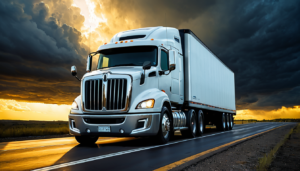
When an 80,000-pound grain truck loses control on ice-slicked county roads near Paxton, the devastation is immediate. If you’re reading this from a hospital bed in Champaign-Urbana, or if you’re mourning a loved one lost on I-57 near Gibson City, you need more than comfort. You need a fighter who understands that Ford County trucking accidents follow different rules than fender-benders on Main Street.
We’re Attorney911, and we’ve spent over two decades helping families rebuild after catastrophic 18-wheeler crashes. Our managing partner, Ralph Manginello, has fought for injury victims since 1998. He carries federal court admission credentials and has gone toe-to-toe with Fortune 500 corporations like BP, securing multi-million dollar recoveries for families just like yours in the heart of Illinois farm country. Right now, we’re also litigating a landmark $10 million hazing lawsuit against a major university, demonstrating the tenacity we bring to every case.
But here’s what matters for your Ford County case: Illinois gives you just two years to file your claim under state law, but critical evidence can vanish in days. The trucking company already has lawyers working to minimize your recovery. We need to move fast. Call us at 1-888-ATTY-911—we answer 24/7, and we handle Ford County trucking cases on contingency. You pay nothing unless we win.
The Unique Danger of Ford County 18-Wheeler Accidents
Ford County sits at the crossroads of Illinois agriculture and interstate commerce. I-57 cuts through the eastern edge of the county, carrying freight from Chicago to Memphis and beyond. US 45 and US 136 serve as vital arteries for grain elevators in Paxton, Gibson City, and Milford, moving corn and soybeans from field to market. This isn’t just traffic—it’s an 80,000-pound reality that changes lives in an instant.
The physics are brutal. A fully loaded semi-truck traveling at 65 miles per hour needs nearly 525 feet to stop—that’s two football fields. Your sedan weighs roughly 4,000 pounds. That truck is twenty times heavier. When these vehicles collide on icy county roads or during harvest season congestion, the injuries aren’t minor. We’re talking about traumatic brain injuries requiring lifetime care, spinal cord damage leading to permanent disability, and wrongful death cases that leave families struggling to survive.
Our associate attorney, Lupe Peña, brings something rare to the table. He spent years working for a national insurance defense firm, learning exactly how trucking insurers evaluate claims, minimize payouts, and delay cases. Now he uses that insider knowledge against them. As one client, Chad Harris, told us: “You are NOT just some client… You are FAMILY to them.” That’s the difference between a factory law firm and a team that treats your Ford County case like it matters.
Why Trucking Accidents in Ford County Are Different
Standard car accidents usually involve two drivers and their insurance companies. Commercial trucking cases are exponentially more complex. Under 49 CFR Parts 390-399, the Federal Motor Carrier Safety Administration (FMCSA) imposes strict regulations on every aspect of trucking operations. When a truck driver violates these federal safety standards on I-57 or rolls through a stop sign in Paxton with a load of grain, they’re not just breaking traffic laws—they’re violating federal mandates designed to keep you safe.
Federal Regulations That Protect You
The FMCSA regulations create a framework of accountability that experienced attorneys use to prove negligence:
49 CFR Part 391—Driver Qualification Standards: Trucking companies must maintain detailed Driver Qualification Files verifying that every CDL holder is medically fit, properly trained, and hasn’t been disqualified. When a driver causes a crash on US 45 because he shouldn’t have been behind the wheel, we subpoena these files to prove negligent hiring.
49 CFR Part 392—Driving Rules: This section prohibits operating while fatigued, mandates specific following distances, and forbids mobile phone use while driving. Under 49 CFR § 392.3, no driver shall operate a commercial motor vehicle while their ability or alertness is impaired through fatigue. In Ford County’s agricultural zones, where harvest season pushes drivers to extreme hours, these violations are common and deadly.
49 CFR Part 393—Vehicle Safety: Brake systems must meet specific standards. Cargo must be secured to withstand 0.8g deceleration forces. When a grain spill on Ford County Road 1800 North causes a multi-vehicle pileup, we investigate whether the loading company violated Part 393’s securement requirements.
49 CFR Part 395—Hours of Service: The 11-hour driving limit, 14-hour duty window, and mandatory 30-minute break rules exist because fatigue causes approximately 31% of fatal truck crashes. Electronic Logging Devices (ELDs) track these hours, and that data proves whether a driver was illegally pushing past limits on the way to Chicago.
49 CFR Part 396—Inspection & Maintenance: Pre-trip inspections are mandatory. Brake adjustments must be documented. When a truck’s brakes fail approaching the intersection of US 45 and IL 9, we demand maintenance records that often reveal systematic neglect.
The Accidents That Define Ford County Trucking Cases
While jackknifes and rollovers make headlines, Ford County’s rural character and agricultural economy create specific risk patterns that demand local knowledge.
Agricultural Equipment Collisions
During planting and harvest seasons, Ford County roads see a dangerous mix of slow-moving combines, grain trucks, and impatient passenger vehicles. Wide turns onto county roads, oversized loads extending into traffic lanes, and fatigue from long hours create catastrophic blind-spot accidents. These crashes often involve “squeeze play” scenarios where a truck swings wide at an intersection—say, turning from IL 9 onto a county road near Chatsworth—and crushes a vehicle that entered the gap.
Winter Weather Pileups
Illinois winters are brutal. When freezing rain coats I-57 or black ice forms on US 136 near Paxton, 18-wheelers become unguided missiles. Jackknife accidents occur when drivers brake improperly on slick surfaces, causing the trailer to swing perpendicular to the cab and block multiple lanes. Rollover accidents spike on curves near the Ford County line, especially when wind gusts buffet high-profile trailers. These aren’t accidents—they’re predictable results of failing to adjust speed for conditions, which violates 49 CFR § 392.6.
Rear-End Collisions on Rural Highways
The straight stretches of Ford County highways encourage speeding, but trucks require 40% more stopping distance than cars. When a distracted trucker—their eyes on a dispatch tablet rather than the road—slams into stopped traffic at a rural intersection, the results are devastating. These cases often reveal hours-of-service violations or cell phone use prohibited under 49 CFR § 392.80 and § 392.82.
Underride Accidents
Perhaps the most horrific crashes occur when a passenger vehicle slides beneath a trailer. The trailer’s height shears off the vehicle’s passenger compartment. Despite 49 CFR § 393.86 requiring rear impact guards, these guards often fail or are missing entirely. Side underride guards remain unregulated by federal mandate, creating deadly gaps we see all too often in rural twilight hours when visibility drops on county roads.
Brake Failures and Runaway Trucks
Flat terrain doesn’t prevent brake failures. Overheated brakes from improper adjustment or deferred maintenance—violations of Part 396—can lead to loss of control. When a grain truck’s brakes fail approaching the grain elevator in Gibson City, physics takes over, and families pay the price.
Every Party Who Could Owe You Money
Most firms look only at the driver. We investigate ten potentially liable parties because more defendants means more insurance coverage—critical when catastrophic injuries require lifetime care.
The Driver: Personal liability for speeding, distraction, impairment, or logbook falsification.
The Trucking Company/Motor Carrier: Under respondeat superior doctrine, employers answer for their employees’ negligence. But we also pursue direct negligence claims—negligent hiring, training, supervision, and maintenance. When a company knowingly puts an unqualified driver on I-57 or pressures them to violate hours-of-service regulations, punitive damages may apply.
Cargo Owner/Shipper: Agricultural cooperatives or grain elevators that demand overloaded trucks or rush deliveries share liability.
Loading Company: Third-party loaders who failed to secure cargo properly, leading to shifts that cause rollovers on US 45.
Truck Manufacturer: Design defects in braking systems or stability control that contribute to rollover events.
Parts Manufacturers: Defective tires that blow out on hot asphalt, defective air brake components, or faulty lighting systems.
Maintenance Companies: Third-party mechanics who performed negligent brake repairs or missed critical safety issues during inspections.
Freight Brokers: Logistics companies that negligently selected carriers with poor safety records to haul Ford County grain.
Truck Owner: In owner-operator arrangements, the owner may bear separate liability for negligent entrustment or maintenance failures.
Government Entities: While sovereign immunity limits these claims, dangerously designed intersections or failure to maintain rural roads can create liability for Ford County or the State of Illinois.
The 48-Hour Evidence Emergency
Here’s what the trucking company doesn’t tell you: their rapid-response team is at the scene before the ambulance leaves Ford County. They’re gathering evidence to protect themselves. Meanwhile, critical evidence that could prove your case is disappearing.
Black Box/ECM Data: The truck’s Engine Control Module records speed, braking, throttle position, and fault codes. It can overwrite in as little as 30 days—or sooner if the truck is driven again.
ELD Data: Electronic Logging Devices track hours of service for six months only. After that, violations proving fatigue disappear.
Dashcam Footage: Many trucks have forward-facing cameras. We see this footage deleted within seven days if not preserved.
Driver Qualification Files: The trucking company must keep these for three years after employment ends, but key documents have a way of “going missing” once litigation is threatened.
Physical Evidence: Skid marks fade. Debris gets swept away. The truck itself gets repaired or sold to a salvage yard in Champaign.
We send spoliation letters within 24 hours of being retained. These legal notices put the trucking company on notice that destroying evidence will result in severe sanctions—including adverse jury instructions telling the jury to assume destroyed evidence would have helped your case. We preserve GPS data, dispatch records, cell phone records, and maintenance logs before they can vanish.
Catastrophic Injuries and Real Recovery Numbers
Ford County families facing catastrophic injuries need to understand the financial realities. We’ve recovered multi-million dollar settlements because catastrophic injuries require catastrophic resources.
Traumatic Brain Injury: $1,548,000 to $9,838,000+ for moderate to severe cases. TBI victims often can’t return to work, require 24/7 supervision, and face decades of therapy. As Glenda Walker said after her case settled, “They fought for me to get every dime I deserved.”
Spinal Cord Injury: $4,770,000 to $25,880,000+ for paralysis cases. The lifetime costs of quadriplegia can exceed $5 million in medical care alone.
Amputation: $1,945,000 to $8,630,000. Prosthetics, rehabilitation, and disability accommodations add up quickly.
Wrongful Death: $1,910,000 to $9,520,000+. Illinois law allows recovery for lost income, loss of consortium, mental anguish, and funeral expenses. Donald Wilcox, another client we helped after another firm rejected his case, told us: “One company said they would not accept my case. Then I got a call from Manginello… I got a call to come pick up this handsome check.”
These aren’t lottery numbers—they’re the economic reality of providing care for someone whose life changed in an instant on an Illinois highway.
Insurance Coverage in Ford County Trucking Cases
Unlike car accidents where policies might max out at $50,000, commercial trucking carriers maintain substantial coverage under federal law:
- $750,000 minimum for non-hazardous freight
- $1,000,000 minimum for oil and large equipment transport
- $5,000,000 minimum for hazardous materials
Many carriers carry $1 million to $5 million in coverage, plus umbrella policies. But accessing these funds requires proving FMCSA violations and documenting every penny of damage. Illinois follows a modified comparative negligence rule with a 51% bar—if you’re found more than 50% at fault, you recover nothing. If you’re 50% or less at fault, your recovery is reduced by your percentage of fault. This makes thorough investigation critical, especially in “he said-she said” accidents on rural Ford County roads.
Client Testimonials: Real Stories from Real Families
We don’t hide behind anonymous reviews. Our 4.9-star Google rating with 251+ reviews comes from real people we’ve helped:
Chad Harris put it simply: “You are NOT a pest to them and you are NOT just some client… You are FAMILY to them.”
Donald Wilcox came to us after another firm rejected his case. We didn’t just accept it—we won it: “One company said they would not accept my case. Then I got a call from Manginello… I got a call to come pick up this handsome check.”
Glenda Walker appreciated our tenacity: “They fought for me to get every dime I deserved.”
Kiimarii Yup found comprehensive support after losing everything: “I lost everything… my car was at a total loss, and because of Attorney Manginello and my case worker Leonor, 1 year later I have gained so much in return plus a brand new truck.”
Frequently Asked Questions: Ford County Truck Accident Edition
How long do I have to file a lawsuit in Ford County, Illinois?
You have two years from the date of the accident under Illinois law. But waiting is dangerous. Evidence disappears, witnesses forget, and the trucking company is building their defense right now. Call us immediately at 1-888-ATTY-911.
What if I was partially at fault for the accident on US 45?
Illinois uses modified comparative negligence. If you’re 50% or less at fault, you can still recover damages, reduced by your fault percentage. If you’re 51% or more at fault, you recover nothing. We investigate thoroughly to minimize your attributed fault percentage.
How much is my Ford County trucking case worth?
It depends on injury severity, medical costs, lost wages, and available insurance. But trucking cases often involve $750,000 to $5 million in coverage—far more than car accidents. We’ve recovered millions for clients with catastrophic injuries.
Do I really need a lawyer if the trucking company seems cooperative?
Yes. They’re not your friend. Their insurance adjuster is trained to minimize your claim. Our firm includes Lupe Peña, a former insurance defense attorney who knows their playbook. He spent years inside that system; now he fights against it for you.
What if the driver was an independent owner-operator?
We investigate both the driver and the motor carrier they were hauling for. Often, both carry separate insurance policies, increasing your potential recovery.
Can undocumented immigrants file claims in Illinois?
Yes. Immigration status does not prevent you from filing a personal injury claim in Illinois. You have the same rights to compensation as any other accident victim.
What if my loved one died in the accident?
Illinois wrongful death law allows spouses, children, and parents to recover for lost income, loss of consortium, mental anguish, and funeral expenses. We handle these cases with the gravity they deserve while fighting aggressively for justice.
How do I pay for medical care while waiting for settlement?
We can help arrange treatment under letters of protection with medical providers, meaning they get paid from your settlement. You don’t pay us unless we win—our contingency fee is 33.33% pre-trial, 40% if we go to trial.
Hablamos Español—do you serve Spanish-speaking clients in Ford County?
Absolutely. Lupe Peña and our team provide fluent Spanish representation. No interpreters needed. Llame al 1-888-ATTY-911 para una consulta gratuita.
Your Next Step: The Call That Changes Everything
You didn’t ask for this. You were driving to work on I-57, heading to the elevator in Gibson City, or simply crossing county roads when an 80,000-pound truck changed your life. Now you’re facing medical bills, lost income, and pain that won’t quit.
The trucking company has already called their lawyers. Their insurance adjuster is already crafting a narrative that minimizes your suffering. They’re hoping you don’t know about the black box data that proves the driver was speeding. They hope you don’t know about the hours-of-service violations. They hope you’ll accept a quick settlement before you realize the true cost of your injuries.
Don’t let them win.
At Attorney911, we bring 25+ years of experience, federal court credentials, and insider knowledge of insurance company tactics to every Ford County case. We’ve gone toe-to-toe with BP and Fortune 500 companies. We’ve recovered multi-million dollar settlements for traumatic brain injuries, amputations, and wrongful death. We treat clients like family, not case numbers.
The evidence is disappearing. The clock is ticking. Call now.
1-888-ATTY-911 (1-888-288-9911)
24/7 availability. Free consultation. No fee unless we win.
We’re ready to fight for you. Are you ready to fight back?