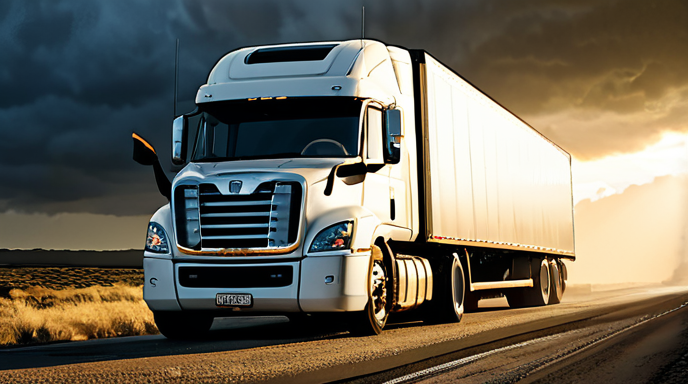
18-Wheeler Accident Attorneys in Freestone County, Texas
When an 80,000-Pound Truck Changes Your Life in an Instant
The impact was catastrophic. One moment you’re driving down Freestone County’s highways, the next an 18-wheeler is jackknifing across three lanes of traffic. The sheer force of 80,000 pounds of steel slams into your sedan, and suddenly everything changes.
If you or a loved one has been seriously injured in a trucking accident on I-45, US-84, or any of Freestone County’s rural roads, you need more than just a lawyer – you need a team that understands the unique dangers of our local trucking corridors and knows how to hold negligent trucking companies fully accountable.
At Attorney911, we’ve been fighting for truck accident victims across Texas for over 25 years. Our managing partner, Ralph Manginello, has federal court experience and has secured multi-million dollar verdicts and settlements for families devastated by 18-wheeler crashes. When you call our Freestone County trucking accident attorneys at 1-888-ATTY-911, you’re getting a team that includes a former insurance defense attorney who knows every tactic the trucking company will use against you.
Why Freestone County Trucking Accidents Are Different
Freestone County’s position at the crossroads of major Texas highways creates unique risks for local drivers. The I-45 corridor that runs through our county carries massive freight traffic between Houston and Dallas, while US-84 and State Highway 14 connect to East Texas’s agricultural and oilfield regions. This mix of interstate commerce and local traffic creates dangerous conditions:
- High-speed interstate traffic mixing with slower local vehicles
- Agricultural trucks hauling heavy loads on rural roads not designed for commercial traffic
- Oilfield equipment moving through our county on oversized loads
- Fatigued drivers pushing limits to meet delivery schedules
- Poor road conditions on rural routes that trucking companies fail to account for
We know Freestone County’s trucking corridors, from the Fairfield bypass to the distribution centers near Teague. Our local knowledge, combined with our deep understanding of FMCSA regulations, gives us an advantage in building your case.
The Trucking Company’s Playbook – And How We Counter It
Within hours of your accident, the trucking company’s rapid-response team springs into action. Their goal isn’t to help you – it’s to protect their bottom line. Here’s what they do, and how we counter it:
1. They send investigators to the scene immediately
- Their goal: Document the scene in a way that minimizes their liability
- Our counter: We deploy our own accident reconstruction experts to preserve evidence and document the true cause of the crash
2. They download black box data – but only what helps them
- Their goal: Preserve data that supports their version of events
- Our counter: We send spoliation letters within 24-48 hours demanding preservation of ALL electronic data before it’s overwritten
3. They pressure drivers to give statements that limit liability
- Their goal: Get drivers to admit to minor mistakes while downplaying major violations
- Our counter: We obtain the driver’s full statement and compare it to objective data from the truck’s electronic systems
4. They offer quick settlements to lock you in before you understand your injuries
- Their goal: Pay you pennies on the dollar before you realize the full extent of your damages
- Our counter: We never accept early offers – we wait until you’ve completed treatment and we’ve calculated your full damages
5. They claim the accident was “unavoidable” or your fault
- Their goal: Shift blame to avoid responsibility
- Our counter: We use FMCSA violation records, maintenance history, and accident reconstruction to prove their negligence
Our team includes Lupe Peña, a former insurance defense attorney who spent years on the other side. He knows exactly how insurance companies evaluate trucking accident claims – and now he uses that knowledge to fight for you.
The Catastrophic Injuries We See in Freestone County Trucking Accidents
The physics of trucking accidents make catastrophic injuries the norm, not the exception. An 18-wheeler can weigh 20-25 times more than your car, and the impact forces are devastating:
Traumatic Brain Injury (TBI)
The violent forces of a truck collision often cause the brain to impact the inside of the skull. TBI symptoms may include:
- Persistent headaches and dizziness
- Memory loss and confusion
- Difficulty concentrating
- Mood swings and personality changes
- Sleep disturbances
- Speech and language problems
- Sensitivity to light and sound
Even “mild” TBIs can have lifelong consequences. We work with neurologists and life care planners to document the full impact on your life.
Spinal Cord Injuries and Paralysis
When a truck’s massive weight impacts your vehicle, the spinal cord can be compressed, severed, or damaged. Outcomes may include:
- Paraplegia: Loss of function below the waist
- Quadriplegia: Loss of function in all four limbs
- Incomplete injuries: Partial loss of sensation or movement
- Complete injuries: Total loss of function below the injury
Spinal cord injuries often require lifelong care, home modifications, and assistive technology. We fight to ensure your settlement accounts for these future needs.
Amputations
The crushing forces in trucking accidents can sever limbs at the scene or require surgical amputation later. Amputations create:
- Permanent disability affecting work and daily activities
- Phantom limb pain that can last for years
- The need for prosthetic limbs ($5,000-$50,000 each)
- Psychological trauma and body image issues
We work with vocational experts to document how amputation affects your earning capacity and quality of life.
Severe Burns
Trucking accidents often involve fuel tank ruptures, chemical spills, or electrical fires. Burns may be:
- First-degree: Surface burns with redness and pain
- Second-degree: Blistering and potential scarring
- Third-degree: Full-thickness burns requiring skin grafts
- Fourth-degree: Burns extending to muscle and bone
Burn treatment often requires multiple surgeries, skin grafts, and long-term rehabilitation.
Internal Organ Damage
The force of a truck collision can cause internal bleeding, organ rupture, and other life-threatening injuries that may not be immediately apparent. Common injuries include:
- Liver lacerations
- Spleen damage requiring removal
- Kidney injuries
- Lung contusions or pneumothorax (collapsed lung)
- Internal bleeding (hemorrhage)
These injuries often require emergency surgery and can have long-term health consequences.
Wrongful Death
When a trucking accident takes a loved one, we help families pursue wrongful death claims to recover:
- Lost future income and benefits
- Loss of consortium (companionship, guidance, care)
- Mental anguish and emotional suffering
- Funeral and burial expenses
- Medical expenses incurred before death
In cases of gross negligence, punitive damages may also be available to punish the wrongdoer.
The FMCSA Violations That Prove Negligence
Federal Motor Carrier Safety Administration (FMCSA) regulations exist to prevent exactly the kind of accidents that happen on Freestone County’s roads. When trucking companies violate these rules, they create dangerous conditions that lead to catastrophic crashes. We investigate every case for these common violations:
Hours of Service (HOS) Violations (49 CFR Part 395)
Fatigued driving causes approximately 31% of fatal truck crashes. FMCSA regulations limit driving time to prevent fatigue:
- 11-Hour Driving Limit: Drivers cannot drive more than 11 hours after 10 consecutive hours off duty
- 14-Hour Duty Window: Cannot drive beyond the 14th consecutive hour after coming on duty
- 30-Minute Break: Mandatory break after 8 cumulative hours of driving
- 60/70-Hour Weekly Limit: Cannot drive after 60 hours in 7 days or 70 hours in 8 days
- 34-Hour Restart: Can reset weekly clock with 34 consecutive hours off duty
How we prove HOS violations:
- Obtaining ELD (Electronic Logging Device) data that records driving time
- Analyzing dispatch records that show schedule pressure
- Reviewing GPS and telematics data that reveals actual driving patterns
- Interviewing drivers about company culture regarding HOS compliance
Driver Qualification Violations (49 CFR Part 391)
Trucking companies must ensure drivers are qualified and safe:
- Driver Qualification File: Must contain employment application, driving record, medical certification, and training documentation
- Medical Certification: Drivers must pass DOT physical exams every 2 years
- Background Checks: Must verify 3 years of driving history with previous employers
- Drug and Alcohol Testing: Pre-employment and random testing required
How we prove qualification violations:
- Subpoenaing the Driver Qualification File to check for completeness
- Obtaining medical records to verify certification
- Reviewing drug test results for violations
- Checking driving records for previous violations
Vehicle Maintenance Violations (49 CFR Part 396)
Poor maintenance causes approximately 10% of truck accidents:
- Pre-Trip Inspections: Drivers must inspect vehicles before every trip
- Post-Trip Reports: Drivers must document vehicle condition after each day
- Annual Inspections: Comprehensive annual inspections required
- Brake Maintenance: Regular adjustment and replacement required
- Tire Safety: Minimum tread depth requirements (4/32″ on steer tires, 2/32″ on others)
How we prove maintenance violations:
- Obtaining maintenance and inspection records
- Analyzing out-of-service orders that show repeated violations
- Inspecting the truck after the accident for unrepaired defects
- Reviewing parts purchase and installation records
Cargo Securement Violations (49 CFR Part 393)
Improperly secured cargo causes rollovers, spills, and loss-of-control accidents:
- Working Load Limits: Tiedowns must have sufficient strength
- Number of Tiedowns: Specific requirements based on cargo length and weight
- Load Distribution: Cargo must be evenly distributed
- Blocking and Bracing: Required for certain cargo types
- Special Requirements: Different rules for logs, metal coils, machinery, etc.
How we prove securement violations:
- Analyzing cargo manifest and loading records
- Inspecting tiedowns and securement devices after the accident
- Reviewing loader training and procedures
- Examining the cargo for shifting patterns
The Evidence We Preserve – Before It Disappears
Evidence in trucking accident cases disappears quickly. Trucking companies have rapid-response teams that begin protecting their interests within hours. If you don’t act immediately, critical evidence will be lost forever.
CRITICAL TIMELINES FOR EVIDENCE PRESERVATION:
| Evidence Type | Destruction Risk |
|---|---|
| ECM/Black Box Data | Overwrites in 30 days or with new driving events |
| ELD Data | May be retained only 6 months |
| Dashcam Footage | Often deleted within 7-14 days |
| Surveillance Video | Business cameras typically overwrite in 7-30 days |
| Witness Memory | Fades significantly within weeks |
| Physical Evidence | Vehicle may be repaired, sold, or scrapped |
| Drug/Alcohol Tests | Must be conducted within specific windows |
OUR 48-HOUR EVIDENCE PRESERVATION PROTOCOL:
-
Send Spoliation Letters Immediately
- Formal legal notice demanding preservation of all evidence
- Sent within 24-48 hours of being retained
- Creates serious consequences if evidence is destroyed
-
Preserve Electronic Data
- ECM/Black Box data showing speed, braking, throttle position
- ELD records proving hours of service violations
- GPS and telematics data showing route and speed
- Cell phone records proving distracted driving
- Dashcam footage from forward-facing and cab cameras
-
Secure Driver Records
- Complete Driver Qualification File
- Employment application and background check
- Medical certification and exam records
- Drug and alcohol test results
- Training documentation
- Previous accident and violation history
-
Obtain Maintenance Records
- Pre-trip and post-trip inspection reports
- Annual inspection documentation
- Maintenance and repair records
- Parts purchase and installation records
- Out-of-service orders and repairs
-
Document the Physical Evidence
- Photograph the truck and trailer before repair
- Preserve failed components for analysis
- Document cargo and securement devices
- Collect tire remnants if blowout involved
-
Conduct Scene Investigation
- Photograph accident scene, skid marks, debris patterns
- Document road conditions, signage, lighting
- Interview witnesses while memories are fresh
- Hire accident reconstruction experts
Who We Hold Accountable in Freestone County Trucking Cases
In car accidents, usually only one driver is at fault. In trucking accidents, multiple parties may share responsibility. We investigate every possible defendant to maximize your recovery:
1. The Truck Driver
The driver who caused the accident may be personally liable for:
- Speeding or reckless driving
- Distracted driving (cell phone, texting, dispatch communications)
- Fatigued driving beyond legal limits
- Impaired driving (drugs, alcohol)
- Failure to conduct proper pre-trip inspections
- Violation of traffic laws
2. The Trucking Company / Motor Carrier
The trucking company is often the most important defendant because they have the deepest pockets and the most responsibility:
Vicarious Liability (Respondeat Superior):
- The driver was an employee (not independent contractor)
- Acting within the scope of employment
- Performing job duties when accident occurred
Direct Negligence:
- Negligent Hiring: Failed to check driver’s background or qualifications
- Negligent Training: Inadequate safety training
- Negligent Supervision: Failed to monitor driver performance
- Negligent Maintenance: Failed to maintain vehicle in safe condition
- Negligent Scheduling: Pressured drivers to violate HOS regulations
3. The Cargo Owner / Shipper
The company that owns the cargo may be liable for:
- Providing improper loading instructions
- Failing to disclose hazardous nature of cargo
- Requiring overweight loading
- Pressuring carrier to expedite beyond safe limits
- Misrepresenting cargo weight or characteristics
4. The Cargo Loading Company
Third-party loading companies may be liable for:
- Improper cargo securement (49 CFR 393 violations)
- Unbalanced load distribution
- Exceeding vehicle weight ratings
- Failure to use proper blocking, bracing, tiedowns
- Not training loaders on securement requirements
5. Truck and Trailer Manufacturer
Manufacturers may be liable for product defects:
- Design defects in brake systems
- Manufacturing defects in components
- Failure to warn of known dangers
- Defective safety systems (ABS, ESC, collision warning)
6. Parts Manufacturer
Companies that manufacture specific parts may be liable:
- Defective brakes or brake components
- Defective tires causing blowouts
- Defective steering mechanisms
- Defective lighting components
- Defective coupling devices
7. Maintenance Company
Third-party maintenance companies may be liable:
- Negligent repairs that failed to fix problems
- Failure to identify critical safety issues
- Improper brake adjustments
- Using substandard or wrong parts
- Returning vehicles to service with known defects
8. Freight Broker
Freight brokers who arrange transportation may be liable:
- Negligent selection of carrier with poor safety record
- Failure to verify carrier insurance and authority
- Failure to check carrier CSA scores
- Selecting cheapest carrier despite safety concerns
9. Truck Owner (If Different from Carrier)
In owner-operator arrangements, the truck owner may have separate liability:
- Negligent entrustment of vehicle
- Failure to maintain owned equipment
- Knowledge of driver’s unfitness
10. Government Entity
Federal, state, or local government may be liable in limited circumstances:
- Dangerous road design that contributed to accident
- Failure to maintain roads (potholes, debris, worn markings)
- Inadequate signage for known hazards
- Failure to install safety barriers
- Improper work zone setup
The Multi-Million Dollar Results We’ve Achieved
While every case is unique, our track record demonstrates what’s possible when trucking companies are held fully accountable:
- $5+ Million – Logging brain injury settlement
- $3.8+ Million – Car accident amputation settlement
- $2.5+ Million – Truck crash recovery
- $2+ Million – Maritime back injury settlement
- Millions recovered for families in trucking-related wrongful death cases
- $10M+ – University of Houston hazing lawsuit (active)
These results reflect our commitment to fighting for maximum compensation for our clients. Our managing partner, Ralph Manginello, has been securing multi-million dollar verdicts and settlements for trucking accident victims since 1998.
Why Freestone County Families Choose Attorney911
1. We’re Not Just Texas Attorneys – We’re Freestone County Attorneys
We understand our local roads, from the I-45 corridor to the rural routes that crisscross our county. We know the courts, the judges, and the unique challenges of trucking accidents in our area. This local knowledge gives us an advantage in building your case.
2. Our Team Includes a Former Insurance Defense Attorney
Lupe Peña spent years working for a national defense firm before joining Attorney911. He knows exactly how insurance companies evaluate, minimize, and deny trucking accident claims – and now he uses that insider knowledge to fight for you.
3. We Have Federal Court Experience
Our admission to the U.S. District Court, Southern District of Texas means we can handle complex interstate trucking cases that other firms can’t. Many trucking accidents involve federal regulations and multiple jurisdictions.
4. We’ve Fought Major Trucking Companies
We’ve taken on and won cases against:
- Walmart trucking operations
- Coca-Cola distribution vehicles
- Amazon delivery trucks
- FedEx trucks
- UPS trucks
- Various commercial trucking companies
5. We Offer Fluent Spanish Services
Hablamos Español. Our associate attorney Lupe Peña is fluent in Spanish and provides direct representation without interpreters. This is especially important for Freestone County’s Hispanic community, including many truck drivers and agricultural workers.
6. We’re Available 24/7 for Legal Emergencies
Trucking accidents don’t happen on a 9-to-5 schedule. We answer calls immediately, send preservation letters within hours, and deploy our team when you need us most.
7. We Work on Contingency – You Pay Nothing Unless We Win
We advance all costs of investigation and litigation. You pay nothing upfront and nothing unless we recover compensation for you. This makes our services accessible to everyone, regardless of financial situation.
What to Do After a Trucking Accident in Freestone County
If you’ve been hurt in an 18-wheeler accident anywhere in Freestone County, take these steps to protect your rights:
- Call 911 and report the accident – Even if injuries seem minor, get an official report
- Seek medical attention immediately – Adrenaline masks pain; internal injuries may not be obvious
- Document the scene – Take photos of all vehicles, damage, road conditions, and injuries
- Get the trucking company information – Name, DOT number, driver’s contact info
- Collect witness information – Names and phone numbers of anyone who saw the accident
- Do NOT give recorded statements – Insurance adjusters will use your words against you
- Call Attorney911 at 1-888-ATTY-911 – The sooner we’re involved, the better we can protect your evidence
The Freestone County Trucking Corridors We Know Best
Our deep knowledge of Freestone County’s trucking routes helps us build stronger cases:
I-45 Corridor
The I-45 corridor through Freestone County is one of Texas’s most dangerous trucking routes. We’ve handled cases involving:
- Rear-end collisions from sudden stops
- Underride accidents at intersections
- Rollover accidents on exit ramps
- Tire blowouts from extreme heat
- Fatigued drivers pushing schedules
US-84 and State Highway 14
These rural routes carry agricultural and oilfield traffic, creating unique risks:
- Wide-turn accidents at rural intersections
- Overloaded agricultural trucks
- Oilfield equipment moving at night
- Poorly maintained rural roads
- Limited emergency response in remote areas
Local Distribution Centers
Freestone County has several distribution facilities that generate significant truck traffic:
- Warehouses near Fairfield and Teague
- Agricultural processing facilities
- Oilfield supply yards
- Local delivery routes
Oilfield Trucking Routes
Freestone County’s position in the East Texas oilfield creates specialized trucking risks:
- Overweight and oversized loads
- Hazmat transportation
- Fatigued drivers working long shifts
- Poor road conditions on oilfield access roads
The Insurance Battle – And How We Win It
Trucking companies carry higher insurance limits than typical car drivers – often $750,000 to $5,000,000 or more. This means catastrophic injuries can actually be compensated, but insurance companies fight hard to avoid paying.
Common Insurance Tactics – And Our Counter-Strategies:
| Insurance Tactic | Our Counter-Strategy |
|---|---|
| Quick Lowball Settlement Offers | We never accept early offers – we wait until you’ve completed treatment and we’ve calculated your full damages |
| Denying or Minimizing Injuries | We obtain comprehensive medical documentation and expert testimony to prove the full extent of your injuries |
| Blaming the Victim | We gather evidence to disprove fault allegations and minimize your percentage of responsibility |
| Delaying the Claims Process | We file lawsuits to force discovery and set depositions, keeping pressure on the insurance company |
| Using Recorded Statements Against You | We advise clients NEVER to give statements without attorney present |
| “Pre-Existing Condition” Defense | We apply Texas’s “Eggshell Skull” doctrine – we take you as we find you |
| “Gap in Treatment” Attacks | We document all treatment and explain any gaps with medical records |
| Sending Surveillance Investigators | We advise clients on appropriate conduct and expose unfair surveillance tactics |
| Hiring “Independent” Medical Examiners | We counter with your treating physicians and independent medical experts |
| Drowning You in Paperwork | We handle all communications and paperwork, protecting you from insurance company tactics |
The Timeline of Your Trucking Accident Case
While every case is unique, here’s what you can generally expect:
First 48 Hours:
- We send spoliation letters to preserve evidence
- We deploy accident reconstruction experts if needed
- We obtain police reports and witness statements
- We photograph your injuries and document your condition
First 30 Days:
- We subpoena ECM/black box data
- We request the Driver Qualification File
- We obtain maintenance and inspection records
- We subpoena cell phone records
- We gather medical records and bills
- We calculate initial damages
3-6 Months:
- We continue medical treatment documentation
- We depose the truck driver and company representatives
- We work with medical and vocational experts
- We prepare demand package for insurance company
6-12 Months:
- We negotiate with insurance company
- We file lawsuit if settlement offers are inadequate
- We conduct discovery and depositions
- We prepare for mediation or trial
1-3 Years (for complex cases):
- We prepare for trial
- We participate in mediation
- We present your case to a jury if necessary
- We collect your settlement or verdict
Frequently Asked Questions About Freestone County Trucking Accidents
What should I do immediately after an 18-wheeler accident in Freestone County?
Call 911, seek medical attention, document the scene, get the trucking company information, collect witness contact information, and call an attorney immediately. Evidence disappears quickly in trucking cases.
How much is my trucking accident case worth?
Case values depend on injury severity, medical expenses, lost income, pain and suffering, and available insurance coverage. Trucking companies carry higher insurance limits ($750,000 minimum, often $1-5 million), allowing for larger recoveries than typical car accidents.
Who can I sue after a trucking accident?
Multiple parties may be liable: the truck driver, trucking company, cargo owner, loading company, truck manufacturer, parts manufacturer, maintenance company, freight broker, and even government entities in some cases.
What if the truck driver says the accident was my fault?
Texas uses a modified comparative negligence system. Even if you were partially at fault, you may still recover compensation as long as you were less than 50% responsible. We investigate thoroughly to prove what really happened.
How long do I have to file a trucking accident lawsuit in Texas?
The statute of limitations for personal injury cases in Texas is 2 years from the date of the accident. However, you should never wait – evidence disappears quickly in trucking cases.
What is a spoliation letter and why is it important?
A spoliation letter is a legal notice demanding that the trucking company preserve all evidence related to the accident. Sending this letter immediately puts them on notice that destroying evidence will result in serious legal consequences.
What records should my attorney get from the trucking company?
We pursue ECM/black box data, ELD records, Driver Qualification File, maintenance records, inspection reports, dispatch logs, drug and alcohol test results, cell phone records, and the physical truck and trailer.
Can the trucking company destroy evidence?
Once they’re on notice of potential litigation, destroying evidence is spoliation – a serious legal violation. Courts can impose sanctions, instruct juries to assume the evidence was unfavorable, or even enter default judgment.
What are hours of service regulations and how do violations cause accidents?
FMCSA regulations limit how long truck drivers can operate: maximum 11 hours driving after 10 hours off, cannot drive beyond 14th consecutive hour on duty, 30-minute break required after 8 hours driving. Fatigued driving causes approximately 31% of fatal truck crashes.
What is a Driver Qualification File and why does it matter?
FMCSA requires trucking companies to maintain a file for every driver containing employment application, driving record check, medical certification, drug test results, and training documentation. Missing or incomplete files prove negligent hiring.
How do pre-trip inspections relate to my accident case?
Drivers must inspect their trucks before every trip. If they failed to conduct inspections or ignored known defects (bad brakes, worn tires, lighting problems), both the driver and company may be liable for negligence.
What is the difference between economic and non-economic damages?
Economic damages are calculable losses like medical expenses and lost wages. Non-economic damages are quality of life impacts like pain and suffering, mental anguish, and loss of enjoyment of life.
When are punitive damages available in trucking cases?
Punitive damages may be available when the trucking company or driver acted with gross negligence, willful misconduct, conscious indifference to safety, or fraud (like falsifying logs or destroying evidence).
What if the trucking company offers me a quick settlement?
Quick settlement offers are designed to pay you far less than your case is worth before you understand the full extent of your injuries. Never accept any settlement without consulting an experienced trucking accident attorney first.
How much insurance do trucking companies carry?
Federal law requires minimum liability coverage:
- $750,000 for non-hazardous freight
- $1,000,000 for oil, large equipment
- $5,000,000 for hazardous materials
Many carriers carry $1-5 million or more in coverage.
What if multiple insurance policies apply to my accident?
Trucking cases often involve multiple policies: motor carrier’s liability policy, trailer interchange coverage, cargo insurance, owner-operator’s policy, and excess/umbrella coverage. We identify all available coverage to maximize your recovery.
Will my trucking accident case go to trial?
Most cases settle before trial, but we prepare every case as if it’s going to trial. Insurance companies know which lawyers are willing to go to court – and they offer better settlements to clients with trial-ready attorneys.
How long does a trucking accident case take to resolve?
Timelines vary: simple cases may resolve in 6-12 months, complex cases with multiple parties may take 1-3 years, and cases that go to trial may take 2-4 years.
Do I need to pay anything upfront to hire your firm?
No. We work on contingency – you pay nothing unless we win your case. We advance all costs of investigation and litigation.
Your Fight Starts with One Call
Every hour you wait, evidence in your Freestone County trucking accident case is disappearing. Black box data can be overwritten. Dashcam footage gets deleted. Witnesses forget what they saw. The trucking company’s rapid-response team is already working to protect their interests – not yours.
You need a team that moves just as fast. At Attorney911, we answer calls 24/7. We send spoliation letters within hours. We deploy our experts immediately. We preserve the evidence that will win your case.
If you or a loved one has been seriously injured in an 18-wheeler accident anywhere in Freestone County – on I-45, US-84, or any of our rural roads – call us now at 1-888-ATTY-911 for a free consultation. Our Freestone County trucking accident attorneys offer free consultations and work on contingency – you pay nothing unless we win your case.
Hablamos Español. Llame a Lupe Peña al 1-888-ATTY-911.
Don’t let the trucking company win. Call Attorney911 – the firm insurers fear. 1-888-288-9911.