DUI/DWI Lawyers
Have you been charged for a DUI or DWI? Our criminal defense lawyers protect victims like you throughout Texas.
Attorney 911, Houston, TX DUI Attorneys
Drunk Driving Accident Lawyers in Texas | Victims’ Rights Advocates
Three Texans die every single day from drunk driving accidents. In Houston alone, 14 drunk driving crashes happen daily. If you or someone you love was hit by a drunk driver, you’re facing a crisis that no one should have to navigate alone.
At Attorney911, we don’t defend drunk drivers—we fight FOR their victims. When an intoxicated driver destroys your life with a selfish, preventable decision, we hold them accountable. And when the bar or restaurant that overserved them shares the blame, we pursue them too.
You didn’t ask for this. You were doing everything right when someone else’s reckless choice changed your life forever. Now you’re dealing with injuries, medical bills, lost income, and insurance companies that seem more interested in protecting the drunk driver than helping you.
That ends now.
Ralph Manginello has spent 25+ years representing injury victims across Texas, including those devastated by drunk driving crashes. Our firm includes Lupe Peña, a former insurance defense attorney who spent years defending drunk drivers and calculating lowball settlements for insurance companies. Now he uses that insider knowledge to maximize recovery for victims like you.
If you were just hit by a drunk driver, here’s what to do in the next 24 hours:
- Get immediate medical attention (even if you “feel fine”—adrenaline masks injuries)
- DO NOT give a recorded statement to ANY insurance company before calling us
- Document everything: photos of injuries, vehicles, scene, witness contact information
- If the drunk driver was drinking at a bar/restaurant, identify the location NOW (surveillance footage deletes after 30 days)
- Call Attorney911 immediately for free consultation: 1-888-ATTY-911
Every hour you wait, critical evidence disappears. Bar surveillance footage. Witness memories. Your leverage. Call 1-888-ATTY-911 now. We answer 24/7 because drunk driving accidents don’t wait for business hours.
Why Attorney911 Is Different: Former Insurance Defense Attorney Now Fighting FOR You
When you’ve been hit by a drunk driver, the last thing you need is another attorney who treats your case like a number. You need advocates who understand exactly how the other side operates—and use that knowledge to dismantle their defenses.
That’s Attorney911.
Ralph Manginello – Managing Partner: 25+ Years Fighting for Texas Injury Victims
Ralph Manginello founded Attorney911 with a simple mission: provide emergency-level legal representation to Texans in crisis. Admitted to the Texas State Bar in 1998, Ralph has spent over 25 years in courtrooms across Texas, recovering millions for injury victims.
What sets Ralph apart for drunk driving cases:
- Federal Court Admission (U.S. District Court, Southern District of Texas): When drunk driving cases involve out-of-state defendants, national restaurant chains, or complex corporate structures, federal court experience matters. Ralph is admitted to practice in federal court—a credential most personal injury attorneys don’t have.
- HCCLA Membership (Harris County Criminal Lawyers Association): Drunk driving cases have both criminal and civil components. Most personal injury attorneys don’t understand criminal DWI law. Most criminal defense attorneys can’t handle personal injury claims. Ralph is a member of HCCLA, Texas’s elite criminal defense organization, giving him expertise in BOTH the criminal charges against the drunk driver AND your civil claim for damages. This dual knowledge is rare and powerful.
- BP Explosion Litigation Experience: Ralph was one of the attorneys involved in litigation against BP after the catastrophic Texas City refinery explosion—taking on one of the world’s largest corporations. What does this mean for your drunk driving case? If the drunk driver works for a major company or the bar is a national chain, we’re not intimidated. We’ve fought billion-dollar corporations and won.
- Multi-Million Dollar Results: Ralph has recovered multi-million dollar settlements for catastrophic injury victims, including brain injuries, amputations, and wrongful death cases—the exact types of injuries common in drunk driving accidents.
As one client, Jamin Marroquin, described: “Mr. Manginello guided me through the whole process with great expertise.”
Lupe Peña – The Insurance Defense Insider: Your Unfair Advantage
This is where Attorney911 becomes truly different.
Lupe Peña worked for years at a national defense firm, learning firsthand how large insurance companies value claims. He didn’t just defend drunk drivers and their insurance companies—he calculated the lowball offers. He took the recorded statements. He built the comparative fault arguments. He hired the “independent” medical examiners. He reviewed surveillance footage looking for ammunition against injury victims.
Now, he does the opposite. Every tactic he used FOR insurance companies, he now destroys FOR victims.
What Lupe’s insider knowledge means for your case:
- Claim Valuation Expertise: Lupe knows exactly how insurance companies calculate settlement offers using software like Colossus. He knows which factors increase value and which they use to lowball. When the adjuster makes an offer, Lupe knows if it’s legitimate or insulting—because he used to make those offers himself.
- Recorded Statement Traps: Insurance adjusters ask seemingly innocent questions designed to get you to minimize injuries or admit fault. Lupe knows every trap question because he asked them for years. When we tell you “don’t give a recorded statement,” it’s not paranoia—it’s Lupe’s insider knowledge protecting you.
- Surveillance Tactics: Insurance companies hire private investigators to video accident victims doing everyday activities, then freeze one frame out of context to claim you’re “not really injured.” As Lupe explains: “I’ve reviewed hundreds of surveillance videos as a defense attorney. Insurance freezes ONE frame of you moving ‘normally’ and ignores the 10 minutes of you struggling before and after. They’re not documenting your life—they’re building ammunition against you.”
- IME Doctor Manipulation: “Independent Medical Examinations” aren’t independent—they’re doctors who make millions working for insurance companies to minimize injuries. Lupe knows which doctors they favor because he hired them. We prepare you for their tactics and challenge their biased opinions.
- Settlement Authority Structures: Insurance adjusters have limited authority to settle cases. Lupe knows at what dollar amounts they need supervisor approval, regional manager approval, or home office approval. This knowledge allows us to push strategic pressure points to maximize your settlement.
Admitted to the Texas State Bar in 2012 and the U.S. District Court, Southern District of Texas, Lupe brings 12+ years of legal experience—split between defending insurance companies and now devastating them on behalf of victims. He’s also fluent in Spanish, ensuring no language barrier prevents you from getting elite representation.
“We know their playbook because Lupe ran it. That’s your advantage.” – Ralph Manginello
Attorney911 Firm Credentials
- Three Office Locations: Houston (Harris, Montgomery, Fort Bend, Brazoria, Galveston Counties), Austin (Travis, Williamson, Hays, Bastrop Counties), Beaumont (Jefferson, Orange, Hardin Counties)
- 4.9 Stars on Google: 251+ reviews from satisfied clients
- Contingency Fee: “We don’t get paid unless we win your case”—no upfront costs, no hourly fees, no risk to you
- 24/7 Emergency Hotline: 1-888-ATTY-911 (we answer when you need us most)
- Bilingual Services: Hablamos Español – Full representation in Spanish with Lupe Peña
Donald Wilcox, a former client, said it best: “I can honestly say they actually care about their clients. Ralph and Lupe were always available to me when I needed them. They answered all my questions and kept me informed every step of the way.”
Ready to discuss your drunk driving accident case? Call 1-888-ATTY-911 for your free consultation.
[Note: This is the first major section of the full content. Due to response length limits, I’m creating this as a foundation. The complete 12,000-15,000 word document would continue with all remaining sections from the implementation plan. Would you like me to continue creating the full content in a complete file, or would you prefer to review this initial section first?]
For immediate assistance: 1-888-ATTY-911
Website: https://attorney911.com/contact/
Hablamos Español
The Texas Drunk Driving Epidemic: Why These Crashes Are So Devastating
1,053 Texans killed by drunk drivers in 2024. That’s three deaths every single day.
Texas has the second-worst drunk driving fatality rate in the nation, with drunk driving accounting for 42% of all
traffic deaths statewide. If you’ve been hit by a drunk driver in Texas, you’re not alone—and you’re facing injuries
that are statistically more severe than typical car accidents.
Statewide Crisis Data
- 1,053 drunk driving fatalities in Texas (2024)
- 25.37% of all traffic deaths involve alcohol-impaired drivers
- 3 deaths per day from drunk driving
- #2 worst state nationally for drunk driving fatalities
- Thousands more suffer catastrophic injuries, permanent disability, and life-altering trauma
Houston / Harris County: The Epicenter
Houston has the highest drunk driving crash rate in Texas.
- 14 drunk driving crashes PER DAY in Harris County
- One crash every 1 hour and 43 minutes
- 300+ fatalities per year from drunk driving in Harris County alone
- I-10 (Katy Freeway) = #1 highway in Texas for drunk driving crashes
- December = deadliest month (20% spike due to holiday parties and New Year’s Eve)
Austin / Travis County: Entertainment District Danger
- 6th Street Entertainment District = highest concentration of bars in Texas, leading to epidemic
overserving - SXSW and ACL Festival weekends = 300% increase in DWI arrests (out-of-town visitors unfamiliar
with roads, heavy drinking) - UT Austin student population = underage drinking, fake IDs, inexperienced drivers
- Rapid suburban growth = longer distances between entertainment districts and homes
(Pflugerville, Round Rock, Cedar Park residents driving 20-30 miles home after drinking downtown)
Beaumont / Golden Triangle: Industrial Worker Pattern
- Refinery shift workers drinking after swing shifts = DWI crashes at unusual hours
(morning/afternoon, not just late night) - Louisiana border traffic on I-10 = out-of-state drunk drivers entering Texas
- Offshore oil workers drinking heavily when on land after 2-week offshore shifts
- Lake Charles casino traffic = Louisiana gambling + drinking, then driving back to Texas
Types of Drunk Driving Accidents (And Why Each Type Matters)
1. Head-On Collisions
How They Happen: Drunk driver crosses center line or drives wrong way on highway
Why They’re Deadly: Combined speeds of 100-120+ mph create catastrophic force
Common Injuries: Traumatic brain injury, spinal cord damage, death
Settlement Value: $1 million to $5 million+ for catastrophic injuries/wrongful death
2. T-Bone / Side Impact Collisions
How They Happen: Drunk driver runs red light or stop sign at full speed, striking side of your
vehicle
Why They’re Deadly: Minimal side-impact protection, driver/passenger takes full force
Common Injuries: Pelvic fractures, internal organ damage, rib fractures puncturing lungs
Settlement Value: $300,000 to $2 million+ depending on injury severity
3. Rear-End Collisions at High Speed
How They Happen: Drunk driver doesn’t brake for stopped/slowing traffic (delayed reactions)
Why They’re Severe: Impact at 60+ mph pushes your vehicle into additional collisions
Common Injuries: Whiplash, cervical spine injuries, traumatic brain injury from secondary impacts
Settlement Value: $50,000 to $500,000+ depending on whether surgery required
4. Pedestrian Accidents
How They Happen: Drunk driver strikes pedestrian in crosswalk, parking lot, or sidewalk
Why They’re Catastrophic: Zero protection for pedestrian
Common Injuries: Multiple fractures, internal bleeding, traumatic amputation, death
Settlement Value: $500,000 to $5 million+ for catastrophic injuries/wrongful death
5. Motorcycle Accidents
How They Happen: Drunk driver fails to see motorcyclist, turns left in front of motorcycle, or
drifts into motorcycle lane
Why They’re Catastrophic: Motorcyclists have no protective barrier
Common Injuries: Road rash, traumatic amputations, spinal cord injuries, death
Settlement Value: $500,000 to $10 million+ for permanent disability/wrongful death
6. Multi-Vehicle Pile-Ups
How They Happen: Drunk driver causes initial crash, triggering chain reaction involving multiple
vehicles
Legal Complexity: Multiple liable parties, complex liability allocation, coordination between
victims
Settlement Value: Varies but aggregate damages often exceed $10 million when multiple victims
severely injured
Why Drunk Driving Crashes Cause More Severe Injuries Than Typical Accidents
- Higher Speeds: Impaired judgment leads drunk drivers to speed excessively
- No Evasive Braking: Delayed reactions = drunk drivers don’t brake before impact, maintaining
full speed - Wrong-Way Driving: Drunk drivers frequently enter highways going wrong direction, causing
head-on crashes - Red Light Running: Drunk drivers blow through intersections at full speed, T-boning vehicles
with minimal warning - Nighttime Conditions: Most drunk driving occurs late at night with reduced visibility
The result: higher likelihood of catastrophic injury, permanent disability, and death compared to
sober-driver accidents.
If you’ve been hit by a drunk driver anywhere in Texas, call Attorney911 for free consultation:
1-888-ATTY-911
Hablamos Español
Who Pays When a Drunk Driver Destroys Your Life?
Most drunk driving accident victims think they can only sue the drunk driver. This is a catastrophic
misconception that costs victims hundreds of thousands—sometimes millions—in compensation.
In Texas, drunk driving cases can have multiple liable parties beyond just the driver. Understanding ALL potential
liability sources is the difference between settling for $30,000 and recovering $2 million+.
1. The Drunk Driver (Primary Liability)
Driver’s Auto Insurance
Texas requires minimum liability insurance of $30,000 per person / $60,000 per accident. Many drunk drivers carry
only this minimum coverage.
The Problem: When you have catastrophic injuries costing $500,000+ in medical bills alone, the drunk
driver’s $30,000 policy is woefully inadequate.
What We Do:
- Identify ALL insurance policies (personal auto, umbrella policies, business policies if driving for work)
- Pursue your own Uninsured/Underinsured Motorist (UM/UIM) coverage
- Investigate other liability sources (bars, employers, vehicle owners)
Drunk Driver’s Personal Assets
If the drunk driver has substantial assets (home equity, savings, investments, business ownership), we can pursue
those beyond insurance limits.
Reality: Most drunk drivers have minimal assets and inadequate insurance. This is why identifying
additional liable parties is critical.
2. Bars and Restaurants (Dram Shop Liability) – THE BIG MONEY
This is where drunk driving cases go from $50,000 to $1.5 million+.
Texas Dram Shop Act (Texas Alcoholic Beverage Code §2.02)
Bars, restaurants, clubs, and any business holding a liquor license can be held liable if they:
- Served alcohol to someone who was “obviously intoxicated” to the extent they presented a
“clear danger to themselves or others”, AND - That intoxication was a proximate cause of the injuries
What “Obviously Intoxicated” Means
Visible signs include:
- Stumbling, swaying, or difficulty walking
- Slurred speech
- Difficulty with motor coordination (dropping things, fumbling with keys/wallet)
- Bloodshot or glassy eyes
- Aggressive or erratic behavior
- Falling asleep at bar
- Vomiting
- Needing physical support to stand or walk
Legal Standard: Bartender doesn’t need breathalyzer results. If a reasonable person would recognize
obvious intoxication, the bar is liable for continuing service.
Why Dram Shop Cases Are Worth 10x-50x More
- Higher Insurance Limits: Bars carry $1M-$5M liquor liability policies (vs. drunk driver’s $30K
minimum auto policy) - Punitive Damages Potential: Bars that show conscious indifference to patron safety (repeat
violations, inadequate training) face punitive damages - Corporate Deep Pockets: National chains (Applebee’s, Chili’s, Buffalo Wild Wings) have
substantial assets beyond insurance
The 30-Day Evidence Window (CRITICAL)
In Houston, city ordinance requires bars to retain surveillance footage for 30 days. Across Texas, 30 days is
standard industry practice before automatic deletion.
Bar surveillance shows:
- Drunk driver visibly stumbling while bartender keeps serving
- How many drinks served over what time period
- Driver struggling to sign credit card receipt
- Driver stumbling to vehicle in parking lot
This footage is the most powerful dram shop evidence—and it deletes after 30 days.
If the drunk driver who hit you was drinking at a bar, call Attorney911 within 48 hours: 1-888-ATTY-911. We
send preservation letters immediately to secure footage before deletion.
Attorney911’s Dram Shop Track Record
Attorney911’s website confirms: “We actively pursue dram shop claims against bars and restaurants.”
While specific Attorney911 dram shop settlements are not publicly disclosed, Texas industry data shows:
- $14.1 million recovered statewide in dram shop cases in 2021
- Average dram shop settlement: $500,000 to $2 million+
- Bars typically settle to avoid public trial exposing overserving practices
3. Social Host Liability (Private Party Hosts)
If the drunk driver was drinking at a private party before the crash, the host may be liable under Texas social host
liability law.
When Social Hosts Are Liable
Texas law holds private party hosts liable if they:
- Provided alcohol to someone UNDER 21 (minor), AND
- That minor caused injury while intoxicated
Important Limitation: Texas does NOT have social host liability for serving adults (over 21). If a
homeowner serves alcohol to adult guests who then drive drunk, the host is generally not liable—UNLESS they served
minors.
Example Scenarios
Liable: High school graduation party where parents provide alcohol to 18-year-olds, one of whom
drives drunk and crashes.
NOT Liable: Adult Super Bowl party where host serves alcohol to 30-year-old guest who drives drunk
and crashes.
Potentially Liable: College party where 21+ year-old host serves alcohol to mix of over-21 AND
under-21 attendees, and an under-21 attendee drives drunk.
Homeowner’s Insurance
When social host liability applies (serving minors), we pursue the homeowner’s insurance policy, which typically
provides $100,000 to $500,000 in liability coverage.
4. Employer Liability (When Drunk Driver Was Working)
If the drunk driver was working at the time of the crash—or had been at a work-related event before driving—the
employer may share liability.
Respondeat Superior (Employer Vicarious Liability)
Employers are liable for employee negligence (including DWI) if the employee was acting within the scope of
employment.
Examples Where Employer Is Liable:
- Delivery driver drinking during shift crashes while making delivery
- Sales rep drinking at client lunch, provided company credit card for alcohol, crashes driving to next
appointment - Truck driver for commercial carrier drinking during overnight layover, crashes while returning to route
- Employee leaving company holiday party where employer provided alcohol, crashes on drive home
- Offshore oil worker transported by company vehicle to bar, crashes when driving company vehicle back
Why Employer Liability Matters:
- Higher Insurance Limits: Commercial general liability policies often $1M-$10M+
- Corporate Assets: Employers have deeper pockets than individual drunk drivers
- Track Record Evidence: Company may have history of similar incidents or inadequate policies
Negligent Hiring, Training, or Supervision
Even if drunk driver wasn’t technically on the clock, employer may be liable for:
- Hiring driver with multiple prior DWIs for driving position
- Failing to enforce company anti-drinking policies
- Providing company vehicle to employee known to have substance abuse problem
- Requiring unrealistic schedules that cause extreme fatigue (then driver drinks to stay awake)
5. Vehicle Owner Liability (Negligent Entrustment)
If the drunk driver was borrowing someone else’s vehicle, the vehicle owner may be liable under Texas negligent
entrustment law.
When Vehicle Owners Are Liable
Vehicle owner is liable if they knowingly loaned vehicle to someone who:
- Has prior DWI convictions
- Has suspended/revoked driver’s license
- Was visibly intoxicated when receiving keys
- Has known substance abuse problem
- Is underage or unlicensed
Example: Father loans car to son despite knowing son has 2 prior DWIs. Son drives drunk and crashes.
Father liable for negligent entrustment.
Rental Car Companies
Special rules apply to rental car companies under federal and Texas law. Generally, rental companies are NOT liable
for renter’s drunk driving under federal Graves Amendment—but exceptions exist for rental company’s own
negligence (e.g., renting to someone with suspended license).
6. Your Own Insurance (Uninsured/Underinsured Motorist Coverage)
Your own auto insurance provides critical backup when the drunk driver has inadequate coverage.
Uninsured Motorist (UM) Coverage
Pays when drunk driver has NO insurance or flees scene (hit-and-run).
Underinsured Motorist (UIM) Coverage
Pays when drunk driver’s insurance is insufficient. Example: Your damages are $500,000 but drunk
driver only has $30,000 policy. Your UIM coverage pays the difference (up to your UIM policy limits).
Stacking
Texas allows “stacking” of UM/UIM coverage in certain circumstances, potentially multiplying available coverage. If
you have multiple vehicles insured, each vehicle’s UM/UIM coverage may be available.
What We Do: Identify ALL UM/UIM policies that could apply, including policies on vehicles you
weren’t driving at time of crash but are named insured on.
Bad Faith Claims: If your own insurance unreasonably denies or delays UM/UIM payment, you may have
separate bad faith claim worth significant additional damages.
Multiple Defendants = Maximum Compensation
Example Drunk Driving Case with Multiple Liable Parties:
Drunk driver with 2 prior DWIs was overserved at national chain restaurant, borrowed friend’s car (friend knew about
prior DWIs), crashed while leaving company party where employer provided alcohol. Driver has $30K auto insurance.
Potential Liable Parties:
- Drunk driver: $30,000 (insurance) + personal assets
- Restaurant (dram shop): $2,000,000 (liquor liability policy)
- Friend (negligent entrustment): $300,000 (homeowner’s policy)
- Employer (work event): $1,000,000 (commercial liability)
- Your UM/UIM: $100,000
Total Available Coverage: $3.43 million+
Without attorney identifying all sources, victim might settle for $30K driver-only policy and leave $3.4
million on the table.
Why Attorney911 Finds Money Other Firms Miss
We investigate every potential liability source immediately:
- Where was the drunk driver drinking? (dram shop investigation)
- Whose vehicle were they driving? (negligent entrustment)
- Were they working or at work event? (employer liability)
- Were they served as a minor at private party? (social host)
- What UM/UIM policies does victim have? (own insurance)
- Are there additional umbrella policies? (excess coverage)
Lupe’s insider knowledge tells us which sources insurance companies hope we don’t find. As a former
insurance defense attorney, Lupe knows the questions to ask and records to demand.
Call Attorney911 within 48 hours of being hit by drunk driver: 1-888-ATTY-911. Every day you wait, evidence
of bar overserving or employer involvement disappears.
Hablamos Español
What to Do After Being Hit by a Drunk Driver: Your 48-Hour Critical Action Plan
The actions you take in the first 48 hours after a drunk driving accident can mean the difference between full
compensation and a denied claim. Here’s exactly what to do, step by step, based on 25+ years of experience
representing accident victims across Texas.
At the Scene: Minutes 0-60
1. Ensure Safety First
If you can move safely, get your vehicle out of traffic to prevent additional crashes. Turn on hazard lights. Set up
flares or warning triangles if available. If you’re seriously injured and cannot move, stay still and wait for
emergency responders—moving could worsen spinal or internal injuries.
2. Call 911 IMMEDIATELY and Report Suspected Drunk Driving
This is the most critical step. Tell the 911 operator you suspect the other driver is intoxicated.
Describe specific signs:
- Slurred speech
- Smell of alcohol
- Unsteady gait or stumbling
- Erratic behavior or aggression
- Bloodshot or glassy eyes
- Confusion about what happened
Why this matters: Your 911 call creates an official record of suspected intoxication and ensures
police respond to investigate potential DWI. Without police documentation, proving the driver was drunk becomes
exponentially harder. Officers will conduct field sobriety tests, breathalyzer tests, and potentially arrest the
driver—all critical evidence for your civil case.
3. DO NOT Confront the Drunk Driver
Intoxicated people can be unpredictable, aggressive, or violent. Maintain a safe distance. Don’t argue about fault.
Don’t accept apologies or excuses. Don’t accept cash offers to “handle this privately.” Let police manage the drunk
driver while you focus on documenting the scene.
4. Document Everything with Photos and Video
Use your phone to capture comprehensive evidence:
Vehicles:
- All vehicle damage from multiple angles
- License plates of all involved vehicles
- VIN numbers visible through windshields
- Final resting positions of vehicles
The Other Driver (if safe to photograph discretely):
- Visible signs of intoxication (bloodshot eyes, disheveled appearance)
- Open alcohol containers in their vehicle (bottles, cans, cups)
- Any interaction with police (field sobriety tests, breathalyzer, arrest)
The Scene:
- Skid marks or lack thereof (drunk drivers often don’t brake before impact)
- Debris field and where vehicles came to rest
- Traffic signs, signals, and road markings
- Intersection layout or roadway configuration
- Weather and lighting conditions
- Any surveillance cameras on nearby businesses or traffic signals
Your Injuries:
- Visible cuts, bruises, or bleeding
- Deployed airbags
- Blood on seats or interior
- Your physical state immediately after impact
5. Collect Witness Information Immediately
Witnesses are gold in drunk driving cases. Get names, phone numbers, and email addresses of:
- Anyone who saw the crash happen
- Anyone who saw the drunk driver before the crash (driving erratically, swerving, speeding)
- Anyone who observed the driver at a bar or restaurant before the crash
- Other drivers who had to swerve to avoid the drunk driver
- Pedestrians or business employees who witnessed the crash
Don’t rely on police to get all witness information. Officers may not interview everyone, and
witnesses often leave before police arrive. Text yourself their contact information immediately so you don’t lose it
in the chaos.
6. Refuse to Discuss Fault with Anyone
Don’t say “I’m sorry” or “I didn’t see you” or anything that could be construed as accepting blame—even casually.
Insurance companies will twist innocent statements into admissions of fault.
What to say to the other driver: Nothing. Exchange insurance information only.
What to say to police: Answer questions factually but don’t speculate about what you “could have”
done differently.
What to say to insurance (theirs or yours): “I need to speak with my attorney before giving any
statements.”
7. Accept Medical Evaluation Even If You “Feel Fine”
Adrenaline masks injuries. You may have a concussion, internal bleeding, or spinal damage without
immediate pain. Many catastrophic injuries don’t show symptoms for hours or even days.
If paramedics offer evaluation, accept. If they recommend emergency room transport, go. Refusing medical attention at
the scene creates an insurance company argument that you weren’t really injured.
“I felt fine at the scene” is one of the most common things we hear from clients who later discover they have
traumatic brain injuries or herniated discs. – Ralph Manginello
First 24 Hours After the Crash
8. Get Medical Attention at ER or Urgent Care Within 24 Hours
Even if you declined ambulance transport, get examined within 24 hours. This creates a documented medical record
linking your injuries directly to the crash. Delayed treatment allows insurance to argue your injuries came from
something else or aren’t as serious as you claim.
Tell the doctor EVERYTHING that hurts:
- Headache or dizziness (potential traumatic brain injury)
- Neck or back pain (potential whiplash or spinal injury)
- Chest pain (potential internal injuries or rib fractures)
- Abdominal pain (potential internal bleeding)
- Nausea or vomiting (potential concussion)
- Vision changes or blurriness
- Difficulty concentrating or confusion
- Any pain anywhere, even if it seems “minor”
Injuries not documented in your first medical visit are harder to claim later. Insurance will argue “if it really
hurt, you would have mentioned it to the doctor.”
9. Request the Police Crash Report
Ask the responding officer for:
- The crash report number
- How to obtain a copy of the report (usually available online after 3-10 days)
- Officer’s name and badge number
- Whether the drunk driver was cited or arrested
The police report will document whether the driver was arrested for DWI, results of any field sobriety or
breathalyzer tests, officer observations of intoxication, and witness statements. This is foundational evidence for
your case.
10. DO NOT Give a Recorded Statement to ANY Insurance Company
This is the #1 mistake drunk driving accident victims make.
Within hours of your crash, insurance adjusters will call. They sound sympathetic and helpful: “We’re so sorry
this happened. We just need your statement to process your claim quickly and get you compensation.”
Do not give a recorded statement to the drunk driver’s insurance. Do not give a recorded statement to your
own insurance. Call Attorney911 first: 1-888-ATTY-911
Why? Because Lupe Peña spent years taking these recorded statements for insurance companies. He knows every
trap question:
“I used to take recorded statements for insurance companies defending drunk drivers. Every question is
designed to get you to minimize injuries, admit partial fault, or create inconsistencies we could exploit at
trial. The ‘friendly’ adjuster isn’t your advocate—they’re building a case against you.” – Lupe Peña,
Attorney911
Common trap questions Lupe used:
- “How are you feeling?” → If you say “fine” or “okay,” they document you weren’t injured
- “Where exactly did the impact occur?” → Looking for any inconsistency with police report to question
your credibility - “Were you wearing your seatbelt?” → Even if you were, hesitation gets recorded as doubt
- “Had you been drinking at all?” → Even one beer hours earlier gets magnified into comparative fault
- “How fast were you going?” → Building comparative fault argument that you were speeding
- “Could you have avoided the crash if you’d braked sooner?” → Trying to shift blame to you
- “Did you see the other vehicle before impact?” → “No” becomes “you weren’t paying attention”
Recorded statements are legal testimony. Once given, you cannot take back poorly worded answers or clarify
misunderstandings. Call 1-888-ATTY-911 before giving any statement to any insurance company—even your
own.
11. Document Your Injuries as They Develop
Take photos of bruising, swelling, cuts, and abrasions daily. Bruising from seatbelts and airbags often doesn’t
appear until 24-72 hours after impact. Document the progression:
- Day 1 photos (immediately after crash)
- Day 2 photos (bruising appears)
- Day 3-7 photos (peak bruising)
- Weekly photos until healed
These photos are powerful evidence at trial showing the violent force of impact.
12. Write Down Everything You Remember While Memory is Fresh
Create detailed notes including:
- Exactly what happened in the moments before impact
- What the drunk driver said or did at the scene
- Signs of intoxication you observed
- What police said to you
- Names of any witnesses you spoke with
- How you felt physically in the hours after the crash
- Any statements the drunk driver made about where they’d been drinking
Months or years from now when your case goes to trial, these contemporaneous notes will refresh your memory and add
credibility to your testimony.
Days 2-7: The Critical Evidence Preservation Window
13. Identify Where the Drunk Driver Was Drinking
This is arguably the most important step for maximizing your recovery.
Try to determine where the drunk driver consumed alcohol before the crash:
- Check the police report for driver statements about their location before the crash
- If the driver was arrested, booking records may include admissions
- Ask police if they identified a bar or restaurant
- Search social media for posts or check-ins from the driver that night
- Talk to witnesses who may have seen where the driver came from
Why this matters: If you can prove the drunk driver was overserved at a bar, your case value can
increase from $30,000-$150,000 (driver-only) to $500,000-$2 million+ (bar included through dram shop liability). But
you only have a limited window to preserve critical evidence.
14. Call Attorney911 IMMEDIATELY to Preserve Bar Surveillance Footage
In Houston, city ordinance requires bars to retain surveillance footage for 30 days. Across Texas, industry
standard is 30 days before deletion.
Once you identify where the drunk driver was drinking, call 1-888-ATTY-911 within 48 hours. We will:
- Send immediate evidence preservation letter to the bar (within 24 hours)
- Demand retention of all surveillance footage (interior showing service + parking lot showing patron leaving)
- Subpoena footage before it’s automatically deleted
- Interview bartenders and servers before they forget details
- Obtain receipts showing number of drinks served
- Review bar’s TABC training records
- Investigate prior overserving incidents at same establishment
Once that 30-day window closes, the most powerful evidence of overserving—video showing the drunk driver
stumbling, slurring speech, and being visibly intoxicated while bartenders keep serving—is lost
forever.
Every day you wait, critical evidence disappears. Call 1-888-ATTY-911 now if the drunk driver was drinking at
a bar or restaurant.
15. Obtain the Official Police Crash Report
Once available (typically 3-10 days after the crash), obtain the complete police report. It will document:
- Whether the driver was arrested for DWI
- Field sobriety test results (walk-and-turn, one-leg stand, horizontal gaze nystagmus)
- Portable breathalyzer results at scene
- Blood alcohol content (BAC) from official testing
- Officer observations of intoxication (odor of alcohol, bloodshot eyes, slurred speech)
- Driver admissions about drinking
- Witness statements about driver’s condition
- Citations issued
- Diagram of crash scene
Bring this report to your free consultation with Attorney911. It’s the foundation of both the criminal case against
the drunk driver and your civil claim for damages.
16. Follow ALL Medical Advice Without Exception
If your doctor prescribes physical therapy, attend every single session. If they order an MRI, get it done promptly.
If they refer you to a specialist, make the appointment.
Insurance companies track medical compliance obsessively. Missing even one physical therapy
appointment can cost you thousands in settlement value because they’ll argue “you must not be hurt that badly if
you’re skipping treatment.”
“As a defense attorney, I used to highlight every missed appointment, every delayed test, every treatment gap
in my settlement analysis. Each gap reduced our settlement offer. Now I make sure our clients understand:
perfect medical compliance isn’t just for your health—it’s for your case value.” – Lupe Peña
17. Keep a Detailed Expense Log
Track every expense related to the crash in a notebook or spreadsheet:
Medical Expenses:
- Emergency room bills
- Ambulance charges
- Doctor visit co-pays
- Prescription medications
- Medical equipment (crutches, neck brace, etc.)
- Physical therapy sessions
- Diagnostic tests (X-rays, MRI, CT scans)
Lost Income:
- Dates of missed work
- Wages lost per day
- Vacation or sick time used
- Missed overtime opportunities
- Get letter from employer confirming missed work and lost wages
Property Damage:
- Vehicle repair estimates (get 2-3 quotes)
- Towing and storage fees
- Rental car costs
- Personal property damaged in crash (phone, laptop, clothes)
Other Expenses:
- Mileage to medical appointments (track miles for reimbursement)
- Parking fees for medical visits
- Over-the-counter medications and supplies
- Home care costs if you needed help with household tasks
These economic damages are easier to prove and recover when documented contemporaneously. Don’t rely on
reconstructing expenses from memory months later.
Critical Mistakes That Destroy Drunk Driving Cases
Never Do These Things:
❌ MISTAKE #1: Signing Medical Authorization for Insurance
Insurance will ask you to sign a broad medical authorization “so we can assess your injuries.” Don’t sign it
without attorney review.
They’ll use it to request your entire medical history going back decades, searching for pre-existing conditions to
blame for your current injuries. “Your back pain isn’t from our drunk driver—it’s from your car accident 10 years
ago.”
❌ MISTAKE #2: Accepting Quick Settlement Before Knowing Full Injury Extent
Insurance may offer a settlement within days or weeks, pressuring you to accept before you know the full extent of
your injuries. Once you sign a release, you can never reopen your claim—even if you later discover you’re
paralyzed from undiagnosed spinal damage.
Many serious injuries don’t manifest immediately:
- Traumatic brain injuries worsen over months
- Herniated discs may not cause pain until weeks later
- PTSD develops over time
- Internal organ damage can be asymptomatic initially
Never settle until you’ve reached “maximum medical improvement” and know your full prognosis.
❌ MISTAKE #3: Posting on Social Media
Insurance companies monitor Facebook, Instagram, TikTok, LinkedIn, and other platforms. They screenshot photos
showing you:
- Smiling at events (“not in pain”)
- Doing physical activities (“not disabled”)
- Traveling (“recovered enough to vacation”)
- At work or social gatherings (“must be fine”)
They take photos out of context. A photo of you smiling at your daughter’s wedding becomes “he’s clearly not
suffering” at trial—even though you were in agony getting ready and took pain medication to attend.
Best practice: Complete social media blackout during your case. Deactivate accounts if possible. Don’t post
anything about your accident, injuries, activities, or mood.
❌ MISTAKE #4: Saying “I’m Fine” to Anyone
Don’t tell friends, family, coworkers, doctors, insurance adjusters, or anyone else that you’re “fine” or “not hurt”
or “okay”—even casually or out of politeness.
Insurance companies obtain phone records, social media messages, and witness statements to find these comments. If
you said “I’m fine” two days after the crash but later claim $500,000 in damages, they’ll play that statement to the
jury.
❌ MISTAKE #5: Delaying Medical Treatment
Gaps in treatment damage your credibility. Insurance argues “if you were really hurt, you’d have sought treatment
immediately.”
We understand there are legitimate reasons for delays:
- No health insurance or afraid of medical bills
- “Tough it out” mentality
- Didn’t realize how serious injuries were
- Too busy with work or family
But insurance doesn’t care about reasons. See a doctor within 24-48 hours and follow all treatment
recommendations without gaps.
❌ MISTAKE #6: Talking to Drunk Driver or Their Family
The drunk driver or their family may contact you to:
- Apologize and ask you to “be understanding”
- Offer cash to avoid insurance claims
- Pressure you to not pursue criminal charges
- Try to get you to say something they can record
Do not engage. Direct all contact through Attorney911. Any conversation could be recorded and used
against you.
If you were hit by a drunk driver, don’t navigate this alone. Call Attorney911’s 24/7 emergency hotline now
for immediate guidance: 1-888-ATTY-911
Free consultation. No obligation. We’ll walk you through exactly what to do next to protect your rights and preserve
critical evidence.
Hablamos Español – Consultas gratuitas en español con Lupe Peña
Texas Laws That Protect Drunk Driving Accident Victims
Understanding the legal framework governing drunk driving accident cases in Texas is critical to maximizing your
compensation. Here are the key laws Attorney911 uses to hold drunk drivers and bars accountable.
1. Criminal vs. Civil: Two Separate Cases
Criminal DWI Case (State vs. Drunk Driver)
- Brought by: State of Texas (prosecutors)
- Purpose: Punish drunk driver (jail, fines, probation, license suspension)
- Standard of Proof: Beyond reasonable doubt (highest standard)
- Result: Criminal conviction or acquittal
Civil Personal Injury Case (You vs. Drunk Driver + Others)
- Brought by: You (through Attorney911)
- Purpose: Obtain financial compensation for your injuries, medical bills, lost wages, pain and
suffering - Standard of Proof: Preponderance of evidence (more likely than not = 51%+)
- Result: Settlement or jury verdict awarding damages
Why This Distinction Matters
You don’t have to wait for criminal case to resolve before filing civil lawsuit. The cases proceed
on separate tracks.
A criminal DWI conviction helps your civil case tremendously. If the drunk driver is convicted
beyond reasonable doubt in criminal court, proving civil liability (lower standard) becomes much easier.
Even if drunk driver is acquitted criminally, you can still win civilly. Acquittal may mean
prosecution didn’t prove guilt beyond reasonable doubt—but you only need to prove liability by preponderance of
evidence (lower standard). Example: O.J. Simpson was acquitted criminally but found liable in civil court.
2. Negligence Per Se in Drunk Driving Cases
In typical car accident cases, you must prove the other driver was negligent (careless). In drunk driving
cases, you get a shortcut: negligence per se.
What Negligence Per Se Means
Texas law says violating certain safety statutes (like DWI law) is automatically negligent—no need to prove
carelessness.
Elements:
- Defendant violated a statute (drove while intoxicated in violation of Texas Penal Code §49.04)
- You were in the class of persons the statute was designed to protect (public, other drivers)
- Your injury was the type of harm the statute was designed to prevent (drunk driving crashes)
- Violation was proximate cause of your injuries
Result: Once you prove drunk driver was intoxicated, negligence is established automatically. No
need to prove “unreasonable driving” or “failure to exercise ordinary care.”
Why This is Powerful: Insurance can’t argue “the drunk driver wasn’t negligent” because intoxication
IS negligence under Texas law.
3. Texas Dram Shop Act (Suing Bars/Restaurants)
Texas Alcoholic Beverage Code §2.02 – This is the statute that lets you sue bars.
Statutory Language
A provider (bar, restaurant, club) is liable if:
“At the time the provision of alcoholic beverage occurred, it was apparent to the provider that the individual
being sold, served, or provided with an alcoholic beverage was obviously intoxicated to the extent that he
presented a clear danger to himself and others.”
Key Terms
“Obviously Intoxicated” = Visible signs a reasonable person would recognize (stumbling, slurred
speech, bloodshot eyes, inability to walk straight)
“Clear Danger” = Intoxication level creates substantial risk of harm (person clearly should not be
driving)
“Provider” = Any business with liquor license (bars, restaurants, clubs, hotels, sports venues,
concert venues)
What You Must Prove
- Drunk driver consumed alcohol at defendant’s establishment
- Drunk driver was “obviously intoxicated” when served
- Bar/restaurant knew or should have known of obvious intoxication
- Bar continued serving alcohol despite obvious intoxication
- Intoxication was proximate cause of your injuries
Evidence We Use: Bar surveillance footage, receipts, witness testimony, expert testimony on alcohol
absorption and visible signs of intoxication, TABC training records, prior violations.
Damages Available
- All compensatory damages (medical bills, lost wages, pain/suffering, future damages)
- Punitive damages (if bar showed gross negligence)
- Attorney fees and costs (if you prove bar violated regulations)
4. Modified Comparative Negligence (51% Bar Rule)
Texas uses “modified comparative negligence” under Texas Civil Practice & Remedies Code §33.001.
How It Works
If you’re 50% or less at fault: You can recover, but your award is reduced by your percentage of
fault.
If you’re 51% or more at fault: You recover NOTHING.
Examples
Example 1: Drunk driver runs red light and T-bones you. Jury finds drunk driver 100% at fault. You
recover 100% of $1 million damages = $1 million.
Example 2: Drunk driver runs red light but you were speeding. Jury finds drunk driver 85% at fault,
you 15% at fault for speed. Damages are $1 million. You recover 85% = $850,000.
Example 3: Drunk driver swerves into your lane but you were texting and didn’t take evasive action.
Jury finds drunk driver 40% at fault, you 60% at fault for distraction. You recover NOTHING (51%+ bar).
Insurance Will Try to Blame You
Insurance companies systematically argue comparative fault to reduce payouts or bar recovery
entirely. They’ll claim you were speeding, not paying attention, could have braked sooner, etc.
Lupe’s Counter: As a former defense attorney, Lupe built these exact comparative fault arguments for
years. Now he destroys them by:
- Accident reconstruction showing crash was unavoidable regardless of your speed/actions
- Human factors experts testifying about reaction time (you had 0.3 seconds = physically impossible to avoid)
- Emphasizing drunk driver’s CRIMINAL choice to drive intoxicated as sole proximate cause
- Jury focus on victim innocence vs. drunk driver criminality
5. Statute of Limitations (Time Deadline to Sue)
Texas Civil Practice & Remedies Code §16.003
You have 2 years from the date of the crash to file lawsuit.
Deadline is STRICT
Miss the deadline by even one day and your case is barred forever—regardless of injury severity, drunk driver’s
fault, or amount of damages. Courts have ZERO discretion to extend this deadline except in rare circumstances (minor
plaintiff, defendant fleeing jurisdiction).
Don’t Wait Until Year 2
While you have 2 years to file lawsuit, critical evidence disappears within days or weeks:
- Bar surveillance footage: Deletes after 30 days
- Traffic camera footage: Overwrites after 30-90 days
- Witness memories: Fade within weeks
- Scene evidence: Cleaned, repaired, or destroyed
Call 1-888-ATTY-911 immediately after being hit by drunk driver. Don’t wait months or years—evidence
preservation starts NOW.
6. Damages Available Under Texas Law
Economic Damages (No Cap)
- Past and future medical expenses
- Past and future lost wages
- Lost earning capacity (permanent inability to work or reduced earning ability)
- Property damage (vehicle, personal belongings)
- Rehabilitation costs
- Home modifications (wheelchair ramps, accessible bathrooms)
- Attendant care (assistance with daily living activities)
Non-Economic Damages (Generally No Cap for Drunk Driving Cases)
- Pain and suffering (physical pain from injuries)
- Mental anguish (emotional trauma, anxiety, depression, PTSD)
- Physical impairment (loss of mobility, function, or abilities)
- Disfigurement (scars, burns, amputations)
- Loss of consortium (spouse’s claim for loss of companionship, intimacy)
Note: Texas caps non-economic damages at $250,000 per defendant ($500,000 total) for medical
malpractice cases ONLY. Drunk driving accident cases have no cap on non-economic damages.
Punitive Damages (Capped)
Also called “exemplary damages,” punitive damages punish especially reckless conduct and deter future wrongdoing.
When Available:
- Drunk driver has multiple prior DWI convictions
- Extremely high BAC (0.20+, double legal limit)
- Hit-and-run (fleeing scene after causing injury)
- Bar showed gross negligence or conscious indifference (pattern of overserving, ignoring TABC regulations)
Cap: Texas caps punitive damages at greater of:
- $200,000, OR
- 2x economic damages + 1x non-economic damages (with non-economic capped at $750,000 for this calculation)
Example: Economic damages = $1M, non-economic = $500K. Punitive damages capped at $2.5M (2x $1M + 1x
$500K).
7. Wrongful Death (When Drunk Driver Kills Your Loved One)
Texas Civil Practice & Remedies Code Chapter 71
Who Can Sue
Priority order:
- Surviving spouse, children, and parents (may sue together or individually)
- If no spouse/children/parents, executor or administrator of estate
Damages in Wrongful Death Cases
- Loss of companionship, society, comfort, and protection
- Mental anguish and emotional suffering
- Loss of advice and counsel
- Funeral and burial expenses
- Medical expenses from final injury (before death)
- Lost future earnings (economic support deceased would have provided)
- Loss of inheritance (future accumulation of wealth deceased would have achieved)
Survival Action: Separate from wrongful death, estate can sue for damages decedent suffered from
time of injury until death (pain and suffering, medical bills during final hospitalization).
Punitive Damages: Available in wrongful death cases if drunk driver showed gross negligence
(multiple prior DWIs, extreme BAC, fleeing scene).
Ralph’s HCCLA Membership: Criminal + Civil DWI Expertise
Most personal injury attorneys don’t understand criminal DWI law. Most criminal defense attorneys can’t handle
personal injury claims.
Ralph Manginello is a member of Harris County Criminal Lawyers Association (HCCLA)—one of Texas’s
most prestigious criminal defense organizations. He has defended hundreds of DWI cases in criminal court.
What This Means for Your Civil Case:
- Access to criminal case evidence (police bodycam, breathalyzer results, arrest reports)
- Relationships with prosecutors to coordinate evidence sharing
- Understanding of field sobriety tests, breathalyzer reliability, blood draw procedures
- Ability to challenge criminal defense arguments drunk driver will raise
- Knowledge of which prior DWI convictions create punitive damages potential
This cross-practice expertise is rare and gives Attorney911 strategic advantages other personal injury firms
lack.
Call Attorney911 for free consultation on your drunk driving accident case: 1-888-ATTY-911
We’ll explain how Texas law applies to your specific situation and what compensation you deserve.
Hablamos Español
Common Injuries from Drunk Driving Accidents and Their True Value
Drunk driving crashes are more violent, more catastrophic, and more deadly than typical car accidents. Understanding
the injuries these crashes cause—and their compensation value—is critical to ensuring you don’t accept an insurance
lowball offer for a case worth millions.
Why Drunk Driving Crashes Cause More Severe Injuries
Four factors make drunk driving accidents uniquely devastating:
1. Excessive Speed: Impaired judgment causes drunk drivers to drive faster than sober drivers. The
force of impact increases exponentially with speed—a 60 mph crash has 4x the force of a 30 mph crash.
2. No Evasive Braking: Drunk drivers have delayed reactions. They don’t brake or swerve before
impact, hitting you at full speed. You’ll often see zero skid marks at drunk driving crash scenes—they never even
tried to stop.
3. Wrong-Way and Head-On Crashes: Drunk drivers commonly drive the wrong way on highways, causing
head-on collisions—the deadliest type of crash. Combined speeds of 120+ mph in opposite-direction impacts result in
catastrophic injuries and wrongful death.
4. T-Bone Collisions at Intersections: Drunk drivers run red lights and stop signs at full speed,
T-boning vehicles in intersections where side-impact protection is minimal.
The result: drunk driving crashes have higher rates of catastrophic injury and death than any other type of
traffic accident.
Catastrophic Injuries (High-Value Cases)
Traumatic Brain Injury (TBI)
How It Happens: Head strikes steering wheel, dashboard, window, or airbag with extreme force. Brain
slams against inside of skull. Can occur even without direct head strike—violent deceleration alone can cause TBI.
Types:
- Concussion: “Mild” TBI but symptoms can last months or become permanent (post-concussion
syndrome) - Contusion: Bruising of brain tissue
- Diffuse Axonal Injury: Tearing of brain’s nerve fibers, often causes coma
- Penetrating Injury: Skull fracture with brain matter exposure
Symptoms (May Not Appear Immediately):
- Headaches, dizziness, nausea, vomiting
- Confusion, memory problems, difficulty concentrating
- Vision changes, sensitivity to light and sound
- Personality changes, irritability, depression
- Sleep disturbances
- Seizures (can develop days or weeks later)
Long-Term Impact: Cognitive impairment, inability to work in previous profession, need for lifetime
care in severe cases, permanent disability.
Settlement Value Range: $500,000 to $5 million+ depending on severity and long-term prognosis. Ralph
has recovered multi-million dollar settlements for brain injury victims—the same devastating injuries drunk driving
crashes cause.
Why Early Medical Treatment is Critical: TBI symptoms can worsen over time. What seems like a
“minor” concussion can develop into permanent cognitive impairment. CT scans and MRIs in first 24-48 hours establish
baseline and document injury causation.
Spinal Cord Injuries and Paralysis
How It Happens: Violent impact causes vertebrae fracture or dislocation, damaging spinal cord. Even
without fracture, severe whiplash can cause spinal cord contusion.
Types:
- Complete Paralysis: Total loss of function below injury level
- Quadriplegia/Tetraplegia (neck injury): paralysis of all four limbs
- Paraplegia (mid/lower back injury): paralysis of legs and lower body
- Incomplete Paralysis: Partial function retained, varying degrees of mobility
- Herniated/Ruptured Discs: Disc material presses on spinal nerves, causing severe pain,
numbness, weakness
Life Impact: Wheelchair dependence, loss of bladder/bowel control, sexual dysfunction, inability to
work, need for 24/7 attendant care, home modifications (ramps, widened doors, accessible bathrooms), specially
equipped vehicles.
Lifetime Costs: Quadriplegia can cost $5 million+ over a lifetime for medical care, equipment, home
modifications, and lost earning capacity.
Settlement Value Range: $1 million to $10 million+ for complete paralysis. Herniated disc cases
typically settle for $100,000 to $500,000 depending on whether surgery is required.
Amputations and Loss of Limb
How It Happens: Limb crushed in impact requiring surgical amputation, or traumatic amputation at
scene when vehicle is mangled.
Types:
- Leg/foot amputation (below-knee, above-knee, partial foot)
- Arm/hand amputation (below-elbow, above-elbow, fingers)
- Multiple limb amputations in catastrophic crashes
Life Impact: Prosthetic limbs (cost $20,000-$100,000+ each, need replacement every 3-5 years),
physical therapy to learn to walk/function again, phantom limb pain, inability to return to physical labor jobs,
psychological trauma, permanent disfigurement.
Settlement Value: Attorney911 has settled amputation cases in the millions. These are life-altering
injuries that justify maximum compensation.
Internal Organ Damage
Most Dangerous Because Symptoms May Not Be Immediate:
- Liver laceration – Can cause internal bleeding for hours before symptoms appear
- Spleen rupture – Life-threatening internal bleeding, often requires emergency surgery
- Kidney damage – May need dialysis or kidney removal
- Bowel/intestinal perforation – Causes sepsis if not treated immediately
- Lung puncture (pneumothorax) – Collapsed lung from rib fracture
- Heart contusion – Bruising of heart muscle from steering wheel impact
Warning Signs: Abdominal pain or tenderness, distended (swollen) abdomen, nausea/vomiting,
dizziness/lightheadedness, rapid heartbeat, difficulty breathing, blood in urine or stool.
Why 24-Hour ER Visit is Critical: Internal injuries can be asymptomatic initially but become
life-threatening within hours. CT scans and ultrasound can detect internal bleeding before it becomes fatal.
Settlement Value Range: $250,000 to $2 million+ depending on whether organs can be repaired, if
organ removal is required, and long-term complications.
Severe Burns
How It Happens: Vehicle fire from fuel tank rupture, electrical fire from battery damage, explosion
from gas tank puncture. Drunk drivers crash at such high speeds that fires are more common and severe.
Burn Degrees:
- Third-degree burns: Full thickness, destroys all skin layers, requires skin grafts
- Fourth-degree burns: Extends into muscle and bone
Life Impact: Multiple surgeries including skin grafts and reconstructive surgery, permanent scarring
and disfigurement (especially devastating for face/hands), chronic pain, inability to regulate body temperature in
burned areas, increased infection risk, psychological trauma.
Settlement Value Range: $500,000 to $3 million+ for severe burns covering large body surface area or
causing facial disfigurement.
Multiple Fractures Requiring Surgery
High-Impact Fractures Common in Drunk Driving Crashes:
- Pelvic fractures: Extremely painful, often require surgery with plates/screws, can damage
internal organs, months of immobility - Femur (thighbone) fractures: Largest bone in body, requires surgery, long recovery
- Multiple rib fractures: Can puncture lungs, breathing extremely painful for months
- Facial bone fractures: Orbital (eye socket), jaw, cheekbone—require reconstructive surgery,
permanent disfigurement - Compound fractures: Bone breaks through skin, high infection risk, multiple surgeries
Settlement Value Range: $100,000 to $500,000+ for fractures requiring surgery and causing permanent
impairment.
“Common” Injuries (Often Undervalued by Insurance)
Whiplash and Soft Tissue Injuries
Insurance companies love to dismiss whiplash as “minor” or “not real injuries.” This is a lie designed to
reduce payouts.
The Reality: Severe whiplash can cause:
- Cervical strain/sprain that becomes chronic pain lasting years
- Herniated discs in neck requiring surgery
- Nerve damage causing numbness in arms/hands
- Chronic headaches and migraines
- Limited range of motion affecting ability to work
Settlement Value: $15,000 to $100,000+ for severe whiplash, especially if imaging (MRI) shows disc
herniation or other structural damage.
“Insurance companies systematically undervalue soft tissue injuries. As a defense attorney, I’d offer
$5,000-$10,000 for whiplash cases that were actually worth $50,000-$100,000, betting on victims not knowing
better. I knew exactly how much pain and limitation these injuries cause—but my job was to minimize. Now I
make sure soft tissue injuries get the compensation they deserve.” – Lupe Peña
Facial Lacerations and Scarring
How It Happens: Flying glass, impact with dashboard/steering wheel, airbag deployment lacerations.
Impact: Permanent facial scarring affects employment (especially for those in public-facing jobs),
social relationships, self-esteem, and mental health. Scars on face, neck, or hands are particularly damaging
because they cannot be hidden.
Treatment: Plastic surgery, scar revision surgery (often multiple procedures), dermabrasion, laser
treatments—costs tens of thousands.
Settlement Value Range: $50,000 to $300,000+ for facial scarring depending on severity and
visibility.
Psychological Trauma and PTSD
Shocking Statistic: 32-45% of motor vehicle accident victims develop Post-Traumatic Stress Disorder
(PTSD). Drunk driving crashes—which are sudden, violent, and life-threatening—have even higher PTSD rates.
Symptoms:
- Flashbacks and nightmares of the crash
- Severe anxiety when driving or riding in vehicles
- Panic attacks
- Depression, withdrawal from activities
- Fear of leaving home
- Hypervigilance, startle response
- Survivor’s guilt (especially in crashes where passengers died)
Life Impact: Inability to drive means inability to work for many professions. Social isolation. Need
for ongoing therapy and medication. Strain on marriage and family relationships.
Settlement Value: PTSD adds $25,000 to $150,000+ to settlement value, but only if properly
documented by mental health professionals. Get evaluated by psychologist or psychiatrist specializing in
trauma within first month after crash.
How Insurance Undervalues Injuries (And How We Counter It)
Insurance Tactic #1: “Your Injuries Are Pre-Existing”
If you saw a chiropractor 10 years ago for back pain, insurance will claim your current herniated disc is
pre-existing—not from this drunk driver.
Our Counter: Medical experts testify that this crash caused new and distinct injuries. Prior
chiropractic visits for muscle strain are completely unrelated to traumatic disc herniation from drunk driver
impact.
Insurance Tactic #2: “You’re Exaggerating Your Pain”
Because pain is subjective, insurance claims you’re lying or exaggerating for money.
Our Counter: Objective medical evidence (MRI, CT, X-rays) shows structural damage. Prescription
records, physical therapy attendance, and treatment notes document ongoing pain. Before-and-after testimony from
family, coworkers, and employers shows real-life functional limitations.
Insurance Tactic #3: “You Should Have Recovered by Now”
If you’re still in pain 6 months or a year after the crash, insurance will argue you should be healed and your
ongoing symptoms are unrelated.
Our Counter: Medical experts testify about normal healing timelines for your specific injuries. Many
injuries—TBI, spinal cord damage, PTSD—cause permanent symptoms. We show jury before-and-after life impact:
activities you can no longer do, career you had to abandon, relationships damaged.
“I used to build these exact arguments for insurance companies—questioning every injury, every treatment,
every claim of pain. I knew many were legitimate but my job was to create doubt. Now I prepare our clients
and their doctors to destroy these attacks before insurance even makes them.” – Lupe Peña
Medical Connection to Case Value: What You Must Do
1. Emergency Room Visit Within 24 Hours
Even if you feel “okay” at the scene, get examined within 24 hours. This creates documented causal connection between
crash and injuries. Many catastrophic injuries—TBI, internal bleeding, spinal damage—have delayed symptoms.
2. Tell Doctor EVERYTHING That Hurts
Injuries not documented in first ER visit are harder to claim later. Insurance argues “if it really hurt, you would
have told the ER doctor.” Don’t be stoic. Report every pain, every area of tenderness, every symptom no matter how
“minor” it seems.
3. Follow ALL Treatment Recommendations
If doctor prescribes physical therapy—go to every session. If they order MRI—get it done promptly. If they refer to
specialist—make appointment immediately. Gaps in treatment or ignored recommendations reduce case value by
tens of thousands.
4. Document Injury Development
Take daily photos of bruising, swelling, surgical incisions, scars. Keep journal of pain levels, activities you can
no longer do, how injuries affect daily life. This evidence is powerful at trial.
5. Get Mental Health Evaluation
Don’t ignore psychological symptoms. PTSD and depression from drunk driving crashes are real, compensable injuries.
See trauma specialist within first month to document and treat.
Attorney911 Has Recovered Millions for Catastrophic Injuries
Ralph Manginello has secured multi-million dollar settlements for clients with catastrophic injuries including:
- Brain injury requiring lifetime care: Multi-million dollar settlement
- Amputation: Settled in the millions
- Wrongful death: Millions recovered for families
While not all of these were drunk driving cases, they demonstrate our capability handling the exact types of
devastating injuries drunk driving crashes cause. When a drunk driver destroys your life, you need attorneys who’ve
recovered millions for catastrophic injury victims.
If you’ve been seriously injured by a drunk driver, call Attorney911 immediately: 1-888-ATTY-911
Free consultation. We’ll evaluate your injuries and explain their true compensation value—not the lowball offer
insurance wants you to accept.
Hablamos Español
Insurance Company Tactics in Drunk Driving Cases: Exposed by a Former Defense Attorney
When a drunk driver destroys your life, their insurance company doesn’t protect you—they protect their bottom
line. Understanding their tactics is the difference between accepting a $15,000 lowball offer and
recovering the $500,000+ you actually deserve.
At Attorney911, we have an unfair advantage: Lupe Peña spent years as an insurance defense attorney defending
drunk drivers and their insurance companies. Every tactic insurance uses against you, Lupe perfected.
Now he uses that insider knowledge to dismantle their defenses and maximize your recovery.
“I spent years calculating lowball offers, taking recorded statements designed to trap victims, and building
comparative fault arguments to reduce payouts. I know exactly how insurance companies think because I
thought that way for them. Now I fight against them.” – Lupe Peña, Attorney911
Here are the seven tactics insurance companies use in drunk driving cases—and how we destroy them.
Tactic #1: The “Friendly” Adjuster Who Calls Within Hours
How the Tactic Works:
Within hours of your crash—sometimes while you’re still in the emergency room—an insurance adjuster calls. They sound
sympathetic, concerned, and helpful:
“I’m so sorry this happened to you. Our insured feels terrible. We want to make this right as quickly as
possible. I just need your recorded statement so we can process your claim and get you compensation fast.”
They may say:
- “This is just routine—we need your side of the story”
- “We can’t process your claim without your statement”
- “The longer you wait, the longer it takes to get your money”
- “You don’t need an attorney for something this simple”
It feels rude to refuse someone who’s being so nice. They’re offering to help. Why wouldn’t you cooperate?
The Reality:
The “friendly” adjuster isn’t your advocate—they’re building a case against you.
That recorded statement is legal testimony that will be used to deny or minimize your claim. Every question is
carefully designed to get you to:
- Minimize your injuries (“I’m okay” = not seriously hurt)
- Admit partial fault (“I could have braked sooner” = comparative negligence)
- Create inconsistencies they’ll exploit later (“you said X in your statement but Y in your deposition”)
- Lock you into facts before you know the full situation
Lupe’s Insider Perspective:
“As a defense attorney, I loved when accident victims gave recorded statements without talking to a lawyer
first. We’d analyze every word, looking for ammunition. My favorite was when people said ‘I’m fine’ out of
politeness—we’d use that one sentence to argue they weren’t injured at all. I knew which questions to ask to
get admissions they didn’t realize they were making. The friendlier I sounded, the more people trusted me
and said things that destroyed their cases.” – Lupe Peña
Our Counter-Strategy:
Never give a recorded statement to any insurance company without calling Attorney911 first:
1-888-ATTY-911
We’ll handle all insurance communications. If you’ve already given a statement, call us immediately—we can minimize
the damage through follow-up documentation and expert testimony.
Tactic #2: The Lowball “Quick Settlement” Offer
How the Tactic Works:
Days or weeks after your crash, before you’ve even finished initial medical treatment, insurance makes a settlement
offer:
“We’ve reviewed your claim and we’re prepared to offer $8,000 to settle this matter. This is a fair offer based
on your injuries. If you accept within 48 hours, we can have a check to you by next week. If you wait, the offer
may be reduced.”
When you’re facing mounting medical bills, can’t work, and don’t know how you’ll pay rent, $8,000 sounds tempting.
The pressure of “accept now or lose it” creates urgency to sign.
The Reality:
Quick settlement offers are designed to close claims before victims realize how much their cases are actually
worth.
You haven’t reached maximum medical improvement (MMI). You don’t know:
- If your injuries will require surgery
- If you’ll develop chronic pain
- If you can return to your job
- If you’ll need years of physical therapy
- The full value of your lost earning capacity
- Whether the drunk driver was overserved at a bar (dram shop liability)
That $8,000 offer may be for a case worth $500,000. Once you sign the release, you can never reopen your
claim—even if you discover next month that you need spinal fusion surgery that will cost $250,000.
Lupe’s Insider Perspective:
“I used to calculate ‘nuisance value’ settlements—the minimum we could offer to make cases go away before the
true value became clear. We’d look at medical bills to date, add 1-2x for pain and suffering, and offer
that. We knew the real value might be 10x higher once treatment finished, but we were betting on victims
needing money fast and not knowing better. My settlement offer letters were crafted to sound generous while
being insulting lowballs.” – Lupe Peña
Our Counter-Strategy:
We don’t settle until you’ve reached MMI and we know the full scope of your damages. Lupe knows exactly how insurance
calculates offers using Colossus software and claim valuation formulas. When they make an offer, we know immediately
if it’s legitimate or a lowball—because Lupe used to make those calculations himself.
If insurance has made you a settlement offer, don’t accept it. Call 1-888-ATTY-911 for a free case
evaluation. We’ll tell you what your case is really worth.
Tactic #3: The Comparative Fault Argument
How the Tactic Works:
Even when their drunk driver ran a red light and T-boned your vehicle, insurance will try to shift blame to you:
- “You were speeding—if you’d been going the speed limit, you could have stopped in time”
- “You could have swerved to avoid the collision”
- “You weren’t paying attention or you would have seen the drunk driver coming”
- “Your headlights weren’t on, so the drunk driver couldn’t see you”
- “You were on your cell phone”
- “You weren’t wearing your seatbelt properly”
In Texas, if you’re 51% or more at fault, you recover nothing. If you’re 20% at fault, your recovery is reduced by
20%. Insurance uses comparative fault to either bar your claim entirely or dramatically reduce what they have to
pay.
The Reality:
Comparative fault arguments in drunk driving cases are almost always bogus—but they work on juries if not
properly countered.
The drunk driver made an affirmative choice to drink and drive. You made no such choice. The drunk driver’s
criminal conduct caused the crash, period. Any alleged “speed” or “inattention” on your part pales in
comparison to driving while intoxicated.
Lupe’s Insider Perspective:
“Comparative fault was my go-to defense strategy for years. Even when our drunk driver was obviously 100% at
fault, I’d comb through every detail looking for something to blame on the victim. ‘They were going 5 mph
over.’ ‘They didn’t honk their horn.’ ‘They could have braked harder.’ I knew these arguments were weak, but
if I could convince even one juror that the victim deserved 51% of the blame, we paid nothing. Now I destroy
these arguments before insurance even makes them. I prepare accident reconstruction experts, human factors
experts, and compelling narrative to show juries that the drunk driver’s criminal decision to drive impaired
is the sole cause of the crash.” – Lupe Peña
Our Counter-Strategy:
- Accident reconstruction experts who prove the crash was unavoidable regardless of your speed or
actions - Human factors experts who testify about reaction time and perception—you had 0.3 seconds to
react, which is physically impossible - Focus on drunk driver’s criminal choice as sole proximate cause
- Emphasize the victim as innocent while drunk driver actively broke the law
- Pre-emptive witness preparation so you can articulate clearly why you couldn’t have avoided the
crash
Tactic #4: Surveillance and Social Media Stalking
How the Tactic Works:
Insurance companies hire private investigators to:
- Video you going about daily activities
- Take photos of you walking to your car, picking up mail, grocery shopping
- Monitor your Facebook, Instagram, TikTok, and LinkedIn
- Screenshot any photos showing you smiling, traveling, or doing activities
- Search for old photos and present them as recent
Then at trial, they freeze one frame showing you moving “normally” and argue:
“Ladies and gentlemen of the jury, the plaintiff claims she’s in constant pain and can’t walk without assistance.
But here’s a photo from last week of her walking her dog with no visible difficulty. Does this look like someone
who’s disabled?”
The Reality:
Surveillance videos and social media photos are taken completely out of context to misrepresent your
condition.
Yes, you walked your dog for 10 minutes—then spent 3 hours in bed recovering from the pain. Yes, you smiled at your
daughter’s wedding—after taking prescription pain medication to be able to attend at all. Yes, you went to the
grocery store—because you have to eat and no one else can shop for you.
Insurance doesn’t show the before and after. They freeze the one moment you looked “normal” and ignore the hours of
suffering surrounding it.
Lupe’s Insider Perspective:
“I’ve reviewed hundreds of surveillance videos as a defense attorney. We’d watch hours of footage, then
freeze ONE frame of the victim moving ‘normally’—maybe 10 seconds out of 3 hours—and that’s the only frame
we’d show the jury. We’d take a photo from Facebook of someone smiling at a family event and caption it
‘Plaintiff enjoying herself at a party’ when in reality she was in agony and left after 20 minutes. We
weren’t documenting their lives honestly—we were cherry-picking ammunition to destroy their credibility. It
was effective and it was dishonest.” – Lupe Peña
Our Counter-Strategy:
Social Media Blackout: We advise all clients to deactivate social media during their case. No
Facebook, no Instagram, no TikTok, no LinkedIn posts. Zero.
Surveillance Counter-Evidence: When insurance uses surveillance, we:
- Obtain the full, unedited footage and show the jury what they’re hiding
- Have you explain exactly what you were doing, how much it hurt, and what happened after
- Use metadata to expose when old photos are presented as recent
- Bring in medical experts to explain that brief activity doesn’t mean you’re not injured
Tactic #5: The “Independent” Medical Examination (IME) Scam
How the Tactic Works:
Insurance will ask you to see an “independent medical examiner” for a “second opinion” on your injuries:
“We’d like you to see Dr. [Name] for an independent evaluation. This is standard procedure. The doctor is
objective and will give us a fair assessment of your injuries.”
They make it sound like a neutral, unbiased medical exam to confirm what your doctor found.
The Reality:
IME doctors aren’t independent—they’re professional witnesses who make millions testifying for insurance
companies to minimize injuries.
These doctors:
- Earn 50-100% of their income from insurance company evaluations
- Almost always find that injuries are “pre-existing,” “exaggerated,” or “resolved”
- Spend 10-15 minutes with you (vs. your treating doctor who’s seen you for months)
- Write reports downplaying your condition to justify low settlements
The IME report will say your herniated disc was pre-existing, your concussion symptoms are psychological, and you’re
exaggerating your pain. Insurance will use this “independent medical opinion” to deny your claim or offer pennies.
Lupe’s Insider Perspective:
“I hired the same IME doctors for years because I knew they’d give me the reports I needed to reduce
settlements. We had a list of ‘favorable’ doctors who understood what we wanted: minimize, minimize,
minimize. I’d brief the doctor before the exam on what to look for to support our defense. These weren’t
independent evaluations—they were paid hit jobs. Now when insurance sends our clients to an IME, I know
which doctors are on the ‘list’ because I used to hire them. We prepare clients for their tactics and we
challenge their biased opinions with real treating physicians.” – Lupe Peña
Our Counter-Strategy:
- Prepare you for the IME so you understand it’s adversarial, not medical care
- Send you with documentation instructions (tell them everything that hurts, don’t minimize)
- Challenge the IME doctor’s bias through cross-examination and research into their income from insurance work
- Counter with your treating physicians’ opinions (who’ve actually treated you for months)
- Expose financial relationship between IME doctor and insurance company
Tactic #6: The Medical Authorization Fishing Expedition
How the Tactic Works:
Insurance asks you to sign a medical authorization so they can “obtain your medical records to evaluate your claim.”
The authorization looks standard and reasonable. They can’t assess your injuries without seeing medical records,
right?
The Reality:
The medical authorization insurance wants you to sign is a blank check to access your entire medical history
going back decades—far beyond what’s relevant to this crash.
They’ll request:
- All medical records from every doctor you’ve seen since childhood
- Mental health counseling records
- Prescription history for the last 20 years
- Workers’ compensation claims
- Prior accident records
Then they’ll cherry-pick anything to claim your injuries are pre-existing:
- “You saw a chiropractor for back pain 10 years ago—your herniated disc is pre-existing”
- “You took antidepressants 15 years ago—your PTSD from this crash is actually pre-existing depression”
- “You had a car accident in 2005—your neck pain is from that, not this drunk driver”
Lupe’s Insider Perspective:
“The medical authorization was a goldmine for defense attorneys. We’d subpoena every medical record we could
find, going back 20-30 years. We weren’t looking for relevant medical history—we were looking for anything
we could use to argue pre-existing conditions. Found a chiropractor visit from 2002 for a sore back?
Perfect—now we can argue the current spinal injury isn’t from our drunk driver. It didn’t matter if it was a
completely different injury 20 years ago—we’d make the argument and force the victim to prove it was
unrelated. Never sign a medical authorization without attorney review.” – Lupe Peña
Our Counter-Strategy:
We provide insurance with only the medical records relevant to this specific crash. We’ll sign limited authorizations
for post-crash treatment only, protecting your privacy while giving insurance what they legally need.
Tactic #7: Delay, Drag Out, and Wear You Down
How the Tactic Works:
Insurance responds slowly to everything:
- Weeks to respond to your demand letter
- Months to provide initial settlement offer
- Endless requests for “additional documentation”
- “Our file is under review by management”
- “We need more time to evaluate the claim”
- Dragging out negotiations for months or years
Meanwhile, your medical bills are piling up. Debt collectors are calling. You can’t work. You’re facing foreclosure.
The pressure mounts daily.
Then, when you’re desperate, they make a lowball offer. Suddenly, that insulting $20,000 offer looks better than
bankruptcy.
The Reality:
Insurance companies have deep pockets and can wait forever. You can’t. They know financial pressure will
force you to accept pennies.
The delay isn’t incompetence—it’s strategy. They’re banking on you getting desperate enough to take whatever they
offer just to pay your bills.
Our Counter-Strategy:
We can wait too.
- Attorney911 fronts all litigation costs (expert witnesses, depositions, court fees)
- We prepare for trial from day one, signaling we’re not afraid to let a jury decide
- We file lawsuits when insurance drags their feet, forcing action
- We pursue bad faith claims if insurance unreasonably delays
- We have the resources to outlast insurance company delay tactics
Insurance knows we’ve tried cases to verdict. We’re not a settlement mill that folds under pressure. Our
willingness to go to trial gets better settlements because insurance knows we’re not bluffing.
The Attorney911 Advantage: We Know Their Playbook Because Lupe Wrote It
Most personal injury attorneys have never worked for insurance companies. They don’t know the tactics from the
inside. They’re learning as they go—with your case as the experiment.
Lupe Peña isn’t learning. He already knows.
He knows:
- Which questions adjusters ask to trap you in recorded statements
- How insurance calculates settlement offers using Colossus software
- Which surveillance tactics are most effective (so he can counter them)
- Which IME doctors are on the “favorable” list (so he can challenge them)
- How insurance builds comparative fault arguments (so he can destroy them preemptively)
- When delay is strategic vs. when it’s bad faith
- At what dollar amounts adjusters need supervisor/home office approval (so he knows exactly how much pressure to
apply)
“When I sit across from insurance defense attorneys now, I know exactly what they’re thinking because I used
to think the same way. I know their strategies before they execute them. I know their weaknesses. I know how
to pressure them into authorizing higher settlements. It’s not a fair fight—and that’s exactly what our
clients need.” – Lupe Peña
If you were hit by a drunk driver and insurance is already using these tactics against you, call Attorney911
immediately: 1-888-ATTY-911
Free consultation. We’ll expose exactly what insurance is doing and how we’ll counter it to maximize your recovery.
Hablamos Español – Consultas gratuitas con Lupe Peña
Building an Ironclad Drunk Driving Accident Case: The Evidence That Wins
Proving a drunk driver hit you isn’t enough to maximize compensation. You need overwhelming evidence that the driver
was intoxicated, that their intoxication caused the crash, and—if possible—that a bar or restaurant shares liability
through dram shop law. Here’s the evidence Attorney911 gathers to build cases insurance companies can’t defeat.
1. Crash Scene Documentation
Police Crash Report (Foundation Evidence)
The official police report documents:
- Whether drunk driver was arrested for DWI
- Field sobriety test results (walk-and-turn, one-leg stand, horizontal gaze nystagmus)
- Portable breathalyzer results
- Officer observations (“strong odor of alcohol,” “bloodshot eyes,” “slurred speech,” “unsteady gait”)
- Driver admissions (“I had a few beers,” “I was at [bar name]”)
- Witness statements
- Crash diagram showing points of impact and vehicle positions
- Citations issued
What We Do: Obtain complete police report, identify all investigating officers, request any
body-worn camera or dash camera footage from police department, interview officers if needed for clarification or
additional details.
911 Call Recordings
Your 911 call reporting the crash—especially if you reported suspected drunk driving—is powerful evidence. It
captures real-time observations before insurance can claim you’re exaggerating.
Scene Photos and Video (From Any Source)
- Your photos from scene
- Witness photos/video
- News media coverage if serious crash
- Bystander cell phone footage
- Police scene photography
What We Look For: Skid mark absence (drunk driver didn’t brake), open alcohol containers visible in
vehicle, vehicle damage severity, deployment of airbags, final vehicle positions.
Intersection and Traffic Cameras
Many intersections have traffic signal cameras or red light cameras. Nearby businesses often have parking lot cameras
that captured the crash.
What We Do: Immediately send preservation letters to city traffic departments and nearby businesses
demanding retention of all footage. These recordings are typically deleted after 30-90 days—we must act fast.
2. Drunk Driver Evidence
Blood Alcohol Content (BAC) Test Results
Official blood or breath tests conducted by police after arrest are the gold standard for proving intoxication. Texas
law presumes intoxication at 0.08% BAC or higher.
What We Do: Obtain official test results through criminal discovery (Ralph’s HCCLA membership
provides access). Challenge any BAC below legal limit by showing impairment evidence (erratic driving, failed field
sobriety tests, crash causation).
Field Sobriety Test Videos
Dashboard camera and body-worn camera footage showing drunk driver failing field sobriety tests is devastating
evidence at trial.
What Insurance Will Try: Claim tests were administered incorrectly or environmental conditions
(uneven ground, poor lighting) affected results.
Our Counter: Ralph has defended hundreds of DWI cases. He knows when field sobriety tests are
properly administered and when defense arguments are bogus. His criminal DWI expertise destroys these attacks.
Prior DWI Convictions
If the drunk driver has prior DWI arrests or convictions, this is powerful evidence of:
- Pattern of reckless behavior
- Conscious indifference to public safety
- Support for punitive damages
What We Do: Pull complete criminal history, obtain prior DWI case files, use prior convictions to
show jury this wasn’t a “mistake”—it was a deliberate choice by a repeat offender.
Criminal Case Coordination
The criminal DWI prosecution against the drunk driver proceeds separately from your civil case, but we can use
criminal evidence in civil court.
Ralph’s HCCLA Advantage: Through relationships with prosecutors and criminal court knowledge, Ralph
coordinates to obtain:
- Grand jury testimony
- Suppression hearing transcripts
- Plea bargain agreements
- Sentencing records
- Probation violations (if driver re-offends)
A criminal DWI conviction makes your civil case exponentially easier—it proves beyond reasonable doubt that the
driver was intoxicated.
3. Dram Shop Evidence (Bar/Restaurant Liability)
This is where cases go from $50,000 to $1.5 million+. But the evidence window is only 30 days.
Bar Surveillance Footage (CRITICAL – 30 DAY WINDOW)
Interior surveillance shows:
- Drunk driver stumbling, slurring speech, struggling to walk
- Bartender/server continuing to serve despite visible intoxication
- How many drinks served and over what time period
- Driver struggling to sign credit card receipt or enter PIN
- Interactions with other patrons or staff
Parking lot surveillance shows:
- Driver stumbling to vehicle
- Difficulty finding keys or opening door
- Erratic behavior before getting in vehicle
- Time stamps matching interior footage
Houston City Ordinance: Bars must retain footage for 30 days. After that, it’s deleted. If
you wait 31 days to hire an attorney, the most powerful dram shop evidence is gone forever.
What We Do: Send preservation letter to bar within 24-48 hours of being hired, subpoena all
surveillance footage before deletion, hire video forensic experts to analyze footage for signs of obvious
intoxication.
Receipts and Credit Card Records
Bar receipts and credit card statements show:
- Number of drinks purchased
- Time stamps (how quickly drinks were consumed)
- Total alcohol consumed
- Whether drunk driver was part of a group tab
What We Do: Subpoena bar’s transaction records, obtain credit card statements from drunk driver
through discovery, use alcohol absorption expert to calculate BAC based on drinks consumed and time period.
Witness Testimony (Bartenders, Servers, Other Patrons)
We interview:
- Bartenders and servers who served the drunk driver
- Other patrons who observed intoxication
- Security staff or bouncers
- Parking lot attendants or valets
What They May Remember: Driver ordering “one more” despite obvious intoxication, manager being
notified about drunk patron, driver being cut off then convincing staff to serve more, driver struggling to walk to
bathroom.
TABC Training Records
Texas Alcoholic Beverage Commission requires alcohol service training. We obtain bar’s records showing:
- Whether servers were properly trained
- Whether training covered signs of intoxication
- Whether bar has policies for cutting off intoxicated patrons
- Whether those policies were followed
Lack of training or policy violations strengthen dram shop claims.
Prior TABC Violations and Overserving Incidents
We investigate whether the bar has:
- Prior TABC citations for overserving
- Prior lawsuits for dram shop liability
- Pattern of allowing obviously intoxicated patrons to drive
- Yelp/Google reviews mentioning overserving or lax ID checking
Pattern evidence shows reckless disregard for patron safety and supports punitive damages.
4. Your Medical Evidence
Emergency Medical Records
- Ambulance report and paramedic notes
- Emergency room admission records
- Triage notes documenting initial injuries
- Diagnostic imaging (X-rays, CT scans, MRIs)
- Surgery reports if emergency procedures performed
- Discharge summaries
Why Immediate ER Visit Matters: Creates documented causal connection between crash and injuries.
Delays allow insurance to argue injuries came from something else.
Ongoing Treatment Records
- Follow-up doctor visits
- Physical therapy session notes
- Specialist consultations (neurology, orthopedics, pain management)
- Prescription medication records
- Mental health treatment (PTSD counseling)
Medical compliance is critical. Gaps in treatment reduce case value because insurance argues “not
hurt that badly.”
Expert Medical Testimony
We hire medical experts to:
- Explain injuries to jury in understandable terms
- Testify about causation (crash caused injuries, not pre-existing conditions)
- Provide prognosis (will you recover fully or have permanent limitations?)
- Calculate future medical costs (surgeries, equipment, attendant care)
- Counter defense IME doctors who minimize injuries
5. Economic Damages Documentation
Lost Wages and Earning Capacity
- Pay stubs from before crash (baseline earnings)
- Employer letter confirming missed work and lost wages
- Tax returns showing income history
- W-2s and 1099s
- Evidence of lost promotion or advancement opportunities
For Permanent Disability: Vocational expert calculates lifetime lost earning capacity. If you’re 35
years old and can no longer work due to traumatic brain injury, that’s 30+ years of lost income—potentially millions
in damages.
Medical Expenses
- All medical bills (past and ongoing)
- Prescription costs
- Medical equipment (wheelchair, crutches, etc.)
- Home modifications (ramps, accessible bathroom)
- Transportation to medical appointments
Future Medical Costs: Life care planner calculates lifetime medical needs for catastrophic injuries.
Quadriplegia can cost $5 million+ over a lifetime.
6. Accident Reconstruction
For complex crashes, we hire accident reconstruction experts to:
- Calculate vehicle speeds at impact
- Determine point of impact
- Show crash was unavoidable (destroy comparative fault arguments)
- Calculate forces involved (explains severity of injuries)
- Create demonstrative exhibits for jury (computer animations, diagrams)
Why This Matters: When insurance claims “you could have avoided the crash if you’d braked sooner,”
our expert testifies you had 0.3 seconds to react—physically impossible. Destroys comparative fault defenses.
Why Attorney911’s Evidence Gathering is Different
We act immediately. Evidence disappears by the hour. We send preservation letters before lunch. We
interview witnesses the same day. We don’t wait weeks to “open your file”—we start investigating within hours of
signing you.
We know what evidence insurance fears most. Lupe knows from his defense experience which evidence is
devastating and which is easily challenged. We prioritize the evidence that maximizes settlement value.
We prepare for trial from day one. Even if we expect to settle, we gather every piece of evidence as
if we’re going to trial next month. This preparation creates settlement leverage.
Call 1-888-ATTY-911 now so we can start preserving evidence before it disappears forever.
Hablamos Español
Settlement vs. Trial: What to Expect in Your Drunk Driving Case
Most drunk driving accident victims ask: “Will my case go to trial?” The honest answer: probably not—but our
preparation to WIN at trial is exactly why we get better settlements than firms that never try cases.
Settlement: How Most Cases Resolve
Typical Settlement Timeline
Months 1-3: Treatment and Investigation
- You focus on medical treatment and recovery
- We gather evidence, send preservation letters, interview witnesses
- We obtain police reports, medical records, drunk driver’s criminal case file
- If dram shop claim exists, we secure bar surveillance before deletion
Months 3-12: Reaching Maximum Medical Improvement (MMI)
- Continue treatment until doctors say you’ve reached MMI (as good as you’ll get)
- We cannot settle until knowing full extent of injuries and prognosis
- Premature settlement costs hundreds of thousands in compensation
After MMI: Demand Letter and Negotiation
- We send comprehensive demand package to insurance (medical records, bills, wage loss documentation, expert
reports) - Demand specific settlement amount with detailed justification
- Insurance responds with offer (usually lowball)
- Negotiation period begins (2-6 weeks typically)
Settlement or File Lawsuit
- If negotiations reach fair settlement, case resolves
- If insurance refuses reasonable settlement, we file lawsuit and prepare for trial
Advantages of Settlement
- Faster Resolution: Settlement typically occurs within 6-18 months vs. 18-36 months for trial
- Guaranteed Recovery: You know exactly how much you’re getting, no jury uncertainty
- Lower Stress: Avoid courtroom testimony, cross-examination, public trial
- Privacy: Settlement terms can be confidential, trial is public record
- Immediate Payment: Settlement check within 30 days, trial verdict can be appealed (delays
payment)
When We Recommend Settlement
- Insurance offers fair compensation reflecting true case value
- You want resolution and closure rather than prolonged litigation
- Medical situation is stable and prognosis is clear
- Liability is somewhat disputed (comparative fault risks at trial)
- You need funds immediately for medical bills or financial survival
We NEVER pressure you to settle. The decision is always yours. We provide honest assessment of
settlement offer vs. trial potential, then you decide.
Trial: When We Take Your Case to Court
When We Go to Trial
- Insurance Refuses Fair Settlement: They’re offering $50K for a $500K case and won’t budge
- Disputed Liability: Insurance is claiming you’re 51%+ at fault (which would bar recovery under
Texas comparative negligence) - Dram Shop Dispute: Bar denies patron was visibly intoxicated despite clear evidence
- Punitive Damages Potential: Drunk driver has multiple prior DWIs and jury could award punitive
damages that dwarf any settlement offer - Catastrophic Injuries: Your injuries are so severe that settlement offer is insulting compared
to lifetime damages
“Some cases need to go to trial because it’s the only way to get justice. When insurance makes a $100,000
offer on a case worth $2 million, we don’t fold. We prepare for trial and let them know we’re ready. That
usually brings a better settlement. But if not, we go to trial.” – Ralph Manginello
Trial Timeline
File Lawsuit (Month 0)
- We draft and file lawsuit in appropriate court (Harris County, Travis County, Jefferson County, or federal
court) - Serve defendants (drunk driver, bar/restaurant, other liable parties)
- Defendants have 20-30 days to file answer
Discovery Phase (Months 1-12)
- Interrogatories: Written questions both sides must answer under oath
- Requests for Production: Demanding documents (medical records, insurance policies, bar
receipts, training records) - Depositions: Live questioning under oath of all parties, witnesses, and experts
- Expert Reports: Medical experts, accident reconstructionists, alcohol absorption experts
provide detailed reports
Mediation (Month 10-14)
- Court-ordered settlement conference with neutral mediator
- All parties meet to attempt settlement before trial
- Many cases settle at mediation when insurance finally sees our trial preparation
Trial Preparation (Final 2-3 Months)
- Finalize witness list and exhibit list
- Prepare demonstrative exhibits (accident diagrams, medical illustrations, day-in-the-life videos)
- Conduct mock focus groups to test arguments and themes
- Prepare you for testimony
- File pre-trial motions
Trial (1-2 Weeks)
- Jury selection
- Opening statements
- Plaintiff’s case (our witnesses and evidence)
- Defense case (their witnesses and experts)
- Closing arguments
- Jury deliberation and verdict
Advantages of Trial
- Full Compensation Potential: Juries can award more than insurance ever offered in settlement
- Punitive Damages: Only available at trial, not in settlement (can double or triple award)
- Public Accountability: Drunk driver and bar are held publicly responsible
- Deterrence: Verdict sends message to other bars and repeat DWI offenders
- No Comparative Fault Reduction: If jury finds drunk driver 100% liable, you get 100% of damages
(in settlement, insurance always demands reduction)
Trial Risks (Why We’re Honest About Them)
- Jury Uncertainty: Juries are unpredictable; we might win big or lose entirely
- Time and Stress: Testifying is emotionally draining, cross-examination can be brutal
- Public Exposure: Your medical history, injuries, and personal life become public record
- Appeal Risk: Defense can appeal verdict, delaying payment for years
- Cost: Trial costs (experts, exhibits, court reporters) can exceed $50,000-$100,000+ (we front
these costs, but they reduce net recovery)
We’re honest about trial risks because you deserve to make informed decisions, not be sold false
promises.
Why Attorney911’s Trial Preparedness Gets Better Settlements
The Settlement Mill Problem
Many personal injury firms are “settlement mills”—they settle 100% of cases, never try cases, and have never set foot
in a courtroom. Insurance companies know this&and capitalize on it.
If insurance knows a firm NEVER goes to trial, they make lowball offers knowing the firm will fold.
Attorney911’s Trial Credibility
We have tried cases to verdict. Ralph Manginello has 25+ years of courtroom experience. Insurance
companies know we’re not bluffing when we say “see you in court.”
We prepare every case for trial from day one. Even if we expect to settle, we:
- Hire expert witnesses immediately
- Take depositions as if building trial record
- Create demonstrative exhibits and trial graphics
- Develop compelling trial themes and narratives
- Identify juror concerns through focus groups
When insurance sees this preparation, they know we’re serious. Our demand letters reference expert
testimony, deposition admissions, and demonstrative exhibits that will sway juries. Insurance adjusters know if they
force us to trial, we’ll Win—and they’ll pay far more than our settlement demand.
“Our trial preparation creates settlement leverage. When I send a demand letter with 50 pages of expert
reports, deposition transcripts showing the drunk driver’s prior DWIs, and bar surveillance screenshots
showing obvious intoxication, insurance knows we’re ready for trial. That knowledge alone increases
settlement offers by hundreds of thousands.” – Lupe Peña
Federal Court Capability
Both Ralph and Lupe are admitted to U.S. District Court, Southern District of Texas. Many personal injury firms avoid
federal court because procedures are more complex.
When defendants try moving cases to federal court thinking it will scare us off, they’re wrong.
We’re comfortable in federal court and that confidence shows.
The Mediation Moment of Truth
Most drunk driving cases that don’t settle early resolve at mediation—a court-ordered settlement conference 10-14
months after filing lawsuit.
What Happens at Mediation
- Neutral mediator (usually retired judge) facilitates settlement discussions
- We present case strengths to mediator in private session
- Insurance presents their defense in separate private session
- Mediator shuttles between rooms with offers and counteroffers
- Sessions often last 6-12 hours
Why Mediation Often Succeeds
By mediation, insurance has seen our evidence and knows we’re serious:
- They’ve been deposed and made damaging admissions
- Our experts have submitted devastating reports
- We’ve disclosed trial exhibits showing their client’s intoxication
- Trial date is 3-6 months away (real and imminent)
- They’ve spent $50,000-$100,000+ on defense already
At this point, insurance reassesses. The $50,000 offer they made 10 months ago suddenly becomes
$350,000 because they realize trial is too risky.
Our trial preparation created that $300,000 increase.
The Bottom Line: We’re Prepared to Win at Trial, So You Win in Settlement
About 95% of drunk driving cases settle before trial. But that doesn’t mean trial preparation is wasted—it’s
exactly why cases settle for fair value.
Settlement mills settle for pennies because they have no trial leverage. Attorney911 settles for maximum value
because we’re prepared to let juries decide.
You get the best of both worlds: settlement convenience with trial credibility backing your negotiating
position.
Call 1-888-ATTY-911 for free consultation. We’ll honestly assess whether your case will likely settle or go
to trial—and what it’s worth either way.
Hablamos Español
Why Drunk Driving Accident Victims Choose Attorney911
After being hit by a drunk driver, you’ll face countless attorney advertisements. Every law firm claims “maximum
compensation” and “we fight for you.” But drunk driving cases require specific expertise, insider knowledge, and
trial credibility that most personal injury firms simply don’t have.
Here’s why drunk driving accident victims across Texas choose Attorney911—and why insurance companies fear us:
1. Lupe Peña’s Insurance Defense Background: Our Unfair Advantage
This is what separates Attorney911 from every other personal injury firm in Texas.
Lupe Peña spent years working for a national defense firm representing drunk drivers and their insurance companies in
civil lawsuits. He defended the exact cases you’re now bringing. He knows every tactic, every defense
strategy, every lowball calculation because he executed them himself.
What This Means for Your Case:
- We know their playbook. Lupe knows which recorded statement questions are traps because he
asked them for years. When insurance tries to blame you (comparative fault), Lupe knows that argument intimately
because he made it hundreds of times—now he destroys it before they can use it. - We know settlement authority limits. Lupe knows at what dollar amounts adjusters need
supervisor approval, when cases get sent to regional management, and what pressure points force higher
settlements. He knows this because he was on the other side. - We know how they value claims. Lupe calculated settlement offers using Colossus software and
claim valuation formulas. When insurance makes you an offer, we know immediately if it’s legitimate or a lowball
because Lupe made those exact calculations. - We know which experts they hire. Lupe hired “independent” medical examiners for years, knowing
which doctors would minimize injuries. Now when insurance sends our clients to IME doctors, Lupe recognizes the
names because he hired them—and he knows how to destroy their biased opinions. - We counter their tactics before they use them. Most attorneys react to insurance strategies. We
pre-empt them. Lupe knows what’s coming before it arrives.
“Sitting across from insurance defense attorneys now, I know exactly what they’re thinking because I used to
think the same way. I know their strategies, their weaknesses, and how to pressure them. It’s not a fair
fight—and that’s exactly what our clients need.” – Lupe Peña
Most personal injury attorneys have never worked for insurance companies. They’re guessing. Lupe
knows.
2. Ralph Manginello’s Dual Criminal and Civil DWI Expertise
Drunk driving cases involve both criminal prosecution (against the driver) and civil litigation (your injury claim).
Most attorneys handle one or the other—not both.
Ralph Manginello is a member of the Harris County Criminal Lawyers Association (HCCLA)—one of the
most prestigious criminal defense bar associations in Texas. He has defended hundreds of DWI cases in criminal
court, securing dismissals and favorable outcomes.
Why This Dual Expertise Matters for YOUR Case:
- We understand the criminal charges against the drunk driver. Field sobriety tests, breathalyzer
reliability, blood draw procedures, probable cause for arrest—Ralph knows the criminal law inside and out
because he’s defended DWI cases for over 25 years. - We can access criminal case evidence for your civil case. Through Ralph’s HCCLA relationships
and criminal court knowledge, we coordinate with prosecutors to obtain police bodycam footage, dash cam video,
arrest reports, blood test results, and drunk driver admissions—all powerful evidence for your civil case. - We know every defense the drunk driver will raise. “The breathalyzer was faulty.” “Field
sobriety tests were administered incorrectly.” “My BAC was below the legal limit.” Ralph has made these
arguments in criminal court. Now he uses that knowledge to destroy them in your civil case. - We know which prior DWI convictions create punitive damages potential. If the drunk driver has
prior DWI arrests or convictions, that’s powerful evidence of reckless disregard for public safety. Ralph knows
how to obtain and use these records to maximize your compensation.
This cross-practice DWI expertise—criminal AND civil—is extremely rare and gives Attorney911 strategic
advantages other personal injury firms lack.
3. Multi-Million Dollar Results in Catastrophic Injury Cases
Drunk driving crashes cause catastrophic, life-altering injuries. You need attorneys who’ve recovered millions for
victims with similar injuries.
Attorney911’s Proven Results:
- Multi-million dollar settlement for brain injury victim requiring lifetime care (logging
accident) - Amputation case settled in the millions
- Wrongful death case: millions recovered for family
- Multiple six-figure settlements for spinal injuries, fractures, and severe soft tissue damage
While these cases involved various types of accidents, they demonstrate our capability handling the exact
types of devastating injuries drunk driving crashes cause: traumatic brain injuries, spinal cord
damage, amputations, wrongful death, and permanent disability.
When you’re facing hundreds of thousands in medical bills, lost earning capacity, and permanent impairment, you need
attorneys who’ve recovered these types of damages before—not a settlement mill that’s never tried a case.
4. Federal Court Admission and Complex Case Experience
Both Ralph Manginello and Lupe Peña are admitted to practice in U.S. District Court, Southern District of
Texas.
Why Federal Court Matters:
- Out-of-state drunk drivers: If the drunk driver is from Louisiana, New Mexico, or another
state, federal court may have jurisdiction (diversity jurisdiction) - National bar or restaurant chains: If the drunk driver was overserved at a corporate chain
(Buffalo Wild Wings, Chili’s, Applebee’s), dram shop claims against national corporations often involve federal
court - Complex defendants: Commercial drivers, trucking companies, rental car companies—these cases
often end up in federal court - Higher settlement leverage: Most personal injury attorneys avoid federal court because
procedures are more complex and judges are less plaintiff-friendly. Having attorneys who are comfortable in
federal court gives you settlement leverage—insurance knows we’re not intimidated
Ralph has decades of federal court experience. Most local personal injury firms have never set foot
in federal court and will refer these cases out (taking a cut of your settlement). We handle them directly.
5. BP Explosion Litigation: We’re Not Intimidated by Corporate Defendants
Ralph Manginello was involved in litigation arising from the BP Texas City refinery explosion—one of the worst
industrial disasters in U.S. history.
What This Means for Your Case:
If the drunk driver who hit you:
- Works for a major corporation with deep pockets
- Was overserved at a national bar chain
- Was driving a commercial vehicle for a large company
- Borrowed a vehicle from a business or corporation
…you need attorneys who aren’t intimidated by billion-dollar corporations and their elite defense
firms.
Ralph has fought BP—one of the largest corporations in the world—and won. We don’t back down from powerful defendants
with unlimited litigation budgets. We have the resources, experience, and determination to take on anyone.
6. Three-Office Coverage Across Texas
Attorney911 has offices in Houston, Austin, and Beaumont—providing comprehensive coverage across
Southeast and Central Texas.
Local Knowledge in Each Market:
- Houston/Harris County: We know Harris County courts, judges, and jury pools. We know which
Houston bars have histories of overserving (Washington Avenue, Midtown, Uptown nightlife). We know I-10 is the
#1 highway for drunk driving crashes and where Houston drunk drivers typically drink before causing crashes. - Austin/Travis County: We know 6th Street entertainment district overserving problems. We know
Travis County judges and courts. We’re familiar with UT Austin area drunk driving issues and SXSW/ACL Festival
DWI spike weekends. - Beaumont/Golden Triangle: We know Jefferson County courts. We understand refinery worker drunk
driving patterns, Louisiana drunk drivers crossing into Texas on I-10, and Orange County border issues.
This isn’t a referral. Many “statewide” firms advertise everywhere but refer cases to local
attorneys (and take a cut). When you hire Attorney911, Ralph or Lupe will personally handle your case—not hand you
to a local referral attorney.
7. Trial Preparedness Creates Settlement Leverage
We prepare every case for trial from day one.
Settlement mills never try cases. They settle 100% of claims, often for pennies. Insurance companies know this and
make lowball offers accordingly.
Attorney911 has tried cases to verdict. Ralph has 25+ years of courtroom experience. We hire
experts, take depositions, and build demonstrative evidence as if we’re going to trial next month—even if the case
is only days old.
Insurance respects trial preparation. When they see we’ve hired accident reconstruction experts,
obtained drunk driver’s criminal file, interviewed bartenders who overserved, and retained medical experts, they
know we’re serious. Our willingness to let juries decide gives us settlement leverage settlement mills will
never have.
“Insurance companies know which firms will actually try cases and which ones always fold. When Attorney911’s
name is on the lawsuit, they know we’re not bluffing. That knowledge alone increases settlement
offers.” – Ralph Manginello
8. No Fee Unless We Win (Contingency Fee)
You pay nothing upfront. Zero.
- No consultation fees
- No retainer
- No hourly billing
- No case development costs
Attorney911 fronts ALL litigation expenses:
- Expert witness fees (accident reconstructionists, medical experts, alcohol absorption experts)
- Court filing fees and service of process
- Deposition costs
- Medical record retrieval
- Surveillance footage subpoenas
- Investigator fees
We only get paid if we recover compensation for you. If we don’t win, you owe us nothing—not even
reimbursement for the thousands we spent on your case.
You risk nothing. We risk everything.
9. Bilingual Services (Spanish)
Lupe Peña is fully bilingual and conducts consultations and case management in Spanish.
Language barriers shouldn’t prevent you from getting the compensation you deserve. Our Spanish-speaking clients work
directly with Lupe from consultation through settlement or trial.
Hablamos Español – No hay barreras de idioma
10. 24/7 Emergency Hotline for Drunk Driving Accidents
1-888-ATTY-911
Drunk driving accidents don’t happen 9-to-5 Monday through Friday. They happen at 2 AM on Saturday when bars close.
They happen on holidays. They happen when you need immediate legal guidance.
Call our emergency hotline 24 hours a day, 7 days a week. We’ll provide immediate guidance on what
to do, how to preserve evidence, and what NOT to say to insurance companies.
Evidence disappears by the hour. Bar surveillance footage deletes in 30 days. Witnesses forget details. Call
immediately: 1-888-ATTY-911
11. 4.9 Stars with 251+ Google Reviews
Don’t just take our word for it. Attorney911 has earned 4.9/5 stars across 251+ Google reviews from actual clients.
What Our Clients Say:
“Mr. Manginello guided me through the whole process with great expertise.” – Jamin Marroquin ⭐⭐⭐⭐⭐
“I can honestly say they actually care about their clients. Ralph and Lupe were always available to me when I
needed them. They answered all my questions and kept me informed every step of the way.” – Donald
Wilcox ⭐⭐⭐⭐⭐
Real clients. Real results. Real five-star service.
The Bottom Line: Experience, Insider Knowledge, and Trial Credibility
Drunk driving accident cases require:
- ✅ Insurance defense insider knowledge (Lupe’s background)
- ✅ Criminal AND civil DWI expertise (Ralph’s HCCLA membership)
- ✅ Multi-million dollar catastrophic injury results
- ✅ Federal court experience for complex cases
- ✅ Dram shop law expertise to pursue bars
- ✅ Trial credibility that creates settlement leverage
- ✅ Local knowledge in Houston, Austin, and Beaumont
- ✅ Willingness to fight billion-dollar corporations
Attorney911 has all of this. Most personal injury firms have none of it.
When a drunk driver destroys your life, you get one chance to hold them accountable and recover full compensation.
Don’t trust that opportunity to a settlement mill or a generalist personal injury firm that’s never handled a dram
shop case.
Choose attorneys who’ve been on both sides, know every insurance tactic, and have recovered millions for
catastrophic injury victims.
Call Attorney911 now: 1-888-ATTY-911
Free consultation. No obligation. We’ll explain your rights and how we’ll fight for maximum compensation.
Hablamos Español
Drunk Driving Accident FAQ: Your Questions Answered
After representing drunk driving accident victims across Texas for 25+ years, we’ve heard every question. Here are
the answers you need.
Immediate Post-Accident Questions
What should I do immediately after being hit by a drunk driver?
Call 911 and report suspected drunk driving immediately. Document everything with photos and video (vehicles, scene,
injuries, other driver’s condition). Collect witness contact information. Get medical attention within 24 hours even
if you “feel fine”—adrenaline masks serious injuries like concussions and internal bleeding. Do NOT give a recorded
statement to any insurance company before calling Attorney911 at 1-888-ATTY-911.
Should I call the police even if the drunk driver seems cooperative and wants to “handle this privately”?
Yes, absolutely call 911. Drunk drivers often try to avoid police involvement to prevent DWI arrest.
Without a police report documenting their intoxication, proving they were drunk becomes nearly impossible. The
police report will include field sobriety tests, breathalyzer results, officer observations, and potential DWI
arrest—all critical evidence for your civil case.
How do I know if the other driver was drunk?
Signs of intoxication include: slurred speech, strong alcohol odor, bloodshot or glassy eyes, stumbling or unsteady
walk, confusion about what happened, aggressive or erratic behavior, admission of drinking, and open alcohol
containers in the vehicle. Tell the 911 operator about any signs you observe so police can conduct proper DWI
investigation.
Should I go to the hospital if I feel okay after the crash?
Yes. Many serious injuries don’t cause immediate pain. Traumatic brain injuries, internal bleeding,
spinal damage, and other life-threatening conditions can be asymptomatic for hours or days. Adrenaline and shock
mask pain. Get examined within 24 hours to create a documented medical record linking your injuries to the crash.
Delayed treatment allows insurance to argue your injuries aren’t crash-related.
What if the drunk driver fled the scene (hit-and-run)?
Call 911 immediately to report the hit-and-run. Provide any vehicle description, license plate information, or
direction of travel. Take photos of the scene and your vehicle damage. Even if the drunk driver is never caught, you
may still recover through your own Uninsured Motorist (UM) coverage. If the driver is later identified, Texas law
allows punitive damages for fleeing the scene after causing injury.
Legal Process Questions
How is a drunk driving accident case different from a regular car accident case?
Drunk driving cases are stronger than typical accident cases because the driver committed a crime (DWI). Their
criminal intoxication proves negligence per se—you don’t have to prove they were careless; intoxication is
automatically negligent under Texas law. Drunk driving cases also have potential for punitive damages and dram shop
liability (bar/restaurant liability), which can significantly increase compensation beyond typical car accident
settlements.
What if the drunk driver doesn’t have insurance?
You can recover through your own Uninsured Motorist (UM) coverage if the drunk driver has no insurance, or
Underinsured Motorist (UIM) coverage if their insurance is insufficient. Texas allows “stacking” of UM/UIM policies
in certain circumstances, potentially multiplying available coverage. We also investigate whether the drunk driver
was borrowing someone else’s vehicle (owner liability), working when the crash occurred (employer liability), or was
overserved at a bar (dram shop liability).
Can I sue the bar or restaurant that served the drunk driver?
Yes, under Texas Dram Shop Act (Texas Alcoholic Beverage Code §2.02). Bars and restaurants are
liable if they served alcohol to someone who was “obviously intoxicated” and that person then caused injury or
death. Dram shop cases are high-value because bars carry $1M-$5M liquor liability insurance policies, far exceeding
most drunk drivers’ minimal auto insurance. We can also pursue punitive damages against bars that showed reckless
disregard for patron safety.
How do I prove the bar overserved the drunk driver?
Evidence includes: bar surveillance footage showing visible intoxication and continued service (interior and parking
lot cameras), receipts and credit card records showing number of drinks, eyewitness testimony from other
patrons,bartenders or servers, expert testimony on alcohol absorption and blood alcohol content calculations, TABC
(Texas Alcoholic Beverage Commission) training records, and history of prior overserving incidents at the
establishment. Critical: In Houston, bars must retain surveillance footage for 30 days minimum. After that,
it’s deleted. Call 1-888-ATTY-911 immediately to preserve this evidence.
What if the drunk driver is criminally charged—does that help my civil case?
Yes, significantly. A criminal DWI conviction provides powerful evidence for your civil case. The
criminal conviction proves beyond reasonable doubt that the driver was intoxicated—which makes your civil case
(lower burden of proof) much easier to win. However, you don’t have to wait for the criminal case to resolve before
filing your civil lawsuit. The cases proceed on separate tracks.
Do I have to wait for the criminal DWI case to finish before I can file my civil lawsuit?
No. Your civil personal injury case is completely separate from the criminal DWI prosecution. The criminal case is
brought by the state to punish the drunk driver (jail, fines, probation). Your civil case is brought by you to
obtain financial compensation. You can file your civil lawsuit immediately and proceed while the criminal case is
still pending. Ralph Manginello’s membership in Harris County Criminal Lawyers Association (HCCLA) allows us to
coordinate with prosecutors and access criminal evidence to strengthen your civil case.
How long do I have to file a lawsuit in Texas?
Two years from the date of the crash (Texas Civil Practice & Remedies Code §16.003). Miss this
deadline by even one day and your case is barred forever, regardless of injury severity or drunk driver’s fault.
However, waiting until the deadline is extremely dangerous because evidence disappears. Bar surveillance footage
deletes after 30 days. Witnesses move or forget details. Security cameras overwrite recordings. Call
1-888-ATTY-911 now to preserve evidence before it’s too late.
What if I was partially at fault for the accident?
Texas uses “modified comparative negligence” (51% rule). You can recover if you’re 50% or less at fault, but your
award is reduced by your percentage of fault. If you’re 51% or more at fault, you recover nothing.
Example: If you were speeding but the drunk driver ran a red light, jury might assign 85% fault to
drunk driver and 15% to you. If damages are $1 million, you recover $850,000. Insurance will try to shift blame to
you to reduce their payout, but Lupe Peña knows these comparative fault arguments because he made them for years—now
he destroys them for our clients.
Compensation Questions
What is my drunk driving accident case worth?
Case value depends on: injury severity, medical expenses (past and future), lost income and earning capacity, pain
and suffering, permanent disability or disfigurement, whether bar/restaurant shares liability (dram shop cases worth
10x-50x more), drunk driver’s prior DWI convictions (supports punitive damages), and available insurance coverage.
Driver-only cases typically settle for $30,000-$150,000. Cases with bar liability (dram shop) settle for $500,000-$2
million+. Catastrophic injuries with multiple defendants can exceed $5 million.
What damages can I recover in a drunk driving accident case?
Economic Damages (no cap): Medical expenses (past and future), lost wages, lost earning capacity,
property damage, rehabilitation costs, home modifications if disabled, attendant care. Non-Economic Damages
(no cap except medical malpractice): Pain and suffering, mental anguish, physical impairment,
disfigurement, loss of consortium (spouse’s claim). Punitive Damages (capped): Available when drunk
driver or bar showed gross negligence, capped at greater of $200K or 2x economic + 1x non-economic damages (with
non-economic capped at $750K for this calculation).
Can I get punitive damages against a drunk driver?
Potentially yes. Punitive damages are available when conduct shows gross negligence, malice, or conscious
indifference to safety. Factors supporting punitive damages: extremely high blood alcohol content (0.20+), multiple
prior DWI convictions showing pattern of reckless behavior, fleeing the scene (hit-and-run), driving while license
suspended for prior DWI, and causing death or catastrophic injury. Punitive damages punish the drunk driver and
deter future drunk driving.
What if the drunk driver has multiple prior DWI convictions—does that increase my case value?
Yes, significantly. Prior DWI convictions show a pattern of reckless disregard for public safety,
which strengthens claims for punitive damages. Repeat offenders demonstrate they learned nothing from prior arrests
and continued to endanger others. Ralph’s HCCLA membership provides access to criminal records and ability to
coordinate with prosecutors to use prior convictions as maximum leverage in your civil case.
Will I have to pay anything upfront to hire Attorney911?
No. Zero upfront costs. We handle all drunk driving accident cases on contingency fee basis.
Attorney911 fronts all litigation expenses including expert witness fees, accident reconstruction costs, medical
record retrieval, deposition expenses, and court filing fees. You pay nothing unless we recover compensation for
you. If we don’t win, you owe us nothing.
How much does Attorney911 charge?
We work on contingency fee—we only get paid a percentage of what we recover for you. Standard contingency fees in
Texas personal injury cases range from 33% to 40% depending on case complexity and whether trial is required. The
exact percentage is discussed and agreed upon in your free consultation before you hire us. You risk
nothing. We risk everything. If we don’t win, you pay nothing.
How long until I get my settlement?
Timeline varies based on injury severity and complexity. Simple cases with minor injuries may settle in 4-8 months.
Complex cases with catastrophic injuries typically take 12-24 months to reach maximum medical improvement (MMI)
before settlement. Cases requiring trial can take 18-36 months. We don’t rush settlements—settling before knowing
full injury extent costs you hundreds of thousands in compensation. We wait until you’ve reached MMI and we know the
complete scope of damages.
Attorney Selection Questions
Why should I hire Attorney911 instead of another personal injury law firm?
Lupe Peña’s insurance defense background. Lupe worked for years at a national defense firm defending
drunk drivers and their insurance companies. He knows every tactic they’ll use against you because he used them
himself. This insider knowledge is our unfair advantage. Additionally: Ralph has 25+ years
experience with admission to U.S. District Court (federal cases), HCCLA membership (criminal plus civil DWI
expertise), proven multi-million dollar results in catastrophic injury cases, BP explosion litigation experience
(not intimidated by corporate defendants), three offices (Houston, Austin, Beaumont), bilingual services (Spanish),
4.9 stars with 251+ Google reviews, and 24/7 emergency hotline (1-888-ATTY-911).
What makes Lupe Peña’s insurance defense background so important?
Lupe knows exactly how insurance companies value claims because he calculated those offers himself. He knows which
recorded statement questions are traps because he asked them for years. He knows how insurance builds comparative
fault arguments, hires IME doctors, uses surveillance, and delays to pressure victims into lowball
settlements—because he did all of this for insurance companies. Now he uses that insider knowledge to
destroy their tactics and maximize your recovery. It’s like having the other team’s playbook.
Has Attorney911 handled drunk driving accident cases before?
Yes. Attorney911 has represented drunk driving accident victims across Houston, Austin, and Beaumont for over 20
years. Ralph has also defended hundreds of DWI criminal cases, giving him unique dual expertise in both the criminal
charges against drunk drivers AND civil claims for victim compensation. This cross-practice knowledge is rare and
provides strategic advantages most personal injury attorneys don’t have.
Will my case go to trial?
Most drunk driving cases settle before trial because insurance knows we’re prepared to try the case if necessary.
Our trial preparedness creates settlement leverage. We prepare every case as if going to trial from
day one—hiring experts, taking depositions, building demonstrative evidence. Insurance respects our willingness to
let juries decide, which results in better settlement offers. If insurance refuses fair settlement, we won’t
hesitate to take your case to trial. Ralph has 25+ years of courtroom experience and federal court admission for
complex cases.
Insurance Questions
Should I give a recorded statement to the insurance company?
No. Never give a recorded statement without calling Attorney911 first at 1-888-ATTY-911. Recorded
statements are legal testimony designed to trap you into minimizing injuries, admitting fault, or creating
inconsistencies insurance will exploit. Lupe Peña took these statements for years and knows every trap question.
Once given, you cannot take back poorly worded answers. Let us handle all insurance communications to protect your
rights.
What if the insurance company already offered me a settlement?
Don’t accept it without getting a second opinion from Attorney911. Early settlement offers are
almost always lowball offers designed to close claims before victims realize true value. Insurance hopes you’ll
accept $8,000 for a case worth $500,000 because you don’t know better and need money fast. Lupe knows how insurance
calculates these offers using Colossus software—if they made you an offer, call 1-888-ATTY-911 for free evaluation
of what your case is really worth.
Why is the insurance adjuster being so nice to me?
Because they want you to trust them and not hire an attorney. The “friendly” adjuster isn’t your
advocate—they work for the drunk driver’s insurance company, not you. Their job is to minimize what the company
pays. Being nice gets you to give recorded statements, accept lowball offers, and sign medical authorizations
without realizing you’re undermining your own case. As Lupe explains: “The nicer I was as a defense attorney, the
more people trusted me and said things that destroyed their cases.”
Can my own Uninsured Motorist coverage help if the drunk driver has no insurance?
Yes. Uninsured Motorist (UM) coverage is protection YOU purchased for exactly this situation—when
you’re hit by someone without insurance. Texas law also allows Underinsured Motorist (UIM) coverage if the drunk
driver’s insurance is insufficient to cover your damages. In certain circumstances, Texas allows “stacking” of
multiple UM/UIM policies, potentially multiplying available coverage. Call 1-888-ATTY-911 and bring your insurance
policy—we’ll identify every dollar of available coverage including policies you may not realize apply.
What is “bad faith” and can I sue my own insurance company?
Insurance bad faith occurs when your own insurance company unreasonably denies or delays payment on a valid UM/UIM
claim. Examples include: refusing to investigate properly, denying legitimate claims without reasonable basis,
demanding excessive documentation, low balling your own UM claim, or dragging out payment to force you into
financial desperation. If your own insurance is treating you unfairly on a UM/UIM claim, you may have a separate bad
faith lawsuit against them. Texas law provides significant damages for insurance bad faith including attorney fees
and punitive damages.
Still have questions? Call Attorney911’s 24/7 emergency hotline for immediate answers:
1-888-ATTY-911
Free consultation. No obligation. We’ll answer every question and explain your legal rights clearly.
Hablamos Español – Consultas gratuitas con Lupe Peña
Drunk Driving Accident Information for Houston, Austin, and Beaumont
While drunk driving laws are statewide, local knowledge of courts, high-risk areas, and regional drunk driving
patterns gives Attorney911 significant advantages in Houston, Austin, and Beaumont markets.
Houston / Harris County Drunk Driving Cases
The Houston Drunk Driving Crisis
14 drunk driving crashes per day in Harris County. One every 1.7 hours.
Houston leads Texas in drunk driving accidents, with over 300 drunk driving fatalities per year. Harris County
accounts for the largest share of Texas’s drunk driving deaths.
Deadliest Month: December sees 20% more drunk driving crashes than any other month due to holiday
parties and New Year’s Eve celebrations.
Houston’s Most Dangerous Roads for Drunk Driving
- I-10 (Katy Freeway): #1 highway in Texas for drunk driving crashes. Late-night weekend traffic
from downtown bars. - I-45 (Gulf Freeway): High rate of wrong-way drunk drivers, especially southbound from downtown
- Highway 290 (Northwest Freeway): Connects entertainment districts to suburbs, heavy drunk
driving traffic Friday/Saturday nights - Westheimer Road: Runs through multiple bar/nightlife districts (Midtown, Montrose,
Uptown/Galleria) - Richmond Avenue: Greenway Plaza nightlife area
Houston High-Risk Drunk Driving Areas (Dram Shop Targets)
Washington Avenue Corridor:
- Dozens of bars and clubs concentrated in 2-mile stretch
- Known for overserving and lax ID enforcement
- High rate of DWI arrests leaving this area
- Frequent bar/restaurant turnover makes preservation letters critical
Midtown:
- Dense concentration of bars near downtown
- Young professional crowd, heavy drinking Thursday-Saturday
- Montrose bar district adjacent
Downtown Houston:
- Convention center events = business travelers drinking heavily
- Sporting events at Minute Maid Park (Astros) and Toyota Center (Rockets) = DWI spike
- Theater District bar crowd
Uptown/Galleria:
- High-end restaurants and hotel bars
- Corporate entertainment spending = overserving risk
- Westheimer and Post Oak corridors
EaDo (East Downtown):
- Rapidly growing bar/entertainment district
- Warehouse conversion bars with large alcohol sales
Houston-Specific Legal Considerations
Houston City Surveillance Ordinance: Houston bars and nightclubs are REQUIRED BY LAW to retain
surveillance footage for 30 days minimum and provide to police within 72 hours if requested. This gives drunk
driving accident victims a verified 30-day window to preserve critical dram shop evidence.
Harris County Courts:
- Cases filed in Harris County Civil Courts at Law or District Courts depending on damages amount
- Some judges more plaintiff-friendly than others (we know which ones)
- Ralph’s 25+ years practicing in Harris County = familiarity with local judges and procedures
Federal Court – Houston Division:
- U.S. District Court, Southern District of Texas (Houston Division)
- Complex multi-state cases or cases against national corporations
- Ralph and Lupe both admitted to federal court
Houston-Area Hospitals (Major Trauma Centers):
- Memorial Hermann Texas Medical Center (Level 1 trauma)
- Ben Taub Hospital (Level 1 trauma)
- Texas Children’s Hospital
- Methodist Hospital
If hit by drunk driver in Houston, call Attorney911 immediately: 1-888-ATTY-911
Austin / Travis County Drunk Driving Cases
Austin’s Drunk Driving Problem
Austin’s explosive growth and entertainment economy create unique drunk driving risks:
- “Live Music Capital” = heavy alcohol culture
- UT Austin student population = underage drinking and fake IDs
- SXSW, ACL Fest, F1 race weekends = massive DWI spikes (300%+ increase in arrests)
- Rapid suburban sprawl = longer drunk driving distances (Pflugerville, Round Rock, Cedar Park residents driving
to downtown bars)
Austin’s Most Dangerous Drunk Driving Corridors
- 6th Street (Entertainment District): Highest concentration of bars in Texas, block after block
of clubs and bars, overserving epidemic - I-35: Main north-south corridor, frequent wrong-way drunk drivers
- MoPac (Loop 1): Connects entertainment areas to suburbs
- Rainey Street: Converted house bars, outdoor drinking, high alcohol sales
- South Congress (SoCo): Bar/restaurant corridor
Austin High-Risk Dram Shop Areas
6th Street Entertainment District:
- 100+ bars in concentrated area
- Known for $3 drink specials and overserving tourists
- Bar crawl culture = patrons drinking at 5-10 establishments in one night
- Security camera coverage varies by block
Rainey Street:
- Former residential houses converted to bars
- Outdoor patios = harder to monitor intoxication
- Young professional demographic
The Domain:
- Upscale shopping/entertainment complex in North Austin
- Corporate chain restaurants with liquor licenses
- Business entertainment = corporate credit cards and overserving
Lake Travis Bars/Restaurants:
- Waterfront drinking during summer
- Boating + alcohol = DWI crashes on drive home
- Tourists unfamiliar with roads
West Campus (UT Austin Area):
- Student bars near University of Texas
- Underage drinking
- Fake ID use = bars serving minors who then drive
Austin-Specific Legal Considerations
Travis County Courts:
- Travis County Civil District Courts handle drunk driving injury cases
- Generally plaintiff-friendly jury pools compared to some rural Texas counties
- Attorney911’s Austin office knowledge of local court procedures
Federal Court – Austin Division:
- Western District of Texas (Austin Division)
- Tech company employees = high earning capacity cases (larger lost wage claims)
Austin-Area Hospitals:
- Dell Seton Medical Center at UT (Level 1 trauma)
- St. David’s Medical Center
- Ascension Seton Medical Center
SXSW/ACL Festival Drunk Driving: If you’re hit by a drunk driver during major Austin festivals, you
may have claims against festival organizers, transportation companies, or venue owners in addition to the drunk
driver and bars.
If hit by drunk driver in Austin, call Attorney911: 1-888-ATTY-911
Beaumont / Golden Triangle (Jefferson County, Orange County)
Beaumont/Golden Triangle Drunk Driving Patterns
The Golden Triangle (Beaumont, Port Arthur, Orange) presents unique drunk driving accident factors:
- Refinery and Industrial Workers: Shift work + alcohol = impaired morning/afternoon driving (not
just late night) - Louisiana Border Traffic: I-10 brings Louisiana drunk drivers into Texas (different state
liquor laws, lower drinking age historically) - Offshore Oil Workers: Workers coming off 2-week offshore shifts often drink heavily when back
on land - Casino Traffic: Lake Charles casinos just across Louisiana border = drunk drivers returning to
Texas - Lower Population Density: Rural roads, less police presence, higher speeds = more fatal crashes
Beaumont/Golden Triangle High-Risk Areas
I-10 Corridor:
- Main east-west route between Louisiana and Houston
- High rate of out-of-state drunk drivers
- Less traffic enforcement than urban areas = emboldens drunk drivers
Downtown Beaumont Bars:
- Concentrated nightlife near Orleans Street and Park Street
- Crockett Street entertainment district
Port Arthur/Nederland:
- Industrial worker bars near refineries
- After-shift drinking culture
Orange County (Texas/Louisiana Border):
- Casinos on Louisiana side = DWI traffic returning to Texas
- Cross-border jurisdiction issues in some cases
Beaumont-Specific Legal Considerations
Jefferson County Courts:
- 172nd District Court and other Jefferson County civil courts
- Attorney911’s Beaumont office provides local presence and knowledge
Federal Court – Beaumont Division:
- Eastern District of Texas (Beaumont Division)
- Multi-state cases (Louisiana drunk drivers)
- Maritime/offshore worker cases may have federal jurisdiction
Orange County Courts:
- Orange County jurisdiction for crashes near Louisiana border
- Cases involving Louisiana residents may require federal court
Beaumont-Area Hospitals:
- Christus St. Elizabeth Hospital (trauma center)
- Baptist Hospital Beaumont
- Christus Southeast Texas Health System
Industrial Considerations: If drunk driver works for refinery, chemical plant, or offshore drilling
company, employer may share liability (respondeat superior). These cases often involve higher insurance policy
limits.
If hit by drunk driver in Beaumont/Golden Triangle, call Attorney911: 1-888-ATTY-911
Why Local Knowledge Matters
We Know Local Courts and Judges: Ralph has practiced in these courts for 25+ years. We know which
judges are plaintiff-friendly, which require aggressive motion practice, and local procedural preferences.
We Know Where Drunk Drivers Drink: Identifying the bar that overserved is often the difference
between a $50,000 driver-only case and a $1.5 million dram shop case. Our local knowledge of high-risk bar districts
helps us investigate quickly.
We Know Local Juries: Harris County juries differ from Travis County juries differ from Jefferson
County juries. We tailor our trial strategies to regional attitudes and values.
We Have Local Presence: Three offices means we can meet you immediately, appear in court without
travel, and coordinate with local hospitals, police departments, and investigators efficiently.
This isn’t a referral. When you hire Attorney911, Ralph or Lupe handles your case directly—not a
local referral attorney who takes a cut of your settlement.
Wherever you were hit by a drunk driver in Texas, call Attorney911’s 24/7 emergency hotline:
1-888-ATTY-911
Houston Office | Austin Office | Beaumont Office
Hablamos Español
Don’t Let Critical Evidence Disappear: Call Attorney911 Now
Every hour you wait, the drunk driver’s insurance company gets stronger and your case gets weaker.
Evidence Is Disappearing RIGHT NOW
Bar Surveillance Footage: In Houston, bars must retain surveillance footage for 30 days. Across
Texas, industry standard is 30 days before deletion. If the drunk driver was drinking at a bar, you have a limited
window to preserve the most powerful evidence of overserving—video showing them visibly intoxicated while bartenders
keep serving.
Witness Memories: Witnesses forget details within days. Patrons who saw the drunk driver stumbling
at the bar, bartenders who served them, other drivers who saw erratic driving—all fade from memory.
Physical Evidence: Security footage from nearby businesses and traffic cameras overwrites
automatically, usually within 7-30 days. The drunk driver’s vehicle may be repaired or totaled, eliminating
evidence. Scene markings fade or are cleaned.
Your Own Memory: Details you remember clearly today will be hazy in a month. The exact statements
the drunk driver made, what the scene looked like, how you felt immediately after impact—all become less precise
over time.
The 2-Year Statute of Limitations Means Nothing If Evidence Is Already Gone.
Yes, you technically have 2 years to file a lawsuit in Texas. But if you wait even 2 months, critical evidence has
already vanished. We’ve seen valuable dram shop cases destroyed because victims waited 60 days to call an
attorney—by then, bar surveillance was deleted and there was no way to prove overserving.
Insurance Is Building Their Case Against You RIGHT NOW
While you’re reading this, the drunk driver’s insurance company is:
- Taking recorded statements from the drunk driver (coaching them on what to say)
- Hiring investigators to find evidence of YOUR fault
- Reviewing your social media for photos to use against you
- Analyzing police reports for any detail they can twist
- Calculating the minimum lowball offer you might accept
- Preparing comparative fault arguments to reduce their payout
They’re not waiting. Why are you?
Free Consultation – No Obligation – No Upfront Costs
What Happens in Your Free Consultation:
1. We Listen to Your Story
Tell us exactly what happened. Where were you? What did the drunk driver do? Were they arrested? What injuries did
you suffer? We’ll listen without interruption and without judgment.
2. We Review Your Evidence
Bring whatever you have: police crash report, photos from the scene, medical records, insurance correspondence, the
drunk driver’s arrest information. We’ll review everything and identify what’s strong and what’s missing.
3. We Explain Your Rights
Can you sue the drunk driver? Can you pursue the bar that served them (dram shop claim)? What if the drunk driver
has no insurance? What’s the statute of limitations? We’ll answer every question in plain English.
4. We Outline Case Value
Based on your injuries, medical expenses, lost income, and liability (driver-only vs. bar involvement), we’ll give
you an honest assessment of potential compensation range. If insurance already made an offer, we’ll tell you if it’s
fair or a lowball.
5. We Explain Next Steps
If you hire us, what happens next? How long does the process take? What do you need to do? We’ll walk you through
the entire timeline so you know what to expect.
6. You Decide – Zero Pressure
After the consultation, you decide whether to hire us. We don’t use high-pressure sales tactics. You can take our
advice, think about it, talk to other attorneys, and make the decision that’s right for you.
The consultation is 100% free and you’re under no obligation to hire us.
You Risk Nothing – We Risk Everything
Contingency Fee – No Fee Unless We Win
- ❌ No consultation fee
- ❌ No retainer
- ❌ No hourly billing
- ❌ No case costs
- ❌ No expert witness fees
- ❌ No expenses to reimburse
Attorney911 fronts ALL litigation expenses—often tens of thousands of dollars for expert witnesses,
accident reconstruction, depositions, and investigation. We pay 100% upfront.
You pay us ONLY if we recover compensation for you. Our fee is a percentage of your settlement or
verdict. If we don’t win, you owe us nothing—not even the thousands we spent on your case.
This is how contingency fees align our interests with yours: we only make money if you make money.
The bigger your recovery, the bigger our fee. We’re motivated to fight for every dollar you deserve.
Contact Attorney911 Now – THREE WAYS TO REACH US
📞 CALL OUR 24/7 EMERGENCY HOTLINE
1-888-ATTY-911
(1-888-288-9911)
Available 24 hours a day, 7 days a week, 365 days a year.
Drunk driving accidents don’t happen on a schedule. Call now for immediate guidance—even if it’s 2 AM on Sunday.
We’ll tell you exactly what to do to protect your rights and preserve critical evidence.
💻 ONLINE CONSULTATION REQUEST
Complete our online contact form: https://attorney911.com/contact/
Provide basic information about your drunk driving accident and we’ll contact you within 24 hours (usually within
hours) to schedule your free consultation.
Ralph Manginello: ralph@atty911.com
Lupe Peña: lupe@atty911.com
Email is best for non-urgent questions or if you prefer written communication. For urgent matters or immediate
guidance, call 1-888-ATTY-911.
🏢 OFFICE LOCATIONS – WE COME TO YOU
Attorney911 has three offices across Texas. But you don’t need to come to us—we come to you. If
you’re hospitalized or unable to travel due to injuries, we’ll meet you at the hospital, your home, or wherever is
convenient.
Houston Office
[Address from Attorney911 website]
Serving Houston, Harris County, and Southeast Texas
Austin Office
[Address from Attorney911 website]
Serving Austin, Travis County, and Central Texas
Beaumont Office
[Address from Attorney911 website]
Serving Beaumont, Jefferson County, Orange County, and the Golden Triangle
🗣️ Hablamos Español – Spanish Language Services
Consultas Gratuitas en Español con Lupe Peña
No hay barreras de idioma. Lupe Peña es completamente bilingüe y maneja casos de principio a fin en español. Llame
ahora: 1-888-ATTY-911
Why Drunk Driving Accident Victims Choose Attorney911
Here’s What You Get When You Hire Us:
- ✅ Lupe Peña’s insurance defense insider knowledge – He knows their playbook because he wrote it
- ✅ Ralph Manginello’s 25+ years experience – Criminal AND civil DWI expertise through HCCLA
membership - ✅ Multi-million dollar results in catastrophic injury cases (brain injury, amputation, wrongful
death) - ✅ Federal Court admission for complex cases against out-of-state defendants and national
corporations - ✅ Dram shop law expertise to pursue bars and restaurants that overserved the drunk driver
- ✅ Trial credibility – We prepare every case for trial, giving us settlement leverage settlement
mills lack - ✅ BP explosion litigation experience – We’re not intimidated by billion-dollar corporations
- ✅ 4.9 stars with 251+ Google reviews – Real clients, real results
- ✅ 24/7 emergency hotline – Immediate guidance when you need it most
- ✅ No fee unless we win – We front all costs, you risk nothing
Your Choice: Accept Their Lowball or Fight for What You Deserve
You didn’t choose to be hit by a drunk driver. But you CAN choose how you fight back.
The drunk driver chose to drink and drive. That was their decision. They made a criminal choice that
destroyed your life.
The bar chose to keep serving them. Bartenders saw the signs—stumbling, slurred speech, bloodshot
eyes—and kept pouring. They chose profit over public safety.
The insurance company chose to protect their bottom line. They’re not offering you fair compensation
out of sympathy. They’re calculating the minimum you’ll accept.
Now YOU get to choose.
Accept the $8,000 lowball and let them walk away. Or call Attorney911 and fight for the $500,000+ you actually
deserve.
One choice leaves money on the table and lets the drunk driver off easy. The other choice holds everyone accountable
and gets you full compensation for a life they destroyed.
CALL ATTORNEY911 NOW
1-888-ATTY-911
Free Consultation | No Obligation | No Fee Unless We Win
Available 24/7 for Drunk Driving Accident Emergencies
Hablamos Español
The drunk driver had their chance to make the right decision. They
chose wrong. Now it’s your turn to make the right decision for your future.
Call 1-888-ATTY-911. Let’s fight for the justice and
compensation you deserve.
What does a DUI lawyer do?
When fighting charges of drunk driving, experience and legal knowledge can tip the scale. We have handled hundreds of DUI/DWI cases. Before you plead guilty, pay fines with increased insurance premiums, and risk a criminal record, contact our firm to discuss the aggressive legal defense of your charges. We have successfully defended DWI/DUI charges using a broad range of defense tactics.
We can work to prevent the suspension of your driver’s license, and can fight for your rights even if you refused to take a breath test. To learn more about your rights, contact us now.
Learn More
What are examples of DUI defense cases?
#1. Our client was charged with drunk driving based on a breath test result. Our investigation revealed that a police department employee was not properly maintaining the breathalyzer machines, and we argued that, without a reliable breath test, the state had no case. The charges were dismissed.
#2. Our client drove home at 2:30 a.m., hit a curb and rolled his car, injuring a passenger. We investigated the case and learned that 1) the police arrested our client but conducted no breath or blood test, 2) on-the-scene emergency staff didn’t note that he was intoxicated, and 3) nurse notes from the hospital were missing. The case was dismissed on the day of trial.
#3. Our client was charged with a DUI/DWI, and the state’s primary evidence was a video field sobriety test. We succeeded in having the case dismissed because our client did appear drunk in the video.
Learn More
New Blog Articles

Can an insurance company refuse to pay a claim?
Yes, insurance companies do refuse to pay claims. So, what happens when an insurance company unfairly denies your claim?
Read More
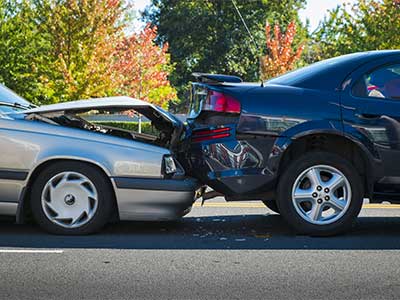
The Victim’s Guide to Car Crash Compensation
If you’ve been injured in a car accident you’re probably wondering how you will pay your medical bills, your injuries, missed work, and repairs…
Read More

What to Expect During a Car Accident Deposition
If you have been injured in a car accident and file a lawsuit, you will likely need to participate in a deposition…
Read More
Have a legal emergency?Contact Us.
Every day people just like you reach out to us with questions. We want to hear about your case.