Attorney 911: Houston, TX Insurance Claim Attorneys
Texas Insurance Claim Lawyers: When Your Insurance Company Becomes Your Enemy
Former Insurance Defense Attorney Now Fighting FOR Policyholders | Houston, Austin, Beaumont |
1-888-ATTY-911
They Took Your Premiums. Now They’re Denying Your Claim.
You paid your premiums every month. You did everything right. Then when you needed your insurance company—after a car
accident, a storm, a fire, a serious injury—they denied your claim. Or offered you a fraction of what your policy
covers. Or delayed so long you had to pay expenses out of your own pocket.
Now you’re discovering an ugly truth: your insurance company is not on your side.
Insurance companies collect billions in premiums. They employ armies of adjusters, lawyers, and claims specialists
whose job is to minimize what they pay out. They’ve developed sophisticated systems—including computer programs like
“Colossus”—specifically designed to undervalue your claim. They train adjusters to find reasons to deny coverage.
They know most policyholders won’t fight back.
They’re betting you’ll give up.
The Shocking Statistics: Texas Insurance Companies Are Denying Nearly Half of All Claims
The numbers reveal an industry that systematically denies legitimate claims:
Homeowners Insurance Denials in Texas (2024)
A 2024 analysis by Weiss Ratings found that 47% of all homeowners insurance claims in Texas were closed
without any payment. That’s nearly half of all claims—denied, rejected, or closed with zero
compensation to the policyholder.
- Texas’s 47% denial rate is significantly higher than the national average of 42%
- This rate has increased steadily from 35% in 2016—insurance companies are getting more aggressive, not less
- Texas insurers received 2.6 million homeowner claims in 2024—over 1.2 million were closed without payment
The Worst Offenders in Texas (2024 Denial Rates):
- Lemonade Insurance Co.: Over 65% of claims closed without payment
- Allstate Vehicle & Property Insurance: 50.9% of claims closed without payment
- USAA (United Services Automobile Association): 49.5% of claims closed without payment
- Allstate Insurance Co.: 49.8% of claims closed without payment
- USAA Casualty Insurance: 48.7% of claims closed without payment
- State Farm Lloyds: 41.6% of claims closed without payment
These aren’t small, unknown insurers. These are some of the largest, most recognizable names in insurance—companies
that spend billions on advertising promising to be your “good neighbor” or assuring you they’re “on your side.” The
numbers tell a different story.
Health Insurance Denials in Texas
In 2023, 22% of in-network health insurance claims in Texas were denied—higher than the national
average of 20%. Some insurers were far worse: UnitedHealth Group’s in-network denial rate in Texas was
33%.
One in three claims denied. For in-network care. Care you thought was covered.
Life Insurance Denials
Nationwide, 10-20% of life insurance claims face initial rejection or delay. When families are
grieving—when they need the policy benefits to survive—insurance companies are finding reasons to deny or delay
payment.
Why Are Denial Rates Increasing?
Insurance companies have learned that denying claims is profitable. They’ve exploited several factors:
- Rising deductibles: When deductibles are higher than repair costs, claims are closed “without
payment” because they don’t exceed the deductible - Policy exclusions: Insurers narrow coverage, adding exclusions for wind, hail, and other common
perils - HB 1774 (2017): This Texas law reduced penalties for insurers who wrongfully deny claims,
encouraging more aggressive denial tactics - Policyholder exhaustion: Companies know most people won’t fight back—they’ll accept lowball
offers or give up entirely
Insurance companies are playing the odds. Most policyholders don’t have attorneys. Most won’t sue. Most will accept
whatever miserly amount the insurer offers—or walk away with nothing.
At Attorney911, we change those odds.
Our Secret Weapon: Lupe Peña Worked FOR Insurance Companies—Now He Fights Them
This is what makes Attorney911 different from every other insurance claim law firm in Texas: Attorney Lupe
Peña spent years working FOR insurance companies, defending them against policyholder claims.
At a national defense firm, Lupe learned exactly how insurance companies operate from the inside:
How Insurance Companies Value Claims (And How They Undervalue Yours)
“When I defended insurance companies, I used software systems like the one alleged against
Allstate—Colossus—designed to calculate claim values. But these systems aren’t designed for fair compensation.
They’re designed to minimize payouts. I know exactly how these calculations work, what factors they manipulate,
and how to challenge them.” — Lupe Peña
Insurance companies don’t calculate what your claim is worth based on your actual losses. They calculate the minimum
they think they can pay and still avoid a lawsuit. Lupe knows their formulas. Now he uses that knowledge to demand
what your claim is actually worth.
The Tactics Insurance Adjusters Are Trained to Use Against You
Lupe spent years learning—and using—these tactics. Now he anticipates and defeats them:
- Recorded statements: Adjusters ask questions designed to create statements they can twist
against you later. They record everything—and use any inconsistency to undermine your claim. - Quick lowball offers: They offer fast payment—far below your claim’s value—hoping you’ll take
it before talking to an attorney. - Delay tactics: They request the same documents repeatedly, “lose” your paperwork, transfer your
claim to new adjusters who have to “start over”—all to exhaust you into giving up. - Policy language gotchas: They comb through your policy for exclusions, technicalities, and
loopholes to deny coverage. - Blaming the policyholder: They claim you caused your own damage, failed to mitigate, missed
deadlines, or misrepresented something on your application. - “Independent” medical exams: They send you to doctors who work for insurance companies—and
always minimize injuries.
“I know these tactics because I used them. I trained adjusters. I reviewed claim files looking for reasons to
deny. I drafted the motion papers to defeat policyholders in court. Now I use that same knowledge to protect
policyholders and hold insurance companies accountable.” — Lupe Peña
What Insurance Companies Fear Most
Lupe also knows what insurance companies are afraid of:
- Being caught violating the Texas Insurance Code: Bad faith violations can result in treble
damages (three times your actual damages), plus attorney’s fees - The 18% Penalty: Under Texas’s Prompt Payment of Claims Act, insurers who miss deadlines can be
hit with 18% annual interest on the claim amount, plus attorney’s fees - Trial: Insurance companies hate juries. Texas juries don’t like insurance companies that cheat
policyholders. Recent verdicts prove it. - Attorneys who actually know their playbook: When a former insurance defense attorney is on the
other side, they can’t use their usual tricks.
“Insurance companies evaluate cases based on risk. When they see a former defense attorney representing the
policyholder—someone who knows exactly how they operate—they know their usual tactics won’t work. That changes
everything about how they value the claim.” — Lupe Peña
Historic Texas Bad Faith Verdicts: Juries Are Punishing Insurance Companies
When insurance bad faith cases go to trial in Texas, juries send powerful messages. These verdicts prove what’s
possible when policyholders fight back:
$40 Million: Green Acres Baptist Church v. Brotherhood Mutual (2025)
In one of the largest bad faith verdicts in recent Texas history, a jury awarded Green Acres Baptist Church
nearly $40 million after Brotherhood Mutual Insurance Company refused to pay for storm damage.
- What happened: A severe wind and hailstorm in April 2020 damaged the church. Brotherhood Mutual
withheld over $4.8 million in policy benefits for nearly four years. - The verdict: The jury found Brotherhood Mutual breached its contract AND its duty of good faith
and fair dealing, imposing $35 million in punitive damages. - The message: When insurance companies stonewall legitimate claims for years, Texas juries
punish them severely.
$5 Million+: Compass Well Services v. Great American Insurance (Tarrant County)
A Tarrant County jury awarded a fracking company more than $5 million after Great American Insurance
engaged in unfair settlement practices:
- $2 million+ in compensatory damages
- $2 million in treble damages for Texas Insurance Code violations
- Nearly $950,000 in attorney’s fees
The jury found that Great American used unfair settlement practices when handling an equipment damage claim.
$600,000: Hurricane Harvey Auto Flood Case (2017)
After Hurricane Harvey flooded his truck, a Texas policyholder was offered just $6,000 by American
Access Casualty Co. The jury disagreed—by a factor of 100:
- Final verdict: $600,000—the largest auto flood verdict in Texas at the time
- The insurer’s initial offer was 1% of what the jury determined the claim was worth
$745,000: Morris v. Texas Mutual Insurance (Workers’ Compensation Bad Faith)
Even workers’ compensation carriers can face bad faith liability. In Morris v. Texas Mutual, the jury awarded
$745,000 including damages for mental anguish, damage to credit reputation, and attorney’s fees.
$25 Million Settlement: Allstate Class Action (2024)
Allstate settled a class action lawsuit for $25 million based on allegations of habitually denying
legitimate claims and using systems designed to undervalue claims. In April 2024, a Texas court denied Allstate’s
motion to strike portions of a complaint alleging they used software designed to undervalue claims.
What These Verdicts Mean for Your Case
These verdicts demonstrate several important points:
- Texas juries don’t tolerate insurance bad faith
- Punitive damages can dwarf the original claim amount
- Insurance Code violations lead to treble damages and attorney’s fees
- Even major insurers can be held accountable
- Fighting back works
At Attorney911, we leverage these precedents. Insurance companies know what juries do to bad faith insurers. When
we’re on your case, they know we’ll take it to trial if necessary—and they know what can happen when we do.
Texas Bad Faith Insurance Law: Your Rights as a Policyholder
Texas provides multiple legal protections against insurance bad faith. Understanding these laws helps you understand
why insurance companies should fear your claim:
The Common Law Duty of Good Faith and Fair Dealing
Since the 1983 Texas Supreme Court decision in English v. Fischer, Texas has recognized a “covenant of good
faith and fair dealing” between insurers and policyholders. This common law rule acknowledges that insurance
companies have superior bargaining power and must act fairly when handling claims.
To prove common law bad faith, you must show the insurer:
- Had no reasonable basis for denying or delaying the claim
- Knew, or should have known, there was no reasonable basis for their position
This is a high bar—courts require “egregious conduct” beyond simply disputing a claim. But when insurance companies
engage in the tactics described above—systematic delays, pretextual denials, deliberate undervaluation—they cross
the line into bad faith.
Texas Insurance Code Chapter 541: Unfair Trade Practices
Chapter 541 of the Texas Insurance Code prohibits “deceptive, unfair, and prohibited” trade practices in insurance.
Violations include:
- Misrepresenting policy terms or coverage
- Failing to attempt good faith settlement when liability is reasonably clear
- Failing to timely affirm or deny coverage
- Refusing to pay claims without conducting a reasonable investigation
- Failing to provide a reasonable explanation for denial
The Power of Treble Damages: If an insurer KNOWINGLY violates Chapter 541, you can recover
treble damages—three times your actual damages. A $100,000 claim becomes a $300,000 recovery, plus
attorney’s fees.
Texas Insurance Code Chapter 542: The Prompt Payment of Claims Act
Chapter 542 imposes strict deadlines on insurance companies:
- Insurers must acknowledge receipt of a claim within 15 business days
- Insurers must accept or reject the claim within 15 business days after receiving all requested
information - Insurers must pay the claim within 5 business days of accepting it
The 18% Penalty: If insurers miss these deadlines, they’re liable for 18% annual
interest on the claim amount, in addition to the claim itself and attorney’s fees. This penalty adds up
fast—especially when combined with litigation that takes months or years.
The USAA v. Menchaca Framework (2017)
The Texas Supreme Court’s 2017 decision in USAA Texas Lloyds Co. v. Menchaca clarified the relationship
between policy breach claims and Insurance Code violations. The court held that policyholders CAN recover damages
beyond policy benefits if the insurer’s bad faith caused additional harm—consequential damages, statutory penalties,
and punitive damages.
HB 1774 (2017): What It Changed
Texas House Bill 1774 (2017) limited some policyholder rights, particularly in weather-related property claims:
- Reduced pre-judgment interest from 18% to 10% after filing suit
- Required policyholders to give 60-day pre-suit notice
- Limited attorney fee recovery in some circumstances
Insurance industry lobbyists pushed this law, claiming it was needed to reduce “frivolous” lawsuits. Critics argue it
encouraged more aggressive claim denials by reducing consequences for bad faith.
Even with HB 1774’s limitations, Texas still provides powerful remedies against insurance bad faith. At Attorney911,
we know how to maximize your recovery under current law.
Types of Insurance Claims We Handle
Insurance bad faith occurs across every type of insurance. Attorney911 represents policyholders with denied, delayed,
or underpaid claims including:
Auto Insurance Claims
Car accident victims face insurance companies on multiple fronts—the at-fault driver’s liability insurance and their
own UM/UIM coverage. Common problems include:
- Denying liability claims based on disputed fault
- Undervaluing total loss vehicles
- Delaying medical payments coverage
- Refusing to pay uninsured/underinsured motorist claims
- Lowballing injury settlements
Lupe Peña’s defense experience includes auto claims: “I know exactly how insurers calculate vehicle values, how
they use biased appraisers, and how they pressure claimants to accept lowball injury settlements. Now I use that
knowledge to get my clients fair compensation.”
Learn more about car accident claims: https://attorney911.com/law-practice-areas/car-accidents/
Homeowners and Property Insurance Claims
Texas weather—hurricanes, hail, wind, tornadoes, flooding—causes billions in property damage annually. Homeowners
insurance companies have responded by denying claims at unprecedented rates:
- 47% of Texas homeowner claims closed without payment in 2024
- Storm damage denied as “wear and tear” or “prior damage”
- Water damage excluded through policy language manipulation
- Roof claims denied based on biased “independent” inspections
- Settlement offers far below repair costs
The $40 million Green Acres Baptist Church verdict shows what’s possible when homeowner claims are wrongfully denied.
Trucking and Commercial Vehicle Insurance
Commercial truck accidents involve complex insurance—often multiple policies covering the driver, the trucking
company, the cargo, and the vehicle. Insurance companies exploit this complexity to deny or delay claims.
At Attorney911, our personal injury attorneys have helped numerous injured individuals and families facing
trucking-related wrongful death cases recover millions of dollars in compensation.
Learn more: https://attorney911.com/law-practice-areas/18-wheeler-accidents/
Life Insurance Claims
When families are grieving, life insurance companies add insult to injury by denying claims based on:
- “Material misrepresentation” on the application—often minor disclosures the policyholder didn’t think were
relevant - Policy lapse claims—alleging premiums weren’t paid
- Exclusion claims—suicide clauses, contestability periods
- Beneficiary disputes
Health Insurance Claims
With 22% of Texas in-network health claims denied (33% for some insurers), health insurance bad faith is epidemic:
- Prior authorization denials for necessary procedures
- Claims that treatment wasn’t “medically necessary”
- Out-of-network denials when no in-network provider was available
- Emergency care denials based on retrospective review
Disability Insurance Claims
When injury or illness prevents you from working, disability insurance should provide income replacement. Instead,
insurers often:
- Deny claims based on surveillance showing any physical activity
- Rely on “paper reviews” by doctors who never examined you
- Terminate benefits after arbitrary time periods
- Claim your condition is “subjective” and unverifiable
Business Insurance Claims
Commercial policyholders face the same bad faith tactics—often with higher stakes:
- Business interruption claims denied or underpaid
- Commercial property damage undervalued
- Liability coverage disputes
- Professional liability claim denials
The $5 million Compass Well Services verdict shows that business policyholders can fight back successfully.
Don’t Face Insurance Companies Alone
Insurance companies have unlimited resources. They employ thousands of adjusters, lawyers, and claims specialists.
They’ve developed sophisticated systems to minimize payouts. They know most policyholders won’t fight back.
But you have options.
At Attorney911, Lupe Peña brings insider knowledge from years of working FOR insurance companies. Now he uses that
knowledge FOR you. Ralph Manginello brings 25+ years of trial experience and federal court admission. Together, we
level the playing field.
Free consultation. No fee unless we win. Call 1-888-ATTY-911.
Contact us: https://attorney911.com/contact/
Our attorneys: https://attorney911.com/attorneys/
Hablamos Español. Attorney Lupe Peña is fluent in Spanish.
Warning Signs: How to Recognize Insurance Bad Faith
Insurance companies rarely announce they’re acting in bad faith. They use subtle tactics designed to frustrate you
into giving up. Recognizing these warning signs helps you protect your claim:
Delay Tactics
Time is the insurance company’s friend. The longer they delay, the more likely you are to give up—or accept a lowball
offer out of desperation.
Watch for these delay tactics:
- Repeated document requests: They ask for the same documents multiple times, claiming they were
“lost” or “not received” - Adjuster reassignment: Your claim is transferred to a new adjuster who has to “start
over”—resetting the clock - “Under investigation” limbo: Your claim remains “under investigation” for weeks or months with
no resolution - Endless inspections: They schedule inspection after inspection, each adding weeks of delay
- Unreturned calls: Your adjuster doesn’t respond to calls or emails for days or weeks
- Waiting for “supervisor approval”: Every decision requires approval from someone who’s never
available
As Lupe Peña explains from his defense experience: “Delay is a deliberate strategy. Insurance companies know that
people have bills to pay. The longer they wait, the more desperate policyholders become—and the more likely they
are to accept less than their claim is worth. I’ve seen adjusters specifically instructed to extend timelines as
long as possible.”
Texas law response: The Prompt Payment of Claims Act (Chapter 542) requires insurers to meet
specific deadlines. Miss those deadlines, and they owe 18% annual interest plus attorney’s fees.
Lowball Offers
Insurance companies make initial offers they know are far below claim value. Their strategy: hope you’ll accept out
of ignorance or desperation.
Examples of lowball tactics:
- Undervaluing vehicle total loss: Offering $6,000 for a vehicle worth $12,000 (a tactic that led
to the $600,000 Hurricane Harvey verdict) - Ignoring future medical expenses: Offering to cover only past medical bills, ignoring ongoing
treatment needs - Discounting property repair estimates: Using “preferred vendors” whose estimates are
systematically low - Omitting covered damages: Paying for some damage while ignoring other covered losses
- Quick settlement pressure: Offering fast payment if you agree immediately—before you can
consult an attorney
The Hurricane Harvey case proves this: American Access Casualty offered $6,000. The jury awarded $600,000—100 times
more. The insurance company’s offer was 1% of the claim’s actual value.
Improper Denial Reasons
When insurance companies deny claims, they often cite reasons that don’t hold up under scrutiny:
- “Policy exclusion”: They cite exclusions that don’t actually apply to your situation
- “Pre-existing condition/damage”: They blame damage on conditions that existed before the
covered event—without evidence - “Failure to cooperate”: They claim you didn’t provide information—even when you did
- “Late notice”: They claim you reported too late—even when you reported promptly
- “Material misrepresentation”: They allege you lied on your application—often about minor,
irrelevant details - “Wear and tear”: They claim storm damage or other covered loss is actually ordinary wear—a
favorite tactic for roof claims
“I reviewed thousands of claim denials during my defense career. Many were based on pretextual reasons—excuses
that sounded legitimate but crumbled under examination. Insurance companies count on policyholders not knowing
their rights well enough to challenge denials.” — Lupe Peña
Investigation Failures
Texas law requires insurers to conduct “reasonable investigations” before denying claims. Many don’t:
- Cursory inspections: Brief site visits that don’t identify all damage
- Biased “independent” experts: Using engineers, adjusters, or medical examiners who consistently
favor insurers - Ignoring evidence: Dismissing documentation, photos, or expert opinions supporting your claim
- One-sided investigation: Looking only for evidence to deny—not evidence to pay
- Failure to interview witnesses: Not talking to people who could support your claim
Communication Red Flags
- Vague explanations: They can’t clearly explain why your claim was denied
- Refusal to put decisions in writing: They tell you things verbally but won’t document them
- Contradictory statements: Different adjusters give different reasons or explanations
- Hostile or dismissive attitude: Treating you like a fraudster rather than a customer
- Pressure tactics: “This offer expires tomorrow” or “If you don’t accept now, you’ll get
nothing”
When Multiple Warning Signs Appear
A single delay might be bureaucratic inefficiency. A single lowball offer might be negotiating tactics. But when you
see multiple warning signs—repeated delays, lowball offers, vague denials, failed communications—you’re likely
facing insurance bad faith.
That’s when you need an attorney who knows exactly how insurance companies operate. Call Attorney911 at
1-888-ATTY-911.
How to Protect Your Insurance Claim From Day One
The steps you take immediately after a loss significantly impact your claim’s success. Here’s how to protect
yourself:
1. Document Everything—Before, During, and After
Before a loss occurs (for property claims):
- Photograph your property, vehicles, and valuables periodically
- Keep receipts and records of major purchases
- Maintain a home inventory (many apps make this easy)
- Video walkthrough of your property annually
Immediately after a loss:
- Photograph all damage from multiple angles
- Video the damage while narrating what you see
- Don’t throw away damaged items until the claim is resolved (or photograph before disposal if necessary)
- Keep damaged items in a safe location
During the claims process:
- Keep a claim diary: date, time, and summary of every call, email, and interaction
- Get names and direct contact information for everyone you speak with
- Save all written correspondence—including emails, letters, and text messages
- Follow up verbal conversations with confirming emails (“Per our conversation today…”)
- Document every promise made by the insurance company
2. Report Claims Promptly—But Carefully
Report losses to your insurance company promptly—most policies require “timely” notice. But be careful what you say:
- Stick to facts: Describe what happened objectively, without speculation about cause or fault
- Don’t minimize or exaggerate: Be accurate about the damage or injury
- Don’t accept blame: Let investigations determine fault
- Don’t guess about values: Say you need to get estimates rather than guessing repair costs
3. Be Wary of Recorded Statements
Insurance adjusters will request a “recorded statement.” You generally have to cooperate with reasonable
investigation, but you have rights:
- You can ask why a recorded statement is needed
- You can request questions in advance
- You can have an attorney present
- You don’t have to speculate or guess—”I don’t know” is acceptable
- You can review and correct the statement afterward
“Recorded statements are tools for the insurance company, not for you. Adjusters are trained to ask questions
that create problems for your claim later. I’ve reviewed hundreds of recorded statements used to deny claims
based on innocent misstatements or incomplete answers. Consider consulting an attorney before giving a recorded
statement.” — Lupe Peña
4. Get Independent Estimates and Opinions
Don’t rely solely on the insurance company’s adjusters, appraisers, or doctors:
- Get your own repair estimates from licensed contractors
- Have your own doctor evaluate injuries—not an insurance company “IME” doctor
- Consider hiring a public adjuster for complex property claims
- Obtain independent vehicle appraisals for disputed total loss values
5. Read Your Policy—Carefully
Your policy is a contract. Know what it says:
- What perils are covered and what’s excluded?
- What are your policy limits?
- What deductibles apply?
- What are your duties after a loss?
- What deadlines must you meet?
Insurance policies are written in complex language designed by insurance companies. If you don’t understand
provisions, ask questions—or consult an attorney.
6. Don’t Accept the First Offer Without Analysis
First offers are rarely fair offers. Before accepting:
- Compare the offer to your actual documented losses
- Understand what you’re giving up by accepting (usually, the right to seek more later)
- Consider consulting an attorney—most consultations are free
- Ask for a written explanation of how the offer was calculated
7. Know When to Get Help
Consider contacting an attorney when:
- Your claim is denied
- You receive a lowball offer far below your losses
- Months pass without resolution
- You’re asked for a recorded statement about a significant claim
- The insurance company’s adjuster stops returning calls
- You feel pressured to settle quickly
- The claim involves serious injury or death
- You’re dealing with your own insurance after an accident caused by someone else
What to Do When Your Insurance Claim Is Denied
A denial isn’t the end—it’s often just the beginning. Here’s what to do:
Step 1: Get the Denial in Writing
Request a written explanation of the denial, including:
- The specific reason(s) for denial
- The policy provisions the insurer relies on
- Any additional information the insurer claims is needed
Texas law requires insurers to provide reasonable explanations. Vague or unsupported denials are evidence of bad
faith.
Step 2: Review the Denial Against Your Policy
Compare the denial to your actual policy language:
- Does the exclusion cited actually apply to your situation?
- Did you meet your policy obligations?
- Is the insurer’s interpretation of policy language reasonable?
Many denials cite exclusions that don’t actually apply or misinterpret policy provisions. Insurance companies count
on policyholders not challenging these interpretations.
Step 3: Gather Supporting Evidence
Compile evidence supporting your claim:
- Photos and videos of damage
- Repair estimates from independent contractors
- Medical records and bills
- Expert opinions
- Weather reports (for storm claims)
- Police reports (for auto or theft claims)
- Witness statements
Step 4: Submit a Formal Appeal
Most policies provide an appeal process. Submit a formal written appeal including:
- Clear statement that you’re appealing the denial
- Point-by-point response to denial reasons
- Supporting documentation
- Request for reconsideration
- Deadline for response
Send appeals via certified mail with return receipt—creating proof you submitted them.
Step 5: File a Complaint with the Texas Department of Insurance
The Texas Department of Insurance (TDI) regulates insurers and investigates complaints. Filing a TDI complaint:
- Creates an official record of your dispute
- May prompt the insurer to reconsider
- Alerts regulators to insurer behavior patterns
TDI complaints can be filed online at www.tdi.texas.gov. The most common complaints involve how long companies take
to settle claims, the amount offered, and coverage denials.
Step 6: Consult an Insurance Claim Attorney
If internal appeals and TDI complaints don’t resolve your claim, consult an attorney experienced in insurance bad
faith:
- We evaluate whether you have a bad faith claim
- We understand Texas Insurance Code penalties the insurer faces
- We know how to leverage potential 18% interest penalties and treble damages
- We can send demand letters that insurance companies take seriously
- We can file suit if necessary
At Attorney911, Lupe Peña brings insider knowledge from years defending insurance companies. He knows exactly what
makes insurers settle versus fight—and how to maximize pressure on bad faith carriers.
Free consultation. No fee unless we win.
The Insurance Claim Legal Process: What to Expect
When you hire Attorney911 for an insurance claim dispute, here’s how the process typically unfolds:
Phase 1: Evaluation and Investigation
Policy Review: We analyze your insurance policy to understand coverage, exclusions, and duties. We
identify policy provisions the insurer may be misinterpreting.
Claim File Review: We demand your complete claim file from the insurer—every document, note, email,
and internal communication. Texas law requires insurers to produce claim files.
Evidence Compilation: We gather evidence supporting your claim: photos, estimates, expert reports,
medical records, and documentation of your losses.
Bad Faith Assessment: We evaluate whether the insurer’s conduct rises to bad faith under Texas
common law and the Insurance Code. This determines what remedies are available.
Phase 2: Demand and Negotiation
Demand Letter: We send a comprehensive demand letter outlining:
- Why the claim should be paid
- Evidence supporting coverage
- Insurance Code violations we’ve identified
- Potential penalties the insurer faces (18% interest, treble damages, attorney’s fees)
- Our demand amount
Insurance companies respond differently to attorney demand letters than policyholder calls. They know we understand
the law—and that we’ll file suit if they don’t respond appropriately.
Negotiation: Many claims settle after attorney intervention without litigation. As Lupe Peña notes:
“Insurance companies evaluate claims based on litigation risk. When they see a former defense attorney on the
other side—someone who knows their tactics, their software systems, and their pressure points—their risk
calculation changes dramatically.”
Phase 3: Pre-Suit Notice (HB 1774 Claims)
For certain property insurance claims, Texas law (HB 1774) requires a 60-day pre-suit notice before filing
litigation. This notice:
- Gives the insurer one more opportunity to resolve the claim
- Specifies what we believe is owed
- Documents any claimed Insurance Code violations
Some insurers use this 60-day period to make reasonable settlement offers. Others ignore it—which we document for
later litigation.
Phase 4: Litigation (If Necessary)
Filing Suit: If the insurer won’t pay fairly, we file suit. Our claims typically include:
- Breach of contract (failure to pay policy benefits)
- Insurance Code Chapter 541 violations (unfair trade practices)
- Insurance Code Chapter 542 violations (Prompt Payment Act)
- Common law bad faith (if applicable)
- Requests for actual damages, statutory penalties, interest, and attorney’s fees
Discovery: Through litigation discovery, we obtain:
- Internal claim handling guidelines
- Adjuster training materials
- Communications about your claim
- Settlement authority information
- Similar claim handling patterns (showing systemic bad faith)
Discovery often reveals damaging internal communications that insurance companies hoped you’d never see.
Depositions: We depose insurance company employees, adjusters, supervisors, and corporate
representatives under oath. Their testimony becomes evidence of how your claim was handled.
Phase 5: Mediation and Settlement
Most insurance disputes settle before trial. Once we’ve gathered evidence through discovery, the insurer’s litigation
risk becomes clear. Mediation often produces fair settlements that wouldn’t have been offered without litigation.
Phase 6: Trial (If No Settlement)
If the insurer won’t offer fair compensation, we take your case to a Texas jury. As the historic verdicts
demonstrate—$40 million, $5 million, $600,000—Texas juries don’t tolerate insurance bad faith.
Ralph Manginello’s 25+ years of trial experience and Lupe Peña’s insider knowledge of insurance defense create a
powerful trial team. Insurance companies know we’ll go to verdict if necessary—and they know what juries do to bad
faith insurers.
Why Choose Attorney911 for Your Insurance Dispute
When your insurance company becomes your enemy, you need attorneys who know how to fight back. Here’s why Texas
policyholders choose Attorney911:
Lupe Peña: The Ultimate Insurance Insider
No other Texas insurance claim attorney has Lupe’s specific experience working FOR insurance companies. He didn’t
just study insurance law—he practiced it from the other side:
- Worked at a national defense firm defending insurers against claims
- Learned exactly how insurers calculate claim values—and undervalue them
- Trained on adjuster tactics, recorded statement techniques, and denial strategies
- Reviewed thousands of claims from the insurer’s perspective
- Knows what insurance companies fear—and how to exploit it
“When I represent policyholders, insurance companies know they’re facing someone who used to be on their side.
They can’t use their usual tricks. They know I see through their tactics. That changes everything about how they
handle the claim.” — Lupe Peña
Ralph Manginello: 25+ Years Fighting for Texas Clients
Ralph Manginello brings decades of experience to insurance disputes:
- Texas Bar since 1998—over 25 years experience
- Federal court admission (U.S. District Court, Southern District of Texas)
- Proven trial experience holding corporations accountable
- Involvement in BP explosion litigation—taking on the biggest defendants
Documented Results
At Attorney911, our personal injury attorneys have achieved documented results including:
- Multi-million dollar settlements for catastrophic injuries
- Millions recovered in trucking wrongful death cases
- Successful outcomes against major corporations including BP
4.9-Star Client Reviews
Our 251+ Google reviews with 4.9-star rating demonstrate how we treat clients:
“You are NOT a pest to them and you are NOT just some client…You are FAMILY to them.” — Chad Harris
“Mr. Manginello guided me through the whole process with great expertise…tenacious, accessible, and
determined.” — Jamin Marroquin
“One company said they would not except my case. Then I got a call from Manginello…I got a call to come pick up
this handsome check.” — Donald Wilcox
Bilingual Services
Attorney Lupe Peña is fluent in Spanish. We serve Spanish-speaking policyholders without language barriers throughout
Texas. Hablamos español.
No Fee Unless We Win
We work on contingency—you pay no attorney fees unless we recover compensation. We front all case costs. If we don’t
win, you owe us nothing.
Free consultation. Call 1-888-ATTY-911.
Insurance Claim Problems by Type: Specific Issues We Handle
Different types of insurance claims present different challenges. Here’s a detailed breakdown of the problems Texas
policyholders face—and how Attorney911 addresses them:
Auto Insurance Claim Disputes
Car accidents generate millions of insurance claims annually in Texas. Insurance companies have refined their tactics
to minimize payouts:
Liability Disputes
The at-fault driver’s insurance company may dispute liability even when fault seems clear:
- “Comparative fault” manipulation: They allege you were partially at fault to reduce their
payout—even with minimal evidence - Blaming road conditions or third parties: Anything to shift responsibility away from their
insured - Refusing to accept police report findings: They conduct their own “investigation” reaching
different conclusions
Total Loss Undervaluation
When your vehicle is totaled, insurers pay “actual cash value” (ACV). But their ACV calculations systematically
undervalue vehicles:
- Cherry-picking comparable vehicles: Using lower-priced vehicles from distant markets as
“comparables” - Ignoring features and condition: Not accounting for upgrades, low mileage, or excellent
maintenance - Deducting phantom “condition adjustments”: Reducing values based on hypothetical wear
The Hurricane Harvey case illustrates extreme undervaluation: the insurer offered $6,000; the jury awarded $600,000.
That’s a 100x difference.
Medical Payment Delays
Medical payments coverage (MedPay) should pay your medical bills regardless of fault. But insurers delay:
- Requiring “reasonable and necessary” determinations for routine care
- Demanding extensive documentation for each bill
- Waiting until treatment is complete to pay anything
Uninsured/Underinsured Motorist (UM/UIM) Disputes
When the at-fault driver lacks adequate coverage, you turn to your own UM/UIM policy. Your own insurer then treats
you like an adversary:
- Disputing the extent of your injuries
- Questioning treatment necessity
- Undervaluing pain and suffering
- Delaying payment while you struggle with bills
These are YOUR OWN INSURANCE COMPANY tactics. You paid premiums for UM/UIM coverage. Now they’re fighting to avoid
paying it.
Attorney911 handles all types of auto insurance disputes. Learn more about car accident claims:
https://attorney911.com/law-practice-areas/car-accidents/
Homeowners and Property Insurance Disputes
Texas weather—hurricanes, tornadoes, hail, wind, flooding—creates billions in property claims. Insurance companies
have responded by denying nearly half of all claims.
The 47% Denial Reality
In 2024, 47% of Texas homeowner claims were closed without payment. Understanding why helps you fight back:
- Deductible manipulation: Insurers set deductibles so high that damage doesn’t exceed them
- Coverage exclusions: Policies increasingly exclude wind, hail, or other specific perils
- “Cosmetic damage” exclusions: Claiming hail damage is only “cosmetic” and not covered
- Pre-existing damage claims: Blaming damage on conditions before the covered event
- Wear and tear denials: Calling storm damage ordinary deterioration
Roof Claim Disputes
Roofs are the most commonly disputed homeowner claims. Insurance company tactics include:
- Biased inspectors: Using inspectors with track records of denying claims
- Partial payment: Paying for some roof sections while denying others
- Age-based depreciation: Heavily depreciating roofs based on age, even when replacement is
needed - Repair vs. replacement: Offering to patch when full replacement is warranted
Water Damage Complexities
Water damage claims face particular challenges:
- Source disputes: Arguing whether water entered from a covered source
- Flood exclusions: Claiming water was “flood” (typically requiring separate coverage)
- Mold exclusions: Denying mold remediation even when caused by covered water damage
- Sudden vs. gradual: Claiming leak was gradual (often excluded) rather than sudden
Hurricane and Major Storm Claims
Major storms create claim surges that insurers handle through systematic denial tactics:
- Overwhelmed adjusters: Adjusters handling hundreds of claims, spending minutes on each
- Remote adjustments: Making decisions from satellite photos without inspecting
- Wind vs. flood disputes: Blaming damage on flood (limited coverage) rather than wind (homeowner
coverage) - Fraudulent contractor panic: Denying claims based on contractor estimates they consider
“inflated”
The $40 million Green Acres Baptist Church verdict arose from a 2020 hailstorm claim that Brotherhood Mutual withheld
for nearly four years. The jury’s $35 million in punitive damages sent a message: don’t stonewall storm claims.
Commercial Insurance Disputes
Businesses face the same bad faith tactics as individuals—often with higher stakes:
Business Interruption Claims
When events force business closures, business interruption coverage should compensate for lost income. Insurers deny
by:
- Disputing coverage triggers
- Underestimating lost revenue
- Limiting covered periods
- Alleging the business would have lost money anyway
Commercial Property Damage
Commercial property claims face similar tactics as residential—plus additional complexity from business-specific
coverage provisions.
Liability Coverage Disputes
When businesses face lawsuits, liability insurance should provide defense and indemnity. Insurers deny coverage by:
- Claiming the lawsuit falls within policy exclusions
- Alleging the business failed to provide timely notice
- Disputing whether the alleged conduct falls within “occurrence” definitions
The $5 million Compass Well Services verdict arose from commercial equipment damage that Great American Insurance
mishandled using unfair settlement practices.
Life Insurance Disputes
Life insurance denials compound family tragedy. Common denial tactics include:
Contestability Period Claims
During the first two years of a policy (the “contestability period”), insurers can deny claims for “material
misrepresentation” on the application. They exploit this by:
- Scrutinizing every application answer for any discrepancy
- Claiming medical conditions weren’t disclosed—even minor ones the deceased may not have known about
- Alleging lifestyle factors (smoking, dangerous activities) were misrepresented
Lapse Claims
Insurers claim policies lapsed due to non-payment of premiums when:
- Payments were made but not properly credited
- Insurers failed to provide required lapse notices
- Grace period protections weren’t honored
Exclusion Claims
Life insurance policies contain exclusions insurers invoke:
- Suicide exclusions (typically first two years)
- Aviation exclusions
- War/terrorism exclusions
- Dangerous activity exclusions
Sometimes insurers stretch exclusion language beyond its reasonable meaning, hoping beneficiaries won’t challenge.
Disability Insurance Disputes
When injury or illness prevents you from working, disability insurance should provide income replacement. Instead,
many policyholders face:
Definition Manipulation
Policies define “disability” differently—and insurers exploit definitional differences:
- “Own occupation” switching: Paying during “own occ” period then terminating when policy
switches to “any occupation” - “Any occupation” stretching: Claiming you could perform jobs you’re totally unqualified for
- Partial disability disputes: Refusing to pay reduced benefits when you can work part-time
Surveillance Abuse
Insurers hire investigators to follow claimants, hoping to catch any activity they can characterize as inconsistent
with disability:
- Video of you carrying groceries becomes “evidence” you can work
- Attending your child’s event becomes “proof” of capability
- Any physical activity is weaponized against you
Paper Reviews Over Real Exams
Instead of having doctors examine you, insurers rely on “paper reviews” by doctors who:
- Never meet or examine you
- Work for insurance companies repeatedly
- Consistently find claimants aren’t disabled
Health Insurance Disputes
With 22% of Texas in-network claims denied—33% for some insurers—health insurance bad faith affects millions:
Prior Authorization Denials
Insurers require “prior authorization” for many treatments, then deny authorization claiming:
- Treatment isn’t “medically necessary”
- Alternative treatments haven’t been tried first
- The procedure is “experimental”
Retrospective Denials
Even after treatment is provided, insurers deny claims retroactively:
- Claiming hospital admission wasn’t necessary
- Downgrading emergency room visits
- Alleging treatment was excessive
Network Disputes
Complex network rules create denial opportunities:
- Surprise out-of-network charges for in-hospital services
- Claims that no in-network provider was “reasonably available”
- Balance billing from providers who didn’t accept assignment
Facing Off Against Major Insurers: What You Need to Know
Each major insurance company has its own claims culture and tactics. Here’s what we’ve learned about some of the
largest:
State Farm
State Farm positions itself as the “Good Neighbor” but has faced accusations including:
- Delay tactics and excessive documentation requests
- Slow response times when settling claims
- 41.6% of Texas homeowner claims closed without payment in 2024
- Fraud verdict related to Hurricane Katrina claims (national)
Allstate
Allstate tells policyholders “You’re in Good Hands” but reality differs:
- 50.9% of Texas homeowner claims closed without payment in 2024
- Uses “Colossus” software alleged to systematically undervalue claims
- $25 million class action settlement in 2024 over claim handling practices
- April 2024: Texas court denied motion to strike allegations of undervaluation systems
USAA
USAA specifically serves military families but has shown troubling patterns:
- 49.5% of Texas homeowner claims closed without payment in 2024
- USAA companies collectively denied ~48% of homeowner claims nationwide in 2023—”significantly above average”
- Class action allegations of underpaying total loss claims
- Customer service complaints describing “non-existent” claims support
Liberty Mutual / Safeco
- Common complaints about claims delays and undervaluation
- Aggressive use of “independent” inspectors who consistently minimize damage
Progressive
- Known for aggressive claims handling
- Quick lowball offers designed to settle before policyholders consult attorneys
- Disputes over total loss vehicle valuations
Farmers
- Significant complaints about claims processing delays
- Disputes over covered versus excluded perils in property claims
Nationwide
- “On Your Side” advertising versus adversarial claims handling
- Documented delays in property damage claims
“Every insurance company has its own claims culture. Some are more aggressive, some are more subtle, but they all
have the same goal: pay as little as possible. When I defended insurers, I learned each company’s specific
approach. Now I use that knowledge to counter their tactics, regardless of which insurer we’re facing.” —
Lupe Peña
Frequently Asked Questions About Texas Insurance Claims
My insurance company denied my claim. Is that automatically bad faith?
No. Insurance companies can deny claims they genuinely—and reasonably—believe aren’t covered. Bad faith requires
showing the insurer had no reasonable basis for denial and knew (or should have known) there was no reasonable
basis. However, many denials that seem legitimate are actually based on misinterpretations of policy language,
inadequate investigation, or pretextual excuses—all of which can constitute bad faith.
How long does an insurance company have to respond to my claim?
Under Texas’s Prompt Payment of Claims Act (Chapter 542), insurers must:
- Acknowledge receipt of your claim within 15 business days
- Accept or reject the claim within 15 business days after receiving all requested information
- Pay accepted claims within 5 business days
Missing these deadlines triggers 18% annual interest penalties plus attorney’s fees.
What is “treble damages” and when does it apply?
Treble damages means three times your actual damages. Under Texas Insurance Code Chapter 541, if an insurer KNOWINGLY
violates the unfair practices provisions, you can recover three times your actual damages. This transforms a
$100,000 claim into a $300,000 recovery—plus attorney’s fees.
Can I sue my own insurance company?
Yes. When your own insurer fails to pay legitimate claims—whether UM/UIM coverage after an accident, homeowner
coverage after a storm, or any other first-party claim—you can sue for breach of contract and bad faith. Your own
insurance company owes you the same duties of good faith as any other insurer.
What if my claim is small? Is it worth fighting?
Several factors make even smaller claims worth pursuing:
- Texas law allows recovery of attorney’s fees in successful Insurance Code claims
- Treble damages can multiply your recovery
- 18% interest accumulates during delays
- We work on contingency—you pay nothing unless we recover
If your claim was wrongfully denied, we can evaluate whether pursuing it makes sense.
How much will an insurance claim attorney cost?
At Attorney911, we work on contingency for insurance dispute cases. You pay no attorney fees unless we recover
compensation. We also front case costs. If we don’t win, you owe us nothing.
Should I accept my insurance company’s first offer?
Almost never. First offers are intentionally low—testing whether you’ll accept less than your claim is worth. Before
accepting any offer, compare it to your actual documented losses and consider consulting an attorney. The Hurricane
Harvey case is instructive: the insurer offered $6,000; the jury awarded $600,000.
What’s the statute of limitations for insurance bad faith claims?
For breach of contract claims, four years from when the insurer denied or underpaid the claim. For Insurance Code
violations and bad faith claims, typically two years. However, various factors can affect these deadlines. Don’t
wait—contact an attorney promptly after a denial.
What if my insurance company says my policy lapsed?
Lapse claims require careful evaluation:
- Did the insurer send required notices before lapse?
- Were premium payments actually made but not credited properly?
- Did the policy include grace period protections?
- Is the insurer trying to avoid a legitimate claim by alleging lapse?
Improper lapse claims can constitute bad faith.
What if my employer’s insurance is denying my claim?
Employer-provided insurance (group health, disability, life) may be governed by federal ERISA law rather than Texas
law. ERISA claims have different procedures and remedies. Contact an attorney to determine which law applies and how
to proceed.
Can I file a complaint with the Texas Department of Insurance?
Yes. TDI accepts complaints against insurance companies, agents, and adjusters. While TDI can’t force insurers to pay
claims, complaints create records, may prompt reconsideration, and alert regulators to problem insurers. You can
file at www.tdi.texas.gov.
What evidence should I save for my insurance dispute?
Save everything:
- Your insurance policy
- All correspondence with the insurer (letters, emails, texts)
- Photos and videos of damage
- Repair estimates and invoices
- Medical records and bills
- Notes from phone conversations (date, time, person, what was said)
- The written denial letter with stated reasons
Contact Attorney911: Don’t Let Insurance Companies Win
Insurance companies are billion-dollar corporations with armies of adjusters, lawyers, and claims specialists working
to minimize what they pay. They’ve developed sophisticated systems to deny, delay, and underpay claims. They’re
counting on you to give up.
But you have an option they fear: Attorney911.
Lupe Peña spent years working for insurance companies. He knows exactly how they operate—their valuation systems,
their denial tactics, their pressure techniques. Now he uses that insider knowledge to fight for policyholders.
Ralph Manginello brings 25+ years of experience holding corporations accountable, including BP explosion litigation
proving he can take on the biggest adversaries.
Together, we level the playing field.
Free consultation. No fee unless we win. Call 1-888-ATTY-911.
Serving Texas Policyholders Statewide
Insurance bad faith doesn’t respect city limits. Policyholders across Texas face the same corporate tactics from the
same major insurers. Attorney911 serves clients throughout Texas from our offices in Houston, Austin, and Beaumont.
Houston Metropolitan Area
Our Houston office serves policyholders throughout the greater Houston area—the state’s largest insurance market with
millions of policies in force:
Insurance Issues Specific to Houston:
- Hurricane and flood claims: Houston’s Gulf Coast location and low-lying geography create
recurring storm and flooding issues. Harvey (2017), Ike (2008), and other major storms generated billions in
claims—and billions in denials. - Hail damage: Houston’s location on the Gulf Coast/Hill Country boundary creates hail-producing
storms that damage roofs, vehicles, and property. - Traffic accidents: Houston’s massive highway network and traffic congestion generate more auto
accidents—and more auto insurance disputes—than almost any U.S. metro. - Industrial injuries: The Ship Channel’s 400+ petrochemical facilities create workplace injury
claims with complex workers’ compensation and third-party issues.
Counties Served from Houston:
- Harris County—Houston, Katy, Cypress, Spring, Pearland, Pasadena, Baytown
- Fort Bend County—Sugar Land, Missouri City, Richmond, Rosenberg
- Montgomery County—The Woodlands, Conroe, Spring
- Brazoria County—Pearland, Angleton, Lake Jackson, Freeport
- Galveston County—Galveston, Texas City, League City, Dickinson
- Chambers County—Mont Belvieu, Anahuac
- Liberty County—Liberty, Cleveland, Dayton
- Waller County—Brookshire, Hempstead
Houston-area insurance disputes are typically litigated in Harris County District Courts, Harris County County Courts
at Law, or—for federal claims or diverse citizenship—U.S. District Court for the Southern District of Texas. Ralph
Manginello is admitted to federal court.
Austin Metropolitan Area
Our Austin office serves policyholders throughout Central Texas:
Insurance Issues Specific to Austin:
- Hail storms: Austin sits in “Hail Alley”—the region where Great Plains and Gulf Coast weather
systems collide, producing intense hail. Roof and vehicle claims are frequent. - Wildfire risks: The Texas Hill Country presents wildfire risks, creating property claims
insurers dispute as “uninsurable” or excluded. - Flash flooding: Austin’s limestone terrain and urban development create flash flooding,
generating water damage claims insurers try to classify as “flood” (often requiring separate coverage). - Construction accidents: Austin’s explosive growth creates construction site injuries with
complex insurance issues. - Traffic growth: Austin’s rapid population growth overwhelmed its highway system, increasing
accidents and auto insurance disputes.
Counties Served from Austin:
- Travis County—Austin, Pflugerville, Manor, Lakeway, Bee Cave
- Williamson County—Round Rock, Cedar Park, Georgetown, Leander, Taylor
- Hays County—San Marcos, Kyle, Buda, Dripping Springs, Wimberley
- Bastrop County—Bastrop, Elgin, Smithville
- Caldwell County—Lockhart, Luling
- Burnet County—Marble Falls, Burnet, Bertram
Austin-area insurance disputes are typically litigated in Travis County District Courts or—for federal claims—U.S.
District Court for the Western District of Texas (Austin Division).
Beaumont and Southeast Texas
Our Beaumont office serves policyholders in the Golden Triangle and Southeast Texas:
Insurance Issues Specific to Southeast Texas:
- Hurricane exposure: The Golden Triangle sits directly in hurricane paths. Rita (2005), Ike
(2008), Harvey (2017), and Laura (2020) all caused massive damage and generated disputed claims. - Industrial accidents: The region’s concentration of refineries and petrochemical plants creates
workplace injury claims with complex insurance issues. - Flood zone disputes: Low-lying areas near Sabine Lake and the Neches River face flood disputes
over whether damage is covered.
Counties Served from Beaumont:
- Jefferson County—Beaumont, Port Arthur, Nederland, Groves, Port Neches
- Orange County—Orange, Vidor, Bridge City, West Orange, Pinehurst
- Hardin County—Silsbee, Lumberton, Kountze
- Jasper County—Jasper, Kirbyville
- Newton County—Newton
Southeast Texas insurance disputes are typically litigated in Jefferson County District Courts or—for federal
claims—U.S. District Court for the Eastern District of Texas (Beaumont Division).
Statewide Texas Representation
If you’re a Texas policyholder facing insurance bad faith—anywhere in the state—Attorney911 can help:
- Dallas-Fort Worth—Metroplex policyholders facing hail, tornado, and auto insurance disputes
- San Antonio—South Texas policyholders
- Rio Grande Valley—Hurricane and tropical storm claims
- West Texas—Midland, Odessa, El Paso policyholders
- Corpus Christi—Coastal claims and hurricane disputes
Our attorneys are licensed throughout Texas and can represent you regardless of location.
The History of Insurance Bad Faith Law in Texas
Understanding how Texas insurance law developed helps you understand your rights today:
1983: English v. Fischer Establishes the Duty of Good Faith
The Texas Supreme Court’s 1983 decision in English v. Fischer first recognized a “covenant of good faith and
fair dealing” between insurers and policyholders. The court acknowledged that insurance companies hold superior
bargaining power and that policyholders need protection.
This case established common law bad faith in Texas—allowing policyholders to sue insurers who unreasonably deny
claims.
Texas Insurance Code Chapter 541: Codifying Protection
The Texas Legislature codified protections against unfair insurance practices in what is now Chapter 541 of the Texas
Insurance Code. This statute specifically prohibits:
- Misrepresenting policy provisions
- Failing to acknowledge claims promptly
- Failing to conduct reasonable investigations
- Failing to attempt good faith settlements when liability is clear
- Compelling policyholders to litigate by making unreasonably low offers
Crucially, Chapter 541 allows treble damages when insurers knowingly violate its provisions—tripling recoveries to
punish bad faith.
Chapter 542: The Prompt Payment Act
Texas’s Prompt Payment of Claims Act (Chapter 542) imposed specific deadlines on insurers:
- 15 business days to acknowledge claims
- 15 business days to accept or reject after receiving all information
- 5 business days to pay after acceptance
Violating these deadlines triggers 18% annual interest—a powerful incentive for prompt handling.
2017: USAA v. Menchaca Clarifies Recovery
The Texas Supreme Court’s 2017 decision in USAA Texas Lloyds Co. v. Menchaca addressed the relationship
between contract and bad faith claims. The court held that policyholders CAN recover damages beyond policy benefits
when insurer bad faith causes additional harm.
This decision confirmed that bad faith remedies supplement, not replace, contract damages.
2017: HB 1774 Limits Some Protections
Texas House Bill 1774 (2017), pushed by insurance industry lobbyists, limited some policyholder rights:
- Reduced pre-judgment interest from 18% to 10% after suit is filed
- Required 60-day pre-suit notice for certain property claims
- Limited attorney fee recovery in some circumstances
Critics argue this law emboldened insurers to deny claims more aggressively. The increase in denial rates from 35%
(2016) to 47% (2024) followed this legislation.
Recent Developments: Juries Fighting Back
Despite legislative limitations, Texas juries have increasingly punished insurance bad faith:
- 2025: $40 million verdict (Green Acres Baptist Church v. Brotherhood Mutual)—including $35
million in punitive damages - 2024: $5 million+ verdict (Compass Well Services v. Great American)—including treble damages
- 2024: $25 million settlement (Allstate class action)—over systematic claim undervaluation
As one defense attorney reportedly observed: “Texas juries are sending a message—deny legitimate claims at your
peril.”
Resources for Texas Policyholders
Texas Department of Insurance (TDI)
TDI regulates insurance in Texas and assists policyholders:
- Website: www.tdi.texas.gov
- Consumer Helpline: 1-800-252-3439
- Online Complaint Filing: Available through TDI website
- Company Complaint Lookup: Check complaint histories for specific insurers
While TDI can’t force payment, complaints create records and may prompt insurer reconsideration.
National Association of Insurance Commissioners (NAIC)
The NAIC provides consumer resources including:
- Insurer financial rating information
- Complaint ratio data comparing insurers
- Consumer guides to various insurance types
Your Policy: The Most Important Document
Your insurance policy is your contract with the insurer. You should:
- Keep a complete copy of your policy, including all endorsements
- Review coverage limits and understand what’s covered
- Know your deductibles and how they apply
- Understand your duties after a loss
- Know how to file claims and deadlines that apply
Attorney911: Your Advocate Against Insurance Companies
When resources and self-help aren’t enough—when your insurer is acting in bad faith—you need an attorney who knows
how insurance companies operate from the inside.
Attorney911 is here.
Contact Attorney911 Today
You paid your premiums. You kept up your end of the bargain. Now your insurance company is breaking their
promise—denying your claim, lowballing your settlement, or dragging you through endless delays.
They’re counting on you to give up.
Don’t give them the satisfaction.
At Attorney911, Lupe Peña brings something no other Texas insurance claim attorney offers: years of
experience working FOR insurance companies. He knows their systems, their tactics, their pressure
points. Now he uses that insider knowledge to fight for policyholders.
Ralph Manginello adds 25+ years of trial experience and federal court admission. Together with our dedicated
team—Leonor, Melani, Amanda, Zulema—we fight for you while treating you like family.
What Happens When You Call
Free, Confidential Consultation: We discuss what happened, review your situation, and explain your
options. No pressure, no obligation.
Case Evaluation: We analyze your policy, claim history, and the insurer’s conduct to determine
whether you have a bad faith claim—and what it might be worth.
Aggressive Representation: If we take your case, we fight immediately—sending preservation letters,
demanding claim files, and putting insurers on notice that their tactics won’t work.
No Fee Unless We Win: You pay no attorney fees unless we recover compensation. We front all case
costs. Zero risk to you.
The Statistics Are Clear
- 47% of Texas homeowner claims denied in 2024
- 22% of Texas health claims denied
- Major insurers denying 40-50%+ of claims
- Denial rates rising every year
Insurance companies have declared war on policyholders. It’s time to fight back.
Recent Verdicts Prove What’s Possible
- $40 million (2025)—storm damage denial
- $5 million+ (Tarrant County)—unfair settlement practices
- $600,000 (Hurricane Harvey)—100x the insurer’s $6,000 offer
- $25 million settlement (Allstate)—systematic undervaluation
Texas juries punish insurance bad faith. We help policyholders get that punishment delivered.
Contact Information
- Call 24/7: 1-888-ATTY-911
- Phone: (713) 528-9070
- Email: ralph@atty911.com
- Online: https://attorney911.com/contact/
Houston Office:
Attorney911 – The Manginello Law Firm
1177 W Loop S Suite 1600
Houston, TX 77027
Beaumont Office:
Serving Jefferson County, Orange County, Hardin County, and the Golden Triangle
Austin Office:
Serving Travis County, Williamson County, Hays County, and Central Texas
Hablamos Español
Attorney Lupe Peña is fluent in Spanish. We serve Spanish-speaking policyholders throughout Texas without language
barriers.
Our Attorneys
Ralph Manginello, Managing Partner
Texas Bar since 1998 (25+ years)
Admitted to U.S. District Court for the Southern District of Texas
BP explosion litigation experience
Federal court experience for complex claims
Learn more: https://attorney911.com/attorneys/
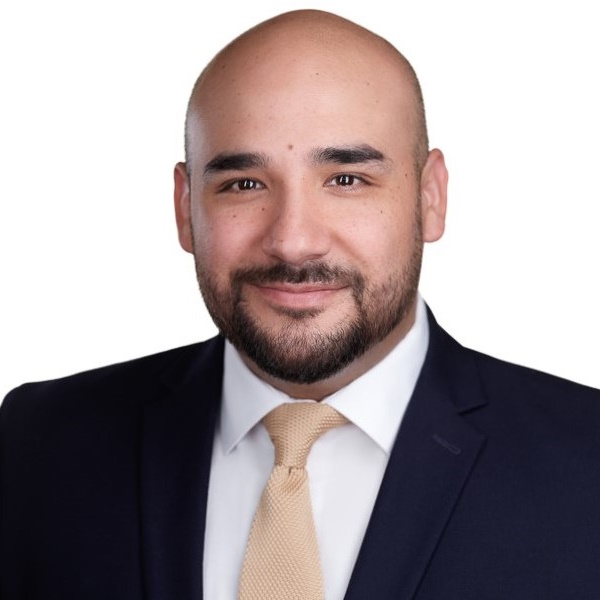
Lupe Peña, Associate Attorney
Texas Bar since 2012
FORMER INSURANCE DEFENSE ATTORNEY
Insider knowledge of insurance company tactics, systems, and strategies
Fluent Spanish—hablamos español
3rd generation Texan with King Ranch family heritage
Related Practice Areas
Attorney911 represents injury victims across many practice areas:
- Car Accidents: https://attorney911.com/law-practice-areas/car-accidents/
- 18-Wheeler Accidents: https://attorney911.com/law-practice-areas/18-wheeler-accidents/
- Wrongful Death: https://attorney911.com/law-practice-areas/wrongful-death-claim-lawyer/
- Refinery Accidents: https://attorney911.com/law-practice-areas/refinery-accident-lawyer/
- Motorcycle Accidents: https://attorney911.com/law-practice-areas/motorcycle-accidents/
- Pedestrian Accidents: https://attorney911.com/law-practice-areas/pedestrian-accidents/
Free consultation. No fee unless we win. Call 1-888-ATTY-911.
They broke their promise. We’ll make them pay.
Call 1-888-ATTY-911 now.
New Blog Articles

Can an insurance company refuse to pay a claim?
Yes, insurance companies do refuse to pay claims. So, what happens when an insurance company unfairly denies your claim?
Read More

The Victim’s Guide to Car Crash Compensation
If you’ve been injured in a car accident you’re probably wondering how you will pay your medical bills, your injuries, missed work, and repairs…
Read More

What to Expect During a Car Accident Deposition
If you have been injured in a car accident and file a lawsuit, you will likely need to participate in a deposition…
Read More
Have a legal emergency?Contact Us.
Every day people just like you reach out to us with questions. We want to hear about your case.