Motorcycle Accidents
Have you been injured in a motorcycle accident? Our personal injury lawyers protect victims like you throughout Texas.
When Two Wheels Meet Four: The Devastating Reality of Motorcycle Accidents in Texas
You’re riding southbound on I-45 through Houston, heading home after work. Traffic is heavy but moving. You’re wearing your helmet, following every traffic law, maintaining proper lane position. Then a car in the left lane decides to merge right—without looking, without signaling, without any warning. The driver later tells police: “I didn’t see the motorcycle.” Those five words—heard thousands of times per year across Houston, Austin, and Beaumont—are the soundtrack to one of Texas’s most preventable tragedies.
The impact throws you from your bike at 60 mph. You slide across three lanes of concrete. Your helmet saves your life, but it can’t save you from the broken pelvis, shattered femur, and traumatic brain injury. Your bike—your pride and joy—is a twisted wreck. The driver who hit you? A minor scratch. Their car? Some paint damage. Their insurance company? Already preparing to argue you were “hard to see” and that motorcycles are “inherently dangerous.” Welcome to the nightmare that is a Texas motorcycle accident.
At Attorney911, we’ve seen this scenario play out hundreds of times. We’ve watched insurance companies blame riders who were doing everything right. We’ve fought against the anti-motorcycle bias that infects accident investigations, insurance adjusters, and even some juries. And we’ve won—recovering millions of dollars for injured riders and their families throughout Houston, Austin, Beaumont, and across Texas. Because when a driver says “I didn’t see you,” what they really mean is “I wasn’t looking.” And that’s negligence.
If you’ve been injured in a motorcycle accident in Texas, call Attorney911 at 1-888-ATTY-911 now for your free consultation. We ride. We understand. We fight for bikers.
Why Attorney911 Understands Motorcycle Cases Differently
Most personal injury attorneys treat motorcycle accidents like car accidents with two fewer wheels. They don’t understand riding dynamics, motorcycle physics, or the unique challenges bikers face both on the road and in the courtroom. At Attorney911, we’re different.
Ralph Manginello: 25+ Years Fighting for Injured Texans
Ralph Manginello has been practicing personal injury law since 1998—over 25 years of fighting for injured Texans. He’s admitted to the U.S. District Court for the Southern District of Texas (based in Houston), which means he handles complex federal cases that most attorneys never see. Our firm is one of the few firms in Texas to be involved in BP explosion litigation related to the March 23, 2005 BP Texas City Refinery explosion near Beaumont that killed 15 workers, injured 180+, and resulted in settlements exceeding $2.1 billion. This demonstrates our capability to take on billion-dollar corporations with unlimited resources—the same types of corporations that insure the drivers who hit motorcyclists.
Ralph understands that motorcycle cases require aggressive advocacy because of the inherent bias against riders. As he explains: “The moment a jury hears ‘motorcycle,’ some of them picture reckless riders weaving through traffic. We have to combat that stereotype immediately by showing them who you really are—a responsible rider who was following every law, wearing proper gear, and doing everything right when a negligent driver failed to look before changing lanes.”
Lupe Peña: Former Insurance Defense Attorney Who Knows Their Playbook
What truly sets Attorney911 apart is Lupe Peña’s experience as a former insurance defense attorney who worked for a number of years at a national defense firm. Lupe spent years defending the insurance companies that now oppose our clients. He sat in strategy meetings where adjusters discussed how to minimize motorcycle accident claims. He knows every tactic they use:
The “Motorcycles Are Dangerous” Argument: Insurance companies love to argue that riding a motorcycle is inherently dangerous, so you “assumed the risk” of injury. Lupe knows this argument and destroys it by showing that the danger came from the negligent driver, not from the motorcycle itself.
The “Speed and Recklessness” Presumption: Even when there’s zero evidence of speeding, insurance adjusters will hint that “motorcyclists typically speed” and suggest you were going faster than the legal limit. Lupe anticipates this and obtains expert accident reconstruction showing your actual speed was legal and reasonable.
The “Inexperienced Rider” Attack: If you’re a newer rider, they’ll claim inexperience caused the accident. If you’re an experienced rider, they’ll claim you were overconfident. Lupe has seen both arguments hundreds of times and knows how to refute them.
The “Safety Gear” Trap: If you weren’t wearing full protective gear beyond your helmet, they’ll argue you contributed to your injuries. Lupe proves that the driver’s negligence—not your choice of jacket—caused the collision.
As Lupe explains: “When I defended drivers who hit motorcyclists, our strategy was always to shift focus from the driver’s negligence to the rider’s choices. We’d emphasize the motorcycle, the gear, the rider’s history—anything to distract from the simple fact that our client failed to look before turning or changing lanes. Now I see these tactics coming a mile away and shut them down before they gain traction. That’s why we’ve helped numerous injured individuals and families facing motorcycle-related wrongful death cases recover millions of dollars in compensation.”
Documented Results in Motorcycle Cases
At Attorney911, our personal injury attorneys have helped numerous injured individuals and families facing motorcycle-related wrongful death cases recover millions of dollars in compensation. We don’t just talk about fighting for bikers—we have the documented results to prove it. Our 4.9-star rating across 251+ Google reviews reflects our commitment to treating every client like family, as client Chad Harris describes: “You are NOT a pest to them and you are NOT just some client…You are FAMILY to them.”
Call Attorney911 at 1-888-ATTY-911. We’re available 24/7 because motorcycle accidents don’t wait for business hours. Hablamos español—our bilingual staff including attorney Lupe Peña ensures language is never a barrier.
The Unique Dangers Motorcyclists Face on Texas Roads
Texas is one of the deadliest states for motorcyclists in America. According to the Texas Department of Transportation (TxDOT), there were 518 motorcyclist fatalities and 1,951 serious injuries in crashes reported to Texas law enforcement in 2022. That’s 518 families destroyed and 1,951 lives permanently changed—in a single year.
Why Motorcycles Are So Vulnerable
When a car collides with another car, both vehicles have crumple zones, airbags, seatbelts, and reinforced passenger compartments. When a car collides with a motorcycle, the motorcycle has none of these protections. The rider’s body absorbs the entire impact. Even at relatively low speeds—25-35 mph in urban areas like Houston’s Montrose neighborhood, Austin’s South Congress, or Beaumont’s downtown—a collision can cause catastrophic injuries.
The physics are brutal:
- Size differential—A typical car weighs 4,000 lbs; a motorcycle weighs 500 lbs. In a collision, the lighter vehicle loses.
- Stability—Cars have four contact points with the road; motorcycles have two. Any impact easily destabilizes a bike.
- Visibility—Motorcycles have a smaller profile and are easier for distracted drivers to overlook, especially in blind spots.
- No protective barrier—Riders are exposed to direct impact, road contact, and secondary collisions with other vehicles or objects.
- Ejection—Riders are frequently thrown from their bikes, leading to multiple impacts and injuries.
Texas Roads That Are Especially Dangerous for Motorcyclists
Certain Texas highways and roads see disproportionately high motorcycle fatality rates. TxDOT data and law enforcement reports identify these high-risk corridors:
Houston Area:
- I-45 (Gulf Freeway)—Heavy commuter traffic with frequent lane changes and aggressive driving creates constant hazards for riders. The stretch from downtown Houston to Clear Lake sees numerous motorcycle crashes annually.
- I-10 (Katy Freeway/East Freeway)—One of the widest freeways in the world with constant construction, confusing lane configurations, and distracted drivers. Multiple motorcycle fatalities occur each year on I-10 in Harris County.
- Loop 610—The loop around Houston experiences heavy congestion and aggressive lane changes. The Ship Channel area is particularly dangerous with industrial truck traffic mixing with commuters.
- US-59 (Southwest Freeway)—High speeds combined with sudden traffic backups create rear-end collision risks for motorcyclists.
- Highway 6 and FM 1960—Suburban corridors with high-speed limits but frequent stoplights and left-turning traffic pose intersection collision risks.
Austin Area:
- I-35—The most dangerous highway in Texas for all vehicles, I-35 through Austin sees constant construction, aggressive drivers, and sudden stops. The elevated section downtown and the notorious “Y” interchange at Oak Hill are particularly hazardous for motorcyclists.
- Loop 1 (Mopac Expressway)—Express lanes, toll plazas, and heavy tech-worker commuter traffic create complex traffic patterns that put riders at risk.
- Highway 183—Connects Austin to suburban areas with high-speed traffic and frequent lane changes.
- Ranch Road 620 and Ranch Road 2222—Popular riding routes with curves and hills, but also popular with distracted drivers who cross center lines or fail to yield at intersections.
- US-290 East toward Houston—Rural highway with high speeds where drivers often fail to see motorcycles when pulling out from side roads.
Beaumont Area:
- I-10 East—The main corridor between Houston and Beaumont sees heavy truck traffic from the Port of Beaumont and petrochemical facilities. Large trucks frequently fail to see motorcycles in their blind spots.
- Highway 69/96/287 (MLK Parkway)—Connects Beaumont to Port Arthur and Nederland with industrial traffic and frequent intersection accidents involving motorcyclists.
- Highway 105—Rural highway connecting Beaumont to small towns sees high speeds and inattentive drivers pulling out from driveways and side roads.
- Cardinal Drive and College Street—Urban corridors through Beaumont with multiple intersections where left-turning drivers fail to yield to motorcyclists.
The “I Didn’t See the Motorcycle” Epidemic
The most common excuse drivers give after hitting a motorcyclist is “I didn’t see them.” This excuse is so common it has an acronym in the riding community: SMIDSY (“Sorry Mate, I Didn’t See You”). But “I didn’t see them” is not a defense—it’s an admission of negligence.
Texas law requires all drivers to maintain a proper lookout and be aware of all vehicles on the road, including motorcycles. When a driver says “I didn’t see the motorcycle,” they’re admitting they:
- Failed to check their blind spot before changing lanes
- Failed to look carefully before making a left turn across oncoming traffic
- Were distracted by their phone, passengers, or other factors
- Were not maintaining proper awareness of their surroundings
All of these are forms of negligence. At Attorney911, Lupe Peña has spent years countering the “I didn’t see them” defense. As he explains: “When I defended drivers who hit motorcyclists, we’d try to make ‘I didn’t see them’ sound reasonable—like the motorcycle appeared out of nowhere. But the truth is simpler: the driver wasn’t looking carefully enough. When you look at the approach time—how long the motorcycle was visible before the collision—it’s almost always 3-5 seconds or more. That’s plenty of time to see a motorcycle if you’re actually looking. Now I use approach time calculations and sight line analysis to prove the motorcycle was visible and the driver simply failed to look.”
The Most Common Types of Motorcycle Accidents in Texas
Understanding how motorcycle accidents typically occur helps establish liability and prevent future crashes. Here are the most common scenarios we see at Attorney911:
1. Left-Turn Accidents: The Number One Killer
Left-turn accidents are the most common and most deadly type of motorcycle crash. The scenario is tragically predictable: A motorcyclist is traveling straight through an intersection with a green light. A car waiting to turn left across the motorcyclist’s path misjudges the bike’s speed or simply doesn’t see it. The car turns left directly into the motorcycle’s path. The rider has no time to stop or evade. The impact is devastating.
Why left-turn accidents are so common:
- Motorcycles are smaller and easier to overlook, especially against complex visual backgrounds
- Drivers misjudge distance and speed—motorcycles approaching at 45 mph appear to be moving slower than cars
- Drivers are looking for cars, not motorcycles—a phenomenon called “inattentional blindness”
- Impatient drivers rush their turns during gaps in traffic without carefully checking for bikes
Example from Houston: A motorcyclist is heading north on Westheimer Road through the Galleria area. A driver waiting to turn left onto Post Oak Boulevard sees a gap in southbound traffic and begins their turn without seeing the northbound motorcycle. The bike strikes the car’s passenger side at 40 mph. The rider is ejected, suffering a fractured pelvis, broken leg, and head trauma despite wearing a helmet. The driver’s excuse? “I was looking left at southbound traffic and didn’t see the motorcycle coming from the right.”
Texas law is clear: drivers making left turns must yield the right of way to oncoming traffic, including motorcycles. Failure to yield is negligence, period. At Attorney911, we prove left-turn liability through accident reconstruction showing approach times, sight lines, and the driver’s opportunity to see and avoid the motorcycle.
2. Lane Change and Merge Accidents: The Blind Spot Excuse
A car changes lanes or merges onto a highway without checking blind spots, striking a motorcycle traveling in the adjacent lane. The impact can knock the rider off the bike or cause the bike to collide with other vehicles, barriers, or road infrastructure.
Common scenarios:
- Freeway lane changes—Driver changes lanes on I-10, I-35, or Loop 610 without seeing the motorcycle already occupying that lane
- Merge onto highways—Driver merges from entrance ramp without checking for motorcycles already on the highway
- Multi-lane changes—Driver swings across multiple lanes (common on wide Houston highways) and strikes a motorcycle
Example from Austin: A motorcyclist is riding in the left lane of I-35 near the University of Texas campus. A car in the middle lane suddenly swerves left to avoid a slower vehicle ahead, cutting directly into the motorcycle’s path. The rider’s front tire strikes the car’s right rear quarter panel. The bike goes down at 65 mph, and the rider slides 150 feet before striking the center barrier. Injuries include severe road rash despite wearing a jacket, broken collarbone, and wrist fractures.
The driver’s excuse? “I didn’t see the motorcycle in my blind spot.” But Texas law requires drivers to check blind spots before changing lanes. Modern vehicles have blind spot monitoring systems, and even without them, a proper shoulder check reveals motorcycles in adjacent lanes. As Lupe Peña explains: “The ‘blind spot’ defense is one insurance companies love because it sounds reasonable. But we prove there’s no such thing as a true blind spot when you’re properly checking mirrors and doing shoulder checks. The problem isn’t the blind spot—it’s the lazy driver who didn’t look.”
3. Rear-End Collisions: When Following Too Closely Becomes Deadly
A distracted or following-too-closely driver fails to notice that the motorcycle ahead has slowed or stopped. The car strikes the rear of the motorcycle, often crushing the bike and throwing the rider forward or under the car.
Why rear-end motorcycle crashes are especially dangerous:
- Motorcycles stop faster than cars—experienced riders can brake harder than cars, but following drivers don’t expect this
- No rear protection—being struck from behind gives the rider no warning and no ability to brace for impact
- Crush injuries—the motorcycle is often crushed between the striking vehicle and the vehicle ahead or road surface
- Ejection forward—riders are thrown forward, sometimes landing under other vehicles or striking objects
Example from Beaumont: A motorcyclist is stopped at a red light on MLK Parkway near the Port of Beaumont entrance. A pickup truck approaching from behind is driven by someone looking at their phone. The driver doesn’t notice the stopped motorcycle until it’s too late. The truck strikes the bike at 35 mph, crushing the rear of the motorcycle and throwing the rider into the intersection. The rider suffers spinal compression fractures, a broken ankle, and traumatic brain injury from striking the pavement.
Texas law requires drivers to maintain a safe following distance and be prepared to stop for vehicles ahead. Rear-ending a stopped or slowing motorcycle is clear evidence of negligence—usually distraction, following too closely, or excessive speed. At Attorney911, we obtain phone records showing the at-fault driver was texting at the moment of impact, turning a “simple” rear-end collision into evidence of gross negligence that can support punitive damages.
4. Dooring Accidents: The Urban Menace
“Dooring” occurs when a parked car’s driver or passenger opens their door into the path of a passing motorcyclist. These accidents are especially common in urban areas with on-street parking like Houston’s Montrose and Midtown, Austin’s downtown and South Congress, and Beaumont’s downtown.
Why dooring is so dangerous for motorcyclists:
- No time to react—doors open in less than a second, giving riders no time to brake or swerve
- High-speed impacts—riders traveling at 25-35 mph strike the door with tremendous force
- Secondary crashes—after striking the door, riders are often thrown into traffic lanes where they’re struck by other vehicles
- Handlebar impacts—the door strikes the motorcycle’s handlebar, instantly destabilizing the bike
Example from Houston: A motorcyclist is riding down Westheimer in the Montrose area, traveling in the right lane past parked cars. An Uber driver pulls over to drop off a passenger. The passenger immediately opens the rear door without checking for approaching traffic. The motorcyclist has no time to react. The bike’s handlebar strikes the open door, throwing the rider over the door and into the traffic lane. An approaching car swerves but can’t avoid striking the rider’s leg, causing a compound fracture.
Texas law requires people exiting parked vehicles to check for approaching traffic before opening doors. Both the driver and the passenger can be held liable for dooring accidents. In rideshare cases (Uber, Lyft), the rideshare company’s insurance may also provide coverage.
5. Intersection Accidents: Multiple Scenarios, Same Result
Intersections are danger zones for motorcyclists because of the multiple conflict points where paths cross. Common intersection accident scenarios include:
- Red light runners—Driver runs a red light and T-bones a motorcycle crossing on green
- Stop sign violations—Driver rolls through a stop sign and pulls into the path of a motorcycle with the right of way
- Failure to yield from side streets—Driver on a side street pulls onto a main road without seeing the approaching motorcycle
- U-turn accidents—Driver makes an illegal or poorly-timed U-turn across the path of an oncoming motorcycle
Example from Austin: A motorcyclist is riding east on 6th Street near downtown with a green light. A driver heading west decides to make a U-turn at the intersection without yielding to oncoming traffic. The driver turns directly into the motorcycle’s path. The rider brakes hard but can’t avoid the collision. The bike strikes the car’s side at 30 mph. The rider suffers broken ribs, a punctured lung, and facial fractures from striking the car.
Intersection accidents often involve clear traffic violations—running red lights, violating stop signs, failing to yield. At Attorney911, we obtain traffic camera footage, nearby business surveillance video, and witness statements proving the at-fault driver violated traffic laws and caused the collision.
6. Road Hazard Accidents: When Conditions That Annoy Cars Kill Motorcyclists
Road hazards that are minor inconveniences for cars can be deadly for motorcycles. Potholes, uneven pavement, debris, gravel, standing water, oil slicks, and construction zone irregularities can cause motorcycles to lose traction and crash.
Common hazards in Texas:
- Potholes and pavement failures—especially common after heavy rain or freeze-thaw cycles
- Construction zones—uneven lanes, metal plates, gravel tracked onto pavement (extremely common on I-35 through Austin and I-10 through Houston)
- Railroad crossings—uneven surfaces and gaps can catch motorcycle tires, especially when crossing at an angle
- Gravel on curves—rural highways and highway entrance/exit ramps often have gravel in curves where motorcycles need traction most
- Oil and fluid spills—create slick surfaces that are invisible until the motorcycle loses traction
Who’s liable for road hazard crashes? Liability depends on who was responsible for the hazard. If a government entity (city, county, state) failed to maintain the road or provide adequate warning of hazards, they may be liable under Texas’s waiver of governmental immunity for dangerous conditions. If a private contractor left debris or created hazards, they may be liable. If another vehicle dropped cargo or leaked fluids that caused the hazard, that driver may be liable.
Road hazard cases are complex because government entities have special immunity protections and notice requirements. Ralph Manginello’s 25+ years of experience includes handling cases against government entities—a specialized area requiring knowledge of Texas Tort Claims Act procedures and deadlines. If a road hazard caused your crash, call Attorney911 immediately at 1-888-ATTY-911 because notice requirements can be as short as 6 months.
7. Impaired Driver Accidents: When DWI Becomes Vehicular Assault
Drunk and drugged drivers kill hundreds of Texas motorcyclists every year. Impaired drivers have slowed reaction times, impaired judgment, reduced visual acuity, and difficulty maintaining lane position—all of which make them especially dangerous to motorcyclists.
Common scenarios:
- Drifting across center lines—impaired drivers on rural highways drift into oncoming motorcycle’s lane
- Rear-end collisions—impaired drivers fail to see stopped or slowing motorcycles
- Wrong-way drivers—impaired drivers enter highways going the wrong direction and collide head-on with motorcycles
- Running red lights—impaired drivers blow through red lights and T-bone motorcycles
When an impaired driver injures a motorcyclist, both criminal charges and civil liability apply. The criminal case (DWI, intoxication assault, vehicular manslaughter) is handled by prosecutors. The civil case (personal injury or wrongful death) is handled by your attorney—that’s where you recover compensation for your injuries, lost wages, and suffering.
Dram shop liability: If the driver was served alcohol at a bar or restaurant when they were obviously intoxicated, Texas dram shop laws allow you to sue the establishment that over-served them. This is critical because drunk drivers often have minimal insurance, but bars and restaurants have substantial liability policies. Attorney911 investigates whether dram shop liability applies to maximize your recovery.
Punitive damages: When a drunk or drugged driver injures you, Texas law allows punitive damages to punish the defendant and deter similar conduct. Punitive damages can significantly increase your compensation beyond actual economic and non-economic damages.
Call Attorney911 at 1-888-ATTY-911 if you’ve been injured in any of these types of motorcycle accidents. We investigate thoroughly to identify all liable parties and maximize your compensation.
Motorcycle Accident Injuries: Why They’re Catastrophic
Motorcyclists are 28 times more likely to die in a crash than car occupants, according to the National Highway Traffic Safety Administration. Those who survive often face catastrophic, life-altering injuries. Here are the most common injuries we see in motorcycle accident cases:
Road Rash: More Than Just Scrapes
“Road rash” sounds minor, but severe road rash is a catastrophic injury. When a rider slides across asphalt at 40-60 mph, the friction burns away skin, muscle, and sometimes tissue down to the bone. Even riders wearing protective gear can suffer road rash if the gear tears or shifts during the slide.
Medical treatment for severe road rash:
- Debridement—surgical removal of dead tissue, debris, and embedded asphalt (excruciatingly painful)
- Skin grafts—healthy skin from other body areas is transplanted to cover road rash wounds
- Infection prevention—road rash wounds are highly susceptible to serious infections including MRSA
- Scar revision surgeries—multiple surgeries to reduce scarring and restore function
- Physical therapy—scar tissue can limit range of motion, requiring extensive rehabilitation
Long-term impacts: Permanent scarring that affects appearance and self-esteem, chronic pain in scarred areas, limited range of motion if scarring crosses joints, psychological trauma from visible disfigurement, and sun sensitivity in scarred areas requiring lifelong protection.
In one of our cases, a client suffered severe road rash over 40% of his body when a car made an illegal left turn into his motorcycle’s path on Highway 59 in Houston. The insurance company initially offered $25,000, arguing road rash “heals.” We documented nine skin graft surgeries, ongoing scar revision procedures, permanent disfigurement affecting his career in sales, and psychological trauma. The case settled for multiple millions of dollars.
Broken Bones and Orthopedic Injuries
The impact of hitting a car or the pavement at high speed causes severe fractures. The most common fractures in motorcycle accidents include:
- Femur (thigh bone) fractures—extremely painful, often require surgical insertion of metal rods, long recovery
- Tibia/fibula (lower leg) fractures—compound fractures are common where bone breaks through skin
- Pelvis fractures—life-threatening due to internal bleeding, require extensive surgical repair
- Collarbone fractures—extremely common when riders are thrown from bikes and land on shoulders
- Wrist and arm fractures—instinctive response to catch yourself when falling causes “FOOSH” injuries (Fall On OutStretched Hand)
- Ankle fractures—occur when the bike falls and traps the rider’s foot, or from impacts during ejection
Complications from motorcycle fractures: Many motorcycle fractures are “complex” or “comminuted” (bone shattered into multiple pieces), making surgical repair difficult. Complications include nonunion (bone fails to heal), malunion (bone heals incorrectly), infection in surgical hardware, chronic pain, early-onset arthritis, and permanent limitations in range of motion and weight-bearing capacity.
These aren’t fractures that heal in 6 weeks with a cast. They often require multiple surgeries, months of non-weight-bearing recovery, extensive physical therapy, and permanent hardware installation. Many victims never regain full function and can’t return to physically demanding jobs.
Traumatic Brain Injury (TBI): The Invisible Injury
Even when riders wear helmets, the forces involved in motorcycle crashes can cause traumatic brain injuries. The brain crashes against the inside of the skull, causing bruising, bleeding, and damage to brain tissue.
Types of TBI in motorcycle crashes:
- Concussions (mild TBI)—temporary confusion, memory loss, and cognitive difficulties
- Moderate TBI—loss of consciousness, persistent cognitive deficits, personality changes
- Severe TBI—extended loss of consciousness, permanent cognitive impairment, inability to work or live independently
- Diffuse axonal injury—shearing of brain cells throughout the brain, often resulting in coma or permanent vegetative state
Long-term effects of TBI: Memory problems and difficulty concentrating, personality changes that strain relationships, depression and anxiety, sensitivity to light and sound, chronic headaches and migraines, balance and coordination problems, difficulty with executive function (planning, organizing, multitasking), inability to return to previous employment, and increased risk of dementia and Alzheimer’s later in life.
The cruelest aspect of TBI is that victims often look “normal” on the outside. Family members, friends, and employers don’t understand why the victim can’t do things that used to be easy. This leads to frustration, isolation, and strained relationships. Insurance companies exploit this by arguing TBI victims are exaggerating or faking symptoms.
At Attorney911, we work with neurologists, neuropsychologists, and life care planners who document the true extent of TBI through neuroimaging, cognitive testing, and functional capacity evaluations. We prove to juries (and insurance companies) that TBI is real, devastating, and deserving of millions in compensation.
Spinal Cord Injuries and Paralysis
Damage to the spinal cord can cause partial or complete paralysis. The level of injury determines the extent of paralysis:
- Cervical spine injuries (neck)—can cause quadriplegia (paralysis of all four limbs and trunk)
- Thoracic spine injuries (upper/mid back)—can cause paraplegia (paralysis of legs and lower trunk)
- Lumbar spine injuries (lower back)—can cause paralysis of legs
Spinal cord injuries are permanent—the spinal cord cannot regenerate. A motorcyclist who suffers a complete spinal cord injury will never walk again. The lifetime costs are staggering: according to the National Spinal Cord Injury Statistical Center, lifetime costs for a 25-year-old with high-level quadriplegia exceed $5.4 million; for paraplegia, they exceed $2.5 million.
What spinal cord injury means for your life: Lifetime wheelchair use, home modifications (ramps, widened doorways, accessible bathroom), adapted vehicle requiring hand controls, need for attendant care for activities of daily living, loss of bowel and bladder control, loss of sexual function, pressure sores requiring careful management, significantly reduced life expectancy, and profound psychological trauma.
When our firm represents motorcyclists with spinal cord injuries, we retain life care planners who calculate every expense over the victim’s lifetime. We don’t let insurance companies minimize these cases—we demand full compensation for a lifetime of disability.
Amputations: Losing a Limb to Save Your Life
Limbs can be severed in the initial impact (traumatic amputation) or amputated later when injuries or infections make saving the limb impossible. Lower extremity amputations (foot, leg below knee, leg above knee) are especially common in motorcycle accidents when the bike falls and traps the rider’s leg or when the leg is crushed between vehicles.
Living with amputation: Phantom limb pain (pain that feels like it’s in the missing limb), prosthetics costing $5,000-$100,000+ that must be replaced every 3-5 years, learning to walk again (if lower extremity amputation), inability to perform previous employment (especially physical labor), loss of independence in many daily activities, and profound psychological trauma.
At Attorney911, we’ve recovered millions for clients who suffered amputations. We make sure juries understand it’s not just the initial injury—it’s a lifetime of prosthetic replacements, revision surgeries, psychological counseling, and limitations on everything from employment to recreation to simple daily tasks.
If you’ve suffered any catastrophic injury in a motorcycle accident, call Attorney911 at 1-888-ATTY-911. We know how to value these cases properly based on the true lifetime impact on your life.
Proving Liability in Motorcycle Accident Cases: Fighting Anti-Rider Bias
Here’s the uncomfortable truth about motorcycle accident cases: many police officers, insurance adjusters, and even some jurors have an inherent bias against motorcyclists. They picture reckless “bikers” weaving through traffic, popping wheelies, and taking unnecessary risks. This bias affects everything from the accident report to the insurance company’s initial settlement offer to the jury’s verdict.
At Attorney911, we know how to combat this bias because Lupe Peña spent years as an insurance defense attorney exploiting it. He knows exactly how insurance companies will attack your case, and he knows how to preemptively destroy their arguments. Here’s what we do to prove liability and overcome anti-rider bias:
Obtaining the Police Report—And Understanding Its Limitations
The police report is often the first piece of evidence collected, but it’s also frequently wrong when it comes to motorcycle accidents. Many officers have limited training in motorcycle collision investigation and default to assumptions: “The motorcycle was speeding” or “The rider was showing off” or “Motorcycles are hard to see.”
What we do: We obtain the police report immediately and analyze it critically. If the officer made conclusions unfavorable to you without supporting evidence, we obtain all underlying evidence (911 calls, dispatch records, witness statements, dashcam videos) and often prove the officer’s conclusions were wrong. We then hire accident reconstruction experts who prepare detailed reports correcting the officer’s mistakes.
As Ralph Manginello explains: “A police report is just one officer’s opinion written within an hour or two of the accident, usually without detailed measurements or engineering analysis. It’s not gospel. When we see reports blaming motorcyclists without evidence, we systematically dismantle those conclusions with expert testimony, physical evidence, and witness statements. By the time we’re done, the police report becomes irrelevant or we’ve had its conclusions corrected.”
Accident Reconstruction: Physics Doesn’t Lie
Accident reconstruction experts use physics, mathematics, and engineering principles to determine exactly what happened in a crash. They analyze:
- Vehicle damage—crush patterns, impact angles, and part deformation tell experts the speed and direction of impact
- Tire marks—skid marks, yaw marks, and scrape marks show where vehicles braked and how they moved
- Debris fields—where parts and debris landed indicates impact points and vehicle trajectories
- Sight lines and approach times—experts calculate how long each vehicle was visible to the other, proving the at-fault driver had time to see and avoid the motorcycle
- Speed calculations—using damage, tire marks, and physical evidence, experts calculate each vehicle’s speed
- Momentum and energy—physics calculations show what HAD to have happened based on the laws of motion
Why this matters: Insurance companies love to claim “we don’t know exactly what happened” or “both drivers share blame.” Accident reconstruction removes ambiguity. When our expert testifies that the car was traveling 55 mph in a 40 mph zone and the motorcycle was traveling 38 mph, the jury knows who was speeding. When our expert testifies the motorcycle was visible for 4.2 seconds before the car turned left, the jury knows the driver had time to see the bike.
Lupe Peña’s insurance defense experience makes him especially effective at using accident reconstruction. As he explains: “When I defended drivers who hit motorcyclists, we’d try to create doubt about the motorcycle’s speed, position, and visibility. The best way to counter that is having a reconstruction expert whose calculations are so thorough and compelling that there’s no room for doubt. Now I hire the best experts in Texas and make sure their reports leave no ambiguity about who caused the crash.”
Obtaining Surveillance and Dashcam Footage
Texas highways, intersections, and commercial areas are covered by cameras—traffic cameras, business security cameras, doorbell cameras, and dashcams in other vehicles. This footage can definitively prove what happened and who was at fault.
Our immediate investigation includes:
- Traffic camera footage—TxDOT operates thousands of traffic cameras across Houston, Austin, and Beaumont; we request footage within 24-48 hours before it’s overwritten
- Business security cameras—we send investigators to nearby businesses to request security footage before it’s deleted (many systems overwrite after 7-30 days)
- Residential doorbell cameras—we canvass neighborhoods near the accident for Ring, Nest, and other doorbell cameras
- Dashcams from other vehicles—we issue subpoenas for dashcam footage from rideshare drivers, commercial vehicles, and private citizens
- Body camera footage—police body cameras often capture the accident scene and statements from witnesses and parties
Why speed matters: Video footage is devastating to insurance companies trying to blame the motorcyclist. When we produce surveillance video showing the car ran a red light or changed lanes without signaling, the case goes from “disputed liability” to “settlement demand accepted.” That’s why we act immediately—waiting even a week can mean footage is deleted.
Call Attorney911 at 1-888-ATTY-911 immediately after your motorcycle accident so we can preserve video evidence before it disappears forever.
Witness Statements: Corroboration Defeats Bias
Neutral third-party witnesses who saw the accident are extremely valuable. Their statements corroborate your version of events and contradict the at-fault driver’s excuses.
What we do: We send investigators to the accident scene within 24-48 hours to locate witnesses. We knock on doors of nearby homes and businesses. We post notices asking witnesses to come forward. We obtain witness contact information from police reports and immediately interview them (before insurance defense attorneys can influence their memories).
As Lupe explains from his defense experience: “When I defended drivers who hit motorcyclists, we’d delay contacting witnesses, hoping their memories would fade or they’d move away. The best witnesses are interviewed within days of the accident when everything is fresh. Now I make sure we talk to every witness before the defense even knows they exist.”
Helmet Use and Safety Gear: Preventing the Victim-Blaming Tactic
Texas does not require all motorcyclists to wear helmets. Riders over 21 can ride without helmets if they’ve completed a safety course or have insurance coverage of at least $10,000. But insurance companies will use your choice not to wear a helmet (or lack of other protective gear) to argue you contributed to your injuries.
The law on helmet use and liability: Whether you wore a helmet has no bearing on whether the other driver was negligent in causing the accident. The driver who ran the red light or made an illegal left turn is still 100% liable for causing the collision. However, if you weren’t wearing a helmet and suffered head injuries, the defense may argue your injuries would have been less severe with a helmet, reducing their damages liability under comparative negligence rules.
How we handle helmet cases: First, we emphasize that helmet use is irrelevant to liability—the other driver caused the crash through their negligence. Second, if you suffered injuries that a helmet wouldn’t have prevented (broken bones, internal injuries, road rash), we prove the helmet issue is completely irrelevant. Third, if you suffered head injuries, we often bring in biomechanical experts who testify that given the severity of the impact, your head injuries would have occurred even with a helmet.
As Lupe Peña explains: “When I defended drivers who hit helmeted motorcyclists, our argument was simple: ‘The rider chose a dangerous form of transportation.’ When the rider wasn’t helmeted, we’d add: ‘And they chose to make it even more dangerous by not wearing a helmet.’ Either way, we were victim-blaming. Now I shut down that argument immediately by showing the jury that the issue isn’t the motorcycle or the helmet—it’s the negligent driver who wasn’t looking before they turned or changed lanes.”
The Motorcyclist’s Driving Record: Preempting the “Reckless Rider” Attack
Insurance companies will obtain your driving record and look for any evidence of speeding tickets, reckless driving charges, or other violations to argue you’re a “reckless rider” who caused the accident.
How we handle this: We obtain your driving record immediately and assess how the defense will use it. If you have a clean record, we emphasize your safety-conscious riding habits. If you have prior violations, we contextualize them (speeding tickets from years ago are irrelevant to today’s accident) and show the jury that past traffic tickets don’t prove you caused this accident—the physical evidence does.
More importantly, we obtain the at-fault driver’s record. Often, the driver who hit you has a history of accidents, speeding tickets, or other violations. When we show the jury that the “poor car driver who didn’t see the motorcycle” has three prior at-fault accidents and six speeding tickets, the narrative shifts dramatically.
Motorcycle Maintenance and Mechanical Condition
Insurance companies will inspect your motorcycle and look for any maintenance issues or mechanical defects to argue the motorcycle was unsafe or contributed to the accident.
Common defense arguments:
- “The brakes were worn, so the rider couldn’t stop in time”
- “The tires were worn, so the motorcycle couldn’t corner properly”
- “The headlight was dim, so the car couldn’t see the motorcycle”
- “The bike was modified in ways that made it unstable”
How we respond: We have your motorcycle inspected by our own expert immediately to document its actual condition. We show maintenance records proving the bike was properly maintained. If there were any pre-existing issues, we prove they were unrelated to the cause of the accident (worn brake pads are irrelevant when a car turned left in front of you with no time to brake).
As Ralph Manginello notes: “After 25+ years of trying cases, I’ve seen every excuse imaginable. Insurance companies will blame the motorcycle, the gear, the road, the weather—anything except their negligent driver. That’s why thorough preparation is critical. We inspect the motorcycle, obtain maintenance records, and have experts ready to testify that the motorcycle’s condition was irrelevant because the at-fault driver’s negligence caused the collision.”
Insurance Company Tactics in Motorcycle Cases—And How We Counter Them
Lupe Peña’s experience as a former insurance defense attorney gives Attorney911 a massive advantage in negotiations and litigation. He knows every tactic insurance companies use to minimize motorcycle accident claims because he used them himself for years. Here are the most common tactics and our counter-strategies:
Tactic #1: The Immediate Lowball Offer
What they do: Within days of the accident, while you’re still hospitalized, the insurance adjuster calls with a “generous settlement offer” of $5,000-$15,000. They emphasize this is “way more than policy limits require” and pressure you to settle immediately “before the offer expires.”
Why they do it: They know most accident victims don’t understand the true value of their claims. A motorcyclist with a broken femur, road rash, and weeks of hospitalization has a claim worth hundreds of thousands or millions. But if they can get you to settle for $10,000 before you hire an attorney, they save the insurance company hundreds of thousands.
How we counter it: We tell every client: NEVER accept the first offer. Never even engage with the insurance company without an attorney. The first offer is always a fraction of your claim’s value. Once we’re hired, we send a letter of representation directing all communication to us, and we begin building a comprehensive damages case that includes all medical expenses (past and future), lost earning capacity, pain and suffering, and disability impacts.
As Lupe explains: “When I worked for insurance companies, my job was to close claims as cheaply as possible. We’d make lowball offers hoping victims would take them before realizing how much medical treatment they’d need. I’d brag to supervisors about settling a $500,000 case for $15,000 because the victim was desperate and unrepresented. Now I make sure clients understand their claims’ true value and never settle for pennies on the dollar.”
Tactic #2: Disputing Causation of Injuries
What they do: Even when liability is clear, insurance companies dispute which injuries were caused by the accident. They obtain your medical records going back years and look for any pre-existing conditions, prior injuries, or prior treatment. Then they argue: “Your back pain isn’t from this accident—you had back problems before.” Or: “Your knee injury is from prior wear and tear, not this collision.”
Why they do it: If they can attribute even some of your injuries to pre-existing conditions, they reduce their damages liability. The goal is to confuse the jury about causation and minimize the settlement value.
How we counter it: We work with your treating physicians to obtain detailed opinions about causation. We show medical records proving you were healthy before the accident or that any pre-existing conditions were asymptomatic and aggravated by the accident. We bring in medical experts who explain to juries the “eggshell plaintiff” rule: you take the victim as you find them. If you had a prior back injury that was under control and the accident made it much worse, the insurance company owes you full compensation for the worsening—not just the new increment.
As Lupe notes: “Disputing causation was my bread and butter as a defense attorney. Every single case, I’d dig through decades of medical records looking for anything I could use. Now I prepare for that attack by having treating physicians document causation from day one. When the defense brings up a knee injury from five years ago, we show the jury medical records proving that injury had healed and this is a NEW injury to a different part of the knee. We turn their tactic against them.”
Tactic #3: Surveillance and Social Media Monitoring
What they do: Insurance companies hire private investigators to surveil motorcycle accident victims. They take videos of you walking, bending, lifting groceries, or playing with your kids. They scour your social media for any photos or posts showing you smiling, traveling, or engaging in physical activities. Then they show these videos and posts to the jury arguing: “Look, they’re not really injured—they’re fine!”
Why they do it: They want to catch you in a “gotcha” moment that contradicts your injury claims. Even innocent activities (walking to your mailbox on a good day when you’re feeling less pain) can be twisted to suggest you’re faking or exaggerating injuries.
How we counter it: First, we warn every client that they’re likely being surveilled and monitored on social media. We advise them to make all social media accounts private and not post anything about the case or their activities. Second, if the insurance company produces surveillance footage, we provide context. That video of you walking to your mailbox? We show it’s a 50-foot walk that left you in pain for hours. That photo of you smiling at a family gathering? We explain you’re trying to maintain normalcy for your children despite chronic pain. Third, we bring in your treating physicians who testify that having good days doesn’t mean you’re not injured—chronic pain and injuries have fluctuations.
As Lupe explains from his defense experience: “Surveillance was standard practice. We’d hire investigators to follow claimants for weeks hoping to catch them doing something that looked inconsistent with their injury claims. A guy claiming back pain who lifted a bag of dog food? We’d show that video arguing he was faking. Now I prepare clients for surveillance and explain to juries that catching someone on one good day doesn’t invalidate months of medical treatment and disability.”
Tactic #4: The “Independent” Medical Examination
What they do: The insurance company requests that you be examined by “their” doctor—called an Independent Medical Examination (IME). This doctor examines you for 15-30 minutes and then writes a report minimizing your injuries, disputing your need for future treatment, and concluding you’re exaggerating.
Why the IME is NOT independent: These doctors are paid by insurance companies and perform hundreds of IMEs per year, generating hundreds of thousands of dollars in income. They know that if they write reports supporting injury victims, insurance companies stop hiring them. So they write reports favorable to insurance companies—always.
How we counter it: We prepare clients for IME tactics (the doctor will minimize your complaints, rush the exam, and not review all your records). We attend the IME to ensure it’s conducted properly. Then we obtain the IME doctor’s financial records showing how much money they make from insurance companies. We depose the doctor and expose their bias. We bring in your treating physicians who’ve seen you dozens of times over months and whose opinions are based on comprehensive treatment, not a 20-minute exam. Juries understand the difference between a doctor who’s treated you for six months and a hired gun who examined you once for 15 minutes.
As Lupe notes: “I hired IME doctors dozens of times and we’d joke about their reports always favoring the insurance company. They knew their role—find reasons to minimize injuries and dispute future treatment. Now I destroy IME doctors on cross-examination by showing juries exactly how much they make from insurance work and how their opinions contradict the treating physicians who actually know the patient.”
Tactic #5: Delay, Delay, Delay
What they do: Insurance companies drag out the claims process for months or years. They request endless documentation, delay responses to settlement demands, schedule depositions and then cancel them, and generally make the process as long and frustrating as possible.
Why they do it: They know injured motorcyclists are often facing financial desperation. Medical bills are piling up. You can’t work. Your savings are depleted. Your family is stressed. The insurance company is betting you’ll get so desperate that you’ll accept a lowball settlement just to get some money. They’re also hoping you’ll give up or that your attorney (if you have one) will pressure you to settle cheaply so they can move on to the next case.
How we counter it: We set aggressive deadlines and file lawsuits quickly when insurance companies won’t negotiate in good faith. We take depositions and conduct discovery that forces them to respond. We make it clear we’re prepared to take the case all the way to trial, which puts pressure on them to settle appropriately. We also help clients access medical care on a lien basis (where doctors accept payment from the settlement) so financial pressure doesn’t force early, inadequate settlements.
As Ralph Manginello explains: “After 25+ years of practice, I’ve seen insurance companies use delay as a weapon hundreds of times. They know most plaintiffs and many plaintiff attorneys can’t afford to wait. But at Attorney911, we have the resources to fight as long as necessary. We front all costs, we don’t pressure clients to settle, and we make it clear to insurance companies that time is on our side, not theirs. That changes the dynamics completely.”
Tactic #6: Attacking Your Character and Lifestyle
What they do: Insurance companies and defense attorneys will dig into your background looking for anything they can use against you: criminal history, prior lawsuits, employment history, financial problems, substance use, or any other “dirt” they can present to the jury to make you look unsympathetic.
Why they do it: If they can make the jury dislike you or question your character, the jury might award less compensation or even rule against you despite clear liability.
How we counter it: We conduct the same background research on our own clients before the insurance company does. We identify potential issues and develop strategies to contextualize them. We also investigate the at-fault driver’s background—often finding their own issues that neutralize attacks on you. Most importantly, we humanize you to the jury through your own testimony, family testimony, and evidence showing how the accident has devastated your life.
As Lupe notes: “Character attacks were standard defense strategy. Find anything negative about the plaintiff and emphasize it. But it’s a double-edged sword. When we show the jury that the ‘poor driver who didn’t see the motorcycle’ has three DUIs and five at-fault accidents, suddenly the character issue cuts the other way. We’re not afraid of these attacks because we prepare for them and usually turn them against the defense.”
Damages in Motorcycle Accident Cases: What You Can Recover
When a negligent driver destroys your life, Texas law provides several categories of compensation (called “damages”). At Attorney911, we don’t just calculate damages by adding medical bills—we build comprehensive damages cases that capture every way the accident has impacted your life.
Economic Damages: Quantifiable Financial Losses
Medical expenses (past, present, and future): All medical treatment from the accident date forward—emergency room and ambulance, surgeries and hospitalizations, doctor visits and specialists, physical therapy and rehabilitation, prescription medications, medical equipment (wheelchair, prosthetics, home hospital bed), home modifications for accessibility, and lifetime future medical care calculated by life care planners.
In catastrophic injury cases, future medical expenses often exceed $1-5 million over a lifetime. Insurance companies try to minimize these by disputing the need for future care. We prove future medical needs through life care planners and treating physicians who testify about the treatment you’ll need for the rest of your life.
Lost wages and lost earning capacity: Past lost wages (income you’ve already lost from accident date to settlement/trial) and future lost earning capacity (the difference between what you would have earned over your career and what you can now earn). For motorcyclists who suffer permanent disabilities preventing them from returning to physically demanding jobs, lost earning capacity can be $2-5 million over a career.
We bring in economists and vocational experts who calculate your lost earning capacity based on your education, skills, work history, age, and the limitations caused by your injuries. We show the jury not just what you’ve lost, but what your family has lost—retirement security, health insurance, and the quality of life your income would have provided.
Property damage: Fair market value of your motorcycle before the accident, damage to riding gear and equipment, and personal property destroyed in the crash.
Non-Economic Damages: The Human Cost
Non-economic damages compensate for losses that can’t be measured with a dollar amount but are just as real:
Pain and suffering: Physical pain you’ve endured and will continue to endure—chronic pain from injuries that never fully heal, pain from surgeries and procedures, painful rehabilitation, and the daily discomfort of living with permanent injuries.
Mental anguish and emotional distress: PTSD from the accident, depression from loss of independence and lifestyle changes, anxiety about financial security and the future, insomnia and nightmares, fear of riding or being on roads, and emotional strain on relationships with family and friends.
Disfigurement: Permanent scars from road rash, surgical scars, burns, and amputations affect your self-esteem, relationships, and how others perceive you. We show juries the profound psychological impact of living with visible disfigurement.
Physical impairment and disability: Loss of mobility, loss of independence, inability to enjoy activities you once loved, and the fundamental change to your identity when you can no longer do things that defined who you were.
Loss of consortium: Your spouse can recover damages for loss of companionship, affection, intimacy, and support caused by your injuries.
As client Chelsea Martinez describes our approach: “Special thank you to my attorney, Mr. Pena, for your kindness and patience with my repeated questions.” We take the time to fully understand how the accident has impacted every aspect of your life so we can present that impact effectively to juries.
Punitive Damages: Punishing Reckless Conduct
Texas law allows punitive damages when the defendant’s conduct involved fraud, malice, or gross negligence. Punitive damages are designed to punish the defendant and deter similar conduct in the future.
When punitive damages are available in motorcycle cases:
- Drunk or drugged driving—Driver was intoxicated and hit you
- Extreme recklessness—Driver was texting, racing, or engaging in obviously dangerous conduct
- Road rage—Driver intentionally tried to intimidate or harm you
- Hit and run—Driver fled the scene showing conscious disregard for your welfare
Punitive damages can dramatically increase your compensation. When juries hear evidence of drunk driving or texting while driving that killed or seriously injured a motorcyclist, they want to send a message. Punitive damage awards in the hundreds of thousands or even millions are possible.
Wrongful Death Damages: When Negligent Drivers Kill
If your loved one was killed in a motorcycle accident, certain family members can bring wrongful death claims. Texas law allows surviving spouses, children, and parents to recover:
- Loss of financial support—Income and benefits your loved one would have provided
- Loss of household services—Value of services they provided (childcare, home maintenance, etc.)
- Loss of companionship and society—The immeasurable loss of their presence, love, guidance, and support
- Mental anguish—Grief and psychological trauma of losing your loved one
- Loss of inheritance—Assets your loved one would have accumulated and left to heirs
- Funeral and burial expenses
At Attorney911, our personal injury attorneys have helped numerous injured individuals and families facing motorcycle-related wrongful death cases recover millions of dollars in compensation. As Ralph Manginello explains: “Wrongful death cases are the most emotionally difficult work we do, but also the most important. These families deserve accountability, truth, and the financial security their loved one would have wanted them to have.”
If you’ve lost a loved one in a motorcycle accident, call Attorney911 at 1-888-ATTY-911. We handle these cases with compassion and respect while fighting aggressively for justice.
Texas Motorcycle Laws Every Rider Should Know
Understanding Texas motorcycle laws helps you ride safely and legally—and helps establish you were following the law when a negligent driver hit you. Here are the key Texas laws affecting motorcyclists:
Helmet Laws in Texas
Texas law (Transportation Code § 661.003) requires helmets for:
- All riders under 21 years old
- Riders over 21 who have not completed a motorcycle safety course approved by DPS or the Motorcycle Safety Foundation
- Riders over 21 who do not have health insurance covering injuries from motorcycle accidents (minimum $10,000)
If you’re over 21 and have completed a safety course OR have proper insurance, you can legally ride without a helmet in Texas. However, wearing a helmet dramatically reduces your risk of death or brain injury—by 37% according to the National Highway Traffic Safety Administration.
How helmet use affects your case: Whether you wore a helmet doesn’t affect liability (who caused the accident), but it may affect damages if you suffered head injuries. As discussed earlier, we counter helmet arguments by showing that: (1) the other driver’s negligence caused the accident regardless of your helmet use, (2) many of your injuries wouldn’t have been prevented by a helmet, and (3) even with a helmet, given the severity of impact, your head injuries would likely have occurred anyway.
Lane Splitting and Lane Filtering
Lane splitting (riding between lanes of stopped or slow-moving traffic) is ILLEGAL in Texas. Unlike California where lane splitting is permitted, Texas law requires motorcycles to operate within a single lane. If you were lane splitting when the accident occurred, the insurance company will argue you were violating the law and contributed to the accident.
Lane sharing (two motorcycles riding side-by-side in a single lane) IS legal in Texas. Up to two motorcycles can share a lane as long as both riders consent.
Licensing Requirements
Texas requires a Class M license or a Class A, B, or C license with a motorcycle endorsement to operate a motorcycle. You must pass a written knowledge test, a motorcycle safety course, and a skills test. Riding without proper licensing can affect your case—insurance companies will argue you were unqualified to operate the motorcycle.
Motorcycle Equipment Requirements
Texas law requires motorcycles to have:
- At least one headlight (on whenever the motorcycle is in motion)
- At least one taillight
- At least one brake light
- At least one rear reflector
- Functional turn signals (for motorcycles manufactured after 1973)
- At least one rearview mirror
- Adequate brakes on both wheels
- Muffler system (loud exhaust can result in tickets)
If your motorcycle had equipment violations at the time of the accident, insurance companies may argue the violations contributed (e.g., “the headlight was too dim, so our client couldn’t see the motorcycle”). We counter these arguments by proving the equipment issue was unrelated to the cause of the accident.
Right of Way Laws
Motorcycles have the same right-of-way as cars. Drivers must yield to motorcycles at intersections, when merging, and when turning. The most common violations causing motorcycle accidents are:
- Failure to yield on left turns (Transportation Code § 545.151)—drivers turning left must yield to oncoming traffic, including motorcycles
- Failure to yield when changing lanes (Transportation Code § 545.060)—drivers changing lanes must ensure the movement can be made safely without affecting other vehicles, including motorcycles
- Failure to yield at intersections (Transportation Code § 545.151-152)—drivers at stop signs and red lights must yield to vehicles with the right of way, including motorcycles
When a driver violates these right-of-way laws and causes a motorcycle accident, they’re liable for all resulting damages.
Following Distance and Awareness
Texas law requires drivers to maintain a safe following distance (Transportation Code § 545.062). Drivers must be aware of motorcycles and give them adequate space. The common excuse “I didn’t see the motorcycle” is an admission of violating the duty to maintain a proper lookout.
Why Choose Attorney911 for Your Motorcycle Accident Case
Choosing the right attorney after a motorcycle accident can mean the difference between receiving fair compensation and being taken advantage of by insurance companies. Here’s why Attorney911 is the right choice:
We Understand Riding—We’re Not Just “Car Accident Lawyers”
Many personal injury firms treat motorcycle accidents like car accidents with two fewer wheels. They don’t understand riding dynamics, motorcycle physics, cornering forces, or the unique challenges bikers face. At Attorney911, we understand that motorcycle cases are fundamentally different. We know the difference between target fixation and SMIDSY accidents. We understand countersteering and why motorcycles can’t stop as quickly as cars assume. We know the biking community and the prejudices riders face both on the road and in courtrooms.
This understanding affects how we present your case. We don’t let insurance companies or juries view you through stereotypes. We show them who you really are—a responsible rider who was following the law when a negligent driver failed to look.
Lupe Peña’s Insurance Defense Experience: We Know Their Playbook
What truly sets Attorney911 apart is Lupe Peña’s years working as an insurance defense attorney at a national defense firm. He spent years defending the insurance companies that now oppose our clients. He knows every tactic they use to minimize motorcycle claims because he used them himself:
- Making immediate lowball offers to unrepresented victims
- Disputing causation of injuries by digging through old medical records
- Hiring private investigators to surveil and find “gotcha” moments
- Sending victims to biased “independent” medical examiners
- Delaying the process hoping financial desperation forces cheap settlements
- Attacking riders’ characters and choices to make juries unsympathetic
As Lupe explains: “I know these tactics because I used them for years. Now I see them coming before they happen and preemptively destroy them. That’s why insurance companies know they can’t play games with us—we’ve been on their side and we know all their moves.”
Ralph Manginello: 25+ Years, Federal Court, BP Litigation Experience
Ralph Manginello has been practicing personal injury law since 1998—over 25 years of fighting for injured Texans. He’s admitted to the U.S. District Court for the Southern District of Texas (based in Houston), giving him experience with complex federal litigation that most personal injury attorneys never handle.
Our firm is one of the few firms in Texas to be involved in BP explosion litigation related to the March 23, 2005 BP Texas City Refinery explosion near Beaumont that killed 15 workers, injured 180+, and resulted in settlements exceeding $2.1 billion. This demonstrates our capability to take on billion-dollar corporations with unlimited resources—the same types of corporations that insure the drivers who hit motorcyclists.
When you’re facing State Farm, Allstate, Geico, or Progressive with their teams of defense lawyers, you need an attorney who’s been in those battles before and won. As client Jamin Marroquin describes: “Mr. Manginello guided me through the whole process with great expertise…tenacious, accessible, and determined throughout the 19 months.”
Documented Results: Millions Recovered for Injured Riders
At Attorney911, our personal injury attorneys have helped numerous injured individuals and families facing motorcycle-related wrongful death cases recover millions of dollars in compensation. We don’t just talk about fighting for clients—we have the documented results to prove it.
Our approach has earned us a 4.9-star rating across 251+ Google reviews. As client Mary Garcia shares: “They really fought for me and gave me the settlement I deserved.” As client Donald Wilcox describes: “One company said they would not except my case. Then I got a call from Manginello…I got a call to come pick up this handsome check.”
When other firms say your case is too difficult or the insurance company is too aggressive, we say that’s exactly the kind of case we handle. We have the resources, the expertise, and the determination to take on the toughest cases and WIN.
We Prepare Every Case for Trial
Many personal injury firms operate as “settlement mills”—they take hundreds of cases, do minimal work, and settle quickly for whatever the insurance company offers. Insurance companies know which attorneys always settle and never try cases, and they lowball those attorneys accordingly.
Attorney911 prepares every case for trial. We hire the necessary experts (accident reconstructionists, medical experts, economists, life care planners). We conduct aggressive discovery. We take depositions. We make it clear to insurance companies that we’re willing to try the case if they won’t offer appropriate compensation.
As Lupe Peña explains from his defense experience: “When I defended motorcycle accident cases, we’d identify which plaintiff attorneys were ‘all talk’ and never actually tried cases. We’d make lowball offers knowing they’d eventually accept. But when we faced attorneys who’d actually tried complex cases to verdict, we had to evaluate the risk realistically. If the evidence was strong and the injuries catastrophic, we’d recommend settling for appropriate amounts because the risk of a massive verdict was real.”
That’s the position we now put insurance companies in. They know we’re prepared to go all the way, so they take our settlement demands seriously.
Resources to Handle Complex Cases
Motorcycle accident cases with catastrophic injuries require enormous resources: accident reconstruction experts ($15,000-$30,000), medical experts for each injury category ($15,000-$30,000 per expert), life care planners for future medical needs ($15,000-$30,000), economic experts for lost earning capacity ($10,000-$25,000), biomechanical experts for helmet and injury causation issues ($20,000-$40,000), and often multiple experts for complex cases.
Many personal injury firms can’t afford to front these costs, so they cut corners or pressure clients to settle before fully developing the case. At Attorney911, we invest whatever is necessary to build the strongest case possible. We front all costs—you pay nothing unless we win. With offices in Houston, Austin, and Beaumont, we’re positioned to respond immediately to motorcycle accidents throughout Southeast and Central Texas.
Compassionate Client Service: You’re Family, Not a Case Number
After a catastrophic motorcycle accident, you need attorneys who treat you like family, not like a case file number. Our 4.9-star rating across 251+ Google reviews reflects our commitment to compassionate, responsive client service.
Chad Harris shares: “You are NOT a pest to them and you are NOT just some client…You are FAMILY to them. He has a true heart and cares for his clients.”
Dame Haskett explains: “Consistent communication and not one time did i call and not get a clear answer regarding my case. Ralph reached out personally.”
Ambur Hamilton emphasizes: “I never felt like ‘just another case’ they were working on. They answered any questions I had as soon as I had them.”
Stephanie Hernandez describes our staff: “When I felt I had no hope or direction, Leonor reached out to me…She took all the weight of my worries off my shoulders.”
As Chelsea Martinez notes: “Special thank you to my attorney, Mr. Pena, for your kindness and patience with my repeated questions.”
We maintain this level of service through dedicated case managers who keep you informed at every stage. You’ll have direct access to your attorney, not just paralegals. We return calls promptly. We explain everything in terms you understand. We treat you like we’d want our own family members treated.
Hablamos Español: Bilingual Services Throughout Your Case
Our bilingual staff, including attorney Lupe Peña (Texas Bar 2012) and staff member Zulema, ensures language is never a barrier. As client Celia Dominguez shares: “Especially Miss Zulema, who is always very kind and always translates.” Whether you’re more comfortable in English or Spanish, we communicate clearly and keep you informed throughout your case.
No Fees Unless We Win—We Front All Costs
We work on contingency—you pay no attorney fees unless we recover compensation for you. We front all case costs including expert witnesses, accident reconstruction, court filing fees, deposition costs, and investigation expenses. You risk nothing by hiring us.
As client Greg Garcia shares: “In the beginning I had another attorney but he dropped my case although Mangiello law firm were able to help me out.” When other firms say your case is too expensive or too difficult, we step in and invest our resources because we believe in your case.
Frequently Asked Questions About Texas Motorcycle Accidents
How long do I have to file a motorcycle accident lawsuit in Texas?
Texas law gives you 2 years from the date of the accident to file a personal injury lawsuit (Texas Civil Practice and Remedies Code § 16.003). For wrongful death cases, the statute of limitations is also 2 years from the date of death. Missing this deadline means you lose your right to recover compensation—permanently.
Why you should act immediately: Evidence disappears quickly. Skid marks fade. Witnesses forget details. Surveillance video is deleted. The insurance company starts building its defense on day one—you should too. At Attorney911, we send evidence preservation letters within 24-48 hours and begin investigating immediately. Whether your accident occurred in Houston, Austin, Beaumont, or anywhere in Texas, call us now at 1-888-ATTY-911.
What if I wasn’t wearing a helmet?
If you’re over 21 and have either completed a motorcycle safety course or have proper health insurance, riding without a helmet is legal in Texas. Helmet use (or lack thereof) has no bearing on liability—the other driver caused the accident regardless of whether you wore a helmet.
However, if you suffered head injuries, the insurance company may argue your injuries would have been less severe with a helmet and try to reduce damages under comparative negligence rules. We counter this by: (1) emphasizing the other driver’s negligence caused the collision, (2) proving many of your injuries wouldn’t have been prevented by a helmet, and (3) often bringing in biomechanical experts who testify that given the severity of impact, your head injuries would have occurred even with a helmet.
Can I still recover compensation if I was partially at fault?
Texas follows “proportionate responsibility” rules (Texas Civil Practice and Remedies Code § 33.001). You can recover compensation as long as you’re not more than 50% responsible for the accident. Your compensation is reduced by your percentage of fault.
For example, if you’re awarded $500,000 but found 20% at fault, you’d receive $400,000. If you’re found 51% or more at fault, you receive nothing.
Insurance companies will try to exaggerate your fault to reduce their payment. As Lupe Peña explains from his defense experience: “Our strategy was always to find anything the motorcyclist did that could be questioned and magnify it into significant comparative fault. Now I see these arguments coming and counter them aggressively by proving the other driver’s negligence was the primary cause of the collision.”
What if the driver who hit me doesn’t have insurance or enough insurance?
Texas law requires minimum liability insurance of $30,000 per person/$60,000 per accident for bodily injury. But catastrophic motorcycle accident injuries often require millions in compensation. If the at-fault driver has inadequate insurance, you may have several options:
- Underinsured motorist (UIM) coverage—Your own motorcycle or auto insurance policy may include UIM coverage that pays when the at-fault driver’s insurance is insufficient
- Multiple liable parties—We investigate whether other parties share liability (e.g., employer if the at-fault driver was working, dram shop if the driver was drunk, government entity if road defects contributed)
- Personal assets—In some cases, we pursue the at-fault driver’s personal assets, though most individuals have limited assets
UIM coverage is why we always recommend motorcyclists carry substantial UIM coverage on their own policies. It’s your protection against uninsured and underinsured drivers who are unfortunately common on Texas roads.
Should I give a statement to the other driver’s insurance company?
NO. Never give a recorded statement to the other driver’s insurance company without consulting an attorney first. Insurance adjusters are trained to ask questions designed to get you to say things that hurt your case. They’ll ask about your speed, your attention, where you were looking, whether you could have avoided the accident—all designed to create comparative fault.
They’ll also ask about your injuries in ways designed to minimize them. If you say “I’m feeling okay” because you’re trying to stay positive, they’ll use that statement to argue your injuries aren’t serious.
Politely decline to give a statement and call Attorney911 immediately at 1-888-ATTY-911. Once we’re hired, all communication goes through us, and we ensure you’re not tricked into damaging your own case.
How much is my motorcycle accident case worth?
Case value depends on multiple factors: severity of your injuries, amount of medical expenses (past and future), extent of lost earning capacity, degree of pain, suffering, and disability, strength of liability evidence, and available insurance coverage and assets.
Every case is unique. Don’t trust “average settlement” calculators or insurance company estimates. As Lupe Peña explains from his insurance defense experience: “When I worked for insurance companies, we’d calculate what we thought the plaintiff’s attorney would accept and offer that amount—which was often 10-20% of what the case was actually worth. Now I make sure clients understand their cases’ true value based on comprehensive damages analysis using expert testimony and life care planning.”
Will my case go to trial?
Most motorcycle accident cases settle before trial—but only because we prepare every case for trial. Insurance companies settle when they realize the risk of going to trial is too high. Cases settle because the insurance company knows we’re prepared to take them all the way and win.
As Ralph Manginello explains: “After 25+ years, I’ve learned that insurance companies can tell which attorneys are bluffing about trial. They know which attorneys have actually tried complex cases to verdict. My experience, including involvement in BP explosion litigation against billion-dollar corporations, means they take our trial threats seriously. That’s why our cases settle for appropriate amounts.”
What if the driver who hit me was texting or drunk?
If the driver who hit you was texting, drunk, or engaging in other grossly negligent conduct, you may be entitled to punitive damages in addition to compensatory damages. Punitive damages are designed to punish the defendant and deter similar conduct in the future.
We obtain phone records through subpoenas to prove texting. We obtain police reports and criminal case files to prove intoxication. We show juries the defendant’s conscious disregard for safety, and juries respond with substantial punitive damage awards.
Additionally, if the driver was drunk, we investigate dram shop liability—whether a bar or restaurant over-served them alcohol. Dram shop defendants often have substantial insurance policies, increasing your potential recovery.
What should I do right now if I was just in a motorcycle accident?
If you were just injured in a motorcycle accident:
- Call 911—Get police and paramedics to the scene immediately
- Get medical attention—Even if you feel “okay,” adrenaline masks injuries. Get checked by medical professionals
- Document the scene—Take photos of vehicles, road conditions, your injuries, skid marks, and anything relevant
- Get information—Collect the other driver’s name, license number, insurance info, and vehicle information. Get witness contact information
- Do NOT give statements—Don’t talk to the other driver’s insurance company
- Do NOT post on social media—Insurance companies will monitor your accounts looking for anything to use against you
- Call Attorney911 immediately at 1-888-ATTY-911—We’ll send evidence preservation letters and begin investigating while evidence is fresh
The sooner you call us, the stronger your case. Whether you’re in Houston, Austin, Beaumont, or anywhere in Texas, our team responds immediately.
Get Justice After Your Motorcycle Accident: Call Attorney911 Now
You’re lying in a hospital bed with broken bones, road rash, or worse. Your motorcycle—your pride and joy—is destroyed. You can’t work. Medical bills are piling up. Your family is terrified about the future. Meanwhile, the driver who hit you walks away with minor injuries and their insurance company is already calling with lowball offers trying to close your case for pennies.
This isn’t fair. You were following every law. You were wearing your helmet and proper gear. You were riding defensively. But a careless driver failed to look before turning or changing lanes, and now your life is destroyed. The injustice is infuriating.
At Attorney911, we understand your anger and frustration because we’ve seen this scenario hundreds of times. We’ve watched insurance companies blame riders who did everything right. We’ve fought against anti-motorcycle bias in accident investigations and courtrooms. And we’ve won—recovering millions of dollars for injured riders throughout Houston, Austin, Beaumont, and across Texas.
Why You Need to Call Attorney911 Right Now:
- We understand riding—We’re not just “car accident lawyers” treating your case like any other. We understand motorcycle dynamics and the unique challenges bikers face
- Lupe Peña’s insider knowledge—Former insurance defense attorney who knows every tactic they’ll use against you and how to counter them
- Ralph Manginello’s 25+ years of experience—Federal court admission, BP explosion litigation experience, and a quarter-century of fighting for injured Texans
- We prepare every case for trial—Insurance companies know we mean business because we’ve tried complex cases and won
- Documented results—Millions recovered for injured riders and families facing wrongful death cases
- Compassionate service—4.9 stars across 251+ Google reviews because we treat clients like family
- Hablamos español—Bilingual services with attorney Lupe Peña and staff member Zulema
- No fees unless we win—We work on contingency and front all case costs
- Immediate response—We send evidence preservation letters within 24-48 hours and begin investigating while evidence is fresh
As client Chad Harris describes: “You are NOT a pest to them and you are NOT just some client…You are FAMILY to them.” As client Mary Garcia shares: “They really fought for me and gave me the settlement I deserved.”
Don’t let the insurance company take advantage of you. Don’t accept their first lowball offer. Don’t try to handle this alone. You need experienced motorcycle accident attorneys who understand riding, who know how insurance companies operate, and who have the resources and determination to fight for every dollar you deserve.
Call Attorney911 at 1-888-ATTY-911 right now for your free consultation. We’re available 24/7 because motorcycle accidents don’t wait for business hours. We have offices in Houston, Austin, and Beaumont, positioning us to respond immediately to accidents throughout Southeast and Central Texas.
Don’t wait. Evidence disappears every day. The 2-year statute of limitations is running. Call now: 1-888-ATTY-911
Attorney911 – The Manginello Law Firm
Houston Office:
1177 W Loop S Suite 1600
Houston, TX 77027
(713) 528-9070
ralph@atty911.com
Austin Office:
Serving Travis County, Williamson County, Hays County, and all of Central Texas
(713) 528-9070
Beaumont Office:
Serving Jefferson County, Orange County, Hardin County, and Southeast Texas
(713) 528-9070
Ralph Manginello, Managing Partner
Texas Bar since 1998 (25+ years)
Admitted to U.S. District Court for the Southern District of Texas (Houston)
Involved in BP explosion litigation (March 23, 2005 BP Texas City Refinery explosion near Beaumont)
Federal court experience taking on billion-dollar corporations
Lupe Peña, Associate Attorney
Texas Bar since 2012
Former insurance defense attorney at national defense firm
Fluent Spanish—hablamos español
Insider knowledge of insurance company tactics
Serving all of Texas from our Houston, Austin, and Beaumont offices. If a negligent driver hit your motorcycle anywhere in Texas, we can help.
Call now: 1-888-ATTY-911
Hablamos Español. Free consultation. No fees unless we win. Available 24/7.
We ride. We understand. We fight for bikers.
Is a motorcycle accident different than a car accident?
Motorcyclists have the same rights on the road as drivers of cars, but when a dangerous driver hits a motorcycle, the biker is likely to suffer much more serious injuries. Make sure you have an attorney on your side who will fight for you. At the offices of Attorney911, we protect the rights of bikers who have been injured in motorcycle accidents.
Do I need a motorcycle accident attorney?
When a car collides with a motorcycle because of an illegal left turn, failure to yield the right of way, or simple inattention, it can mean disaster for the motorcyclist. Drivers often claim that they did not see the motorcycle they struck, but that is just an excuse. Drivers are required to be aware of other vehicles and be in control of their own at all times.
Learn More
What kinds of motorcycle accident injuries are there?
As aggressive personal injury lawyers, it is our job to hold negligent drivers responsible for the injuries they cause. We work to ensure injured motorcyclists and their families receive the full and fair compensation they deserve for:
- “Road rash” burns and related scarring
- Closed head injury
- Brain injury or spinal cord injury
- Loss of a leg or foot
- Wrongful death
What kind of compensation can I get?
A serious motorcycle accident leaves in its wake a host of medical and financial concerns. We make sure the insurance company — or the jury — understands all of your expenses, both existing and long-term, such as:
- Property damage
- Lost income and future loss of wages
- Medical and rehabilitation expenses
- Pain and suffering
New Blog Articles

Can an insurance company refuse to pay a claim?
Yes, insurance companies do refuse to pay claims. So, what happens when an insurance company unfairly denies your claim?
Read More
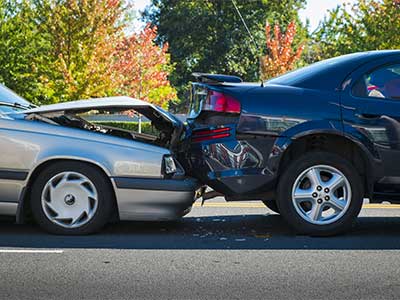
The Victim’s Guide to Car Crash Compensation
If you’ve been injured in a car accident you’re probably wondering how you will pay your medical bills, your injuries, missed work, and repairs…
Read More

What to Expect During a Car Accident Deposition
If you have been injured in a car accident and file a lawsuit, you will likely need to participate in a deposition…
Read More
Have a legal emergency?Contact Us.
Every day people just like you reach out to us with questions. We want to hear about your case.