

One Hospitalized After Rollover Crash Involving Two Vehicles Near Elgin, Texas
The Incident That Changed Lives in an Instant
The morning of March 26, 2026, began like any other for drivers traveling FM 696 and Mundine Road near Elgin, Texas. By 4:53 AM, that routine was shattered. A two-vehicle rollover collision sent shockwaves through the community, leaving one person hospitalized with minor injuries and both vehicles overturned on the scene. Bastrop/Travis ESD 1 responders rushed to the accident site, where they found one person in each vehicle. One driver was transported to the hospital, while the other refused medical treatment.
This wasn’t just another accident report. This was a preventable tragedy that could have been far worse. At Attorney911, we’ve seen firsthand how rollover crashes involving commercial vehicles or passenger cars can result in catastrophic injuries—traumatic brain injuries, spinal cord damage, amputations, and even wrongful death. The fact that this crash resulted in only minor injuries is fortunate, but it doesn’t diminish the seriousness of what happened or the legal rights of those involved.
What Happened on FM 696 and Mundine Road?
According to reports, the collision involved two vehicles that both ended up overturned. One driver was taken to the hospital with minor injuries, while the other refused transport, indicating they were uninjured. The details are sparse, but the implications are clear: rollover accidents are among the most dangerous types of crashes on Texas roads, and they often result from preventable factors like driver fatigue, speeding, improper cargo loading, or mechanical failures.
The Dangers of Rollover Crashes
Rollover accidents account for a disproportionate number of serious injuries and fatalities on Texas highways. Here’s why:
- High Center of Gravity: Vehicles like SUVs, vans, and trucks are more prone to rollovers due to their higher center of gravity. When a vehicle tips, the forces involved can cause severe trauma to occupants.
- Ejection Risk: Rollover crashes often result in partial or complete ejection of occupants, which dramatically increases the risk of fatal injuries. Even with seatbelts, the forces involved can cause life-altering harm.
- Multiple Impacts: During a rollover, a vehicle may strike the ground multiple times, each impact increasing the potential for injury. The roof may collapse, leading to head and spinal injuries.
- Secondary Crashes: Overturned vehicles can block multiple lanes, leading to secondary collisions with other vehicles. These chain-reaction crashes can cause even more devastation.
In this case, both vehicles ended up overturned, which suggests the forces involved were significant. Even “minor” injuries can have long-term consequences, and victims may not realize the full extent of their injuries until days or weeks after the crash.
Why Rollover Crashes Happen: Common Causes
Rollover accidents don’t happen by accident. They are almost always the result of preventable factors, many of which violate federal trucking regulations or basic principles of safe driving. Here are the most common causes we see in our practice:
1. Driver Fatigue and Hours of Service Violations
Fatigue is a leading cause of rollover crashes, particularly in commercial trucking. The Federal Motor Carrier Safety Administration (FMCSA) has strict Hours of Service (HOS) regulations to prevent fatigued driving, but these rules are frequently violated. Under 49 CFR § 395, property-carrying drivers are limited to:
- 11 hours of driving after 10 consecutive hours off duty
- 14-hour on-duty window after coming on duty
- 30-minute break after 8 cumulative hours of driving
- 60/70-hour weekly limit, with a 34-hour restart required
Early morning crashes like this one are often linked to driver fatigue. At 4:53 AM, it’s possible that one or both drivers were operating on insufficient rest. Fatigued drivers have slower reaction times, impaired judgment, and are more likely to lose control of their vehicles.
How We Prove Fatigue:
– Electronic Logging Device (ELD) Data: ELDs record driving hours and rest periods. If a driver exceeded their allowed hours, this is strong evidence of negligence.
– Dispatch Records: These can show whether a trucking company pressured drivers to meet unrealistic deadlines, leading to HOS violations.
– Cell Phone Records: Distracted driving often accompanies fatigue, and cell phone records can reveal whether a driver was using their phone at the time of the crash.
2. Speeding and Excessive Speed for Conditions
Speed is a major factor in rollover crashes. The faster a vehicle is traveling, the more likely it is to roll over when taking a curve or making a sudden maneuver. 49 CFR § 392.6 prohibits drivers from operating at speeds greater than what is reasonable and prudent for road conditions. Wet roads, sharp curves, and uneven surfaces all require reduced speeds.
FM 696 and Mundine Road are rural routes that may have sharp turns, limited visibility, or uneven pavement. If either driver was traveling too fast for these conditions, they could have lost control and caused the rollover.
How We Prove Speeding:
– Event Data Recorder (EDR) / Black Box Data: These devices record speed, brake application, and throttle position in the moments before a crash. This data is objective and can prove whether a driver was speeding.
– Skid Mark Analysis: The length and pattern of skid marks can help reconstruct the speed of the vehicles at the time of the crash.
– Witness Statements: Other drivers or nearby residents may have observed the vehicles’ speed before the crash.
3. Improper Cargo Loading and Securement
While this crash involved two vehicles (and it’s unclear if either was a commercial truck), improper cargo loading is a frequent cause of rollovers in trucking accidents. 49 CFR § 393.100-136 sets strict standards for cargo securement, requiring that loads be immobilized or secured to prevent shifting that could affect vehicle stability.
If one of the vehicles was carrying cargo (even in a passenger vehicle or small truck), improper loading could have contributed to the rollover. Overloaded vehicles, uneven weight distribution, or unsecured loads can cause a vehicle to become unstable, especially when taking curves or making sudden maneuvers.
How We Prove Cargo Violations:
– Cargo Manifests and Loading Records: These documents show how the cargo was loaded and whether proper securement methods were used.
– Post-Crash Inspection: If cargo shifted during the crash, it may indicate improper loading.
– Maintenance Records: Overloaded vehicles can cause premature wear on tires and suspension systems, which may be evident in maintenance records.
4. Mechanical Failures and Poor Vehicle Maintenance
Mechanical failures, particularly in steering, braking, or suspension systems, can lead to loss of control and rollover crashes. 49 CFR § 396 requires motor carriers to systematically inspect, repair, and maintain their vehicles. Common maintenance-related causes of rollovers include:
- Brake Failures: Worn or improperly adjusted brakes can cause a vehicle to lose control, especially on downhill grades or when making sudden stops.
- Tire Blowouts: Underinflated or worn tires can fail suddenly, leading to loss of control. 49 CFR § 393.75 requires minimum tread depth (4/32” on steer tires, 2/32” on others).
- Steering System Failures: Worn or damaged steering components can make it difficult to control a vehicle, especially at high speeds.
- Suspension Issues: Worn or damaged suspension systems can affect vehicle stability, particularly when taking curves or making sudden maneuvers.
How We Prove Maintenance Violations:
– Maintenance Records: These documents show whether the vehicle was properly inspected and repaired. Missing or incomplete records can be evidence of negligence.
– Post-Crash Inspection: A thorough inspection of the vehicle can reveal pre-existing mechanical issues that contributed to the crash.
– Out-of-Service Orders: If the vehicle had previous violations during roadside inspections, this can show a pattern of neglect.
5. Driver Distraction and Inattention
Distracted driving is a leading cause of all types of crashes, including rollovers. 49 CFR § 392.82 prohibits commercial drivers from using hand-held mobile phones while driving, and 49 CFR § 392.80 prohibits texting. However, distraction isn’t limited to cell phones. Drivers can be distracted by:
- Dispatch communications
- GPS devices
- Eating or drinking
- Adjusting the radio or climate controls
- Fatigue or daydreaming
At 4:53 AM, visibility may have been limited, and drivers may have been less alert. A momentary lapse in attention can be enough to cause a rollover, especially on rural roads with sharp curves or uneven surfaces.
How We Prove Distraction:
– Cell Phone Records: These can show whether a driver was using their phone at the time of the crash.
– Dispatch Records: Communications between the driver and dispatch can reveal whether the driver was distracted by work-related tasks.
– Witness Statements: Other drivers or passengers may have observed the driver engaging in distracting behaviors.
6. Road Conditions and Environmental Factors
Rural roads like FM 696 and Mundine Road can present unique challenges for drivers. Poor road conditions, such as potholes, uneven pavement, or inadequate signage, can contribute to rollover crashes. Additionally, environmental factors like fog, rain, or glare from the rising sun can reduce visibility and make it difficult to navigate curves safely.
While government entities may be liable for dangerous road conditions, proving liability can be challenging due to sovereign immunity protections. However, if a road defect contributed to the crash, it’s important to investigate this possibility.
Who Is Liable for a Rollover Crash?
Determining liability in a rollover crash can be complex, especially when multiple factors are involved. At Attorney911, we investigate every potential source of liability to ensure our clients receive the compensation they deserve. Here are the parties who may be held accountable in this type of accident:
1. The Drivers Involved
Both drivers in this crash may share some degree of fault. Under Texas’s modified comparative negligence rule, a victim can recover damages as long as they are not more than 50% at fault for the accident. If one driver was speeding, distracted, or fatigued, they may be held liable for the crash. If both drivers contributed to the accident, their liability will be apportioned based on their degree of fault.
2. The Trucking Company (If a Commercial Vehicle Was Involved)
If one of the vehicles was a commercial truck, the trucking company could be held liable under several legal theories:
- Respondeat Superior: This doctrine holds employers liable for the negligent actions of their employees if those actions occur within the scope of employment. If the truck driver was working for a trucking company at the time of the crash, the company could be held vicariously liable.
- Negligent Hiring: Trucking companies are required to conduct thorough background checks on their drivers, including reviewing their driving records and employment history. If a company hired a driver with a history of violations or accidents, they could be held liable for negligent hiring.
- Negligent Training: Trucking companies must provide adequate training on safe driving practices, cargo securement, and hours of service compliance. If a company failed to properly train its driver, it could be held liable for negligent training.
- Negligent Supervision: Trucking companies are responsible for monitoring their drivers’ performance and compliance with safety regulations. If a company failed to address known violations or unsafe behaviors, it could be held liable for negligent supervision.
- Negligent Maintenance: As mentioned earlier, trucking companies are required to maintain their vehicles in safe operating condition. If poor maintenance contributed to the crash, the company could be held liable.
3. The Cargo Owner or Loading Company
If one of the vehicles was carrying cargo, the company responsible for loading the cargo could be held liable if improper loading contributed to the rollover. This could include:
- Overloading the vehicle beyond its weight capacity
- Failing to properly secure the cargo
- Unevenly distributing the weight, making the vehicle unstable
4. The Vehicle or Parts Manufacturer
If a mechanical failure contributed to the crash, the manufacturer of the vehicle or the failed component could be held liable for a product defect. Common defects that lead to rollovers include:
- Brake System Defects: Faulty brake components can cause sudden failure, leading to loss of control.
- Tire Defects: Defective tires can fail suddenly, causing blowouts and rollovers.
- Steering System Defects: Faulty steering components can make it difficult to control the vehicle.
- Suspension Defects: Defective suspension systems can affect vehicle stability.
5. Government Entities
If dangerous road conditions contributed to the crash, a government entity (such as the Texas Department of Transportation or Bastrop County) could be held liable. However, sovereign immunity protections make it difficult to sue government entities, and strict notice requirements apply. If you suspect that road conditions played a role in your crash, it’s critical to contact an attorney immediately to preserve your rights.
The Legal Rights of Rollover Crash Victims in Texas
If you or a loved one was involved in a rollover crash like the one on FM 696 and Mundine Road, you have legal rights. Texas law allows accident victims to seek compensation for their injuries, but the process can be complex, especially when multiple parties are involved. Here’s what you need to know:
1. Types of Compensation Available
Victims of rollover crashes may be entitled to several types of compensation, including:
- Economic Damages: These are quantifiable losses, such as:
- Medical expenses (past, present, and future)
- Lost wages and lost earning capacity
- Property damage (repair or replacement of your vehicle)
- Out-of-pocket expenses (transportation to medical appointments, home modifications, etc.)
-
Life care costs (ongoing care for catastrophic injuries)
-
Non-Economic Damages: These are subjective losses that don’t have a specific dollar value, such as:
- Pain and suffering
- Mental anguish
- Loss of enjoyment of life
- Disfigurement (scarring, amputations, etc.)
- Physical impairment
-
Loss of consortium (impact on your relationship with your spouse or family)
-
Punitive Damages: In cases involving gross negligence or willful misconduct, punitive damages may be awarded to punish the wrongdoer and deter similar behavior in the future. For example, if a trucking company knowingly allowed a fatigued driver to operate a vehicle, punitive damages could be awarded.
2. Texas’s Statute of Limitations
In Texas, the statute of limitations for personal injury claims is two years from the date of the accident. This means you have two years to file a lawsuit, or you may lose your right to seek compensation. However, it’s critical to act much sooner than that. Evidence in trucking cases disappears quickly, and the sooner you contact an attorney, the stronger your case will be.
3. Comparative Negligence in Texas
Texas follows a modified comparative negligence rule, which means that your compensation may be reduced if you are found to be partially at fault for the accident. However, you can still recover damages as long as you are not more than 50% at fault. For example, if you are found to be 20% at fault for the crash, your compensation will be reduced by 20%. If you are found to be 51% or more at fault, you cannot recover any damages.
4. The Importance of Evidence Preservation
Evidence in rollover crashes can disappear quickly. For example:
- Black Box Data: Event Data Recorders (EDRs) in vehicles record critical data like speed, brake application, and throttle position. This data can be overwritten or deleted if not preserved immediately.
- Electronic Logging Device (ELD) Data: ELDs record a driver’s hours of service, which can prove fatigue violations. This data may be retained for only six months.
- Surveillance Footage: Nearby businesses or traffic cameras may have captured the crash, but this footage is often overwritten within days.
- Witness Statements: Memories fade quickly, so it’s important to gather witness statements as soon as possible.
At Attorney911, we send spoliation letters immediately to preserve this evidence before it’s lost forever. If you’ve been involved in a rollover crash, contact us as soon as possible to protect your rights.
What to Do If You’re Involved in a Rollover Crash
If you or a loved one is involved in a rollover crash, taking the right steps in the immediate aftermath can make a significant difference in your recovery and your legal case. Here’s what you should do:
1. Seek Medical Attention Immediately
Even if you feel fine, seek medical attention right away. Some injuries, such as traumatic brain injuries (TBI) or internal bleeding, may not be immediately apparent. Adrenaline can mask pain, and symptoms may not appear until hours or days after the crash. Seeing a doctor creates a medical record that links your injuries to the accident, which is critical for your legal case.
2. Call the Police and File a Report
Always call the police after a crash, even if it seems minor. A police report creates an official record of the accident, including details about the scene, the parties involved, and any citations issued. This report can be valuable evidence in your case.
3. Document the Scene
If you’re able to do so safely, document the scene of the crash:
- Take Photos: Photograph the vehicles involved, the damage to each vehicle, the accident scene, road conditions, skid marks, and any visible injuries.
- Get Witness Information: Collect the names and contact information of any witnesses to the crash.
- Note the Details: Write down the time, location, weather conditions, and any other relevant details about the crash.
4. Do Not Admit Fault
Avoid admitting fault or apologizing at the scene of the crash. Even a simple “I’m sorry” can be used against you later. Stick to the facts when speaking to the police and other parties involved.
5. Do Not Give a Recorded Statement to the Insurance Company
Insurance adjusters may contact you shortly after the crash and ask for a recorded statement. Do not give one. Insurance companies are not on your side—they are trained to minimize your claim. Anything you say can be used against you to reduce or deny your compensation. Instead, refer the insurance company to your attorney.
6. Contact an Experienced Rollover Accident Attorney
Rollover crashes are complex, and the stakes are high. An experienced attorney can help you navigate the legal process, gather evidence, and fight for the compensation you deserve. At Attorney911, we offer free consultations and work on a contingency fee basis, which means you pay nothing unless we win your case.
Why Choose Attorney911 for Your Rollover Crash Case?
At Attorney911, we have over 25 years of experience fighting for victims of trucking and rollover accidents in Texas. Our managing partner, Ralph Manginello, has secured multi-million dollar verdicts and settlements for clients who have suffered catastrophic injuries due to the negligence of trucking companies and other drivers. Here’s why we’re the right choice for your case:
1. We Know Trucking Accidents Inside and Out
Trucking accidents are not like car accidents. They involve complex federal regulations, multiple liable parties, and massive insurance policies. Our team has deep expertise in FMCSA regulations, hours of service violations, cargo securement standards, and trucking industry practices. We know how to investigate these cases and hold negligent parties accountable.
2. We Have a Former Insurance Defense Attorney on Our Team
Our associate attorney, Lupe Peña, spent years working for a national insurance defense firm. He knows exactly how insurance companies evaluate, minimize, and deny claims. Now, he uses that insider knowledge to fight for accident victims like you. This gives us a unique advantage in negotiations and litigation.
3. We Act Fast to Preserve Evidence
Evidence in trucking cases disappears quickly. We send spoliation letters within hours of being retained to preserve critical evidence like black box data, ELD records, maintenance logs, and driver qualification files. We also work with accident reconstruction experts to analyze the scene and determine the cause of the crash.
4. We Fight for Maximum Compensation
We don’t settle for lowball offers. We calculate the full value of your case, including medical expenses, lost wages, pain and suffering, and future care needs. We negotiate aggressively with insurance companies and are prepared to take your case to trial if necessary.
5. We Treat You Like Family
At Attorney911, we understand that a rollover crash can turn your life upside down. We treat our clients like family, not case numbers. Our team is available 24/7 to answer your questions and provide the support you need during this difficult time.
6. We Have a Proven Track Record of Success
Our firm has recovered over $50 million for clients across Texas. Here are just a few examples of our results:
- $5+ Million for a client who suffered a traumatic brain injury and vision loss in a logging accident
- $3.8+ Million for a client who required a partial leg amputation after a car accident and subsequent staph infection
- $2.5+ Million for a client injured in a trucking accident
- Millions recovered for families in wrongful death cases involving commercial trucks
The Attorney911 Difference: How We Handle Rollover Crash Cases
When you choose Attorney911, you’re not just hiring a lawyer—you’re gaining a team of dedicated professionals who will fight for your rights every step of the way. Here’s how we handle rollover crash cases:
1. Immediate Investigation
We act fast to preserve evidence and build your case. Our investigation includes:
- Sending Spoliation Letters: We demand that the trucking company and other parties preserve all evidence related to the crash, including black box data, ELD records, and maintenance logs.
- Accident Reconstruction: We work with experts to analyze the scene, determine the cause of the crash, and identify all liable parties.
- Gathering Witness Statements: We interview witnesses to gather their accounts of the crash while their memories are fresh.
- Reviewing Medical Records: We work with your medical providers to document the full extent of your injuries and their impact on your life.
2. Identifying All Liable Parties
Rollover crashes often involve multiple liable parties. We investigate every potential source of liability, including:
- The drivers involved
- The trucking company (if a commercial vehicle was involved)
- The cargo owner or loading company
- The vehicle or parts manufacturer
- Government entities (for dangerous road conditions)
3. Calculating the Full Value of Your Case
We don’t settle for lowball offers. We calculate the full value of your case, including:
- Medical Expenses: Past, present, and future medical costs, including hospital bills, rehabilitation, and ongoing care.
- Lost Wages: Income lost due to your injuries, as well as any reduction in your future earning capacity.
- Pain and Suffering: Compensation for the physical pain and emotional distress caused by your injuries.
- Property Damage: The cost of repairing or replacing your vehicle.
- Punitive Damages: In cases involving gross negligence, we pursue punitive damages to punish the wrongdoer and deter similar behavior in the future.
4. Negotiating with Insurance Companies
Insurance companies are not on your side. They are trained to minimize your claim and pay you as little as possible. We handle all communications with the insurance company and negotiate aggressively on your behalf. If the insurance company refuses to offer a fair settlement, we are prepared to take your case to trial.
5. Taking Your Case to Trial if Necessary
While most cases settle out of court, we prepare every case as if it’s going to trial. This gives us leverage in negotiations and ensures that we are ready to fight for you in court if necessary. Our managing partner, Ralph Manginello, has over 25 years of trial experience and is admitted to practice in federal court, giving us the resources and expertise to handle even the most complex cases.
Common Injuries in Rollover Crashes
Rollover crashes are among the most dangerous types of accidents, often resulting in catastrophic injuries. Here are some of the most common injuries we see in our practice:
1. Traumatic Brain Injury (TBI)
TBI occurs when a sudden trauma causes damage to the brain. In rollover crashes, TBI can result from the head striking the dashboard, steering wheel, or window, or from the brain being jostled inside the skull. Symptoms of TBI can range from mild (concussion) to severe (coma or permanent cognitive impairment).
Symptoms of TBI:
– Headaches
– Dizziness or loss of balance
– Confusion or memory problems
– Nausea or vomiting
– Sensitivity to light or sound
– Mood changes or irritability
– Difficulty concentrating
– Loss of consciousness
Long-Term Consequences of TBI:
– Permanent cognitive impairment
– Difficulty with speech or language
– Memory loss
– Personality changes
– Increased risk of dementia or Alzheimer’s disease
2. Spinal Cord Injuries and Paralysis
Spinal cord injuries occur when the spinal cord is damaged, often resulting in partial or complete paralysis. In rollover crashes, spinal cord injuries can result from the force of the impact, ejection from the vehicle, or the roof collapsing.
Types of Spinal Cord Injuries:
– Paraplegia: Loss of function in the lower body, including the legs and sometimes the lower torso.
– Quadriplegia (Tetraplegia): Loss of function in all four limbs, as well as the torso. Quadriplegia can also affect breathing and require the use of a ventilator.
– Incomplete Injury: Some nerve function remains below the level of the injury, allowing for partial sensation or movement.
– Complete Injury: No nerve function remains below the level of the injury, resulting in total loss of sensation and movement.
Long-Term Consequences of Spinal Cord Injuries:
– Permanent disability
– Loss of independence
– Need for ongoing medical care and rehabilitation
– Increased risk of secondary complications, such as pressure sores, infections, and respiratory problems
3. Amputations
Amputations can occur when a limb is severed in the crash or when a limb is so severely damaged that it must be surgically removed. Rollover crashes often involve crushing forces that can lead to traumatic amputations.
Types of Amputations:
– Traumatic Amputation: The limb is severed at the scene of the crash.
– Surgical Amputation: The limb is so severely damaged that it must be surgically removed to save the patient’s life.
Long-Term Consequences of Amputations:
– Permanent disability
– Need for prosthetic limbs
– Physical therapy and rehabilitation
– Psychological trauma and body image issues
– Increased risk of phantom limb pain (pain in the amputated limb)
4. Severe Burns
Burns can occur in rollover crashes when fuel tanks rupture and ignite, or when vehicles catch fire due to electrical or mechanical failures. Burns are classified by their severity:
- First-Degree Burns: Affect only the outer layer of skin (epidermis). These burns are painful but typically heal without scarring.
- Second-Degree Burns: Affect the outer layer of skin and the layer beneath it (dermis). These burns are painful, may blister, and can result in scarring.
- Third-Degree Burns: Affect all layers of the skin and may extend to underlying tissues. These burns are painless (due to nerve damage) and require skin grafts.
- Fourth-Degree Burns: Extend through the skin to muscle, bone, or other underlying structures. These burns are life-threatening and often require amputation.
Long-Term Consequences of Burns:
– Permanent scarring and disfigurement
– Multiple reconstructive surgeries
– Chronic pain
– Increased risk of infection
– Psychological trauma
5. Internal Organ Damage
Internal organ damage can occur when the force of the crash causes organs to rupture or bleed. Common internal injuries include:
- Liver Lacerations: The liver is a large organ that can be easily damaged in a crash. Liver lacerations can cause internal bleeding and require emergency surgery.
- Spleen Ruptures: The spleen is a fragile organ that can rupture in a crash, leading to life-threatening internal bleeding.
- Kidney Damage: The kidneys can be damaged by the force of the crash or by seatbelt compression.
- Lung Contusions: The lungs can be bruised or punctured in a crash, leading to difficulty breathing or collapsed lungs.
- Internal Bleeding: Bleeding inside the body can be life-threatening and requires immediate medical attention.
Symptoms of Internal Organ Damage:
– Abdominal pain or swelling
– Dizziness or fainting
– Difficulty breathing
– Bruising or discoloration of the skin
– Nausea or vomiting
6. Broken Bones and Fractures
Rollover crashes often result in broken bones and fractures due to the force of the impact or ejection from the vehicle. Common fractures include:
- Skull Fractures: Can lead to traumatic brain injury or other serious complications.
- Spinal Fractures: Can result in spinal cord injury and paralysis.
- Rib Fractures: Can puncture the lungs or other organs, leading to life-threatening complications.
- Pelvic Fractures: Can cause internal bleeding and damage to the bladder or reproductive organs.
- Limb Fractures: Can result in permanent disability or require surgical intervention.
7. Soft Tissue Injuries
Soft tissue injuries, such as whiplash, sprains, and strains, are common in rollover crashes. While these injuries may not be life-threatening, they can cause significant pain and disability.
Types of Soft Tissue Injuries:
– Whiplash: A neck injury caused by the sudden back-and-forth motion of the head. Whiplash can cause chronic pain, headaches, and limited range of motion.
– Sprains and Strains: Injuries to the ligaments (sprains) or muscles/tendons (strains) that can cause pain, swelling, and limited mobility.
– Contusions (Bruises): Bruises caused by the impact of the crash. While minor bruises may heal on their own, severe contusions can cause internal bleeding or damage to underlying tissues.
How Much Is Your Rollover Crash Case Worth?
The value of your rollover crash case depends on several factors, including the severity of your injuries, the degree of negligence involved, and the available insurance coverage. At Attorney911, we calculate the full value of your case to ensure you receive the compensation you deserve. Here are some of the factors we consider:
1. Severity of Your Injuries
The more severe your injuries, the higher the value of your case. Catastrophic injuries, such as traumatic brain injury, spinal cord damage, or amputations, require extensive medical treatment and can result in lifelong disability. These cases are worth significantly more than cases involving minor injuries.
2. Medical Expenses
We calculate the full cost of your medical treatment, including:
- Emergency room visits
- Hospital stays
- Surgeries
- Rehabilitation and physical therapy
- Medications
- Future medical care
3. Lost Wages and Lost Earning Capacity
If your injuries prevent you from working, we seek compensation for your lost wages. If your injuries result in a permanent disability that affects your ability to work, we also seek compensation for your lost earning capacity.
4. Pain and Suffering
Pain and suffering compensation is designed to compensate you for the physical pain and emotional distress caused by your injuries. This is a subjective calculation, but we use our experience and knowledge of jury verdicts to determine a fair value for your pain and suffering.
5. Property Damage
We seek compensation for the cost of repairing or replacing your vehicle, as well as any other property damaged in the crash.
6. Punitive Damages
In cases involving gross negligence or willful misconduct, we may pursue punitive damages to punish the wrongdoer and deter similar behavior in the future. For example, if a trucking company knowingly allowed a fatigued driver to operate a vehicle, punitive damages could be awarded.
7. Insurance Coverage
The amount of insurance coverage available can also affect the value of your case. In Texas, the minimum liability insurance requirement for commercial trucks is $750,000, but many trucking companies carry $1 million or more in coverage. This higher coverage means that catastrophic injuries can actually be compensated, rather than leaving victims with unpaid medical bills.
Recent Rollover Crash Verdicts and Settlements
Juries across the country are holding trucking companies and other negligent parties accountable for rollover crashes. Here are some recent examples of significant verdicts and settlements:
1. $462 Million Verdict for Underride Crash (Missouri, 2024)
In 2024, a Missouri jury awarded $462 million to the families of two men who were decapitated in an underride crash. The crash occurred when their vehicle slid underneath the rear of a semi-truck. The jury found that the trucking company and the manufacturer of the trailer were liable for the crash due to inadequate underride guards.
Why This Case Matters:
This case highlights the dangers of underride crashes and the importance of proper underride guards. While this case involved a fatal underride crash, the same principles apply to rollover crashes caused by inadequate cargo securement or mechanical failures.
2. $160 Million Verdict for Quadriplegic Injury (Alabama, 2024)
In 2024, an Alabama jury awarded $160 million to a man who was left quadriplegic after a rollover crash involving a Daimler truck. The jury found that the truck’s design was defective and that the trucking company failed to properly maintain the vehicle.
Why This Case Matters:
This case demonstrates the potential for large verdicts in cases involving catastrophic injuries. It also highlights the importance of holding manufacturers accountable for defective products.
3. $141.5 Million Verdict for Rollover Crash (Florida, 2023)
In 2023, a Florida jury awarded $141.5 million to the family of a man who was killed in a rollover crash involving a defunct trucking company. The jury found that the trucking company was negligent in hiring and supervising the driver, who had a history of violations.
Why This Case Matters:
This case shows that even defunct trucking companies can be held accountable for their negligence. It also highlights the importance of thorough background checks and proper supervision of drivers.
4. $730 Million Verdict for Wrongful Death (Texas, 2021)
In 2021, a Texas jury awarded $730 million to the family of a woman who was killed when an oversize load fell from a Landstar Ranger truck. The jury found that the trucking company was grossly negligent in securing the load and that the driver was fatigued at the time of the crash.
Why This Case Matters:
This case is one of the largest trucking verdicts in U.S. history. It demonstrates the potential for punitive damages in cases involving gross negligence and willful misconduct.
What to Expect During Your Rollover Crash Case
If you choose Attorney911 to handle your rollover crash case, here’s what you can expect:
1. Free Consultation
We offer a free, no-obligation consultation to discuss your case and answer your questions. During this consultation, we’ll review the details of your crash, explain your legal rights, and outline the next steps.
2. Case Investigation
Once you hire us, we’ll begin investigating your case immediately. This includes:
- Sending spoliation letters to preserve evidence
- Gathering witness statements
- Reviewing medical records
- Working with accident reconstruction experts
- Identifying all liable parties
3. Medical Treatment and Documentation
We’ll work with your medical providers to document the full extent of your injuries and their impact on your life. This documentation is critical for calculating the full value of your case.
4. Demand Letter
Once we’ve gathered all the evidence, we’ll send a demand letter to the insurance company outlining the full value of your case. This letter will include a demand for compensation for your medical expenses, lost wages, pain and suffering, and other damages.
5. Negotiation
We’ll negotiate aggressively with the insurance company to reach a fair settlement. If the insurance company refuses to offer a fair settlement, we’re prepared to take your case to trial.
6. Litigation (If Necessary)
If we can’t reach a fair settlement, we’ll file a lawsuit and begin the litigation process. This includes:
- Filing the complaint
- Conducting discovery (interrogatories, depositions, requests for production)
- Filing motions
- Preparing for trial
7. Trial (If Necessary)
While most cases settle out of court, we prepare every case as if it’s going to trial. If your case goes to trial, we’ll present the evidence to a jury and fight for the compensation you deserve.
8. Settlement or Verdict
If we reach a settlement or obtain a verdict in your favor, we’ll ensure that you receive your compensation as quickly as possible. We’ll also work with your medical providers to resolve any outstanding bills.
Frequently Asked Questions About Rollover Crashes
1. What should I do immediately after a rollover crash?
If you’re involved in a rollover crash, take these steps immediately:
- Call 911 and report the accident
- Seek medical attention, even if you feel fine
- Document the scene with photos and video
- Get the contact information of the other driver(s) and any witnesses
- Do not admit fault or apologize
- Do not give a recorded statement to the insurance company
- Contact an experienced rollover accident attorney
2. How long do I have to file a lawsuit after a rollover crash in Texas?
In Texas, the statute of limitations for personal injury claims is two years from the date of the accident. This means you have two years to file a lawsuit, or you may lose your right to seek compensation. However, it’s critical to act much sooner than that. Evidence in trucking cases disappears quickly, and the sooner you contact an attorney, the stronger your case will be.
3. Can I still recover compensation if I was partially at fault for the crash?
Yes. Texas follows a modified comparative negligence rule, which means you can still recover compensation as long as you are not more than 50% at fault for the accident. If you are found to be partially at fault, your compensation will be reduced by your percentage of fault. For example, if you are found to be 20% at fault, your compensation will be reduced by 20%.
4. What if the other driver doesn’t have insurance?
If the other driver doesn’t have insurance, you may still be able to recover compensation through your own uninsured/underinsured motorist (UM/UIM) coverage. This coverage is optional in Texas, but it can provide critical protection if you’re involved in a crash with an uninsured or underinsured driver. If you don’t have UM/UIM coverage, recovering compensation can be challenging, but an experienced attorney can help you explore your options.
5. How much is my rollover crash case worth?
The value of your case depends on several factors, including the severity of your injuries, the degree of negligence involved, and the available insurance coverage. At Attorney911, we calculate the full value of your case to ensure you receive the compensation you deserve. This includes compensation for your medical expenses, lost wages, pain and suffering, and other damages.
6. How long will my case take to resolve?
The timeline for resolving your case depends on several factors, including the severity of your injuries, the complexity of your case, and whether the insurance company is willing to offer a fair settlement. Some cases settle within a few months, while others may take a year or more to resolve. If your case goes to trial, it could take even longer. We’ll keep you updated on the progress of your case and work to resolve it as quickly as possible.
7. Do I need an attorney for my rollover crash case?
Yes. Rollover crashes are complex, and the stakes are high. Insurance companies are not on your side—they are trained to minimize your claim and pay you as little as possible. An experienced attorney can help you navigate the legal process, gather evidence, and fight for the compensation you deserve. At Attorney911, we offer free consultations and work on a contingency fee basis, which means you pay nothing unless we win your case.
8. What if the trucking company denies liability?
Trucking companies often deny liability, even when their drivers are clearly at fault. They may argue that the crash was caused by road conditions, weather, or the actions of the other driver. At Attorney911, we know how to counter these arguments and prove the trucking company’s negligence. We gather evidence, work with experts, and build a strong case to hold the trucking company accountable.
9. Can I sue the trucking company if the driver was an independent contractor?
Yes. Even if the driver was an independent contractor, the trucking company may still be held liable under several legal theories, including:
- Negligent Hiring: If the trucking company failed to conduct a thorough background check on the driver.
- Negligent Training: If the trucking company failed to provide adequate training on safe driving practices.
- Negligent Supervision: If the trucking company failed to monitor the driver’s performance and compliance with safety regulations.
- Negligent Maintenance: If the trucking company failed to maintain the vehicle in safe operating condition.
10. What if I don’t have health insurance?
If you don’t have health insurance, you may still be able to receive medical treatment through a Letter of Protection (LOP). An LOP is an agreement between your attorney and your medical provider that ensures you receive the care you need while your case is pending. The medical provider agrees to wait for payment until your case is resolved. At Attorney911, we work with a network of medical providers who accept LOPs, so you can get the care you need without worrying about upfront costs.
The Role of FMCSA Regulations in Rollover Crash Cases
The Federal Motor Carrier Safety Administration (FMCSA) regulates commercial motor vehicles to ensure safety on our highways. These regulations are critical in rollover crash cases because they establish the standard of care that trucking companies and drivers must follow. When these regulations are violated, it can be strong evidence of negligence. Here are some of the most relevant FMCSA regulations in rollover crash cases:
1. Hours of Service (HOS) Regulations (49 CFR § 395)
HOS regulations limit the number of hours a commercial driver can operate a vehicle to prevent fatigue. Violations of these regulations are a common cause of rollover crashes.
Key HOS Requirements:
– 11-Hour Driving Limit: Drivers may drive a maximum of 11 hours after 10 consecutive hours off duty.
– 14-Hour On-Duty Window: Drivers may not drive beyond the 14th consecutive hour after coming on duty.
– 30-Minute Break: Drivers must take a 30-minute break after 8 cumulative hours of driving.
– 60/70-Hour Weekly Limit: Drivers may not drive after 60 hours on duty in 7 consecutive days or 70 hours in 8 consecutive days.
– 34-Hour Restart: Drivers can reset their weekly limit by taking 34 consecutive hours off duty.
Why HOS Violations Matter:
Fatigued driving is a leading cause of rollover crashes. When drivers exceed their allowed hours, their reaction times slow, their judgment is impaired, and they are more likely to lose control of their vehicles. ELD data can prove HOS violations, which can be strong evidence of negligence.
2. Driver Qualification Standards (49 CFR § 391)
FMCSA regulations establish minimum qualifications for commercial drivers. Trucking companies are required to maintain a Driver Qualification (DQ) File for each driver, which includes:
- Employment application
- Motor vehicle record (MVR)
- Road test certificate
- Medical examiner’s certificate
- Annual driving record review
- Previous employer inquiries
- Drug and alcohol test records
Why DQ Violations Matter:
If a trucking company fails to maintain a proper DQ file or hires a driver with a poor safety record, they can be held liable for negligent hiring. We subpoena these records in every trucking case to identify any violations.
3. Vehicle Inspection and Maintenance (49 CFR § 396)
FMCSA regulations require motor carriers to systematically inspect, repair, and maintain their vehicles. Drivers must also conduct pre-trip and post-trip inspections to identify any defects.
Key Maintenance Requirements:
– Pre-Trip Inspections: Drivers must inspect their vehicles before each trip and review the last driver vehicle inspection report if defects were noted.
– Post-Trip Inspections: Drivers must prepare a written report on the vehicle’s condition after each day’s driving.
– Annual Inspections: Every commercial vehicle must pass a comprehensive annual inspection.
– Maintenance Records: Motor carriers must maintain records of all inspections, repairs, and maintenance.
Why Maintenance Violations Matter:
Mechanical failures, such as brake failures or tire blowouts, are common causes of rollover crashes. If a trucking company fails to properly maintain its vehicles, it can be held liable for negligence.
4. Cargo Securement (49 CFR § 393.100-136)
FMCSA regulations establish strict standards for cargo securement to prevent loads from shifting or falling during transit. Cargo must be immobilized or secured to prevent:
- Leaking, spilling, blowing, or falling from the vehicle
- Shifting that affects vehicle stability or maneuverability
- Blocking the driver’s view or interfering with operation
Key Cargo Securement Requirements:
– Working Load Limits: The aggregate working load limit of tiedowns must be at least 50% of the cargo weight for loose cargo.
– Number of Tiedowns: At least one tiedown is required for cargo 5 feet or less in length, and at least two tiedowns are required for cargo over 5 feet or under 1,100 lbs.
– Specific Requirements by Cargo Type: Different types of cargo (logs, metal coils, machinery, etc.) have specific securement requirements.
Why Cargo Securement Violations Matter:
Improperly secured cargo can shift during transit, causing the vehicle to become unstable and increasing the risk of a rollover. If cargo securement violations contributed to the crash, the trucking company, cargo owner, or loading company could be held liable.
5. Speeding and Safe Operation (49 CFR § 392)
FMCSA regulations prohibit drivers from operating at speeds greater than what is reasonable and prudent for road conditions. 49 CFR § 392.6 states:
“No motor carrier shall schedule a run, nor shall any such carrier permit or require the operation of any commercial motor vehicle, between points in such period of time as would require the commercial motor vehicle to be operated at speeds in excess of those prescribed by the jurisdictions in or through which the commercial motor vehicle is being operated.”
Why Speeding Violations Matter:
Speed is a major factor in rollover crashes. The faster a vehicle is traveling, the more likely it is to roll over when taking a curve or making a sudden maneuver. EDR data can prove whether a driver was speeding at the time of the crash.
How Attorney911 Proves Negligence in Rollover Crash Cases
Proving negligence in a rollover crash case requires a thorough investigation and a deep understanding of the relevant laws and regulations. At Attorney911, we use a combination of evidence, expert testimony, and legal strategy to build a strong case. Here’s how we do it:
1. Gathering Evidence
We gather all available evidence to prove negligence, including:
- Black Box Data: EDRs record critical data like speed, brake application, and throttle position. This data can prove whether the driver was speeding, fatigued, or distracted.
- ELD Data: ELDs record a driver’s hours of service, which can prove HOS violations and fatigue.
- Cell Phone Records: These can show whether the driver was using their phone at the time of the crash.
- Maintenance Records: These documents show whether the vehicle was properly inspected and repaired. Missing or incomplete records can be evidence of negligence.
- Driver Qualification Files: These files show whether the driver was properly qualified and trained. Missing or incomplete files can be evidence of negligent hiring.
- Cargo Records: These documents show how the cargo was loaded and secured. Improper loading can contribute to rollover crashes.
- Witness Statements: Witnesses can provide valuable information about the crash, including the speed of the vehicles, the behavior of the drivers, and the road conditions.
- Police Reports: Police reports provide an official record of the crash, including details about the scene, the parties involved, and any citations issued.
- Photographs and Video: Photos and video of the scene can help reconstruct the crash and identify contributing factors.
2. Working with Experts
We work with a network of experts to analyze the evidence and provide testimony in your case, including:
- Accident Reconstruction Experts: These experts use physics and engineering principles to reconstruct the crash and determine its cause.
- Medical Experts: These experts can testify about the nature and extent of your injuries, as well as your prognosis and future care needs.
- Vocational Experts: These experts can testify about the impact of your injuries on your ability to work and earn a living.
- Economic Experts: These experts can calculate the present value of your future medical expenses and lost earning capacity.
- Trucking Industry Experts: These experts can testify about industry standards and whether the trucking company or driver violated those standards.
3. Identifying All Liable Parties
Rollover crashes often involve multiple liable parties. We investigate every potential source of liability, including:
- The drivers involved
- The trucking company (if a commercial vehicle was involved)
- The cargo owner or loading company
- The vehicle or parts manufacturer
- Government entities (for dangerous road conditions)
4. Proving Negligence
To prove negligence, we must show that the defendant owed you a duty of care, breached that duty, and caused your injuries. In rollover crash cases, we often prove negligence by showing:
- Violations of FMCSA Regulations: Violations of HOS, driver qualification, maintenance, or cargo securement regulations can be strong evidence of negligence.
- Negligent Hiring, Training, or Supervision: If the trucking company failed to properly hire, train, or supervise its driver, it can be held liable for negligence.
- Negligent Maintenance: If the trucking company failed to properly maintain its vehicle, it can be held liable for negligence.
- Speeding or Reckless Driving: If the driver was speeding or driving recklessly, they can be held liable for negligence.
- Distracted or Fatigued Driving: If the driver was distracted or fatigued, they can be held liable for negligence.
5. Calculating Damages
We calculate the full value of your case to ensure you receive the compensation you deserve. This includes compensation for:
- Medical Expenses: Past, present, and future medical costs, including hospital bills, rehabilitation, and ongoing care.
- Lost Wages: Income lost due to your injuries, as well as any reduction in your future earning capacity.
- Pain and Suffering: Compensation for the physical pain and emotional distress caused by your injuries.
- Property Damage: The cost of repairing or replacing your vehicle.
- Punitive Damages: In cases involving gross negligence, we pursue punitive damages to punish the wrongdoer and deter similar behavior in the future.
The Impact of Rollover Crashes on Victims and Families
Rollover crashes don’t just cause physical injuries—they can have a profound impact on victims and their families. At Attorney911, we understand the emotional, financial, and psychological toll these crashes can take. Here are some of the ways rollover crashes can affect victims and their families:
1. Physical Pain and Disability
Rollover crashes often result in catastrophic injuries that cause chronic pain and permanent disability. Victims may require multiple surgeries, extensive rehabilitation, and lifelong medical care. The physical pain and limitations can make it difficult to perform daily activities, work, or enjoy hobbies.
2. Emotional Trauma
The emotional impact of a rollover crash can be just as devastating as the physical injuries. Victims may experience:
- Post-Traumatic Stress Disorder (PTSD): PTSD is a mental health condition that can develop after a traumatic event. Symptoms include flashbacks, nightmares, anxiety, and depression.
- Depression and Anxiety: The physical and financial stress of a rollover crash can lead to depression and anxiety. Victims may struggle with feelings of hopelessness, helplessness, or fear.
- Guilt or Shame: Victims may blame themselves for the crash, even if they were not at fault. This can lead to feelings of guilt or shame that are difficult to overcome.
- Loss of Enjoyment of Life: Catastrophic injuries can make it difficult or impossible to participate in activities that once brought joy. This loss of enjoyment can lead to feelings of sadness, frustration, or isolation.
3. Financial Hardship
Rollover crashes can cause significant financial hardship for victims and their families. Medical bills can quickly add up, and victims may be unable to work due to their injuries. This can lead to:
- Medical Debt: Even with health insurance, victims may face significant out-of-pocket expenses for medical treatment, rehabilitation, and ongoing care.
- Lost Income: Victims may be unable to work for weeks, months, or even years due to their injuries. This can lead to a significant loss of income and financial instability.
- Reduced Earning Capacity: Catastrophic injuries can permanently affect a victim’s ability to work and earn a living. This can result in a significant reduction in earning capacity.
- Property Damage: Victims may face significant costs to repair or replace their vehicles, as well as any other property damaged in the crash.
4. Strain on Relationships
The physical, emotional, and financial stress of a rollover crash can strain relationships with family, friends, and loved ones. Victims may struggle with:
- Loss of Consortium: Catastrophic injuries can affect a victim’s ability to maintain a healthy relationship with their spouse or partner. This can lead to feelings of isolation, frustration, or resentment.
- Caregiver Burden: Family members may need to take on caregiving responsibilities, which can be physically and emotionally exhausting. This can lead to stress, burnout, or resentment.
- Communication Difficulties: The emotional trauma of a rollover crash can make it difficult for victims to communicate effectively with their loved ones. This can lead to misunderstandings, conflicts, or feelings of isolation.
5. Loss of Independence
Catastrophic injuries can result in a loss of independence, making it difficult or impossible for victims to perform daily activities without assistance. This can lead to:
- Need for Assistive Devices: Victims may require wheelchairs, walkers, or other assistive devices to move around.
- Home Modifications: Victims may need to modify their homes to accommodate their disabilities, such as installing ramps, grab bars, or wheelchair-accessible bathrooms.
- Dependence on Others: Victims may need to rely on family members, caregivers, or medical professionals for assistance with daily activities, such as bathing, dressing, or eating.
How Attorney911 Helps Rollover Crash Victims Rebuild Their Lives
At Attorney911, we understand that a rollover crash can turn your life upside down. Our goal is not just to win your case—it’s to help you rebuild your life and move forward with confidence. Here’s how we do it:
1. Providing Compassionate Support
We treat our clients like family, not case numbers. We understand the emotional and physical toll a rollover crash can take, and we’re here to provide the support you need during this difficult time. Our team is available 24/7 to answer your questions and address your concerns.
2. Fighting for Maximum Compensation
We don’t settle for lowball offers. We calculate the full value of your case, including compensation for your medical expenses, lost wages, pain and suffering, and future care needs. We negotiate aggressively with insurance companies and are prepared to take your case to trial if necessary.
3. Connecting You with Medical Care
If you don’t have health insurance or are struggling to afford medical care, we can help. We work with a network of medical providers who accept Letters of Protection (LOPs), which allow you to receive the care you need while your case is pending. The medical provider agrees to wait for payment until your case is resolved.
4. Helping You Navigate the Legal Process
The legal process can be complex and overwhelming, especially when you’re dealing with the physical and emotional aftermath of a rollover crash. We guide you through every step of the process, from filing your claim to negotiating with insurance companies to taking your case to trial if necessary. We handle all the legal details so you can focus on your recovery.
5. Advocating for Your Rights
We’re not afraid to take on powerful trucking companies and insurance companies. We know how to counter their arguments and fight for your rights. Our managing partner, Ralph Manginello, has over 25 years of trial experience and is admitted to practice in federal court, giving us the resources and expertise to handle even the most complex cases.
6. Helping You Move Forward
Our goal is to help you move forward with your life. We work to ensure that you receive the compensation you need to cover your medical expenses, replace your lost income, and rebuild your life. We also connect you with resources and support services to help you cope with the emotional and psychological impact of your injuries.
The Attorney911 Promise: We Fight for You
At Attorney911, we’re more than just lawyers—we’re fighters. We fight for the rights of accident victims every day, and we’re not afraid to take on powerful trucking companies and insurance companies. Here’s our promise to you:
- We’ll Fight for Maximum Compensation: We don’t settle for lowball offers. We calculate the full value of your case and fight for the compensation you deserve.
- We’ll Preserve Critical Evidence: We send spoliation letters immediately to preserve evidence like black box data, ELD records, and maintenance logs.
- We’ll Hold All Liable Parties Accountable: We investigate every potential source of liability, including the trucking company, cargo owner, loading company, and vehicle manufacturer.
- We’ll Treat You Like Family: We understand the emotional and physical toll a rollover crash can take, and we’re here to provide the support you need.
- We’ll Be There for You 24/7: Our team is available around the clock to answer your questions and address your concerns.
- You Pay Nothing Unless We Win: We work on a contingency fee basis, which means you pay nothing unless we win your case.
What to Do Next: Contact Attorney911 Today
If you or a loved one was involved in a rollover crash like the one on FM 696 and Mundine Road, don’t wait to seek legal help. Evidence disappears quickly, and the sooner you contact an attorney, the stronger your case will be.
At Attorney911, we offer free consultations and work on a contingency fee basis, which means you pay nothing unless we win your case. Our team is available 24/7 to answer your questions and provide the support you need.
Call us today at 1-888-ATTY-911 (1-888-288-9911) or visit our website at https://attorney911.com to schedule your free consultation.
Why You Should Call Now:
- Evidence Disappears Fast: Black box data, ELD records, and surveillance footage can be overwritten or deleted within days. We send spoliation letters immediately to preserve this evidence.
- Insurance Companies Are Already Working Against You: The trucking company’s insurance adjuster is trained to minimize your claim. Don’t give a recorded statement without an attorney.
- Medical Bills Are Adding Up: Even “minor” injuries can have long-term consequences. We can help you get the medical care you need without worrying about upfront costs.
- Time Is Running Out: In Texas, you have two years to file a lawsuit. The sooner you contact us, the stronger your case will be.
What to Expect During Your Free Consultation:
During your free consultation, we’ll:
- Review the details of your crash
- Explain your legal rights and options
- Answer your questions and address your concerns
- Outline the next steps in your case
- Provide an honest assessment of your case’s value
You have nothing to lose and everything to gain. Call Attorney911 today at 1-888-ATTY-911 (1-888-288-9911) to schedule your free consultation.
Learn More About Rollover Crashes and Your Legal Rights
At Attorney911, we’re committed to educating the public about their legal rights after a rollover crash. Here are some of our most popular videos on trucking accidents and personal injury law:
1. The Victim’s Guide to 18-Wheeler Accident Injuries
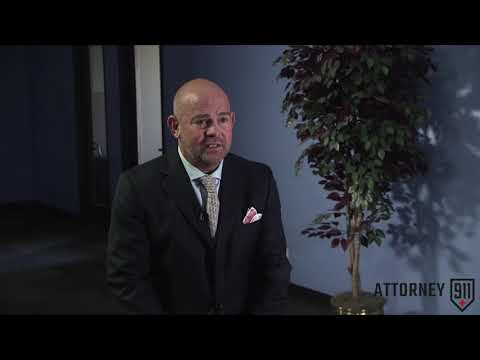
In this video, Ralph Manginello explains what victims of 18-wheeler accidents need to know. Trucking companies have teams of lawyers fighting to minimize claims, and victims need experienced legal representation to level the playing field.
2. Can I Sue for Being Hit by a Semi Truck?

This video outlines the steps to take after being hit by a semi-truck, including calling the police, seeking medical attention, documenting the scene, and contacting an attorney. Ralph Manginello emphasizes the importance of preserving evidence and avoiding statements to insurance adjusters.
3. The Definitive Guide to Commercial Truck Accidents

Ralph Manginello explains the classification of commercial vehicles and the federal insurance requirements for trucking companies. He also discusses the importance of hiring an attorney to ensure full compensation after a commercial truck accident.
4. Truck Tire Blowouts and When You Need a Lawyer

This video covers the dangers of truck tire blowouts, which cause thousands of crashes each year. Ralph Manginello explains how to document the scene, seek medical attention, and hire an attorney to investigate whether the trucking company was negligent in maintaining its tires.
5. What to Do After a Car Accident?

While this video focuses on car accidents, the steps outlined are also critical after a rollover crash. Ralph Manginello explains how to file a police report, document the scene, and gather witness information to protect your legal rights.
Final Thoughts: You Deserve Justice
The rollover crash on FM 696 and Mundine Road is a stark reminder of the dangers that exist on Texas highways. While we’re fortunate that this crash resulted in only minor injuries, the potential for catastrophe was real. Rollover crashes can change lives in an instant, leaving victims with catastrophic injuries, financial hardship, and emotional trauma.
At Attorney911, we believe that victims of rollover crashes deserve justice. If you or a loved one was involved in this crash or any other rollover accident, you have legal rights. The trucking companies, insurance companies, and other negligent parties responsible for your injuries must be held accountable.
Our managing partner, Ralph Manginello, has over 25 years of experience fighting for accident victims in Texas. He knows how to investigate these cases, gather evidence, and fight for maximum compensation. Our team includes a former insurance defense attorney who knows exactly how insurance companies evaluate, minimize, and deny claims. We use that insider knowledge to fight for you.
Don’t wait to seek legal help. Evidence disappears quickly, and the sooner you contact an attorney, the stronger your case will be. We offer free consultations and work on a contingency fee basis, which means you pay nothing unless we win your case.
Call Attorney911 today at 1-888-ATTY-911 (1-888-288-9911) or visit our website at https://attorney911.com to schedule your free consultation.
You deserve justice. You deserve compensation. You deserve Attorney911.