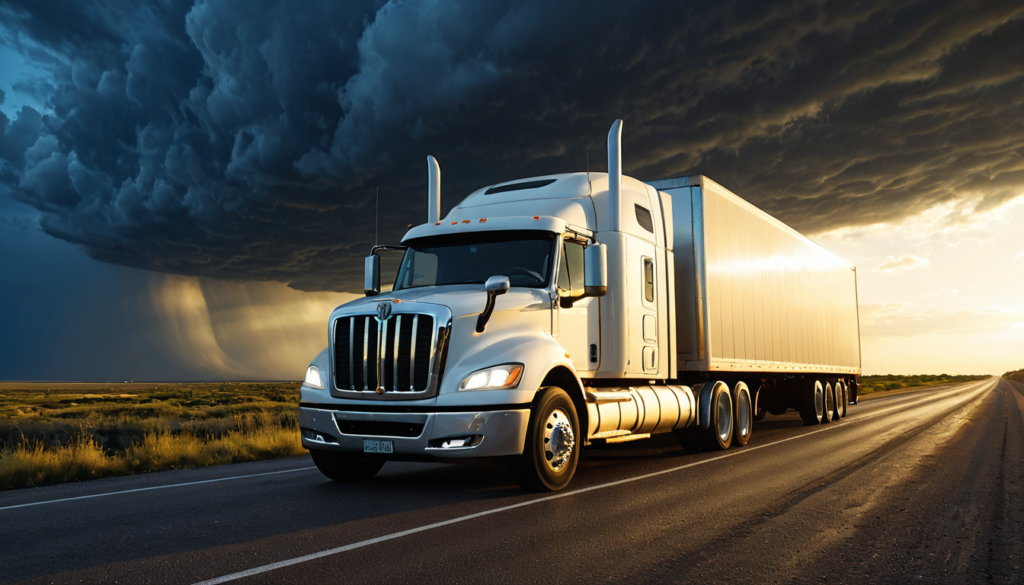
18-Wheeler Accident Lawyers in Runnels County, Texas | Attorney911
Every year, thousands of Texans are seriously injured in collisions with commercial trucks on Runnels County highways. When an 80,000-pound 18-wheeler slams into your car, the results are often catastrophic—traumatic brain injuries, spinal cord damage, amputations, or wrongful death. If you or a loved one has been hurt in a trucking accident in Runnels County, you need more than just a lawyer. You need a legal emergency response team that understands federal trucking regulations, knows how to preserve critical evidence, and isn’t afraid to go up against the trucking industry’s army of adjusters and attorneys.
At Attorney911, we’ve been fighting for truck accident victims across Texas for over 25 years. Our managing partner, Ralph Manginello, has federal court experience and has secured multi-million dollar verdicts and settlements for families devastated by 18-wheeler crashes. Our team includes Lupe Peña, a former insurance defense attorney who knows exactly how trucking companies try to minimize claims—and now he uses that insider knowledge to fight for you.
If you’ve been injured in a trucking accident anywhere in Runnels County—whether on US-67, US-83, SH-153, or the rural highways that crisscross this region—call us now at 1-888-ATTY-911 for a free, no-obligation consultation. We work on contingency, which means you pay nothing unless we win your case.
Why 18-Wheeler Accidents in Runnels County Are Different
Trucking accidents aren’t like car accidents. The physics are different. The regulations are different. The insurance is different. And the stakes are much, much higher.
The Physics of a Truck Crash
- A fully loaded 18-wheeler weighs 20 to 25 times more than a passenger car
- At highway speeds, an 80,000-pound truck needs nearly two football fields (525 feet) to stop
- When a truck jackknifes, rolls over, or loses its cargo, the results are often fatal for nearby vehicles
The Regulations That Trucking Companies Ignore
The Federal Motor Carrier Safety Administration (FMCSA) has hundreds of regulations designed to keep trucks safe on the road. Yet time and time again, we see trucking companies cutting corners on:
- Hours of service violations (driving while fatigued)
- Poor maintenance (worn brakes, bald tires, faulty lights)
- Improper cargo securement (shifting loads that cause rollovers)
- Negligent hiring (putting unqualified drivers behind the wheel)
When these violations lead to accidents, we hold the trucking company fully accountable.
The Insurance That Covers Your Injuries
Unlike car accidents where insurance may be limited to $30,000, trucking companies carry minimum liability coverage of $750,000—and many have policies worth $1 million to $5 million or more. This means catastrophic injuries can actually be compensated. But insurance companies will fight tooth and nail to pay you as little as possible. That’s where we come in.
Common Types of 18-Wheeler Accidents in Runnels County
Runnels County’s mix of rural highways, farm-to-market roads, and major trucking corridors creates unique dangers. Some of the most common—and deadly—types of trucking accidents we see include:
1. Jackknife Accidents
A jackknife occurs when the trailer swings out perpendicular to the cab, often blocking multiple lanes of traffic. These accidents are especially common on wet or icy roads, sharp curves, or when drivers brake suddenly.
Common Causes:
- Sudden braking on slick roads
- Speeding around curves
- Empty or improperly loaded trailers
- Brake system failures
Why They’re So Dangerous:
Jackknifed trailers can sweep across multiple lanes, causing multi-vehicle pileups with devastating injuries.
2. Rollover Accidents
Due to their high center of gravity, 18-wheelers are prone to rollovers, especially when taking turns too fast or when cargo shifts unexpectedly.
Common Causes:
- Speeding on curves (especially on rural FM roads)
- Improperly secured cargo
- Liquid cargo “sloshing” in tankers
- Overcorrection after a tire blowout
Why They’re So Dangerous:
Rollover accidents often result in crushing injuries for vehicles caught beneath the trailer. They can also cause cargo spills, leading to secondary accidents and hazardous material exposure.
3. Underride Collisions (The Deadliest Truck Accidents)
Underride collisions occur when a passenger vehicle slides underneath the trailer of an 18-wheeler. These accidents are almost always fatal because the trailer shears off the top of the car, decapitating occupants.
Two Types of Underride Accidents:
- Rear Underride: Vehicle strikes the back of a trailer (often at intersections or during sudden stops)
- Side Underride: Vehicle strikes the side of a trailer (common during lane changes or wide turns)
Why They’re So Dangerous:
Federal law requires rear underride guards on trailers, but no federal requirement exists for side underride guards—despite studies showing they could prevent hundreds of deaths per year.
4. Rear-End Collisions
When a truck rear-ends a car, the results are often catastrophic due to the massive weight disparity.
Common Causes:
- Following too closely (tailgating)
- Driver distraction (cell phones, dispatch communications)
- Driver fatigue (violating hours of service rules)
- Brake failures from poor maintenance
Why They’re So Dangerous:
Rear-end collisions often cause whiplash, spinal cord injuries, and traumatic brain injuries—even at relatively low speeds.
5. Wide Turn Accidents (“Squeeze Play” Crashes)
Trucks need extra space to make turns, so drivers often swing wide before turning right. This creates a dangerous gap that smaller vehicles may try to enter—only to be crushed when the truck completes its turn.
Common Causes:
- Failure to signal properly
- Inadequate mirror checks
- Improper turn technique
- Driver inexperience with trailer tracking
Why They’re So Dangerous:
These accidents often involve pedestrians, cyclists, and motorcyclists who are caught in the truck’s blind spots.
6. Blind Spot Accidents (“No-Zone” Crashes)
Trucks have four massive blind spots where the driver cannot see nearby vehicles. Accidents often occur when a truck changes lanes into a vehicle in one of these “No-Zones.”
The Four No-Zones:
- Front No-Zone: 20 feet directly in front of the cab
- Rear No-Zone: 30 feet behind the trailer
- Left Side No-Zone: Extends from the cab door backward
- Right Side No-Zone: The largest blind spot, extending from the cab door backward
Why They’re So Dangerous:
The right-side blind spot is especially hazardous because it’s so large. Many accidents occur when trucks make right turns and don’t see vehicles in this zone.
7. Tire Blowout Accidents
Tire blowouts are a leading cause of truck accidents, especially in the hot Texas climate where tires can overheat and fail.
Common Causes:
- Underinflated tires
- Overloaded vehicles
- Worn or aging tires
- Road debris punctures
- Manufacturing defects
Why They’re So Dangerous:
A steer tire (front) blowout can cause an immediate loss of control. Even a rear tire blowout can send debris flying into traffic, causing secondary accidents.
8. Brake Failure Accidents
Brake problems are a factor in nearly 30% of large truck crashes. When a truck’s brakes fail, the driver may be unable to stop in time to avoid a collision.
Common Causes:
- Worn brake pads/shoes not replaced
- Improper brake adjustments
- Air brake system leaks
- Overheated brakes on long descents
- Failure to conduct pre-trip inspections
Why They’re So Dangerous:
Brake failures often lead to high-speed rear-end collisions and multi-vehicle pileups.
9. Cargo Spill/Shift Accidents
When cargo isn’t properly secured, it can shift during transit, causing the truck to become unstable. In some cases, cargo can even spill onto the roadway, creating hazards for other vehicles.
Common Causes:
- Inadequate tiedowns
- Improper loading distribution
- Failure to use blocking or bracing
- Overloading beyond securement capacity
- Loose tarps allowing cargo to shift
Why They’re So Dangerous:
- Shifting cargo can cause rollovers
- Spilled cargo on highways leads to chain-reaction crashes
- Hazardous materials can cause fires, explosions, or toxic exposure
10. Head-On Collisions
Head-on collisions with 18-wheelers are almost always fatal due to the combined speed and weight of the vehicles.
Common Causes:
- Driver fatigue (falling asleep at the wheel)
- Distracted driving (cell phone use, GPS)
- Impaired driving (drugs or alcohol)
- Wrong-way driving (especially on divided highways)
- Medical emergencies (heart attack, seizure)
Why They’re So Dangerous:
The closing speed of two vehicles traveling toward each other at highway speeds creates an impact force that is almost always fatal for the occupants of the smaller vehicle.
Who Is Liable for Your Runnels County Trucking Accident?
In a typical car accident, only one or two parties may be at fault. But in trucking accidents, multiple parties can share liability. Holding all responsible parties accountable is key to maximizing your compensation.
Potentially Liable Parties in a Trucking Accident:
| Party | How They May Be Liable |
|---|---|
| Truck Driver | Speeding, distracted driving, fatigue, impairment, failure to inspect vehicle |
| Trucking Company | Negligent hiring, inadequate training, pressuring drivers to violate HOS, poor maintenance |
| Cargo Owner/Shipper | Improper loading instructions, failure to disclose hazardous cargo, requiring overweight loads |
| Loading Company | Improper cargo securement, unbalanced loads, exceeding weight limits |
| Truck Manufacturer | Defective brakes, tires, steering, or safety systems |
| Parts Manufacturer | Defective components (brakes, tires, couplings) |
| Maintenance Company | Negligent repairs, failure to identify critical safety issues |
| Freight Broker | Negligent selection of unsafe carriers |
| Truck Owner (if different from carrier) | Negligent entrustment of vehicle to unqualified driver |
| Government Entity | Dangerous road design, failure to maintain roads, inadequate signage |
Why This Matters:
Each liable party may have separate insurance policies. By identifying all responsible parties, we ensure you can recover the maximum compensation available.
The 48-Hour Evidence Preservation Protocol: Why Time Is Critical
In trucking accident cases, evidence disappears fast. Trucking companies have rapid-response teams that begin protecting their interests within hours of an accident. If you don’t act quickly, critical evidence may be lost forever.
Critical Evidence That Can Disappear:
| Evidence Type | How Long It Lasts | Why It’s Important |
|---|---|---|
| ECM/Black Box Data | Overwrites in 30 days | Shows speed, braking, throttle position |
| ELD (Electronic Logging Device) Data | May be retained only 6 months | Proves hours of service violations (fatigue) |
| Dashcam Footage | Often deleted in 7-14 days | Shows driver behavior before crash |
| Surveillance Video | Overwrites in 7-30 days | Captures accident from nearby businesses |
| Witness Memory | Fades within weeks | Corroborates your version of events |
| Physical Evidence | Vehicle may be repaired or scrapped | Shows damage patterns, failed components |
| Drug/Alcohol Tests | Must be conducted within hours | Proves impairment at time of accident |
What We Do Within 48 Hours of Your Call:
✅ Send a Spoliation Letter – A formal legal notice demanding the trucking company preserve all evidence
✅ Demand ECM/Black Box Data – This shows speed, braking, and other critical details
✅ Subpoena ELD Records – Proves whether the driver violated hours of service rules
✅ Obtain Cell Phone Records – Shows if the driver was distracted
✅ Secure Dashcam Footage – Captures the moments leading up to the crash
✅ Photograph the Scene – Documents skid marks, road conditions, and vehicle positions
✅ Interview Witnesses – Before memories fade
The Bottom Line:
If you wait to call an attorney, evidence may be destroyed, and your case could be severely weakened. Call us immediately at 1-888-ATTY-911 so we can start preserving evidence before it’s too late.
Catastrophic Injuries from Runnels County Trucking Accidents
Due to the massive size and weight of 18-wheelers, trucking accidents often result in life-altering injuries that require millions of dollars in medical care. Some of the most common—and devastating—injuries we see include:
1. Traumatic Brain Injury (TBI)
TBI occurs when a sudden trauma causes damage to the brain. In trucking accidents, this often happens when the head strikes the steering wheel, dashboard, or window.
Severity Levels:
- Mild (Concussion): Confusion, headaches, brief loss of consciousness
- Moderate: Extended unconsciousness, memory problems, cognitive deficits
- Severe: Extended coma, permanent cognitive impairment
Symptoms:
- Headaches, dizziness, nausea
- Memory loss, confusion
- Difficulty concentrating
- Mood changes (depression, anxiety, irritability)
- Sleep disturbances
- Speech difficulties
- Personality changes
Lifetime Costs: $85,000 to $3,000,000+
2. Spinal Cord Injury & Paralysis
Spinal cord injuries disrupt communication between the brain and body, often resulting in permanent paralysis.
Types of Paralysis:
- Paraplegia: Loss of function below the waist (legs, bladder, bowel control)
- Quadriplegia: Loss of function in all four limbs (may require ventilator for breathing)
- Incomplete Injury: Some nerve function remains
- Complete Injury: Total loss of sensation and movement below the injury
Lifetime Costs:
- Paraplegia: $1.1 million to $2.5 million+
- Quadriplegia: $3.5 million to $5 million+
3. Amputation
Amputations occur when limbs are severed in the crash or when injuries are so severe that surgical removal is necessary.
Ongoing Medical Needs:
- Prosthetic limbs ($5,000 to $50,000+ each)
- Physical and occupational therapy
- Psychological counseling
- Home modifications
Impact on Life:
- Permanent disability
- Phantom limb pain
- Career limitations
- Dependency on others for daily activities
4. Severe Burns
Burns often occur in trucking accidents due to:
- Fuel tank ruptures and fires
- Hazardous material spills
- Electrical fires from damaged wiring
- Friction burns from road contact
Burn Classification:
- First Degree: Skin redness, minor pain
- Second Degree: Blisters, severe pain
- Third Degree: Full-thickness burns, requiring skin grafts
- Fourth Degree: Burns extending to muscle and bone
Lifetime Costs: $1 million to $10 million+
5. Internal Organ Damage
The extreme forces in a trucking accident can cause internal bleeding, organ rupture, or damage that may not be immediately apparent.
Common Internal Injuries:
- Liver laceration or rupture
- Spleen damage (may require removal)
- Kidney damage
- Lung contusion or collapse (pneumothorax)
- Bowel and intestinal damage
Why It’s Dangerous:
Internal bleeding can be life-threatening and may not show symptoms immediately. Always seek medical attention after a trucking accident, even if you feel fine.
6. Wrongful Death
When a trucking accident kills a loved one, surviving family members can file a wrongful death claim to recover compensation for their loss.
Who Can File a Wrongful Death Claim in Texas?
- Surviving spouse
- Children (minor and adult)
- Parents (if no spouse or children)
Damages Available:
- Lost future income and benefits
- Loss of companionship and guidance
- Mental anguish and emotional suffering
- Funeral and burial expenses
- Medical expenses before death
- Pain and suffering of the deceased before death
- Punitive damages (if gross negligence is proven)
How Much Is Your Runnels County Trucking Accident Case Worth?
Trucking accident cases are worth far more than typical car accident cases because:
✅ Trucking companies carry higher insurance limits ($750,000 minimum, often $1-5 million)
✅ The injuries are often catastrophic (TBI, paralysis, amputation)
✅ Multiple parties may share liability (driver, trucking company, cargo loader, etc.)
Factors That Determine Case Value:
| Factor | How It Affects Your Case |
|---|---|
| Severity of Injuries | Catastrophic injuries (TBI, paralysis, amputation) result in higher settlements |
| Medical Expenses | Past, present, and future medical costs (including rehabilitation and long-term care) |
| Lost Wages & Earning Capacity | If you can’t work or your earning ability is reduced, you can recover lost income |
| Pain and Suffering | Compensation for physical pain, emotional distress, and loss of enjoyment of life |
| Degree of Negligence | If the trucking company acted with gross negligence (e.g., falsifying logs, ignoring maintenance), punitive damages may apply |
| Insurance Coverage | The more insurance available, the higher the potential recovery |
Recent Trucking Verdicts & Settlements in Texas:
While every case is unique, these real-world examples show what’s possible when trucking companies are held accountable:
| Case | Amount | Key Factors |
|---|---|---|
| Ramsey v. Landstar Ranger (2021) | $730 Million | Oversize load killed 73-year-old woman; $480M compensatory + $250M punitive |
| Werner Settlement (2022) | $150 Million | Two children killed on I-30; largest 18-wheeler settlement in U.S. history |
| Fort Worth Trucking Verdict (2025) | $37.5 Million | Catastrophic injuries from trucking accident |
| Houston Trucking Verdict | $35.5 Million | Family injured in truck accident |
| Texas Trucking Verdict | $35 Million | Largest verdict in Tarrant County history |
What This Means for Your Case:
These verdicts show that juries are willing to hold trucking companies accountable when they prioritize profits over safety. Insurance companies know this, which is why they often settle cases for fair amounts when they see a strong legal team willing to go to trial.
The Insurance Company’s Playbook: How They Try to Pay You Less
Trucking companies and their insurers have teams of adjusters and lawyers working to minimize your claim. Here are some of their most common tactics—and how we counter them:
| Insurance Tactic | How They Do It | How We Fight Back |
|---|---|---|
| Quick Lowball Offer | Offer a fast settlement before you understand the full extent of your injuries | We never accept early offers—we calculate the full value of your damages first |
| Denying or Minimizing Injuries | Argue that your injuries aren’t serious or were pre-existing | We obtain comprehensive medical documentation and expert testimony to prove your injuries |
| Blaming You (Comparative Fault) | Claim you were partially at fault to reduce your compensation | We investigate thoroughly and gather evidence to disprove their allegations |
| Delaying the Claims Process | Drag out negotiations to pressure you into accepting a low offer | We file a lawsuit to force discovery and set depositions |
| Using Recorded Statements Against You | Get you to say things that hurt your case | We advise clients never to give statements without an attorney present |
| “Pre-Existing Condition” Defense | Claim your injuries existed before the accident | We apply the “Eggshell Skull” doctrine—they take you as they find you |
| “Gap in Treatment” Attacks | Argue that gaps in medical care mean you weren’t really hurt | We document all treatment and explain any gaps with medical records |
| Sending Surveillance Investigators | Follow you to “catch” you doing activities that contradict your injuries | We advise clients on appropriate conduct and expose unfair surveillance |
| Hiring “Independent” Medical Examiners | Use doctors who downplay your injuries | We counter with your treating physicians and independent experts |
| Drowning You in Paperwork | Overwhelm you with requests to delay your claim | We handle all communication and aggressively litigate to force resolution |
Our Insider Advantage:
Our team includes Lupe Peña, a former insurance defense attorney who knows exactly how these tactics work. He spent years on the other side, helping insurance companies minimize claims. Now, he uses that knowledge to fight for maximum compensation for our clients.
What to Do After a Trucking Accident in Runnels County
If you’ve been involved in a trucking accident in Runnels County, what you do in the first few hours can make or break your case. Follow these steps:
1. Call 911 Immediately
- Report the accident and request police and EMS
- Even if injuries seem minor, always seek medical attention—some injuries (like TBI or internal bleeding) may not show symptoms right away
2. Document the Scene
- Take photos and videos of:
- All vehicle damage (inside and out)
- Skid marks, road conditions, and traffic signs
- Your injuries
- The truck’s license plate, DOT number, and company name
- Any visible cargo or debris
- Get witness information (names, phone numbers, email addresses)
3. Exchange Information (But Don’t Admit Fault)
- Get the truck driver’s name, CDL number, and contact info
- Get the trucking company’s name, DOT number, and insurance info
- Do NOT apologize or admit fault—even saying “I’m sorry” can be used against you
4. Seek Medical Attention
- Go to the nearest hospital or urgent care
- Follow up with your primary care doctor or specialists
- Keep all medical records and bills—these are critical evidence
5. Do NOT Give a Recorded Statement
- The trucking company’s insurance adjuster will call you within hours
- They will ask for a recorded statement—do NOT give one
- Anything you say can be used to minimize your claim
- Refer all calls to your attorney
6. Call an 18-Wheeler Accident Attorney Immediately
- Evidence disappears fast—ECM data can be overwritten, dashcam footage deleted, witnesses’ memories fade
- We send spoliation letters within 24-48 hours to preserve evidence
- The sooner you call, the stronger your case will be
Call Attorney911 now at 1-888-ATTY-911 for a free consultation.
Why Choose Attorney911 for Your Runnels County Trucking Accident Case?
When you’re up against a trucking company with millions in insurance and teams of lawyers, you need a legal team with proven experience, insider knowledge, and a track record of success.
1. 25+ Years of Trucking Litigation Experience
Our managing partner, Ralph Manginello, has been fighting for trucking accident victims since 1998. He has:
✅ Federal court admission to the U.S. District Court, Southern District of Texas
✅ Recovered multi-million dollar settlements and verdicts for trucking accident victims
✅ Litigated against Fortune 500 trucking companies (Walmart, Coca-Cola, Amazon, FedEx, UPS)
✅ Handled complex trucking cases involving FMCSA violations, hours of service fraud, and negligent maintenance
2. Insider Knowledge of the Trucking Industry
Our team includes Lupe Peña, a former insurance defense attorney who spent years working for the other side. He knows:
✅ How insurance companies value claims—and how to maximize your recovery
✅ How adjusters are trained—and how to counter their tactics
✅ What makes them settle—and when they’re bluffing
✅ How they minimize payouts—and how to fight back
“Our firm includes Lupe Peña, a former insurance defense attorney who spent years INSIDE the system. He watched adjusters minimize claims. He saw how they train their people to lowball victims. Now he exposes those tactics and uses his insider knowledge to fight for maximum compensation.”
3. Aggressive Evidence Preservation
We don’t wait to start building your case. Within 24-48 hours of being retained, we:
✅ Send spoliation letters to preserve ECM, ELD, and maintenance records
✅ Subpoena cell phone records to prove distracted driving
✅ Obtain dashcam footage before it’s deleted
✅ Interview witnesses before memories fade
✅ Photograph the accident scene and vehicles before they’re moved or repaired
4. Access to Top Experts
We work with nationally recognized experts to build the strongest possible case:
✅ Accident reconstruction specialists to determine how the crash happened
✅ Medical experts to document your injuries and future care needs
✅ Vocational experts to calculate lost earning capacity
✅ Economic experts to determine the present value of your damages
✅ FMCSA regulation experts to identify violations
5. Proven Track Record of Results
We’ve recovered millions of dollars for trucking accident victims across Texas, including:
- $5+ Million – Logging brain injury settlement
- $3.8+ Million – Car accident amputation settlement
- $2.5+ Million – Truck crash recovery
- $2+ Million – Maritime back injury settlement
- Millions recovered for families in trucking-related wrongful death cases
6. No Fee Unless We Win
We work on a contingency fee basis, which means:
✅ You pay nothing upfront
✅ We advance all costs of investigation and litigation
✅ You only pay if we win your case
✅ Our fee comes from the recovery, not your pocket
7. Personalized, Compassionate Representation
We treat every client like family. You’ll work directly with Ralph Manginello and our team—not case managers or paralegals. We keep you informed every step of the way and fight aggressively for the compensation you deserve.
“They fought for me to get every dime I deserved.”
— Glenda Walker, Attorney911 Client
“You are NOT just some client… You are FAMILY to them.”
— Chad Harris, Attorney911 Client
8. Fluent Spanish Services Available
Many trucking accident victims in Runnels County speak Spanish as their primary language. Our associate attorney Lupe Peña is fluent in Spanish and provides direct representation without interpreters.
“Hablamos Español. Llame a Lupe Peña al 1-888-ATTY-911 para una consulta gratis.”
Runnels County Trucking Corridors: Where Accidents Happen
Runnels County is crisscrossed by major trucking routes that connect West Texas to the rest of the state. These highways see heavy commercial traffic, increasing the risk of accidents.
Major Trucking Routes in Runnels County:
- US-67 – A key east-west corridor connecting San Angelo to Abilene, carrying freight from West Texas oil fields and agricultural areas
- US-83 – A major north-south route running from Laredo to North Dakota, passing through Ballinger and Winters
- SH-153 – Connects Ballinger to Paint Rock, used by local agricultural and oilfield trucking
- FM Roads (Farm-to-Market) – Numerous rural roads used by local trucking for agriculture, oil, and ranching
High-Risk Areas for Trucking Accidents:
- US-67 near Ballinger – Heavy truck traffic from oil and agriculture
- US-83 through Winters – Narrow lanes and high-speed truck traffic
- Intersections with FM roads – Trucks turning onto rural highways can cause wide-turn accidents
- Construction zones – Sudden lane shifts and reduced speed limits create hazards
Why Runnels County Trucking Accidents Are Unique:
- Oilfield trucking – Heavy equipment and hazardous materials increase risk
- Agricultural trucking – Seasonal harvests create spikes in truck traffic
- Rural roads – Narrow lanes, poor lighting, and limited shoulders increase danger
- Long-haul truckers – Fatigued drivers passing through on US-67 and US-83
Frequently Asked Questions About Runnels County Trucking Accidents
1. What should I do immediately after a trucking accident in Runnels County?
- Call 911 and report the accident
- Seek medical attention, even if you feel fine
- Document the scene with photos and videos
- Get the truck driver’s and trucking company’s information
- Collect witness contact information
- Do NOT give a recorded statement to any insurance company
- Call an 18-wheeler accident attorney immediately
2. Who can I sue after a trucking accident?
Multiple parties may be liable, including:
- The truck driver
- The trucking company (motor carrier)
- The cargo owner or shipper
- The company that loaded the cargo
- Truck or parts manufacturers
- Maintenance companies
- Freight brokers
- The truck owner (if different from the carrier)
- Government entities (for road defects)
3. Is the trucking company responsible even if the driver caused the accident?
Yes. Under the legal doctrine of respondeat superior, employers are liable for employees’ negligent acts within the scope of employment. Additionally, trucking companies can be directly liable for:
- Negligent hiring (hiring unqualified drivers)
- Negligent training (inadequate safety training)
- Negligent supervision (failing to monitor driver behavior)
- Negligent maintenance (poor vehicle upkeep)
4. What is a truck’s “black box” and how does it help my case?
Commercial trucks have Electronic Control Modules (ECM) and Event Data Recorders (EDR) that record operational data—similar to an airplane’s black box. This data can show:
- Speed before and during the crash
- Brake application timing
- Throttle position (was the driver accelerating or coasting?)
- Following distance (was the driver tailgating?)
- Hours of service compliance (was the driver fatigued?)
This objective data often contradicts what drivers claim happened.
5. What is an ELD and why is it important?
An Electronic Logging Device (ELD) is a federally mandated device that records driver hours of service. ELD data proves whether the driver violated federal rest requirements and was driving while fatigued. Hours of service violations are among the most common causes of trucking accidents.
6. How long does the trucking company keep black box and ELD data?
- ECM data can be overwritten within 30 days or with new driving events
- ELD data is typically retained for 6 months
- Dashcam footage is often deleted within 7-14 days
This is why we send spoliation letters immediately—once we notify them of litigation, they must preserve all evidence.
7. What records should my attorney get from the trucking company?
We pursue all relevant records, including:
- ECM/Black box data
- ELD records
- Driver Qualification File (proves negligent hiring)
- Maintenance records (proves negligent maintenance)
- Inspection reports
- Dispatch logs (proves pressure to violate HOS)
- Drug and alcohol test results
- Training records
- Cell phone records
- Insurance policies
- The physical truck and trailer
8. Can the trucking company destroy evidence?
Not legally. Once they’re on notice of potential litigation, destroying evidence is spoliation—a serious legal violation. Courts can:
- Instruct juries to assume destroyed evidence was unfavorable
- Impose monetary sanctions
- Enter default judgment in extreme cases
- Award punitive damages
9. What are hours of service regulations and how do violations cause accidents?
FMCSA regulations limit how long truck drivers can operate to prevent fatigue-related crashes:
- Maximum 11 hours driving after 10 consecutive hours off duty
- Cannot drive beyond 14th consecutive hour on duty
- 30-minute break required after 8 hours of driving
- 60/70-hour weekly limits (60 hours in 7 days or 70 hours in 8 days)
Fatigued driving causes approximately 31% of fatal truck crashes. Drivers who violate these rules are too tired to react safely.
10. What FMCSA regulations are most commonly violated in accidents?
The top violations we find in trucking accident cases:
- Hours of service violations (driving too long without rest)
- False log entries (lying about driving time)
- Brake system deficiencies
- Cargo securement failures
- Drug and alcohol violations
- Unqualified drivers (no valid CDL or medical certificate)
- Failure to inspect vehicles
11. What is a Driver Qualification File and why does it matter?
FMCSA requires trucking companies to maintain a Driver Qualification (DQ) File for every driver, containing:
- Employment application
- Driving record check
- Previous employer verification
- Medical certification
- Drug test results
- Training documentation
Missing or incomplete files prove negligent hiring—a major basis for liability.
12. How do pre-trip inspections relate to my accident case?
Drivers must inspect their trucks before every trip. If they failed to conduct inspections or ignored known defects (bad brakes, worn tires, lighting problems), both the driver and company may be liable for negligence.
13. What injuries are common in 18-wheeler accidents?
Due to the massive size and weight disparity, trucking accidents often cause catastrophic injuries, including:
- Traumatic brain injury (TBI)
- Spinal cord injuries and paralysis
- Amputations
- Severe burns
- Internal organ damage
- Multiple fractures
- Wrongful death
14. How much are 18-wheeler accident cases worth in Runnels County?
Case values depend on many factors:
- Severity of injuries
- Medical expenses (past and future)
- Lost income and earning capacity
- Pain and suffering
- Degree of defendant’s negligence
- Insurance coverage available
Trucking companies carry higher insurance limits ($750,000 minimum, often $1-5 million), allowing for larger recoveries than typical car accidents.
15. What if my loved one was killed in a trucking accident?
Runnels County allows wrongful death claims by surviving family members. You may recover:
- Lost future income
- Loss of companionship and guidance
- Mental anguish
- Funeral expenses
- Punitive damages (if gross negligence is proven)
Time limits apply—contact us immediately to protect your rights.
16. How long do I have to file a trucking accident lawsuit in Runnels County?
In Texas, the statute of limitations for personal injury and wrongful death claims is 2 years from the date of the accident. However, you should never wait—evidence disappears quickly in trucking cases. The sooner you contact us, the stronger your case will be.
17. How long do trucking accident cases take to resolve?
Timelines vary:
- Simple cases with clear liability: 6-12 months
- Complex cases with multiple parties: 1-3 years
- Cases that go to trial: 2-4 years
We work to resolve cases as quickly as possible while maximizing your recovery.
18. Will my trucking accident case go to trial?
Most cases settle before trial, but we prepare every case as if it’s going to trial. Insurance companies know which lawyers are willing to go to court—and they offer better settlements to clients with trial-ready attorneys.
19. Do I need to pay anything upfront to hire your firm?
No. We work on contingency—you pay nothing unless we win your case. We advance all costs of investigation and litigation. You never receive a bill from us.
20. How much insurance do trucking companies carry?
Federal law requires minimum liability coverage:
- $750,000 for non-hazardous freight
- $1,000,000 for oil, large equipment
- $5,000,000 for hazardous materials
Many carriers carry $1-5 million or more. This higher coverage means catastrophic injuries can actually be compensated.
21. What if multiple insurance policies apply to my accident?
Trucking cases often involve multiple policies:
- Motor carrier’s liability policy
- Trailer interchange coverage
- Cargo insurance
- Owner-operator’s policy
- Excess/umbrella coverage
We identify all available coverage to maximize your recovery.
22. Will the trucking company’s insurance try to settle quickly?
Yes—and that’s a red flag. Quick settlement offers are designed to pay you far less than your case is worth before you understand the full extent of your injuries. Never accept any settlement without consulting an experienced trucking accident attorney first.
23. What if the truck driver says the accident was my fault?
Texas uses a modified comparative negligence system. Even if you were partially at fault, you may still recover compensation. Our job is to investigate thoroughly, gather evidence (especially ECM and ELD data), and prove what really happened. Drivers often lie to protect their jobs—the data tells the true story.
24. What is an owner-operator and does that affect my case?
An owner-operator is a driver who owns their own truck and contracts with trucking companies. This can complicate liability, but both the owner-operator and the contracting company may be liable. We investigate all relationships and insurance policies to ensure you can recover from the responsible parties.
25. How do I find out if the trucking company has a bad safety record?
FMCSA maintains public safety data at safer.fmcsa.dot.gov. We obtain the carrier’s:
- CSA (Compliance, Safety, Accountability) scores
- Inspection history and out-of-service rates
- Crash history
- Safety rating
A poor safety record can prove the company knew it was putting dangerous drivers on the road.
Call Attorney911 Now: Your Runnels County Trucking Accident Lawyers
If you or a loved one has been injured in a trucking accident anywhere in Runnels County—Ballinger, Winters, or the surrounding rural areas—don’t wait to get help. Evidence is disappearing right now.
At Attorney911, we have:
✅ 25+ years of experience fighting trucking companies
✅ Federal court admission to handle complex cases
✅ A former insurance defense attorney on our team
✅ Multi-million dollar results for trucking accident victims
✅ Offices in Houston, Austin, and Beaumont to serve you
✅ Fluent Spanish services available
Call us now at 1-888-ATTY-911 for a free, no-obligation consultation. We work on contingency—you pay nothing unless we win your case.
“When an 18-wheeler changes your family’s life forever, you need a lawyer who treats you like family.”
— Ralph Manginello, Managing Partner
Don’t let the trucking company get away with it. Call 1-888-ATTY-911 today.