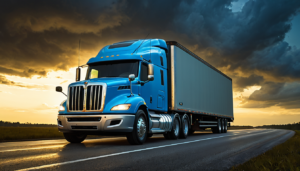
The impact is immediate. Devastating. Permanent. One moment you’re crossing the Poplar Street Bridge or merging onto I-70 near the Arch. The next, an 80,000-pound tractor-trailer changes your life forever. In St. Louis, where the Mississippi River meets America’s busiest freight corridors, these crashes aren’t just statistics—they’re violent, life-altering collisions that leave families shattered and victims facing impossible medical bills.
If you’ve been hit by an 18-wheeler in St. Louis, you already know the trucking company isn’t on your side. They’ve got lawyers. They’ve got insurance adjusters. They’ve got rapid-response teams that showed up before the ambulance even left. What you need right now is someone who fights back with the same intensity—and knows exactly how to make them pay.
At Attorney911, we’ve spent over 25 years standing up to trucking companies across Missouri and beyond. Ralph Manginello, our managing partner, has been fighting for injury victims since 1998. He’s admitted to federal court, has battled Fortune 500 corporations like BP, and has recovered multi-million dollar settlements for families just like yours in St. Louis. And here’s your advantage: our associate attorney Lupe Peña used to work for insurance companies. He defended them. Now he fights against them. He knows their playbook—every trick they use to lowball victims, every tactic they teach their adjusters, every corner they cut to protect their bottom line. That insider knowledge wins cases in St. Louis courtrooms.
We’ve secured over $50 million for clients, including a $5 million settlement for a traumatic brain injury victim and $3.8 million for a client who suffered an amputation after a crash. As client Glenda Walker told us after we settled her case, “They fought for me to get every dime I deserved.” That’s what we do. We don’t settle for less. And we know St. Louis—we know the I-70 corridor, the industrial riverfront, the ice storms that turn I-55 into a deathtrap, and the port traffic that creates unique dangers on our highways.
Why St. Louis 18-Wheeler Accidents Are Different
St. Louis isn’t just another city on the map—it’s a critical logistics hub where major freight patterns converge, creating perfect conditions for catastrophic trucking accidents. When you’re dealing with an 18-wheeler crash in St. Louis, you’re facing distinct local factors that don’t exist elsewhere.
The River Port Factor. The Port of St. Louis is the second-largest inland port in America by tonnage. When you’re driving near the riverfront, trucks are hauling everything from agricultural products to petrochemicals. These aren’t just big trucks—they’re often overloaded, hazmat-certified vehicles navigating tight turns on deteriorating infrastructure. Cargo spills here aren’t just cargo—they might be toxic chemicals or bulk grain that creates impossible driving conditions on I-70 or Tucker Boulevard.
The Bridge Problem. The Stan Musial Veterans Memorial Bridge, the Poplar Street Bridge, the Martin Luther King Bridge—St. Louis drivers know these crossings are bottlenecks where multiple interstates converge. I-70, I-55, I-64, and I-44 all funnel through the St. Louis metro area. When an 18-wheeler jackknifes on one of these bridges—which happens more often than it should during our icy winters—there’s nowhere to go. The guardrails aren’t designed to stop 80,000 pounds of steel, and the narrow lanes leave no room for escape.
Weather Extremes. St. Louis sits at the crossroads of continental weather patterns. One day it’s 65 degrees; the next, an ice storm has turned I-270 into a skating rink. Truck drivers from warmer states—Texas, Arizona, Florida—hit our black ice with disastrous results. They don’t know our roads, they don’t respect our winter conditions, and they cause jackknife accidents and pileups that shut down entire sections of the city for hours.
Industrial Density. From the warehouses in North St. Louis to the distribution centers near Spirit of St. Louis Airport in Chesterfield, St. Louis has become a last-mile delivery hub for the entire Midwest. That means more trucks on local roads—more Amazon vans, more FedEx semis, more tired drivers trying to hit tight delivery windows in neighborhoods like The Hill or Downtown. These aren’t long-haul professionals sometimes; they’re local drivers under impossible pressure.
The Types of 18-Wheeler Crashes We See in St. Louis
Not every truck accident is the same. In St. Louis, we see specific patterns that reflect our geography, our weather, and our industrial base. Each type requires a different legal approach, different evidence preservation, and different FMCSA regulation analysis.
Jackknife Accidents on I-70. When a truck driver hits the brakes too hard on the ice-slicked curves near Forest Park or the steep grades west of the city, the trailer swings perpendicular to the cab. It’s called a jackknife because the truck folds like a pocket knife—except this knife weighs 40 tons and sweeps across three lanes of traffic. These accidents often involve FMCSA violations under 49 CFR § 393.48—brake system malfunctions—or 49 CFR § 392.6 when drivers speed for conditions they don’t understand. We investigate the driver’s training history because many of these crashes involve out-of-state operators unfamiliar with Missouri winter weather.
Underride Collisions on I-55. The southbound lanes of I-55 through St. Louis see heavy truck traffic heading toward the port and industrial areas. When an 18-wheeler stops suddenly—or when visibility drops along the river—and a passenger vehicle slides underneath the trailer, the result is often decapitation or catastrophic head trauma. Federal law under 49 CFR § 393.86 requires rear impact guards, but many trailers have inadequate or damaged guards. Side underride guards aren’t even federally mandated yet, though they should be. We’ve seen cases where a St. Louis family lost everything because a trucking company deferred maintenance on those life-saving guards.
Rear-End Collisions in Downtown St. Louis Traffic. An 80,000-pound truck traveling at 55 miles per hour needs nearly two football fields to stop—about 525 feet. When traffic backs up on I-64 near Busch Stadium or on Memorial Drive during Cardinals games, truckers following too close cause devastating rear-end impacts. These are clear 49 CFR § 392.11 violations—following too closely—and they often involve distracted driving under 49 CFR § 392.82 when the driver was texting dispatch instead of watching the road. The injuries are brutal: traumatic brain injuries from whiplash, spinal cord compression, and internal organ damage from seatbelt trauma.
Cargo Spills Near the Port. St. Louis handles massive amounts of bulk cargo—grain, coal, chemicals. When a tanker rolls over on Riverview Boulevard or a flatbed loses its load on Hall Street, the roadway becomes a hazard zone. These accidents often involve 49 CFR § 393.100 violations—improper cargo securement—or overloaded vehicles exceeding weight limits. The trucking company, the cargo owner, and the loading facility all might share liability. We once handled a case where improper loading at a North St. Louis terminal caused a rollover that shut down I-70 for eight hours and left a driver with permanent back injuries.
Wide Turn Accidents in South City. Trucks making deliveries to the small industrial lots in Dutchtown or Benton Park often swing wide into oncoming traffic during right turns. It’s called the “squeeze play”—the truck swings left to clear a turn, creating a gap that a car enters, only to be crushed when the trailer cuts back right. These accidents involve driver training failures and 49 CFR § 392.11 violations for unsafe lane changes. They’re particularly dangerous because they happen at intersections where families are driving kids to school or heading to work.
Blind Spot Collisions on I-270. The I-270 loop around St. Louis is notorious for these crashes. Trucks have massive blind spots—20 feet in front, 30 feet behind, and huge zones on either side. When a trucker changes lanes without checking mirrors properly, they sideswipe vehicles into concrete barriers or off the highway entirely. These involve 49 CFR § 393.80 violations for inadequate mirrors and 49 CFR § 392.82 for distracted driving. The crashes often result in rollover accidents for the passenger vehicles.
Who Can Be Held Responsible? It’s Not Just the Driver
Most accident victims think they can only sue the truck driver. That’s exactly what the trucking companies want you to believe. The reality is far more complex—and far more valuable to your case. In St. Louis, we pursue every potentially liable party because more defendants mean more insurance coverage and higher settlements.
The Truck Driver. Obviously, the person behind the wheel bears responsibility when they speed, text, drive fatigued, or operate under the influence. We pull their cell phone records, their ELD (Electronic Logging Device) data showing hours of service violations under 49 CFR § 395, and their driving history. If they’ve had previous accidents or violations, that’s evidence of a dangerous pattern.
The Trucking Company. Under Missouri law’s respondeat superior doctrine, employers are liable for their employees’ negligence. But we go further. We investigate negligent hiring—did the company check if this driver had a history of wrecks? Negligent training—did they teach them how to handle St. Louis winter weather? Negligent supervision—did they monitor ELD violations or ignore reports of fatigue? We subpoena their Driver Qualification Files under 49 CFR § 391.51. If they’re missing required documentation, that’s automatic negligence.
The Cargo Owner and Loading Company. When a truck rolls over on I-44 near Six Flags because the load shifted, we sue the company that loaded the cargo. Federal regulations under 49 CFR § 393.100-136 require proper securement. If a St. Louis warehouse overloaded the truck or used inadequate tiedowns, they share liability. We’ve gone after major shippers who prioritize speed over safety.
The Maintenance Company. Third-party mechanics who serviced the truck might be liable if brake failures under 49 CFR § 393.40 or tire blowouts under 49 CFR § 393.75 caused the crash. We analyze maintenance records to see if the trucking company deferred repairs to save money—a common practice we expose in discovery.
The Truck and Parts Manufacturers. Defective brake systems, faulty steering components, or dangerous tire designs can cause accidents even when the driver does everything right. Product liability claims against manufacturers require preserving the damaged truck for expert analysis before it’s scrapped or repaired.
Freight Brokers. These middlemen connect shippers with carriers. If a broker negligently selected a trucking company with a terrible safety record—low CSA scores, multiple violations—they can be liable for putting a dangerous operator on St. Louis roads.
Government Entities. Poor road design, inadequate signage, or lack of guardrails on bridges might involve city, county, or state liability. However, Missouri has sovereign immunity protections and strict notice requirements—these cases are complex but possible when road conditions contributed to the crash.
Federal Regulations That Protect St. Louis Families
The Federal Motor Carrier Safety Administration (FMCSA) creates rules that apply to every truck on St. Louis highways. When trucking companies break these rules, they create liability—and we know how to prove it.
Hours of Service (49 CFR Part 395). This is where we find most violations. Drivers can only drive 11 hours after 10 hours off duty. They can’t drive beyond their 14th hour on duty. They need a 30-minute break after 8 hours. And they can’t exceed 60 hours in 7 days or 70 hours in 8 days. Electronic Logging Devices (ELDs) track this data, and it can be overwritten in 30 days. That’s why we send spoliation letters within 24 hours of being retained—we preserve that data before the trucking company can delete it.
Driver Qualification (49 CFR Part 391). Trucking companies must verify medical fitness, driving history, and qualifications. They must maintain Driver Qualification Files. If a St. Louis trucking company hired a driver with a suspended CDL or failed to conduct annual reviews, that’s negligent hiring.
Vehicle Maintenance (49 CFR Part 396). Pre-trip inspections are mandatory. Post-trip reports must document defects. Annual inspections are required. Brake systems must meet specific standards under 49 CFR § 393.40-55. When we find deferred maintenance—especially in the high-mileage fleets serving the St. Louis port—we prove systemic negligence.
Drug and Alcohol Testing (49 CFR Part 382). Post-accident testing is required when there’s a fatality, injury requiring treatment away from the scene, or a vehicle towed. We demand these results immediately. A positive test means automatic liability.
Cargo Securement (49 CFR § 393.100-136). The rules are specific: aggregate working load limits must be at least 50% of cargo weight. Specific requirements exist for logs, metal coils, and machinery. When a load spills on I-170 near the airport, we prove the loading company violated these technical specifications.
The 48-Hour Evidence Window: Act Fast or Lose Everything
Here’s what the trucking companies don’t want you to know: evidence disappears fast. By the time you’re released from the hospital in St. Louis—whether that’s Barnes-Jewish, Mercy, or St. Anthony’s—the trucking company has already dispatched their rapid-response team.
Black Box Data. The ECM (Engine Control Module) records speed, brake application, throttle position, and fault codes. It can be overwritten in 30 days or sooner if the truck is driven again. This data proves if the driver was speeding through the work zone on I-64 or if they never touched the brakes before impact.
ELD Records. Electronic logs proving hours of service violations must be preserved immediately. FMCSA only requires 6-month retention, and companies often “lose” incriminating data.
Driver Qualification Files. These contain the smoking gun—previous accidents, failed drug tests, medical certifications that expired. Companies must keep them for 3 years after employment, but they often go missing once litigation starts.
Dashcam Footage. Many trucks have forward-facing and cab-facing cameras showing exactly what the driver was doing. Guess what? That footage gets “accidentally” deleted within days unless we send a formal preservation letter.
Witness Statements. The trucker who hit you on Gravois Avenue might claim you ran the red light. But the barber who saw the whole thing from his shop window? His memory fades in weeks. We canvass St. Louis neighborhoods immediately, before witnesses disappear.
That’s why we offer 24/7 availability at 1-888-ATTY-911. When you call us, we send spoliation letters to every potential defendant within hours—not days. We deploy investigators to the scene to photograph skid marks before rain washes them away. We download black box data before the next trip overwrites it. Every hour you wait, evidence vanishes.
Catastrophic Injuries and Real Recovery Numbers
Trucking accidents don’t cause minor fender-benders. When 80,000 pounds hits 4,000 pounds, the physics guarantee disaster. We handle the worst injuries, and we know what they’re worth under Missouri law.
Traumatic Brain Injuries (TBI). These range from concussions to permanent cognitive impairment. Symptoms include memory loss, personality changes, chronic headaches, and inability to work. Our firm has recovered between $1.5 million and $9.8 million for TBI victims. The lifetime care costs can exceed $3 million, so we fight for every penny of future medical expenses.
Spinal Cord Injuries. Paraplegia and quadriplegia change everything. The victim needs wheelchairs, home modifications, personal care attendants, and ongoing medical treatment. We’ve secured settlements from $4.7 million to $25.8 million for these cases. Missouri’s pure comparative fault rule helps here—even if the victim was partially at fault, they can recover damages reduced by their percentage of responsibility.
Amputations. Whether traumatic (severed at the scene) or surgical (removed later due to damage), limb loss affects every aspect of life. Prosthetics cost $50,000+ and need replacement every few years. Our settlements for amputations have ranged from $1.9 million to $8.6 million.
Severe Burns. Tanker explosions or fuel fires on I-44 cause third and fourth-degree burns requiring skin grafts, reconstruction, and lifelong pain management.
Wrongful Death. When a trucking accident kills a spouse, parent, or child, we pursue claims for lost income, loss of consortium, mental anguish, and funeral expenses. Missouri allows recovery for the “pecuniary loss” suffered by survivors, and we’ve secured verdicts from $1.9 million to $9.5 million in these heartbreaking cases.
Missouri Law: Your Advantage in St. Louis Courts
Understanding Missouri law gives St. Louis truck accident victims significant advantages over other states.
Five-Year Statute of Limitations. While many states give you only two years, Missouri RSMo § 516.120 gives you five years from the date of injury to file a personal injury lawsuit. That’s the longest in the region—longer than Illinois (2 years), Iowa (2 years), or Kentucky (1 year). While you shouldn’t wait (evidence disappears), you have time to heal before filing.
Pure Comparative Fault. Missouri is a pure comparative fault state under RSMo § 537.765. That means even if you were 99% at fault for the accident, you can still recover 1% of your damages. Other drivers in the car with you? They can recover too, reduced by their own percentage of fault. This is far more plaintiff-friendly than contributory negligence states (like Illinois used to be) or even modified comparative fault states that bar recovery if you’re 51% at fault.
No Caps on Punitive Damages. Unlike Missouri medical malpractice cases, which have damage caps, trucking accident cases have no statutory limits on punitive damages. When a trucking company knowingly put a dangerous driver on the road or destroyed evidence, we can pursue unlimited punitive damages to punish that conduct. Recent verdicts in Missouri have reached $462 million in trucking cases involving underride collisions.
Joint and Several Liability. In Missouri, if multiple defendants are responsible, they can be held jointly and severally liable for economic damages. That means if one company is broke, the other has to pay the full amount. This ensures St. Louis victims actually get paid.
Common Questions After a St. Louis Trucking Accident
How much is my case worth? It depends on your injuries, the defendants’ insurance coverage, and their degree of negligence. Trucking cases typically involve $750,000 to $5 million in available coverage. We’ve recovered over $50 million total for our clients, including multi-million dollar settlements for catastrophic injuries.
What if the trucking company is from out of state? We can still sue them in Missouri if the accident happened here. Ralph Manginello’s federal court admission allows us to handle interstate commerce cases properly.
Do I have to pay upfront? Absolutely not. We work on contingency—33.33% pre-trial, 40% if we go to trial. You pay nothing unless we win. We advance all investigation costs, so you never get a bill from us.
Will my case go to trial? Most settle, but we prepare every case for trial. Insurance companies offer better settlements when they know your lawyer will actually walk into the courthouse. We’re not afraid of the courtroom—we’ve been litigating for 25 years.
Can I get treatment if I don’t have insurance? Yes. We work with medical providers who treat you under a Letter of Protection (LOP) and get paid from your settlement. Don’t skip treatment because you can’t afford it—we’ll help you get care.
What if I’m undocumented? Immigration status doesn’t matter. You have the same right to compensation as any Missouri citizen. In fact, our associate Lupe Peña speaks fluent Spanish and can help directly without interpreters. Hablamos Español. Llame al 1-888-ATTY-911.
How long will my case take? Simple cases might settle in 6-12 months. Complex litigation with multiple defendants or catastrophic injuries can take 2-3 years. We move as fast as possible while maximizing value.
Your Next Step: Call Before Evidence Disappears
The trucking company that hit you has already called their lawyers. Their insurance adjuster is already looking for ways to pay you less. Their rapid-response team is already at the scene. What are you doing?
You need an attorney who knows St. Louis—who understands the Port traffic, the I-70 corridor, the winter black ice on the bridges. You need a firm that includes a former insurance defense attorney who knows exactly how they’ll try to minimize your claim. You need Ralph Manginello’s 25 years of experience and our track record of multi-million dollar verdicts.
But mostly, you need to act now. That black box data is disappearing. The witnesses are forgetting. The statute of limitations is ticking—five years sounds like a lot until you’re dealing with surgeries and rehabilitation.
Call Attorney911 24/7 at 1-888-ATTY-911 or (888) 288-9911. Ask for Ralph or Lupe. We’ll listen to your story, evaluate your case for free, and if you hire us, we’ll send that spoliation letter today to preserve the evidence that wins cases.
Don’t let the trucking company push you around. In St. Louis, we push back harder. As our client Chad Harris said, “You are NOT just some client… You are FAMILY to them.” That’s how we treat every case. That’s how we win.
Call 1-888-ATTY-911 now. The consultation is free. The advice is invaluable. And remember: you pay nothing unless we win.