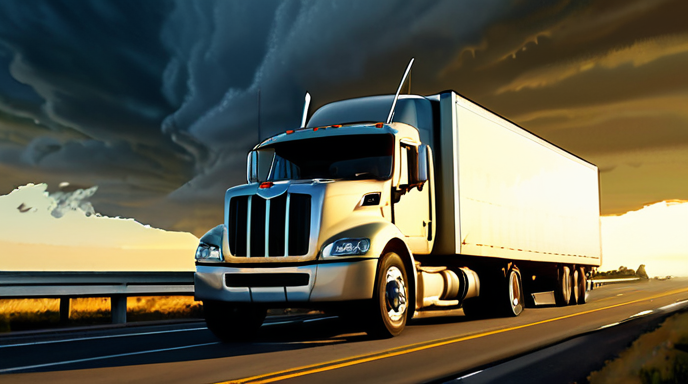
18-Wheeler Accident Attorneys in Wisconsin: Protecting Your Rights After a Truck Crash
If you or a loved one has been injured in an 18-wheeler accident in Wisconsin, you’re facing one of the most challenging experiences of your life. The aftermath of a truck crash can leave you with devastating injuries, mounting medical bills, and uncertainty about your future. At Attorney911, we understand the unique challenges Wisconsin trucking accident victims face, and we’re here to fight for the justice and compensation you deserve.
Why Wisconsin 18-Wheeler Accidents Are Different
Wisconsin’s highways and interstates see heavy commercial truck traffic year-round. From the busy I-94 corridor connecting Milwaukee to Madison to the I-41 route serving Green Bay and Appleton, our state’s trucking corridors present unique risks. Wisconsin’s unpredictable weather—from heavy winter snow to summer thunderstorms—creates additional hazards for commercial vehicles that require specialized training and equipment to navigate safely.
Wisconsin’s Trucking Landscape
Wisconsin serves as a critical transportation hub in the Midwest. Major trucking routes include:
- I-94: Connects Milwaukee, Madison, and the Twin Cities, carrying significant freight traffic between Chicago and Minneapolis
- I-41: Serves Green Bay, Appleton, and Fond du Lac, connecting to I-90/94
- I-39: Runs from Madison to Wausau, serving central Wisconsin’s manufacturing and agricultural industries
- I-90: Crosses southern Wisconsin, connecting major distribution centers
- US-41: Important north-south route serving Wisconsin’s industrial corridor
These highways carry thousands of 18-wheelers daily, transporting everything from dairy products to manufactured goods. Schneider National, one of the largest trucking companies in the United States, is headquartered right here in Green Bay, Wisconsin.
Common Causes of 18-Wheeler Accidents in Wisconsin
Trucking accidents in Wisconsin often result from a combination of factors unique to our state’s geography and weather conditions. Understanding these causes is crucial for building a strong legal case.
Driver Fatigue and Hours of Service Violations
Wisconsin’s truck drivers often face pressure to meet tight delivery deadlines, especially for time-sensitive shipments like perishable dairy products. This pressure can lead to:
- Violations of federal hours of service regulations
- Falsified electronic logging device (ELD) records
- Drivers operating beyond the 11-hour driving limit
- Inadequate rest breaks during long hauls
Our firm has extensive experience investigating hours of service violations. We know how to obtain and analyze ELD data to prove when drivers exceeded legal driving limits.
Wisconsin’s Unique Weather Challenges
Wisconsin’s weather creates specific hazards for commercial trucks:
-
Winter Conditions: Ice, snow, and freezing rain require proper winterization of trucks. We’ve seen cases where:
- Trucks lacked proper tire chains or winter tires
- Drivers failed to reduce speed for conditions
- Brakes froze due to inadequate maintenance
- Black ice caused loss of control
-
Summer Thunderstorms: Wisconsin’s summer storms can create:
- Hydroplaning on wet roads
- Reduced visibility from heavy rain
- Wind gusts that affect high-profile trailers
-
Spring and Fall Transitions: Rapid temperature changes can cause:
- Morning frost on bridges
- Sudden fog in low-lying areas
- Unpredictable road conditions
Equipment Failures Common in Wisconsin
Wisconsin’s trucking industry serves specialized sectors that require unique equipment:
-
Dairy and Refrigerated Trucks: Temperature control failures can lead to:
- Brake failures from condensation in air systems
- Electrical system malfunctions
- Refrigeration unit failures
-
Logging Trucks: Common in northern Wisconsin, these trucks face:
- Overloaded trailers
- Improperly secured logs
- Brake failures on steep grades
-
Manufacturing Equipment: Wisconsin’s industrial sector requires:
- Oversize load violations
- Improperly secured machinery
- Inadequate pilot vehicles
Cargo Securement Issues
Wisconsin’s diverse economy creates unique cargo securement challenges:
-
Dairy Products: Tanker trucks carrying milk require:
- Proper baffling to prevent liquid surge
- Secure loading to prevent shifts
- Specialized cleaning between loads
-
Manufactured Goods: Wisconsin’s manufacturing sector ships:
- Heavy machinery that may shift during transport
- Automotive parts requiring precise securement
- Paper products susceptible to wind damage
-
Agricultural Products: Wisconsin’s farms produce:
- Grain loads that can shift in transit
- Livestock requiring proper containment
- Fresh produce needing temperature control
Wisconsin-Specific Legal Considerations
Wisconsin’s Comparative Negligence Law
Wisconsin follows a modified comparative negligence rule. This means:
- You can recover damages if you are 50% or less at fault
- Your compensation is reduced by your percentage of fault
- If you are more than 50% at fault, you cannot recover anything
For example, if you’re found 20% at fault in an accident and your damages total $1,000,000, you would recover $800,000. Our Wisconsin trucking accident attorneys know how to minimize your assigned fault and maximize your recovery.
Wisconsin’s Statute of Limitations
In Wisconsin, you have:
- 3 years from the date of the accident to file a personal injury lawsuit
- 3 years from the date of death to file a wrongful death claim
However, you should never wait this long. Evidence disappears quickly in trucking cases, and delaying action can severely weaken your case.
Wisconsin’s Damage Caps
Wisconsin has specific rules regarding damages:
- Non-economic damages (pain and suffering) are not capped in most personal injury cases
- Punitive damages are capped at $200,000 or twice the amount of compensatory damages, whichever is greater
- Wrongful death damages have no specific cap
Our Wisconsin trucking accident lawyers know how to present your case to maximize all available damages.
Types of 18-Wheeler Accidents We Handle in Wisconsin
Jackknife Accidents
Jackknife accidents are particularly common on Wisconsin’s highways, especially during winter conditions. These accidents occur when:
- A truck driver brakes suddenly on slippery roads
- The trailer swings out perpendicular to the cab
- The truck blocks multiple lanes of traffic
Jackknife accidents often result in multi-vehicle pileups, causing catastrophic injuries to multiple victims.
Underride Collisions
Underride accidents are among the most deadly truck crashes. In Wisconsin, these often occur:
- On rural highways where trucks make sudden stops
- At intersections where passenger vehicles don’t see stopped trucks
- In low-light conditions common during Wisconsin winters
Wisconsin has seen tragic underride accidents where passenger vehicles slide under trailers, often resulting in decapitation or severe head injuries.
Rollover Accidents
Rollover accidents are common in Wisconsin due to:
- Sharp curves on rural highways
- Wind gusts affecting high-profile trailers
- Improperly loaded cargo shifting during turns
These accidents often result in cargo spills that create additional hazards for other vehicles.
Rear-End Collisions
Rear-end collisions involving 18-wheelers are particularly devastating due to:
- The massive weight difference between trucks and passenger vehicles
- Wisconsin’s winter conditions that increase stopping distances
- Driver fatigue that slows reaction times
These accidents frequently cause whiplash, spinal cord injuries, and traumatic brain injuries.
Wide Turn Accidents
Wide turn accidents are common in Wisconsin’s cities and towns:
- In Milwaukee, where trucks navigate tight urban streets
- In Green Bay, where industrial areas require complex turns
- On rural roads where trucks turn into farm entrances
These accidents often involve pedestrians, cyclists, or vehicles that get caught in the truck’s turning path.
Blind Spot Accidents
Wisconsin’s trucking corridors create numerous blind spot hazards:
- On I-94 during heavy traffic
- In construction zones where lanes narrow
- On rural highways where vehicles attempt to pass
The right-side blind spot (No-Zone) is particularly dangerous on Wisconsin’s highways.
Common Injuries in Wisconsin 18-Wheeler Accidents
The injuries we see in Wisconsin trucking accidents are often catastrophic due to the size and weight of commercial vehicles:
Traumatic Brain Injury (TBI)
TBIs are common in Wisconsin trucking accidents due to:
- High-impact collisions on highways
- Underride accidents where vehicles strike trailers
- Rollover accidents causing multiple impacts
Wisconsin’s trauma centers, including those at UW Health in Madison and Froedtert Hospital in Milwaukee, treat numerous TBI cases from trucking accidents each year.
Spinal Cord Injuries
Spinal cord injuries often result in:
- Paraplegia from lower back injuries
- Quadriplegia from neck injuries
- Permanent disability requiring lifelong care
Wisconsin’s spinal cord injury rehabilitation programs help victims adapt to life-changing injuries.
Amputations
Amputations occur in Wisconsin trucking accidents when:
- Vehicles are crushed under trailers
- Limbs are severed in underride accidents
- Severe burns require surgical amputation
Prosthetic technology has advanced significantly, but amputations still represent a lifetime of challenges.
Severe Burns
Burn injuries in Wisconsin trucking accidents often result from:
- Fuel tank ruptures in collisions
- Chemical spills from hazmat loads
- Friction burns from road contact
Wisconsin’s burn centers, including those in Madison and Milwaukee, treat these complex injuries.
Internal Organ Damage
Internal injuries are common in high-impact trucking accidents and may include:
- Liver lacerations
- Spleen damage
- Kidney injuries
- Internal bleeding
These injuries often require emergency surgery and can be life-threatening.
Wrongful Death
Tragically, many Wisconsin 18-wheeler accidents result in fatalities. Wrongful death claims allow surviving family members to seek compensation for:
- Lost future income
- Loss of companionship
- Funeral expenses
- Pain and suffering before death
Who Can Be Held Liable in a Wisconsin 18-Wheeler Accident?
Wisconsin trucking accidents often involve multiple liable parties. Our attorneys investigate all potential defendants to maximize your recovery.
The Truck Driver
Wisconsin truck drivers can be held liable for:
- Speeding or reckless driving
- Distracted driving (cell phone use, dispatch communications)
- Impaired driving (drugs, alcohol, fatigue)
- Failure to conduct proper pre-trip inspections
- Violation of traffic laws
The Trucking Company
Wisconsin trucking companies are often the most important defendants because they have the highest insurance coverage. They can be liable for:
- Negligent Hiring: Failing to check drivers’ backgrounds or safety records
- Negligent Training: Inadequate safety training for Wisconsin’s unique conditions
- Negligent Supervision: Failing to monitor driver performance
- Negligent Maintenance: Poor vehicle upkeep, especially for Wisconsin’s winter conditions
- Negligent Scheduling: Pressuring drivers to violate hours of service regulations
Cargo Owners and Shippers
Wisconsin’s diverse economy means cargo owners play a significant role in trucking safety:
- Dairy processors shipping refrigerated products
- Manufacturing companies shipping heavy equipment
- Agricultural producers shipping grain and livestock
These companies can be liable for:
- Providing improper loading instructions
- Failing to disclose hazardous cargo
- Requiring overweight loads
- Pressuring carriers to expedite deliveries
Loading Companies
Third-party loading companies in Wisconsin can be liable for:
- Improper cargo securement
- Unbalanced load distribution
- Exceeding weight ratings
- Failure to train loaders on securement requirements
Truck and Parts Manufacturers
Wisconsin’s trucking industry relies on properly manufactured equipment. Manufacturers can be liable for:
- Defective brake systems
- Faulty tires
- Defective steering components
- Defective lighting systems
Maintenance Companies
Third-party maintenance companies in Wisconsin can be liable for:
- Negligent repairs that fail to fix problems
- Failure to identify critical safety issues
- Improper brake adjustments
- Using substandard or wrong parts
Freight Brokers
Freight brokers who arrange transportation in Wisconsin can be liable for:
- Negligent selection of carriers with poor safety records
- Failure to verify carrier insurance and authority
- Failure to check carrier CSA scores
The Attorney911 Advantage for Wisconsin Trucking Accident Victims
25+ Years of Experience Fighting Trucking Companies
Our managing partner, Ralph Manginello, has over 25 years of experience representing trucking accident victims. He has:
- Recovered multi-million dollar settlements and verdicts
- Fought against major trucking companies nationwide
- Handled complex Wisconsin trucking accident cases
- Secured justice for Wisconsin families devastated by truck crashes
Federal Court Experience
Ralph Manginello is admitted to the U.S. District Court, Southern District of Texas, which gives us the ability to handle interstate trucking cases that may be filed in federal court. This is crucial for Wisconsin cases involving trucks from out-of-state.
Former Insurance Defense Attorney on Staff
Our associate attorney, Lupe Peña, spent years working for a national insurance defense firm. He knows:
- How insurance companies evaluate claims
- How adjusters are trained to minimize payouts
- What makes insurance companies settle cases
- How to counter every tactic they use against you
This insider knowledge gives our Wisconsin clients a significant advantage when negotiating with trucking company insurers.
Wisconsin-Specific Knowledge
We understand Wisconsin’s:
- Trucking corridors and accident hotspots
- Weather-related challenges for commercial vehicles
- State-specific laws and court procedures
- Local courts and judges throughout Wisconsin
- Wisconsin’s comparative negligence rules
Proven Track Record of Results
While we can’t guarantee specific results, our firm has:
- Recovered $50+ million for clients across all practice areas
- Secured multi-million dollar settlements in trucking cases
- Achieved significant recoveries for Wisconsin trucking accident victims
- Built a reputation that makes trucking companies take our cases seriously
What to Do After an 18-Wheeler Accident in Wisconsin
Immediate Steps
- Call 911: Report the accident and request medical assistance
- Seek Medical Attention: Even if you feel okay, get checked by paramedics or at a hospital
- Document the Scene: Take photos and videos of:
- All vehicles involved
- Damage to your vehicle and the truck
- Skid marks and road conditions
- Street signs and traffic signals
- Your injuries
- Collect Information:
- Truck driver’s name, CDL number, and contact information
- Trucking company name and DOT number
- Witness names and contact information
- Responding officer’s name and badge number
- Do NOT Give Statements: Politely decline to give recorded statements to any insurance company
Within 24-48 Hours
- Contact Attorney911: Call us at 1-888-ATTY-911 for a free consultation
- Preserve Evidence: We’ll send spoliation letters to preserve:
- ECM/Black box data
- ELD records
- Dashcam footage
- Maintenance records
- Driver qualification files
- Follow Medical Advice: Attend all follow-up appointments and follow treatment plans
Long-Term Steps
- Continue Medical Treatment: Don’t stop treatment until your doctors release you
- Document Everything: Keep records of:
- Medical appointments
- Medications
- Pain levels
- How injuries affect your daily life
- Time missed from work
- Stay Off Social Media: Insurance companies will use your posts against you
- Communicate Through Your Attorney: Let us handle all communications with insurance companies
Why Evidence Disappears Quickly in Wisconsin Trucking Cases
Trucking companies and their insurers move quickly to protect their interests. Critical evidence can disappear within days:
- ECM/Black Box Data: Can be overwritten in 30 days or with new driving events
- ELD Data: May be retained for only 6 months
- Dashcam Footage: Often deleted within 7-14 days
- Surveillance Video: Business cameras typically overwrite in 7-30 days
- Physical Evidence: The truck may be repaired or sold for parts
- Witness Memory: Fades significantly within weeks
This is why we send spoliation letters immediately to put the trucking company on notice that destroying evidence will have serious legal consequences.
How We Build Your Wisconsin Trucking Accident Case
Immediate Response (0-72 Hours)
- Accept your case and send preservation letters the same day
- Deploy accident reconstruction experts to the scene if needed
- Obtain the police crash report
- Photograph your injuries and document your condition
- Photograph all vehicles before they are repaired or scrapped
- Identify all potentially liable parties
Evidence Gathering (Days 1-30)
- Subpoena ECM/Black box data downloads
- Request driver’s paper log books (backup documentation)
- Obtain complete Driver Qualification File from the carrier
- Request all truck maintenance and inspection records
- Obtain carrier’s CSA safety scores and inspection history
- Order driver’s complete Motor Vehicle Record (MVR)
- Subpoena driver’s cell phone records
- Obtain dispatch records and delivery schedules
Expert Analysis
- Accident reconstruction specialist creates crash analysis
- Medical experts establish causation and future care needs
- Vocational experts calculate lost earning capacity
- Economic experts determine present value of all damages
- Life care planners develop comprehensive care plans for catastrophic injuries
- FMCSA regulation experts identify all violations
Litigation Strategy
- File lawsuit before Wisconsin’s 3-year statute of limitations expires
- Pursue aggressive discovery against all potentially liable parties
- Depose the truck driver, dispatcher, safety manager, and maintenance personnel
- Build your case for trial while negotiating settlement from a position of strength
- Prepare every case as if it’s going to trial to create maximum leverage
Compensation Available in Wisconsin Trucking Accident Cases
Wisconsin law allows trucking accident victims to recover several types of damages:
Economic Damages
- Medical Expenses: Past, present, and future medical costs
- Lost Wages: Income lost due to injury and recovery
- Lost Earning Capacity: Reduction in your future earning ability
- Property Damage: Repair or replacement of your vehicle
- Out-of-Pocket Expenses: Transportation to medical appointments, home modifications
- Life Care Costs: Ongoing care for catastrophic injuries
Non-Economic Damages
- Pain and Suffering: Physical pain from your injuries
- Mental Anguish: Psychological trauma, anxiety, depression
- Loss of Enjoyment: Inability to participate in activities you once enjoyed
- Disfigurement: Scarring or visible injuries
- Loss of Consortium: Impact on your marriage and family relationships
- Physical Impairment: Reduced physical capabilities
Punitive Damages
Punitive damages may be available when the trucking company or driver acted with:
- Gross negligence
- Willful misconduct
- Conscious indifference to safety
- Fraud (such as falsifying logs or destroying evidence)
In Wisconsin, punitive damages are capped at $200,000 or twice the amount of compensatory damages, whichever is greater.
Wisconsin’s Trucking Industry: Special Considerations
Wisconsin’s trucking industry has unique characteristics that affect trucking accident cases:
Dairy and Refrigerated Trucking
Wisconsin is America’s Dairyland, and refrigerated trucking plays a major role in our economy. These trucks present unique risks:
- Brake Failures: Condensation in air brake systems can cause freezing
- Electrical Issues: Refrigeration units can drain batteries, affecting safety systems
- Cargo Shifts: Liquid products can surge, affecting stability
- Temperature Control Failures: Can lead to driver distraction or equipment malfunction
Manufacturing and Heavy Equipment
Wisconsin’s manufacturing sector relies on trucking to transport:
- Heavy machinery
- Automotive parts
- Paper products
- Industrial equipment
These loads present special challenges:
- Oversize and overweight loads
- Specialized securement requirements
- Escort vehicle requirements
- Route restrictions
Agricultural Trucking
Wisconsin’s farms generate significant truck traffic:
- Grain trucks
- Livestock haulers
- Fresh produce transporters
- Farm equipment movers
These trucks often operate on rural roads and present unique hazards:
- Seasonal peaks during harvest
- Inexperienced drivers during busy periods
- Overloaded vehicles
- Improperly secured loads
Wisconsin’s Trucking Companies
Wisconsin is home to several major trucking companies that may be involved in accidents:
- Schneider National (Green Bay): One of the largest trucking companies in the U.S.
- Ruan Transportation (Multiple locations): Major carrier serving Wisconsin
- Roehl Transport (Marshfield): Significant Wisconsin-based carrier
- Many smaller regional carriers serving local industries
Our firm has experience handling cases against all types of Wisconsin trucking companies, from major national carriers to small local operators.
Wisconsin Trucking Accident Hotspots
While trucking accidents can happen anywhere in Wisconsin, certain areas see higher concentrations of crashes:
Milwaukee Area
- I-94 between Milwaukee and Madison
- I-43 in Milwaukee County
- I-894 (Zoo Interchange)
- Milwaukee’s industrial corridors
- Port of Milwaukee shipping routes
Madison Area
- I-90/94 corridor through Dane County
- US-12/18 (Beltline Highway)
- Madison’s west side industrial areas
- University of Wisconsin campus areas
Green Bay Area
- I-41 through Brown County
- US-41 north of Green Bay
- Green Bay’s industrial areas
- Port of Green Bay shipping routes
Fox Cities (Appleton, Neenah, Menasha)
- US-41 through the Fox Valley
- WI-441 (Tri-County Expressway)
- Industrial areas serving paper mills
- Agricultural shipping routes
Wausau and Central Wisconsin
- I-39 through Marathon County
- US-51 north-south corridor
- Logging truck routes in northern Wisconsin
- Agricultural shipping routes
Eau Claire and Western Wisconsin
- I-94 through Eau Claire County
- US-53 north-south corridor
- Agricultural shipping routes
- Logging truck routes
How Wisconsin’s Seasons Affect Trucking Safety
Wisconsin’s distinct seasons create unique challenges for commercial truck drivers:
Winter (December-February)
- Ice and Snow: Create slippery road conditions
- Black Ice: Particularly dangerous on bridges and overpasses
- Reduced Visibility: Snow squalls and blowing snow
- Freezing Temperatures: Can cause equipment failures
- Short Daylight Hours: Affect visibility during morning and evening commutes
Spring (March-May)
- Rapid Temperature Changes: Create frost and fog
- Melting Snow: Leads to flooding and road damage
- Sudden Storms: Can create dangerous driving conditions
- Construction Season: Begins, creating lane restrictions and delays
Summer (June-August)
- Thunderstorms: Create heavy rain and reduced visibility
- Construction Zones: Peak season for road work
- Tourist Traffic: Increases on highways and rural roads
- High Temperatures: Can cause tire blowouts and equipment failures
Fall (September-November)
- Fog: Common in low-lying areas and near lakes
- Frost: Early morning frost creates slippery conditions
- Leaf Fall: Wet leaves create slippery road surfaces
- Harvest Season: Increased agricultural truck traffic
- Shorter Daylight Hours: Affect visibility during morning and evening commutes
Wisconsin’s Trucking Regulations and Safety Programs
Wisconsin has implemented several programs to improve trucking safety:
Wisconsin Motor Carrier Safety Assistance Program (WMCSA)
This program provides:
- Roadside inspections of commercial vehicles
- Compliance reviews of trucking companies
- Safety audits of new carriers
- Educational outreach to drivers and companies
Wisconsin’s Commercial Vehicle Safety Alliance (CVSA) Inspections
Wisconsin participates in national inspection programs including:
- International Roadcheck: Annual 72-hour inspection blitz
- Operation Safe Driver: Focuses on driver behavior
- Brake Safety Week: Focuses on brake system inspections
Wisconsin’s Truck Parking Initiatives
Wisconsin has recognized the truck parking shortage and is working to address it through:
- Expanding truck parking at rest areas
- Partnering with private truck stops
- Developing new truck parking facilities
Wisconsin’s Winter Road Conditions Program
Wisconsin DOT provides:
- Real-time road condition reports
- Winter road condition cameras
- Traveler information systems
- Chain laws for commercial vehicles
Common Defenses in Wisconsin Trucking Accident Cases
Trucking companies and their insurers use several common defenses in Wisconsin cases:
“The Accident Was Unavoidable”
They may claim:
- Sudden mechanical failure
- Unexpected weather conditions
- Another driver’s actions forced them to react
Our Response: We investigate thoroughly to prove the accident was preventable through proper maintenance, training, or driving practices.
“The Driver Was an Independent Contractor”
They may claim the driver wasn’t an employee, limiting their liability.
Our Response: We investigate the relationship to prove the driver was effectively an employee, making the company liable under respondeat superior.
“The Victim Was Partially at Fault”
They may claim you:
- Were speeding
- Failed to yield
- Were distracted
- Ignored traffic signals
Our Response: Wisconsin’s comparative negligence law allows recovery as long as you’re not more than 50% at fault. We work to minimize your assigned fault.
“The Injuries Aren’t That Serious”
They may claim:
- Your injuries were pre-existing
- You didn’t follow medical advice
- You’re exaggerating your symptoms
Our Response: We work with medical experts to document your injuries and their impact on your life.
“The Evidence Was Destroyed”
They may claim evidence was lost due to:
- Routine data overwriting
- Accidental deletion
- Normal business practices
Our Response: We send spoliation letters immediately to prevent evidence destruction and hold them accountable if evidence is lost.
Wisconsin Trucking Accident Case Studies
While we can’t discuss specific Attorney911 cases, here are examples of real Wisconsin trucking accident cases that demonstrate what’s possible:
$12 Million Verdict for Underride Accident
In a Wisconsin case, a family was awarded $12 million after their vehicle was involved in an underride collision with a semi-truck. The truck lacked proper underride guards, and the family’s vehicle slid underneath the trailer. The verdict included compensation for:
- Catastrophic injuries to multiple family members
- Wrongful death of one family member
- Pain and suffering
- Medical expenses
- Lost earning capacity
$8.5 Million Settlement for Jackknife Accident
A Wisconsin jury awarded $8.5 million to a motorcyclist who was severely injured when a semi-truck jackknifed in front of him. The investigation revealed:
- The driver had violated hours of service regulations
- The trucking company had a history of safety violations
- The driver had a poor safety record that wasn’t properly checked
$6.2 Million Award for Rollover Accident
A Wisconsin family received $6.2 million after their vehicle was struck by a truck that rolled over due to improperly secured cargo. The investigation found:
- The loading company failed to properly secure the cargo
- The trucking company failed to inspect the load
- The driver was speeding for conditions
These cases demonstrate that Wisconsin juries are willing to hold trucking companies accountable for negligence.
Wisconsin’s Trucking Accident Resources
Wisconsin Department of Transportation (WisDOT)
- Website: wisconsindot.gov
- Services:
- Commercial vehicle safety information
- Road condition reports
- Truck parking information
- Crash data and statistics
Wisconsin State Patrol
- Website: wisconsindot.gov/about-wisdot/who-we-are/state-patrol
- Services:
- Commercial vehicle enforcement
- Crash investigation
- Safety inspections
Wisconsin Motor Carriers Association
- Website: witruck.org
- Services:
- Industry safety resources
- Driver training information
- Regulatory updates
Wisconsin’s Trauma Centers
For severe injuries from trucking accidents, Wisconsin’s trauma centers provide specialized care:
- Froedtert Hospital (Milwaukee)
- UW Health University Hospital (Madison)
- Aurora St. Luke’s Medical Center (Milwaukee)
- ThedaCare Regional Medical Center (Appleton)
- Bellin Health (Green Bay)
Frequently Asked Questions About Wisconsin 18-Wheeler Accidents
What should I do immediately after an 18-wheeler accident in Wisconsin?
If you’ve been in a trucking accident in Wisconsin, take these steps immediately if you’re able:
- Call 911 and report the accident
- Seek medical attention, even if injuries seem minor
- Document the scene with photos and video if possible
- Get the trucking company name, DOT number, and driver information
- Collect witness contact information
- Do NOT give recorded statements to any insurance company
- Call Attorney911 immediately at 1-888-ATTY-911
How long do I have to file a lawsuit after a trucking accident in Wisconsin?
In Wisconsin, you have:
- 3 years from the date of the accident to file a personal injury lawsuit
- 3 years from the date of death to file a wrongful death claim
However, you should never wait this long. Evidence disappears quickly in trucking cases, and delaying action can severely weaken your case.
Who can I sue after an 18-wheeler accident in Wisconsin?
Multiple parties may be liable in Wisconsin trucking accidents:
- The truck driver
- The trucking company/motor carrier
- The cargo owner or shipper
- The company that loaded the cargo
- Truck or parts manufacturers
- Maintenance companies
- Freight brokers
- The truck owner (if different from the carrier)
- Government entities (for road defects)
We investigate all potential defendants to maximize your recovery.
How much is my Wisconsin trucking accident case worth?
Case values depend on many factors:
- Severity of your injuries
- Medical expenses (past and future)
- Lost income and earning capacity
- Pain and suffering
- Degree of the defendant’s negligence
- Insurance coverage available
- Wisconsin’s comparative negligence rules
Trucking companies carry higher insurance ($750,000 minimum, often $1-5 million), allowing for larger recoveries than typical car accidents.
What if I was partially at fault for the accident?
Wisconsin uses a modified comparative negligence system. This means:
- You can recover damages if you are 50% or less at fault
- Your compensation is reduced by your percentage of fault
- If you are more than 50% at fault, you cannot recover anything
For example, if you’re found 20% at fault and your damages total $1,000,000, you would recover $800,000.
What if the truck driver was an independent contractor?
Even if the driver was an independent contractor, both the driver and the contracting company may be liable. We investigate all relationships and insurance policies to ensure you can recover from the responsible parties.
How do I prove the truck driver was fatigued?
We use several methods to prove driver fatigue:
- Electronic Logging Device (ELD) data showing hours of service violations
- Dispatch records showing pressure to meet deadlines
- Cell phone records showing late-night communications
- Witness testimony about driver behavior
- Expert analysis of the accident sequence
What is a spoliation letter and why is it important?
A spoliation letter is a legal notice demanding that the trucking company preserve all evidence related to the accident. This includes:
- ECM/Black box data
- ELD records
- Maintenance records
- Driver qualification files
- Dashcam footage
- The physical truck and trailer
Sending this letter immediately puts the trucking company on notice that destroying evidence will result in serious legal consequences.
What if the trucking company goes bankrupt?
Even if the trucking company goes bankrupt, you may still recover compensation from:
- Their insurance company
- Other liable parties (driver, cargo owner, maintenance company, etc.)
- The trucking company’s assets through bankruptcy proceedings
We investigate all possible sources of recovery to ensure you receive compensation.
Can I still recover if the truck driver fled the scene?
Yes, you may still recover compensation through:
- Your own uninsured motorist (UM) coverage
- Your own underinsured motorist (UIM) coverage
- Other liable parties (if identified)
- Wisconsin’s crime victim compensation programs
What if I don’t have health insurance?
If you don’t have health insurance, we can help you:
- Get treatment through medical liens
- Work with doctors who will treat you on a lien basis
- Access Wisconsin’s Medicaid program if eligible
- Get the care you need while we pursue your case
How long does a trucking accident case take to resolve?
Timelines vary:
- Simple cases with clear liability: 6-12 months
- Complex cases with multiple parties: 1-3 years
- Cases that go to trial: 2-4 years
We work to resolve cases as quickly as possible while maximizing your recovery.
Will my case go to trial?
Most cases settle before trial, but we prepare every case as if it’s going to trial. Insurance companies know which lawyers are willing to go to court – and they offer better settlements to clients with trial-ready attorneys.
Do I need to pay anything upfront to hire your firm?
No. We work on contingency – you pay nothing unless we win your case. We advance all costs of investigation and litigation. You never receive a bill from us. When we win, our fee comes from the recovery, not your pocket.
Why Choose Attorney911 for Your Wisconsin Trucking Accident Case?
We Know Wisconsin
We understand Wisconsin’s:
- Trucking corridors and accident patterns
- Weather-related challenges for commercial vehicles
- State-specific laws and court procedures
- Local courts and judges throughout Wisconsin
We Fight for Maximum Compensation
Our Wisconsin trucking accident attorneys:
- Investigate thoroughly to identify all liable parties
- Gather and preserve critical evidence
- Work with top medical and accident reconstruction experts
- Negotiate aggressively with insurance companies
- Prepare every case for trial to create maximum leverage
We Treat You Like Family
At Attorney911, we believe in treating our clients like family. You’ll receive:
- Personal attention from our attorneys
- Regular updates on your case
- Compassionate support throughout the process
- Honest answers to all your questions
We Have the Resources to Win
Our firm has:
- 25+ years of experience handling trucking cases
- A former insurance defense attorney on staff
- Federal court experience for interstate cases
- The financial resources to take on large trucking companies
- A track record of multi-million dollar recoveries
Contact Attorney911 Today
If you or a loved one has been injured in an 18-wheeler accident in Wisconsin, don’t wait. Evidence is disappearing every day, and the trucking company’s lawyers are already working to protect their interests.
Call Attorney911 now at 1-888-ATTY-911 for a free consultation. We’re available 24/7 to answer your questions and start building your case.
Remember:
- We work on contingency – you pay nothing unless we win
- We advance all case costs
- We offer free consultations
- We treat you like family
- We fight for maximum compensation
“You are NOT just some client… You are FAMILY to them.”
— Chad Harris, Attorney911 Client
Don’t let the trucking company take advantage of you. Call Attorney911 today at 1-888-ATTY-911 and let us fight for the justice and compensation you deserve.
Hablamos Español. Llame a Lupe Peña al 1-888-ATTY-911 para una consulta gratis.