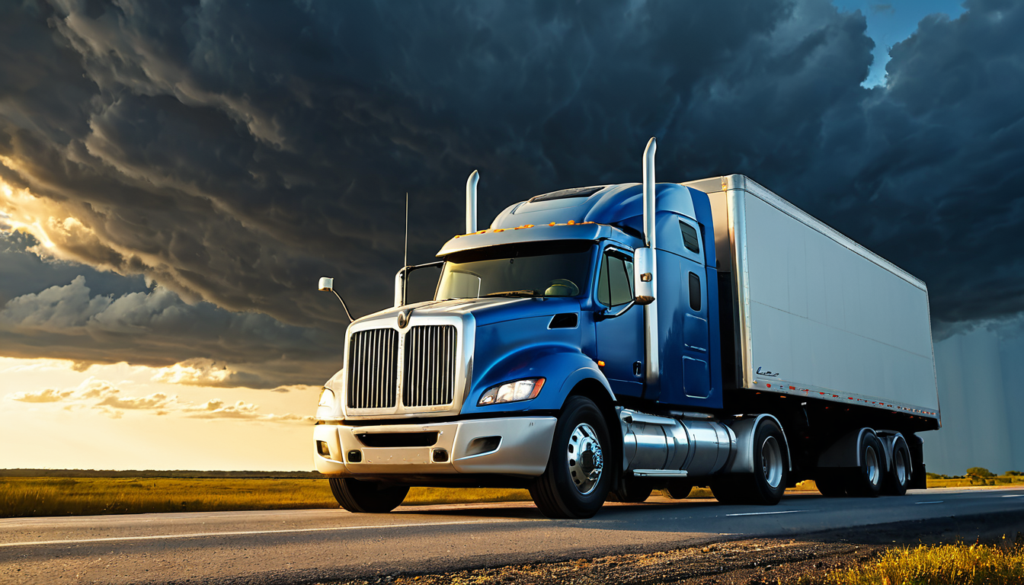
18-Wheeler & Trucking Accident Attorneys in Taylor County, Florida
When 80,000 Pounds Changes Everything: Your Fight Starts Here
The impact was catastrophic. One moment you’re driving through Taylor County on your way to Perry or Steinhatchee. The next, an 80,000-pound truck has jackknifed across your lane, or slammed into your vehicle from behind, or rolled over and spilled its cargo across the highway. In an instant, everything changes.
If you’ve been injured in an 18-wheeler accident anywhere in Taylor County, Florida—from Perry to Steinhatchee, from Keaton Beach to Salem—you need more than a lawyer. You need a fighter. You need someone who understands federal trucking regulations, who knows how to preserve critical evidence before it disappears, and who has the resources to take on trucking companies with teams of lawyers and millions in insurance.
At Attorney911, we’ve been fighting for trucking accident victims for over 25 years. Our managing partner, Ralph Manginello, has secured multi-million dollar verdicts and settlements against some of the largest trucking companies in America. And here’s what sets us apart: our associate attorney, Lupe Peña, spent years working as an insurance defense attorney before joining our team. He knows exactly how trucking insurance companies evaluate, minimize, and deny claims—because he used to do it himself. Now he uses that insider knowledge to fight for you.
The clock is already ticking. Black box data can be overwritten in 30 days. Trucking companies send rapid-response teams to accident scenes before the ambulance even leaves. Evidence disappears. Witnesses forget. And every day you wait, the trucking company is building their defense.
Don’t let them win. Call Attorney911 now at 1-888-ATTY-911 for a free consultation. We answer 24/7. And remember: you pay nothing unless we win your case.
Why 18-Wheeler Accidents in Taylor County Are Different
Taylor County, Florida sits at a critical crossroads for commercial trucking. Located along the Big Bend region of Florida’s Gulf Coast, our highways carry massive volumes of freight—agricultural products from local farms, seafood from Steinhatchee and Keaton Beach, timber from our forests, and goods moving between Florida’s ports and the interior.
The trucking corridors serving Taylor County create unique dangers:
U.S. Highway 19 and U.S. Highway 27 run north-south through the county, carrying heavy truck traffic between the Florida Panhandle and the peninsula. These highways see significant agricultural and commercial freight, with trucks hauling everything from timber to produce to manufactured goods.
U.S. Highway 98 runs east-west along the coast, connecting Perry to Steinhatchee and beyond. This scenic highway carries substantial seafood industry traffic—trucks hauling fresh catch from the docks to processing facilities and distribution centers.
State Road 51 and State Road 30 provide additional trucking routes through rural areas, often with narrower lanes, limited shoulders, and fewer safety features than major highways.
These roads share common characteristics that increase trucking accident risk:
- Rural two-lane design with limited passing opportunities, forcing trucks and cars to share space
- Narrow shoulders that provide little room for error
- Limited lighting that makes nighttime driving hazardous
- Agricultural and industrial traffic mixing with passenger vehicles
- Long distances between services, creating driver fatigue risks
- Weather hazards including fog, heavy rain, and occasional freezing conditions
When you combine these road conditions with the pressures trucking companies put on drivers—tight delivery schedules, long hours, inadequate rest—the result is devastating accidents that change lives forever.
The Physics of Devastation: Why Trucking Accidents Cause Catastrophic Injuries
An 18-wheeler isn’t just a big car. The physics involved make trucking accidents fundamentally different—and far more dangerous—than collisions between passenger vehicles.
The Weight Disparity:
A fully loaded 18-wheeler can weigh up to 80,000 pounds under federal law. The average passenger car weighs 3,500 to 4,000 pounds. That means the truck is 20 to 25 times heavier than your vehicle.
In a collision, that weight disparity translates to catastrophic force. The truck doesn’t just hit you—it overwhelms you. The energy transfer crumples passenger compartments, shears off roofs in underride accidents, and causes massive trauma to occupants.
Stopping Distance:
At 65 miles per hour, a passenger car needs approximately 300 feet to stop—about the length of a football field. An 18-wheeler at the same speed needs approximately 525 feet to stop—nearly two football fields.
That 40% longer stopping distance means truck drivers cannot react to hazards as quickly as car drivers. When traffic slows suddenly, when a vehicle cuts in front, when debris appears in the road—the truck simply cannot stop in time. The result is rear-end collisions at highway speeds, often with devastating consequences.
Maneuverability:
An 18-wheeler is 70 to 80 feet long. It cannot change lanes quickly. It cannot swerve to avoid obstacles. It requires wide turns that swing into adjacent lanes. These limitations create blind spots, squeeze-play accidents, and collisions when cars get trapped in the truck’s turning radius.
The Human Cost:
When these physical forces meet human bodies, the result is catastrophic injury or death. We’ve represented clients who suffered:
- Traumatic brain injuries that changed their personalities and destroyed their careers
- Spinal cord injuries resulting in paraplegia or quadriplegia
- Amputations requiring lifelong prosthetic care
- Severe burns from fuel fires and hazmat spills
- Internal organ damage requiring multiple surgeries
- Wrongful death leaving families without income, guidance, and companionship
These aren’t just medical conditions. They’re life-altering events that affect every aspect of existence—work, family, relationships, mental health, and quality of life.
At Attorney911, we understand this. We’ve walked alongside families through the darkest moments. And we’ve fought to secure the compensation they need to rebuild their lives.
Types of 18-Wheeler Accidents in Taylor County: What You Need to Know
Not all trucking accidents are the same. Each type involves different causes, different liable parties, and different legal strategies. Understanding the specific type of accident you experienced helps us build the strongest possible case.
Jackknife Accidents
A jackknife occurs when the trailer and cab skid in opposite directions, with the trailer folding at an angle like a pocket knife. The trailer swings out perpendicular to the cab, often sweeping across multiple lanes of traffic.
Why They Happen in Taylor County:
Jackknife accidents are particularly dangerous on the rural highways serving our county. U.S. 19, U.S. 27, and U.S. 98 have sections with limited shoulders and drainage ditches close to the roadway. When a truck jackknifes, there’s nowhere for other vehicles to go.
Common causes include:
- Sudden braking on wet or slippery roads
- Speeding, especially on curves
- Empty or lightly loaded trailers (more prone to swing)
- Improperly loaded or unbalanced cargo
- Brake system failures
- Driver inexperience with emergency maneuvers
The FMCSA Violations That Prove Negligence:
Jackknife accidents often involve violations of:
- 49 CFR § 393.48 – Brake system malfunction
- 49 CFR § 393.100 – Improper cargo securement
- 49 CFR § 392.6 – Speeding for conditions
Injuries and Case Value:
Jackknife accidents frequently involve multiple vehicles, leading to catastrophic injuries. We’ve seen cases resulting in traumatic brain injury, spinal cord damage, and wrongful death. Settlement values often reach into the millions when multiple vehicles are involved and FMCSA violations are proven.
Rollover Accidents
A rollover occurs when an 18-wheeler tips onto its side or roof. Due to the truck’s high center of gravity and massive weight, rollovers are among the most catastrophic trucking accidents.
Why They Happen in Taylor County:
Taylor County’s rural roads create unique rollover risks. Many of our highways have soft shoulders that drop off into drainage ditches. When a truck’s wheels leave the pavement, the driver often overcorrects, causing the trailer to swing and roll.
The timber and agricultural industries add to the risk. Trucks hauling logs, pulpwood, or heavy farm equipment have even higher centers of gravity than standard freight. When these loads shift, rollover becomes almost inevitable.
Common causes include:
- Speeding on curves, ramps, or turns
- Taking turns too sharply at excessive speed
- Improperly secured or unevenly distributed cargo
- Liquid cargo “slosh” shifting center of gravity
- Overcorrection after tire blowout or lane departure
- Driver fatigue causing delayed reaction
- Road design defects
The FMCSA Violations That Prove Negligence:
Rollover accidents often involve:
- 49 CFR § 393.100-136 – Cargo securement violations
- 49 CFR § 392.6 – Exceeding safe speed
- 49 CFR § 392.3 – Operating while fatigued
Injuries and Case Value:
Rollover accidents cause devastating injuries. Vehicles crushed beneath the trailer, fuel fires causing severe burns, and multi-vehicle pileups are common. We’ve handled rollover cases resulting in traumatic brain injury, spinal cord damage, amputations, and wrongful death. These cases often command seven-figure settlements or verdicts.
Underride Collisions
An underride collision occurs when a smaller vehicle crashes into the rear or side of an 18-wheeler and slides underneath the trailer. The trailer height often causes the smaller vehicle’s passenger compartment to be sheared off at windshield level.
Why They’re Particularly Deadly:
Underride accidents are among the most fatal types of 18-wheeler crashes. Approximately 400-500 underride deaths occur annually in the United States. When a passenger vehicle slides under a trailer, the roof is often sheared off completely, causing decapitation or catastrophic head and neck trauma.
Types of Underride Accidents:
- Rear Underride: Vehicle strikes the back of the trailer, often at intersections or during sudden stops
- Side Underride: Vehicle impacts the side of the trailer during lane changes, turns, or at intersections
Why They Happen in Taylor County:
Taylor County’s rural highways create underride risks that urban areas don’t face. Many of our roads lack adequate lighting, making it difficult for drivers to see stopped or slow-moving trucks at night. The mix of agricultural traffic—slow-moving farm equipment and trucks entering/exiting fields—with faster passenger vehicles creates dangerous speed differentials.
U.S. 19 and U.S. 27 have sections where trucks frequently stop or slow for turns into private property, loading facilities, or agricultural operations. When a truck slows suddenly and the following driver doesn’t react in time, rear underride becomes a devastating possibility.
Common causes include:
- Inadequate or missing underride guards
- Worn or damaged rear impact guards
- Truck sudden stops without adequate warning
- Low visibility conditions (night, fog, rain)
- Truck lane changes into blind spots
- Wide right turns cutting off traffic
- Inadequate rear lighting or reflectors
The FMCSA/NHTSA Requirements:
- 49 CFR § 393.86 – Rear impact guards required on trailers manufactured after January 26, 1998
- Guards must prevent underride at 30 mph impact
- NO FEDERAL REQUIREMENT for side underride guards (advocacy ongoing)
Injuries and Case Value:
Underride accidents are almost always fatal or result in catastrophic, life-altering injuries. Decapitation, severe head and neck trauma, and death of all vehicle occupants are common. When victims survive, they face traumatic brain injury, spinal cord damage, and permanent disability. These cases often result in multi-million dollar wrongful death settlements or verdicts, particularly when inadequate underride guards or poor visibility contributed to the accident.
Rear-End Collisions
A rear-end collision occurs when an 18-wheeler strikes the back of another vehicle or when a vehicle strikes the back of a truck. Due to the truck’s massive weight and longer stopping distances, these accidents cause devastating injuries.
The Physics of Devastation:
18-wheelers require 20-40% more stopping distance than passenger vehicles. A fully loaded truck at 65 mph needs approximately 525 feet to stop—nearly two football fields. A car at the same speed needs about 300 feet. That 40% difference means truck drivers cannot react to hazards as quickly as car drivers.
When a truck rear-ends a passenger vehicle, the force is often catastrophic. The truck’s massive weight crushes the car’s rear compartment, causing severe injuries to occupants. Even at moderate speeds, the damage is often life-threatening.
Why They Happen in Taylor County:
Taylor County’s rural highways create unique rear-end collision risks. The mix of slow-moving agricultural traffic—tractors, farm equipment, trucks entering and exiting fields—with faster passenger vehicles creates dangerous speed differentials. When a truck comes up behind slower traffic, the driver may not have room or time to stop.
U.S. 19, U.S. 27, and U.S. 98 have sections with limited visibility, curves, and hills that can hide stopped or slow-moving traffic. A truck driver who is fatigued, distracted, or speeding may not see traffic ahead until it’s too late to stop.
Common causes include:
- Following too closely (tailgating)
- Driver distraction (cell phone, dispatch communications)
- Driver fatigue and delayed reaction
- Excessive speed for traffic conditions
- Brake failures from poor maintenance
- Failure to anticipate traffic slowdowns
- Impaired driving (drugs, alcohol)
The FMCSA Violations That Prove Negligence:
Rear-end collisions often involve:
- 49 CFR § 392.11 – Following too closely
- 49 CFR § 392.3 – Operating while fatigued
- 49 CFR § 392.82 – Mobile phone use
- 49 CFR § 393.48 – Brake system deficiencies
Injuries and Case Value:
Rear-end collisions with 18-wheelers cause severe injuries: whiplash, spinal cord injuries, traumatic brain injury from impact, internal organ damage, crushing injuries, and wrongful death. When a truck rear-ends a passenger vehicle at highway speed, the results are often catastrophic. These cases frequently result in six and seven-figure settlements or verdicts, particularly when FMCSA violations like following too closely or fatigued driving are proven.
Wide Turn Accidents (“Squeeze Play”)
Wide turn accidents occur when an 18-wheeler swings wide (often to the left) before making a right turn, creating a gap that other vehicles enter. The truck then completes its turn, crushing or striking the vehicle that entered the gap.
Why Trucks Make Wide Turns:
18-wheelers need significant space to complete turns. The trailer tracks inside the path of the cab—meaning the rear wheels cut a tighter arc than the front wheels. To avoid hitting curbs, signs, or buildings, drivers must swing wide, sometimes into adjacent lanes.
Why They’re Dangerous in Taylor County:
Taylor County’s rural roads create unique wide-turn hazards. Many intersections lack dedicated turn lanes or adequate space for trucks to maneuver. The mix of local traffic unfamiliar with truck operations and truck drivers unfamiliar with local roads creates dangerous situations.
Agricultural and industrial facilities throughout the county—timber operations, farms, processing plants—generate heavy truck traffic entering and exiting driveways and side roads. When these trucks make wide turns onto narrow rural highways, passenger vehicles can easily be caught in the “squeeze play.”
Common causes include:
- Failure to properly signal turning intention
- Inadequate mirror checks before and during turn
- Improper turn technique (swinging too early or too wide)
- Driver inexperience with trailer tracking
- Failure to yield right-of-way when completing turn
- Poor intersection design forcing wide turns
The FMCSA Violations That Prove Negligence:
Wide turn accidents often involve:
- 49 CFR § 392.11 – Unsafe lane changes
- 49 CFR § 392.2 – Failure to obey traffic signals
- State traffic law violations for improper turns
Injuries and Case Value:
Wide turn accidents cause crushing injuries from being caught between truck and curb/building, sideswipe injuries, and pedestrian and cyclist fatalities. When a passenger vehicle is trapped in a truck’s turning radius, the results can be catastrophic. These cases often involve significant liability when proper signaling and mirror checking procedures weren’t followed.
Blind Spot Accidents (“No-Zone”)
Blind spot accidents occur when an 18-wheeler changes lanes or maneuvers without seeing a vehicle in one of its four major blind spots (No-Zones).
The Four No-Zones:
- Front No-Zone: 20 feet directly in front of the cab—driver cannot see low vehicles
- Rear No-Zone: 30 feet behind the trailer—no rear-view mirror visibility
- Left Side No-Zone: Extends from cab door backward—smaller than right side
- Right Side No-Zone: Extends from cab door backward, much larger than left—MOST DANGEROUS
Why They’re Particularly Dangerous:
Right-side blind spot accidents are especially dangerous because the blind spot area is so large—extending across multiple lanes in some configurations. When a truck moves right without seeing a vehicle in this zone, the passenger vehicle can be crushed against the trailer or forced off the road.
Why They Happen in Taylor County:
Taylor County’s highway configuration creates blind spot hazards. The two-lane and three-lane rural highways force vehicles to travel in close proximity to trucks. When trucks pass slower vehicles or change lanes to prepare for turns, blind spot collisions become likely.
The mix of local traffic—drivers who know the roads well and may become complacent—with through truck traffic creates dangerous situations. Local drivers may linger in blind spots assuming the truck driver sees them, while truck drivers focused on long-haul routes may not expect local traffic patterns.
Common causes include:
- Failure to check mirrors before lane changes
- Improperly adjusted or damaged mirrors
- Inadequate mirror checking during sustained maneuvers
- Driver distraction during lane changes
- Driver fatigue affecting situational awareness
- Failure to use turn signals allowing other drivers to anticipate
The FMCSA Requirements:
- 49 CFR § 393.80 – Mirrors must provide clear view to rear on both sides
- Proper mirror adjustment is part of driver pre-trip inspection
Injuries and Case Value:
Blind spot accidents cause sideswipe injuries leading to vehicle loss of control, rollover of passenger vehicle, crushing injuries, ejection from vehicle, traumatic brain injury, and spinal injuries. When a truck forces a passenger vehicle off the road or into another lane, the results can be catastrophic. These cases often involve clear liability when proper mirror checking procedures weren’t followed.
Tire Blowout Accidents
Tire blowout accidents occur when one or more tires on an 18-wheeler suddenly fail, causing the driver to lose control. Debris from the blown tire can also strike other vehicles.
Why They’re Particularly Dangerous:
18-wheelers have 18 tires, each of which can fail. Steer tire (front) blowouts are especially dangerous—they can cause immediate loss of control. “Road gators” (tire debris) cause thousands of accidents annually when they strike following vehicles or create obstacles that drivers swerve to avoid.
Why They Happen in Taylor County:
Florida’s extreme heat and Taylor County’s long rural highways create perfect conditions for tire blowouts. The combination of high temperatures, heavy loads, and sustained highway speeds causes tire overheating and failure.
The agricultural and timber industries add to the risk. Trucks hauling heavy loads of logs, pulpwood, or produce put extreme stress on tires. When these trucks are overloaded or tires are underinflated, blowouts become inevitable.
The long stretches of highway between services mean that when blowouts occur, there’s often no safe place to stop. Drivers may continue on damaged tires, or debris may remain in the roadway for extended periods before being cleared.
Common causes include:
- Underinflated tires causing overheating
- Overloaded vehicles exceeding tire capacity
- Worn or aging tires not replaced
- Road debris punctures
- Manufacturing defects
- Improper tire matching on dual wheels
- Heat buildup on long hauls
- Inadequate pre-trip tire inspections
The FMCSA Requirements:
- 49 CFR § 393.75 – Tire requirements (tread depth, condition)
- 49 CFR § 396.13 – Pre-trip inspection must include tire check
- Minimum tread depth: 4/32″ on steer tires, 2/32″ on other positions
Injuries and Case Value:
Tire blowout accidents cause resulting jackknife or rollover with catastrophic injuries. Tire debris strikes following vehicles causing windshield impacts and loss of control. Traumatic brain injury, facial trauma, and wrongful death are common. These cases often involve product liability claims against tire manufacturers or maintenance negligence claims when inspection failures are proven.
Brake Failure Accidents
Brake failure accidents occur when an 18-wheeler’s braking system fails or underperforms, preventing the driver from stopping in time to avoid a collision.
Why They’re Particularly Dangerous:
Brake problems are a factor in approximately 29% of large truck crashes. Brake system violations are among the most common FMCSA out-of-service violations. Complete brake failure is often the result of systematic maintenance neglect rather than sudden mechanical failure.
Why They Happen in Taylor County:
Florida’s flat terrain might seem to reduce brake failure risk, but the reality is more complex. The long, straight highways encourage high speeds, and the combination of speed and heavy loads puts extreme stress on braking systems. When brakes are poorly maintained, they overheat and fail precisely when needed most.
The timber industry creates particular brake failure risks. Logging trucks hauling heavy loads on winding rural roads require constant braking. Poorly maintained brakes on these trucks fail on hills and curves, causing runaway truck accidents.
The heat and humidity of Florida summers accelerate brake deterioration. Brake fluid absorbs moisture, reducing effectiveness. Brake components corrode faster in humid conditions. Trucks that operate primarily in northern climates may have brake systems inadequate for Florida conditions.
Common causes include:
- Worn brake pads or shoes not replaced
- Improper brake adjustment (too loose)
- Air brake system leaks or failures
- Overheated brakes (brake fade) on long descents
- Contaminated brake fluid
- Defective brake components
- Failure to conduct pre-trip brake inspections
- Deferred maintenance to save costs
The FMCSA Requirements:
- 49 CFR § 393.40-55 – Brake system requirements
- 49 CFR § 396.3 – Systematic inspection and maintenance
- 49 CFR § 396.11 – Driver post-trip report of brake condition
- Air brake pushrod travel limits specified
Injuries and Case Value:
Brake failure accidents cause severe rear-end collision injuries, multi-vehicle pileups, traumatic brain injury from high-speed impact, spinal cord injuries, wrongful death, and crushing injuries. These cases often involve clear negligence when maintenance records show systematic neglect of brake systems.
Cargo Spill and Shift Accidents
Cargo spill and shift accidents occur when improperly secured cargo falls from a truck, shifts during transport causing instability, or spills onto the roadway.
Why They’re Particularly Dangerous:
Cargo securement violations are among the top 10 most common FMCSA violations. Shifted cargo causes rollover accidents when center of gravity changes. Spilled cargo on highways causes secondary accidents when other vehicles strike debris or swerve to avoid it.
Why They Happen in Taylor County:
Taylor County’s economy runs on cargo. Timber trucks haul logs and pulpwood. Agricultural trucks carry produce, livestock, and equipment. Seafood trucks transport fresh catch from Steinhatchee and Keaton Beach. Each of these cargo types has unique securement challenges, and failures create deadly hazards.
Timber loads are particularly dangerous. Logs that break free become massive projectiles. A single log weighing hundreds of pounds can crush a passenger vehicle. We’ve seen cases where broken securement chains allowed logs to roll off trucks and through windshields.
Agricultural cargo creates spill hazards. Produce spills create slick surfaces that cause multi-vehicle accidents. Livestock that escape create chaos on highways. Heavy farm equipment that shifts during transport can cause rollovers or spill onto the roadway.
Seafood trucks present unique risks. Ice and water from seafood loads create slippery conditions. Heavy containers of fresh catch can shift and destabilize trailers. The pressure to deliver seafood while fresh can lead to rushed loading and inadequate securement.
Common causes include:
- Inadequate tiedowns (insufficient number or strength)
- Improper loading distribution
- Failure to use blocking, bracing, or friction mats
- Tiedown failure due to wear or damage
- Overloading beyond securement capacity
- Failure to re-inspect cargo during trip
- Loose tarps allowing cargo shift
The FMCSA Requirements:
- 49 CFR § 393.100-136 – Complete cargo securement standards
- Working load limits for tiedowns specified
- Specific requirements by cargo type (logs, metal coils, machinery, etc.)
Injuries and Case Value:
Cargo accidents cause vehicles struck by falling cargo, chain-reaction accidents from spilled loads, hazmat exposure injuries, and rollover injuries when cargo shifts. These cases often involve multiple liable parties—trucking company, cargo owner, loading company—and can result in significant recoveries when proper securement procedures weren’t followed.
Head-On Collisions
Head-on collisions occur when an 18-wheeler crosses into oncoming traffic and strikes vehicles traveling in the opposite direction.
Why They’re Particularly Deadly:
Head-on collisions are among the deadliest accident types. Even at moderate combined speeds, the force is often fatal. The closing speed combines both vehicles’ velocities—when a truck at 55 mph hits a car at 55 mph, the impact force equals a 110 mph collision.
Why They Happen in Taylor County:
Taylor County’s rural two-lane highways create head-on collision risks that divided highways don’t. U.S. 19, U.S. 27, U.S. 98, and many state roads have no median or barrier separating opposing traffic. When a truck crosses the centerline, there’s nothing to prevent a devastating collision.
Driver fatigue is a particular concern on these long rural stretches. Truckers hauling freight through the night on U.S. 19 or U.S. 27 face monotonous driving conditions that induce drowsiness. A fatigued driver who drifts across the centerline creates an instant catastrophe.
The lack of lighting on many rural roads makes nighttime driving hazardous. Trucks without proper lighting or reflectors become nearly invisible until it’s too late to avoid collision.
Common causes include:
- Driver fatigue causing lane departure
- Driver falling asleep at the wheel
- Driver distraction (phone, GPS, dispatch)
- Impaired driving (drugs, alcohol)
- Medical emergency (heart attack, seizure)
- Overcorrection after running off road
- Passing on two-lane roads
- Wrong-way entry onto divided highways
The FMCSA Violations That Prove Negligence:
Head-on collisions often involve:
- 49 CFR § 395 – Hours of service violations
- 49 CFR § 392.3 – Operating while fatigued
- 49 CFR § 392.4/5 – Drug or alcohol violations
- 49 CFR § 392.82 – Mobile phone use
Injuries and Case Value:
Head-on collisions cause catastrophic injuries or death. The closing speed combines both vehicles’ velocities. Traumatic brain injury, spinal cord injuries, internal organ damage, amputations, crushing injuries, and wrongful death are common. These cases often result in significant recoveries, particularly when FMCSA violations like hours of service or distracted driving are proven.
Who Can Be Held Liable in Your Taylor County Trucking Accident?
One of the most critical differences between car accidents and trucking accidents is the number of potentially liable parties. While a car accident usually involves just one negligent driver, 18-wheeler accidents often involve a web of companies and individuals who all contributed to the dangerous conditions that caused the crash.
At Attorney911, we investigate EVERY potentially liable party—because more defendants means more insurance coverage means higher compensation for you.
The Truck Driver
The driver who caused the accident may be personally liable for their negligent conduct.
Bases for Driver Liability:
- Speeding or reckless driving
- Distracted driving (cell phone, texting, dispatch communications)
- Fatigued driving beyond legal limits
- Impaired driving (drugs, alcohol)
- Failure to conduct proper pre-trip inspections
- Violation of traffic laws
- Failure to yield, improper lane changes, running red lights
Evidence We Pursue:
- Driver’s driving record and history
- ELD data showing hours of service
- Drug and alcohol test results
- Cell phone records
- Previous accident history
- Training records
The Trucking Company / Motor Carrier
The trucking company is often the most important defendant because they have the deepest pockets (highest insurance) and the most responsibility for safety.
Bases for Trucking Company Liability:
Vicarious Liability (Respondeat Superior):
- The driver was an employee (not independent contractor)
- Acting within the scope of employment
- Performing job duties when accident occurred
Direct Negligence:
- Negligent Hiring: Failed to check driver’s background, driving record, or qualifications
- Negligent Training: Inadequate training on safety, cargo securement, hours of service
- Negligent Supervision: Failed to monitor driver performance, ELD compliance
- Negligent Maintenance: Failed to maintain vehicle in safe condition
- Negligent Scheduling: Pressured drivers to violate HOS regulations
Evidence We Pursue:
- Driver Qualification File (or lack thereof)
- Hiring policies and background check procedures
- Training records and curricula
- Supervision and monitoring practices
- Dispatch records showing schedule pressure
- Safety culture documentation
- Previous accident/violation history
- CSA (Compliance, Safety, Accountability) scores
Insurance Implications:
Trucking companies carry MUCH higher insurance limits than individual drivers—often $750,000 to $5,000,000 or more—making them the primary recovery target.
The Cargo Owner / Shipper
The company that owns the cargo and arranged for its shipment may be liable.
Bases for Shipper Liability:
- Provided improper loading instructions
- Failed to disclose hazardous nature of cargo
- Required overweight loading
- Pressured carrier to expedite beyond safe limits
- Misrepresented cargo weight or characteristics
Evidence We Pursue:
- Shipping contracts and bills of lading
- Loading instructions provided
- Hazmat disclosure documentation
- Weight certification records
The Cargo Loading Company
Third-party loading companies that physically load cargo onto trucks may be liable for improper securement.
Bases for Loading Company Liability:
- Improper cargo securement (49 CFR 393 violations)
- Unbalanced load distribution
- Exceeding vehicle weight ratings
- Failure to use proper blocking, bracing, tiedowns
- Not training loaders on securement requirements
Evidence We Pursue:
- Loading company securement procedures
- Loader training records
- Securement equipment used
- Weight distribution documentation
The Truck and Trailer Manufacturer
The company that manufactured the truck, trailer, or major components may be liable for defects.
Bases for Manufacturer Liability:
- Design defects (brake systems, stability control, fuel tank placement)
- Manufacturing defects (faulty welds, component failures)
- Failure to warn of known dangers
- Defective safety systems (ABS, ESC, collision warning)
Evidence We Pursue:
- Recall notices and technical service bulletins
- Similar defect complaints (NHTSA database)
- Design specifications and testing records
- Component failure analysis
The Parts Manufacturer
Companies that manufacture specific parts (brakes, tires, steering components) may be liable for defective products.
Bases for Parts Liability:
- Defective brakes or brake components
- Defective tires causing blowouts
- Defective steering mechanisms
- Defective lighting components
- Defective coupling devices
Evidence We Pursue:
- Failed component for expert analysis
- Recall history for specific parts
- Similar failure patterns
- Manufacturing and quality control records
The Maintenance Company
Third-party maintenance companies that service trucking fleets may be liable for negligent repairs.
Bases for Maintenance Company Liability:
- Negligent repairs that failed to fix problems
- Failure to identify critical safety issues
- Improper brake adjustments
- Using substandard or wrong parts
- Returning vehicles to service with known defects
Evidence We Pursue:
- Maintenance work orders
- Mechanic qualifications and training
- Parts used in repairs
- Inspection reports and recommendations
The Freight Broker
Freight brokers who arrange transportation but don’t own trucks may be liable for negligent carrier selection.
Bases for Broker Liability:
- Negligent selection of carrier with poor safety record
- Failure to verify carrier insurance and authority
- Failure to check carrier CSA scores
- Selecting cheapest carrier despite safety concerns
Evidence We Pursue:
- Broker-carrier agreements
- Carrier selection criteria
- Carrier safety record at time of selection
- Broker’s due diligence procedures
The Truck Owner (If Different from Carrier)
In owner-operator arrangements, the truck owner may have separate liability.
Bases for Owner Liability:
- Negligent entrustment of vehicle
- Failure to maintain owned equipment
- Knowledge of driver’s unfitness
Evidence We Pursue:
- Lease agreements
- Maintenance responsibility allocations
- Owner’s knowledge of driver history
Government Entities
Federal, state, or local government may be liable in limited circumstances.
Bases for Government Liability:
- Dangerous road design that contributed to accident
- Failure to maintain roads (potholes, debris, worn markings)
- Inadequate signage for known hazards
- Failure to install safety barriers
- Improper work zone setup
Special Considerations:
Sovereign immunity limits government liability. Strict notice requirements and short deadlines apply. You must prove actual notice of dangerous condition in many cases.
Evidence We Pursue:
- Road design specifications
- Maintenance records
- Prior accident history at location
- Citizen complaints about condition
The 48-Hour Evidence Preservation Protocol: Why Time Is Your Enemy
In 18-wheeler accident cases, evidence disappears fast. Trucking companies have rapid-response teams that begin protecting their interests within hours of an accident. If you don’t act quickly, critical evidence will be lost forever.
Critical Evidence Timelines
| Evidence Type | Destruction Risk |
|---|---|
| ECM/Black Box Data | Overwrites in 30 days or with new driving events |
| ELD Data | May be retained only 6 months |
| Dashcam Footage | Often deleted within 7-14 days |
| Surveillance Video | Business cameras typically overwrite in 7-30 days |
| Witness Memory | Fades significantly within weeks |
| Physical Evidence | Vehicle may be repaired, sold, or scrapped |
| Drug/Alcohol Tests | Must be conducted within specific windows |
The Spoliation Letter: Your Legal Shield
A spoliation letter is a formal legal notice sent to the trucking company, their insurer, and all potentially liable parties demanding preservation of all evidence related to the accident.
Why It Matters:
- Puts defendants on legal notice of their preservation obligation
- Creates serious consequences if evidence is destroyed
- Courts can impose sanctions, adverse inferences, or even default judgment for spoliation
- The sooner sent, the more weight it carries
When We Send It:
IMMEDIATELY—within 24-48 hours of being retained. We don’t wait.
What Our Spoliation Letter Demands
Electronic Data:
- Engine Control Module (ECM) / Electronic Control Unit (ECU) data
- Event Data Recorder (EDR) data
- Electronic Logging Device (ELD) records
- GPS and telematics data
- Dashcam and forward-facing camera footage
- Dispatch communications and messaging
- Cell phone records and text messages
- Qualcomm or fleet management system data
Driver Records:
- Complete Driver Qualification File
- Employment application and resume
- Background check and driving record
- Medical certification and exam records
- Drug and alcohol test results (pre-employment and random)
- Training records and certifications
- Previous accident and violation history
- Performance reviews and disciplinary records
Vehicle Records:
- Maintenance and repair records
- Inspection reports (pre-trip, post-trip, annual)
- Out-of-service orders and repairs
- Tire records and replacement history
- Brake inspection and adjustment records
- Parts purchase and installation records
Company Records:
- Hours of service records for 6 months prior
- Dispatch logs and trip records
- Bills of lading and cargo documentation
- Insurance policies
- Safety policies and procedures
- Training curricula
- Hiring and supervision policies
Physical Evidence:
- The truck and trailer themselves
- Failed or damaged components
- Cargo and securement devices
- Tire remnants if blowout involved
ECM/Black Box Data: The Smoking Gun
Commercial trucks have electronic systems that continuously record operational data—similar to an airplane’s black box but for trucks.
Types of Electronic Recording:
| System | What It Records |
|---|---|
| ECM (Engine Control Module) | Engine performance, speed, throttle, RPM, cruise control, fault codes |
| EDR (Event Data Recorder) | Pre-crash data triggered by sudden deceleration or airbag deployment |
| ELD (Electronic Logging Device) | Driver hours, duty status, GPS location, driving time |
| Telematics | Real-time GPS tracking, speed, route, driver behavior |
| Dashcam | Video of road ahead, some record cab interior |
Critical Data Points:
- Speed Before Crash: Proves speeding or excessive speed for conditions
- Brake Application: Shows when and how hard brakes were applied
- Throttle Position: Reveals if driver was accelerating or coasting
- Following Distance: Calculated from speed and deceleration data
- Hours of Service: Proves fatigue and HOS violations
- GPS Location: Confirms route and timing
- Fault Codes: May reveal known mechanical issues driver ignored
Why This Data Wins Cases:
ECM/ELD data is objective and tamper-resistant. It directly contradicts driver claims of “I wasn’t speeding” or “I hit my brakes immediately.” This data has led to multi-million dollar verdicts in trucking cases.
We Send Spoliation Letters Immediately to Preserve This Data.
Catastrophic Injuries: When Your Life Changes Forever
The physics of 18-wheeler accidents make catastrophic injuries the norm, not the exception. When 80,000 pounds collides with 4,000 pounds, the results are devastating.
Traumatic Brain Injury (TBI)
TBI occurs when a sudden trauma causes damage to the brain. In 18-wheeler accidents, the extreme forces cause the brain to impact the inside of the skull.
Severity Levels:
| Level | Symptoms | Prognosis |
|---|---|---|
| Mild (Concussion) | Confusion, headache, brief loss of consciousness | Usually recovers, but may have lasting effects |
| Moderate | Extended unconsciousness, memory problems, cognitive deficits | Significant recovery possible with rehabilitation |
| Severe | Extended coma, permanent cognitive impairment | Lifelong disability, may require 24/7 care |
Common Symptoms:
- Headaches, dizziness, nausea
- Memory loss, confusion
- Difficulty concentrating
- Mood changes, depression, anxiety
- Sleep disturbances
- Sensory problems (vision, hearing, taste)
- Speech difficulties
- Personality changes
Long-Term Consequences:
- Permanent cognitive impairment
- Inability to work
- Need for ongoing care and supervision
- Increased risk of dementia and Alzheimer’s
- Depression and emotional disorders
Lifetime Care Costs: $85,000 to $3,000,000+ depending on severity
At Attorney911, we’ve recovered $1.5 million to $9.8 million for traumatic brain injury victims. As client Glenda Walker told us after her case settled, “They fought for me to get every dime I deserved.” That’s what we do for TBI victims—fight for every dollar needed for lifelong care.
Spinal Cord Injury
Damage to the spinal cord disrupts communication between the brain and body, often resulting in paralysis.
Types of Paralysis:
| Type | Definition | Impact |
|---|---|---|
| Paraplegia | Loss of function below the waist | Cannot walk, may affect bladder/bowel control |
| Quadriplegia | Loss of function in all four limbs | Cannot walk or use arms, may need breathing assistance |
| Incomplete Injury | Some nerve function remains | Variable—may have some sensation or movement |
| Complete Injury | No nerve function below injury | Total loss of sensation and movement |
Level of Injury Matters:
- Higher injuries (cervical spine) affect more body functions
- C1-C4 injuries may require ventilator for breathing
- Lower injuries (lumbar) affect legs but not arms
Lifetime Care Costs:
- Paraplegia (low): $1.1 million+
- Paraplegia (high): $2.5 million+
- Quadriplegia (low): $3.5 million+
- Quadriplegia (high): $5 million+
These figures represent direct medical costs only—not lost wages, pain and suffering, or loss of quality of life.
Spinal cord injury cases demand attorneys with resources to fund lifelong care needs. At Attorney911, we work with life care planners, vocational experts, and economists to project future costs and fight for settlements that truly cover lifetime needs.
Amputation
Types of Amputation:
- Traumatic Amputation: Limb severed at the scene due to crash forces
- Surgical Amputation: Limb so severely damaged it must be surgically removed
Common in 18-Wheeler Accidents Due To:
- Crushing forces from truck impact
- Entrapment requiring amputation for extraction
- Severe burns requiring surgical removal
- Infections from open wounds
Ongoing Medical Needs:
- Initial surgery and hospitalization
- Prosthetic limbs ($5,000 – $50,000+ per prosthetic)
- Replacement prosthetics throughout lifetime
- Physical therapy and rehabilitation
- Occupational therapy for daily living skills
- Psychological counseling
Impact on Life:
- Permanent disability
- Career limitations or total disability
- Phantom limb pain
- Body image and psychological trauma
- Need for home modifications
- Dependency on others for daily activities
At Attorney911, we’ve secured $1.9 million to $8.6 million for amputation victims. We understand that no amount of money restores what was lost—but proper compensation provides the resources for the best possible prosthetic care, rehabilitation, and quality of life.
Severe Burns
How Burns Occur in 18-Wheeler Accidents:
- Fuel tank rupture and fire
- Hazmat cargo spills and ignition
- Electrical fires from battery/wiring damage
- Friction burns from road contact
- Chemical burns from hazmat exposure
Burn Classification:
| Degree | Depth | Treatment |
|---|---|---|
| First | Epidermis only | Minor, heals without scarring |
| Second | Epidermis and dermis | May scar, may need grafting |
| Third | Full thickness | Requires skin grafts, permanent scarring |
| Fourth | Through skin to muscle/bone | Multiple surgeries, amputation may be required |
Long-Term Consequences:
- Permanent scarring and disfigurement
- Multiple reconstructive surgeries
- Skin graft procedures
- Chronic pain
- Infection risks
- Psychological trauma
Burn cases require attorneys who understand long-term care needs and can project lifetime costs. We work with burn specialists, plastic surgeons, and life care planners to ensure our clients receive compensation that truly covers their needs.
Internal Organ Damage
Common Internal Injuries:
- Liver laceration or rupture
- Spleen damage requiring removal
- Kidney damage
- Lung contusion or collapse (pneumothorax)
- Internal bleeding (hemorrhage)
- Bowel and intestinal damage
Why Dangerous:
Internal injuries may not show immediate symptoms. Internal bleeding can be life-threatening. Emergency surgery is often required. Organ removal affects long-term health.
These “invisible” injuries are why we always tell clients: See a doctor immediately after any trucking accident, even if you feel okay. Adrenaline masks pain. Internal injuries can become critical before symptoms appear.
Wrongful Death
When a trucking accident kills, surviving family members may pursue wrongful death claims.
Who Can Bring a Claim (Florida Law):
- Surviving spouse
- Children (minor and adult)
- Parents (especially if no spouse or children)
- Estate representative
Types of Claims:
- Wrongful Death Action: Compensation for survivors’ losses
- Survival Action: Compensation for decedent’s pain/suffering before death
Damages Available:
- Lost future income and benefits
- Loss of consortium (companionship, care, guidance)
- Mental anguish and emotional suffering
- Funeral and burial expenses
- Medical expenses before death
- Punitive damages (if gross negligence)
At Attorney911, we’ve recovered $1.9 million to $9.5 million for wrongful death cases. We understand that no amount of money replaces a loved one—but proper compensation provides financial security for families and holds negligent parties accountable.
As client Chad Harris told us: “You are NOT a pest to them and you are NOT just some client… You are FAMILY to them.” That’s how we treat every wrongful death case—with the compassion and dedication your family deserves.
FMCSA Regulations: The Rules Trucking Companies Break
The Federal Motor Carrier Safety Administration (FMCSA) regulates ALL commercial motor vehicles operating in interstate commerce. These regulations are codified in Title 49 of the Code of Federal Regulations (49 CFR), Parts 300-399.
When trucking companies and drivers violate these rules, they create dangerous conditions that cause catastrophic accidents. Proving FMCSA violations is often the key to establishing negligence and securing maximum compensation.
The Six Critical Parts of FMCSA Regulations
| Part | Title | What It Covers |
|---|---|---|
| Part 390 | General Applicability | Definitions, who regulations apply to |
| Part 391 | Driver Qualification | Who can drive, medical requirements, training |
| Part 392 | Driving Rules | Safe operation, fatigue, drugs, alcohol |
| Part 393 | Vehicle Safety | Equipment, cargo securement, brakes, lights |
| Part 395 | Hours of Service | How long drivers can drive, required rest |
| Part 396 | Inspection & Maintenance | Vehicle upkeep, inspections, records |
49 CFR Part 390: General Applicability
Purpose: Establishes who must comply with federal trucking regulations.
Applies To:
- All motor carriers operating commercial motor vehicles (CMVs) in interstate commerce
- All drivers of CMVs in interstate commerce
- All vehicles with GVWR over 10,001 lbs
- All vehicles designed to transport 16+ passengers (including driver)
- All vehicles transporting hazardous materials requiring placards
Key Definitions:
| Term | Definition |
|---|---|
| Commercial Motor Vehicle (CMV) | Vehicle with GVWR 10,001+ lbs, designed for 16+ passengers, or transporting hazardous materials |
| Motor Carrier | Person or company operating CMVs in interstate commerce |
| Driver | Any person who operates a CMV |
| Interstate Commerce | Trade, traffic, or transportation crossing state lines |
49 CFR § 390.3 – General Applicability:
“The rules in this subchapter are applicable to all employers, employees, and commercial motor vehicles that transport property or passengers in interstate commerce.”
49 CFR Part 391: Driver Qualification Standards
Purpose: Establishes who is qualified to drive a commercial motor vehicle.
Minimum Driver Qualifications (49 CFR § 391.11):
A person shall not drive a commercial motor vehicle unless they:
- Are at least 21 years old (interstate) or 18 years old (intrastate)
- Can read and speak English sufficiently
- Can safely operate the CMV and cargo type
- Are physically qualified under § 391.41
- Have a valid commercial motor vehicle operator’s license (CDL)
- Have completed a driver’s road test or equivalent
- Are not disqualified under § 391.15 (violations, suspensions)
- Have completed required entry-level driver training
Driver Qualification File Requirements (49 CFR § 391.51):
Motor carriers MUST maintain a Driver Qualification (DQ) File for EVERY driver containing:
| Document | Requirement |
|---|---|
| Employment Application | Completed per § 391.21 |
| Motor Vehicle Record | From state licensing authority |
| Road Test Certificate | Or equivalent documentation |
| Medical Examiner’s Certificate | Current, valid (max 2 years) |
| Annual Driving Record Review | Must be conducted and documented |
| Previous Employer Inquiries | 3-year driving history investigation |
| Drug & Alcohol Test Records | Pre-employment and random testing |
Why This Matters for Your Case:
If the trucking company failed to maintain a proper DQ file, failed to check the driver’s background, or hired a driver with a poor safety record, they can be held liable for negligent hiring. We subpoena these records in every trucking case.
Physical Qualification Requirements (49 CFR § 391.41):
Drivers must be medically qualified to operate CMVs. Key requirements include:
- No loss of foot, leg, hand, or arm (without exemption)
- No established medical history of epilepsy or seizures
- No mental, nervous, or psychiatric disorder likely to interfere with safe driving
- No current clinical diagnosis of alcoholism
- No use of Schedule I controlled substances
- No use of non-Schedule I substances that impair driving ability
- Vision of at least 20/40 in each eye (with or without correction)
- Hearing adequate to perceive forced whisper at 5 feet
49 CFR Part 392: Driving of Commercial Motor Vehicles
Purpose: Establishes rules for the safe operation of CMVs.
Ill or Fatigued Operators (49 CFR § 392.3):
“No driver shall operate a commercial motor vehicle, and a motor carrier shall not require or permit a driver to operate a commercial motor vehicle, while the driver’s ability or alertness is so impaired, or so likely to become impaired, through fatigue, illness, or any other cause, as to make it unsafe for him/her to begin or continue to operate the commercial motor vehicle.”
Why This Matters: This regulation makes BOTH the driver AND the trucking company liable when a fatigued driver causes an accident.
Drugs and Other Substances (49 CFR § 392.4):
A driver shall not be on duty or operate a CMV while:
- Under the influence of any Schedule I substance
- Under the influence of an amphetamine, narcotic, or any substance that renders them incapable of safe driving
- Possessing a Schedule I substance (unless prescription)
Alcohol (49 CFR § 392.5):
A driver shall not:
- Use alcohol within 4 hours before going on duty or operating a CMV
- Use alcohol while on duty or operating a CMV
- Be under the influence of alcohol (.04 BAC or higher) while on duty
- Possess any alcohol while on duty (with limited exceptions)
Speeding (49 CFR § 392.6):
“No motor carrier shall schedule a run, nor shall any such carrier permit or require the operation of any commercial motor vehicle, between points in such period of time as would require the commercial motor vehicle to be operated at speeds in excess of those prescribed by the jurisdictions in or through which the commercial motor vehicle is being operated.”
Following Too Closely (49 CFR § 392.11):
“The driver of a motor vehicle shall not follow another vehicle more closely than is reasonable and prudent, having due regard for the speed of such vehicle and the traffic upon, and conditions of, the highway.”
Mobile Phone Use (49 CFR § 392.82):
Drivers are PROHIBITED from:
- Using a hand-held mobile telephone while driving
- Reaching for mobile phone in manner requiring leaving seated position
- Texting while driving (49 CFR § 392.80)
49 CFR Part 393: Parts and Accessories for Safe Operation
Purpose: Establishes equipment and cargo securement standards.
Cargo Securement (49 CFR § 393.100-136):
General Requirements (§ 393.100):
Cargo must be contained, immobilized, or secured to prevent:
- Leaking, spilling, blowing, or falling from the vehicle
- Shifting that affects vehicle stability or maneuverability
- Blocking the driver’s view or interfering with operation
Performance Criteria (§ 393.102):
Cargo securement systems must withstand:
- Forward: 0.8 g deceleration (sudden stop)
- Rearward: 0.5 g acceleration
- Lateral: 0.5 g (side-to-side)
- Downward: At least 20% of cargo weight if not fully contained
Tiedown Requirements:
- Aggregate working load limit must be at least 50% of cargo weight for loose cargo
- At least one tiedown for cargo 5 feet or less in length
- At least two tiedowns for cargo over 5 feet or under 1,100 lbs
- Additional tiedowns for every 10 feet of cargo length
Brakes (49 CFR § 393.40-55):
All CMVs must have properly functioning brake systems:
- Service brakes on all wheels
- Parking/emergency brake system
- Air brake systems must meet specific requirements
- Brake adjustment must be maintained within specifications
Lighting (49 CFR § 393.11-26):
Required lighting includes:
- Headlamps, tail lamps, stop lamps
- Clearance and side marker lamps
- Reflectors and retroreflective sheeting
- Turn signal lamps
Why This Matters: Violations of cargo securement cause rollover, jackknife, and spill accidents. Brake failures cause rear-end collisions. We investigate every vehicle system when building your case.
49 CFR Part 395: Hours of Service (HOS) Regulations
Purpose: Prevents driver fatigue by limiting driving time and requiring rest.
THESE ARE THE MOST COMMONLY VIOLATED REGULATIONS IN TRUCKING ACCIDENTS.
Property-Carrying Drivers (Most 18-Wheelers):
| Rule | Requirement | Violation Consequence |
|---|---|---|
| 11-Hour Driving Limit | Cannot drive more than 11 hours after 10 consecutive hours off duty | Fatigue-related accidents |
| 14-Hour Duty Window | Cannot drive beyond 14th consecutive hour after coming on duty | Driver exhaustion |
| 30-Minute Break | Must take 30-minute break after 8 cumulative hours of driving | Impaired alertness |
| 60/70-Hour Limit | Cannot drive after 60 hours in 7 days or 70 hours in 8 days | Cumulative fatigue |
| 34-Hour Restart | Can restart 60/70-hour clock with 34 consecutive hours off | Inadequate recovery |
| 10-Hour Off-Duty | Must have minimum 10 consecutive hours off duty before driving | Insufficient rest |
Sleeper Berth Provision (49 CFR § 395.1(g)):
Drivers using sleeper berth may split 10-hour off-duty period:
- At least 7 consecutive hours in sleeper berth
- Plus at least 2 consecutive hours off-duty (in berth or otherwise)
- Neither period counts against 14-hour window
Electronic Logging Device (ELD) Mandate (49 CFR § 395.8):
Since December 18, 2017, most CMV drivers must use ELDs that:
- Automatically record driving time
- Synchronize with vehicle engine to record objective data
- Cannot be altered after the fact (unlike paper logs)
- Record GPS location, speed, engine hours
Why ELD Data Is Critical Evidence:
ELDs prove:
- Exactly how long the driver was on duty
- Whether breaks were taken as required
- Speed before and during the accident
- GPS location history
- Any HOS violations
WE SEND SPOLIATION LETTERS IMMEDIATELY TO PRESERVE THIS DATA.
49 CFR Part 396: Inspection, Repair, and Maintenance
Purpose: Ensures CMVs are maintained in safe operating condition.
General Maintenance Requirement (§ 396.3):
“Every motor carrier and intermodal equipment provider must systematically inspect, repair, and maintain, or cause to be systematically inspected, repaired, and maintained, all motor vehicles and intermodal equipment subject to its control.”
Driver Inspection Requirements:
Pre-Trip Inspection (§ 396.13):
Before driving, drivers must be satisfied the CMV is in safe operating condition. Must review last driver vehicle inspection report if defects were noted.
Post-Trip Report (§ 396.11):
After each day’s driving, drivers must prepare written report on vehicle condition covering at minimum:
- Service brakes
- Parking brake
- Steering mechanism
- Lighting devices and reflectors
- Tires
- Horn
- Windshield wipers
- Rear vision mirrors
- Coupling devices
- Wheels and rims
- Emergency equipment
Annual Inspection (§ 396.17):
Every CMV must pass a comprehensive annual inspection covering 16+ systems. Inspection decal must be displayed. Records must be retained for 14 months.
Maintenance Record Retention (§ 396.3):
Motor carriers must maintain records for each vehicle showing:
- Identification (make, serial number, year, tire size)
- Schedule for inspection, repair, and maintenance
- Record of repairs and maintenance
- Records must be retained for 1 year
Why This Matters: Brake failures cause 29% of truck accidents. If the trucking company failed to maintain proper records or deferred maintenance, they are liable for negligence.
Florida Law: What You Need to Know About Your Taylor County Trucking Accident Case
Understanding Florida law is critical to protecting your rights after a trucking accident. Here’s what Taylor County victims need to know:
Statute of Limitations
In Florida, you have 4 years from the date of your trucking accident to file a personal injury lawsuit. For wrongful death claims, the deadline is 2 years from the date of death.
But waiting is dangerous. Evidence disappears, witnesses forget, and trucking companies are building their defense right now. We recommend contacting an attorney within days, not months.
Comparative Negligence
Florida follows modified comparative negligence with a 51% bar rule. This means:
- You can recover damages as long as you are 50% or less at fault
- Your recovery is reduced by your percentage of fault
- If you are 51% or more at fault, you recover nothing
Example: If your damages are $1,000,000 and you’re found 20% at fault, you recover $800,000. If you’re found 60% at fault, you recover nothing.
This makes thorough investigation critical. The trucking company will try to blame you. We gather evidence—ECM data, ELD records, witness statements, accident reconstruction—to prove what really happened.
Damage Caps
Good news for Florida trucking accident victims: Florida does NOT cap compensatory damages (economic and non-economic) in personal injury cases.
Punitive damages are capped at the greater of:
- Three times compensatory damages, OR
- $500,000
However, punitive damages require proving “gross negligence” or “intentional misconduct”—a high bar that requires showing the trucking company knew its conduct was dangerous and did it anyway.
Insurance Requirements
Federal law requires commercial trucking companies to carry minimum liability insurance:
| Cargo Type | Minimum Coverage |
|---|---|
| Non-Hazardous Freight (10,001+ lbs GVWR) | $750,000 |
| Oil/Petroleum (10,001+ lbs GVWR) | $1,000,000 |
| Large Equipment (10,001+ lbs GVWR) | $1,000,000 |
| Hazardous Materials (All) | $5,000,000 |
| Passengers (16+ passengers) | $5,000,000 |
| Passengers (15 or fewer) | $1,500,000 |
Many carriers carry $1-5 million or more. This higher coverage means catastrophic injuries can actually be compensated, rather than leaving victims with unpaid medical bills.
Frequently Asked Questions: Taylor County 18-Wheeler Accidents
Immediate After-Accident Questions
What should I do immediately after an 18-wheeler accident in Taylor County?
If you’ve been in a trucking accident in Taylor County, take these steps immediately if you’re able:
- Call 911 and report the accident
- Seek medical attention, even if injuries seem minor
- Document the scene with photos and video if possible
- Get the trucking company name, DOT number, and driver information
- Collect witness contact information
- Do NOT give recorded statements to any insurance company
- Call an 18-wheeler accident attorney immediately
Should I go to the hospital after a truck accident even if I feel okay?
YES. Adrenaline masks pain after traumatic accidents. Internal injuries, TBI, and spinal injuries may not show symptoms for hours or days. Taylor County hospitals and trauma centers can identify injuries that will become critical evidence in your case. Delaying treatment also gives insurance companies ammunition to deny your claim.
What information should I collect at the truck accident scene in Taylor County?
Document everything possible:
- Truck and trailer license plates
- DOT number (on truck door)
- Trucking company name and logo
- Driver’s name, CDL number, and contact info
- Photos of all vehicle damage
- Photos of the accident scene, road conditions, skid marks
- Photos of your injuries
- Witness names and phone numbers
- Responding officer’s name and badge number
- Weather and road conditions
Should I talk to the trucking company’s insurance adjuster?
NO. Do not give any recorded statements. Insurance adjusters work for the trucking company, not you. Anything you say will be used to minimize your claim. Our firm includes a former insurance defense attorney who knows exactly how these adjusters are trained to protect the trucking company’s interests.
How quickly should I contact an 18-wheeler accident attorney in Taylor County?
IMMEDIATELY—within 24-48 hours if possible. Critical evidence in trucking cases (black box data, ELD records, dashcam footage) can be destroyed or overwritten quickly. We send spoliation letters within hours of being retained to preserve this evidence before it’s lost forever.
What is a spoliation letter and why is it important?
A spoliation letter is a legal notice demanding that the trucking company preserve all evidence related to the accident. This includes ECM/black box data, ELD logs, maintenance records, driver files, and more. Sending this letter immediately puts the trucking company on notice that destroying evidence will result in serious legal consequences.
Trucking Company & Driver Questions
Who can I sue after an 18-wheeler accident in Taylor County?
Multiple parties may be liable in trucking accidents:
- The truck driver
- The trucking company/motor carrier
- The cargo owner or shipper
- The company that loaded the cargo
- Truck or parts manufacturers
- Maintenance companies
- Freight brokers
- The truck owner (if different from carrier)
- Government entities (for road defects)
We investigate every possible defendant to maximize your recovery.
Is the trucking company responsible even if the driver caused the accident?
Usually YES. Under the doctrine of respondeat superior, employers are liable for employees’ negligent acts within the scope of employment. Additionally, trucking companies can be directly liable for:
- Negligent hiring (hiring unqualified drivers)
- Negligent training (inadequate safety training)
- Negligent supervision (failing to monitor driver behavior)
- Negligent maintenance (poor vehicle upkeep)
- Negligent scheduling (pressuring drivers to violate HOS regulations)
What if the truck driver says the accident was my fault?
Florida uses a modified comparative negligence system. Even if you were partially at fault, you may still recover compensation as long as you are 50% or less at fault. Our job is to investigate thoroughly, gather evidence (especially ECM and ELD data), and prove what really happened. Drivers often lie to protect their jobs—the data tells the true story.
What is an owner-operator and does that affect my case?
An owner-operator is a driver who owns their own truck and contracts with trucking companies. This can complicate liability, but both the owner-operator and the contracting company may be liable. We investigate all relationships and insurance policies to ensure you can recover from the responsible parties.
How do I find out if the trucking company has a bad safety record?
FMCSA maintains public safety data at safer.fmcsa.dot.gov. We obtain the carrier’s:
- CSA (Compliance, Safety, Accountability) scores
- Inspection history and out-of-service rates
- Crash history
- Safety rating
A poor safety record can prove the company knew it was putting dangerous drivers on the road.
Evidence & Investigation Questions
What is a truck’s “black box” and how does it help my case?
Commercial trucks have Electronic Control Modules (ECM) and Event Data Recorders (EDR) that record operational data—similar to airplane black boxes. This data can show:
- Speed before and during the crash
- Brake application timing
- Engine RPM and throttle position
- Whether cruise control was engaged
- GPS location
This objective data often contradicts what drivers claim happened.
What is an ELD and why is it important?
Electronic Logging Devices (ELDs) are federally mandated devices that record driver hours of service. ELD data proves whether the driver violated federal rest requirements and was driving while fatigued. Hours of service violations are among the most common causes of trucking accidents.
How long does the trucking company keep black box and ELD data?
ECM data can be overwritten within 30 days or with new driving events. FMCSA only requires 6 months retention for ELD data. This is why we send spoliation letters immediately—once we notify them of litigation, they must preserve everything.
What records should my attorney get from the trucking company?
We pursue:
- ECM/Black box data
- ELD records
- Driver Qualification File
- Maintenance records
- Inspection reports
- Dispatch logs
- Drug and alcohol test results
- Training records
- Cell phone records
- Insurance policies
- The physical truck and trailer
Can the trucking company destroy evidence?
Once they’re on notice of potential litigation, destroying evidence is spoliation—a serious legal violation. Courts can:
- Instruct juries to assume destroyed evidence was unfavorable
- Impose monetary sanctions
- Enter default judgment in extreme cases
- Award punitive damages
FMCSA Regulations Questions
What are hours of service regulations and how do violations cause accidents?
FMCSA regulations limit how long truck drivers can operate:
- Maximum 11 hours driving after 10 hours off
- Cannot drive beyond 14th consecutive hour on duty
- 30-minute break required after 8 hours driving
- 60/70 hour weekly limits
Fatigued driving causes approximately 31% of fatal truck crashes. Drivers who violate these rules are too tired to react safely.
What FMCSA regulations are most commonly violated in accidents?
The top violations we find:
- Hours of service violations (driving too long)
- False log entries (lying about driving time)
- Brake system deficiencies
- Cargo securement failures
- Drug and alcohol violations
- Unqualified drivers (no valid CDL or medical certificate)
- Failure to inspect vehicles
What is a Driver Qualification File and why does it matter?
FMCSA requires trucking companies to maintain a file for every driver containing:
- Employment application
- Driving record check
- Previous employer verification
- Medical certification
- Drug test results
- Training documentation
Missing or incomplete files prove negligent hiring.
How do pre-trip inspections relate to my accident case?
Drivers must inspect their trucks before every trip. If they failed to conduct inspections or ignored known defects (bad brakes, worn tires, lighting problems), both the driver and company may be liable for negligence.
Injury & Medical Questions
What injuries are common in 18-wheeler accidents in Taylor County?
Due to the massive size and weight disparity, trucking accidents often cause catastrophic injuries:
- Traumatic brain injury (TBI)
- Spinal cord injuries and paralysis
- Amputations
- Severe burns
- Internal organ damage
- Multiple fractures
- Wrongful death
How much are 18-wheeler accident cases worth in Taylor County?
Case values depend on many factors:
- Severity of injuries
- Medical expenses (past and future)
- Lost income and earning capacity
- Pain and suffering
- Degree of defendant’s negligence
- Insurance coverage available
Trucking companies carry higher insurance ($750,000 minimum, often $1-5 million), allowing for larger recoveries than typical car accidents. We’ve seen verdicts ranging from hundreds of thousands to hundreds of millions.
What if my loved one was killed in a trucking accident in Taylor County?
Florida allows wrongful death claims by surviving family members. You may recover:
- Lost future income
- Loss of companionship and guidance
- Mental anguish
- Funeral expenses
- Punitive damages if gross negligence
Time limits apply—contact us immediately to protect your rights.
Legal Process Questions
How long do I have to file an 18-wheeler accident lawsuit in Taylor County?
In Florida, you have 4 years from the date of your trucking accident to file a personal injury lawsuit. For wrongful death claims, you have 2 years from the date of death.
However, you should never wait. Evidence disappears quickly in trucking cases. The sooner you contact us, the stronger your case will be.
How long do trucking accident cases take to resolve?
Timelines vary:
- Simple cases with clear liability: 6-12 months
- Complex cases with multiple parties: 1-3 years
- Cases that go to trial: 2-4 years
We work to resolve cases as quickly as possible while maximizing your recovery.
Will my trucking accident case go to trial?
Most cases settle before trial, but we prepare every case as if it’s going to trial. Insurance companies know which lawyers are willing to go to court—and they offer better settlements to clients with trial-ready attorneys. We have the resources and experience to take your case all the way if necessary.
Do I need to pay anything upfront to hire your firm?
NO. We work on contingency—you pay nothing unless we win your case. We advance all costs of investigation and litigation. You never receive a bill from us. When we win, our fee comes from the recovery, not your pocket.
Insurance Questions
How much insurance do trucking companies carry?
Federal law requires minimum liability coverage:
- $750,000 for non-hazardous freight
- $1,000,000 for oil, large equipment
- $5,000,000 for hazardous materials
Many carriers carry $1-5 million or more. This higher coverage means catastrophic injuries can actually be compensated.
What if multiple insurance policies apply to my accident?
Trucking cases often involve multiple policies:
- Motor carrier’s liability policy
- Trailer interchange coverage
- Cargo insurance
- Owner-operator’s policy
- Excess/umbrella coverage
We identify all available coverage to maximize your recovery.
Will the trucking company’s insurance try to settle quickly?
Often yes—and that’s a red flag. Quick settlement offers are designed to pay you far less than your case is worth before you understand the full extent of your injuries. Never accept any settlement without consulting an experienced trucking accident attorney first.
Why Choose Attorney911 for Your Taylor County Trucking Accident Case
When you’re facing the aftermath of a catastrophic 18-wheeler accident, you need more than a lawyer—you need a team with the experience, resources, and determination to take on the largest trucking companies and win.
25+ Years of Fighting for Trucking Accident Victims
Ralph Manginello has been fighting for injury victims since 1998. With over 25 years of courtroom experience, federal court admission to the U.S. District Court, Southern District of Texas, and a track record of multi-million dollar verdicts, Ralph brings unmatched expertise to every case.
Our firm’s experience includes litigation against Fortune 500 corporations like BP in the Texas City Refinery explosion case—one of the few Texas firms involved in this $2.1 billion disaster litigation. We know how to take on well-funded corporate defendants and win.
The Insurance Defense Advantage: Lupe Peña
Here’s what truly sets Attorney911 apart: our associate attorney, Lupe Peña, spent years working at a national insurance defense firm before joining our team. He knows exactly how large insurance companies evaluate, minimize, and deny trucking accident claims—because he used to do it himself.
Now Lupe uses that insider knowledge to fight FOR accident victims. He recognizes insurance company manipulation tactics immediately. He knows when they’re bluffing and when they’ll pay. He understands the claims valuation software (Colossus and similar systems) that algorithms use to undervalue your suffering.
When you hire Attorney911, you’re getting a team that includes a former insurance defense attorney. That’s your advantage.
Multi-Million Dollar Results
Our track record speaks for itself:
| Case Type | Settlement Range |
|---|---|
| Traumatic Brain Injury | $1.5M – $9.8M |
| Spinal Cord Injury | $4.7M – $25.8M |
| Amputation | $1.9M – $8.6M |
| Wrongful Death | $1.9M – $9.5M |
We’ve recovered over $50 million for Texas families across all practice areas. Our current active litigation includes a $10 million lawsuit against the University of Houston and Pi Kappa Phi fraternity—a case that has generated major media attention and demonstrates our willingness to take on powerful institutions.
Client Satisfaction: 4.9 Stars and Counting
Our clients say it better than we ever could:
“You are NOT a pest to them and you are NOT just some client… You are FAMILY to them.” — Chad Harris
“One company said they would not accept my case. Then I got a call from Manginello… I got a call to come pick up this handsome check.” — Donald Wilcox
“They fought for me to get every dime I deserved.” — Glenda Walker
“Mr. Manginello and his firm are first class. Will fight tooth and nail for you.” — Ernest Cano
“I lost everything… 1 year later I have gained so much in return plus a brand new truck.” — Kiimarii Yup
“They solved in a couple of months what others did nothing about in two years.” — Angel Walle
With 251+ Google reviews and a 4.9-star average, our client satisfaction speaks for itself.
Three Office Locations, Serving Taylor County and Beyond
With offices in Houston, Austin, and Beaumont, we serve trucking accident victims across Texas and beyond. For Taylor County clients, we offer:
- Remote consultations via phone and video
- Travel to Taylor County for case investigation and client meetings
- Coordination with local medical providers and experts
- Full federal court capability for interstate cases
Contingency Fee: No Fee Unless We Win
We work on contingency—you pay absolutely nothing unless we win your case. Our standard fee is:
- 33.33% if settled before trial
- 40% if trial is required
We advance all investigation costs, expert fees, and litigation expenses. You never receive a bill from us. When we win, our fee comes from the recovery, not your pocket.
Hablamos Español
For our Spanish-speaking clients in Taylor County, we offer fluent Spanish representation through Lupe Peña. No interpreters needed—direct communication that builds trust and accuracy.
Llame a Lupe Peña al 1-888-ATTY-911 para una consulta gratis.
Your Next Step: Call Attorney911 Today
If you or a loved one has been injured in an 18-wheeler accident in Taylor County, Florida, you need to act now. The trucking company already has lawyers working to protect them. You need someone protecting you.
Call Attorney911 at 1-888-ATTY-911 (1-888-288-9911) for a free consultation. We answer 24/7. We’ll listen to your story, explain your rights, and tell you honestly whether we can help.
If you hire us, we’ll immediately:
- Send spoliation letters to preserve critical evidence
- Obtain police reports and accident scene documentation
- Interview witnesses before memories fade
- Retain accident reconstruction experts
- Analyze ECM, ELD, and telematics data
- Review the trucking company’s safety record and violation history
- Identify all potentially liable parties and insurance coverage
- Build your case for maximum recovery
You didn’t ask for this. But now you have to fight for what you deserve. Let us fight with you.
Attorney911. Because trucking companies shouldn’t get away with it.
1-888-ATTY-911
Free consultation. No fee unless we win. 24/7 availability.
Attorney911 / The Manginello Law Firm, PLLC
Houston: 1177 West Loop S, Suite 1600
Austin: 316 West 12th Street, Suite 311
Beaumont: Available for meetings
Ralph Manginello, Managing Partner: ralph@atty911.com
Lupe Peña, Associate Attorney: lupe@atty911.com
Texas Bar #24007597 (Ralph Manginello)
Texas Bar #24084332 (Lupe Peña)