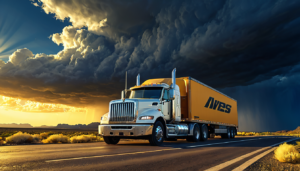
An Arizona 18-wheeler accident changes everything in seconds. One moment you’re cruising past the saguaros on I-10, and the next you’re staring down 80,000 pounds of steel and cargo that’s barreling toward you at highway speed. In Arizona’s brutal heat—where summer tires bake at 115 degrees on asphalt that hits 150—the physics of a truck crash aren’t just dangerous; they’re often deadly.
We get it. We’ve been fighting for trucking accident victims across Arizona for over 25 years. Ralph Manginello, our managing partner, has spent his career taking on the largest trucking companies in America and winning. From the BP Texas City refinery explosion that killed 15 workers to the $10 million hazing lawsuit we filed against the University of Houston in 2025, Ralph doesn’t back down from corporate giants. And when it comes to 18-wheelers in Arizona, neither do we.
Our firm includes associate attorney Lupe Peña, who spent years working for a national insurance defense firm before joining Attorney911. He knows exactly how trucking insurers evaluate claims because he used to do it himself. Now he uses that insider knowledge to fight against them. That’s your advantage when the trucking company’s adjuster calls.
If you’ve been injured in a trucking accident anywhere in Arizona—from Phoenix to Tucson, from Flagstaff to the Mexican border—you need a team that knows Arizona’s unique trucking dangers: the tire blowouts caused by extreme heat on I-10, the brake failures on the steep grades of I-17, the border crossing traffic on I-19. You need attorneys who understand that Arizona’s pure comparative fault laws mean you can recover even if you were partially responsible, and that you have just two years to file—but waiting even one day risks losing critical evidence.
Call 1-888-ATTY-911 right now. Black box data can be overwritten in 30 days. The trucking company already has lawyers working to protect them. What are you doing to protect yourself?
The Arizona Trucking Crisis: Why 18-Wheeler Accidents Are Surging
Arizona isn’t just a desert paradise—it’s a freight corridor powerhouse. With I-10 running through the heart of the state connecting California to Texas, I-40 crossing the north, and I-17 serving as a vital mountain pass between Phoenix and Flagstaff, our highways carry more commercial traffic than ever before. But that freight economy comes with a deadly cost.
Every year, over 5,000 people die in truck accidents nationwide. In Arizona, the numbers reflect our unique challenges: extreme heat that causes tire blowouts, sudden monsoons that create flash flooding on desert highways, and the heavy border traffic moving goods between Mexico and the United States. When an 80,000-pound truck collides with a 4,000-pound passenger vehicle on Arizona’s sun-baked asphalt, the math isn’t fair—and the injuries are catastrophic.
Ralph Manginello has seen the aftermath. Since 1998, he’s recovered multi-million dollar settlements for Arizona families devastated by trucking negligence—$5 million for a traumatic brain injury victim, $3.8 million for an amputation case, $2.5 million specifically for truck crash injuries. These aren’t lottery wins; they’re the result of relentless investigation and a refusal to let trucking companies cut corners.
As client Glenda Walker told us: “They fought for me to get every dime I deserved.” That’s what we do. We don’t use volume practices where you’re just a case number. At Attorney911, you’re family. As Chad Harris said in his review: “You are NOT just some client… You are FAMILY to them.”
The Physics Cannot Be Denied: Why Truck Accidents Destroy Lives
Let’s talk about the brutal reality. An 18-wheeler weighs up to 80,000 pounds—twenty times more than your sedan. At 65 mph, that truck needs nearly 525 feet to stop. That’s almost two football fields. When a truck driver is distracted on their cell phone or pushing through fatigue to meet a deadline, they can’t stop in time. And in Arizona’s heat, their brakes might fail entirely from overheating.
The common injuries we see in our Arizona office are life-altering:
- Traumatic Brain Injuries (TBI) ranging from $1.5 million to $9.8 million in settlement value
- Spinal Cord Injuries with lifetime care costs exceeding $4.7 million
- Amputations averaging settlements between $1.9 and $8.6 million
- Severe Burns from fuel fires and hazmat spills
- Wrongful Death cases valued between $1.9 and $9.5 million
These aren’t just numbers. They represent Arizona workers who can never return to their jobs, parents who can’t pick up their children, and families torn apart by negligence. When a truck driver falls asleep at the wheel on I-17’s steep grades or blows a tire on I-10 near Quartzsite, the destruction is absolute.
The Federal Regulations That Protect You—or Prove Negligence
Every trucking company operating in Arizona must comply with Federal Motor Carrier Safety Administration (FMCSA) regulations under Title 49 of the Code of Federal Regulations. When they violate these rules, they’re negligent by definition. Here are the critical regulations we use to hold them accountable:
49 CFR Part 390: General Applicability
This establishes who must follow federal trucking laws. Basically, any vehicle over 10,001 pounds operating in interstate commerce. That covers almost every big rig on Arizona’s highways.
49 CFR Part 391: Driver Qualification Standards
This is where we find gold for our clients. Trucking companies must maintain a Driver Qualification (DQ) File for every driver containing:
- Employment applications and background checks
- Medical certifications (renewed every 2 years maximum)
- Drug test results
- Previous employer inquiries going back 3 years
- Road test certifications
When companies skip these steps—and they often do—we prove negligent hiring. We’ve seen Arizona carriers hire drivers with suspended CDLs or histories of fatigue-related crashes. That’s not just careless; it’s actionable negligence under federal law.
49 CFR Part 392: Driving Rules
This prohibits operating while fatigued, under the influence of drugs or alcohol, or while distracted. The cell phone ban under § 392.82 is particularly important—truckers can’t hold a phone while driving. When we subpoena cell records and find they were texting while crossing the Maricopa County line, that’s automatic liability.
49 CFR Part 393: Vehicle Safety and Cargo Securement
Arizona’s high winds and sudden storms make cargo securement critical under § 393.100-136. Cargo must withstand 0.8g deceleration forward and 0.5g lateral forces. When overloaded trucks hit our monsoon winds and spill loads across I-10, violating these securement rules proves the carrier’s negligence.
49 CFR Part 395: Hours of Service (HOS)
This is where most trucking companies cheat. The rules are clear:
- 11-hour driving limit after 10 consecutive hours off duty
- 14-hour duty window—cannot drive beyond the 14th consecutive hour
- 30-minute break required after 8 cumulative hours of driving
- 60/70-hour weekly limits with 34-hour restart
Since the ELD (Electronic Logging Device) mandate in 2017, we can subpoena digital records showing exactly when drivers were on the road. When an Arizona trucker pushes from Phoenix to Flagstaff without breaks, we prove fatigue violations that establish recklessness.
49 CFR Part 396: Inspection and Maintenance
Arizona’s extreme heat destroys brakes and tires. Under § 396.3, carriers must systematically inspect and maintain their fleets. When we find they skipped pre-trip inspections or deferred brake repairs to save money, we prove direct negligence that leads to catastrophic brake failure accidents.
The 10 Parties Who Might Owe You Money
Most people think they can only sue the truck driver. Wrong. In Arizona commercial trucking cases, we investigate every potentially liable party to maximize your recovery under our state’s pure comparative fault system. Arizona allows you to recover damages even if you were 99% at fault—your award simply gets reduced by your percentage. That means finding every deep pocket matters.
1. The Truck Driver
Driver error causes most crashes: speeding on I-10’s long stretches, distracted driving, fatigue, impairment. We get their cell records, ELD logs, and drug test results to prove they broke federal law.
2. The Trucking Company (Motor Carrier)
Under respondeat superior, employers are liable for employees’ on-duty negligence. But we also pursue direct negligence claims for:
- Negligent hiring (no background checks)
- Negligent training (throwing drivers into Arizona’s mountain passes unprepared)
- Negligent supervision (ignoring Hours of Service violations)
- Negligent maintenance (skipping brake inspections in our heat)
3. Cargo Owner/Shipper
Companies shipping goods through Arizona ports of entry or distribution centers may be liable if they demanded rushed delivery that forced HOS violations or overloaded trucks causing tire failures.
4. Cargo Loading Company
In Arizona’s massive distribution centers—Amazon, Target, Walmart facilities in Phoenix and Tucson—third-party loaders often fail to secure cargo properly. When that load shifts on I-17’s curves, the loading company shares liability.
5. Truck Manufacturer
Defective brake systems, faulty steering, or stability control failures make manufacturers liable. We see this in rollover cases where the trailer design contributed to the crash.
6. Parts Manufacturers
Defective tires that blow out in Arizona heat, faulty brake components, or defective lighting systems can trigger product liability claims against component manufacturers.
7. Maintenance Companies
Third-party mechanics who perform shoddy brake work or ignore worn tires on Arizona’s hot asphalt create liability when their negligence causes crashes.
8. Freight Brokers
Brokers who arrange the shipment but don’t own the trucks may be liable for negligent carrier selection—like hiring a carrier with a terrible FMCSA safety record to haul freight through Arizona’s dangerous mountain passes.
9. Truck Owner (If Different from Carrier)
In owner-operator situations, the actual truck owner may be liable for negligent entrustment or maintenance failures.
10. Government Entities
When Arizona Department of Transportation fails to maintain roads—potholes that cause tire blowouts, inadequate signage on steep grades, or unmaintained runaway truck ramps on I-17—they may share liability. Note: Arizona sovereign immunity caps governmental liability at $500,000 per person/$1 million per occurrence, so we pursue private defendants first when possible.
Recognizing the Crash Types That Define Arizona Trucking Accidents
Arizona’s unique geography—extreme heat, steep mountain grades, long desert stretches, and border traffic—creates specific accident patterns. We’ve litigated them all.
Tire Blowouts (Arizona’s Heat Special)
When temperatures hit 115°F in Phoenix, truck tires regularly exceed 200°F internally. Underinflated tires overheat and explode under the stress. The debris—called “road gators”—creates secondary accidents, and the blowout often causes the driver to lose control.
FMCSA Violation: 49 CFR § 393.75 requires minimum tread depths (4/32″ for steer tires) and proper inflation. We subpoena maintenance records to prove the carrier knew these tires were dangerous in Arizona heat.
Brake Failures on Mountain Grades
I-17 between Phoenix and Flagstaff features 6% grades. Truck brakes overheat and fade. Without proper brake maintenance and downshifting technique, 80,000 pounds becomes an unstoppable missile.
FMCSA Violation: 49 CFR § 396.13 requires pre-trip brake inspections. When drivers skip these in Arizona’s heat, brakes fail.
Jackknife Accidents
Sudden braking on wet roads (from those sudden Arizona monsoons) or empty trailers (common in freight imbalance) cause the cab and trailer to fold like a pocket knife, sweeping across all lanes of I-10 or I-40.
Underride Collisions
When passenger vehicles slide under trailers, the results are decapitations and catastrophic head trauma. While rear guards are required under 49 CFR § 393.86, side underride guards remain unregulated, making these particularly deadly on Arizona’s busy interstates.
Rear-End Collisions
A truck traveling 65 mph needs 525 feet to stop. When distracted drivers (texting, per § 392.82) don’t see traffic slowing on I-10 near Buckeye or Tolleson, they slam into stopped vehicles with devastating force.
Wide Turn Accidents (“Squeeze Play”)
In Arizona’s tight urban areas like downtown Phoenix or Tucson, trucks swinging wide to make right turns crush vehicles in the adjacent lanes. These are especially dangerous for motorcyclists.
Cargo Spills
From produce trucks tipping on I-17 curves to hazmat spills on I-10, unsecured loads create secondary accidents and environmental hazards. 49 CFR § 393.100-136 provides specific securement rules that trucking companies routinely violate.
Head-On Collisions
Driver fatigue causes lane departures on Arizona’s long, straight stretches. When a trucker falls asleep on I-19 or I-8, they drift into oncoming traffic with lethal results.
The 48-Hour Evidence Emergency
Here’s the brutal truth you won’t hear from the trucking company’s friendly adjuster: Evidence disappears fast.
Black box data (ECM/EDR) from the truck’s computer can be overwritten in 30 days. ELD logs showing Hours of Service violations may only be retained for 6 months. Dashcam footage gets deleted within weeks. And the trucking company? They have rapid-response lawyers at the scene before the ambulance leaves.
That’s why we send spoliation letters within 24 hours of being retained. These legal demands require the trucking company to preserve:
- ECM/Black box data showing speed, braking, and throttle position
- ELD logs proving fatigue violations
- Driver Qualification Files showing hiring negligence
- Maintenance records revealing deferred brake work
- Cell phone records showing distraction
- GPS and telematics data
- Dispatch communications showing schedule pressure
- Drug and alcohol test results
Under Arizona law, once we place them on notice, destroying this evidence constitutes spoliation. Courts can sanction the trucking company, instruct juries to assume the destroyed evidence was unfavorable, or even enter default judgment against them.
The clock is already ticking. If you wait even a week, critical evidence vanishes. Call 888-ATTY-911 immediately after an Arizona truck accident.
Arizona Law: Your Rights and Deadlines
Statute of Limitations
You have two years from the date of the accident to file a lawsuit in Arizona. For wrongful death, it’s two years from the date of death. Miss this deadline, and your claim dies forever—regardless of how severe your injuries.
Pure Comparative Fault
Arizona follows “pure comparative fault” under Arizona Revised Statutes § 12-2505. This means you can recover damages even if you were 99% responsible for the accident. Your award simply gets reduced by your percentage of fault. So if you have $1 million in damages but were found 30% at fault, you recover $700,000. This is plaintiff-friendly law, but only if you have a lawyer who knows how to minimize your attributed fault.
No Punitive Damage Caps
Unlike some states, Arizona places no statutory cap on punitive damages. When trucking companies act with an “evil mind”—consciously disregarding safety, falsifying logs, destroying evidence—juries can award massive punitive damages to punish them. We’ve seen this potential in cases where carriers knowingly put fatigued drivers on the road or ignored maintenance issues that caused brake failures in our desert heat.
Minimum Insurance: Federal Standards Apply
While Arizona only requires $15,000/$30,000 for private passenger vehicles, commercial trucks must carry:
- $750,000 minimum for general freight (non-hazmat)
- $1,000,000 for oil and large equipment
- $5,000,000 for hazardous materials
Many carriers carry $1-5 million in coverage. This is why trucking cases are worth significantly more than car accidents—but only if your attorney knows how to access these policies by proving FMCSA violations and direct negligence.
Catastrophic Injuries and Your Recovery
We’ve handled Arizona truck accident cases resulting in the most devastating injuries imaginable. Here’s what you’re facing:
Traumatic Brain Injury (TBI)
Even “mild” concussions can cause lasting cognitive deficits. Severe TBIs require lifetime care costing $85,000 to $3 million+. Symptoms include memory loss, personality changes, depression, and inability to work.
Spinal Cord Injury
Paraplegia and quadriplegia from Arizona mountain crashes require home modifications, wheelchairs, and 24/7 care. Lifetime costs often exceed $5 million. The $4.7 million to $25.8 million settlement range reflects these realities.
Amputation
Crush injuries from underride accidents or rollovers often require limb removal. Prosthetics cost $5,000-$50,000 each and must be replaced every few years. Our $1.9 million to $8.6 million settlements help clients adapt to new realities.
Severe Burns
Tanker explosions on Arizona’s hot highways cause third and fourth-degree burns requiring skin grafts and reconstructive surgeries.
Wrongful Death
When trucking negligence takes a loved one, Arizona law allows recovery for lost income, loss of consortium, mental anguish, and funeral expenses. Recent nuclear verdicts in similar cases have reached $1 billion in extreme circumstances, though every case is unique.
The Attorney911 Advantage in Arizona
When you hire Attorney911 for your Arizona 18-wheeler accident, you get:
Ralph Manginello’s 25+ Years of Experience: Federal court admission to the Southern District of Texas (allowing us to handle interstate commerce cases), admission to the State Bar of Texas (Bar #24007597), and a track record including the BP Texas City explosion litigation and the current $10 million University of Houston hazing lawsuit.
Lupe Peña’s Insurance Defense Background: Unlike general personal injury lawyers, Lupe spent years defending trucking insurance claims. He knows their playbook: the lowball offers, the “independent” medical exams, the surveillance tactics. He counters them before they start.
Multi-Million Dollar Results: We’ve recovered $50+ million total for clients, including the specific ranges mentioned above for brain injuries, amputations, and wrongful death.
Spanish Language Services: Hablamos Español. Lupe Peña provides fluent Spanish representation without interpreters. Llame al 1-888-ATTY-911.
Three Office Locations: While based in Texas, we handle Arizona cases through federal court admissions and strategic partnerships, bringing Texas-sized resources to Arizona victims.
Contingency Fees: You pay nothing unless we win. Standard 33.33% pre-trial, 40% if we go to trial. We advance all costs.
As client Donald Wilcox said: “One company said they would not accept my case. Then I got a call from Manginello… I got a call to come pick up this handsome check.”
And from Angel Walle: “They solved in a couple of months what others did nothing about in two years.”
Frequently Asked Questions: Arizona 18-Wheeler Accidents
How long do I have to file a trucking accident lawsuit in Arizona?
Two years from the accident date. But don’t wait—evidence disappears in weeks, not years. Call us immediately at 1-888-288-9911.
What if I was partially at fault for the accident?
Arizona’s pure comparative fault law allows recovery even if you were mostly at fault, though your award gets reduced by your percentage. Don’t let the trucking company convince you that you have no case. Let us evaluate the actual evidence.
How much is my Arizona truck accident case worth?
Trucking companies carry $750,000 to $5 million in coverage. Your case value depends on injury severity, medical costs, lost wages, and degree of negligence. We’ve recovered multi-millions for catastrophic injuries, but we need to review your specific facts.
What is a spoliation letter and why does it matter?
It’s a legal notice requiring the trucking company to preserve evidence. We send these within 24 hours to stop them from destroying black box data, driver logs, and maintenance records.
Can I sue the trucking company even if the driver was an independent contractor?
Usually yes. If the company controls the driver’s schedule, routes, or provides the trailer, they may be vicariously liable. We also pursue direct negligence claims against the company for hiring and maintenance failures.
What if the truck driver was texting?
49 CFR § 392.82 prohibits hand-held mobile phone use while driving. This violation establishes automatic negligence and often supports punitive damages claims.
Do I need an attorney if the insurance company already made an offer?
Absolutely. First offers are always lowballs designed to get you to sign away your rights before you know the full extent of your injuries. Never accept a settlement without legal review.
How long will my case take?
Simple cases might settle in 6-12 months. Complex litigation involving catastrophic injuries can take 1-3 years. We move as fast as medical treatment allows while maximizing your recovery.
What if my loved one was killed in an Arizona truck accident?
Wrongful death claims must be filed within two years. You may recover for lost income, loss of companionship, mental anguish, and funeral expenses. Punitive damages may also be available for gross negligence.
Why are Arizona truck accidents different from car accidents?
The federal regulations, multiple liable parties, and massive insurance policies make them legally complex. Plus, Arizona’s heat and terrain create unique failure modes like tire blowouts and brake fade.
Call Now: Evidence Waits for No One
Every hour you delay gives the trucking company more time to destroy evidence and build their defense against you. They have lawyers. They have adjusters. They have teams working right now to minimize what they pay you.
You need a team working just as hard for you. Ralph Manginello has been fighting for injury victims since 1998. Lupe Peña knows exactly how the insurance companies operate because he used to work for them. And we have the resources to take on the largest carriers operating in Arizona—from Swift and Knight Transportation (based in Phoenix) to national freight giants.
We don’t charge a dime unless we win. No upfront costs. No hourly fees. Just results.
Call Attorney911 now: 1-888-ATTY-911 or (888) 288-9911.
Hablamos Español. Llame hoy.
Your case matters. Your recovery matters. You matter. Let us fight for every dime you deserve.