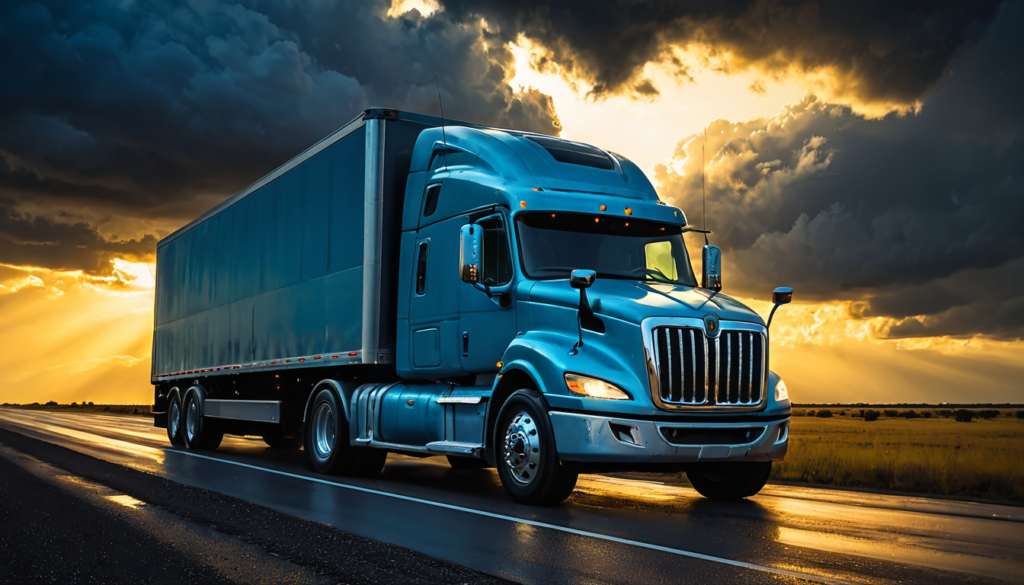
18-Wheeler Accidents in Hall County: Your Complete Legal Guide
If you or a loved one has been involved in an 18-wheeler accident in Hall County, you’re facing one of the most devastating experiences of your life. The sheer size and weight of commercial trucks—up to 80,000 pounds—means that collisions often result in catastrophic injuries, lifelong disabilities, or even death. At Attorney911, we’ve spent over 25 years fighting for truck accident victims across Texas, and we understand the unique challenges Hall County residents face when dealing with these complex cases.
Why Hall County Trucking Accidents Are Different
Hall County’s position along major freight corridors creates unique risks for drivers. The county is served by several critical highways that see heavy commercial traffic:
- US Highway 287 – A primary north-south route connecting Amarillo to Fort Worth, carrying significant freight traffic through Hall County
- State Highway 86 – An east-west corridor that intersects with US 287, serving local agricultural and energy sector transportation needs
- FM 488 and FM 285 – Rural farm-to-market roads that see heavy truck traffic during harvest seasons, particularly from grain elevators and agricultural processing facilities
These roadways present specific challenges:
- Narrow rural roads with limited shoulders that can’t accommodate large trucks
- Seasonal agricultural traffic that increases congestion during harvest periods
- Long stretches of straight highway that can lead to driver fatigue
- Weather conditions including high winds and occasional icy patches that affect high-profile trailers
- Limited emergency response in rural areas, delaying critical medical care
The Hall County Sheriff’s Office and Texas Department of Public Safety handle accident investigations, but their resources are often stretched thin across this large rural county. This makes it even more critical for accident victims to have experienced legal representation to ensure a thorough investigation.
The Hall County Difference: Local Knowledge Matters
When you’re dealing with a trucking accident in Hall County, you need more than just a Texas attorney—you need a legal team that understands our community. Here’s why local knowledge makes a difference:
1. We Know Hall County’s Roads and Trucking Patterns
From the grain elevators in Memphis to the distribution centers along US 287, we understand the specific trucking corridors in Hall County. We know where accidents are most likely to occur:
- The US 287 corridor through Estelline and Turkey, where long-haul trucks mix with local traffic
- The intersection of SH 86 and US 287, a known trouble spot for wide-turn accidents
- Rural roads like FM 488 that see heavy agricultural truck traffic during harvest seasons
- The stretch of US 287 near the Hall County line where truckers often push their hours of service limits
This local knowledge allows us to quickly identify potential causes of accidents and gather relevant evidence.
2. We Understand Hall County’s Legal Landscape
Hall County falls under the jurisdiction of the 46th Judicial District Court, which serves multiple counties. We’re familiar with:
- The local judges and their preferences
- The court’s scheduling practices
- Local jury pools and their attitudes toward trucking cases
- The specific procedures for filing claims in Hall County
We also understand the unique challenges of rural law enforcement investigations and how to work with the Hall County Sheriff’s Office and Texas DPS to obtain critical accident reports.
3. We Know the Local Medical Resources
When you’ve been injured in a trucking accident, you need immediate and ongoing medical care. Hall County offers:
- Hall County Memorial Hospital in Memphis, which provides emergency care and stabilization
- Turkey Medical Clinic for initial treatment in the western part of the county
- Specialized trauma centers in Amarillo and Lubbock, where many Hall County accident victims are transported
We work with local healthcare providers to ensure you receive the best possible care while building the strongest possible case for your injuries.
4. We Understand the Hall County Economy
Hall County’s economy is built on agriculture, energy, and small businesses. This means:
- Many local drivers share the road with large trucks daily
- Agricultural trucking has unique risks and regulations
- Local businesses often rely on trucking for supplies and distribution
- The community has a strong work ethic that juries respect
We understand how these economic factors can influence case strategy and jury perceptions.
Why Trucking Accidents Are Different from Car Accidents
Many people don’t realize that 18-wheeler accidents are fundamentally different from regular car accidents. Here’s why:
1. The Physics of Destruction
An 18-wheeler can weigh up to 40 times more than a passenger vehicle. At highway speeds, this creates forces that passenger cars simply aren’t designed to withstand:
- A fully loaded truck at 65 mph carries approximately 80 times the kinetic energy of a car
- Trucks require up to 525 feet to stop—nearly two football fields
- The height difference means cars can slide underneath trailers in underride accidents
- Cargo can shift or spill, creating additional hazards
2. Complex Liability Issues
Unlike car accidents where typically only one driver is at fault, trucking accidents often involve multiple liable parties:
- The truck driver
- The trucking company (motor carrier)
- The cargo owner or shipper
- The company that loaded the cargo
- The truck or trailer manufacturer
- The manufacturer of specific parts (brakes, tires, etc.)
- Maintenance companies
- Freight brokers
- Government entities (for road design issues)
We investigate every possible angle to identify all responsible parties and maximize your compensation.
3. Federal Regulations That Create Legal Obligations
Commercial trucks are subject to extensive federal regulations under the Federal Motor Carrier Safety Administration (FMCSA). These regulations create legal duties that trucking companies and drivers must follow. When they violate these rules, it provides powerful evidence of negligence.
4. Higher Insurance Limits
Trucking companies are required to carry much higher insurance limits than passenger vehicles:
- $750,000 minimum for non-hazardous freight
- $1,000,000 for oil and large equipment
- $5,000,000 for hazardous materials
This means there’s typically more compensation available for catastrophic injuries.
5. Rapid-Response Defense Teams
Trucking companies have rapid-response teams that arrive at accident scenes quickly to:
- Control the narrative
- Protect their interests
- Begin building their defense
- Potentially destroy or alter evidence
You need your own team working just as fast to protect your rights.
Common Causes of 18-Wheeler Accidents in Hall County
Understanding the common causes of trucking accidents helps us build stronger cases for our clients. In Hall County, we frequently see:
1. Driver Fatigue (Hours of Service Violations)
Truck drivers are subject to strict hours of service regulations that limit how long they can drive without rest. Despite these rules, fatigue remains a leading cause of trucking accidents.
FMCSA Hours of Service Rules:
- 11-Hour Driving Limit: Drivers may drive a maximum of 11 hours after 10 consecutive hours off duty
- 14-Hour Duty Window: Drivers cannot drive beyond the 14th consecutive hour after coming on duty
- 30-Minute Break: Drivers must take a 30-minute break after 8 cumulative hours of driving
- 60/70-Hour Weekly Limit: Drivers cannot drive after 60 hours in 7 days or 70 hours in 8 days
- 34-Hour Restart: Drivers can reset their weekly clock with 34 consecutive hours off duty
Hall County-Specific Factors:
- Long stretches of US 287 where drivers may push their limits
- Limited truck stops in rural areas, making it harder to find safe parking
- Agricultural trucking that often involves early morning starts
- Pressure from carriers to meet delivery deadlines
How We Prove Fatigue:
- Electronic Logging Device (ELD) data
- GPS tracking records
- Fuel and toll receipts
- Cell phone records
- Dispatch communications
- Witness statements
- Driver’s work history
2. Distracted Driving
Truck drivers face numerous distractions that can take their attention off the road:
- Cell phone use (texting, talking, GPS)
- Dispatch communications
- In-cab electronics (navigation systems, entertainment)
- Eating and drinking while driving
- External distractions (billboards, scenery)
FMCSA Regulations on Distraction:
- 49 CFR § 392.82: Prohibits hand-held mobile phone use while driving
- 49 CFR § 392.80: Prohibits texting while driving
Hall County-Specific Factors:
- Long, straight stretches of highway that can lead to complacency
- Limited visual stimulation on rural roads
- Cell service gaps that may cause drivers to check devices more frequently
3. Improper Cargo Securement
When cargo isn’t properly secured, it can shift during transit, causing:
- Loss of vehicle control
- Rollover accidents
- Cargo spills that create road hazards
- Debris that strikes other vehicles
FMCSA Cargo Securement Rules (49 CFR § 393.100-136):
- Cargo must be contained, immobilized, or secured to prevent movement
- Securement systems must withstand specific forces:
- 0.8 g deceleration (forward)
- 0.5 g acceleration (rearward)
- 0.5 g (lateral/side-to-side)
- Minimum number of tiedowns based on cargo length and weight
Hall County-Specific Factors:
- Agricultural products that may have unique securement requirements
- Livestock transportation with special considerations
- Windy conditions that can affect high-profile loads
- Limited weigh stations in the area, allowing overweight trucks to operate
4. Brake Failures
Brake problems are a factor in approximately 29% of large truck crashes. Common issues include:
- Worn brake pads or shoes
- Improper brake adjustment
- Air brake system leaks
- Contaminated brake fluid
- Overheated brakes (brake fade)
FMCSA Brake Requirements (49 CFR § 393.40-55):
- All CMVs must have properly functioning brake systems
- Service brakes on all wheels
- Parking/emergency brake system
- Air brake systems must meet specific requirements
- Brake adjustment must be maintained within specifications
Hall County-Specific Factors:
- Long descents that can cause brake fade
- Dusty conditions that can contaminate brake systems
- Limited maintenance facilities in rural areas
- Older trucks that may not have modern braking systems
5. Tire Blowouts
Tire failures are particularly dangerous for large trucks because:
- They can cause sudden loss of control
- Debris can strike following vehicles
- They often occur at highway speeds
- They can lead to rollover accidents
FMCSA Tire Requirements (49 CFR § 393.75):
- Minimum tread depth: 4/32″ on steer tires, 2/32″ on other positions
- No visible cords or fabric
- No bulges or cuts in the sidewall
- Proper inflation
Hall County-Specific Factors:
- Extreme temperature variations that can affect tire pressure
- Road debris from agricultural operations
- Limited tire inspection facilities in rural areas
- Older tires that may be more prone to failure
6. Wide Turn Accidents (“Squeeze Play”)
Large trucks require significant space to make turns, especially right turns. When they swing wide, it creates a dangerous situation where other vehicles can become trapped.
Hall County-Specific Factors:
- Narrow intersections in small towns
- Limited visibility at rural intersections
- Drivers unfamiliar with truck turning patterns
- Lack of designated truck routes in some areas
7. Blind Spot Accidents (“No-Zone”)
Trucks have large blind spots where the driver cannot see other vehicles:
- Front No-Zone: 20 feet directly in front of the cab
- Rear No-Zone: 30 feet behind the trailer
- Left Side No-Zone: Extends from the cab door backward
- Right Side No-Zone: Extends from the cab door backward and is much larger than the left side
Hall County-Specific Factors:
- Rural roads with less traffic where drivers may be less cautious
- Limited mirror adjustment facilities
- Drivers unfamiliar with truck blind spots
8. Underride Accidents
Underride accidents occur when a smaller vehicle slides underneath the trailer of a truck. These are among the most deadly types of truck accidents.
Types of Underride Accidents:
- Rear Underride: Vehicle strikes the back of a trailer
- Side Underride: Vehicle strikes the side of a trailer
FMCSA Underride Protection Requirements:
- 49 CFR § 393.86: Rear impact guards required on trailers manufactured after 1/26/1998
- Guards must prevent underride at 30 mph impact
- No federal requirement for side underride guards (though advocacy is ongoing)
Hall County-Specific Factors:
- Low-light conditions on rural roads
- Limited street lighting in some areas
- Older trailers that may not have proper guards
- Limited enforcement of lighting requirements
9. Rollover Accidents
Rollover accidents occur when a truck tips onto its side or roof. These are particularly dangerous because:
- They often involve multiple vehicles
- They can cause cargo spills
- They can block multiple lanes of traffic
Common Causes of Rollovers:
- Speeding on curves
- Taking turns too sharply
- Improperly secured or unevenly distributed cargo
- Liquid cargo “slosh” that shifts center of gravity
- Overcorrection after tire blowout or lane departure
- Driver fatigue
Hall County-Specific Factors:
- Sharp curves on rural roads
- Windy conditions that can affect high-profile loads
- Agricultural products that may have unique stability issues
- Limited rollover prevention technology on older trucks
10. Jackknife Accidents
A jackknife occurs when the trailer and cab skid in opposite directions, forming an angle similar to a folding pocket knife.
Common Causes of Jackknifes:
- Sudden or improper braking
- Wet or icy road conditions
- Speeding, particularly on curves
- Empty or lightly loaded trailers
- Improperly loaded or unbalanced cargo
- Brake system failures
Hall County-Specific Factors:
- Sudden weather changes that create slick road conditions
- Limited road maintenance in some rural areas
- Agricultural loads that may be improperly secured
- Inexperienced drivers unfamiliar with rural road conditions
The Catastrophic Injuries We See in Hall County Trucking Accidents
The sheer size and weight of 18-wheelers mean that accidents often result in catastrophic injuries. At Attorney911, we’ve represented Hall County residents who have suffered:
1. Traumatic Brain Injury (TBI)
TBI occurs when a sudden trauma causes damage to the brain. In trucking accidents, this often happens when:
- The head strikes the steering wheel, dashboard, or window
- The brain impacts the inside of the skull due to sudden deceleration
- Objects penetrate the skull
Severity Levels:
- Mild (Concussion): Confusion, headache, brief loss of consciousness
- Moderate: Extended unconsciousness, memory problems, cognitive deficits
- Severe: Extended coma, permanent cognitive impairment
Hall County-Specific Concerns:
- Limited access to specialized TBI treatment in rural areas
- Delays in diagnosis due to transportation to larger medical centers
- Long-term care needs that may require relocation from rural communities
2. Spinal Cord Injury and Paralysis
Spinal cord injuries occur when the spinal cord is damaged, often resulting in paralysis.
Types of Paralysis:
- Paraplegia: Loss of function below the waist
- Quadriplegia (Tetraplegia): Loss of function in all four limbs
- Incomplete Injury: Some nerve function remains
- Complete Injury: No nerve function below the injury level
Hall County-Specific Concerns:
- Limited rehabilitation facilities in the area
- Challenges with home modifications in rural properties
- Transportation difficulties for ongoing medical care
- Economic impact on families in an agricultural economy
3. Amputation
Amputations can occur at the scene due to the forces involved in a trucking accident or may be required later due to severe tissue damage.
Types of Amputation:
- Traumatic Amputation: Limb severed at the scene
- Surgical Amputation: Limb so severely damaged it must be surgically removed
Hall County-Specific Concerns:
- Limited access to prosthetic services in rural areas
- Challenges with home and vehicle modifications
- Impact on ability to perform agricultural work
- Psychological trauma in close-knit rural communities
4. Severe Burns
Burns can occur in trucking accidents due to:
- Fuel tank ruptures and fires
- Hazmat cargo spills and ignition
- Electrical fires from battery/wiring damage
- Friction burns from road contact
- Chemical burns from hazmat exposure
Burn Classification:
- First Degree: Epidermis only (minor, heals without scarring)
- Second Degree: Epidermis and dermis (may scar, may need grafting)
- Third Degree: Full thickness (requires skin grafts, permanent scarring)
- Fourth Degree: Through skin to muscle/bone (multiple surgeries, may require amputation)
Hall County-Specific Concerns:
- Limited burn treatment facilities in the region
- Transportation challenges for specialized care
- Long-term rehabilitation needs
- Psychological impact on individuals and families
5. Internal Organ Damage
The forces involved in trucking accidents can cause severe internal injuries that may not be immediately apparent.
Common Internal Injuries:
- Liver laceration or rupture
- Spleen damage requiring removal
- Kidney damage
- Lung contusion or collapse (pneumothorax)
- Internal bleeding (hemorrhage)
- Bowel and intestinal damage
Hall County-Specific Concerns:
- Limited diagnostic facilities in rural hospitals
- Delays in treatment due to transportation to larger medical centers
- Long-term health consequences that may not be immediately apparent
6. Multiple Fractures and Orthopedic Injuries
Trucking accidents often result in multiple fractures and complex orthopedic injuries.
Common Fractures:
- Skull fractures
- Spinal fractures
- Pelvic fractures
- Rib fractures
- Limb fractures (arms, legs)
- Facial fractures
Hall County-Specific Concerns:
- Limited orthopedic specialists in the area
- Transportation challenges for follow-up care
- Impact on ability to perform physical work
- Long-term disability and chronic pain
7. Wrongful Death
Tragically, many trucking accidents in Hall County result in fatalities. When this happens, surviving family members may have a wrongful death claim.
Who Can Bring a Wrongful Death Claim in Texas:
- Surviving spouse
- Children (minor and adult)
- Parents (if no spouse or children)
- Estate representative
Damages Available in Wrongful Death Cases:
- Lost future income and benefits
- Loss of consortium (companionship, care, guidance)
- Mental anguish and emotional suffering
- Funeral and burial expenses
- Medical expenses incurred prior to death
- Pain and suffering experienced by the decedent before death
- Punitive damages (in cases of gross negligence)
The Hall County Trucking Accident Investigation Process
At Attorney911, we follow a rigorous investigation process to build the strongest possible case for our Hall County clients. Here’s what we do:
1. Immediate Evidence Preservation
We act fast to preserve critical evidence before it disappears:
-
Spoliation Letters: We send formal legal notices to the trucking company, their insurer, and all potentially liable parties demanding preservation of all evidence related to the accident. This creates serious legal consequences if evidence is destroyed.
-
Black Box/ECM Data: Commercial trucks have electronic systems that record operational data. This can show speed, braking, throttle position, and more. We demand immediate download of this data before it’s overwritten.
-
ELD Records: Electronic Logging Devices record driver hours of service. This data proves whether the driver was fatigued and in violation of federal regulations.
-
Dashcam Footage: Many trucks have dashcams that record video of the road ahead and sometimes the cab interior. We demand preservation of this footage.
-
Cell Phone Records: We subpoena cell phone records to prove distracted driving.
-
Physical Evidence: We ensure the truck and trailer are preserved for inspection before any repairs are made.
2. Scene Investigation
We conduct a thorough investigation of the accident scene:
-
Accident Reconstruction: We work with expert engineers to reconstruct the accident and determine exactly what happened.
-
Photographic Documentation: We photograph the scene from multiple angles, documenting:
- Vehicle positions
- Skid marks
- Road conditions
- Traffic signs and signals
- Weather conditions
- Any visible injuries
-
Witness Interviews: We identify and interview witnesses while their memories are fresh.
-
Drone Photography: When appropriate, we use drones to capture aerial views of the accident scene.
-
3D Scanning: We use advanced technology to create precise 3D models of the accident scene.
3. Vehicle Inspection
We conduct a detailed inspection of all vehicles involved:
-
Truck and Trailer Inspection: We examine the truck and trailer for:
- Brake system condition
- Tire condition and tread depth
- Lighting and reflectors
- Underride guards
- Cargo securement
- Any mechanical defects
-
Passenger Vehicle Inspection: We examine the vehicles involved in the accident to:
- Document the extent of damage
- Correlate damage with injuries
- Identify any vehicle defects that may have contributed to the accident
4. Driver Investigation
We conduct a thorough investigation of the truck driver:
-
Driver Qualification File: We obtain the driver’s complete qualification file to check for:
- Proper licensing
- Medical certification
- Background check
- Previous employer verification
- Training records
- Drug and alcohol test history
-
Driving Record: We obtain the driver’s complete motor vehicle record to identify:
- Previous accidents
- Traffic violations
- License suspensions
- Pattern of unsafe driving
-
Hours of Service Compliance: We analyze the driver’s hours of service records to identify:
- Hours of service violations
- False log entries
- Pattern of fatigue-related violations
-
Drug and Alcohol Testing: We obtain all drug and alcohol test results to check for:
- Positive tests
- Refusals to test
- Timeliness of testing
-
Cell Phone Records: We obtain the driver’s cell phone records to check for:
- Texting while driving
- Phone calls while driving
- GPS usage
- Pattern of distraction
5. Trucking Company Investigation
We conduct a thorough investigation of the trucking company:
-
Safety Record: We obtain the company’s complete safety record, including:
- CSA (Compliance, Safety, Accountability) scores
- Inspection history
- Out-of-service rates
- Crash history
- Safety rating
-
Maintenance Records: We obtain the company’s complete maintenance records to check for:
- Systematic maintenance program
- Compliance with maintenance schedules
- Proper repairs
- Deferred maintenance
-
Training Programs: We review the company’s training programs to check for:
- Adequate driver training
- Safety training
- Hours of service training
- Cargo securement training
-
Supervision Practices: We review the company’s supervision practices to check for:
- Driver monitoring
- Hours of service compliance
- Safety violations
- Disciplinary actions
-
Hiring Practices: We review the company’s hiring practices to check for:
- Background checks
- Driving record checks
- Drug and alcohol testing
- Medical certification
- Proper licensing
6. Cargo Investigation
We investigate the cargo involved in the accident:
-
Cargo Securement: We examine how the cargo was secured to check for:
- Proper tiedowns
- Adequate number of tiedowns
- Proper load distribution
- Compliance with cargo securement regulations
-
Cargo Documentation: We obtain all cargo documentation, including:
- Bill of lading
- Shipping manifest
- Weight tickets
- Loading instructions
-
Loading Company: We investigate the company that loaded the cargo to check for:
- Proper loading procedures
- Training of loaders
- Compliance with loading regulations
7. Manufacturer Investigation
If a vehicle or component failure contributed to the accident, we investigate the manufacturer:
-
Defect Analysis: We work with experts to analyze any failed components for:
- Design defects
- Manufacturing defects
- Failure to warn of known dangers
-
Recall History: We check for any recalls or technical service bulletins related to:
- The truck or trailer
- Specific components (brakes, tires, etc.)
- Similar failure patterns
-
Complaint History: We research similar complaints or failures in:
- NHTSA databases
- Industry publications
- Legal records
8. Government Investigation
If road design or maintenance contributed to the accident, we investigate government entities:
-
Road Design: We review the design of the roadway to check for:
- Inadequate signage
- Poor visibility
- Dangerous curves or grades
- Inadequate shoulders
-
Road Maintenance: We review the maintenance history of the roadway to check for:
- Potholes
- Debris
- Worn markings
- Inadequate lighting
-
Prior Accidents: We research prior accidents at the same location to check for:
- Pattern of accidents
- Known dangerous conditions
- Prior complaints
Proving Negligence in Hall County Trucking Cases
To win your trucking accident case, we must prove that the trucking company or driver was negligent. This requires establishing four key elements:
1. Duty of Care
We must prove that the trucking company or driver owed you a duty of care. This is generally straightforward in trucking cases because:
- Truck drivers have a duty to operate their vehicles safely
- Trucking companies have a duty to ensure their drivers are properly trained and qualified
- Trucking companies have a duty to maintain their vehicles in safe condition
- Trucking companies have a duty to comply with federal regulations
2. Breach of Duty
We must prove that the trucking company or driver breached their duty of care. This is where our investigation comes into play. We look for evidence of:
-
FMCSA Violations: Violations of federal regulations provide powerful evidence of negligence. Common violations we find include:
- Hours of service violations (fatigue)
- False log entries
- Failure to maintain proper brakes
- Improper cargo securement
- Unqualified drivers
- Drug and alcohol violations
- Failure to inspect vehicles
-
Negligent Hiring: If the trucking company hired an unqualified or dangerous driver, we can prove negligence by showing:
- Inadequate background check
- Hiring a driver with a poor safety record
- Hiring a driver without proper licensing
- Hiring a driver without medical certification
-
Negligent Training: If the trucking company failed to properly train its drivers, we can prove negligence by showing:
- Inadequate safety training
- Inadequate hours of service training
- Inadequate cargo securement training
- Inadequate defensive driving training
-
Negligent Supervision: If the trucking company failed to properly supervise its drivers, we can prove negligence by showing:
- Failure to monitor driver performance
- Failure to enforce hours of service compliance
- Failure to address safety violations
- Failure to take disciplinary action for violations
-
Negligent Maintenance: If the trucking company failed to properly maintain its vehicles, we can prove negligence by showing:
- Failure to follow maintenance schedules
- Deferred maintenance
- Improper repairs
- Failure to address known defects
-
Negligent Loading: If the cargo was improperly loaded or secured, we can prove negligence by showing:
- Inadequate tiedowns
- Improper load distribution
- Overloading
- Failure to follow loading instructions
3. Causation
We must prove that the breach of duty caused your injuries. This requires showing:
- The breach of duty directly led to the accident
- The accident would not have occurred but for the breach of duty
- The injuries you suffered were a foreseeable result of the breach of duty
This is where expert testimony becomes critical. We work with:
- Accident reconstruction experts
- Medical experts
- Human factors experts
- Trucking industry experts
4. Damages
We must prove that you suffered actual damages as a result of the accident. This includes:
- Economic Damages: Medical expenses, lost wages, property damage, future care costs
- Non-Economic Damages: Pain and suffering, mental anguish, loss of enjoyment of life, disfigurement
- Punitive Damages: In cases of gross negligence or willful misconduct
The Damages You Can Recover in a Hall County Trucking Accident Case
If we prove negligence, you may be entitled to compensation for:
1. Economic Damages
These are the calculable financial losses you’ve suffered:
-
Medical Expenses: All past, present, and future medical costs related to your injuries, including:
- Emergency room treatment
- Hospitalization
- Surgery
- Rehabilitation
- Physical therapy
- Occupational therapy
- Medications
- Medical equipment
- Home modifications
- In-home care
-
Lost Wages: Income you’ve lost due to your injuries, including:
- Time missed from work for medical appointments
- Time missed from work due to recovery
- Reduced earning capacity if you can’t return to your previous job
-
Lost Earning Capacity: If your injuries prevent you from earning as much in the future as you would have without the accident, you may be entitled to compensation for the difference.
-
Property Damage: The cost to repair or replace your vehicle and any other property damaged in the accident.
-
Out-of-Pocket Expenses: Other expenses you’ve incurred as a result of the accident, such as:
- Transportation to medical appointments
- Home modifications
- Childcare
- Housekeeping services
-
Life Care Costs: For catastrophic injuries, we work with life care planners to develop a comprehensive plan for your future care needs, including:
- Medical treatment
- Rehabilitation
- Home modifications
- Assistive devices
- In-home care
2. Non-Economic Damages
These compensate you for the intangible losses you’ve suffered:
-
Pain and Suffering: Physical pain from your injuries, including:
- Immediate pain from the accident
- Ongoing pain from your injuries
- Pain from medical treatment
- Chronic pain
-
Mental Anguish: Psychological trauma from the accident and your injuries, including:
- Anxiety
- Depression
- PTSD
- Sleep disturbances
- Fear of driving
-
Loss of Enjoyment of Life: The impact of your injuries on your ability to enjoy life’s activities, including:
- Hobbies
- Sports
- Social activities
- Family activities
- Travel
-
Disfigurement: Permanent scarring or other visible changes to your appearance.
-
Physical Impairment: Permanent limitations on your physical abilities.
-
Loss of Consortium: The impact of your injuries on your relationships with your spouse or family members.
3. Punitive Damages
In cases of gross negligence or willful misconduct, you may be entitled to punitive damages. These are designed to punish the wrongdoer and deter similar conduct in the future.
Texas Law on Punitive Damages:
-
Capped at the greater of:
- Two times economic damages plus non-economic damages up to $750,000
- $200,000
-
Requires clear and convincing evidence of:
- Gross negligence
- Willful misconduct
- Conscious indifference to safety
The Hall County Trucking Accident Legal Process
When you hire Attorney911 to represent you in your Hall County trucking accident case, here’s what you can expect:
1. Free Consultation
We offer a free, no-obligation consultation to discuss your case. During this consultation:
- We’ll listen to your story and answer your questions
- We’ll evaluate the strength of your case
- We’ll explain your legal options
- We’ll discuss our fee structure (we work on contingency—you pay nothing unless we win)
2. Case Acceptance
If we believe we can help you, we’ll accept your case and:
- Send spoliation letters to preserve evidence
- Begin our investigation immediately
- Help you get the medical care you need
- Deal with the insurance companies on your behalf
3. Investigation
We’ll conduct a thorough investigation, including:
- Preserving all critical evidence
- Interviewing witnesses
- Obtaining accident reports
- Analyzing black box and ELD data
- Reviewing the trucking company’s safety record
- Examining maintenance records
- Consulting with experts
4. Medical Treatment
We’ll help you get the medical treatment you need:
- Connecting you with local healthcare providers
- Ensuring you receive appropriate care for your injuries
- Documenting your treatment for your case
- Helping you understand your prognosis
5. Demand Letter
Once your medical treatment is complete or we have a clear understanding of your future care needs, we’ll:
- Prepare a comprehensive demand package
- Calculate all your damages (economic and non-economic)
- Send the demand to the insurance company
- Negotiate for a fair settlement
6. Litigation (If Necessary)
If the insurance company refuses to offer a fair settlement, we’ll:
- File a lawsuit in the appropriate court
- Conduct discovery to gather additional evidence
- Take depositions of witnesses and experts
- Prepare your case for trial
- Continue negotiating for a fair settlement
7. Trial (If Necessary)
If we can’t reach a fair settlement through negotiation, we’ll:
- Present your case to a jury
- Fight for the compensation you deserve
- Hold the trucking company accountable for their negligence
8. Resolution
Once your case is resolved, we’ll:
- Collect your settlement or verdict
- Pay any outstanding medical bills or liens
- Distribute your compensation
- Close your case
Why Choose Attorney911 for Your Hall County Trucking Accident Case
When you’re dealing with the aftermath of a catastrophic trucking accident, you need more than just a lawyer—you need a team of experienced advocates who will fight for your rights. Here’s why Hall County residents choose Attorney911:
1. Over 25 Years of Experience
Our managing partner, Ralph Manginello, has been fighting for injury victims since 1998. He has:
- Recovered multi-million dollar settlements and verdicts for trucking accident victims
- Federal court admission to the U.S. District Court, Southern District of Texas
- Experience handling complex cases against multinational corporations
- A deep understanding of FMCSA regulations and how to use them to prove negligence
2. Insider Knowledge of Insurance Company Tactics
Our team includes a former insurance defense attorney who knows exactly how insurance companies evaluate, minimize, and deny claims. He spent years working for the other side, so he knows all their tactics and how to counter them.
3. Proven Track Record of Results
We’ve recovered millions of dollars for our clients, including:
- $5+ Million – Logging Brain Injury Settlement
- $3.8+ Million – Car Accident Amputation Settlement
- $2.5+ Million – Truck Crash Recovery
- $2+ Million – Maritime Back Injury Settlement
- Millions recovered for families in trucking-related wrongful death cases
4. Comprehensive Resources
We have the resources to handle even the most complex trucking accident cases:
- Access to top accident reconstruction experts
- Relationships with medical specialists
- Connections with vocational experts
- Financial resources to advance case costs
- A team of experienced attorneys, paralegals, and support staff
5. Personalized Attention
At Attorney911, we treat our clients like family. You’re not just a case number to us. We:
- Keep you informed every step of the way
- Answer your questions promptly
- Provide direct access to your attorney
- Treat you with compassion and respect
“They treated me like FAMILY, not just another case number.” — Chad Harris, Attorney911 Client
“You are NOT just some client… You are FAMILY to them.” — Chad Harris
6. Contingency Fee Structure
We work on a contingency fee basis, which means:
- You pay nothing upfront
- We advance all costs of your case
- You pay no fees unless we win your case
- Our fee comes out of your recovery, not your pocket
7. Fluent Spanish Services
Many trucking accident victims in Hall County speak Spanish as their primary language. Our associate attorney Lupe Peña is fluent in Spanish and provides direct representation without interpreters.
“Hablamos Español. Llame al 1-888-ATTY-911.”
8. Local Knowledge and Commitment
We understand Hall County because we serve Hall County. We know:
- The local roads and trucking corridors
- The local courts and judges
- The local medical resources
- The unique challenges faced by rural communities
9. Aggressive Representation
We’re not afraid to take on the big trucking companies and their insurance carriers. We:
- Fight for every dollar you deserve
- Never accept lowball settlement offers
- Prepare every case as if it’s going to trial
- Have the resources and experience to take your case all the way to verdict if necessary
10. Compassionate Advocates
We understand the physical, emotional, and financial toll a trucking accident can take on you and your family. We’re here to:
- Help you through this difficult time
- Answer your questions
- Provide guidance and support
- Fight for the compensation you need to rebuild your life
What to Do After a Trucking Accident in Hall County
If you’ve been involved in an 18-wheeler accident in Hall County, here’s what you should do:
1. Call 911
Report the accident to law enforcement and request medical assistance if needed. In Hall County, you may need to contact:
- Hall County Sheriff’s Office
- Texas Department of Public Safety
- Local police department (if the accident occurred within city limits)
2. Seek Medical Attention
Even if you don’t think you’re seriously injured, seek medical attention immediately. Many injuries, including traumatic brain injuries and internal injuries, may not be immediately apparent.
3. Document the Scene
If you’re able, document the accident scene:
- Take photos of all vehicles involved
- Photograph the accident scene from multiple angles
- Take photos of any visible injuries
- Document road conditions, weather, and traffic signs
- Get contact information from witnesses
4. Exchange Information
Exchange information with the truck driver:
- Name and contact information
- Driver’s license number
- Insurance information
- Trucking company name and contact information
- Truck and trailer license plate numbers
- DOT number (usually on the door of the truck)
5. Do NOT Give Statements
Do not give recorded statements to any insurance company without consulting an attorney first. Insurance adjusters are trained to minimize your claim, and anything you say can be used against you.
6. Preserve Evidence
Preserve any evidence related to the accident:
- Keep your damaged vehicle in its current condition
- Save any damaged personal items
- Keep all medical records and bills
- Document your injuries with photos
7. Contact Attorney911
Call us as soon as possible at 1-888-ATTY-911. The sooner you contact us, the sooner we can:
- Send spoliation letters to preserve critical evidence
- Begin our investigation
- Deal with the insurance companies on your behalf
- Help you get the medical care you need
The Hall County Trucking Accident Timeline: What to Expect
Trucking accident cases in Hall County typically follow this timeline:
Immediate Aftermath (First 48 Hours)
- Emergency medical treatment
- Accident investigation by law enforcement
- Initial contact with insurance companies
- Critical evidence preservation (black box data, ELD records, etc.)
First Week
- Follow-up medical treatment
- Attorney investigation begins
- Spoliation letters sent
- Insurance companies begin their investigation
First Month
- Continued medical treatment
- Attorney gathers evidence
- Insurance companies make initial settlement offers (usually lowball)
- Attorney begins negotiations
2-6 Months
- Medical treatment continues
- Attorney prepares demand package
- Settlement negotiations intensify
- Many cases settle during this period
6-12 Months
- If case hasn’t settled, attorney prepares for litigation
- Lawsuit is filed
- Discovery process begins
- Depositions are taken
12-24 Months
- Case continues through litigation
- Mediation may be attempted
- Trial preparation begins
- Most cases settle before trial
2+ Years
- Trial (if necessary)
- Verdict or settlement
- Collection of compensation
- Case resolution
Common Hall County Trucking Accident Scenarios
In Hall County, we frequently see these types of trucking accidents:
1. Highway Collisions on US 287
The long stretches of US 287 through Hall County can lead to:
- Fatigue-related accidents as drivers push their hours of service limits
- Speed-related accidents as drivers try to make up time
- Distraction-related accidents due to monotony
- Weather-related accidents during sudden storms
2. Intersection Accidents
Intersections in Hall County towns like Memphis, Turkey, and Estelline can be dangerous for trucks due to:
- Limited visibility
- Narrow streets
- Inadequate signage
- Driver unfamiliarity with local roads
- Wide-turn accidents
3. Agricultural Trucking Accidents
Hall County’s agricultural economy leads to unique trucking risks:
- Overloaded grain trucks
- Improperly secured agricultural equipment
- Seasonal traffic spikes during harvest
- Inexperienced drivers operating agricultural trucks
- Limited truck inspection facilities
4. Wind-Related Accidents
Hall County’s open plains can experience high winds that affect:
- High-profile trailers
- Empty or lightly loaded trucks
- Trucks carrying certain types of cargo (like grain)
- Stability of trucks on rural roads
5. Wildlife Collisions
Rural Hall County roads present risks from wildlife:
- Deer crossing highways
- Cattle on roadways from broken fences
- Sudden encounters that cause drivers to swerve
6. Limited Visibility Accidents
Hall County’s rural roads can have limited visibility due to:
- Lack of street lighting
- Dust from agricultural operations
- Fog in low-lying areas
- Limited reflectors on rural roads
7. Maintenance-Related Accidents
Limited maintenance facilities in rural areas can lead to:
- Deferred maintenance
- Improper repairs
- Use of substandard parts
- Lack of proper inspections
Hall County Trucking Accident Case Studies
While we can’t discuss specific cases due to confidentiality, here are examples of how we’ve helped Hall County residents in similar situations:
Case Study 1: The Fatigued Driver
Scenario: A Hall County resident was rear-ended by an 18-wheeler on US 287 near Memphis. The truck driver claimed he “just didn’t see” the stopped traffic.
Our Investigation: We obtained the truck’s ELD records and discovered:
- The driver had been on duty for 16 hours
- He had falsified his logbook
- He had a history of hours of service violations
- The trucking company had a pattern of pressuring drivers to violate HOS rules
Result: We proved the driver was fatigued and the company was negligent in their scheduling practices. Our client received compensation for her injuries and the trucking company was required to implement new safety protocols.
Case Study 2: The Improperly Loaded Truck
Scenario: A family was involved in a rollover accident when an 18-wheeler carrying agricultural equipment lost control on SH 86 near Turkey.
Our Investigation: We discovered:
- The cargo was improperly secured
- The load was unbalanced, creating instability
- The loading company had inadequate training for its employees
- The trucking company failed to inspect the load before departure
Result: We held both the trucking company and the loading company accountable. The family received compensation for their injuries and the loading company implemented new training programs.
Case Study 3: The Brake Failure
Scenario: A Hall County farmer was killed when an 18-wheeler failed to stop at a stop sign and struck his vehicle at an intersection.
Our Investigation: We found:
- The truck’s brakes were severely worn
- The trucking company had deferred maintenance
- The driver had reported brake problems but was told to “make it to the next stop”
- The company had a history of brake-related violations
Result: We proved the trucking company’s negligence in maintaining its vehicles. The family received a substantial wrongful death settlement and the company was required to implement a new maintenance program.
The Hall County Trucking Industry: What You Need to Know
Understanding the trucking industry in Hall County helps us build stronger cases for our clients:
1. Major Trucking Corridors
Hall County is served by several important trucking routes:
- US Highway 287: Primary north-south corridor connecting Amarillo to Fort Worth
- State Highway 86: East-west route serving local agricultural and energy needs
- FM 488 and FM 285: Rural roads serving agricultural operations
- Local roads: County roads and farm-to-market roads used by local trucking operations
2. Key Industries Served by Trucking
Hall County’s economy relies on trucking for several key industries:
- Agriculture: Grain, cotton, and livestock transportation
- Energy: Oil and gas equipment and supplies
- Retail: Distribution of goods to local stores
- Manufacturing: Transportation of raw materials and finished products
3. Local Trucking Companies
While we can’t name specific companies, Hall County is home to:
- Local agricultural haulers
- Regional trucking companies
- National carriers with terminals in the area
- Owner-operators serving local businesses
4. Seasonal Trucking Patterns
Trucking traffic in Hall County varies by season:
- Harvest Season (Summer/Fall): Increased agricultural trucking
- Winter: Potential weather-related delays and hazards
- Year-Round: Steady flow of long-haul trucks on US 287
5. Challenges Faced by Hall County Truckers
Truck drivers in Hall County face unique challenges:
- Long stretches of rural highway with limited services
- Weather conditions including high winds and occasional ice
- Agricultural traffic that may move slowly
- Limited truck parking and rest areas
- Driver fatigue from long hauls
Hall County Trucking Accident Resources
If you’ve been involved in a trucking accident in Hall County, these resources may be helpful:
Medical Resources
- Hall County Memorial Hospital – 707 N 3rd St, Memphis, TX 79245 – (806) 259-2521
- Turkey Medical Clinic – 201 N 2nd St, Turkey, TX 79261 – (806) 423-1444
- Amarillo Medical Center – 1501 S Coulter St, Amarillo, TX 79106 – (806) 358-0200
- Northwest Texas Healthcare System – 1501 S Coulter St, Amarillo, TX 79106 – (806) 354-1000
Law Enforcement
- Hall County Sheriff’s Office – 512 W Main St, Memphis, TX 79245 – (806) 259-2151
- Texas Department of Public Safety – (806) 335-1471
- Memphis Police Department – 721 Robertson St, Memphis, TX 79245 – (806) 259-3831
- Turkey Police Department – 702 Lyles St, Turkey, TX 79261 – (806) 423-1231
Legal Resources
- Attorney911 – 1-888-ATTY-911 – Free consultation for trucking accident victims
- Texas RioGrande Legal Aid – Provides free legal services to low-income individuals – (888) 988-9996
- State Bar of Texas Lawyer Referral Service – (800) 252-9690
Support Groups
- Brain Injury Association of Texas – Support for TBI survivors and families – (800) 392-0040
- Spinal Cord Injury Association of Texas – Support for spinal cord injury survivors – (888) 393-5555
- Texas Amputee Support Group – Support for amputees and their families – (832) 848-1100
Government Agencies
- Federal Motor Carrier Safety Administration (FMCSA) – Regulates commercial trucking – (800) 832-5660
- Texas Department of Transportation (TxDOT) – Maintains state highways – (800) 558-9368
- Texas Department of Public Safety (DPS) – Handles commercial vehicle enforcement – (512) 424-2000
Hall County Trucking Accident Statistics
While specific Hall County statistics aren’t always available, here are relevant trucking accident statistics for Texas and the region:
National Statistics
- 5,100+ fatalities in large truck crashes annually (NHTSA)
- 125,000+ injuries in large truck crashes annually (NHTSA)
- 76% of fatalities are occupants of other vehicles (not the truck)
- 11% of all traffic fatalities involve large trucks
- 29% of truck accidents involve brake problems (FMCSA)
- 23% of truck accidents involve speeding (FMCSA)
- 13% of truck accidents involve driver fatigue (FMCSA)
Texas Statistics
- Texas has the highest number of trucking accidents in the United States
- 600+ fatalities in large truck crashes annually in Texas
- 3,000+ serious injuries in large truck crashes annually in Texas
- I-10 and I-35 are among the deadliest trucking corridors in the nation
- Laredo is the busiest border crossing for trucks in the Western Hemisphere
Regional Statistics
- US 287 corridor sees significant truck traffic and accidents
- Agricultural trucking presents unique risks in rural areas
- Weather-related accidents are a concern in the Texas Panhandle
- Fatigue-related accidents are common on long-haul routes
Hall County Trucking Accident Prevention Tips
While you can’t control the actions of truck drivers, you can take steps to protect yourself on Hall County’s roads:
1. Be Aware of Truck Blind Spots
Trucks have large blind spots where the driver can’t see you:
- Front No-Zone: 20 feet directly in front of the cab
- Rear No-Zone: 30 feet behind the trailer
- Left Side No-Zone: Extends from the cab door backward
- Right Side No-Zone: Extends from the cab door backward and is much larger than the left side
Safety Tip: If you can’t see the truck driver in their mirror, they can’t see you.
2. Give Trucks Extra Space
Trucks require much more space to stop than passenger vehicles:
- At 65 mph, a truck needs approximately 525 feet to stop
- That’s nearly two football fields
- Give trucks extra following distance
- Never cut in front of a truck
3. Be Cautious When Passing Trucks
When passing a truck:
- Signal early
- Pass quickly
- Don’t linger in the truck’s blind spot
- Make sure you can see the entire truck in your rearview mirror before pulling back in
4. Be Careful at Intersections
Trucks need extra space to make turns, especially right turns:
- Never try to squeeze between a turning truck and the curb
- Be patient and wait for the truck to complete its turn
- Be aware of trucks making wide turns
5. Be Visible at Night
Trucks have limited visibility at night:
- Use your headlights
- Avoid driving in a truck’s blind spot
- Be extra cautious when passing at night
6. Be Aware of Weather Conditions
Hall County’s weather can change quickly:
- High winds can affect high-profile trailers
- Rain can make roads slick
- Ice can create hazardous conditions
- Dust can reduce visibility
7. Be Patient
Trucks are large and move more slowly than passenger vehicles:
- Be patient when following trucks
- Don’t tailgate
- Don’t honk unnecessarily
- Remember that truck drivers are often under tight deadlines
8. Report Unsafe Trucks
If you see a truck that appears to be unsafe:
- Note the truck’s license plate number
- Note the trucking company name and DOT number
- Note the location and time
- Report the truck to the Texas Department of Public Safety at (800) 525-5555
The Future of Trucking in Hall County
The trucking industry is evolving, and these changes may affect safety in Hall County:
1. Electronic Logging Devices (ELDs)
ELDs are now mandatory for most commercial trucks. These devices:
- Automatically record driving time
- Prevent falsification of logbooks
- Help enforce hours of service regulations
- Provide objective data in accident investigations
2. Autonomous Trucks
While not yet common, autonomous trucks are being tested and may eventually operate in Hall County. These vehicles:
- Use sensors and cameras to navigate
- Can operate for longer periods without fatigue
- May reduce human error
- Present new legal challenges in accident cases
3. Increased Regulation
The trucking industry continues to face increased regulation, including:
- Stricter hours of service rules
- More frequent inspections
- Higher insurance requirements
- Increased penalties for violations
4. Improved Safety Technology
New safety technologies are being developed and implemented, including:
- Automatic emergency braking
- Electronic stability control
- Lane departure warning systems
- Blind spot detection
- Forward collision warning systems
5. Infrastructure Improvements
Hall County is seeing infrastructure improvements that may affect trucking safety:
- Road widening projects
- Improved signage
- Better lighting
- New truck parking facilities
Hall County Trucking Accident Myths Debunked
There are many myths about trucking accidents. Here are the facts:
Myth 1: “Trucking accidents are just like car accidents.”
Fact: Trucking accidents are fundamentally different from car accidents due to:
- The size and weight disparity
- Complex liability issues
- Federal regulations
- Higher insurance limits
- Rapid-response defense teams
Myth 2: “The truck driver is always at fault.”
Fact: While truck drivers are often at fault, other parties may also be liable, including:
- The trucking company
- The cargo owner
- The loading company
- The truck manufacturer
- The maintenance company
- Government entities
Myth 3: “I don’t need a lawyer—I can handle this myself.”
Fact: Trucking accident cases are complex and require:
- Knowledge of federal regulations
- Experience with insurance company tactics
- Access to expert witnesses
- Resources to conduct a thorough investigation
- Ability to negotiate with large corporations
Myth 4: “The insurance company will treat me fairly.”
Fact: Insurance companies are for-profit businesses that:
- Train adjusters to minimize claims
- Use tactics to reduce your settlement
- May deny valid claims
- Often make lowball settlement offers
Myth 5: “I have plenty of time to file a claim.”
Fact: Texas has a statute of limitations for personal injury claims:
- 2 years from the date of the accident
- If you don’t file within this time, you lose your right to compensation
- Evidence disappears quickly, so it’s important to act fast
Myth 6: “My case will go to trial.”
Fact: Most trucking accident cases settle before trial. We prepare every case as if it’s going to trial, which:
- Creates leverage in settlement negotiations
- Shows the insurance company we’re serious
- Often leads to better settlement offers
Myth 7: “I can’t afford a lawyer.”
Fact: At Attorney911, we work on a contingency fee basis:
- You pay nothing upfront
- We advance all costs of your case
- You pay no fees unless we win your case
- Our fee comes out of your recovery, not your pocket
Myth 8: “The trucking company will admit fault.”
Fact: Trucking companies and their insurance carriers:
- Rarely admit fault
- Often blame the victim
- May try to destroy evidence
- Will fight to minimize your claim
Hall County Trucking Accident Success Stories
While we can’t discuss specific cases due to confidentiality, here are examples of how we’ve helped Hall County residents in similar situations:
Success Story 1: The Multi-Vehicle Pileup
Scenario: A family from Memphis was involved in a multi-vehicle pileup on US 287 when an 18-wheeler lost control and jackknifed across the highway.
Our Investigation: We discovered:
- The driver had been on duty for 18 hours
- He had falsified his logbook
- The truck’s brakes were severely worn
- The trucking company had a history of hours of service and brake violations
Result: We proved the trucking company’s negligence in both hiring and maintaining its vehicles. The family received compensation for their injuries and the trucking company was required to implement new safety protocols.
Success Story 2: The Underride Accident
Scenario: A Hall County resident was severely injured when her vehicle slid underneath the trailer of an 18-wheeler that had stopped suddenly on SH 86.
Our Investigation: We found:
- The trailer’s rear impact guard was defective
- The truck’s brake lights weren’t working properly
- The driver had a history of speeding violations
- The trucking company had failed to inspect the trailer
Result: We held both the trucking company and the trailer manufacturer accountable. Our client received compensation for her injuries and the manufacturer issued a recall for the defective guard.
Success Story 3: The Rollover Accident
Scenario: A farmer from Turkey was killed when an 18-wheeler carrying agricultural equipment rolled over on FM 488, crushing his vehicle.
Our Investigation: We discovered:
- The cargo was improperly secured
- The load was unbalanced
- The driver was speeding on the rural road
- The loading company had inadequate training for its employees
Result: We proved negligence by both the trucking company and the loading company. The family received a substantial wrongful death settlement, and both companies implemented new training programs.
The Hall County Trucking Accident Legal Team
When you hire Attorney911 for your Hall County trucking accident case, you get a team of experienced advocates:
Ralph Manginello – Managing Partner
- Over 25 years of experience fighting for injury victims
- Federal court admission to the U.S. District Court, Southern District of Texas
- Recovered multi-million dollar settlements and verdicts for trucking accident victims
- Deep understanding of FMCSA regulations and how to use them to prove negligence
- Former insurance defense experience provides insider knowledge of insurance company tactics
Lupe Peña – Associate Attorney
- Former insurance defense attorney
- Fluent in Spanish – provides direct representation to Spanish-speaking clients
- Deep understanding of how insurance companies evaluate, minimize, and deny claims
- Experience handling complex trucking accident cases
Our Support Team
- Paralegals who handle day-to-day case management
- Case managers who keep you informed every step of the way
- Investigators who gather critical evidence
- Legal assistants who handle administrative tasks
Hall County Trucking Accident Frequently Asked Questions
1. What should I do immediately after a trucking accident in Hall County?
If you’ve been involved in a trucking accident in Hall County:
- Call 911 to report the accident and request medical assistance
- Seek medical attention, even if you don’t think you’re seriously injured
- Document the scene with photos and video if possible
- Get the truck driver’s name, contact information, and insurance information
- Get the trucking company’s name and DOT number
- Collect witness contact information
- Do NOT give recorded statements to any insurance company
- Call Attorney911 at 1-888-ATTY-911 for a free consultation
2. How long do I have to file a trucking accident lawsuit in Texas?
Texas has a 2-year statute of limitations for personal injury claims. This means you have 2 years from the date of the accident to file a lawsuit. However, you should never wait this long. Evidence disappears quickly in trucking accident cases, so it’s important to contact an attorney as soon as possible.
3. Who can be held liable in a trucking accident?
Multiple parties may be liable in a trucking accident, including:
- The truck driver
- The trucking company (motor carrier)
- The cargo owner or shipper
- The company that loaded the cargo
- The truck or trailer manufacturer
- The manufacturer of specific parts (brakes, tires, etc.)
- Maintenance companies
- Freight brokers
- Government entities (for road design issues)
4. How much is my trucking accident case worth?
The value of your case depends on many factors, including:
- The severity of your injuries
- The cost of your medical treatment
- Your lost wages and earning capacity
- Your pain and suffering
- The degree of the trucking company’s negligence
- The available insurance coverage
Trucking accident cases often have higher values than typical car accident cases because:
- Trucking companies carry higher insurance limits
- The injuries are often more severe
- Multiple parties may be liable
- Punitive damages may be available in cases of gross negligence
5. What if I was partially at fault for the accident?
Texas follows a modified comparative negligence rule. This means:
- You can recover compensation as long as you were not more than 50% at fault
- Your compensation will be reduced by your percentage of fault
- If you were more than 50% at fault, you cannot recover any compensation
For example, if you were 20% at fault and your damages total $100,000, you would recover $80,000.
6. What if the truck driver was an independent contractor?
Even if the truck driver was an independent contractor, both the driver and the trucking company may still be liable. We investigate:
- The nature of the relationship between the driver and the company
- Who controlled the driver’s work
- Who provided the truck and equipment
- Who was responsible for maintenance and inspections
- The terms of any contracts between the driver and the company
7. What if the trucking company goes bankrupt?
Even if the trucking company goes bankrupt, you may still be able to recover compensation from:
- The trucking company’s insurance policy
- Other liable parties (cargo owner, loading company, manufacturer, etc.)
- Your own uninsured/underinsured motorist coverage
We investigate all possible sources of compensation to ensure you receive the maximum recovery.
8. What if I don’t have health insurance?
If you don’t have health insurance, we can help you:
- Get the medical treatment you need
- Work with medical providers who will treat you on a lien basis
- Ensure your medical bills are paid from your settlement
9. How long will my case take?
The timeline for your case depends on many factors, including:
- The severity of your injuries
- The complexity of your case
- Whether liability is disputed
- The amount of insurance coverage available
- Whether your case settles or goes to trial
Simple cases with clear liability may settle in 6-12 months. Complex cases with disputed liability or severe injuries may take 2-3 years or more.
10. Will my case go to trial?
Most trucking accident cases settle before trial. However, we prepare every case as if it’s going to trial. This:
- Creates leverage in settlement negotiations
- Shows the insurance company we’re serious
- Often leads to better settlement offers
If we can’t reach a fair settlement through negotiation, we’re prepared to take your case to trial.
11. How much will it cost to hire an attorney?
At Attorney911, we work on a contingency fee basis, which means:
- You pay nothing upfront
- We advance all costs of your case
- You pay no fees unless we win your case
- Our fee comes out of your recovery, not your pocket
Our typical fee is 33.33% to 40% of your recovery, depending on the complexity of your case.
12. What if I already talked to the insurance company?
It’s okay if you’ve already talked to the insurance company. However:
- Do NOT give any additional statements
- Do NOT sign anything without consulting an attorney
- Contact us immediately so we can protect your rights
13. What if the police report says I was at fault?
Police reports are not the final word on fault. We:
- Conduct our own investigation
- Gather additional evidence
- Consult with experts
- Challenge the police report if necessary
Many factors can affect fault determination, and we work to ensure the true facts of the accident are presented.
14. What if the trucking company offers me a settlement?
If the trucking company offers you a settlement:
- Do NOT accept it without consulting an attorney
- Initial settlement offers are almost always lowball offers
- We can evaluate the offer and negotiate for a fair settlement
15. What if I was injured in a trucking accident while working?
If you were injured in a trucking accident while working, you may have:
- A workers’ compensation claim
- A personal injury claim against the trucking company
- A claim against other liable parties
We can help you navigate the complex interplay between workers’ compensation and personal injury claims.
16. What if my loved one was killed in a trucking accident?
If your loved one was killed in a trucking accident, you may have a wrongful death claim. This allows you to recover compensation for:
- Lost future income
- Loss of consortium (companionship, care, guidance)
- Mental anguish
- Funeral and burial expenses
- Medical expenses incurred prior to death
- Pain and suffering experienced by your loved one before death
- Punitive damages (in cases of gross negligence)
17. What if I was a passenger in a trucking accident?
If you were a passenger in a trucking accident, you may be entitled to compensation from:
- The truck driver
- The trucking company
- Other liable parties
As a passenger, you’re typically not at fault, which can make your case stronger.
18. What if I was hit by a truck while walking or biking?
If you were hit by a truck while walking or biking, you may be entitled to compensation for your injuries. Truck drivers have a duty to be aware of pedestrians and cyclists, and accidents often result from:
- Distracted driving
- Failure to yield
- Speeding
- Impaired driving
- Fatigued driving
19. What if the truck was carrying hazardous materials?
If the truck was carrying hazardous materials, you may be entitled to additional compensation. These cases often involve:
- Severe injuries from chemical exposure
- Environmental damage
- Complex regulations
- Higher insurance limits
20. How can I protect my rights after a trucking accident?
To protect your rights after a trucking accident:
- Seek medical attention immediately
- Document everything (photos, witness information, etc.)
- Do NOT give statements to insurance companies
- Do NOT sign anything without consulting an attorney
- Preserve evidence (keep your damaged vehicle, save medical records, etc.)
- Contact Attorney911 as soon as possible
Contact Attorney911 for Your Hall County Trucking Accident Case
If you or a loved one has been injured in an 18-wheeler accident in Hall County, don’t wait to get the help you need. The trucking company has lawyers working to protect their interests—you deserve the same level of representation.
Call us now at 1-888-ATTY-911 for a free, no-obligation consultation.
We’re available 24/7 to answer your questions and help you understand your legal options. Remember:
- You pay nothing unless we win your case
- We advance all costs of your case
- We have over 25 years of experience fighting for trucking accident victims
- We know Hall County and its unique challenges
- We treat our clients like family
“They fought for me to get every dime I deserved.” — Glenda Walker, Attorney911 Client
“You are NOT just some client… You are FAMILY to them.” — Chad Harris
Don’t let the trucking company take advantage of you. Call Attorney911 today and let us fight for the compensation you deserve.
1-888-ATTY-911
Hablamos Español.